home-theater
(17)
How World Wide Stereo Survived the Big Boxes - and Turned $18,000 Into a 47-Year Retail Playbook
A failed franchise, an oil embargo and a competitor across the street should have killed Bob Cole's little hi-fi shop. Instead, World Wide Stereo built a durable hybrid of theater, workshop and online store - a useful playbook for any independent retailer trapped between Amazon and the luxury market.

How KLH Audio Made a 69-Year-Old Speaker Idea Work in Modern Living Rooms
KLH survived the hi-fi boom, a long wilderness, a 2017 reboot and a 2025 acquisition. Its useful trick is simple: treat old engineering as a constraint, not a costume - then design for the rooms people actually have.

The $3.7 Million Smart-Home Shop That Wins by Making Expensive Technology Disappear
Advanced Integrated Controls puts theaters in attics, televisions in ceilings and dozens of systems behind one button. Its real product is not hardware - it is the absence of technological fuss.

How Silica Dropped the Hardware - and Built a 104-Year Moat Around the Hard Part
Silica For Your Home outlived its original hardware-store identity by owning the awkward work national chains often hand off: advice, delivery, installation, integration, and repair. Its most useful lesson is not nostalgia - it is how a local retailer makes the last mile the product.

Sonos Wired the Whole House for Sound - Then Shipped the App That Nearly Unplugged It
The company that made multi-room music feel effortless spent 2024 proving how quickly one software update can undo twenty years of goodwill - and 2025 trying to earn it back.

The Home-Theater Company That Built Its Best Room Inside a Bank Vault
A former GM operating-systems engineer turned an old Boca Raton bank into a smart-home laboratory - vault theater included - and now sells the finished picture before the first cable is run.
Abt Built One Store. Then It Outlasted Everyone Who Built a Thousand.
A family-owned retailer in the Chicago suburbs has spent nearly 90 years betting everything on one store - dancing fountain, saltwater shark tank and all - while national chains opened, expanded, and disappeared around it.

The Basement Catalog That Taught America to Wire Its Own Car Stereo
Fifty years ago Bill Crutchfield sold car stereos by explaining, in exhausting detail, how to install them. That habit of over-explaining became the whole business.

The 45-Year-Old Satellite Shop That Turned Coastal Virginia Homes Into One Big Remote Control
Two brothers started Domes in 1980 selling satellite dishes the size of a kiddie pool. Forty-five years later the family is still wiring Coastal Virginia's living rooms - just with a lot fewer visible wires.

The Speaker Company That Hides in Your Ceiling
A tiny Riverside outfit run by industry lifers keeps inventing speaker categories the big brands never bothered to build - starting with a soundbar that lives in your ceiling.
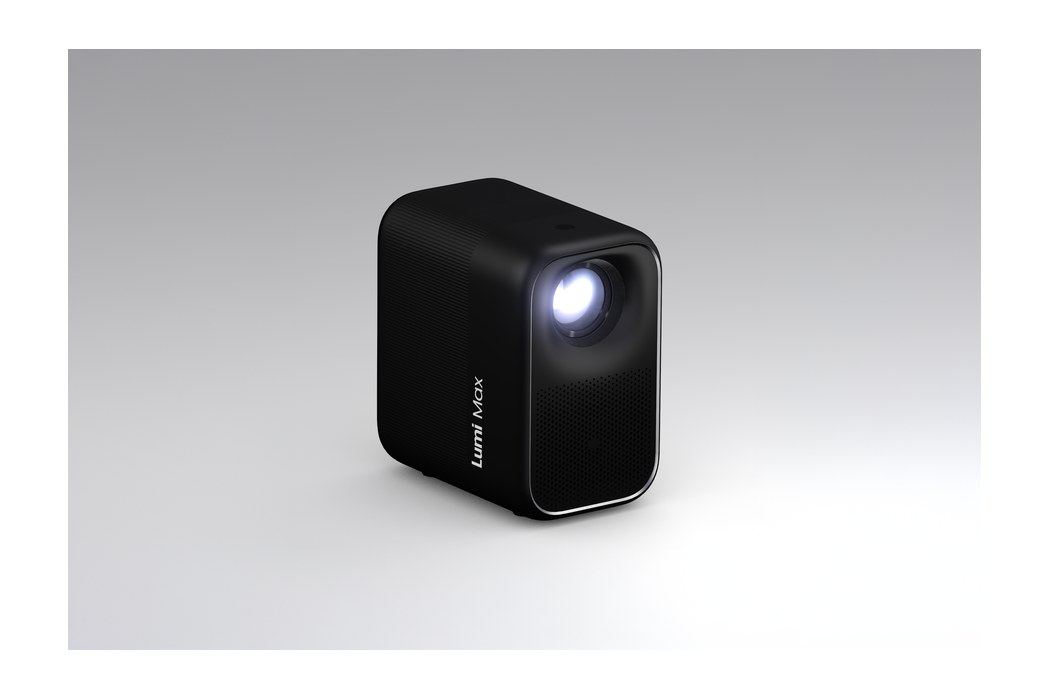
The Projector Built for People Who Would Rather Be Outside
Two adventure travelers got tired of squinting at phone screens under the stars. So they built a projector you can throw in a bag - and turned it into a business.

Big Screen, Small Price: AWALL Wants to Bolt a MicroLED Wall Into Your Living Room
AWOL Vision spent five years selling laser projectors. Then it bolted LED chips to a board, called it AWALL, and started shipping 108-inch video walls to living rooms.

The Bernardsville Shop That Makes Your Smart Home Actually Work
A musician started a mobile recording business in 2005. Twenty years later, Tim Manning runs one of North Jersey's go-to smart-home shops - and the pitch is still 'it's not about us, it's about you.'

The Brazilian Speaker Maker Betting That Sound Should Be Seen
Daniel Lima left the install trade to build handmade speakers out of aluminum, Brazilian stone, and LED light. Magna Audio's bet: audio that reads as architecture, not equipment.

The Art School Dropout's Bet: Make Speakers You Actually Want to Look At
Noah Kaplan started building speakers in a college dorm because he thought audio gear was ugly. Twenty-eight years later, Leon builds every soundbar to the exact width of your TV - and won't ship a warehouse of inventory it doesn't have.

The Company That Hides the Tech So Your House Just Works
A 20-year-old Greenville integrator built a business on a simple bet: the best home technology is the kind you forget is there. The hard part isn't the gadgets - it's the wiring, the calibration, and the phone that still gets answered a year later.

The Company That Sells MicroLED by Refusing to Sell You Too Much of It
An integrator-built microLED brand bet that the way to win the display business was to make it boringly easy to spec, ship, and install. So far, 400-plus walls say the bet is working.