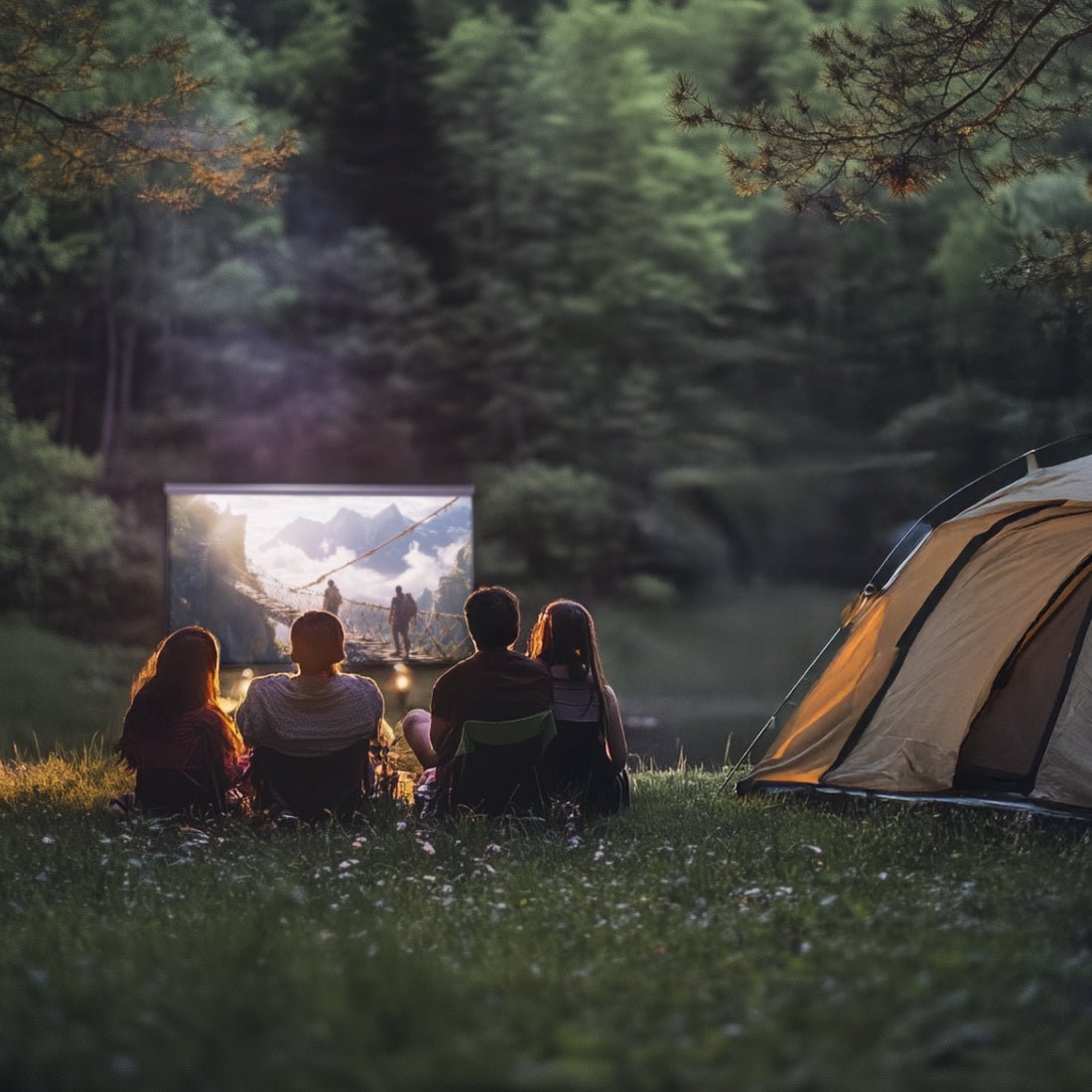
The idea for Lumi did not start in a lab. It started in the dark, somewhere off a highway, with two guys and a pair of phones. Paul Crandell had a Storyteller Adventure Van. Kody Amburgey had a Thor ACE RV. Both had driven a long way to sit under a sky full of stars - and both ended up hunched over a five-inch screen because that was the only way to watch anything. The gap between the setting and the screen was almost comic. In early 2024, they decided to close it.
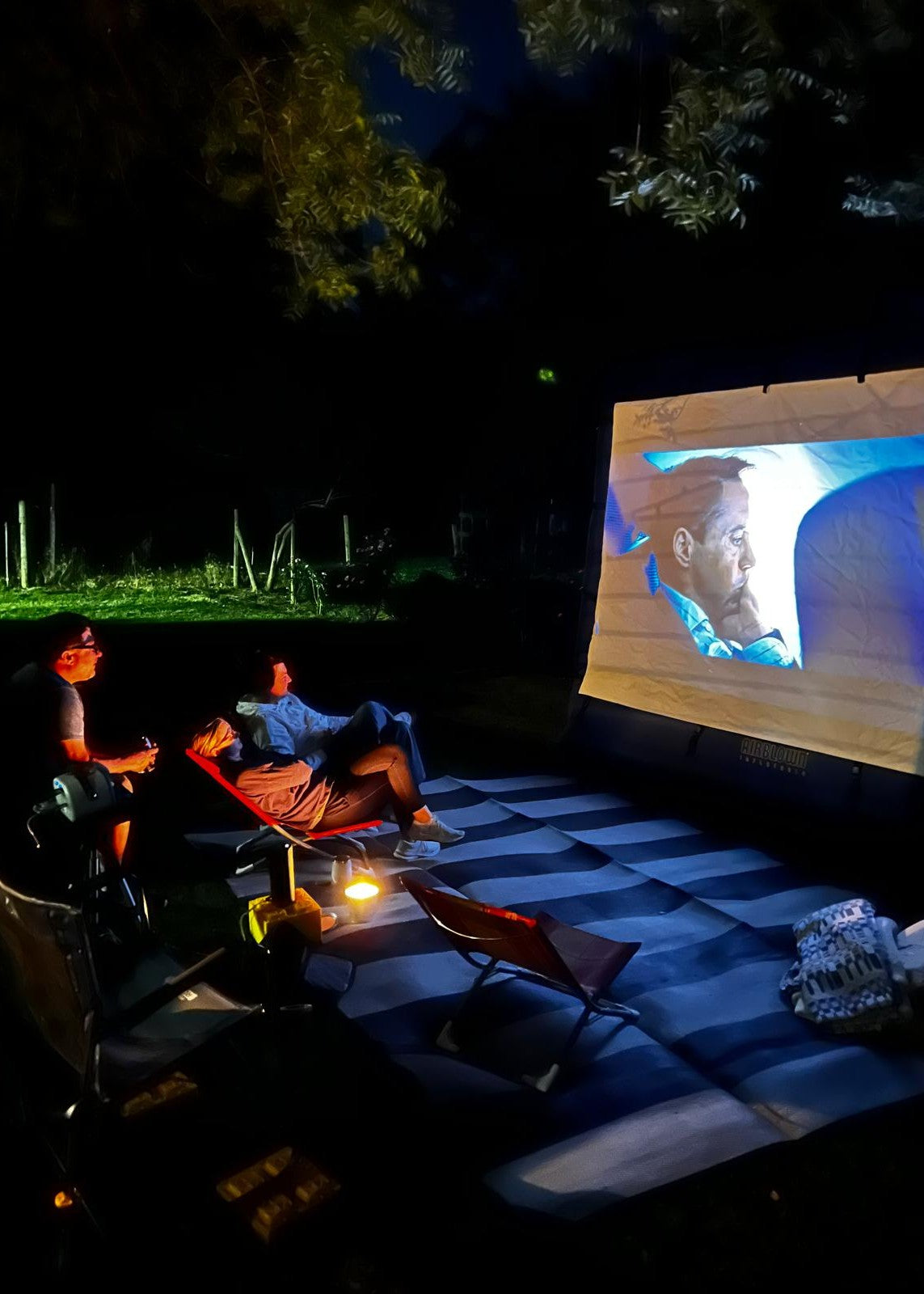
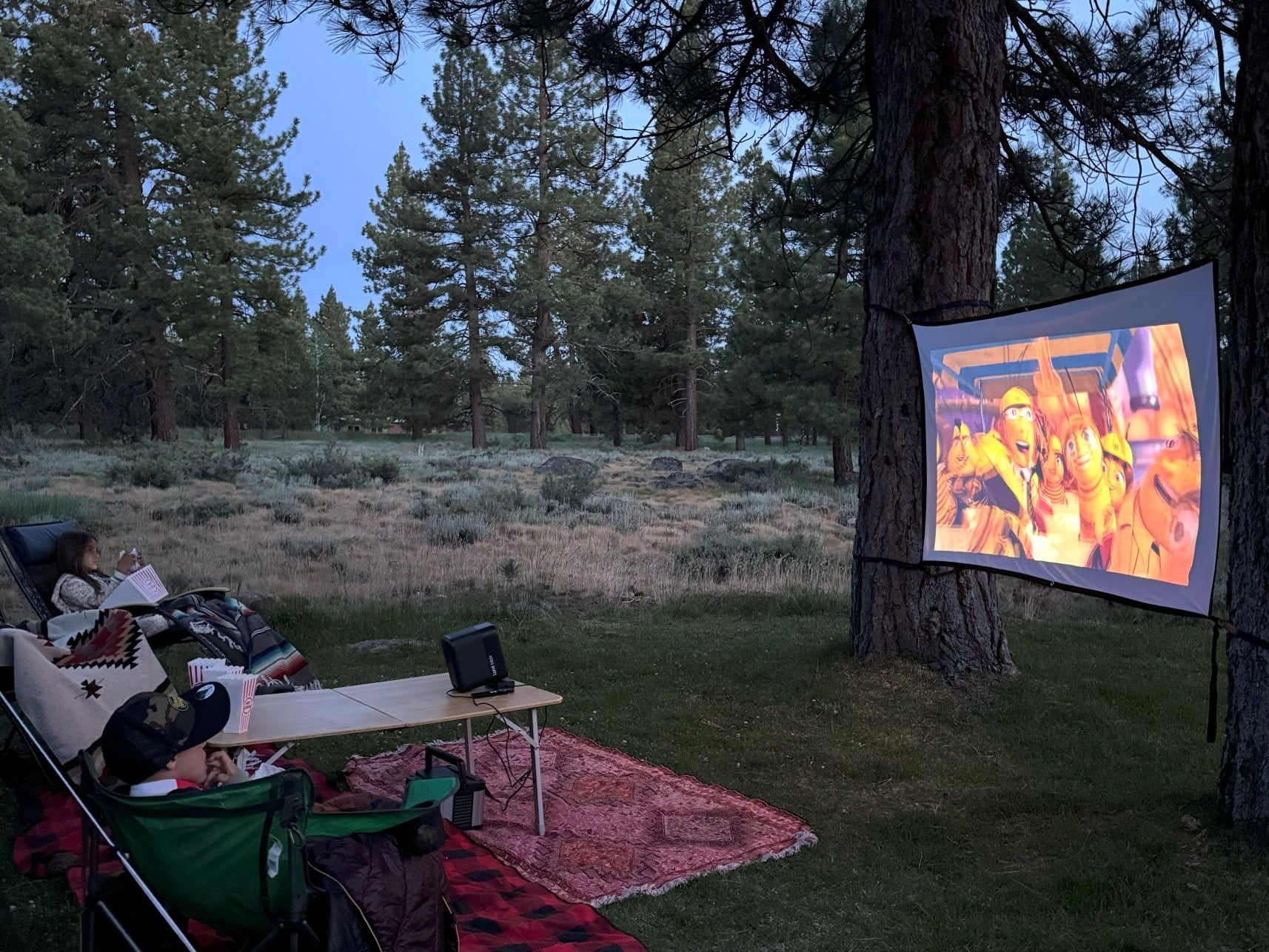
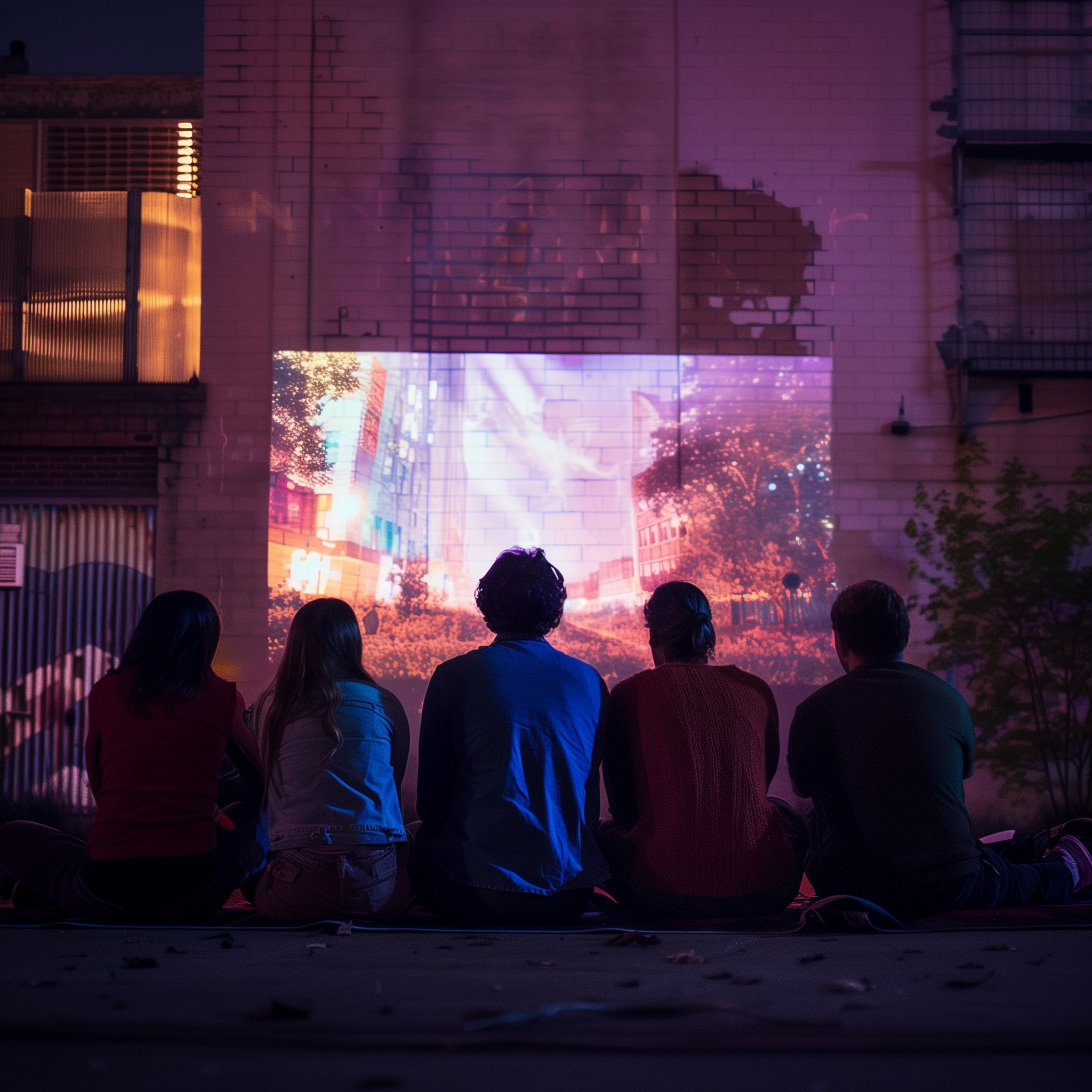
The company they built, Lumi Labs, Inc., sells portable smart projectors. Not the ceiling-mounted kind, and not the $2,000 home-theater kind. Lumi makes the sort of projector you can lift with one hand, drop into a bag, and set up on the side of a van, a backyard fence, or a dorm-room wall in about a minute. The pitch, which the founders repeat in more or less these words, is that nothing beats a 120-inch screen with friends under the stars. The business is a bet that a lot of other people feel the same way.
Crandell and Amburgey are not first-time operators stumbling into hardware. They come out of a world of consumer brands - between them and the people they hired, the resume includes GoPro, Google, Apple, Red Bull, and BMW. That pedigree shows up less in the marketing and more in the choices: a tight product line instead of a sprawling catalog, a fixation on setup speed, and a refusal to chase the spec-sheet arms race that defines the low end of the category.
01What Lumi actually makes
The line is small and deliberately so. The LUMI-1 is the entry point: an Android-based projector that weighs 2.8 pounds, throws a picture from 50 to 200 inches, runs 1080p Full HD with 4K compatibility, and sells for around $199. The Lumi Max is the flagship. It swaps Android for full Google TV - which means roughly 700,000 titles across more than 10,000 apps arrive out of the box - and adds 400 ANSI lumens, HDR10, Dolby audio through dual speakers, and a set of setup shortcuts that matter more outdoors than they sound on paper. It weighs about 4.5 pounds and costs $399. A third variant, the Lumi 1A, rounds out the range, and the company sells its own screens, stands, and carry cases alongside.
One detail on the Max is the kind of thing you only sweat when you actually use the product. Its time-of-flight depth sensor does the usual auto-focus and auto-keystone work, but it also watches for objects on the wall - a picture frame, a light switch, a shelf - and shifts the image to project around them in real time. It is a small feature. It is also exactly the sort of small feature that separates a projector designed by people who camp from one designed in a spec sheet.
Lumi Max — spec sheet
02Who it is for
Lumi did not try to be for everyone, which is the more interesting choice. The customer is specific: the van lifer, the RV owner, the tailgater, the parent setting up a backyard movie night, the college student in a dorm with no space for a television. What ties them together is a simple constraint - they want a big screen in a place where you cannot bolt a TV to the wall. Lumi reports 6,244 customers and roughly 58.4 million minutes watched on its devices, numbers that hint at how sticky the use case is once someone tries it.
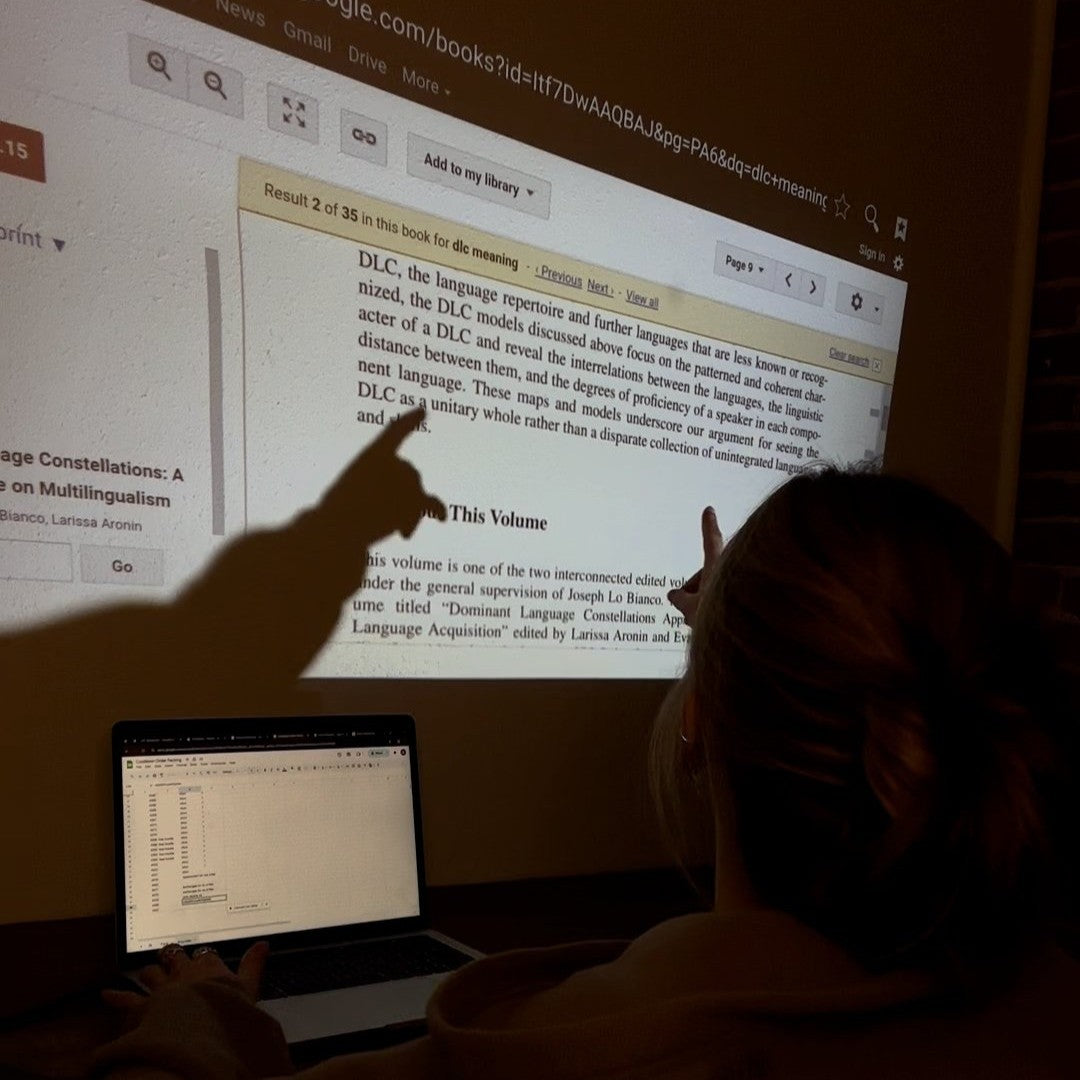
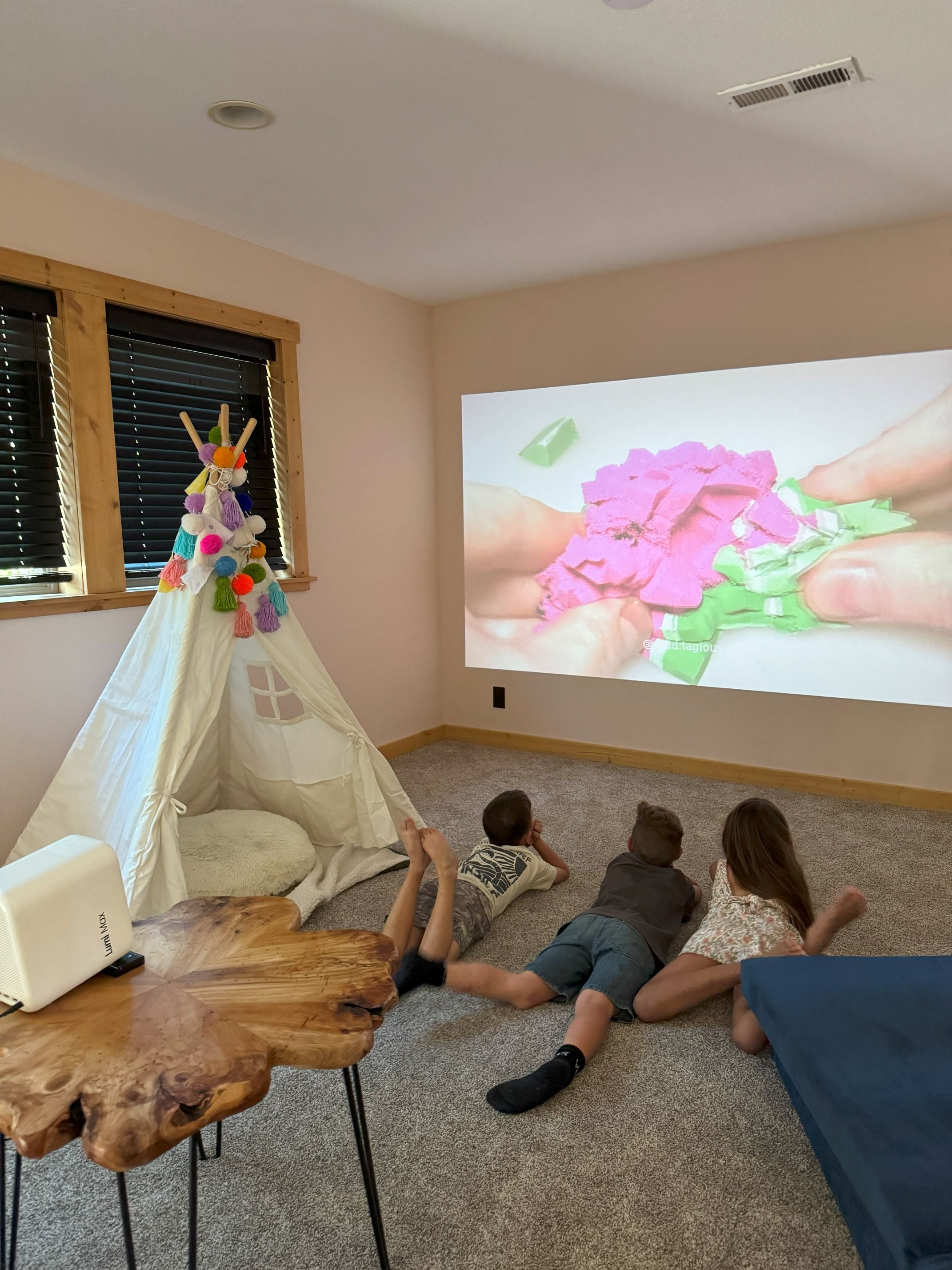
The use cases sprawl once the device is in the house. Customers use Lumi as a backyard cinema, then as a whiteboard for a work-from-home wall, then as a way to keep kids entertained on a rainy afternoon. A single portable box quietly replaces a TV, a second monitor, and a presentation screen depending on the day. That range is the quiet advantage of a projector over a television: a TV does one job in one room, while a projector goes wherever the wall - or the van, or the tent - happens to be.
03How it is different
The portable-projector aisle is crowded, and most of it competes on two numbers: lumens and price. Lumi opted out of that race and competed on fit instead. Its rivals are familiar - Samsung's The Freestyle, Anker's Nebula line, XGIMI, BenQ, Epson, and the pile of anonymous budget units on Amazon. Against the premium names, Lumi is cheaper. Against the budget ones, it is more capable and better supported. The company calls its position the high end of the mid-tier, and prices to undercut the luxury brands while clearing the disposable ones.
Where Lumi sits on pricePositioning only holds if the product backs it up, and Lumi leans hard on one differentiator that is hard to fake: the whole team uses the product. Both founders live the outdoor life the projector is built for, and the company says its people stand behind the quality, utility and fun of the devices as users themselves. That is a strategy as much as a slogan - a roadmap set by people who feel the rough edges before customers do.
04The business behind it
Lumi sells the way most modern consumer brands start - direct to consumer, on a Shopify storefront at grablumi.com, wrapped in 30-day returns, a one-year warranty, and human support seven days a week. What is less typical for a seven-person company is the second channel. Lumi signed Shepherd Sales Group, a manufacturer's rep firm with more than 75 years in the RV industry, to push the projectors into physical RV dealerships across the country. It is an unusual pairing - a lean D2C brand plugging into decades-old dealer relationships - and it maps neatly onto the customer Lumi already chose.
The team's resume is part of the pitch. Beyond the two founders, Lumi's people carry experience from GoPro, Google, Apple, Red Bull, and BMW; its fractional chief marketing officer, Leanne Johnson, previously helped scale Google's Pixel phone. Funding has been kept lean and community-flavored: the company ran a WeFunder raise in 2025, reported around four months of runway that fall, and has been spending ahead of revenue on a product transition, tariffs, and new sales channels rather than on growth for its own sake.
05Where it fits
Zoom out and Lumi is a small company playing a clean version of a familiar game: pick a customer the incumbents overlook, and serve them better than a generalist can. The generalists sell projectors for the living room. Lumi sells them for everywhere the living room is not. The company builds that focus in person, too - it turns up at overland and camping events, including one that drew more than 29,000 attendees, and runs giveaways, creator collaborations, and a corporate-gifting program to keep the community close.
Whether the two-channel gamble and the mid-tier pricing hold up against deep-pocketed rivals is the open question every hardware startup faces. What Lumi has going for it is a rare kind of clarity. It knows exactly who it is for, it uses the thing it sells, and it built a product around a moment its founders kept living: a beautiful place, a dark sky, and no good way to watch the show. The company's whole job is to make that moment bigger.
Its mission fits on a bumper sticker - transform any space into a world of possibilities. In practice it means a movie theater in a backyard, a whiteboard on an office wall, and a drive-in on the side of a van. For a company barely two years old, that is a lot of ground to cover with a 4.5-pound box. Lumi is betting the box is enough.