fan-engagement
(56)
The Agency That Treats Fandom Like a Moving Target
MKTG built a business around a simple problem: fans refuse to sit still. Its answer combines research, rights strategy, creative work and the stubbornly physical craft of making an experience happen on time.

Two People, One Client, and the Business of Borrowing a Crowd
MSQ Sport + Entertainment grew from two founders and one trusting golf client into a three-city agency by treating fandom as a living culture, not rented media space.

The Music PR Firm That Put Its Fee on the Line
TREND screens the artist before it sells the campaign, then combines hand-pitched press, vetted playlists and a two-person social team. The wager is simple: attention only counts when it still points back to the music.

Team Click knows how to get attention. Even when it forgets its own.
The entertainment agency built a business around thinking like a fan. Its own publicity problem reveals why even a good story needs someone to tell it.

Total Assault gives the fans a job
A Christmas chart race. A country-music clubhouse. A deadline for a guitar amp. Total Assault’s campaigns reveal what happens when an audience gets something to do.

UNFOLD Started With Banner Ads. Then Came Darth Vader.
The Los Angeles agency built its business in the small spaces of the internet. Its work for Disney, DC and game publishers shows how much can happen when creative ambition meets production discipline.
We Are Royale makes ads you can play inside
A fake travel agency. Real estate for Warcraft. The creative studio behind them has a practical theory of fandom: give people something worth doing, and the advertising gets a lot more interesting.
Cal Athletics Has 30 Sports. The Hard Part Is Paying for Them.
Berkeley’s Golden Bears are turning donor loyalty, jersey space and a new storytelling studio into a broader revenue operation. The stakes extend from football Saturdays to the athletes who rarely make prime time.
X Games sold the big moment. Now it sells the whole season.
The action sports institution has turned individual daredevils into teammates and cities into franchises. Its first league season offers a glimpse of the business behind the tricks.
Nashville SC built a $335 million home. Then came the silverware.
A stadium, a guitar riff and a first trophy: Nashville Soccer Club has turned a local soccer following into an MLS business. The expensive part was building a home; the harder part was giving people reasons to return.

The Biggest Sports Company Fans Never See
Deltatre powers the streams, scores, graphics and split-second decisions behind global sport. Its cleverest product may be its own invisibility.

FairPlay Built the Betting Business Hiding Behind the Scoreboard
Oddschecker spent 25 years teaching bettors to shop for a better price. Now its parent is turning that habit, and the data trail behind it, into infrastructure for the rest of sports media.

Nimish Goel Bet the Company on Making Celebrity Time Scale
A gatecrashed wedding supplied the spark. A stubborn bottleneck supplied the business. Nimish Goel turned five seconds of fandom into an enterprise bet on video at impossible scale.

Daniel Kirschner Built the Plumbing Behind the Highlight Reel
A policy lawyer and a retired All-Star began with a clunky video request. Twelve years later, their software sits behind the fast, intimate sports clips that make a distant stadium feel close.

Shawna Newbery Is Building Ottawa’s New Soccer Habit
After two decades shaping brands, Shawna Newbery has taken on a more public assignment: turning a young women’s soccer club into a ritual Ottawa chooses to repeat.
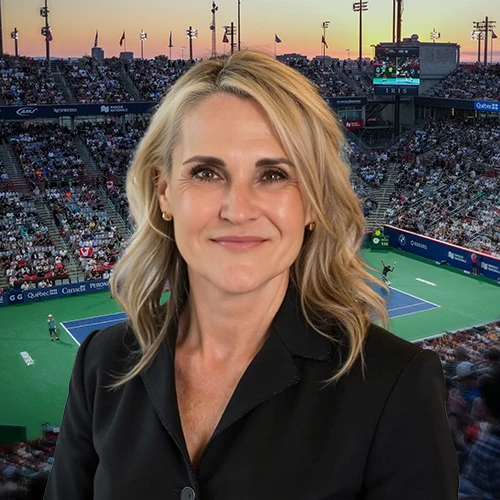
Nathalie Tremblay Is Turning a Tennis Tournament Into a Playground
After a mid-career reset, the digital operator found her professional home at Tennis Canada. Her assignment now stretches from ticketing systems to the feeling fans carry home.
Ottawa Rapid FC Built the Team. Now It Has to Build the Habit.
Canada finally built a domestic professional league for its women. Ottawa's founding club made the playoffs in year one - then brought in new majority owners to solve the harder problem: making a new team feel inevitable.
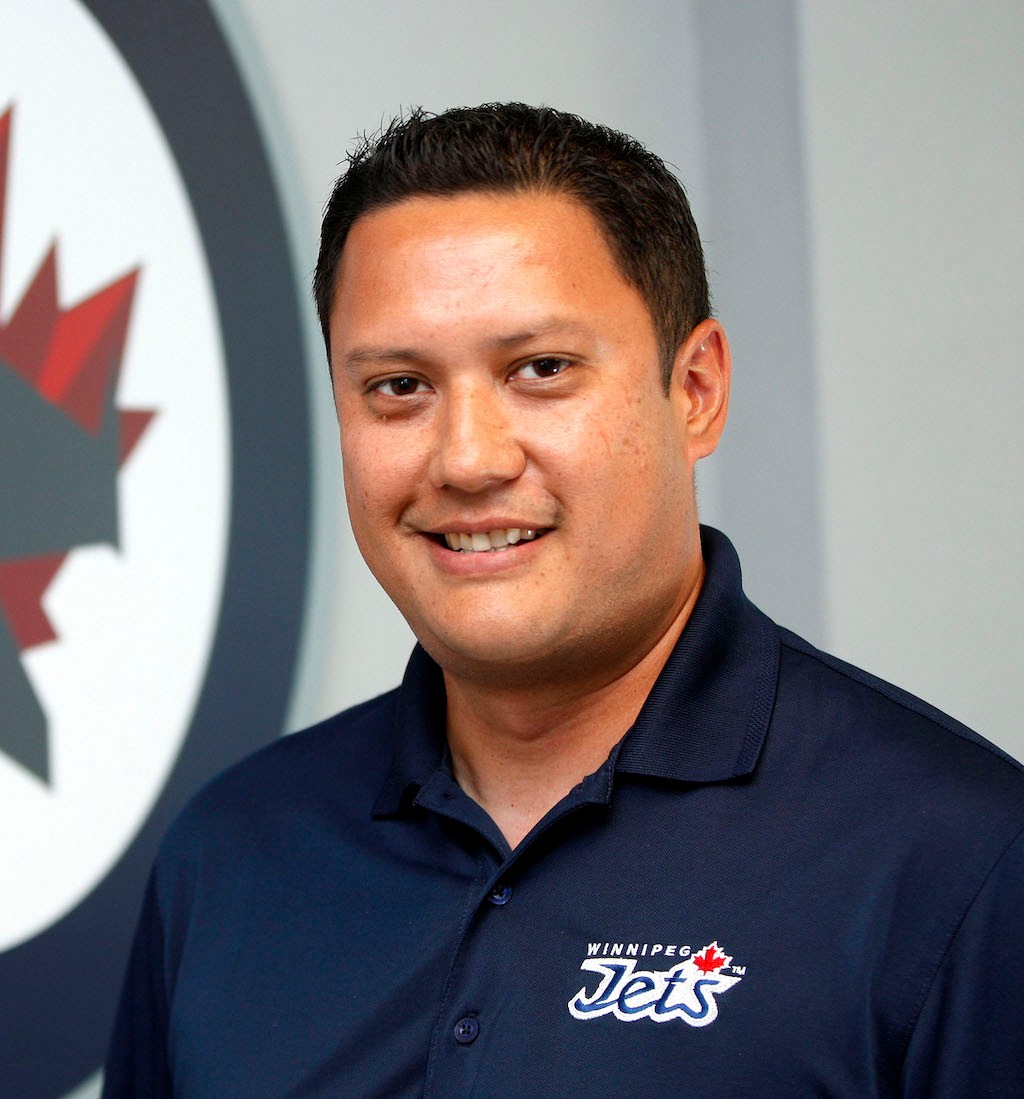
Dorian Morphy and the Long Game of Belonging
For nearly three decades, Dorian Morphy has helped turn Winnipeg fandom into a civic ritual - from the Moose and the Drive to 13,000 to a broader idea of who gets to feel at home in hockey.

Greenfly Turned the Locker Room Camera Roll Into Sports Media Infrastructure
A retired All-Star started with a video-request app. The useful business appeared when Greenfly stopped chasing clips one at a time and built the plumbing that moves thousands of sports images to the right athlete, sponsor, broadcaster, or feed.
The Team Natalie Portman Built to Prove Women's Soccer Was Underpriced
A women's soccer club built by Hollywood, venture capital and athletes bet that fans, sponsors and equity could sit on the same balance sheet. In 2024 the market priced that bet at $250 million.

Dream Sports Lost Its Cash Engine. Now It Wants the Rest of the Fan's Day
The company that taught millions of Indians to manage imaginary cricket teams is attempting a harder rebuild: turning one enormous audience into many smaller businesses without the paid contests that once funded the machine.
The 123-Year-Old Startup That Put a Clock on Baseball
Thirty rival owners, one shared product, and a rulebook that finally admitted the game was too slow. Inside the business behind the batter's-box logo.
The NWSL Is Building the League Women’s Soccer Was Always Told to Wait For
Sixteen clubs, four major media partners and one newly liberated player market have turned the NWSL into a revealing test of what happens when women’s soccer is treated as a durable business, not a charitable cause.
The Blue Jackets Built a Hockey Town. Now They Have to Win It.
Columbus has proved it will show up - 94,751 fans did so at Ohio Stadium. The Blue Jackets' harder business is turning civic affection, a loud cannon and a deep local network into the durable habit of winning.
The Only NFL Team Its Fans Actually Own
How a community-owned football club in a city of 105,000 became the winningest franchise in the NFL - and the only major American sports team that answers to its fans instead of a billionaire.
The WNBA's 30-Year Overnight Success
After decades of proving the audience existed, women's professional basketball has entered its infrastructure era. The WNBA is adding cities, screens and revenue-sharing at the same time - and learning how to turn attention into an institution.

The Shark Tank Is Becoming a $500 Million Bet on Hockey's Next Generation
San Jose is rebuilding more than an NHL roster. With a generational young star, a lease through 2051 and a sweeping arena overhaul, the Sharks are trying to turn a hockey club into the Bay Area's most durable live-entertainment habit.

Octagon
Octagon works in the control room of modern fandom - negotiating the talent, rights, campaigns, data and live experiences that turn attention into a business.
National Football League (NFL)
The NFL is less a single sports company than a carefully tuned operating system for 32 clubs - one that turns a short season into year-round media, data, merchandise and global fandom.
National Hockey League (NHL)
The NHL sells a scarce live spectacle, then makes it abundant across television, streaming, merchandise, data products and 32 local markets. Its century-old advantage is not merely hockey - it is the system that turns every puck drop into rights, reach and ritual.