Ten points. That was the gap between New York and Tokyo when the first X Games League season ended in New Orleans on July 26, 2026. Daniel Sandoval’s final BMX Park performance helped secure the title for XC New York. The club collected a $500,000 championship prize. For a company that has spent three decades selling the suspense of an individual run, the finish supplied a different kind of drama: everyone else’s run mattered, too.
That is the commercial idea behind the new X Games. Put athletes on city-branded teams, carry points from stop to stop, and give viewers a reason to return after the highlight has finished circulating. A skateboarder can still win a medal. Now a BMX rider can help that skateboarder’s team win the season. The scoreboard has acquired a second job.
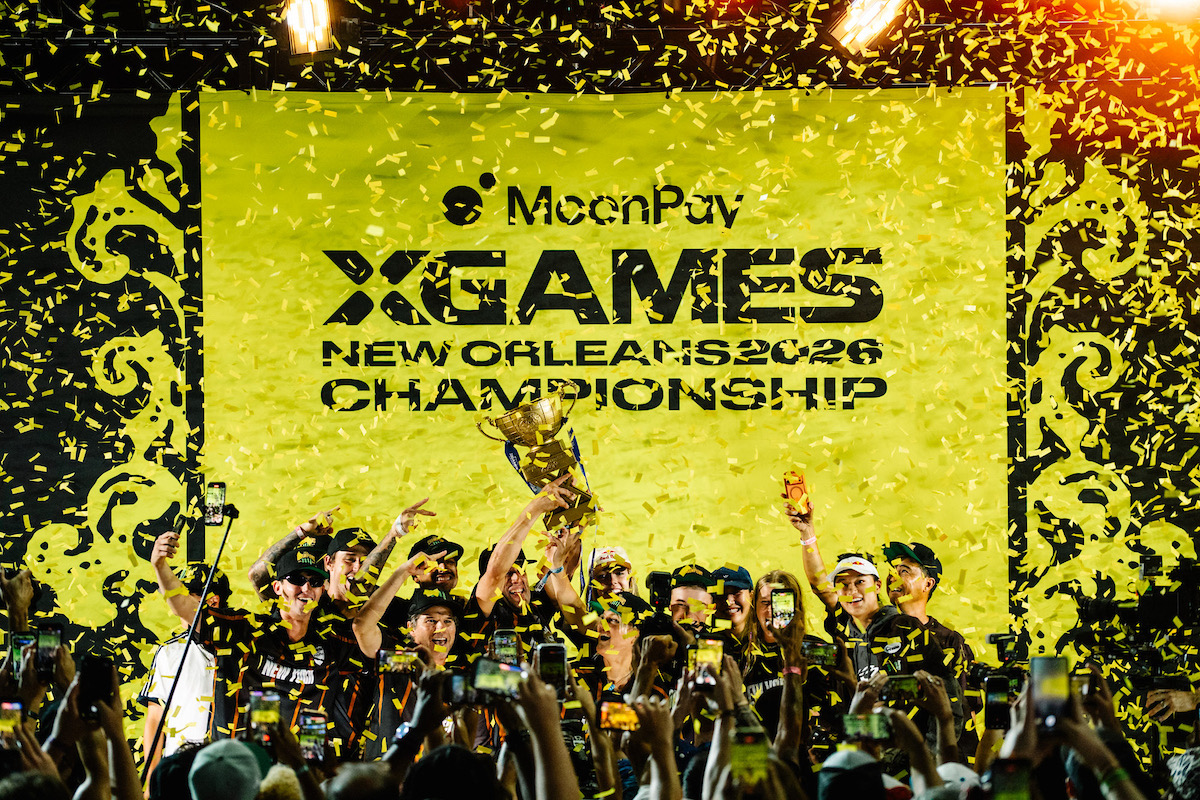
The replay needed a next episode
X Games occupies an unusual patch of the sports business. It produces competitions, makes and distributes media, sells tickets and merchandise, and gives sponsors access to action sports audiences. Its raw material is athletic skill across skateboarding, BMX, skiing, snowboarding and Moto X. Its finished product can be a stadium weekend, a television program or a few seconds of video watched on a phone.
The audience arrives through different doors. A committed rider may follow a particular discipline. A family may want a day out. A casual viewer may recognize an athlete without knowing the scoring system. Sponsors and broadcasters are customers as well: one wants a place in the audience’s attention, the other wants a program worth watching. The company has to serve all of them without making the competition feel incidental.
Its history explains why that balancing act feels familiar. ESPN executive Ron Semiao created the competition; ESPN announced the Extreme Games in 1994 and held the first edition in Rhode Island in 1995. The original menu included bungee jumping, skysurfing and barefoot waterskiing. Apparently, one way to invent a sports property is to give the programming department a very long afternoon.
The name became X Games in 1996, and winter competition arrived at Big Bear Lake, California, in 1997. Individual moments then supplied the public memory: Tony Hawk’s 900 in San Francisco in 1999; Travis Pastrana’s Moto X double backflip in competition in 2006. These were sporting achievements that also made unusually effective television. You did not need a season’s worth of standings to understand that something had happened.
First came more cities. Then came the bill.
Fame did not make every expansion work. ESPN announced a six-event global calendar beginning in 2013, including two U.S. events and four overseas. It was an attempt to take an established American property to more audiences, more host cities and more commercial partners. The attraction was straightforward: a recognizable name could open doors that an unknown competition could not.
The economics pushed back. In October 2013, ESPN said it would discontinue overseas expansion events, explaining that their financial results did not support continuing them. It reaffirmed its commitment to Aspen and the new Austin location. The episode is a useful correction to the idea that a famous sports brand can simply add destinations and collect the upside.
It also makes the current plan more interesting. More stops mean more production and coordination. Someone has to build a course, stage the show and make the commercial package worthwhile. The inference for event operators is plain: international recognition helps sell the proposition, but each event still needs to earn its place on the calendar.
A Formula One idea, without the cars
Ownership changed in October 2022, when MSP Sports Capital acquired a majority interest from ESPN. ESPN retained a minority stake and continued as a television partner. The transaction separated control of the event business from the network that had created it. MSP brought experience investing across professional sports, including Formula One.
In June 2024, X Games made the connection explicit. Executive chairman Jeff Moorad described Formula One as a model for the proposed league. The announcement paired a recurring calendar with team investors, new sponsorship opportunities and guaranteed athlete compensation. It was an effort to build more dependable earning opportunities around athletes whose performances had long provided the attraction.
“In essence, we’ve used Formula One as a model for this new X Games League.”
Jeff Moorad · Executive chairman · June 2024
Jeremy Bloom became chief executive in December 2024. A former Olympic mogul skier and NFL player who also co-founded marketing software company Integrate, he brought experience on both sides of an athlete’s commercial life. The league proposal preceded his arrival. His assignment was to turn it into something athletes, fans and owners could actually use.
The summer version launched in 2026 with clubs representing Los Angeles, New York, São Paulo and Tokyo. Each club has ten roster places, split evenly between men and women. Athletes come from around the world; the city is a team identity, not a nationality requirement. Individual results feed club standings across the season.
The first summer ran through Sacramento, Chiba and New Orleans. Skateboarding and BMX supplied league competition; Moto X remained part of X Games without joining the league standings. That distinction matters. X Games can preserve a broader event program while selecting which disciplines count toward a team championship. The institution and its new league are related products, with different boundaries.
Three stops. Four clubs. A ten-point title margin.
Final standings reported by X Games; bars begin at zero.
Several customers, one competition
The league adds another buyer to the business: the club owner. UNA Sports Group acquired New York’s summer and winter teams in May 2026. Sports Business Journal reported, citing Bloom, that each sold for an eight-figure sum. Allen Thorpe’s Pipedream Capital subsequently bought the Los Angeles and Park City clubs; Summit Ventures bought São Paulo.
Sponsorship is another substantial part of the proposition. Forbes reported in January 2026 that MoonPay’s three-year title deal was worth a mid-eight-figure amount. Those figures describe different transactions. A franchise purchase buys an ownership position in a club. A title sponsorship buys commercial association with a league. Neither number is a measure of what it costs to stage a season.
The more everyday business is visible at an event. For the New Orleans championship, Monster Energy sponsored skateboard street, Bobcat supplied course-building equipment, and Amazon was the online retail partner. This is a useful illustration of sponsorship’s range: it can name a competition, put a product in a spectator’s hand or help build the surface an athlete rides.
A map of the commercial offer, not a revenue breakdown.
Distribution completes the arrangement. ABC and ESPN carried championship coverage, while Roku offered U.S. streaming and on-demand viewing through X Games TV. Different viewing routes let the same event reach people with different habits. The company reported 18.3 million U.S. television viewers across ABC and ESPN for its inaugural summer season, up 78.5 percent over 2025. That is reported season reach, rather than an average audience watching simultaneously.
The audience still gets a vote
The competition program is also a product under revision. In July 2026, X Games introduced Spotlight Events to test emerging disciplines and formats, starting with Scooter Park Best Trick and Men’s Skateboard Park Best Trick. The company said athlete participation and audience response could influence whether these competitions become permanent or enter the league.
That is a practical experiment other event businesses can copy. Put a new idea in front of an audience you already have, explain that it is a trial, and observe what people do. Permanent expansion is a bigger commitment. A test can reveal whether a format attracts interest before it takes a recurring place in the schedule.
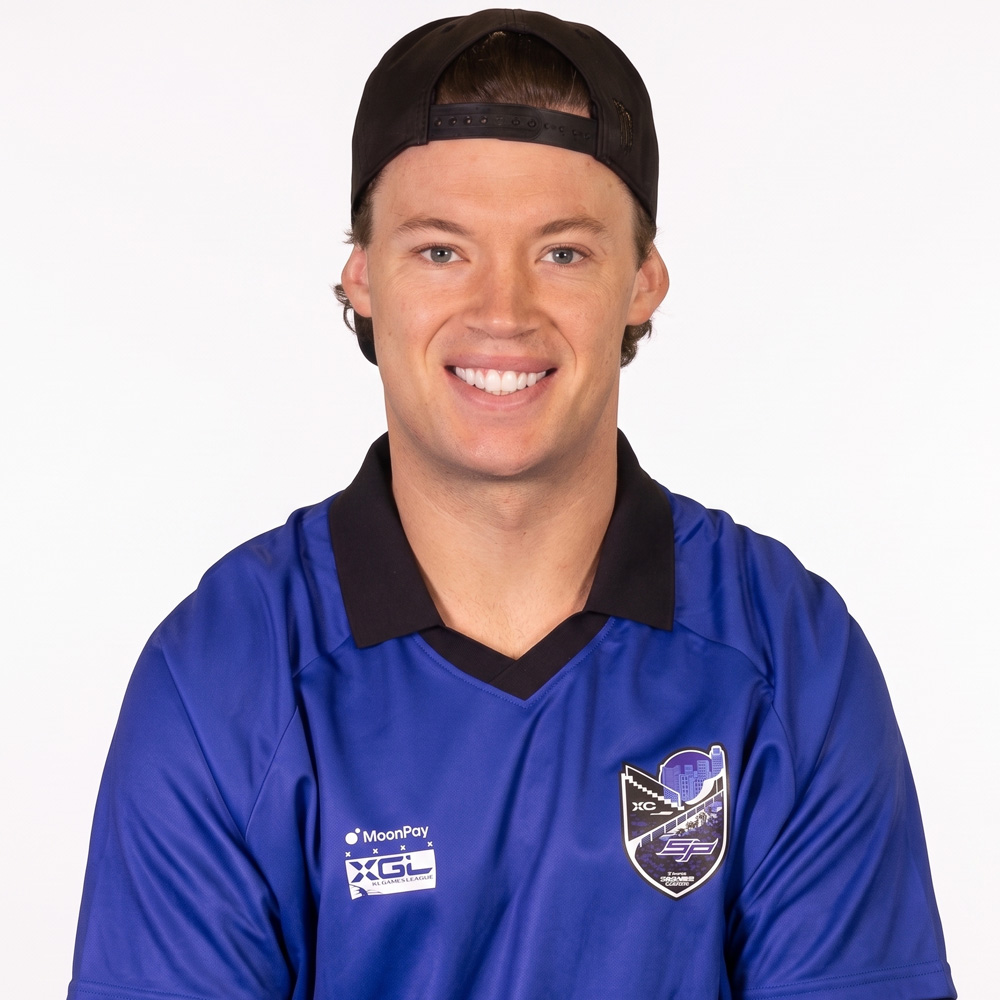
Credibility is essential because viewers have alternatives. Street League Skateboarding concentrates on street skating, with its own global series and amateur-to-professional pathway. Shaun White’s Snow League focuses on snowboard and freeski halfpipe. X Games’ distinguishing offer is its combination: several disciplines, summer and winter competition, festival experiences and now clubs that connect individual performances.
That breadth is useful only if the connections mean something to fans. A skating enthusiast does not automatically develop an interest in BMX because two athletes wear the same team name. The league needs understandable scoring and personalities worth following. More complicated standings, an overcrowded calendar or weak attachment to a city identity could make the added structure feel like homework.
The next test comes on snow
For a new viewer, the sensible starting point is simple: pick an athlete or discipline, watch a final, then check how that result affected the club. The official website collects schedules, athlete profiles and standings; event pages explain ticket options and viewing arrangements. A sponsor can look at the same program as a choice of audiences and experiences, rather than one undifferentiated logo purchase.
The winter clubs are preparing for their first season in January 2027. X Games has named general managers for Golden State, New York, Park City and Whistler, with a draft scheduled for September 16 in Los Angeles. Aspen remains central: a new host agreement keeps X Games at Buttermilk through winter 2028/29.
Summer supplied the new league with a close finish and an inaugural champion. Winter will test whether the attachment travels across different sports and a new set of rosters. X Games has always known how to make people watch a landing. Its business now depends on making them care who is coming next.