A sports club can be fully assembled and still unfinished. It can have players, owners, a crest, a home ground and dates circled on a calendar. What it does not have on opening day is memory. No inherited Saturday routine. No faded ticket pinned above a desk. No child asking, before breakfast, how many hours remain until kickoff. Those things arrive only after people decide to return.
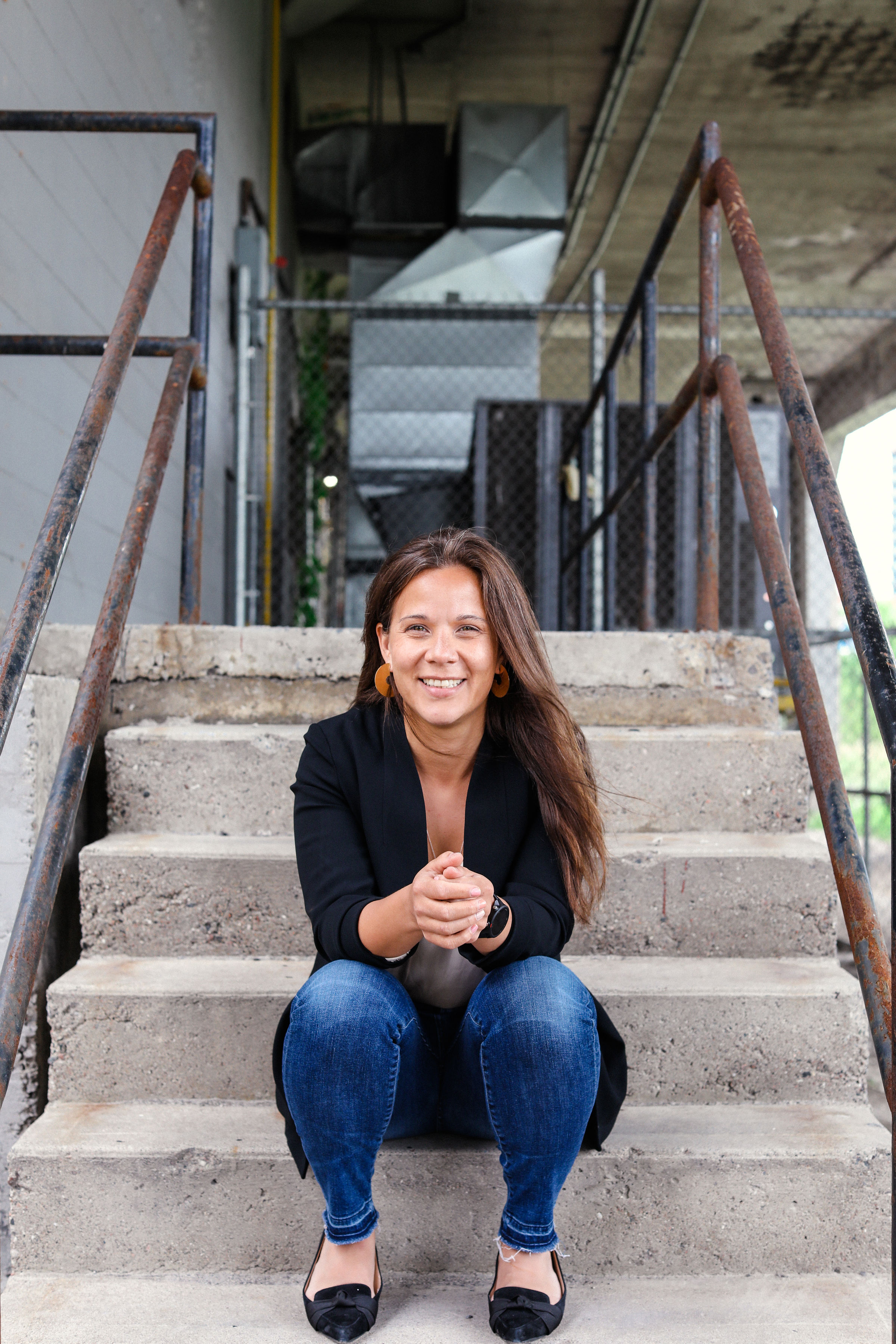
Shawna Newbery works in that gap between an organization and a habit. As Chief Marketing Officer of Ottawa Rapid FC, she leads brand, marketing, digital engagement and community outreach for one of the Northern Super League’s founding clubs. Her remit sounds corporate until you translate it into the small choices of a supporter: notice the team, understand the invitation, buy a seat, wear the shirt, bring someone next time.
In public, Newbery does not sound like someone hiding behind a brand handbook. She writes with exclamation points, football jokes and the clipped energy of a person who would like the meeting to become a match. When she announced her move to Rapid FC in 2025, she said she was “absolutely buzzing” to raise the profile of women’s professional soccer in Ottawa. She called the job “living the dream,” then turned outward: reach out if you want to get involved.
Make the new thing feel like it belongs
The invitation matters because professional women’s soccer in Ottawa is both established and new. The athletes arrive with years of work behind them. The league and club are young. Marketing has to respect the former while building familiarity around the latter. Too much explanation and the whole enterprise can feel provisional. Too much insider language and a curious family may decide it has arrived late to someone else’s party.
Newbery’s phrasing around the 2026 schedule catches this balance. The season, she said, offered something for people who “live and breathe soccer” and those “just beginning to fall in love with our beautiful game.” That is more than an audience split. It is a compact growth strategy: reward the fluent, welcome the learner.
Weekend home dates help. So do theme nights built around kids, K-pop, country and community. None of these devices changes the ninety minutes on the pitch. They change the odds that someone gives those ninety minutes a first chance. A fixture becomes a family plan. A player call-up becomes civic pride. A cap or jersey lets the club travel through the city on a supporter’s body.
A jersey has nowhere to hide
Few marketing objects are as unforgiving as a jersey. It must move at full speed, read across a stadium, look right on a child and survive years in a closet. The athlete should remain the point. The supporter should want to spend money on it. The city will eventually make its own judgment in grocery aisles, schoolyards and buses.
Newbery knows that tension from both of Ottawa’s major winter and summer sports stages. Before Rapid FC, she was Director of Brand, Insights and Merchandise at the Ottawa Senators. An Ottawa Ad Club biography credits her with leading the hockey club’s 2021 brand and jersey redesign. At Rapid FC, the kit again became a concentrated version of the larger job.
“Jerseys are the essence of a club’s brand.”Shawna Newbery
Promoting a 2026 talk about the Rapid home kit, she described the process as strategy, stakeholders, trade-offs and standards. Her sharpest line was about the consequence: the city “literally puts our design choices on their backs.” It is hard to invent a cleaner accountability mechanism. The work leaves the presentation deck and walks down Bank Street.
Her design principle is restraint. A jersey should “sing” without competing with the athletes who wear it, she wrote, comparing the task to the beautiful game itself. She also invoked “the art of a ruthless edit.” The two ideas belong together. A distinctive brand does not require every possible flourish. It needs enough character to be recognized and enough space for the people inside it to matter.
The portable test: Ask whether a customer would carry the decision into public. A jersey makes that test literal, but it works for any product meant to signal belonging.
Every previous job was practice for the whole
Newbery’s route to the Rapid front office did not follow one industry. It followed a recurring problem: how people encounter an idea and decide it is worth joining. She started in event design and client service. She moved through digital integration at FleishmanHillard, then spent six years directing global brand, content and sponsorship work at Aimia. The loyalty business is an education in repetition. A one-time transaction is easy to count. Preference is harder.
At a 2012 conference on loyalty and data, Newbery took an unusual assignment. Instead of adding another laptop and slide deck, she captured group discussions in pictographs as a “creative Emoji provider.” It is a small anecdote, but a telling one. Information had to become visible while a room was still thinking. Brand work, in that moment, was closer to live translation than polished advertising.
By 2017, she was speaking about how strong brands depend on digital asset management. The topic sounds procedural. Its concern is deeply editorial: keeping the many expressions of an organization coherent. A crest, a sponsor treatment, a social post and a stadium sign should feel as if they know each other. Systems protect that recognition when teams and channels multiply.
A career built across forms of belonging
After the Senators came founder chapters. Parlally was conceived to help people communicate more effectively in their professional lives. SNC followed, alongside a corporate marketing role at Kognitiv. Starting something from zero is useful preparation for a young sports property. There is no inherited answer for every choice. The operator has to move between ambition and the next practical deliverable.
Rapid FC gathers the strands. It is an event every time the gates open, a merchandise business when the shirt goes on sale, a digital community between fixtures, a sponsorship platform and a public story about women athletes. The CMO cannot treat those as separate campaigns. To a supporter, they are one relationship.
Belonging is built in the return visit
Sports marketers borrow the language of ownership because fans really do change the product. They supply songs, rituals, jokes, lucky garments and emotional continuity. The club can create the conditions, but it cannot manufacture affection on schedule. It can only make the next visit feel worthwhile.
That helps explain why community outreach sits inside Newbery’s portfolio rather than beside it. A youth encounter can be the first chapter of a supporter’s life. A weekend kickoff lowers the practical cost for a family. A theme night gives the soccer-curious a clear doorway. Digital posts sustain the conversation when the stadium is empty. Each touchpoint answers a quiet question: is this for someone like me?
“Women’s professional soccer deserves every spotlight, every cheer, every moment of recognition we can create.”Shawna Newbery
The word “create” does important work there. Recognition is not treated as an automatic reward for excellence. The athletes bring excellence. The commercial and cultural apparatus has to make sure people see it, understand where to find it and feel invited to care. Promotion, in that frame, is not decoration around the sport. It is distribution for attention.
There is also a local advantage in Newbery’s career. Her University of Ottawa education, years with the Senators and work across the city give her more than a professional network. They provide a feel for which symbols carry weight and which forms of civic language sound borrowed. A young club needs novelty, but it also needs an accent the city recognizes.
The return test: Awareness can produce a first visit. Habit requires a sequence of good reasons to come back, each one consistent enough to feel familiar and fresh enough to feel alive.
The brand is still being written in the stands
Ottawa Rapid FC entered its second campaign in 2026 after reaching the playoffs in its inaugural season. There was now a result to remember and a semifinal ending to carry forward. Memory had begun. The marketing challenge shifted slightly: preserve the discovery energy of year one while giving returning supporters signs that the club is growing with them.
Newbery’s public voice stays close to that collective motion. She celebrates international call-ups, recruits people into a development culture, amplifies colleagues and asks Ottawa to show up. Even when she talks about design psychology, the final image is social: a city wearing its team’s choices.
This is the useful contradiction of building a sports brand. The work must be deliberate, but the result should feel spontaneous. Someone makes careful decisions about type, colour, ticket offers, match themes and messages. Then a supporter throws on the jersey without thinking, meets friends at the ground and discovers the routine has become theirs.
That is how a club finishes assembling itself. Not on launch day, and not inside the front office. It happens in the accumulation of ordinary returns: another home date, another familiar face, another child counting down the hours. Newbery can design the invitation. Ottawa decides, week by week, whether it becomes a habit.