entertainment-marketing
(72)
The Office That Came Before the Company
Sakebomb rented an office before it had a business, then turned Hollywood movie sites, skate culture and a taste for mischief into a working model for the early web. Its surviving portfolio is a time capsule of what happened when a tiny studio was allowed to make the campaign part of the entertainment.
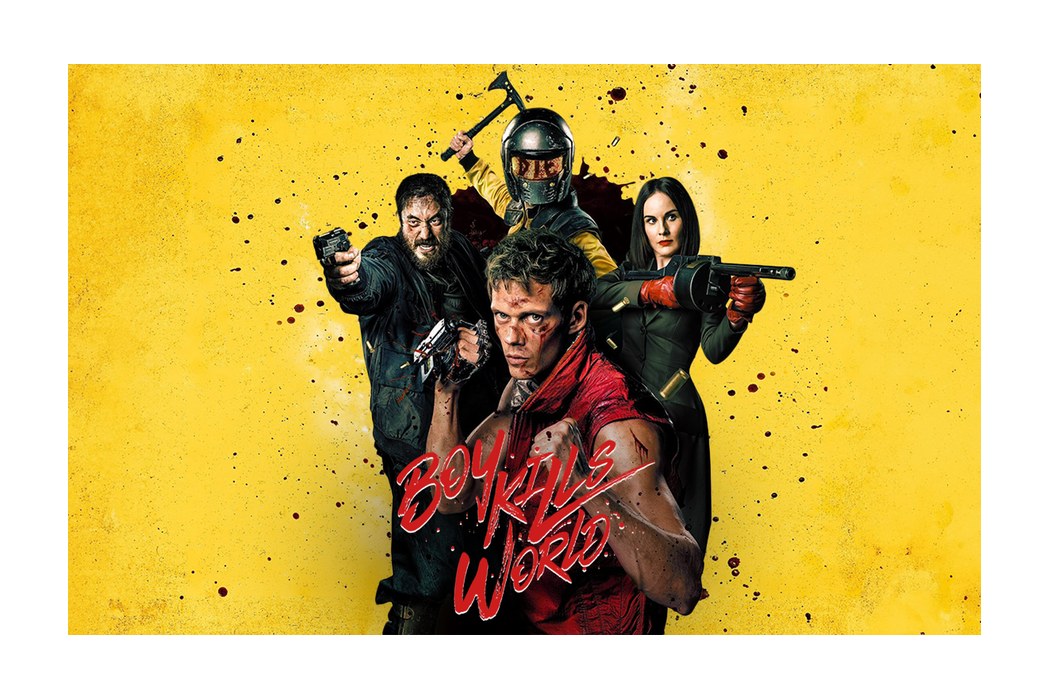
Brigade and the Question That Sold the Movie
A New York agency found its edge by treating publicity, social, creative, and media as one continuous conversation - then letting audiences finish the sentence.
The People Behind the People Everyone Knows
42West built a serious business out of an odd Hollywood truth: the people paid to attract attention are most valuable when you barely notice them. Its product is not publicity alone - it is the choreography of attention.
The $500 Handshake That Outlived the Campaign
The Syndicate began with five music promoters and a recently shuttered employer. Its most revealing idea cost $500 per band - and became a 20-year lesson in how brands earn a place in culture instead of renting one.
Newhouse Knows the Internet Still Wants Something It Can Touch
The New York agency’s best work begins with an object, a room, or a small piece of theater - then gives creators a reason to carry it far beyond the guest list.
The ACL Tear That Built a Talent Agency
Nicky Gathrite planned to make a living with his body. An injured knee sent him toward finance, social media and, eventually, an agency built on a deceptively simple bet: the right person can distribute a story better than an institution can.

The Guest List Is the Product
Two magazine editors noticed that culture was escaping the magazine. They built an agency around the part that still mattered: knowing exactly who belongs in the room.

The Movie Ends. Picture Motion Starts.
Most film marketing tries to get you into a seat. This unusual agency is paid to decide what you should do after you stand up.

The Agency That Treats Fandom Like a Moving Target
MKTG built a business around a simple problem: fans refuse to sit still. Its answer combines research, rights strategy, creative work and the stubbornly physical craft of making an experience happen on time.
Two People, One Client, and the Business of Borrowing a Crowd
MSQ Sport + Entertainment grew from two founders and one trusting golf client into a three-city agency by treating fandom as a living culture, not rented media space.
Taylor Bet the Agency on Fewer Clients
In 2004, a sports publicity shop made the least agency-like decision imaginable: serve fewer clients. Two decades later, that constraint still explains how Taylor turns pints, pets, golf tournaments and bank reports into stories people pass along.
The People Who Represent the People Hiring Famous People
Burns Entertainment has spent 56 years on the less glamorous side of fame: deciding which famous face fits, what the rights are worth, and how to keep a clever idea from becoming an expensive misunderstanding.

The Day a UFO Taught Creative Riff How Fandom Moves
A fake crash at a Los Angeles mall revealed a real law of modern marketing: build something fans will cross town to see, and the internet may carry it everywhere else.

The Ticket Is the Product. The Crowd Is the Proof.
Strike Marketing built a durable Houston agency around a deceptively hard promise: turn media spend into people who actually show up. Its advantage is less about inventing a new channel than knowing how to make every channel earn its place.

The Audience Hollywood Forgot Was Already in the Theater
LIQUID SOUL built a business by noticing the people big campaigns treated as an afterthought - then proving, ticket by ticket and click by click, that attention was an economic asset.
The Hollywood Workhorse Behind the Poster
Bravo Design built a durable business in the unglamorous space between one approved idea and the hundred finished pieces a campaign suddenly needs. Its advantage is not mystery. It is memory, speed and an unusual appetite for the last mile.

The Gift Bag That Sold Hollywood’s Attention
Lash Fary built a business by giving famous people things they could already afford. The merchandise is incidental; the scarce item in every bag is attention.
The Hollywood Publicist That Taught Brands to Behave Like Entertainment
PMK•BNC's great trick was not knowing famous people. It was knowing how to turn that access into stories audiences volunteered to spread - even after a bruising merger tested the premise on day one.
A&CO Sells the One Thing Marketing Budgets Cannot Buy: The Right Introduction
The Los Angeles agency works in the narrow corridor where culture, commerce, and causes meet - building partnerships that carry money, meaning, and the risk of getting either one wrong.
ISET Agency Built a Business Around Being the Missing Piece
The Pasadena firm sells strategy, publicity and business development in one relationship-heavy package. Its revealing advantage is not a single channel - it is the willingness to enter when a client has run out of hands, language or nerve.
MOVI Knows the Distance Between a Translation and a Connection
The Los Angeles agency built a four-city operating system for the part of marketing that translation cannot solve: knowing which voice, room and ritual will make a message travel.
The Music Publicist Who Learned That ‘No’ Rarely Means Never
Danielle Quebrado Jimenez built No Other Agency around a modest idea with large consequences: publicity works better when the publicist understands the person, not merely the pitch.
The Agency That Turns a Hotel Stay Into a Hollywood Relationship
The Friedman Group does not buy attention by the yard. It arranges the right room, the right guest list and the kind of introduction that can turn a Maui retreat into an episode of network television.
The Brand Agency knows who to invite before the doors open
A two-hour press preview, a pair of gifted sunglasses, a virtual escape room: inside the PR firm that gives a brand moment a life beyond the guest list.
The Right Now wants more than the guest list
The agency behind celebrity and media work for UGG and Fossil is building a bigger production business. Now Studio, and a new umbrella called Punch Group, show where it wants to go next.

SHO+CO knows who belongs in the picture
A handbag, a famous face, a carefully negotiated introduction. Inside the agency that connects fashion brands with the people who give them cultural meaning.
Prince Marketing Group knows what comes after the autograph
Darren Prince started with baseball cards and built an agency around the people pictured on them. Today, Prince Marketing Group turns celebrity relationships into endorsements, appearances and evenings that are difficult to arrange yourself.
42West Fandoms & Franchises knows who waits in line
From collectible figures to horror films, 42West’s Fandoms & Franchises division works where affection becomes a purchase. Its real subject is the fan who already cares.

The Impact Agency knows who should be in the room
A premiere begins long before the cameras flash. The Impact Agency builds the guest lists, handles the arrivals, and gives influential people something worth talking about.

Arenas Entertainment Knows Who Gets Left Out of the Trailer
A Hollywood marketing agency built around U.S. Hispanic audiences has survived a short-lived studio partnership and a change of ownership. Its enduring product is knowing how to make an invitation feel personal.