energy
(48)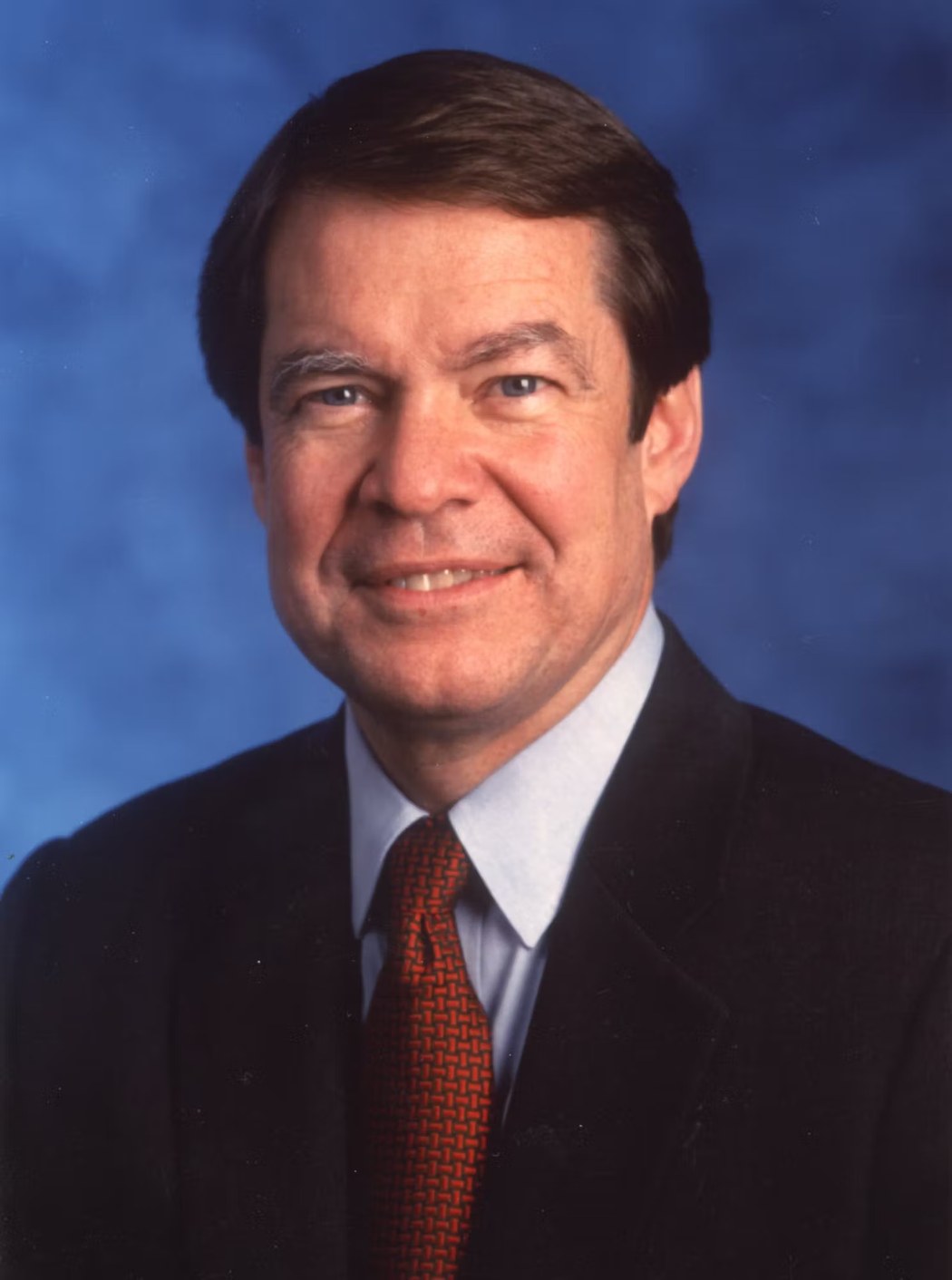
J. Larry Nichols gave his father two years. Then he stayed.
A Supreme Court clerk came home to help start Devon Energy. His temporary detour became three decades as CEO, a turn into shale and a lasting stake in Oklahoma City.
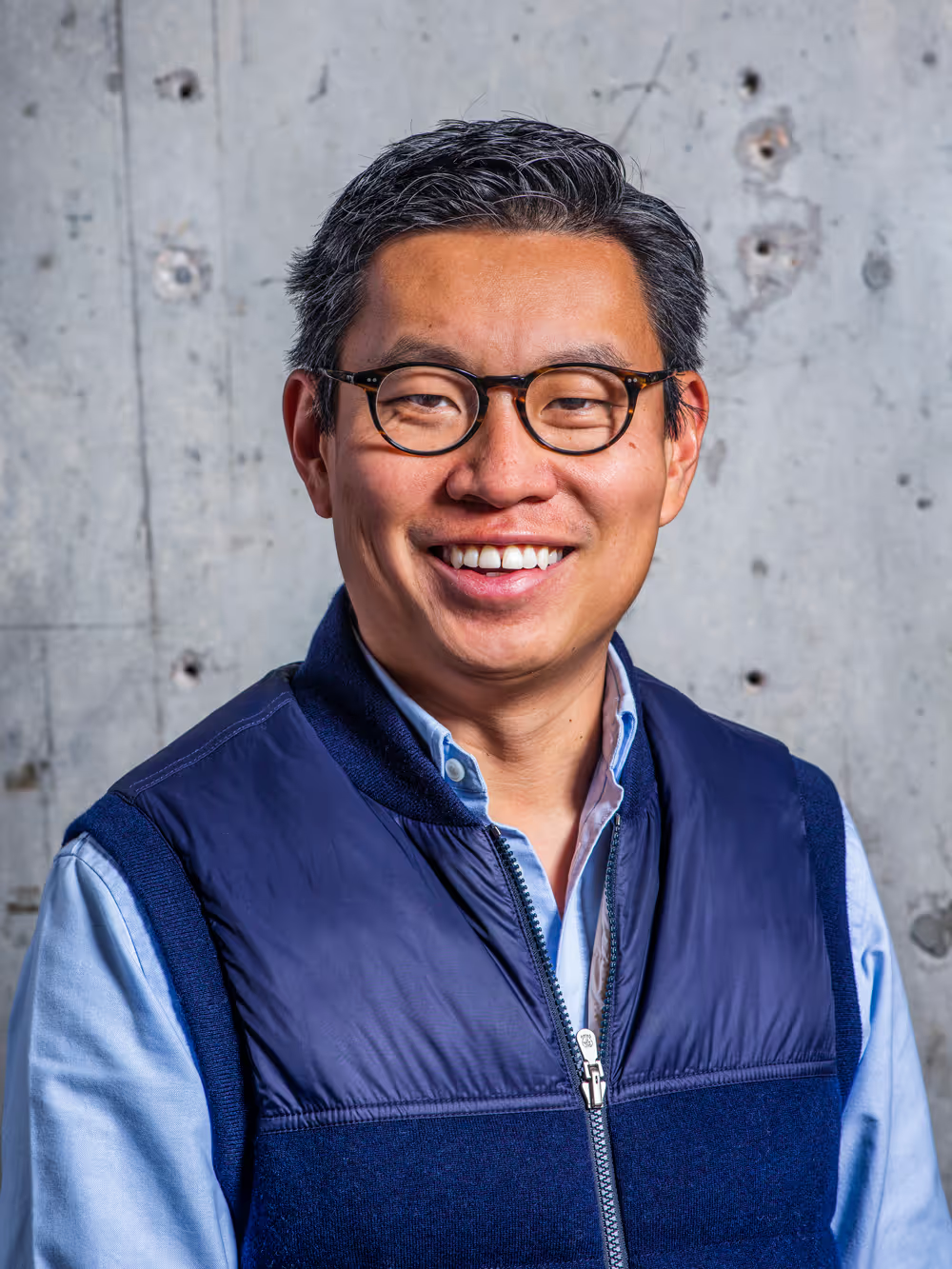
Xuan Yong and the value of going back.
He left energy investing to build a company around the people doing the work. A decade, two name changes, and a return to oil and gas later, Xuan Yong is still adjusting the distance between an idea and a useful business.
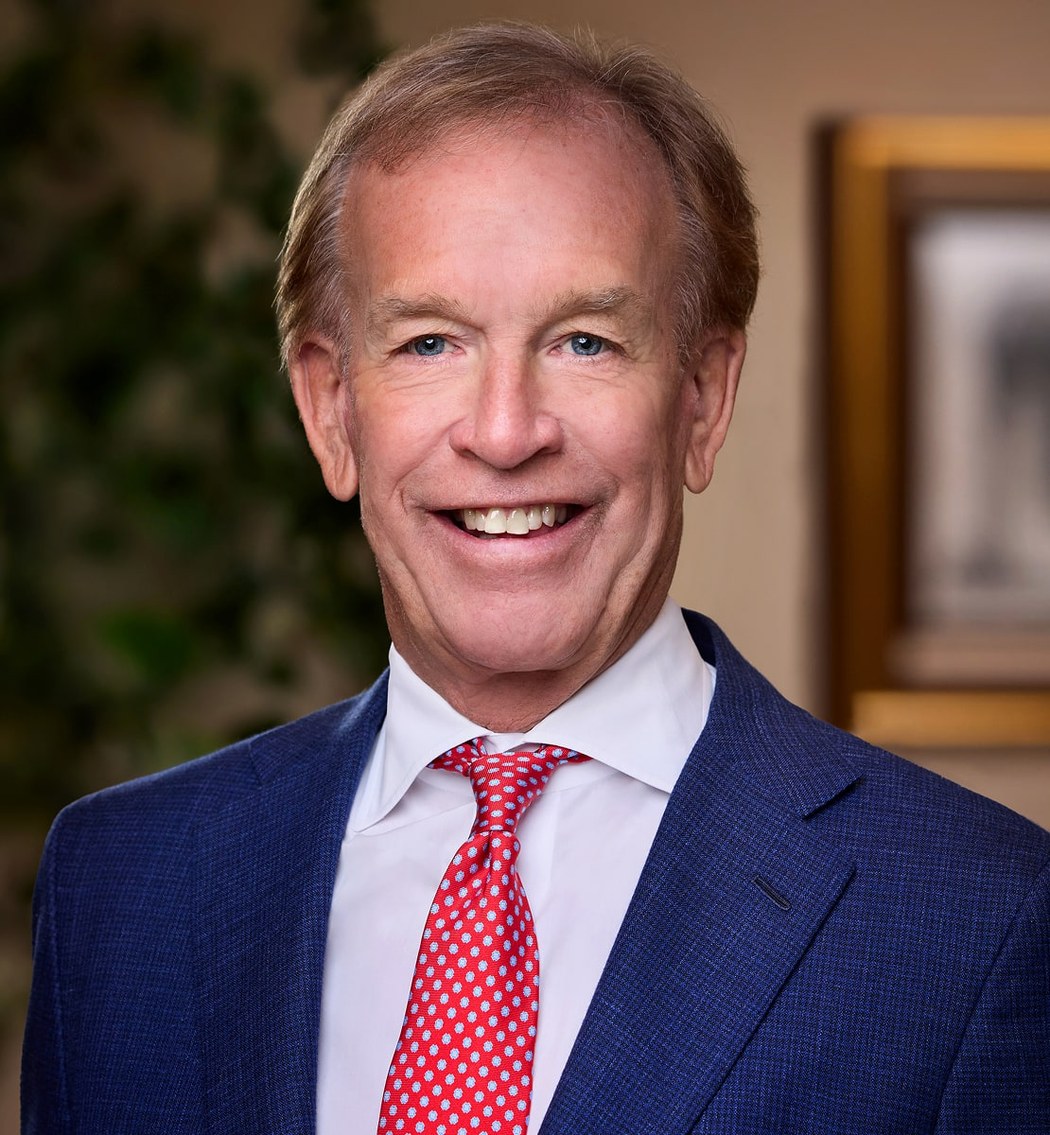
Paul Rady and the long way back to Gunnison
He hitchhiked west to study geology, then built a career beneath the surface. Decades later, Paul Rady helped bring an engineering school to the Colorado campus where he started.
James Ferrell and the business he kept coming back to
He returned to Kansas to help sell his father’s propane business. Six decades, an employee ownership plan and another comeback later, James Ferrell is still part of its story.
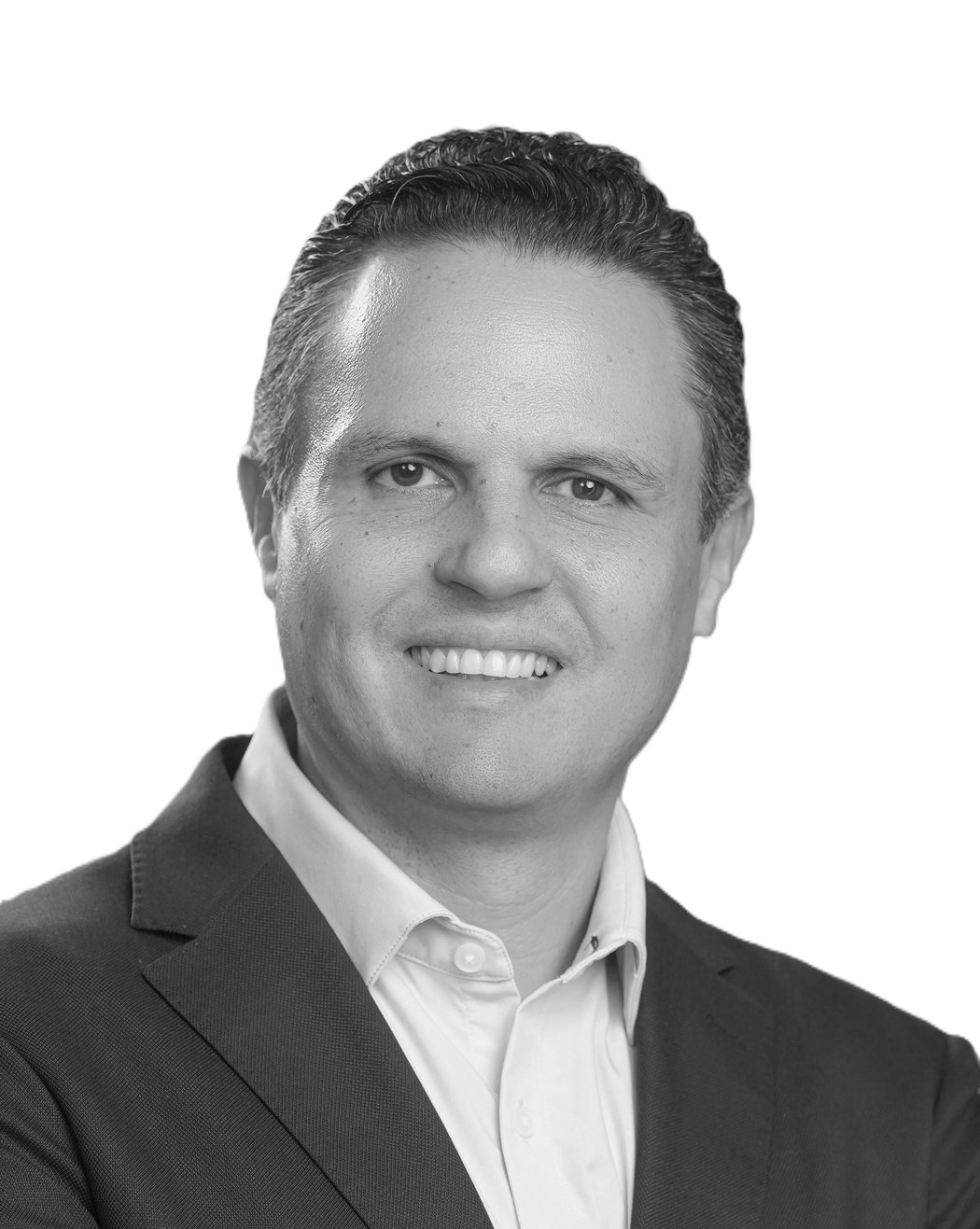
Francisco Leon and the education of a border crosser
Before he led California Resources Corporation, Francisco Leon crossed from Tijuana to San Diego for school. Today, he is asking how much of California’s energy future can be built from the assets it already has.
Joe Craft keeps coming back to Kentucky
He built a coal business in Tulsa. His name keeps turning up on Kentucky practice courts, classrooms and a school for teenagers with college coursework on the timetable.
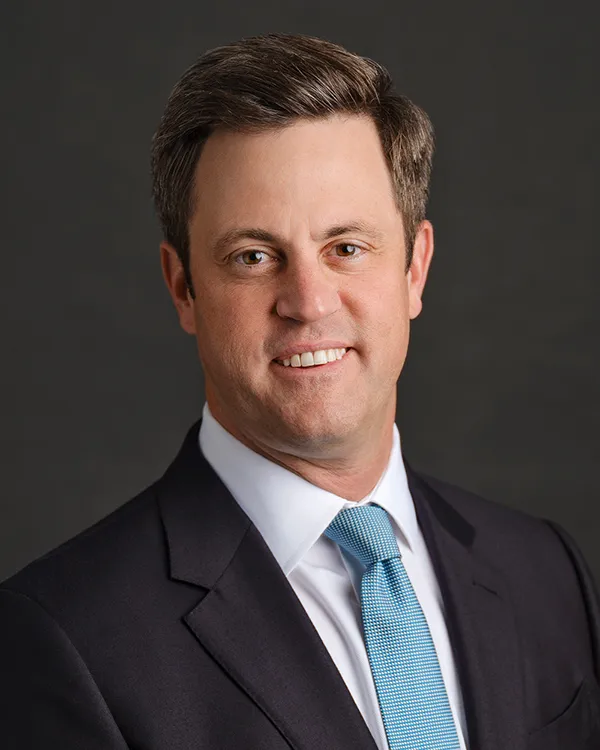
Robert Eifler and the business of the next day
He joined Noble as a management trainee, left for a rival, and returned to lead it. After three fleet-changing deals, Robert Eifler faces the less glamorous test of making the combined company work.

John Wasson and the art of staying curious
He joined ICF in 1987 and kept finding reasons to stay. Nearly four decades later, John Wasson’s interests run from government technology to coffee science and California art.

James Grech and the business of buying time
From moving a headquarters closer to the mines to steering Peabody through debt repayment and a difficult Australian ramp-up, James Grech has made a career of working on the clock. Now the coal executive has a succession date of his own.
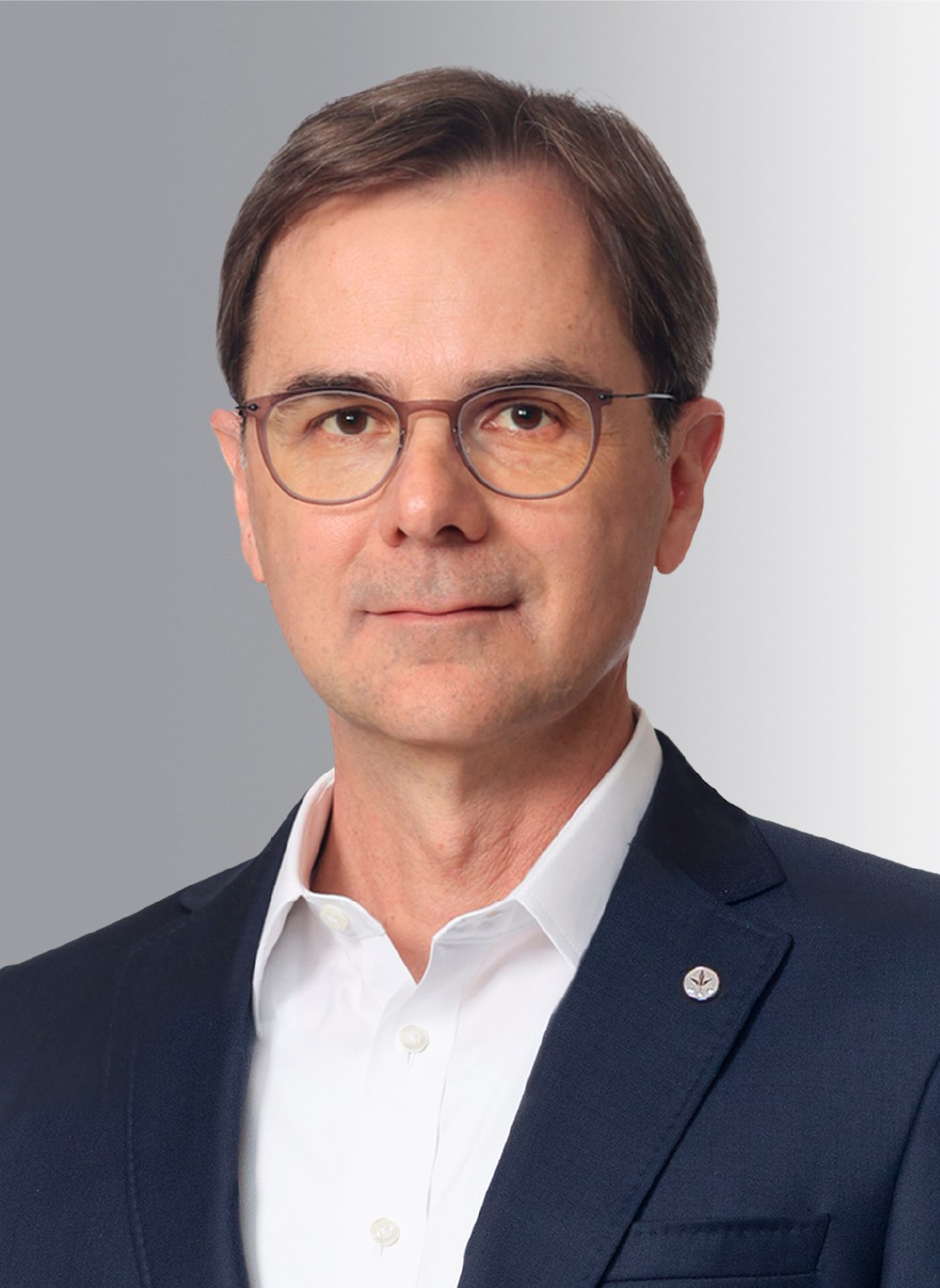
Jim Breuer and the long way to the top
Before he became Fluor’s CEO, Jim Breuer spent half his career on assignments outside the United States. His next assignment is to turn that accumulated experience into growth that survives contact with a construction site.
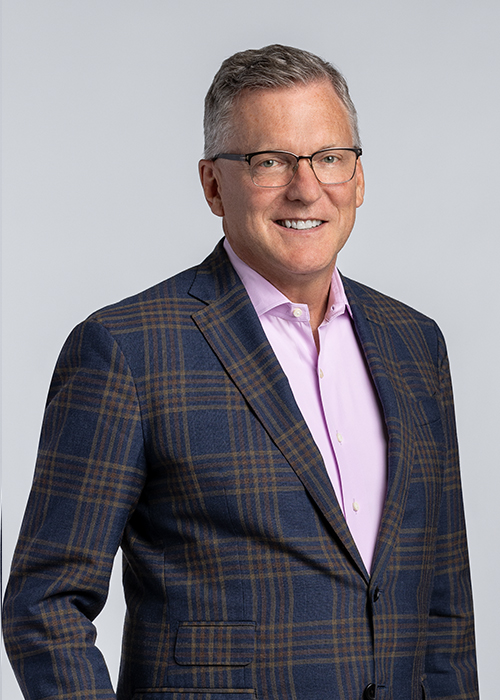
Mark Lashier and the distance between an idea and a working plant
A chemistry discovery gave Mark Lashier an early lesson in making things work. Decades later, the Phillips 66 chairman and CEO is applying that habit to a company whose future is being argued over in public.
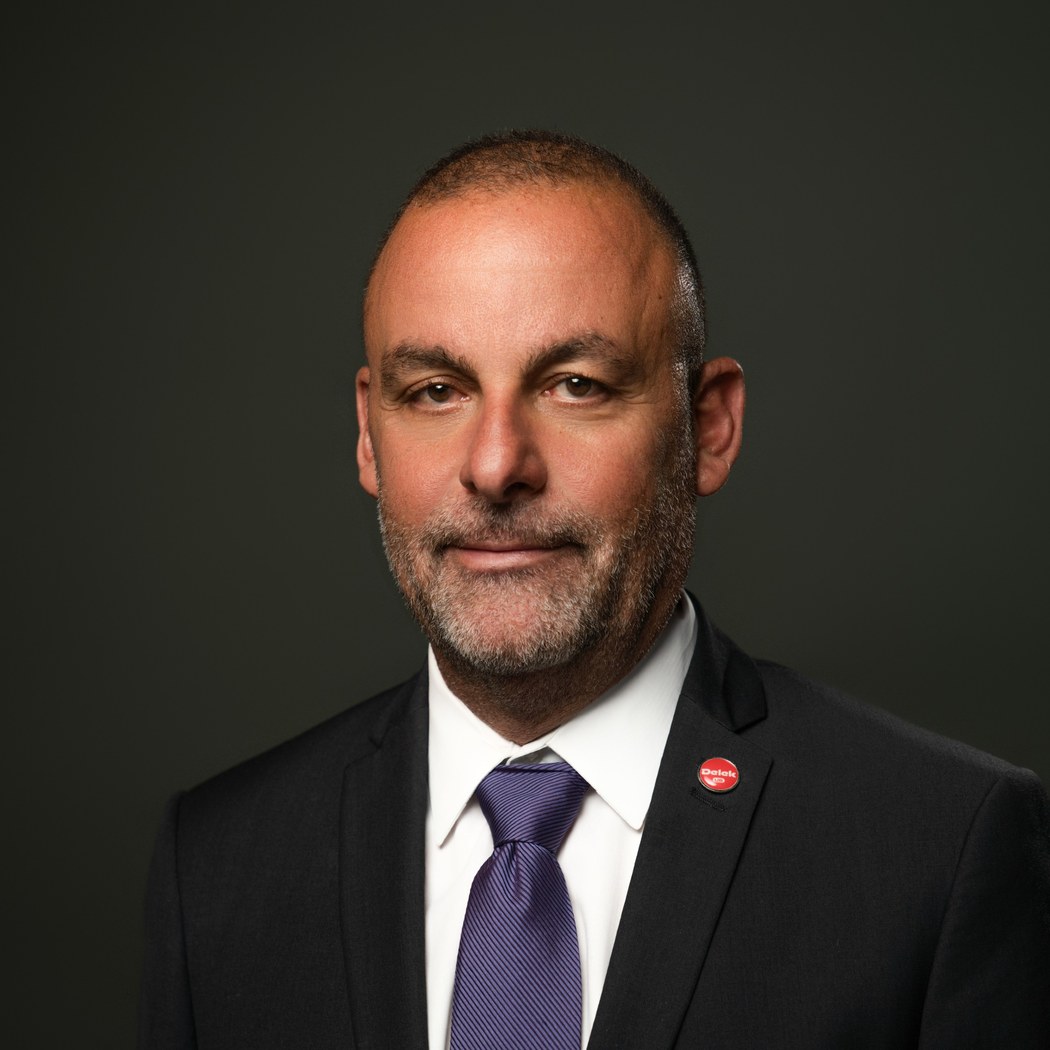
Uzi Yemin and the businesses nobody wanted
He arrived in America to buy convenience stores. A quarter-century later, Uzi Yemin’s career runs from the refinery gate to the fusion lab - with a useful habit of looking where other buyers have stopped.

Maryann Mannen knows what a number leaves out
An accounting graduate spent decades learning the machinery behind the balance sheet. Now Maryann Mannen leads Marathon Petroleum, where a good number still has to work in the real world.
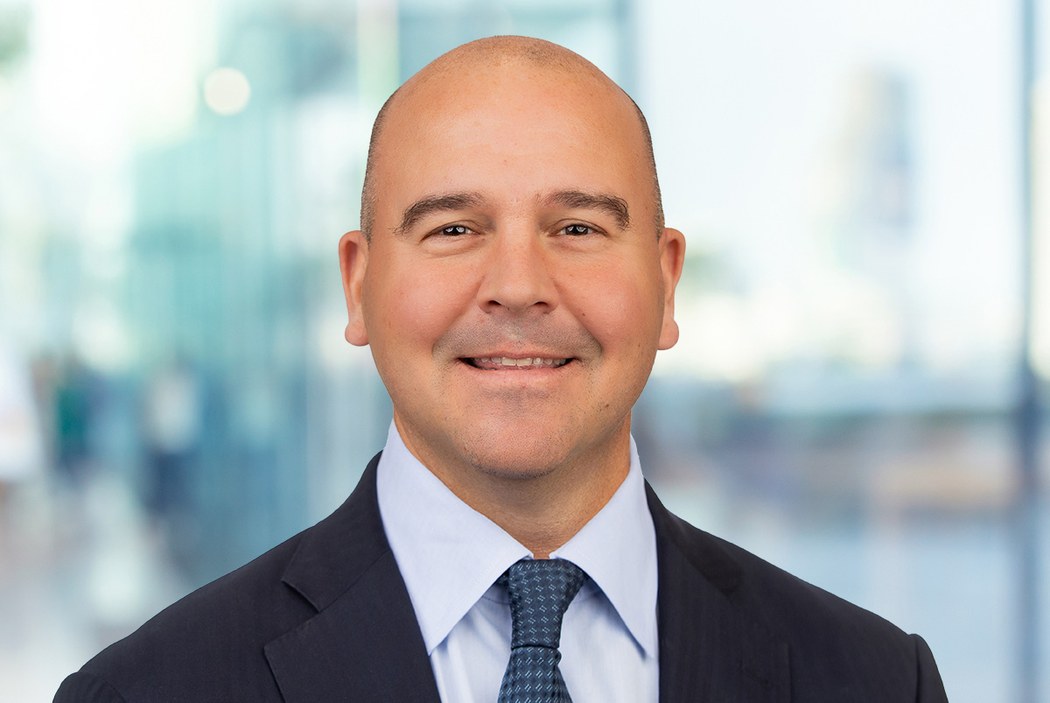
Dan Letter and the art of taking the middle chair
After two decades inside Prologis, Dan Letter inherited the CEO job through a five-year handover. Now the civil engineer is putting a warehouse company’s land, roofs and power connections to a broader test.

Bryan Sansbury and the art of getting on base
An All-American baseball player became an outsourcing executive, then helped build AEGIS Hedging. From the field to the office, Bryan Sansbury’s story turns on a practical question: what gives the team a better chance?
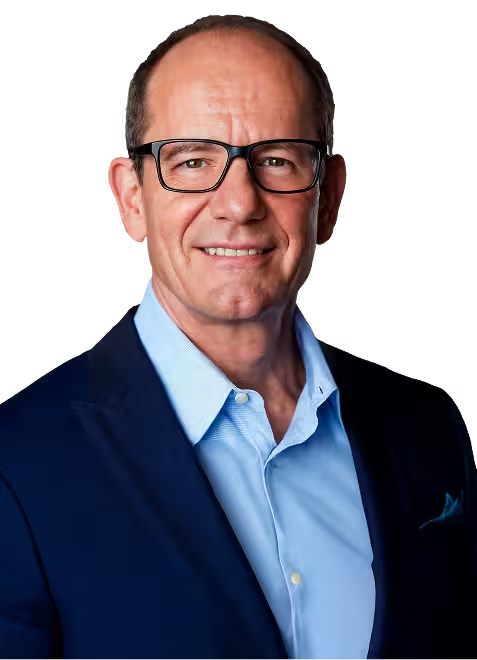
Fred Thiel and the price of a place to plug in
He started writing software for a London bank while still in school. Decades later, MARA’s chairman and CEO is betting that the next chapter of computing belongs to the people who can supply its power.
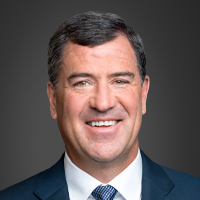
Brandon Elliott and the education of a CEO
Before advising chief executives at Consello, Brandon Elliott spent years evaluating companies, explaining them to investors, and running one himself. His career turns on a practical question: what happens when the person asking about the numbers becomes responsible for them?
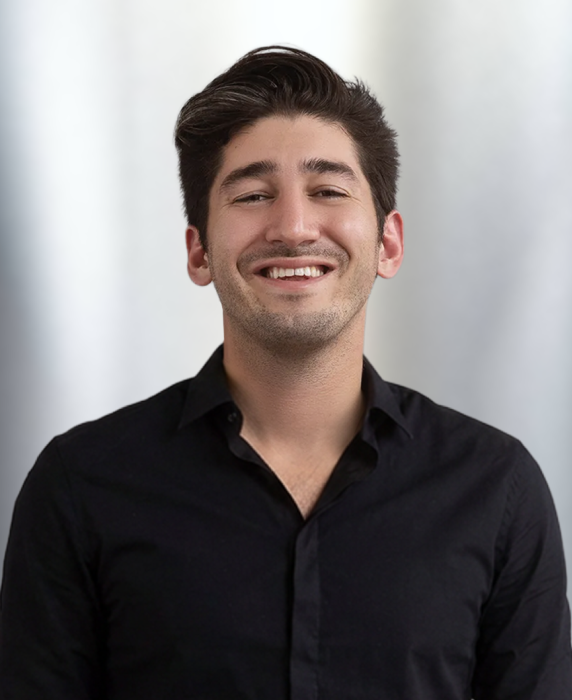
Kerem Ozmen and the Cost of Making Things Real
From Reno’s startup community to nuclear power, remote computing and electric racing, Kerem Ozmen has built an investing career around a stubborn question: what does it take to get an ambitious machine into the world?
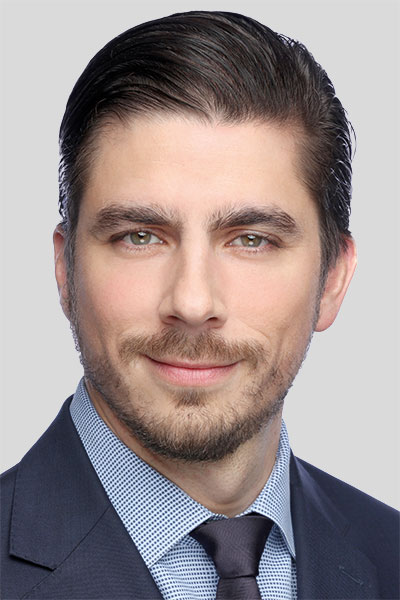
Thomas Lefebvre and the business of keeping things moving
Before Tallvine Partners, Thomas Lefebvre ran a software company and served in the French Navy Commandos. His next chapter runs through airport ramps, working harbors, and the companies that keep commerce moving.
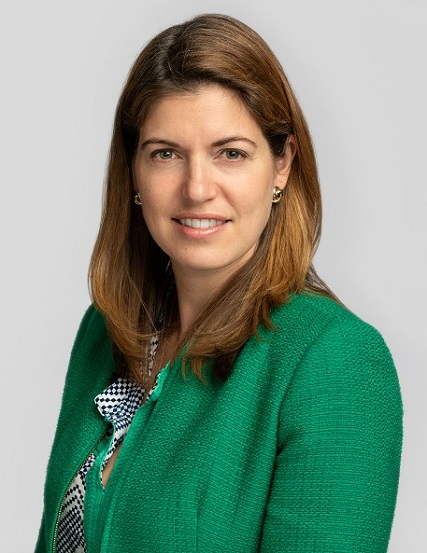
Nicole Neeman Brady and the business of making water work
From power contracts to water companies and a seat overseeing Los Angeles’s utility, Nicole Neeman Brady has worked on several sides of the same problem: how to turn an essential resource into a dependable service. At TPG Rise Climate, that operating experience now informs her work with climate businesses.

Jackie Helfrich Sells the Invisible Parts That Hold the World Together
She markets connectors and sensors most people never see - the components inside airplanes, hospitals, factories and power grids - and has spent 20 years turning quiet industrial hardware into a story buyers can follow.
Ronald Henry
A marketing chief inside a 130-year-old industrial name, working out of the Ohio city where powered flight was invented.
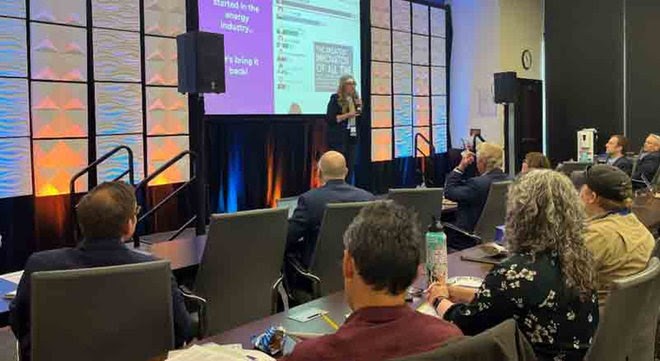
Kim Getgen
Kim Getgen is the founder and CEO of InnovationForce, an AI-powered innovation management platform born in Durham, North Carolina. She bootstrapped the company by moving in with her parents and selling her car, then watched it land on Fast Company's Top 10 Most Innovative Workplace Solutions list and bring 165+ utilities onto a single collaboration platform. Named one of Inc.'s Top 500 Female Founders of 2025, she has spent two-plus decades shoving legacy industries (energy, cybersecurity) toward the future before the future arrives without them.
David Kim
David Kim is the co-founder and CEO of Monterra, a San Francisco software company that helps EV charging contractors and developers design, quote, and propose charging projects in minutes instead of days. Before Monterra, he spent years working with utilities and energy companies designing EV charging programs, deploying smart grid infrastructure, and planning energy efficiency initiatives, with earlier stops at The Cadmus Group, Boston Consulting Group, and Accenture, plus a graduate degree from MIT Sloan. He co-founded Monterra in 2022 with Kelson Reiss and raised a $2.5M pre-seed led by Base10 Partners in November 2023 to speed the buildout of EV charging infrastructure with software and AI.

Molly Yang
Molly Yang is the co-founder and CEO of Hgen, a Los Angeles climate-tech company building modular, mass-manufacturable alkaline electrolyzers to make clean hydrogen cheap enough for heavy industry. A former energy product lead at Tesla, she teamed up with childhood friend and ex-SpaceX engineer Colin Ho to shrink the electrolyzer roughly twentyfold and package it into shipping containers that need only water and electricity. Hgen has raised $7M total from Founders Fund, Seven Seven Six, and Fontinalis Partners, and Yang was named a 2022 Breakthrough Energy Fellow.
Tomas Ocampo
Tomas Ocampo is the founder and CEO of Unblock, a company that drops modular data centers next to remote oil wells and renewable sites in Latin America, turning gas that would otherwise be flared off (and power that would otherwise be curtailed) into Bitcoin and AI computing. An Argentine lawyer turned investment banker turned Stanford-trained energy operator, he ran YPF Ventures before launching Unblock in 2021. The company now operates one of the largest computing fleets at oil field facilities in the world, says it eliminates roughly 142,000 tons of CO2 a year, and raised a $13.5M seed round in 2025 led by Goldcrest Capital and Collaborative Fund.
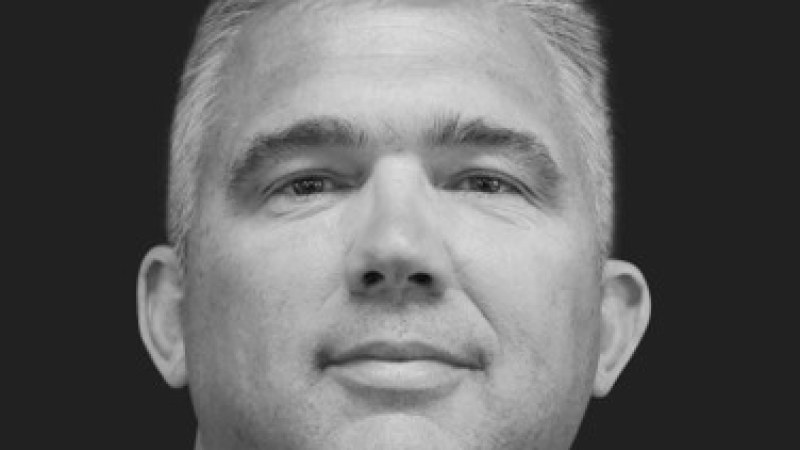
Mark Russell
Mark Russell is the founder and CEO of HyperSciences, a Spokane, Washington company turning a piece of aerospace exotica - the ram accelerator - into a tool that drills through rock up to ten times faster than a conventional rig. A former Blue Origin lead engineer on the crew capsule and a self-described third-generation miner, Russell fires projectiles at hypersonic speed every few seconds to crack rock for geothermal energy, mining and tunneling, and to lob payloads toward space through his sister venture Pipeline2Space. He raised roughly $9.6 million from thousands of small investors and won early backing from NASA and Shell.

Parker Meeks
Parker Meeks is the President and CEO of Utility Global, a Houston-based clean-energy company commercializing H2Gen, a system that makes low-cost clean hydrogen on-site from industrial waste gases without electrolysis. A Houston native and electrical engineer turned McKinsey partner, he previously led hydrogen fuel-cell maker Hyzon as CEO. At Utility he is steering the company from demonstration into global commercialization, including a first commercial-scale steel project with ArcelorMittal in Brazil.

Cameron Halliday
Cameron Halliday is the co-founder and CEO of Mantel, a Cambridge, Massachusetts climate-tech company spun out of MIT's chemical engineering labs. Mantel uses molten borate salts to capture CO2 from heavy industry at high temperatures, recovering most of the energy as usable steam and slashing the cost and energy penalty of carbon capture. Halliday discovered the core material during his PhD at MIT, then co-founded the company in 2022 and raised a $30 million Series A co-led by Shell Ventures and Eni Next.
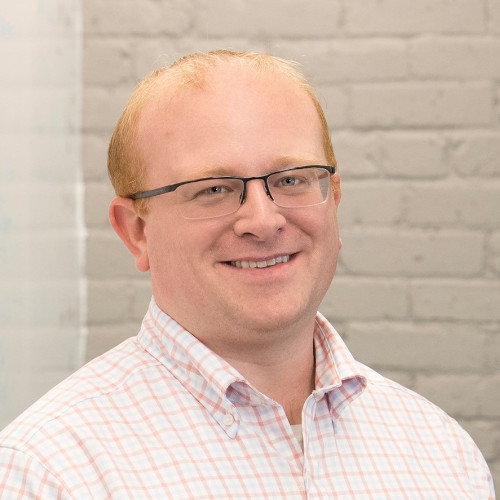
Tim Heidel
Tim Heidel is the co-founder and CEO of VEIR, a Massachusetts startup building overhead superconducting transmission lines that can carry five to ten times the power of conventional lines on roughly the same footprint. An MIT-trained electrical engineer who ran the research behind MIT's Future of the Electric Grid study, then steered a portfolio of grid projects at ARPA-E and vetted climate bets at Bill Gates' Breakthrough Energy Ventures, Heidel concluded that the grid's biggest bottleneck was transmission itself - too slow, too costly, too ugly to permit. VEIR is his answer: black pipes carrying superconducting tape bathed in liquid nitrogen at -321F, aimed squarely at AI data centers, utilities and renewable developers.