In July 1995, Bryan Sansbury needed money from his parents to buy his first suit. It was olive green. He wore it to Hewitt Associates, where he was less certain about the job than about wanting a place on the team. The firm also had briefcases. He wanted one of those, too.
Decades later, the suit makes a useful opening to his career. An executive biography tends to begin with the current title and work backward. Sansbury’s begins with a young employee trying to look the part. Eventually he would help run a large outsourcing business, help found AEGIS Hedging, and become its chairman and CEO. The briefcase, meanwhile, turned out to be a hand-me-down.
The suit before the startup
Sansbury spent 22 years with Hewitt and its successors. His work took him through operating and technology responsibilities as the business changed ownership and identity. He served as chief operating officer and chief information officer of Aon Hewitt, and later as a business president at Alight Solutions. There was plenty of corporate machinery to understand before he began working full time in commodities.
His earlier assignments included leading Canadian outsourcing operations, running a pension outsourcing business in the Southeast, and serving as president of Emerging Solutions. Those roles put different demands on the same executive: manage a service, understand its systems, and make the economics work. His operating history helps explain why AEGIS eventually wanted him doing more than offering advice from outside.
For Sansbury, the move also changed the distance between an idea and its consequences. In an established organization, a new process passes through existing departments and routines. A growing advisory firm has to build those routines while continuing to deliver for customers. The work asks an experienced executive to become a beginner again in the details of another industry, even while other people rely on his judgment about how to organize it.
A specialist adviser can be very good at solving a customer’s problem. Building an organization that solves it repeatedly requires another kind of attention. Hiring, technology, delivery, financial management: none makes a particularly romantic company origin story. All become rather interesting when they stop working.
A useful way to reach first
Before the executive jobs, there was baseball at Berry College in Rome, Georgia. Sansbury earned a finance degree and graduated valedictorian. Berry lists him as both an athletic and academic All-American in 1994 and 1995. The classroom and the field supplied separate scoreboards; he appeared on both.
His own account of baseball is considerably less polished than an honors list. He says he struggled against curveballs and other off-speed pitches. His solution was to look for fastballs early. If the count turned against him, he moved closer to the plate. By his account, he led the team in being hit by pitches in each of his four years.
There is a dry practicality to that story. A walk to first looks much the same on the scoreboard however elegant the journey. Sansbury tells it to explain effort and resourcefulness: work out how to contribute with the abilities available. His All-American record makes the self-deprecation funnier. The accomplished player prefers to discuss the awkward route onto the bag.
“Effort is something everyone can choose to control.”
Bryan Sansbury, on his baseball years
For a business organized around commodity risk, the anecdote has a pleasing fit. The customer has an operation to run and financial obligations to meet. A useful result may be less theatrical than a prediction that happens to come true.
A friend, a beach, a different business
AEGIS began in 2013, while Sansbury was still in his earlier career. His friend Chris Croom worked in the hedging business. The two discussed starting a company during an evening at a beach house, with music and wine in the picture. Sansbury offered backing, with the possibility of joining later. Friendship supplied the opening; the business still needed people who understood the market.
That distinction matters to the chronology. Sansbury was a founding partner and outside adviser before he was a full-time employee. Croom led the early business. Sansbury arrived as chief operating officer in October 2017, taking responsibility for operations, technology, and financial management. He brought experience in building organizations to an existing team with commodity expertise.
- 1995Starts at Hewitt
- 2013Helps found AEGIS
- 2017Joins as COO
- 2019Becomes CEO
- 2026Continues after acquisition
In 2019, the partners reassigned the top jobs. Sansbury became CEO; Croom became president, focusing on business development, marketing, and customer relationships. Justin McCrann moved into the COO role. The division of responsibilities gave each executive a defined part of the growing company. Croom pointed to Sansbury’s experience with strategy, acquisitions, large businesses, and boards as reasons for the change.
The spreadsheet meets the barrel
Ask what the company does and the terminology can quickly make an ordinary conversation regret its ambitions. Hedging, derivatives, counterparties, execution: a small vocabulary with a considerable capacity to empty a room. Sansbury’s more accessible explanation starts with the customer’s business. Companies producing commodities, making products, or transporting goods need to concentrate on those activities. They also face prices they cannot control.
AEGIS combines advisers and software to help customers understand and manage those exposures. In a conversation with Chuck Yates, Sansbury describes helping companies approach the derivatives market with better information and support. The purpose is commercial: make the underlying business less vulnerable to an unwelcome price move.
“When should you be hedging? It starts with, when are you making money?”
Bryan Sansbury, discussing commodity risk
That question moves the discussion toward a company’s own economics. A producer’s obligations and margins matter alongside its view of the market. Sansbury’s emphasis is on decisions a customer can connect to the business it actually operates. Nobody has to make an oil-price forecast sound like a personality test.
Flip-flops in the executive suite
The borrowed suit has acquired an amusing sequel. By 2023, Sansbury was describing an AEGIS workplace that had made room for shorts, flip-flops, and company clothing. He saw no useful connection between formal dress and the quality of someone’s work. People could work where they were comfortable, with trust placed in their judgment and delivery.
He also described a difference between leading inside a large corporation and leading a startup. A senior executive can understand the numbers and major projects while remaining distant from ordinary working life. At a smaller company, the effect of a leadership decision becomes much harder to miss. Culture has fewer places to hide.
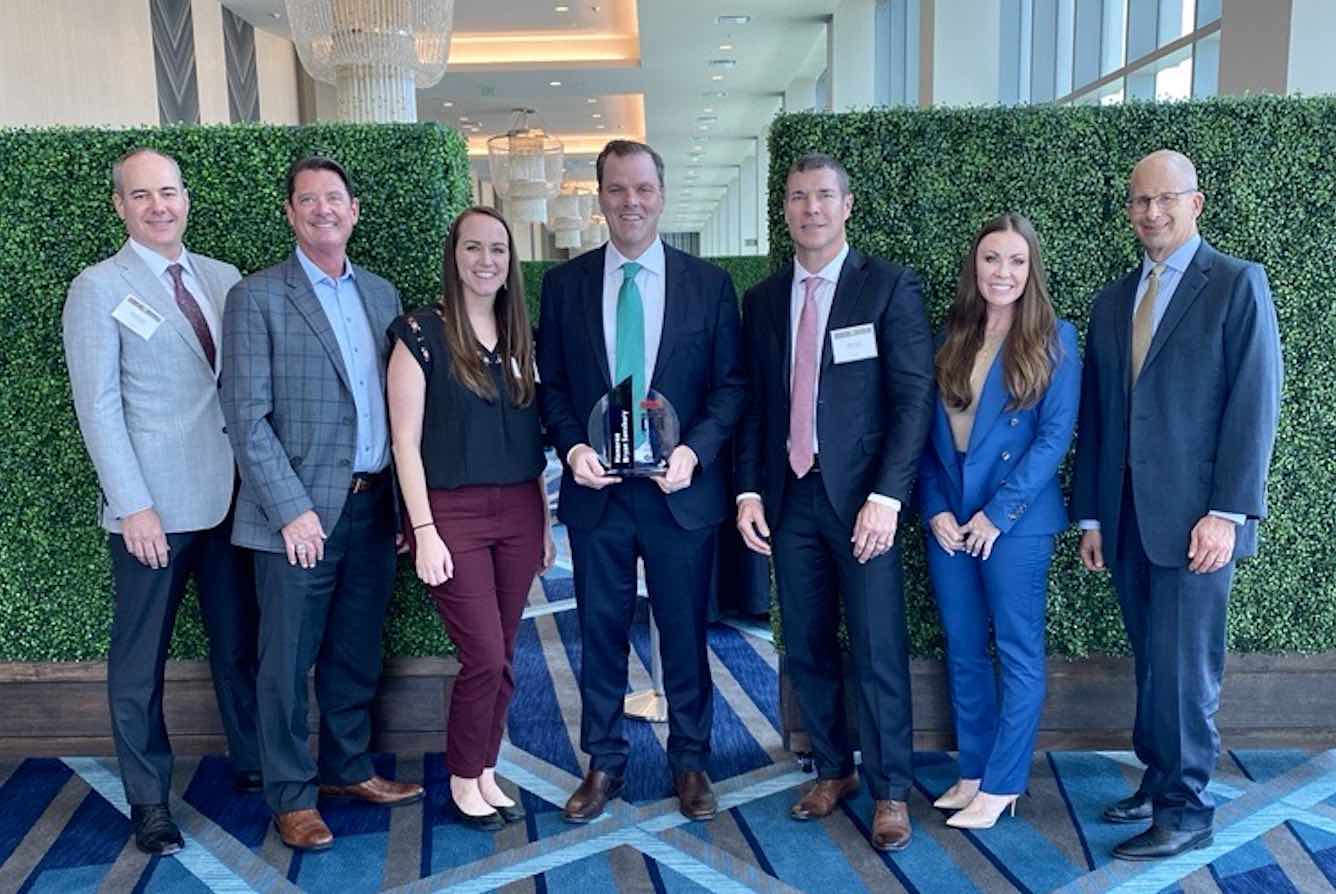
Sansbury was a Houston Business Journal Most Admired CEO honoree in 2023. Away from AEGIS, he has served as LGI Homes’ lead independent director since June 2013, with committee work covering compensation and corporate governance. One role puts him inside daily execution; the other requires oversight. Both ask him to judge how an organization is being run.
Follow the money past the trade
His account of the workplace allows room for laughter and disagreement. That combination is more demanding than a relaxed dress code alone. Colleagues need enough confidence to question an approach, and enough shared purpose to keep working together afterward. Sansbury’s description places responsibility with the people doing the work. The executive’s job includes deciding whether the conditions around them make that responsibility practical.
The more recent AEGIS story follows revenue beyond the hedge itself. In January 2024, the company acquired Ancova Energy, adding physical oil and gas marketing services and software. Ancova brought experience in commercial agreements and the movement of production, alongside tools that read statements and capture revenue and costs by contract and product.
The combination expanded the problems Sansbury’s team could address. Selling a commodity, managing its price exposure, and checking the resulting payment belong to the same customer’s working life. Separate systems make those activities surprisingly difficult to see together. A trade can be complete while the administrative detective work is only beginning.
A simplified view of the connected work AEGIS describes across physical marketing, hedging, and revenue validation.
Sansbury’s January 2025 message introduced revenue intelligence as a focus for the business. It described bringing physical contracts, hedge positions, and well-level information together. The practical ambition was to help finance and marketing teams understand terms, inspect revenue data, and see whether payments and fees made sense.
A year later, his January 2026 message described processing nearly 600,000 revenue statements across more than 40,000 unique meters. The next task was to make that information useful for decisions, including benchmarking contract terms and understanding exposures. The numbers describe a great many documents. The aim is fewer hours spent chasing them.
New capital, same seat
In July 2026, AEGIS announced an agreement to be acquired by Private Equity at Goldman Sachs Alternatives. The announcement said Sansbury would continue as CEO, with investment directed toward advisory capabilities, technology, artificial intelligence, data, and regulated market infrastructure. Financial terms were undisclosed. AEGIS said it worked with 700 commodity market participants across North America.
By October 7, the company’s announcement of Martin Fraenkel’s board appointment confirmed that the acquisition had taken place. Fraenkel, formerly president of S&P Global Platts, added experience in commodity benchmarks and market data. For Sansbury, the next phase arrived with another institutional partner and the continuing responsibility to make the business work for its customers.
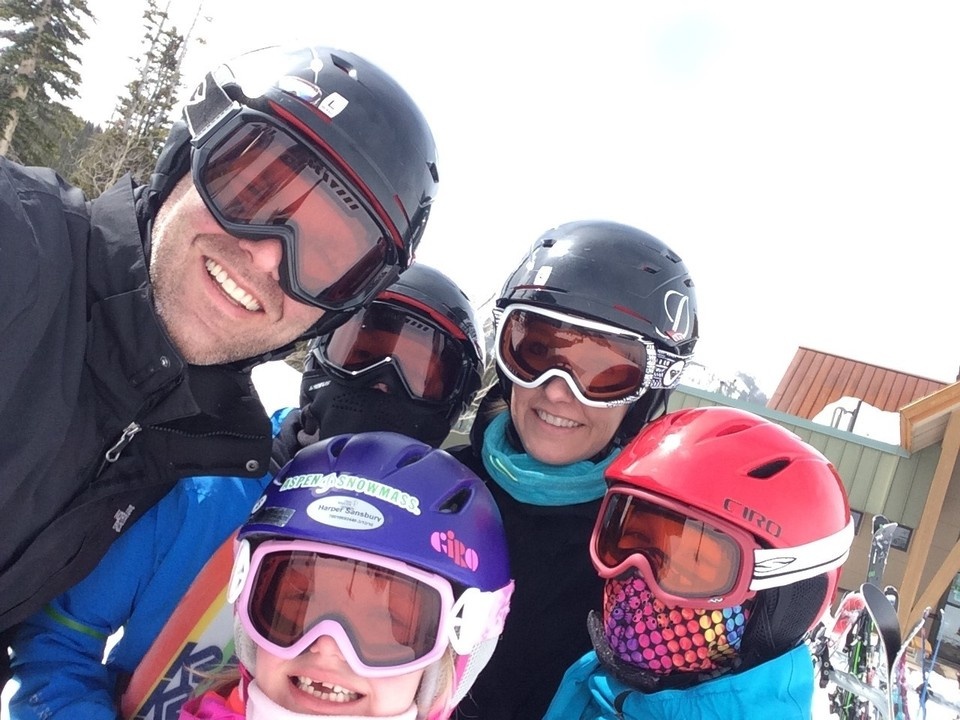
Outside work, his interests include golf, wakesurfing, live music, and the Detroit Tigers. The baseball connection has survived a fairly substantial change in occupation. His career now involves financial exposures, software, and board meetings. Yet the college story remains an unusually clear expression of his approach: assess what is in front of you, find a workable contribution, and help the next person have a chance.
Keep the conversation going
- Official biography at AEGIS / Bryan Sansbury on LinkedIn
- Flight Time: 22 Years and 3 Months / his 2017 career essay
- The baseball story, in his own words
- Watch: Bryan Sansbury with Chuck Yates / 56 minutes
- Listen: the Ancova combination with Max Gagliardi
- His 2025 revenue intelligence agenda / The 2026 acquisition announcement
- Read: Raising people up starts with leadership
- AEGIS website / AEGIS YouTube