revenue-intelligence
(53)
Jon Lee and the art of making software disappear
Before Copper, Jon Lee sold advertising technology and Facebook games. His next wager was quieter: build software that asks less of the people using it.

Salesken wants to save the sale before you hang up
A sales coach is useful. A sales coach who arrives after the customer has left is less useful. Salesken built its business around that awkward difference.
QuadSci hears the customers who have gone quiet
A happy customer can still be halfway out the door. QuadSci reads the software usage behind the smiles - and looks for expansion hiding beside the exit.

Zilliant and the price that got away
A price list is a promise. Ten million manual discounts can make it fiction. Zilliant sells the machinery that keeps B2B pricing attached to reality.

The Sales Forecast That Wanted to Become a Salesperson
A spreadsheet once tried to explain Monday’s sales meeting. Aviso AI built a forecasting engine to replace the guessing, then discovered that the more interesting question was what a seller should do next.
The Buyers Who Never Knocked
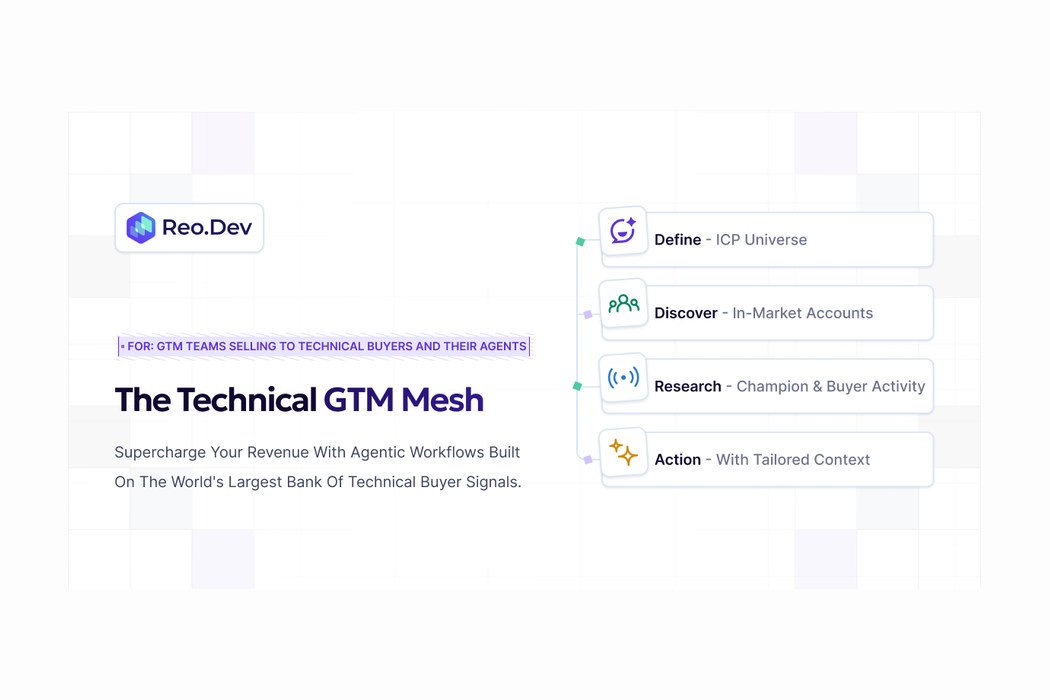
Reo.Dev built a sales radar for the customers who prefer code, documentation and package installs to demo forms. The trick is not finding more leads. It is noticing the ones already behaving like buyers.
The Sales Stack Ate Itself. Sprouts.ai Wants the Crumbs.
B2B teams bought a tool for every leak in the funnel. Sprouts.ai is betting that the real fix is one clean data layer - and a set of agents willing to do the plumbing.
Fornova knows what your hotel room is really selling for
A hotel can set its room rate and still lose control of the price guests see. Fornova follows that price across the web, then helps commercial teams decide what to fix first.
Clari Put the Forecast on Trial
Clari made the weekly sales forecast less séance, more evidence room. Now folded into Salesloft, its best trick remains simple: show the work behind the number.

Kayla Fargo Put the Customer in the Marketing Meeting
After more than a decade marketing software, Kayla Fargo has settled on a disarmingly practical idea: give customers the room, skip the pitch, and listen closely enough to make the product story useful.
6sense Turns the Dark Funnel Into a Radar Screen
Most B2B buyers stay anonymous until the shortlist is nearly finished. 6sense gives revenue teams an early-warning system - powerful when the plumbing is sound, expensive when it is not.

SugarCRM Put AI in Its Name. Now It Has to Make Salespeople Love CRM.
The 22-year-old CRM company has renamed itself around a bet: sales software should stop asking reps for updates and start telling them where the money is hiding.

AEGIS Turned the Oil Patch's Messy Hedge Desk Into a Marketplace
The Houston-area firm began with two traders, a 150-square-foot office and a printer still sitting on its box. Thirteen years later, its software and regulated market infrastructure sit between 700 commodity companies and the prices that can make or break their year.

Ishan Chhabra Put Product Last - and Found Oliv's Point
After years of building sales software from the inside out, Ishan Chhabra reversed the order: sell the pain first, write the code last. Oliv AI is the long experiment that followed.

Justin Shriber Is Turning Revenue Intelligence Into a System That Acts
After three decades inside sales technology, Justin Shriber has reached a blunt conclusion: companies do not need another dashboard. His bet at Terret is that AI should connect the clues, explain the risk and do the next piece of work.

Terret Raised $40 Million to Predict Revenue. Then It Decided Prediction Wasn’t Enough
BoostUp built a respectable forecasting business. Terret is the more ambitious sequel: one connected revenue graph, a crew of AI agents and a bet that the real bottleneck is everything that happens after the dashboard spots trouble.

Spotlight.ai Is Betting Your Reps Should Never Update the CRM Again
The Boston startup is turning calls, emails and CRM exhaust into qualification, forecasts and sales collateral. Its pitch to enterprise revenue teams is blunt: stop asking reps to feed the machine, and make the machine do the paperwork.

The Company That Taught Radio to Talk Back
Futuri spent a decade helping radio stations listen to their audiences. Then it built a robot that could do the talking - and pointed the same AI at the ad-sales desk.

Alex Bilmes Keeps Building the Missing Context
From Cloudability dashboards to Reflect's visualizations and Endgame's AI context layer, Alex Bilmes has spent his career turning scattered data into decisions people can actually use.
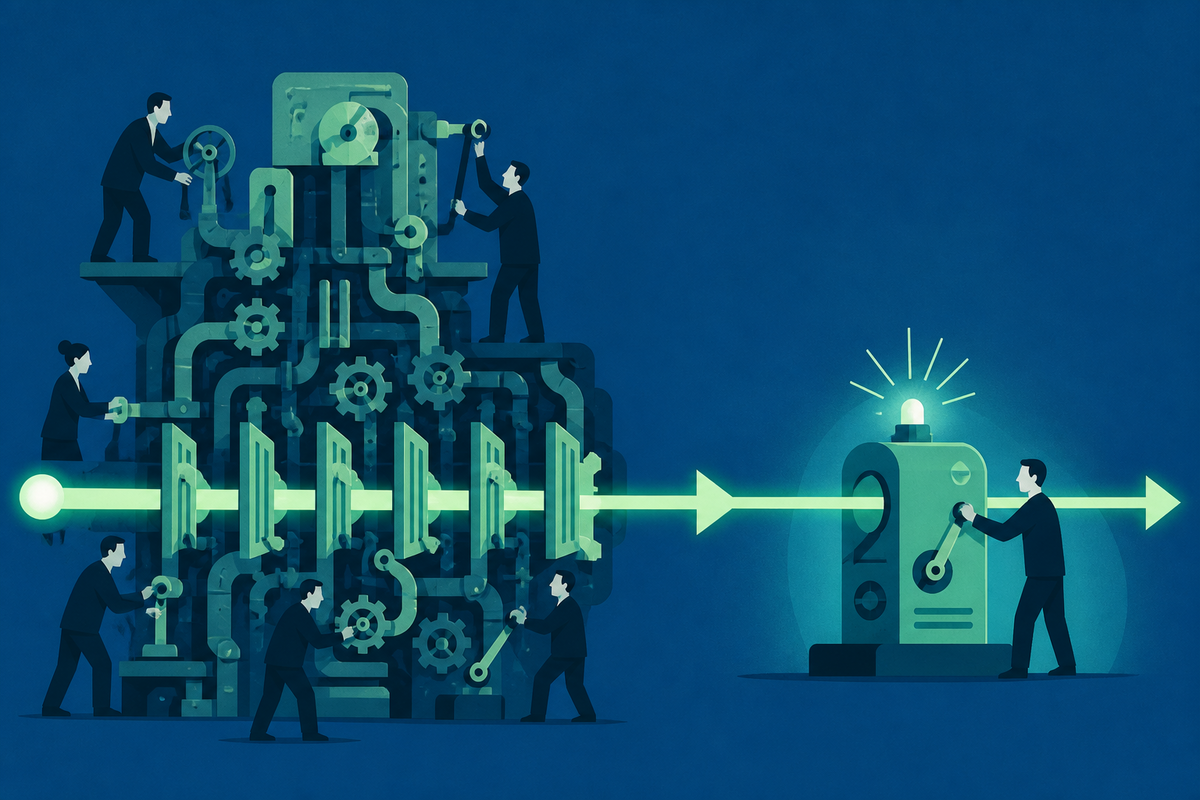
Your Sales Stack Is Really an Org Chart
6sense and Warmly overlap on buyer signals, but the useful distinction is operational: one is sold into a staffed revenue machine, while the other is designed to be switched on and run by a lean team.

Your Website Is Late to the Buying Party
Warmly reacts when a buyer reaches your website. 6sense tries to spot the account while it is still researching elsewhere - and that difference should decide which tool you buy.

The Robots Fighting Over Your Sales Forecast
Clari and Aviso both promise to tell you what your quarter will close at. The real split is over who does the work - your reps clicking through a CRM, or software that acts on its own.

Gong vs Chorus Is Really a Bet on Your Sales Stack
The familiar conversation-intelligence matchup has changed. Gong asks teams to buy a focused revenue platform, while Chorus makes its strongest case from inside the ZoomInfo bundle.

BoostUp Is Beating Clari By Being Cheaper, Not Better
The revenue-intelligence fight was supposed to be won on features. Instead, mid-market buyers keep picking the vendor that costs less and goes live in weeks.

The Forecasting Engines Betting Against Your Sales Team
Clari, BoostUp and Aviso all promise a clearer revenue number. Under the hood, they make very different bets about pipeline history, deal behavior and the value of human judgment.
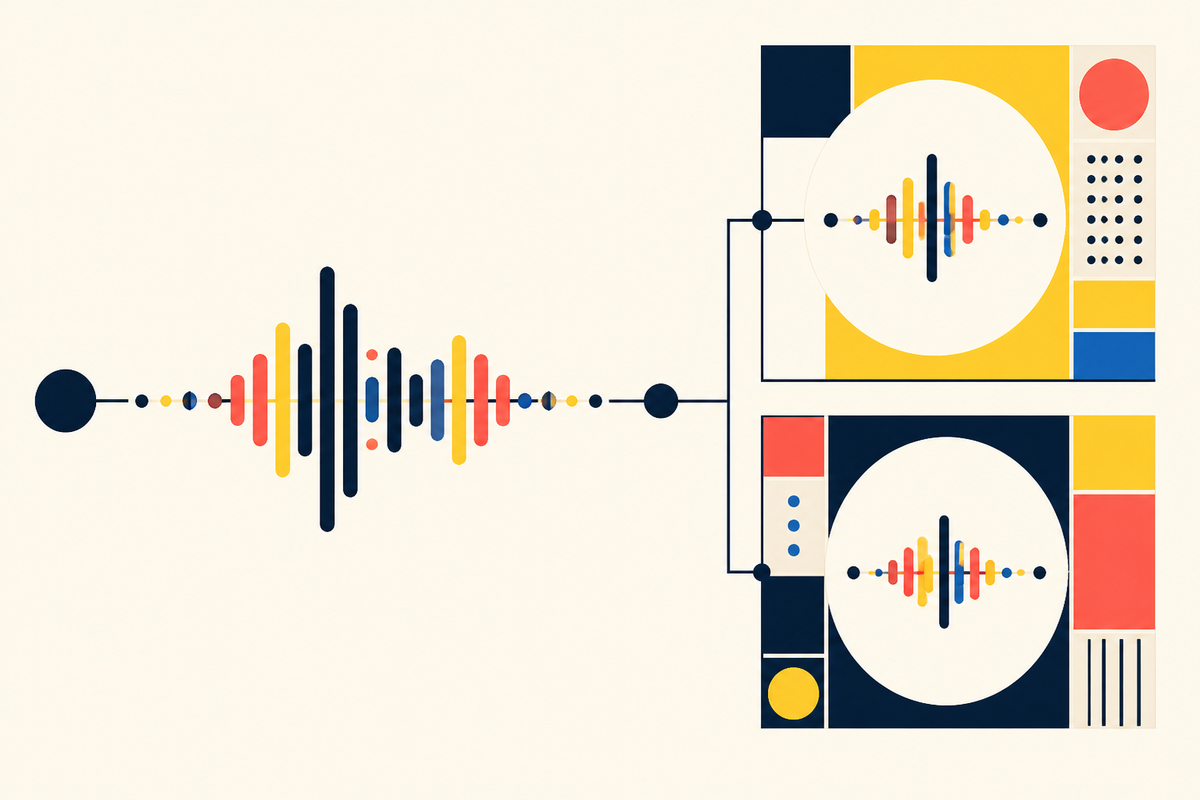
Gong Is the Last Standalone Bet in Sales Intelligence
The sales-call software race no longer has three independent runners. Gong is building an entire revenue platform, while Chorus and Wingman have become strategic layers inside larger suites.

Gong Hears the Deal. Clari Calls the Quarter.
Gong starts with the buyer’s words. Clari starts with the revenue team’s number. Their suites now overlap, but the right choice still depends on which blind spot costs you more.

The Company Mapping the Invisible Software Inside 40 Million Businesses
HG Insights built its business by reading the digital exhaust of corporate technology. Now it wants to turn that sprawling evidence - from software installs to buyer research - into an operating system for B2B growth.

Alexa Grabell
Alexa Grabell turned a sales-operations workaround into Pocus, helped name a category, and sold the company to Apollo. Her story is a case study in turning messy data into a clear operating thesis.

Akash Magoon
He learned how insurers deny claims from the inside. Then he built the machine that fights back for the doctors.