digital-health
(332)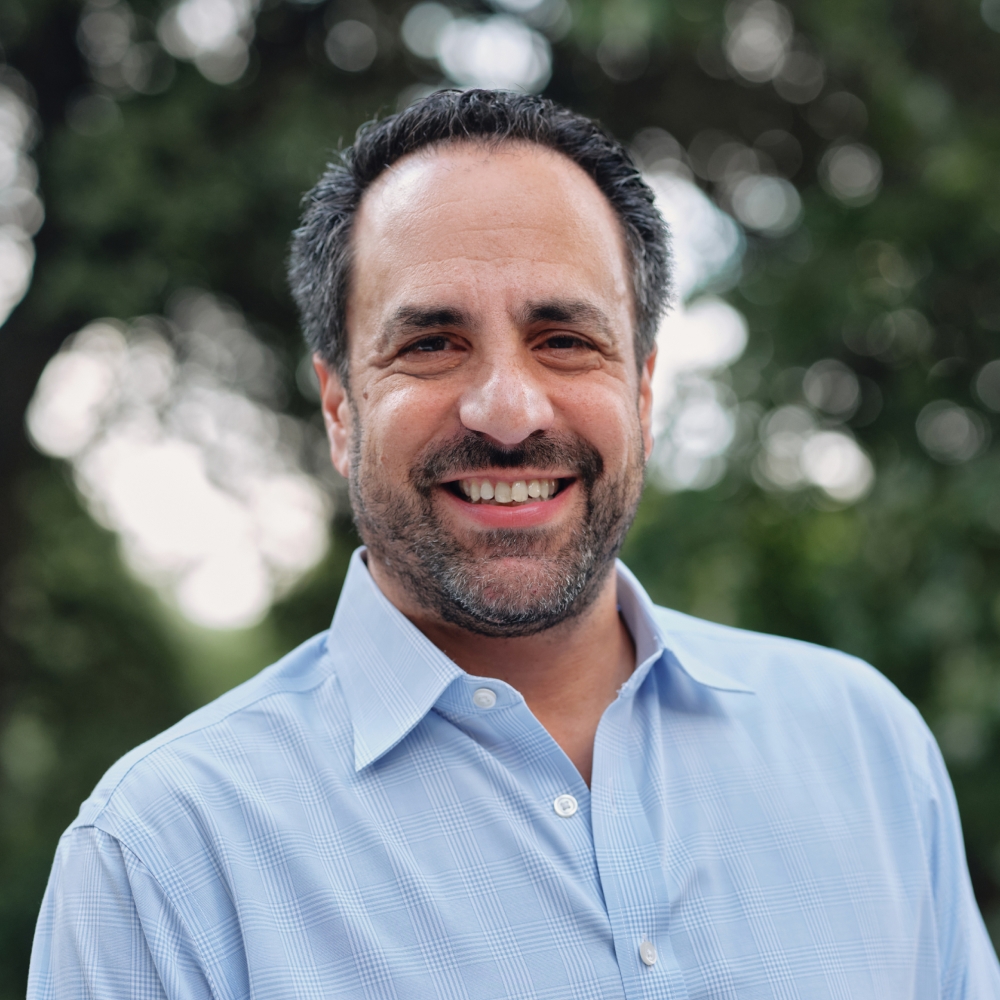
Gil Kochman and the Quiet Arithmetic of Care
He spent a career learning where healthcare businesses leak time, money and attention. Now the finance-trained operator runs a virtual-care company whose next chapter depends on making the machinery disappear.
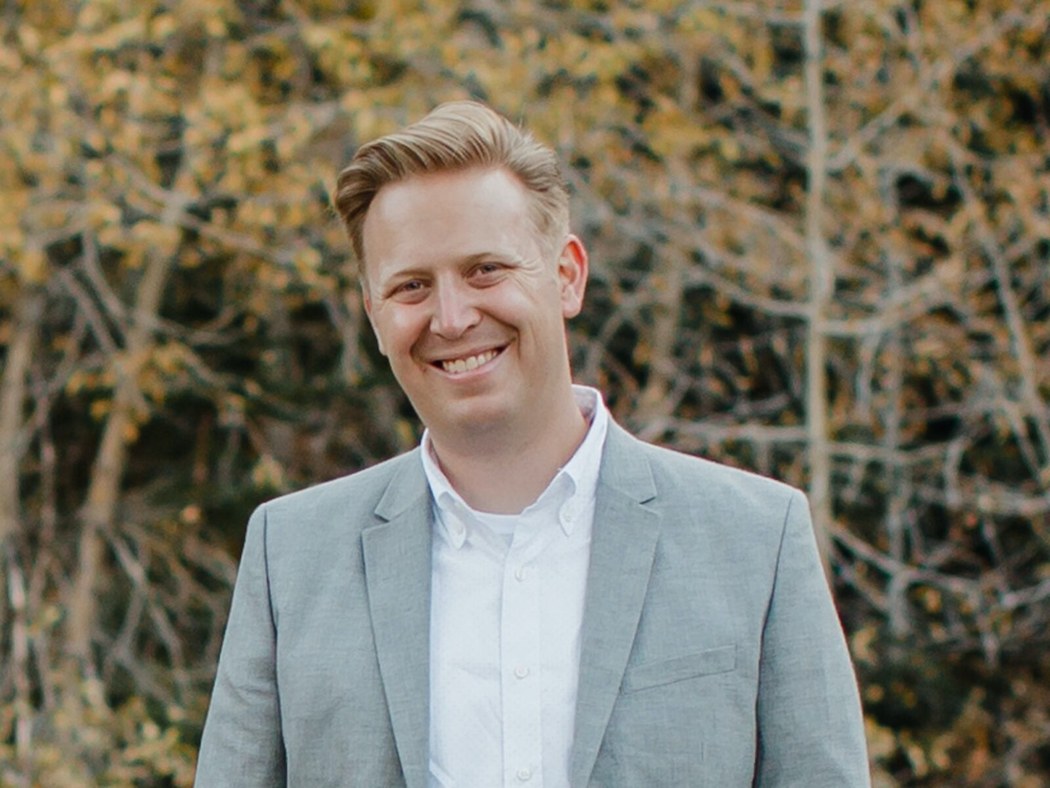
Dallen Allred Bet the Future of Therapy on Removing the Friction
Two startups taught Dallen Allred the same lesson: access is rarely one big locked door. It is a corridor of small inconveniences - and his career has been spent trying to remove them.
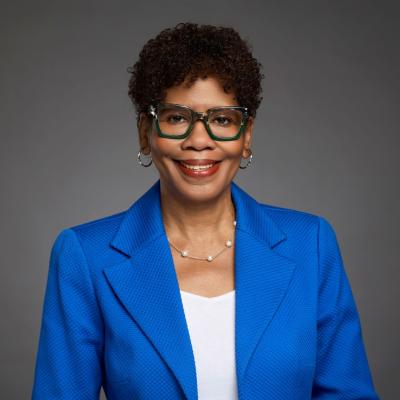
Patrice Harris and the Long Practice of Opening Doors
From a close-knit West Virginia childhood to the presidency of American medicine, Harris has built a career by moving between rooms - and holding the door for the people coming next.
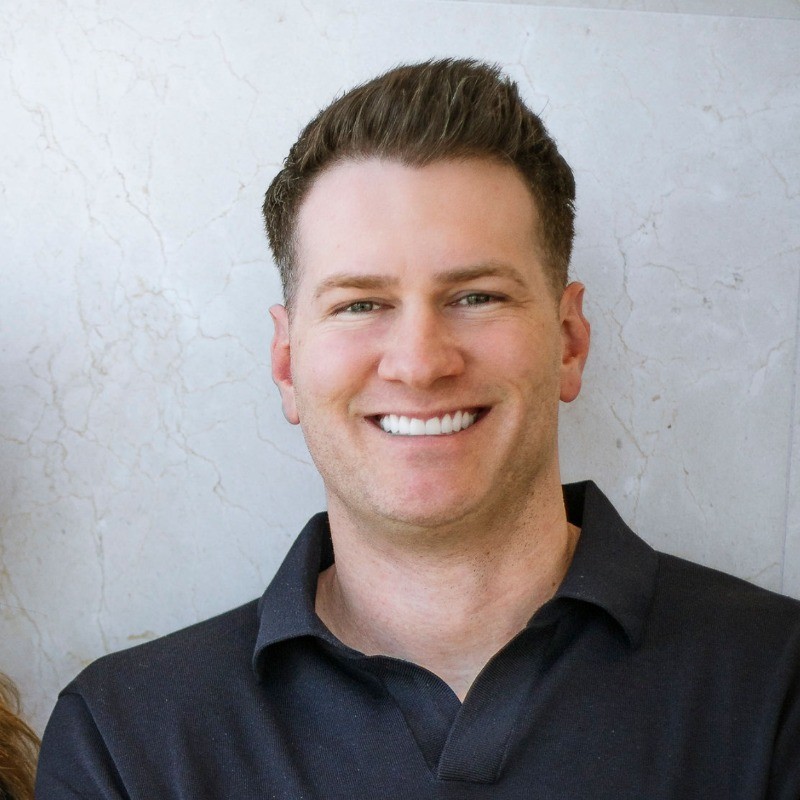
Robert Krayn Put the Spreadsheet in Service of the Waiting Room
The former credit analyst chose the least fashionable part of digital health - the machinery of insurance, clinical employment, and measurement - and turned it into Talkiatry's operating argument.
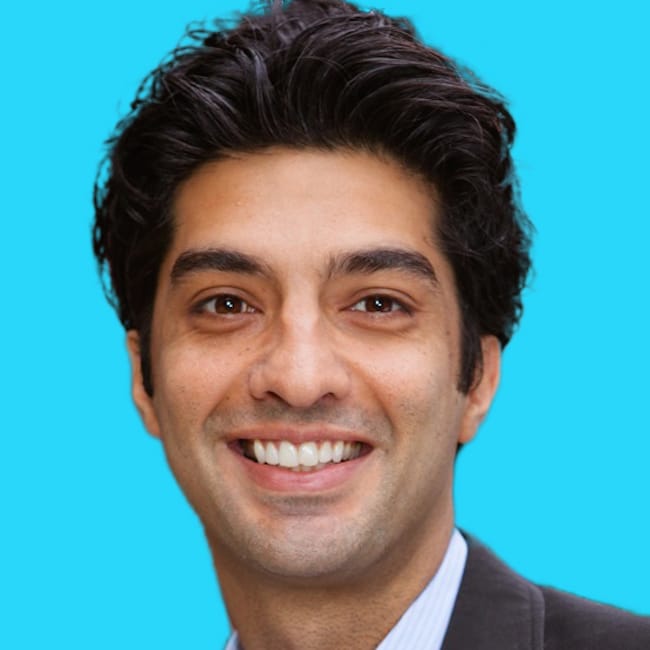
Nick Ganju Is Teaching a Phone Call to Think in Time
Zocdoc's founding engineer spent years making appointments work on a screen. Now he is back in the code, trying to make an automated voice understand when a human has finished a sentence.
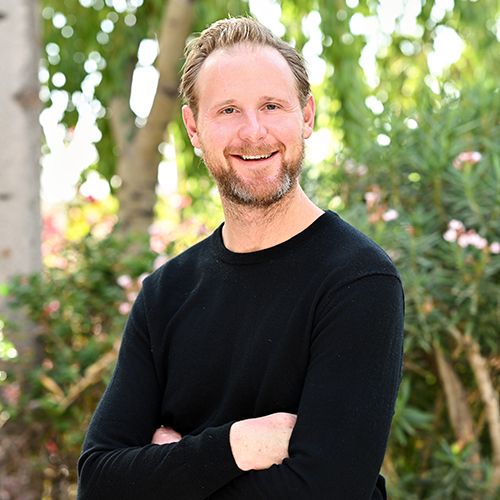
Matt Wills and the Business of What Happens Next
A religion graduate became a banker, a pharmacy builder and then the operator behind Lumata Health. His career keeps returning to the same unglamorous question: what happens after the plan meets real life?
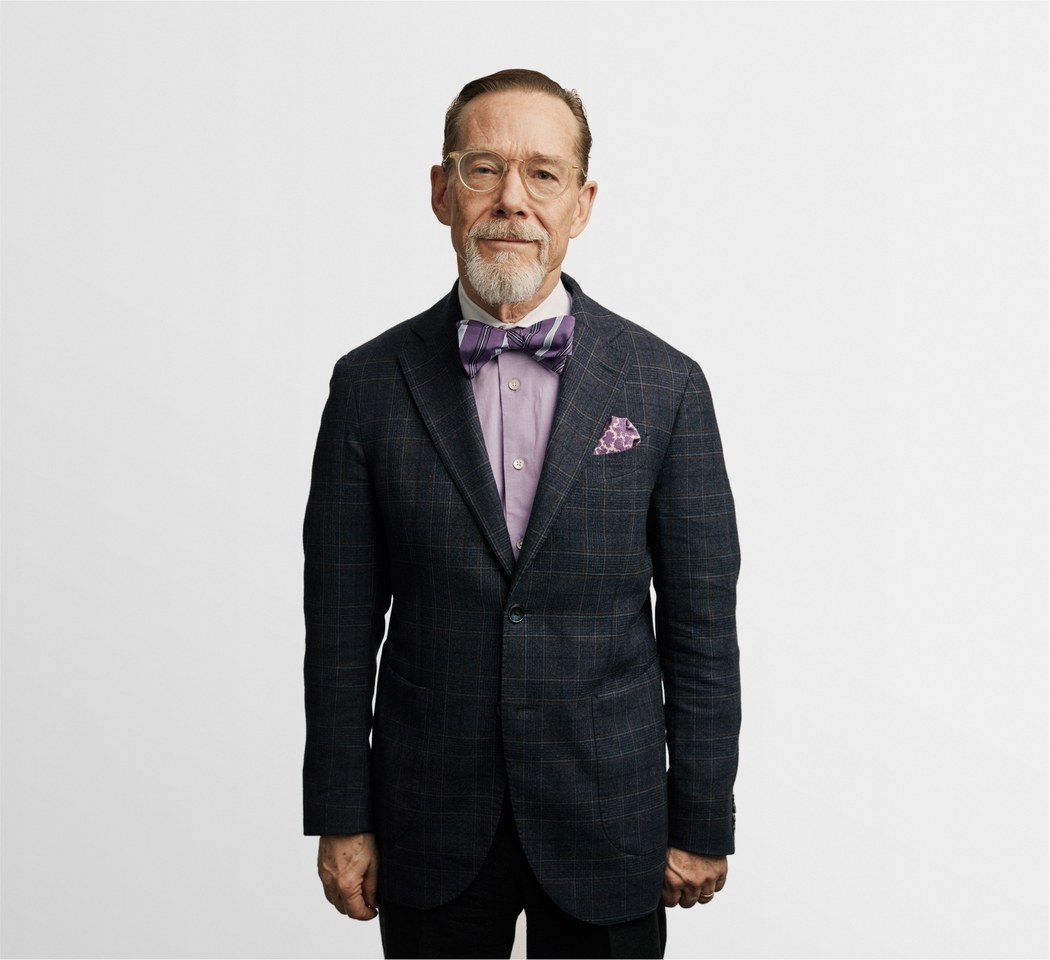
David Albert Kept Waiting for the Future. Then He Put It in an iPhone Case.
For decades, David Albert carried the same stubborn idea: serious medical signals should travel. One homemade video, one accidental LinkedIn share and an iPhone 4 finally gave the idea somewhere to go.
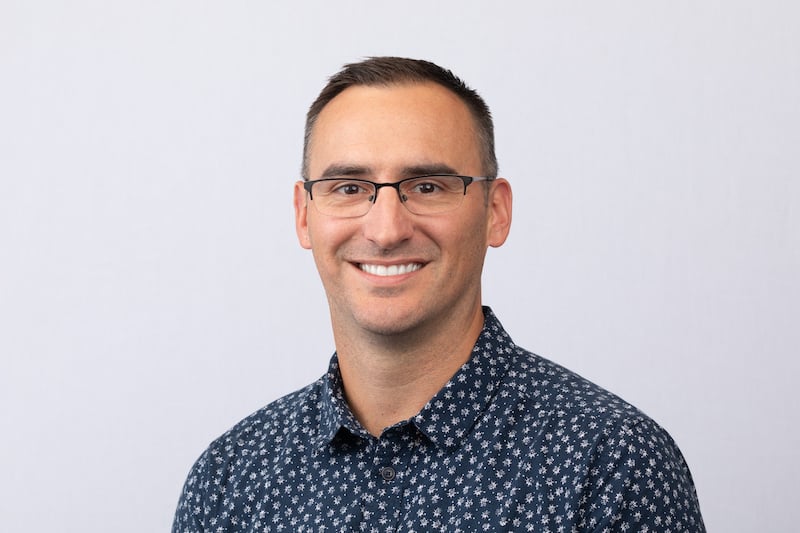
Jason Comer Learned to Read the Fine Print - Then Took the Top Job
The finance-and-law polymath arrived at a young telehealth company as an adviser. Seven years, two funding rounds and several job titles later, he was running it - without losing his taste for the details.
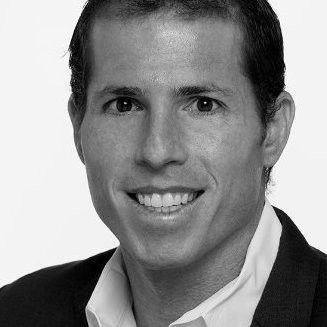
Doug Morse-Schindler Bet the Company on the Last Mile
Before HealthJoy served more than a million members, its president rebuilt a sailboat, survived a bruising pivot and spent six months earning one customer’s trust. His career is an argument that distribution is not the dull part of invention - it is where invention becomes useful.
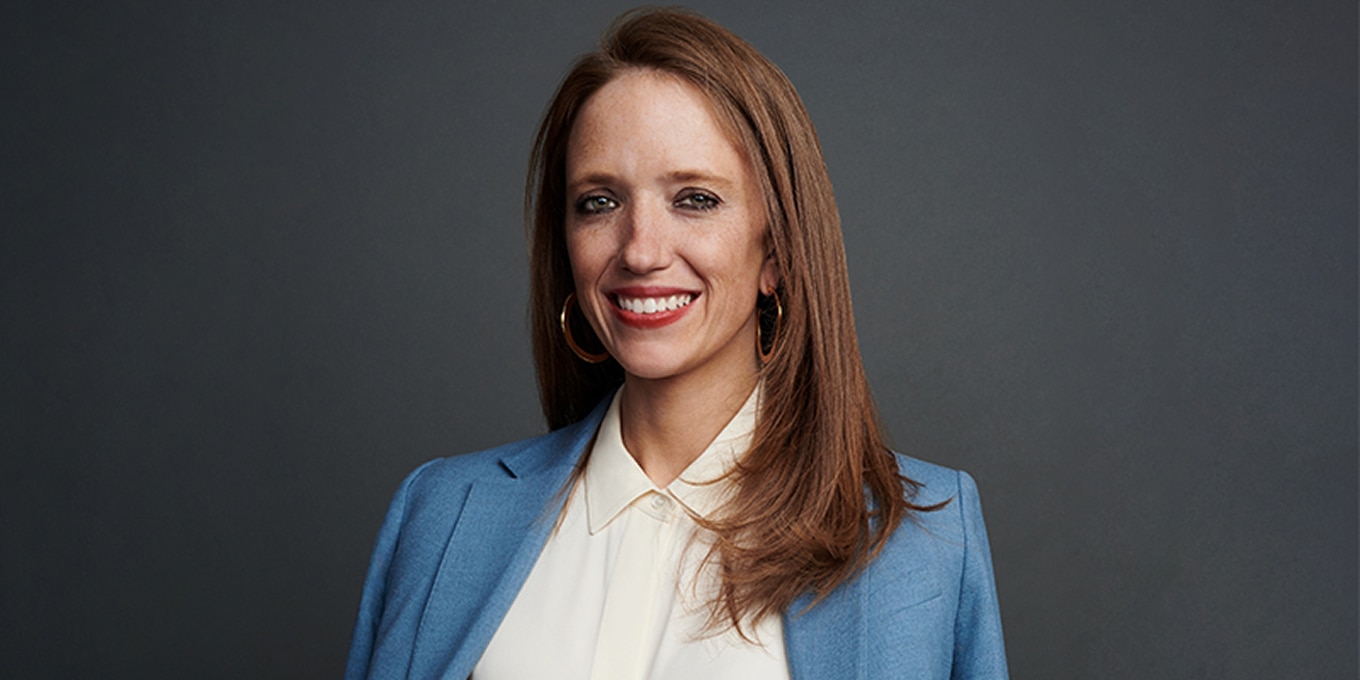
Kate Ryder Bet on the Problem Nobody Budgeted For
A journalist learned to hear what institutions missed. Then she spent a decade turning those overlooked stories into Maven Clinic - and proving that an ignored category could become a global business.
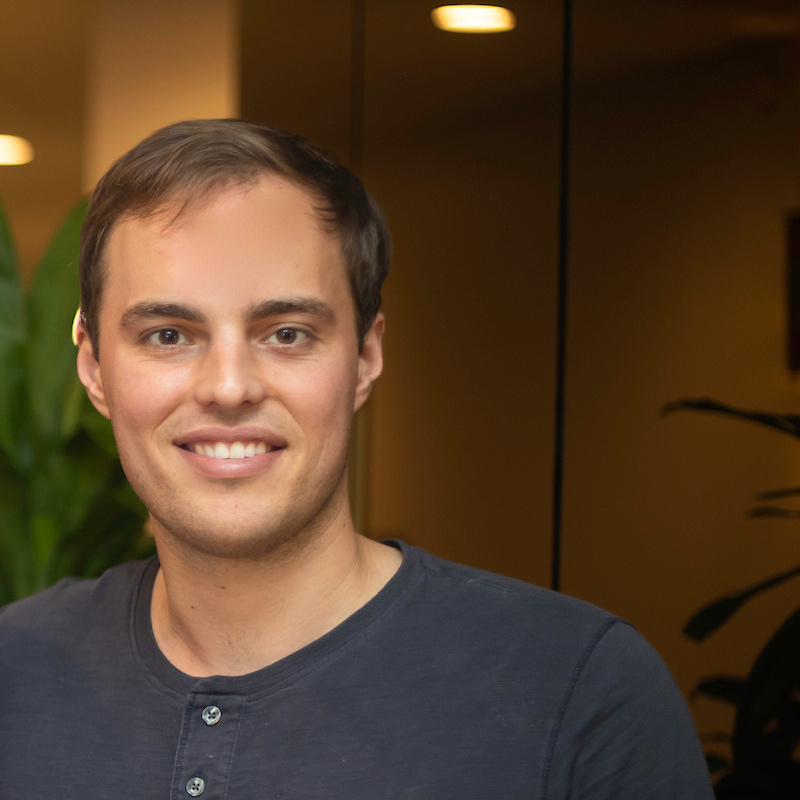
Aidan Dewar Put the Dietitian Back at the Table
A childhood friendship, an unfashionable corner of care and a talent for making complicated systems feel obvious turned Nourish into a national clinic. Dewar's bet is that the future of healthcare starts with the person across the table.
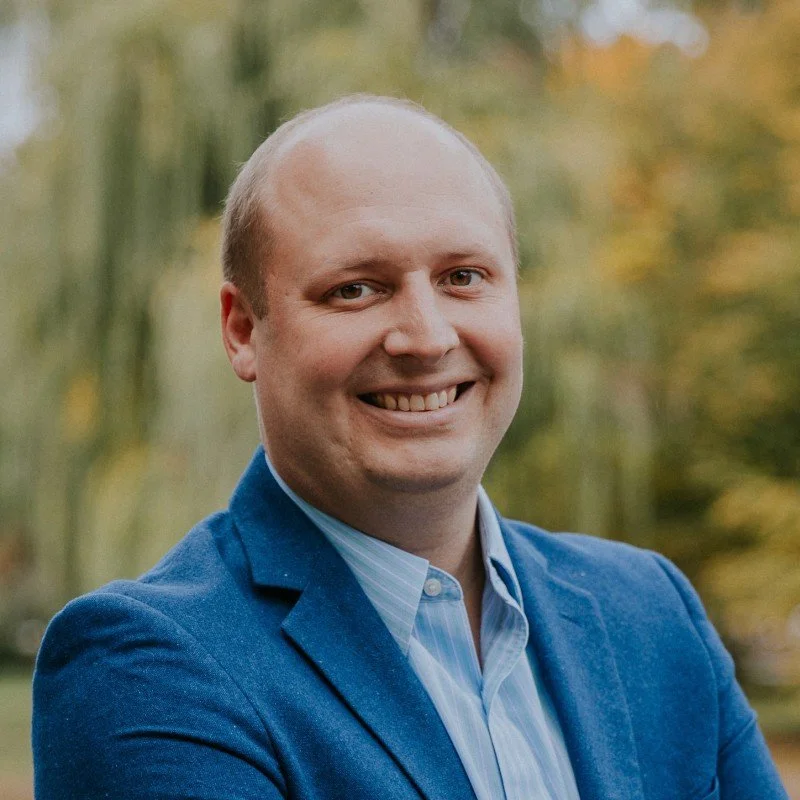
Brad Diephuis and the Discipline of Staying Close
The physician-engineer taking Thyme Care into its next chapter has built a career by moving between code, clinics, policy and company-building - while insisting that scale should never become an excuse for distance.
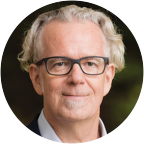
James McElhiney Has Spent a Career Building the Systems Behind the Mission
From traded-in phones to primary care, cyber insurance, and virtual treatment, the Cambridge engineer keeps returning to the same hard problem: turning a complicated service into software people can trust.
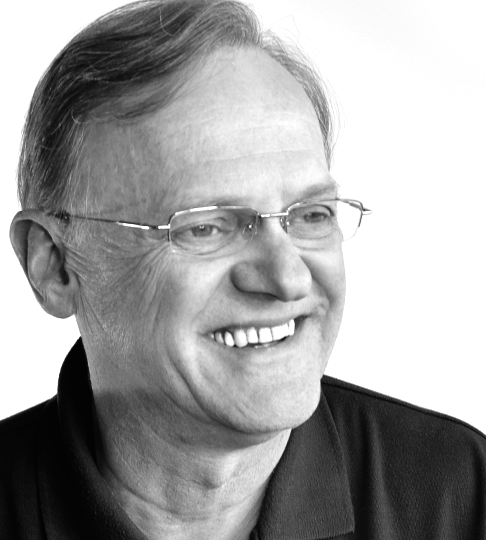
Geoffrey Rutledge Built the Future Twice. The Second Time, People Were Ready.
Long before virtual care became ordinary, Geoffrey Rutledge was trying to make medicine travel at the speed of information. His career is a study in patient timing: build early, keep the doctor in the loop, and wait for the world to catch up.
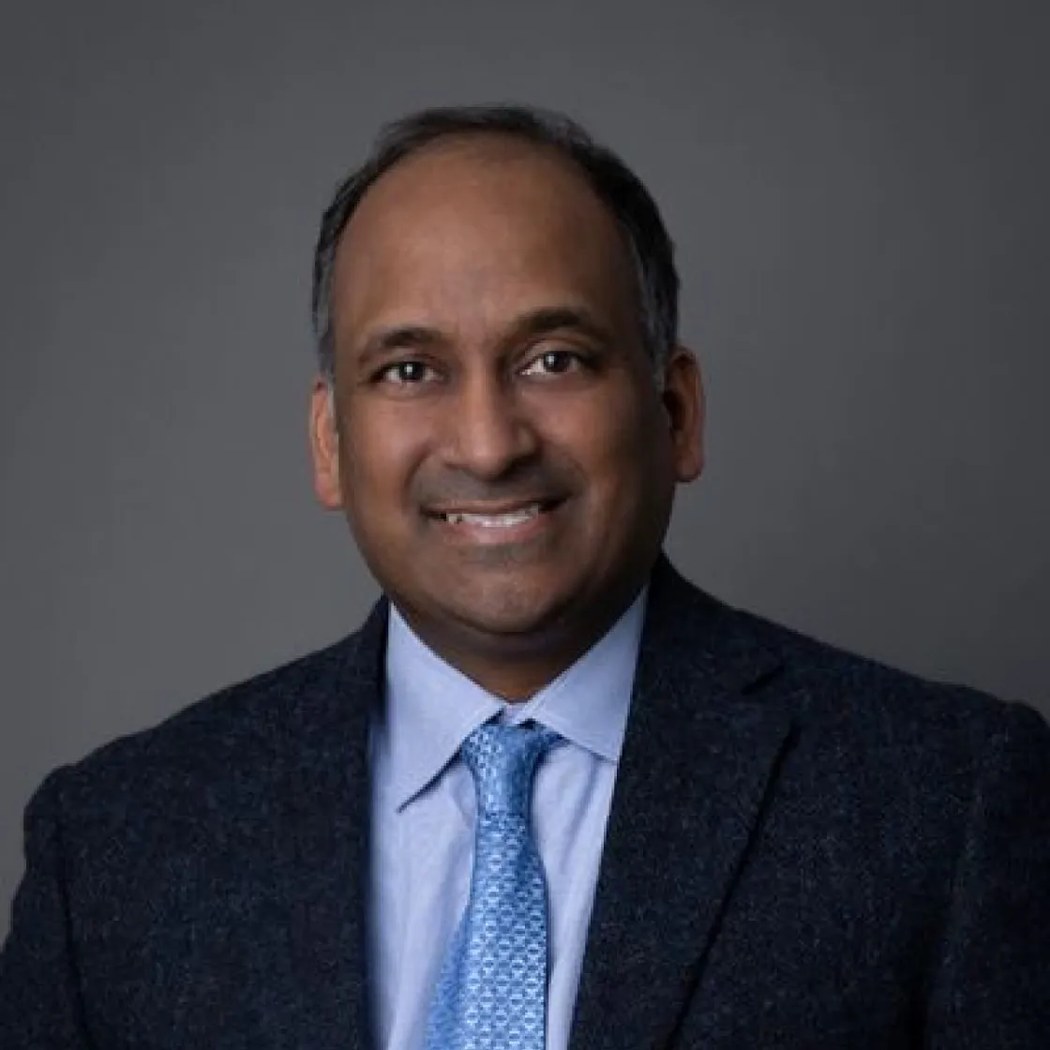
Shanti Bansal Built a Second Pair of Eyes for the Device Clinic
A Houston electrophysiologist kept hearing the same awkward question from patients: had he seen what their implanted devices had seen? His answer became Octagos, a company built around the unglamorous art of making clinical data useful.
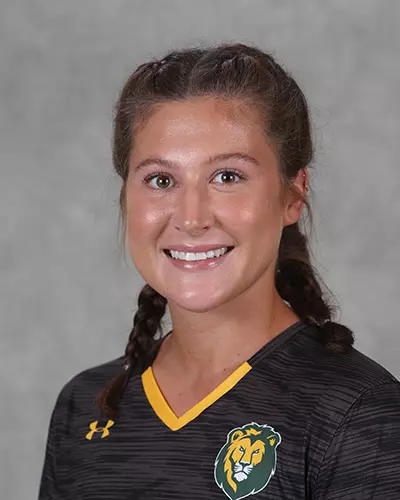
Alexandra Gundersen’s Second Field
Before remote care became her work, movement was already Alexandra Gundersen’s language. The former college midfielder carried the same mix of study, repetition and human judgment from Southeastern Louisiana’s soccer field into clinical exercise physiology.
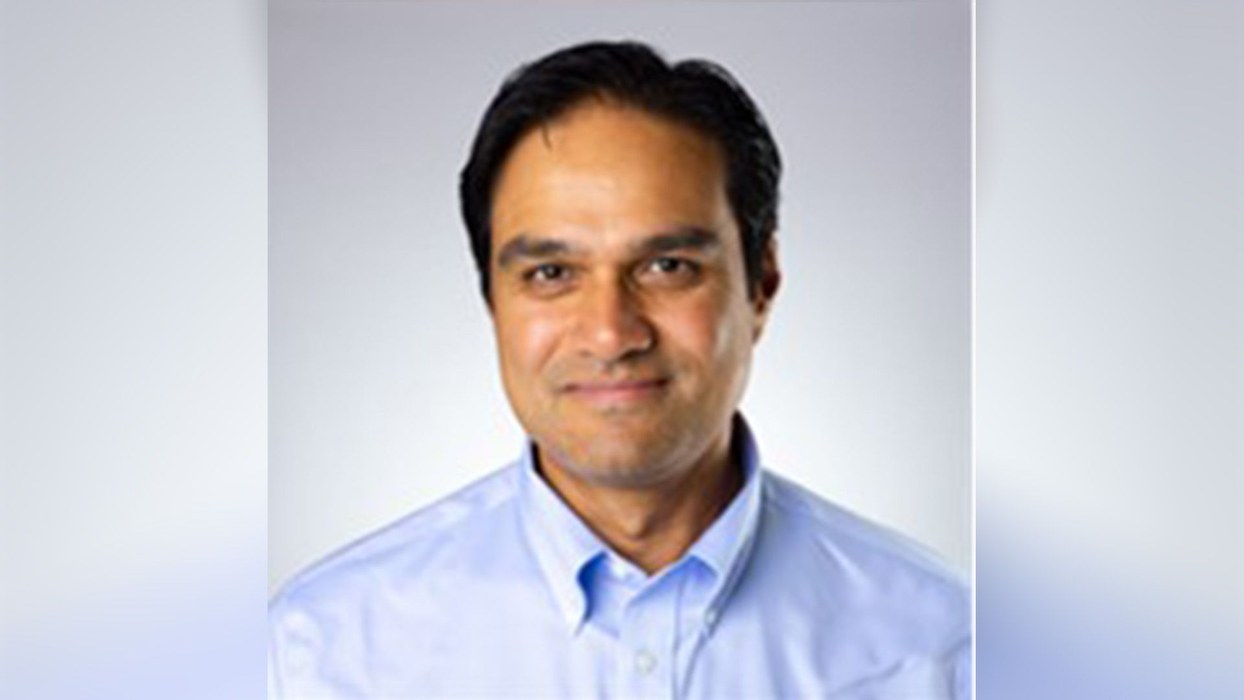
Sujay Jadhav Learned to Read the Signal Before He Learned to Trust the Noise
At 23, he built a paging network amid Cambodia's instability. Three decades later, the Verana Health CEO is still trying to turn noisy systems into decisions people can trust.

Elina Scherwitzl and the Art of Measuring the Invisible
At CERN, she helped search for a particle that explained mass. Then Elina Scherwitzl took the same appetite for evidence into a far more intimate unknown and built an algorithm that had to earn the trust of regulators, clinicians and millions of users.
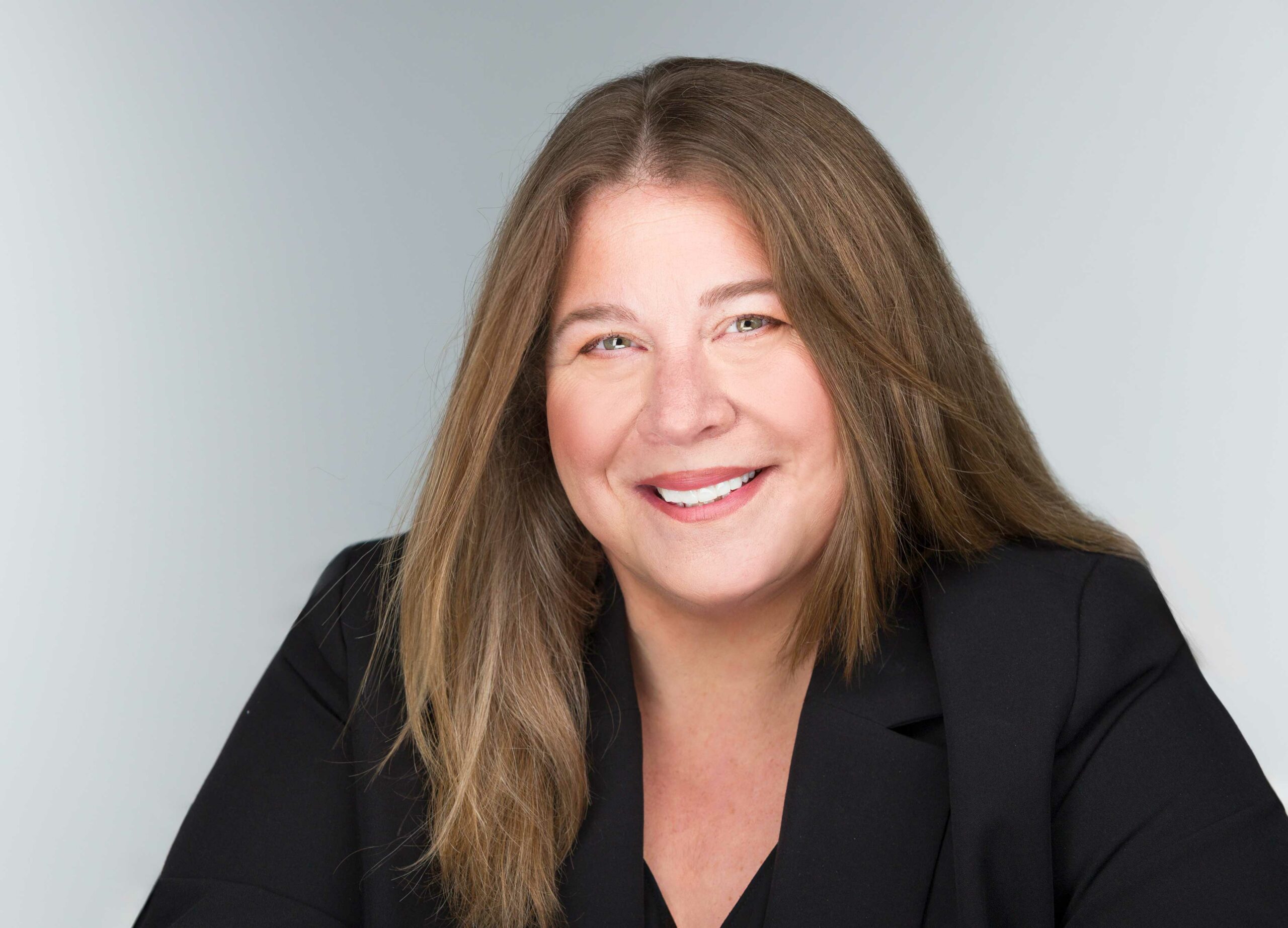
Lyndi Hirsch Has Spent 25 Years Making Complex Choices Easier
From early product launches to the screens inside today's exam rooms, the new CheckedUp CMO has followed one durable idea: useful communication begins with the person making the decision.
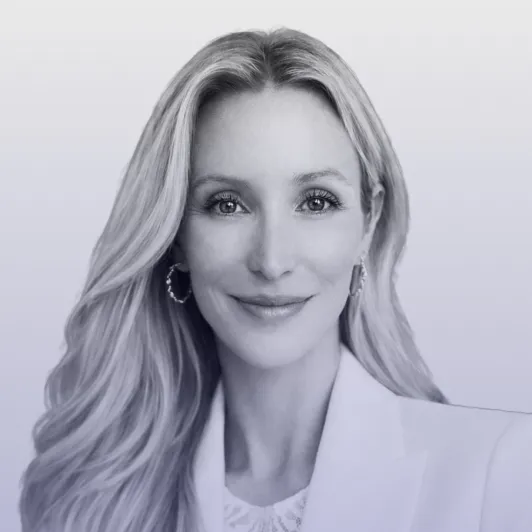
Haley Chute Is Building Healthcare AI Around Its Scarcest Ingredient: Trust
The biomedical engineer turned product-and-marketing chief has a plain test for clinical AI: help people see what matters, keep the clinician in charge, and earn trust one conversation at a time.
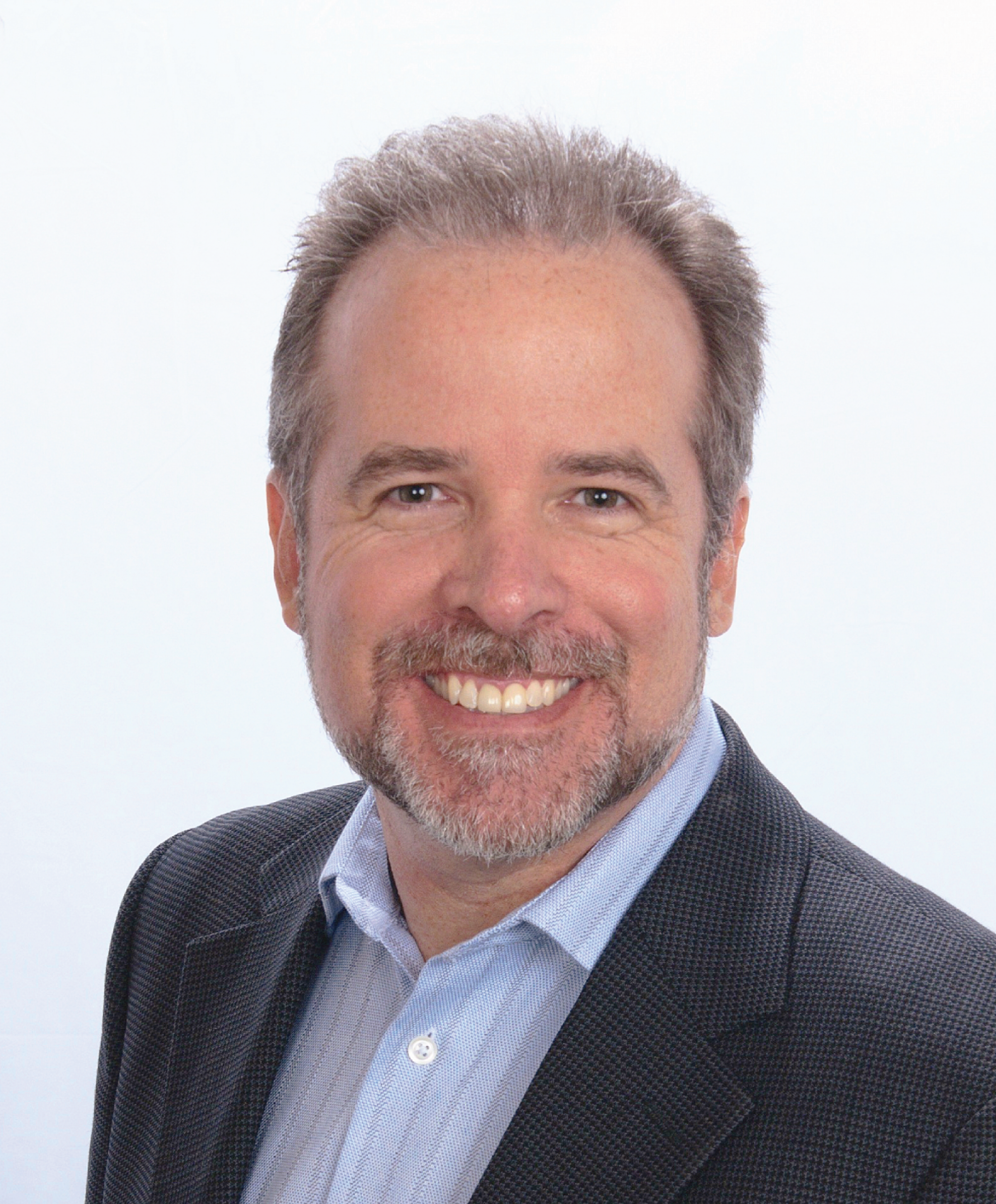
Guy Mansueto Has Spent 30 Years Making Complicated Healthcare Technology Make Sense
Before he sold the promise of healthcare software, Guy Mansueto helped install it. That operator's education became the quiet advantage behind a career spanning Allscripts, Phytel, IBM Watson Health, Bamboo Health and PartsSource.
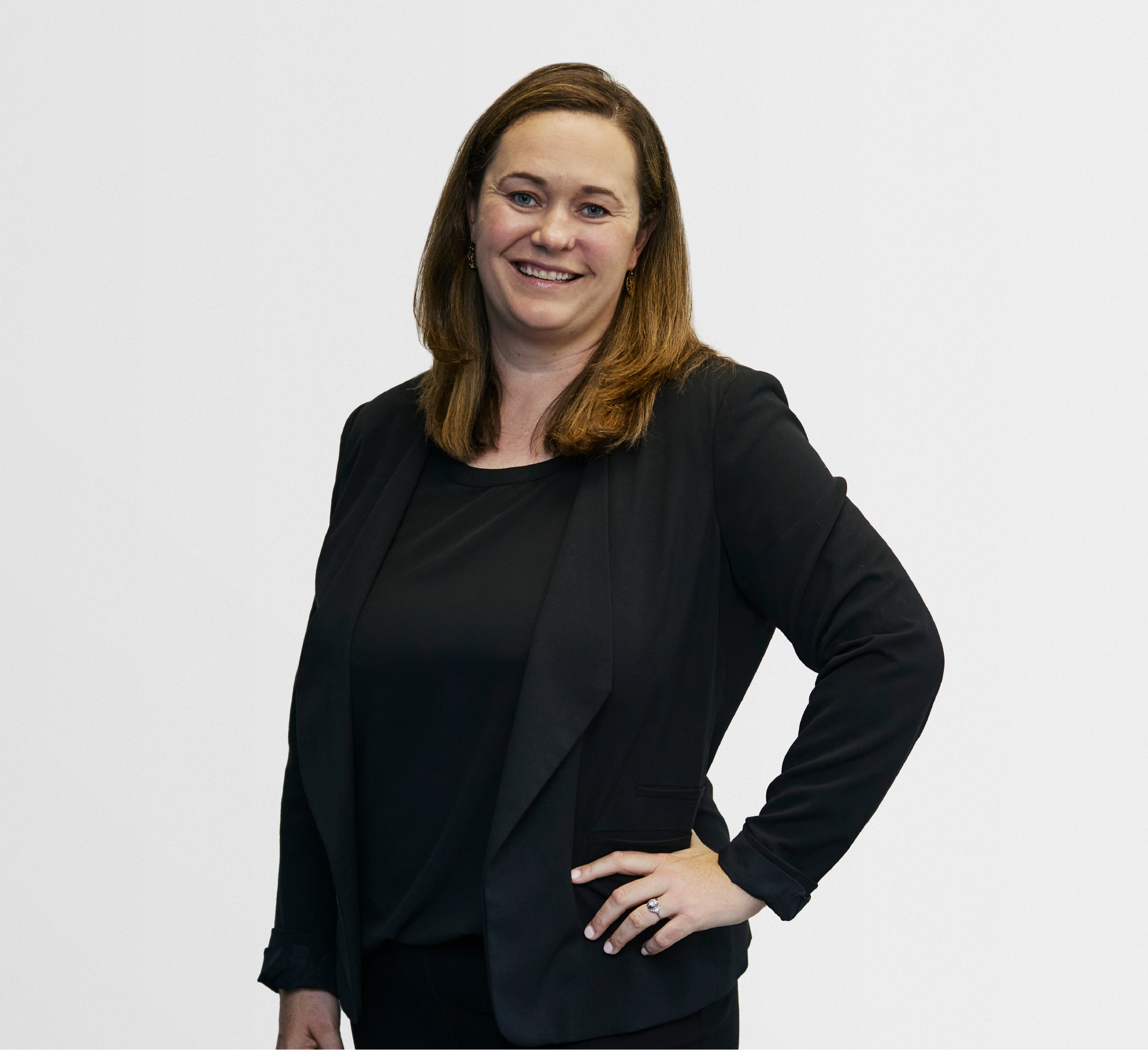
Cora Locke Built a Marketing Career Around the Difficult Work of Making Technology Feel Personal
From satellite television to a pocket-sized ECG company, Locke's career has followed one durable idea: complicated products still need plain language, disciplined launches and a reason for people to care.
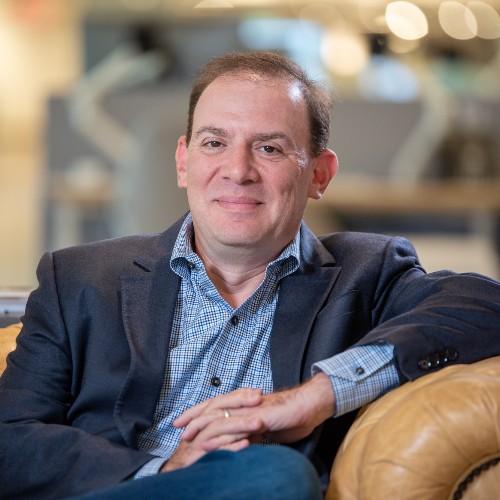
Justin Steinman Makes Complicated Companies Sound Human
The ModMed CMO has spent two decades turning healthcare software, corporate transformations and one frantic Nasdaq debut into stories people can actually repeat. His method begins with plain English, shared ownership and a useful suspicion of marketing theater.
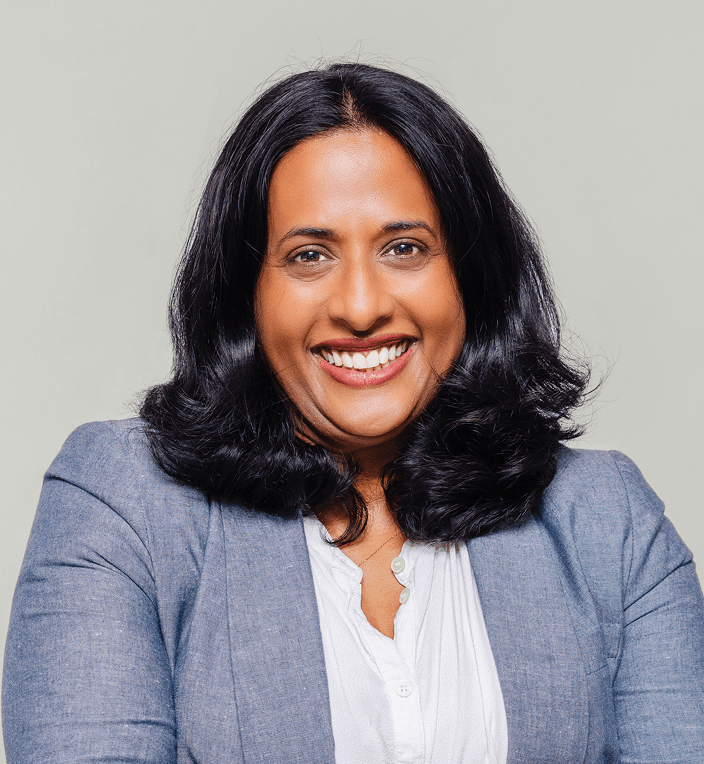
Marina Dorotheo Makes Complex Technology Make Sense
The Welldoc strategist spent decades learning how innovation reaches the real world. Her method is less about making technology sound futuristic and more about making its purpose clear.
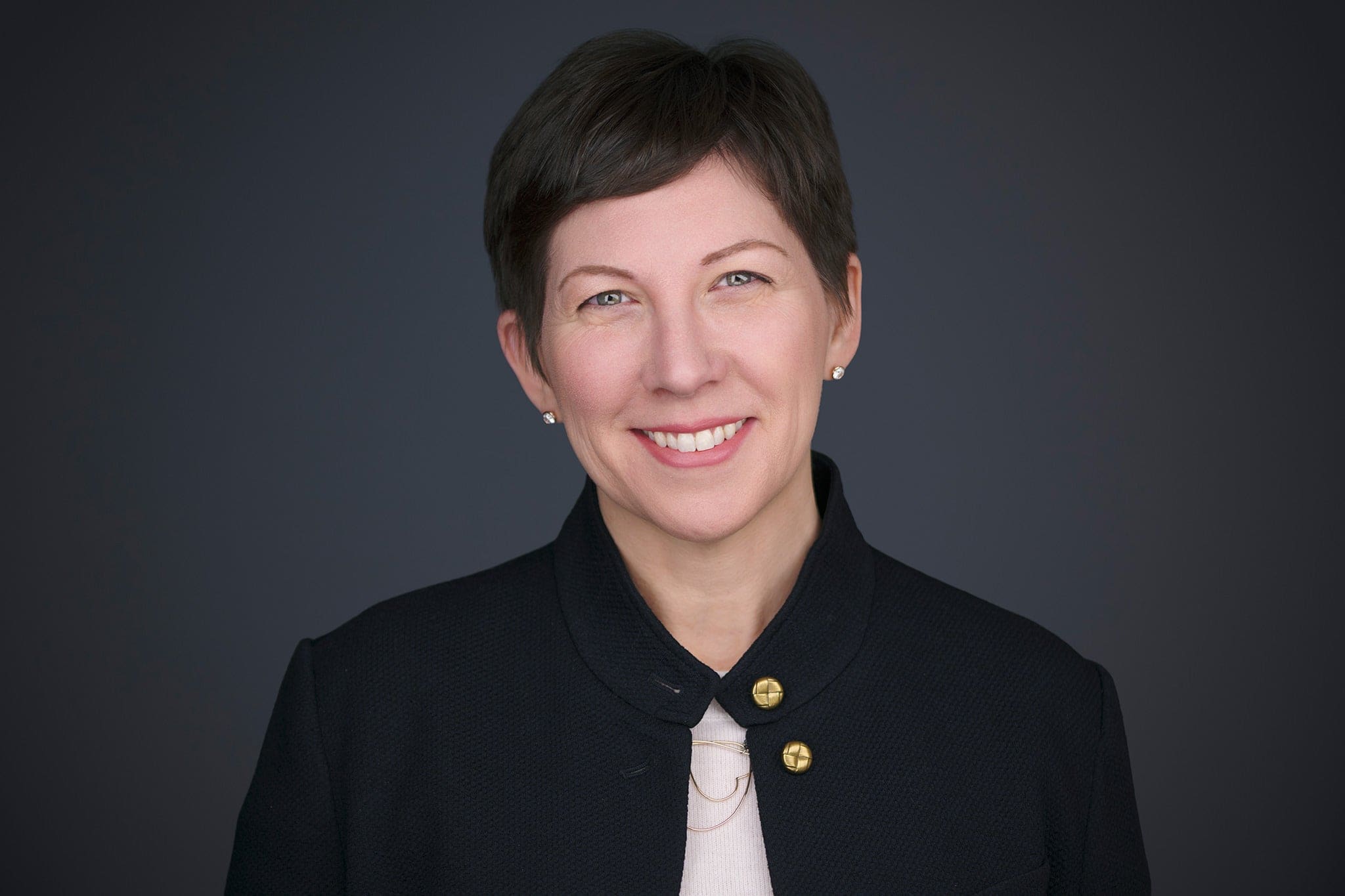
Michelle Blackmer Knows the Hard Part of Healthcare AI Is Everything Before the AI
After 25 years in healthcare data, Rhapsody's chief marketing officer has learned to look past the glossy interface and ask the stubborn question underneath: can the systems actually understand one another?
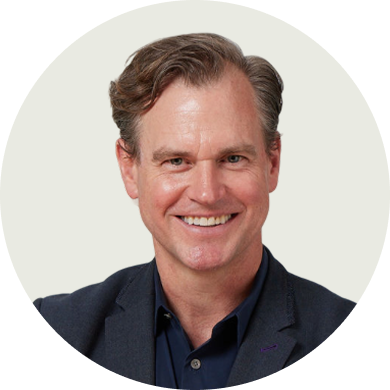
Doug Biehn Is Turning a Blood Test Into a Business of Better Decisions
After two decades turning complex healthcare technology into something people can actually use, the Octave CEO has chosen his hardest translation job yet: making biological uncertainty legible.
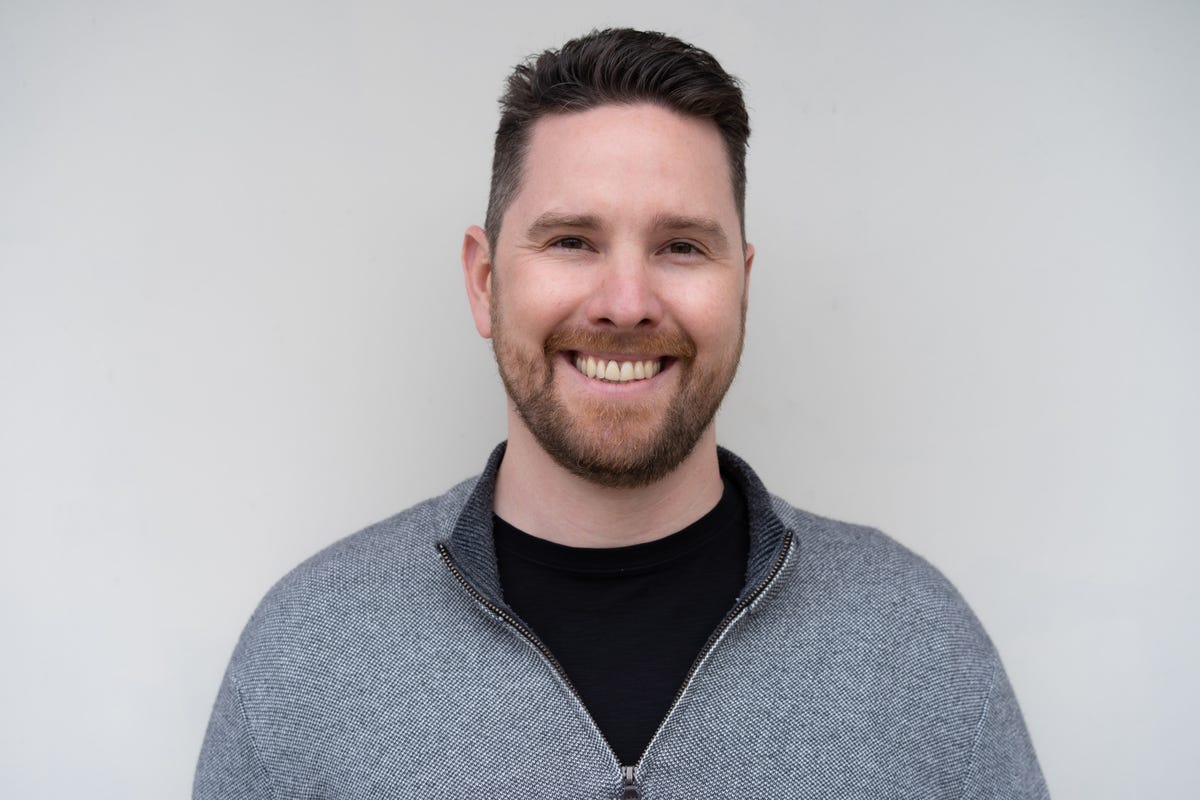
Nick Allen Turned a Sunday Ritual Into a Company
Before Sunnyside was an app, it was a weekly plan, a few text messages and a founder paying close attention to what people actually did.
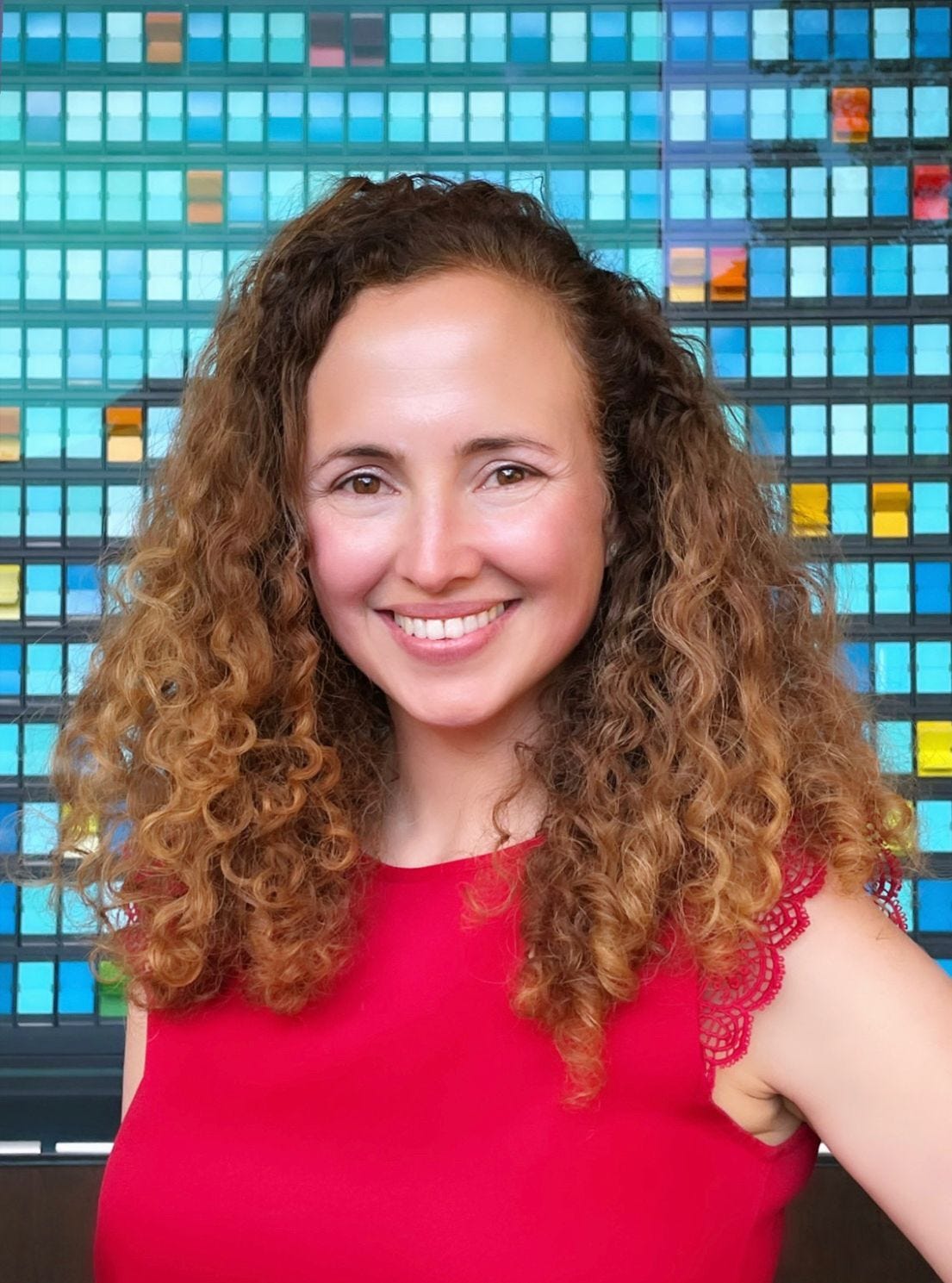
Naama Breckler Keeps Building for the Part Everyone Else Calls Complicated
Four companies in, the software engineer turned CEO has a durable method: get close to the customer, distrust the broad pitch, and make the tedious middle disappear.
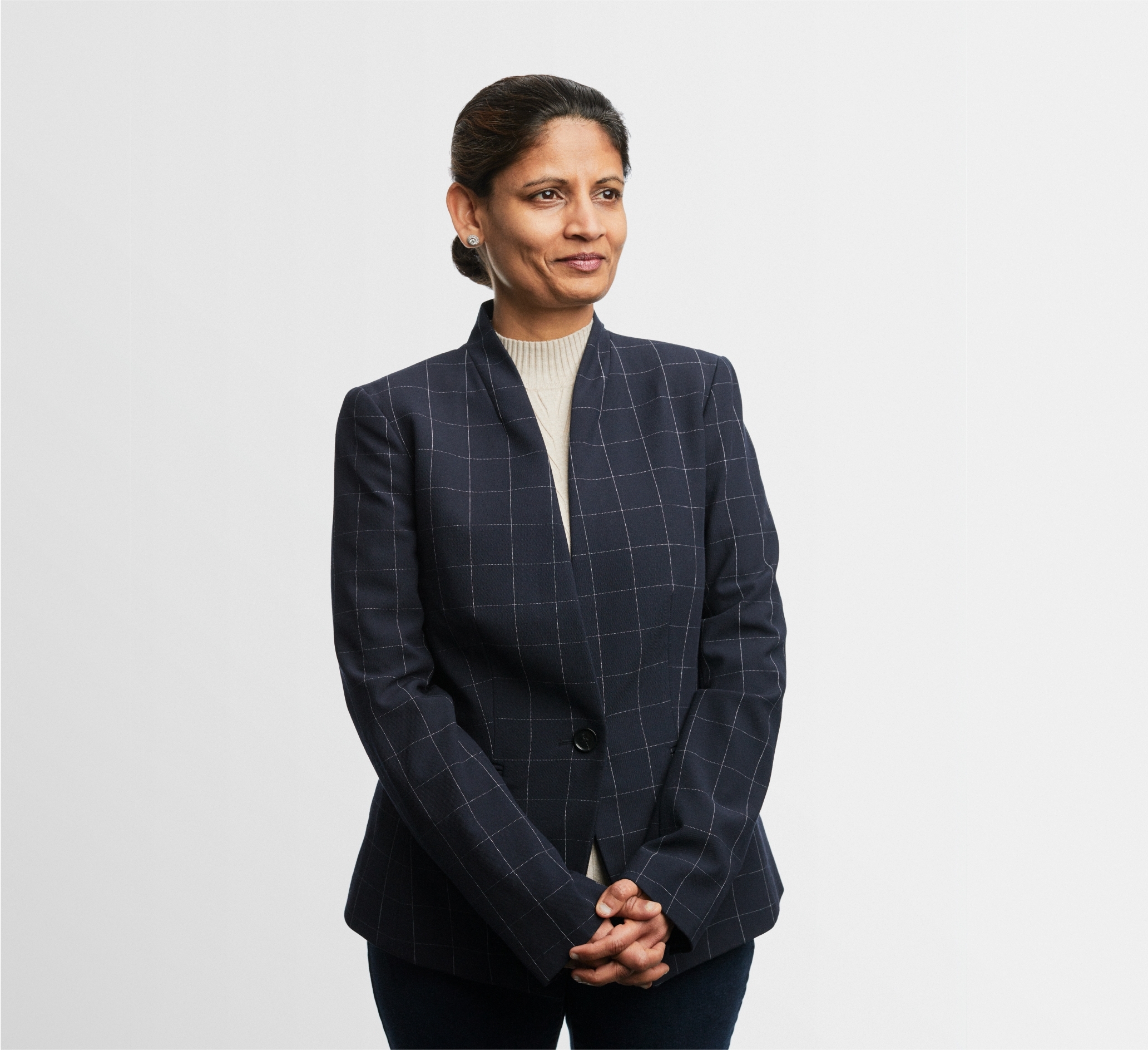
Priya Abani Learned BASIC at 12. She Has Been Scaling Complex Systems Ever Since.
Before she ran AliveCor, Priya Abani wrote validation tools for microprocessors and helped Alexa escape the Echo. Her career is a study in one portable skill: making complicated technology useful to ordinary people.
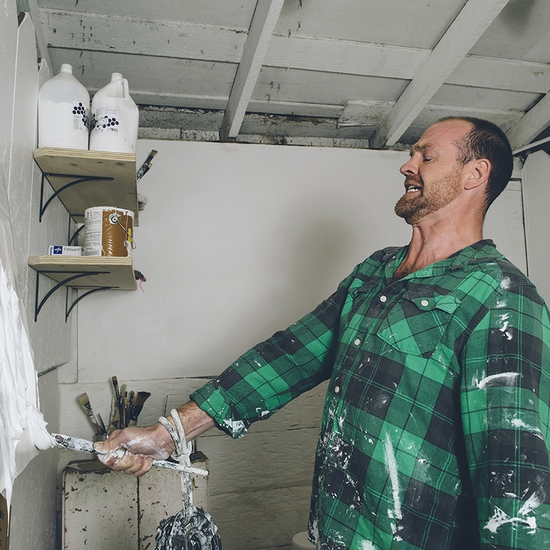
Matthew Wetschler Treats Company-Building Like a Creative Practice
The Plume co-founder took a scenic route through art, athletics, public service, medicine and startups. The thread connecting it all is a stubborn belief that systems should be designed around the people who actually use them.