design-systems
(33)
Aubergine Solutions makes complexity behave
A patient transport scheduler. A connected fitness app. An AI broker with an off switch. Aubergine Solutions builds software around the moment a human needs to take control.

The client became the next chapter.
John Keese’s design practice connects shopping apps, convenience stores and corporate tax software. The thread is a willingness to follow a problem beyond the screen.
Eleken makes the next click obvious.
A monthly designer subscription built for complicated SaaS. Eleken’s wager is that the most valuable design work happens where users hesitate - and where pretty screens stop being enough.
InVision made design click. Then the workflow moved on.
A clickable mockup helped InVision turn design feedback into a business valued at $1.9 billion. Its rise and shutdown reveal how quickly a useful step can become an extra step.

Anastasiia Dyachenko and the Trouble With Looking Better
The Cadabra co-founder began with interfaces. Her work now follows the decisions, handoffs and unanswered questions that determine whether a digital product makes sense.
Knapsack gives AI a company memory
The Portland software company built a shared home for design and code. Now it wants AI to work from the same instructions as everyone else.

Tiago Gerstheimer and the trouble with small things
A Game Boy started his fascination with pixels. At Hack The Box, Tiago Gerstheimer turned that fascination into interfaces for cybersecurity learners - and a side project that kept asking bigger questions.

Sketch and the art of leaving things out
A discarded app supplied the diamond. A very particular kind of designer supplied the business. Sixteen years later, Sketch is still testing how much a design tool should do - and how much it should leave alone.
The Name Went Back. The Griffin Stayed.
Gretel makes identities built to travel from a museum wall to a phone screen. In Philadelphia, its most revealing design lesson arrived after the launch.

Chris Strahl Built a Company Out of the Space Between Design and Code
A student entrepreneur became a Drupal operator, an agency founder and, after a brutal 2020, the CEO of a design-systems company. His subject has barely changed: why capable teams keep building the same thing differently.

Adam Christiansen Designs for the Moment Before the Click
His portfolio is a study in useful friction: find the awkward moment, test it with real people, and make the next move feel obvious.
Lazarev wants your AI to survive Monday morning
The Ukrainian-founded design agency builds the parts of AI that people actually touch. Its most useful lesson begins where a promising product sends its users back to a spreadsheet.
Busse Design and the software that needed a translator
A recommendation engine that confused merchandisers. An accreditation process buried in text. Busse Design’s portfolio shows what happens when software starts speaking its users’ language.

What Else makes brands earn their keep
A Brooklyn design studio connects the logo to the work that follows: packaging, websites, templates, and the daily business of being useful. Its projects run from sparkling verjus to fraud protection.

Hosanna Wants Your Beautiful Interface to Survive Monday
The design studio pairs expressive visuals with an awkward question: can people still use the product when the cinematic effects come off? Its portfolio moves from airline tickets to automotive screens and AI.

Before You Redesign, Call Cadabra’s UX Trauma Center
Cadabra sells a diagnosis for digital products that have lost their way. Its work on insurance portals and medical software shows why the trouble often starts well below the surface.
Elever wants to design itself out of your daily to-do list
The digital studio pairs brand and interface design with a promise of client independence. Its most interesting deliverable may be what happens after the handoff.
Metajive makes the complicated feel obvious
A printer subscription. An AI filmmaking tool. A mountain company finding its voice. The California agency behind them has learned that good design starts with a business question.

Pepperplane Makes Software Teams Answer the Expensive Question First
This small, remote design studio has shipped more than 350 projects by insisting that the costly part of software is not the screen. It is the untested assumption underneath it.

Junior Garcia Is Turning Open Source Into Interface Infrastructure
What began as a React component library became HeroUI, a YC-backed attempt to make good interfaces easier for humans and AI agents to build.
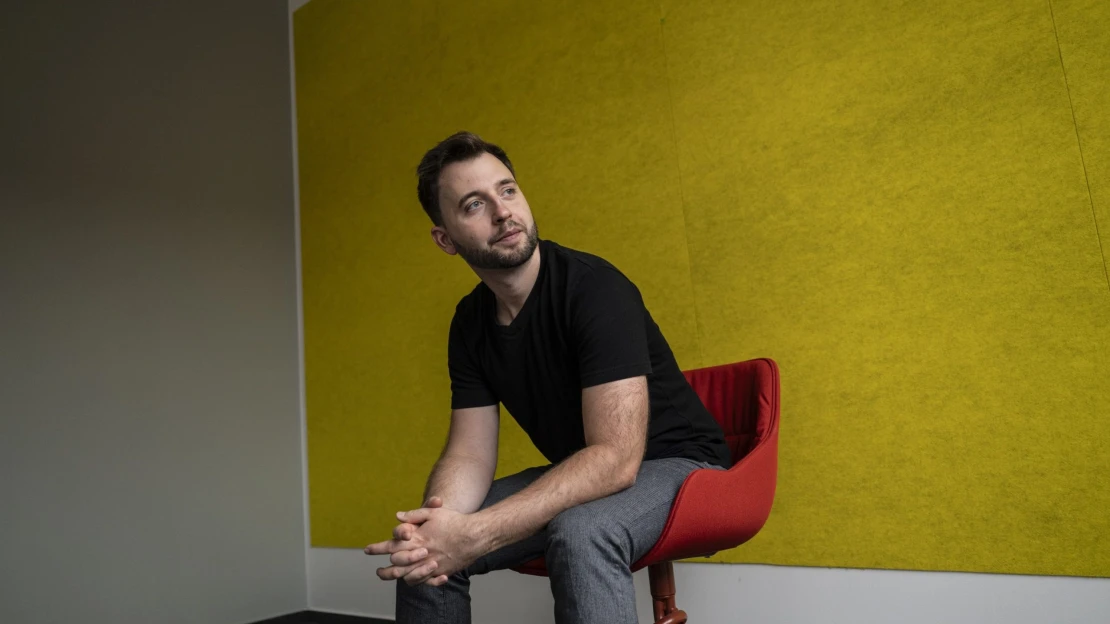
Jiri Trecak Spent Seven Years Teaching Design and Code to Speak
The Supernova founder learned that generating code was the easy demo. The durable company would have to understand everything around it.
Figma
Figma won by turning interface design into a shared room. Now the public company is trying to make that room the place where ideas, code, AI and the people with opinions about all three finally meet.

Supernova
Supernova is an AI-powered platform that turns a company's design system into structured context that both people and AI coding agents can use. Founded in Prague and now building a U.S. headquarters in San Francisco, it centralizes design tokens, component APIs, documentation and rules as a single source of truth, then feeds that context into tools like Figma, Storybook, Cursor, GitHub Copilot and Claude Code so product teams can prototype, hand off and ship features faster. A Y Combinator alum, it is used by hundreds of organizations including Air France, KLM, Kraft Heinz, Paramount, Mozilla, LaunchDarkly and Skyscanner.
Chromatic
Chromatic is a cloud platform for frontend UI testing and review, built by the team behind the open-source tool Storybook. It runs visual, interaction, and accessibility tests across real browsers to catch UI regressions before they ship, then layers on a team review workflow so designers, PMs, and engineers can sign off on changes. Used by teams at GitHub, Adobe, the BBC, Square, and Monday.com, Chromatic turns the messy, manual job of UI QA into an automated step in the CI pipeline.

Dominic Nguyen
Dominic Nguyen is the co-founder of Chromatic, the company behind Storybook - the open source workshop used by tens of thousands of frontend teams including Airbnb, Microsoft, IBM and Shopify to build UI components in isolation. A designer by training, he turned a developer tool with a devoted community into a self-sustaining business by selling visual testing and review services that fund the open source project itself. His focus now is what AI means for design systems, including Storybook's Model Context Protocol work.

Eric Bailey
Eric Bailey is a Boston-based accessibility advocate, designer, writer, developer, and speaker. As a staff designer on GitHub's Primer design system, he works to make component libraries genuinely usable for people relying on assistive technologies. He is the longtime lead redesigner and maintainer of The A11Y Project, has published more than 200 articles across publications like CSS-Tricks, Smashing Magazine, and the GitHub Blog, and is a fixture on the conference circuit. His guiding line: if it's inaccessible, it is neither radical nor revolutionary.

Hidde de Vries
Hidde de Vries is a Dutch front-end, design systems and web accessibility specialist who works on web standards for the Dutch government and sits on the W3C's Advisory Board. A co-editor of WCAG and WCAG-EM and a former Mozilla, W3C and Sanity contributor, he writes prolifically at hidde.blog about making technology work for humans, and is a regular conference speaker across Europe.

Webflow
Webflow is a San Francisco-based SaaS platform that lets designers, marketers, and developers build production-ready websites without writing code - or with it, if they want. Founded in 2013 after three failed attempts and a near-bankruptcy, the company grew into a $4 billion business serving over 300,000 teams including The New York Times, TED, Dropbox, Dell, Discord, and Monday.com. Its visual editor outputs clean HTML, CSS, and JavaScript automatically, while its built-in CMS, hosting, ecommerce, and now AI-powered tools make it a full-stack web platform. In 2025 and 2026, Webflow pushed deeper into enterprise with a next-gen CMS, AI prompt-to-production site building, answer engine optimization (AEO), and the acquisitions of animation library GSAP and AI content platform Vidoso.ai.

Dave Rupert
Dave Rupert is a senior UX engineer at Microsoft, co-founder of the Austin-based web agency Paravel, and co-host of the long-running ShopTalk Show podcast. With over two decades in web development, he is widely recognized for his accessibility advocacy - notably founding The A11Y Project in 2014 - and for open-source tools like FitVids.js and FitText.js. He brings a maker's instinct, a teacher's heart, and a quietly sharp wit to everything he touches.
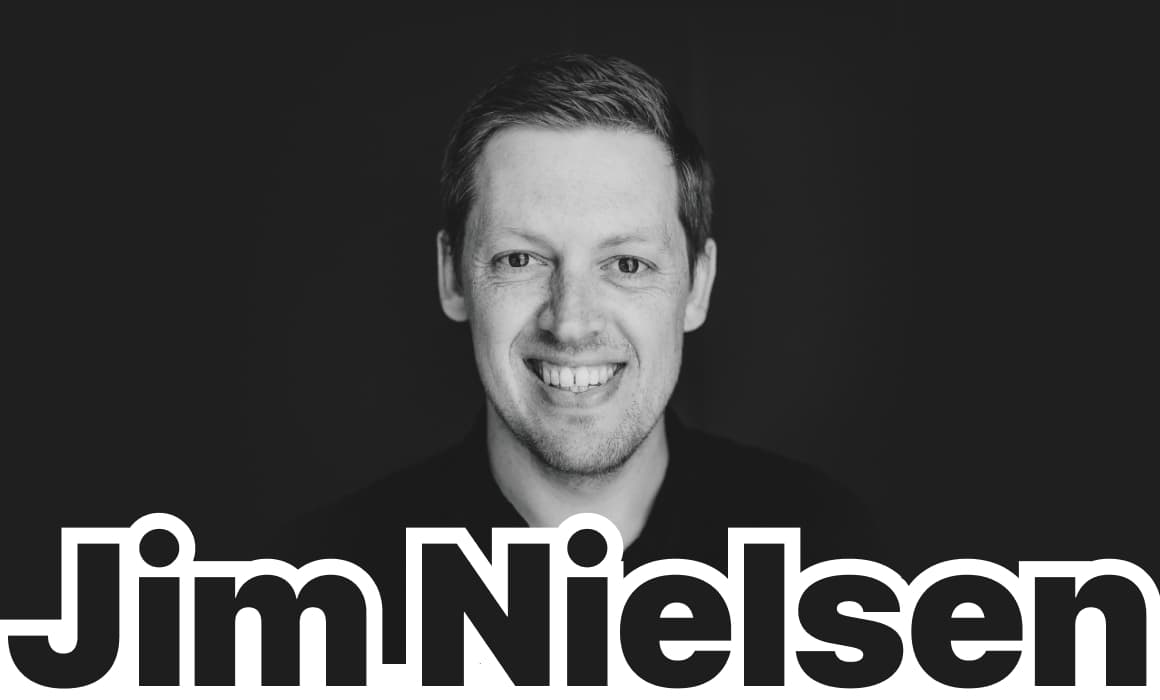
Jim Nielsen
Jim Nielsen is a design engineer, writer, and curator with 20+ years at the intersection of design and code on the web. He writes the popular Jim Nielsen's Blog covering web development philosophy, design thinking, and the craft of building for the web. He's the founding engineer at Quadratic, co-creator of The iOS App Icon Book (€136K Kickstarter), and maintains the beloved iOS/macOS/watchOS icon gallery sites. A champion of the open web, HTML-first thinking, and the emerging 'design engineer' role, Nielsen bridges the gap between visual design and front-end engineering with rare fluency.