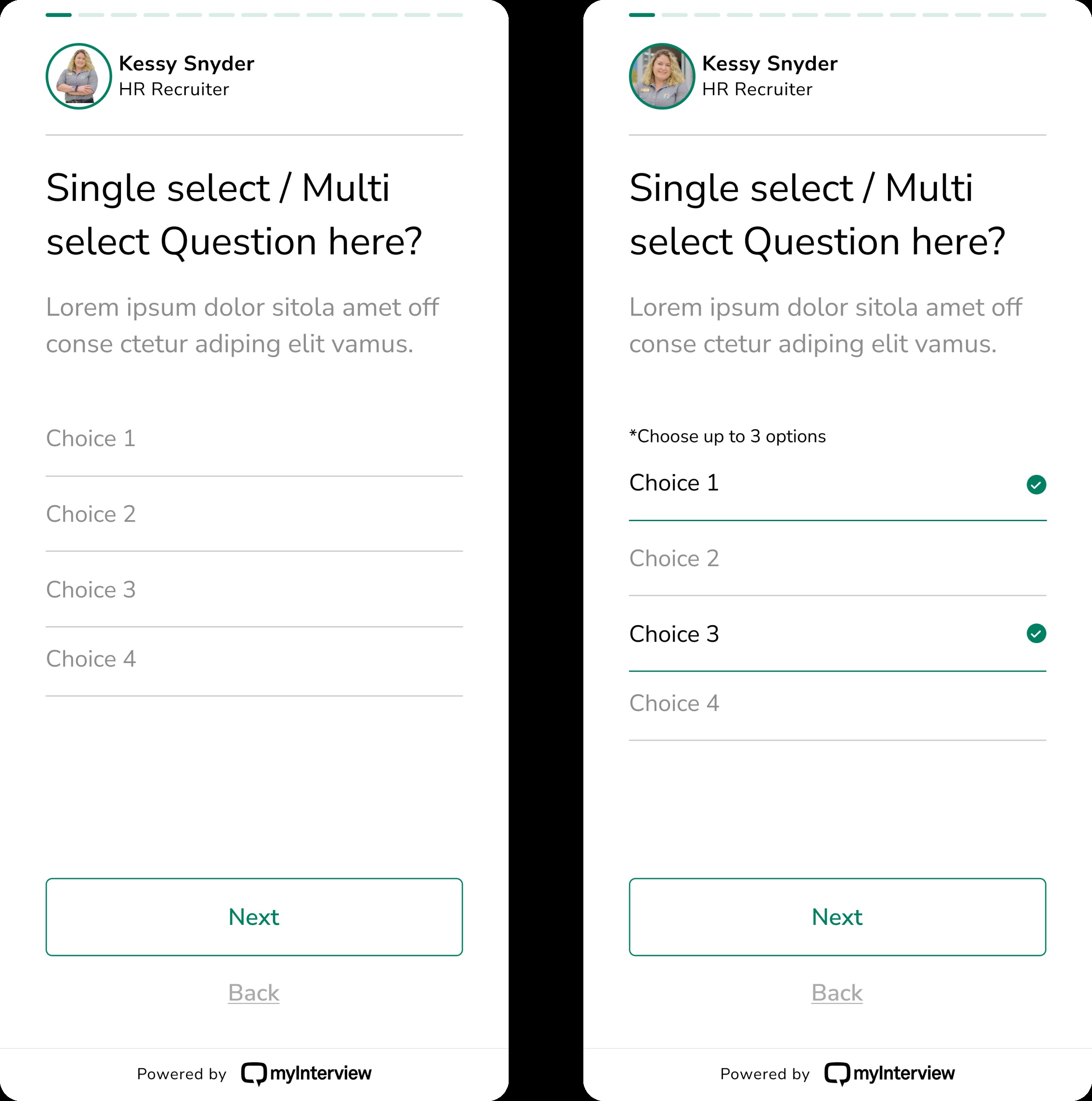
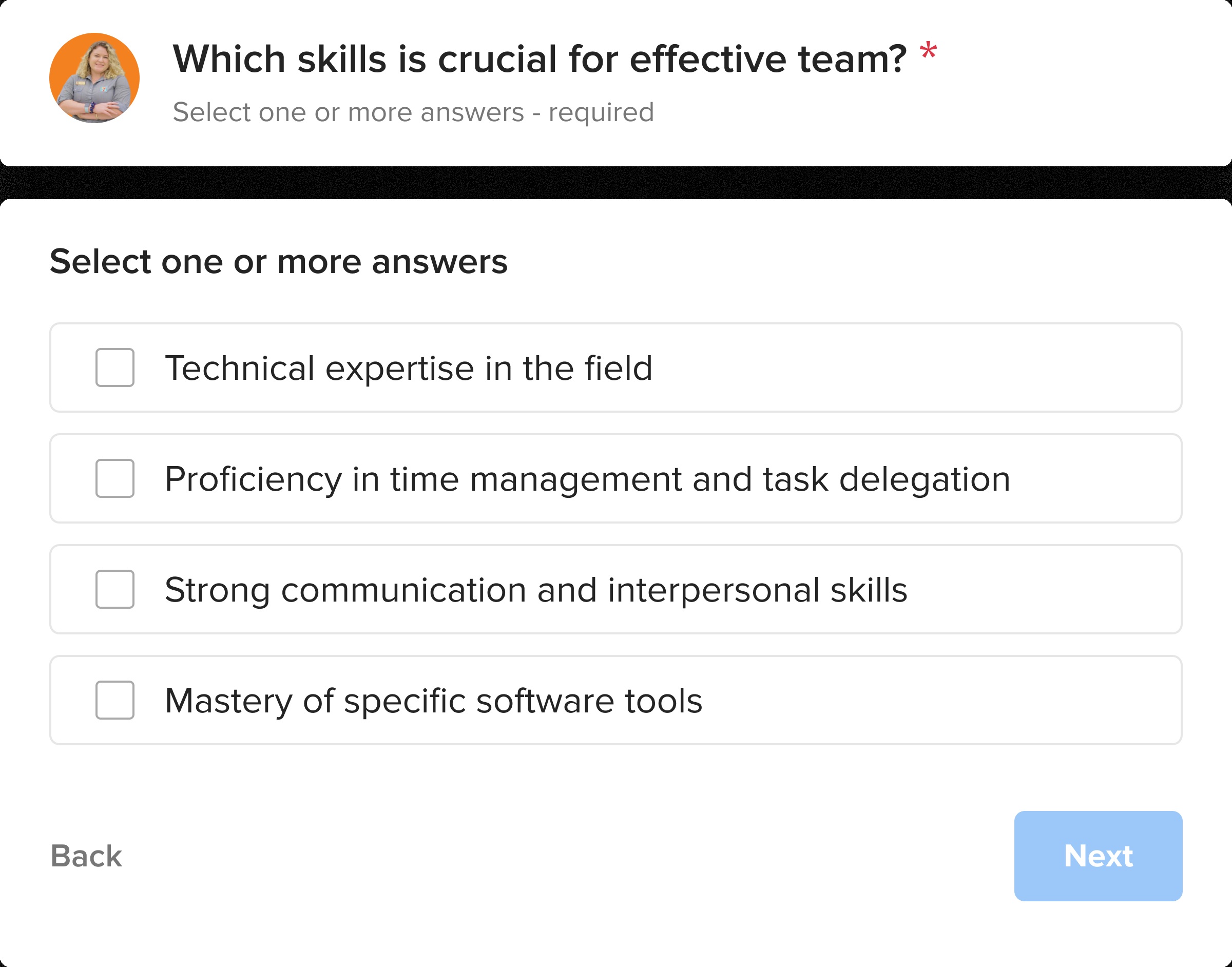
In myInterview’s application flow, a list of choices looked oddly like a quiz. Selected answers acquired green ticks. A three-option limit announced itself only after somebody clicked. The interface asked candidates to make a choice while making the act of choosing unnecessarily mysterious. Eleken’s case study reports that more than 90% of candidates were abandoning the interview flow. Sometimes the obstacle between a business and its customers is a very small rectangle.
- The work: product design for SaaS, especially complicated B2B software.
- The deal: a dedicated designer, billed monthly, working directly with your team.
- The lesson: watch where people hesitate before adding more features.
Eleken replaced ambiguous selection fields with familiar checkboxes, clearer instructions and larger clickable areas. It also worked on recruiter workflows and a shared design system. The revealing detail is the modesty of that first intervention. A hiring platform could have sophisticated technology and still leave people wondering where to click. The failure appeared in the ordinary machinery of getting something done.
01A designer, by the month
Founded by Ilya Dmitruk in 2015, Eleken concentrates on SaaS products. Its distributed team originated in Kyiv. It occupies the space between hiring your own designer and commissioning an agency project. A dedicated designer joins the client’s workflow, retains product context and moves from one priority to another. For software that keeps changing, that continuity is the thing being sold.
The current monthly prices are $4,599 for part-time capacity, $6,599 for one full-time designer and $11,999 for two. The published minimum is two months. At the full-time rate, that means $13,198 for the minimum term, before any separately agreed charges. A three-day free trial lets a prospective client test a small slice of the work.
Published pricing checked October 25, 2026. Cancellation FAQ requests one month’s notice.
The price cards advertise unlimited tasks and revisions. Capacity remains finite: one designer has one designer’s working time. The same page asks for a month’s cancellation notice. Buyers should read those details together. This arrangement suits a continuing backlog better than a one-afternoon request to freshen a logo.
02When the sales call disappears
Zaplify, now AndSend, offers a different kind of design problem. According to Eleken’s account, the sales platform let its sales team go and pursued product-led growth. Users would discover the product’s value themselves. Unfortunately, its workflows still needed explanation. A change in commercial strategy had exposed a weakness in the interface.
Eleken interviewed salespeople, examined user sessions and developed a workspace around conversations. Rigid campaign sequences gave way to an Actions checklist. Prospect context sat beside the work. Onboarding explained why LinkedIn and email connections were needed before asking for access. Research had identified hesitation around those requests, particularly in GDPR-conscious markets. Trust had become a practical design requirement.
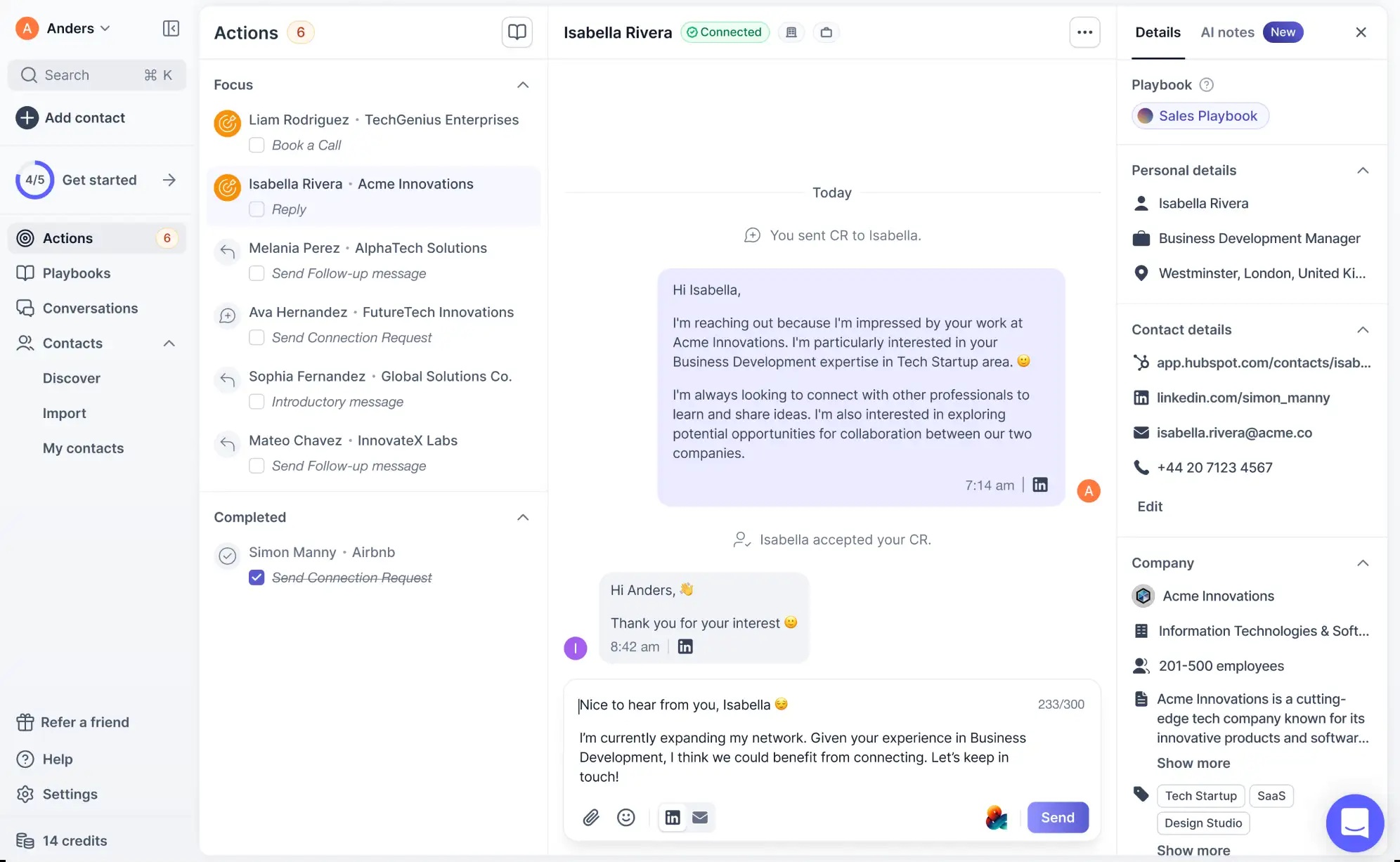
The agency reports activation moving from 20-25% to nearly 40%. Those are company-reported results; they do not isolate the redesign from every other change. The more portable lesson is the working rhythm: Thursday brought a new UX experiment, Friday a review of live data. That schedule made assumptions easier to challenge.
Share of users activating. Agency case-study figures; bars scaled to 100%.
03The work around the screen
Eleken’s other services tackle the problems surrounding those moments. An audit helps teams decide which usability issues deserve attention first. MVP design gives founders something testable before they commit to a full build. Design systems establish reusable components and rules, reducing the chance that the next feature invents another version of the same control.
Its customers include data tools, healthcare software and geospatial applications. Datawisp, a no-code analytics product, needed help making its logic understandable. Gamaya’s agricultural software brings satellite and drone-derived information into farming decisions. These are useful clues to Eleken’s market position: products where users must interpret information and complete unfamiliar, consequential tasks.
A freelancer or an internal hire may solve the same problems. Eleken’s distinction is the package around the person: direct collaboration, replaceable or expandable capacity and senior design oversight. Its reported three-month designer training, weekly lectures and peer feedback support that model. The client still supplies priorities and business knowledge; a subscription cannot manufacture either.
04Three prototypes changed the brief
Eleken has had to reconsider its own habits. In an August 2026 article, design lead Maksym Chervynskyi describes losing a client to an agency that offered three interactive prototypes. Eleken had been using AI for narrower tasks. The competitive loss made working prototypes harder to treat as optional.
“I started trying to make an AI prototype for every project.”
Maksym Chervynskyi · Head of Design, Eleken
The resulting workflow puts decisions before generation: gather context, resolve open questions, check research, document the recommendation, prototype, then make targeted corrections. The sequence matters. A runnable interface gives stakeholders something to try; a decision record gives them a way to explain why it exists.
Its current product design engineering service extends that approach into frontend work. Designers can use a client’s existing components and deliver changes through pull requests. The client’s developers review the code, connect the backend and control release. Where repository access or the stack prevents that arrangement, Eleken stays with design and prototypes. The practical boundary is clear enough to plan around.
05Copy the habit, then buy the help
A product team can borrow much of this without signing anything. Watch someone complete a real task. Identify the first unclear decision. Replace an unfamiliar control with a recognizable one. Explain a sensitive request before making it. Write down what you expect to improve, then return to the evidence after the change.
Paying for the help makes sense when that work is ongoing and somebody inside the company can participate. Eleken explicitly discourages engagements where clients have no time to communicate. A team needing backend engineering, a finished brand campaign or a tiny cosmetic tweak has a different purchasing problem. The subscription earns its keep when a designer has room to learn the product - and the next click is still costing somebody a customer.