ui-design
(23)
Aubergine Solutions makes complexity behave
A patient transport scheduler. A connected fitness app. An AI broker with an off switch. Aubergine Solutions builds software around the moment a human needs to take control.

Ilya Dmitruk is redesigning the agency around the designer
He started with a Dribbble portfolio and built Eleken around SaaS design subscriptions. Now Ilya Dmitruk is working on a harder brief: an agency that can grow beyond its founder’s calendar.

The client became the next chapter.
John Keese’s design practice connects shopping apps, convenience stores and corporate tax software. The thread is a willingness to follow a problem beyond the screen.
Eleken makes the next click obvious.
A monthly designer subscription built for complicated SaaS. Eleken’s wager is that the most valuable design work happens where users hesitate - and where pretty screens stop being enough.

Marié Whittington and the Case for Trying the Wings First
A daughter’s plan to make the family beagle fly offers a small window into Marié Whittington’s work. At Pepperplane, the studio she co-founded with her sister, ideas earn their wings through questions, prototypes and the people who use them.
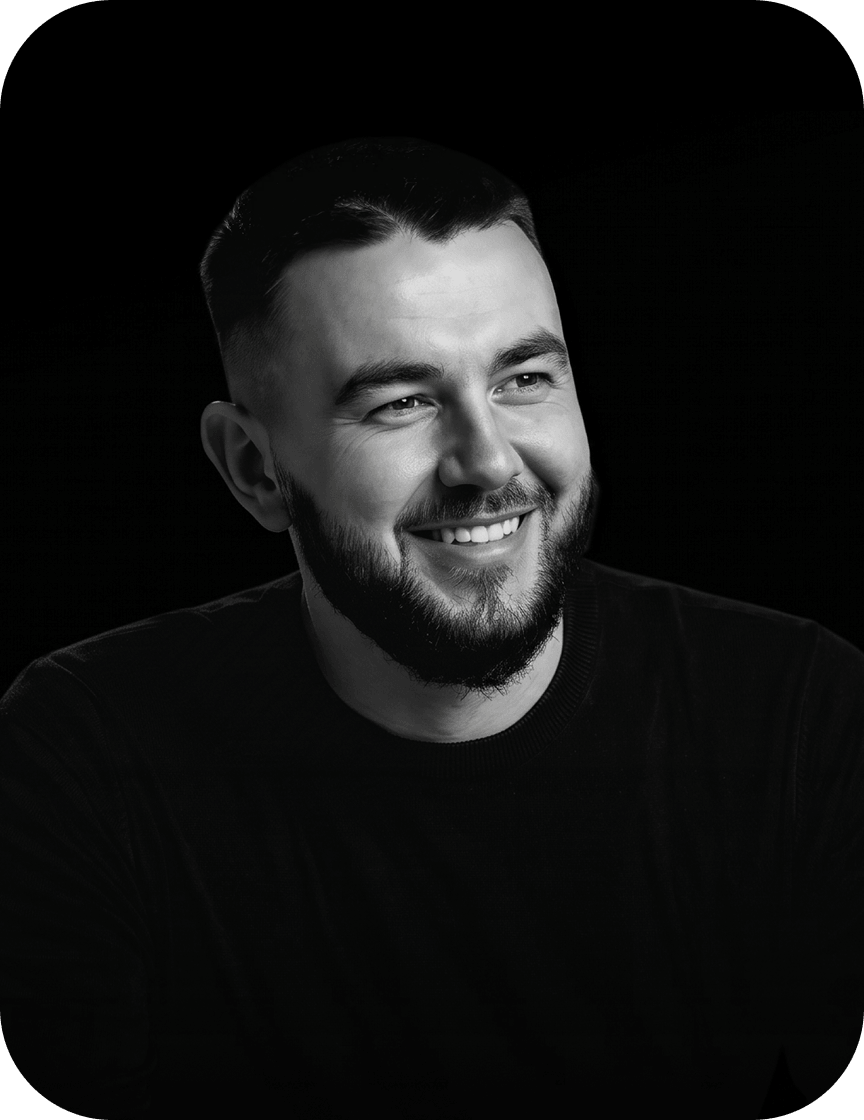
Val Pavliuchenko Wants AI to Show Its Working
The Hosanna founder designs interfaces for technologies that can do more than their users expect. His starting point is unusually personal: he knows the discomfort of handing over control.

Sketch and the art of leaving things out
A discarded app supplied the diamond. A very particular kind of designer supplied the business. Sixteen years later, Sketch is still testing how much a design tool should do - and how much it should leave alone.
Ueno sold to Twitter. Then the itch came back.
Halli Thorleifsson built a design agency for the companies on your home screen, sold it, and started again. The second Ueno is betting on fewer clients - and a very human reason to make things.

Tacpoint makes complicated software easier to say yes to
A payment demo, an ATM dashboard, a talking webpage. Tacpoint’s work reveals how much of enterprise design is really the business of helping people understand what happens next.
Lazarev wants your AI to survive Monday morning
The Ukrainian-founded design agency builds the parts of AI that people actually touch. Its most useful lesson begins where a promising product sends its users back to a spreadsheet.
Busse Design and the software that needed a translator
A recommendation engine that confused merchandisers. An accreditation process buried in text. Busse Design’s portfolio shows what happens when software starts speaking its users’ language.

Alon Blum designs the route from looking to doing
Flowers, fitness dashboards and a summer playlist reveal the range of Independent Consultant, Alon Blum’s design practice. The connecting thread is the path a person takes through a digital product.

RNO1 Wants Your Next Brief, Too
The San Francisco agency turned branding, design and digital marketing into an ongoing relationship. Its subscription experiment reveals why the right client matters as much as the right creative.

Hosanna Wants Your Beautiful Interface to Survive Monday
The design studio pairs expressive visuals with an awkward question: can people still use the product when the cinematic effects come off? Its portfolio moves from airline tickets to automotive screens and AI.

Before You Redesign, Call Cadabra’s UX Trauma Center
Cadabra sells a diagnosis for digital products that have lost their way. Its work on insurance portals and medical software shows why the trouble often starts well below the surface.

Flagship Creative makes the office a little more human
From software mascots to room-booking apps, this California studio puts design to work on the small frustrations inside big organizations.

Pepperplane Makes Software Teams Answer the Expensive Question First
This small, remote design studio has shipped more than 350 projects by insisting that the costly part of software is not the screen. It is the untested assumption underneath it.
Tempo
Tempo is a Toronto-based, Y Combinator-backed (S23) AI development environment for React. It pairs a drag-and-drop visual editor with AI code and reasoning agents so founders, product managers, designers, and engineers can build and ship production-grade React apps from the same canvas. Optimized for Vite and Tailwind, it works on real production codebases rather than throwaway prototypes, and connects to backends like Supabase and payment tools like Stripe through its MCP App Store.

Dominic Nguyen
Dominic Nguyen is the co-founder of Chromatic, the company behind Storybook - the open source workshop used by tens of thousands of frontend teams including Airbnb, Microsoft, IBM and Shopify to build UI components in isolation. A designer by training, he turned a developer tool with a devoted community into a self-sustaining business by selling visual testing and review services that fund the open source project itself. His focus now is what AI means for design systems, including Storybook's Model Context Protocol work.

John Gruber
John Gruber is the writer behind Daring Fireball, the long-running Apple-focused weblog he launched in 2002 and turned into a full-time, ad-and-membership-funded one-person media business by 2006. He co-created Markdown with Aaron Swartz in 2004, hosts the popular podcast The Talk Show, and co-hosts Dithering with Ben Thompson. Equal parts UI obsessive and sharp-tongued critic, Gruber has become one of the most influential independent voices covering Apple and Mac culture.

Adam Wathan
Adam Wathan is a Canadian developer, entrepreneur, and the creator of Tailwind CSS - the utility-first CSS framework used by millions of developers worldwide. As CEO of Tailwind Labs, he turned a side-project experiment into a multi-million dollar business encompassing Tailwind UI, Headless UI, and an ecosystem of developer tools. A college dropout turned prolific course creator, he built his reputation first through 'Refactoring to Collections' and 'Refactoring UI' (co-authored with Steve Schoger), generating over $2.5 million in book sales alone. In January 2026, he made headlines again when AI's disruption of developer documentation led to dramatic revenue declines and significant layoffs at Tailwind Labs, prompting major sponsorships from Vercel, Google, and others rallying to support what they called 'foundational web infrastructure.'
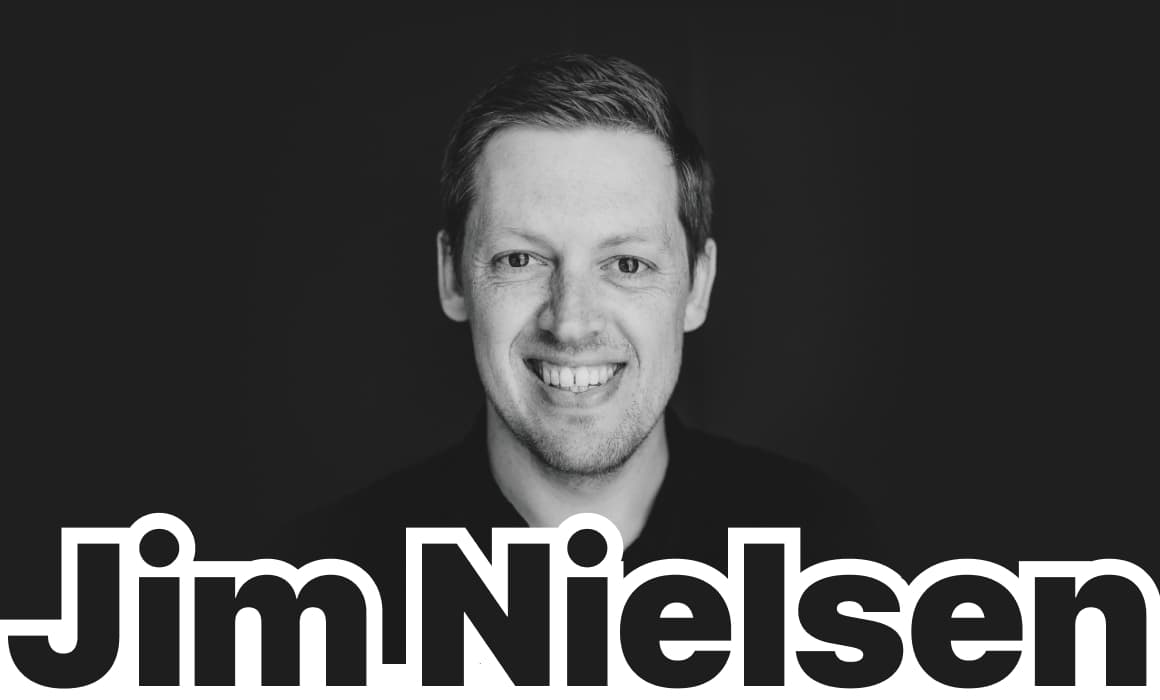
Jim Nielsen
Jim Nielsen is a design engineer, writer, and curator with 20+ years at the intersection of design and code on the web. He writes the popular Jim Nielsen's Blog covering web development philosophy, design thinking, and the craft of building for the web. He's the founding engineer at Quadratic, co-creator of The iOS App Icon Book (€136K Kickstarter), and maintains the beloved iOS/macOS/watchOS icon gallery sites. A champion of the open web, HTML-first thinking, and the emerging 'design engineer' role, Nielsen bridges the gap between visual design and front-end engineering with rare fluency.

Steve Schoger
Steve Schoger is a Canadian visual designer and partner at Tailwind Labs, best known for co-authoring Refactoring UI with Adam Wathan - a book and video course that generated over $2.5 million in sales by teaching developers how to design beautiful interfaces. He built a 127K+ Twitter following by sharing meticulous, practical design tips, and created widely-used free resources including Heroicons, Zondicons, and Hero Patterns. His work sits at the intersection of design education and developer tools, making professional UI design accessible to programmers worldwide.