carbon-removal
(21)
Will Kain Is Teaching Carbon Capture to Make Water
After Wall Street, biofuels and desalination, the Avnos founder arrived at a stubborn climate problem with an unorthodox demand: carbon removal should give something back.
Rob Hranac Is Taking the Long Way Down to Scale Climate Tech
After years spent making roads legible, GPS precise and soil measurable, Rob Hranac has arrived at Loam Bio with a practical brief: turn microscopic fungi into something farmers can trust at field scale.
Cory Sanderson Is Trying to Make Carbon Removal Boring Enough to Scale
After years inside industrial gas systems, the Sustaera co-founder rebuilt direct air capture around a stubborn idea: climate hardware wins when the complicated parts disappear.
Grant Canary Is Building the Supply Chain a Burned Forest Needs
The former insect farmer behind DroneSeed learned that reforestation is not a planting problem alone. His next act joins native seed, nurseries, carbon finance and buried fire-killed wood into one long view of recovery.
Jess Adkins
Jess Adkins is a Caltech chemical oceanographer turned founder-CEO of Calcarea, a climate-tech startup that bolts a limestone-and-seawater reactor onto cargo ships to scrub up to half their CO2 and lock it away as ocean bicarbonate. After two decades studying how the deep ocean naturally buffers carbon, he spun his lab science out of the garage during COVID to attack shipping's gigatonne-a-year emissions problem at a fraction of the cost of atmospheric capture.

Kevin Gibbs
Kevin Gibbs is co-founder and CEO of Terraton, a San Francisco climate-tech startup building a 'business-in-a-box' franchise model for biochar carbon removal. Before climate, he built two pieces of internet plumbing most people use without knowing his name: Google Suggest (search autocomplete) and Google App Engine. He went on to co-found Quip with Bret Taylor, sold it to Salesforce in 2016 for roughly $750M, and ran it to north of $100M ARR. Terraton raised an $11.5M seed in August 2025 led by Lowercarbon and Gigascale.
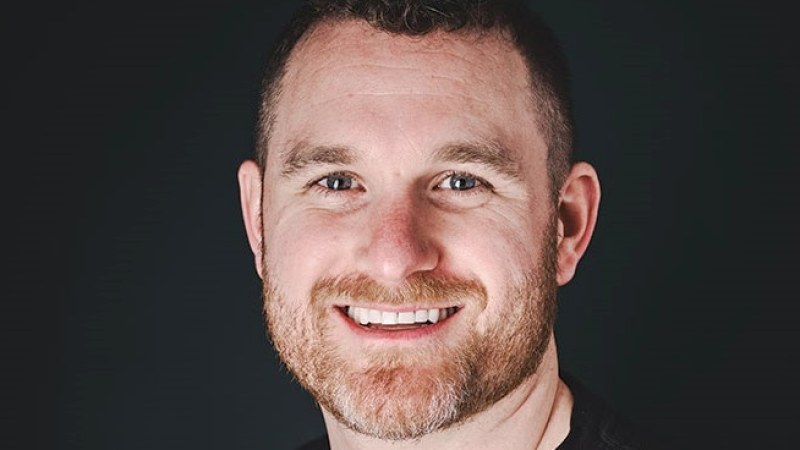
Andrew Jones
Andrew Jones is the co-founder and CEO of Carba, a Minneapolis-based carbon-removal startup that turns waste biomass into a durable, charcoal-like biocarbon and buries it to lock away CO2 for more than 1,000 years. A chemical engineer with a PhD from UC Berkeley, Jones invented Carba's patented low-energy pyrolysis and storage process and describes the work as 'reversing the coal mining process.' He previously founded and exited Activated Research Company, and has steered Carba from a 2021 lab idea to a working molten-salt reactor at a Burnsville landfill, a multi-year carbon-credit deal with Microsoft, and a goal of removing a gigaton of CO2 a year.
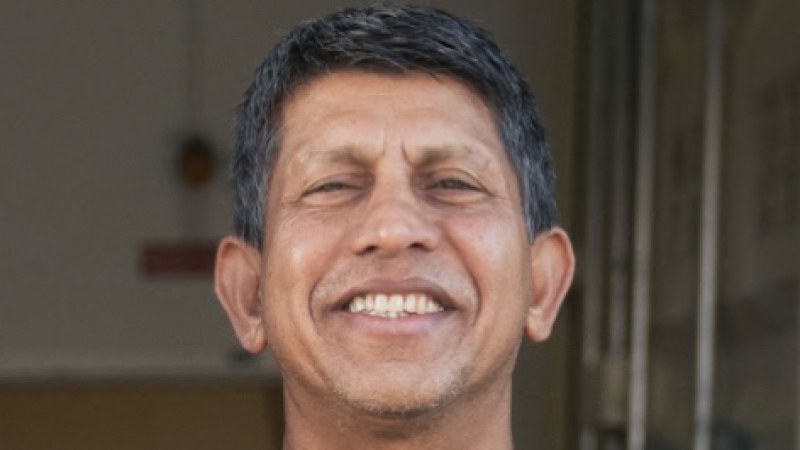
Sudip Mukhopadhyay
Sudip Mukhopadhyay is the CEO and co-founder of AirMyne, a Berkeley-based climate-tech company building liquid-solvent Direct Air Capture (DAC) machines that pull carbon dioxide straight out of the sky. A chemist and engineer with more than two decades in industrial R&D, he co-invented the low-global-warming car refrigerant 1234yf during a 16-year run at Honeywell, where he rose from engineer to corporate fellow and director of innovation. He launched AirMyne in 2022 with co-founder Mark Cyffka through Y Combinator, raising $6.9M in seed funding and a strategic investment from Japanese energy giant ENEOS, with the bet that cheap low-temperature heat (including geothermal) can make carbon removal affordable at industrial scale.
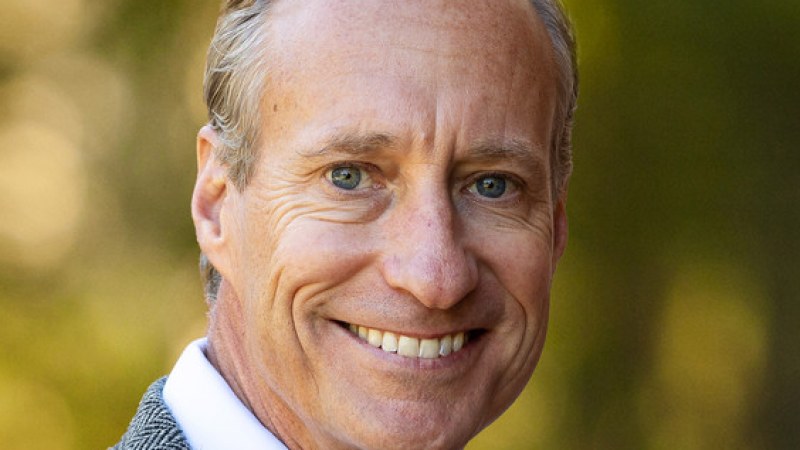
Barclay Rogers
Barclay Rogers is the co-founder and CEO of Graphyte, a carbon removal company that turns waste biomass into dense, dehydrated carbon blocks and buries them to keep CO2 out of the atmosphere for over a thousand years. A former environmental lawyer and mechanical engineer turned multi-time agtech and climate founder, he built Graphyte's 'Carbon Casting' process to deliver durable carbon removal at under $100 a ton, an order of magnitude cheaper than direct air capture. The company is backed by Bill Gates' Breakthrough Energy Ventures and runs its first commercial plant in Pine Bluff, Arkansas. Rogers also teaches a climate change solutions course as an adjunct professor of law at Tulane University.
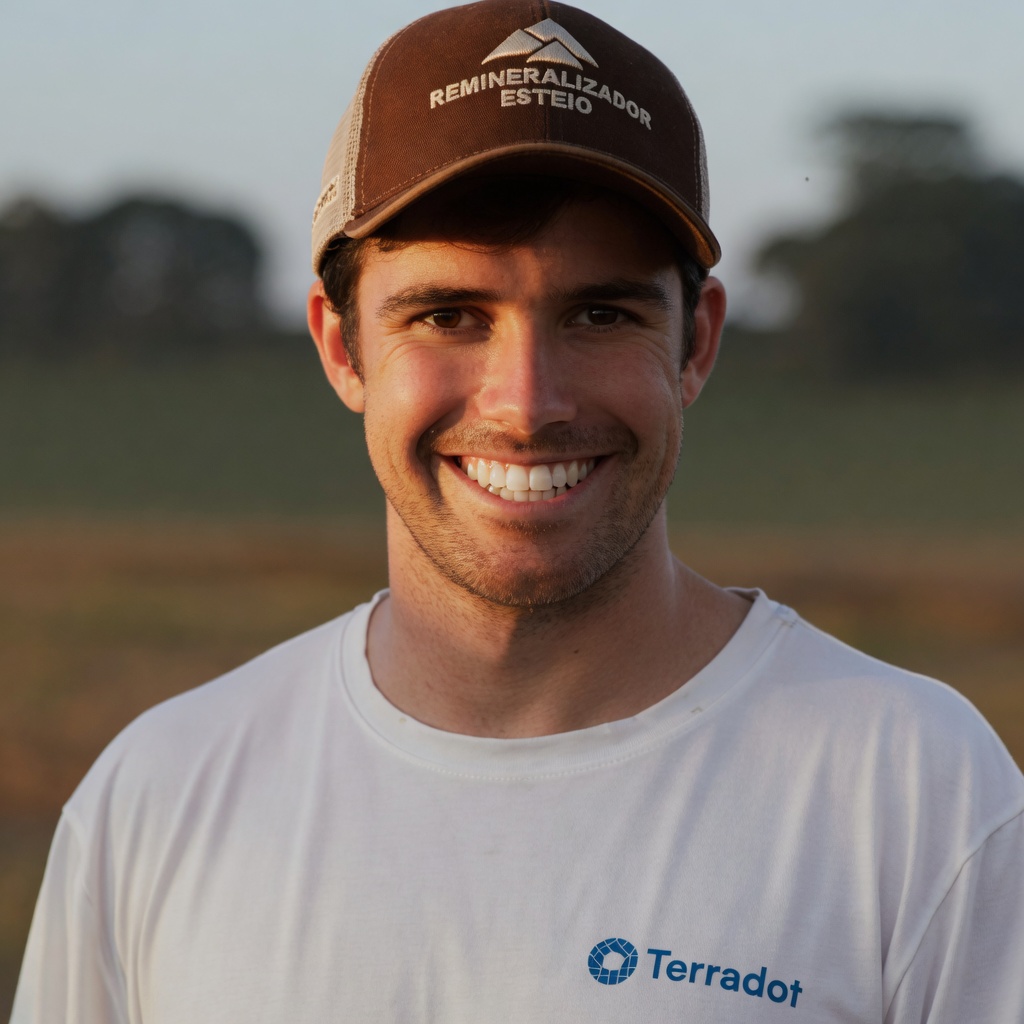
James Kanoff
James Kanoff is the co-founder and CEO of Terradot, a climate company using enhanced rock weathering to pull carbon dioxide out of the atmosphere by spreading crushed silicate rock across farmland. He launched Terradot in 2024 with $58.2M in funding, including a $54M Series A led by Kleiner Perkins and backing from Google, Microsoft, John Doerr and Sheryl Sandberg, and has already signed some of the largest carbon-removal deals in the field's history. Before Terradot, while a Stanford undergraduate sent home during the COVID-19 pandemic, he co-founded The Farmlink Project, a nonprofit that has rescued well over 130 million pounds of surplus food for communities facing hunger.
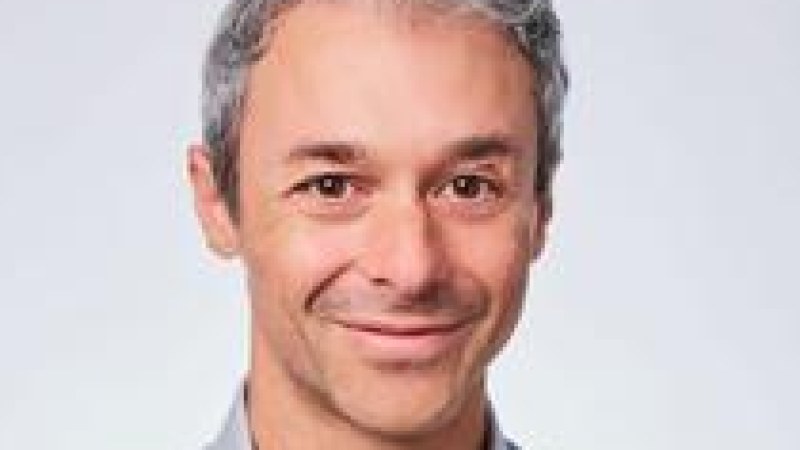
Joshuah Stolaroff
Joshuah Stolaroff is the co-founder and CEO of Mote, a Los Angeles clean energy company turning woody waste into renewable hydrogen while permanently burying the carbon. A Carnegie Mellon-trained engineer who built one of the first working prototypes for pulling CO2 straight out of the air, he spent eleven years running the carbon capture program at Lawrence Livermore National Laboratory before co-authoring 'Getting to Neutral,' the report that launched the Biomass Carbon Removal and Storage (BiCRS) approach now at the heart of Mote. His aim is blunt: reduce and remove a billion tons of carbon by 2035.
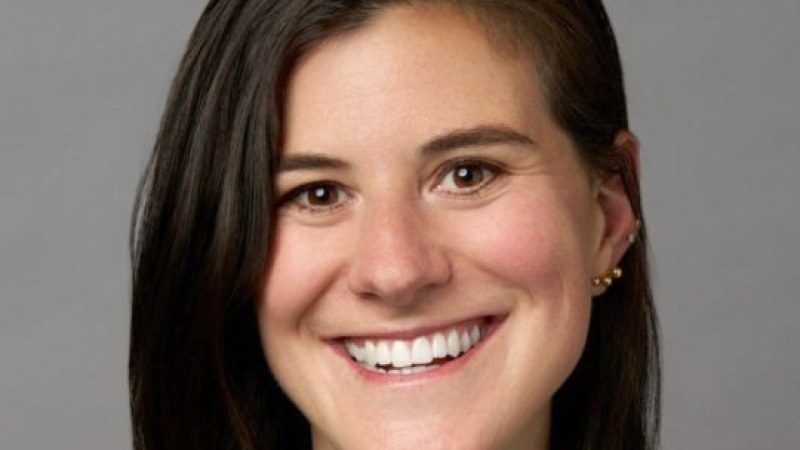
Julia Reichelstein
Julia Reichelstein is the co-founder and CEO of Vaulted Deep, a Houston-based carbon removal company that pumps carbon-rich organic waste up to 5,000 feet underground for permanent storage. A Stanford economist who built a fintech firm in Kenya and invested in climate tech at Piva Capital, she partnered with deep-well injection expert Omar Abou-Sayed to spin Vaulted out of Advantek Waste Management in 2023. The company won the $8M XPRIZE Carbon Removal in 2024 and has signed offtake deals with Microsoft, Google, and Frontier Climate.
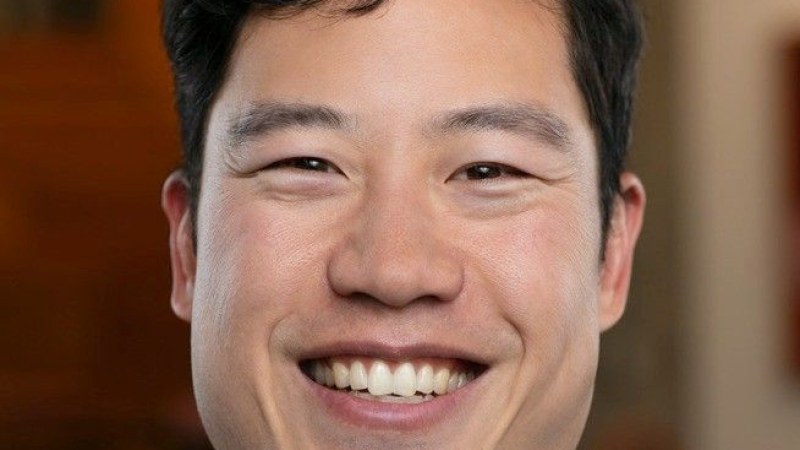
Kurt Tsuo
Kurt Tsuo is the Chief Business Officer of Varaha, a Gurugram-based carbon removal company building high-integrity credits with smallholder farmers across Asia and Africa. A Harvard-trained economist who spent seven years in agriculture before it was a climate headline, he has built business lines at the Gates Foundation, Farmer's Business Network, ProducePay, and Breakthrough Energy, and co-founded the carbon storage startup Graphyte. His through-line is unglamorous and stubborn: make the economics of fixing carbon work for the people who actually grow food.
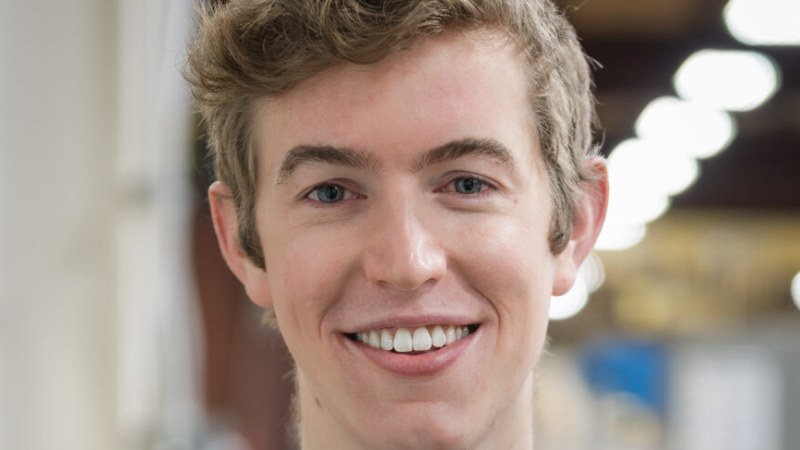
Paul Gross
Paul Gross is the co-founder and co-CEO of Remora, a Detroit-area climate hardware company that bolts a carbon-capture device onto the tailpipes of semi-trucks and locomotives, grabbing the CO2 before it ever hits the sky and selling it as beverage-grade gas to breweries and greenhouses. He read a stranger's PhD dissertation on mobile carbon capture during his senior year at Yale, wrote the author a business plan, and convinced her to quit the EPA to build a company with him. Remora has raised roughly $117 million and signed pilots with Union Pacific, Norfolk Southern, Ryder, Werner, and Cargill.
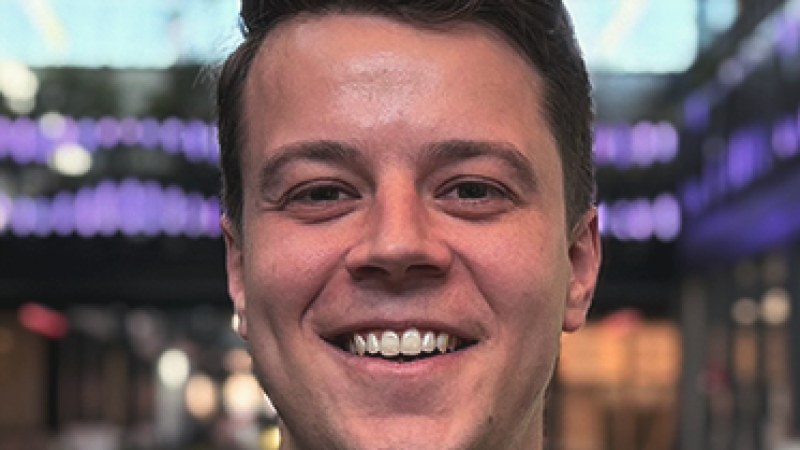
Joachim Katchinoff
Joachim Katchinoff is a Yale-trained biogeochemist who co-founded CREW Carbon to turn ordinary wastewater treatment plants into permanent carbon-removal machines. By dosing treatment tanks with crushed alkaline minerals, CREW converts the CO2 that microbes naturally belch into stable bicarbonate, while cutting chemical costs for utilities. The company became the first in the world to issue certified Wastewater Alkalinity Enhancement carbon credits and raised a $25M Series A in 2026 to scale across the US and Europe.
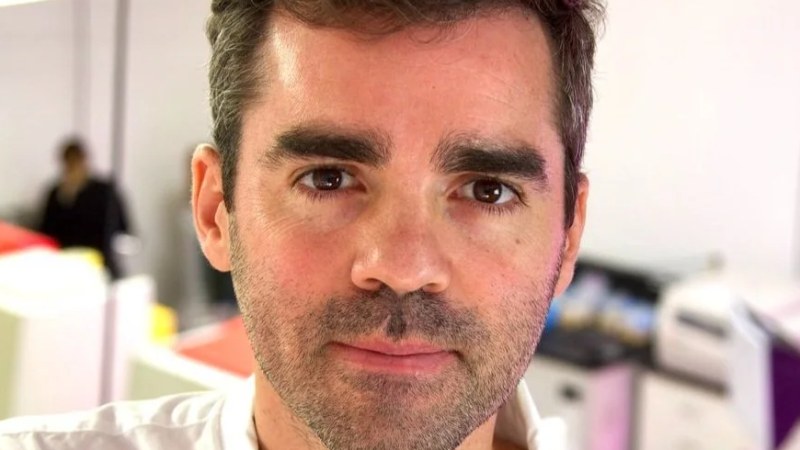
Gonzalo Fuenzalida-Meriz
Gonzalo Fuenzalida-Meriz is a Chilean-born entrepreneur and CEO & Co-Founder of Andes, a California-based climate tech company that deploys beneficial soil microbes via seed coatings to permanently lock atmospheric CO2 into soil minerals. A former investment banker turned biotech founder, he led development of the world's first Microbial Carbon Mineralization (MCM) Methodology — validated under ISO 14064 — and has raised $41M+ to scale a platform that simultaneously improves farm yields and generates durable carbon credits.

Shashank Samala
Shashank Samala is the CEO and Co-Founder of Heirloom, the company operating America's first commercial direct air capture facility. A serial entrepreneur who previously co-founded Tempo Automation (raising $100M+ for aerospace-grade electronics manufacturing), he pivoted to carbon removal after a stint as Entrepreneur in Residence at Carbon180. At Heirloom, he's building limestone-based DAC technology to remove one billion tons of CO2 from the atmosphere by 2035, targeting a cost of $50 per ton. The company has raised $354M total, including a $150M Series B in December 2024, and is building two new DAC facilities in Louisiana with combined annual capacity of nearly 320,000 tons.
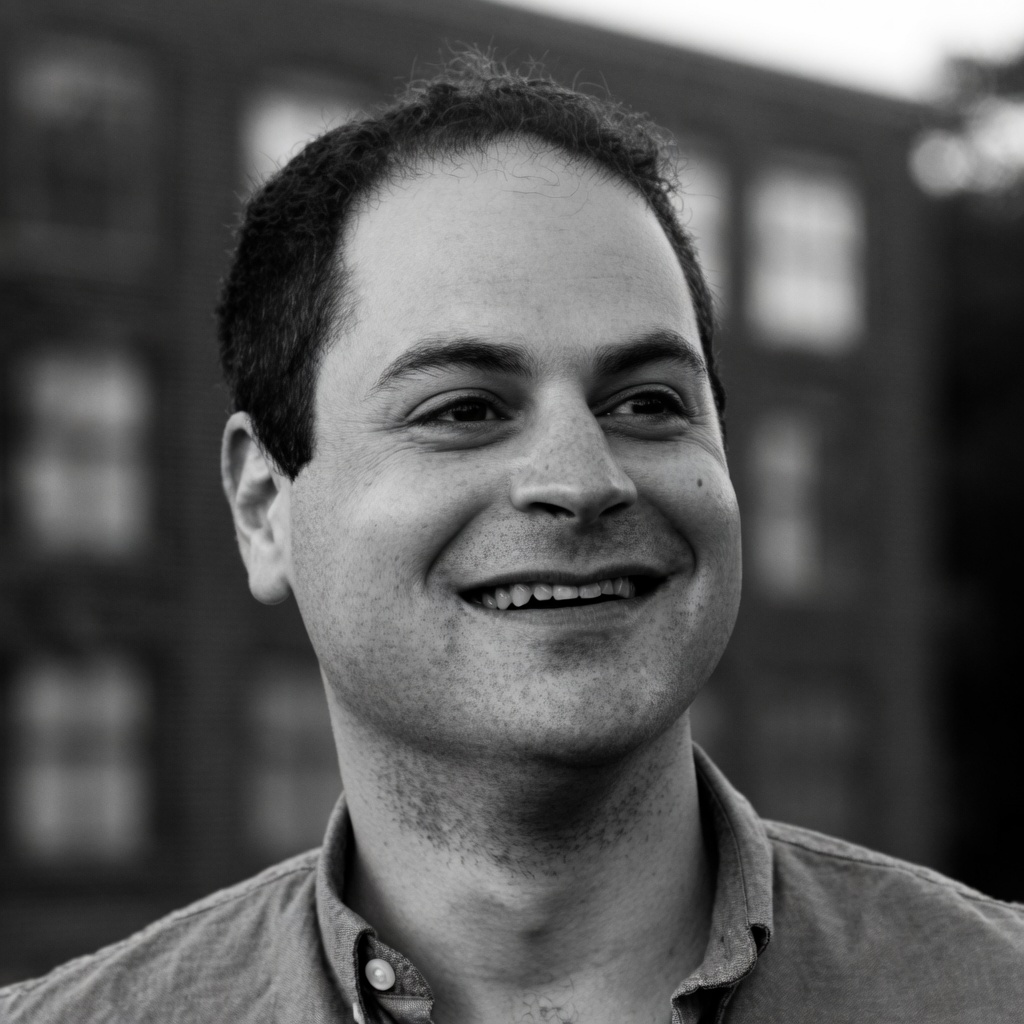
Zack Bloom
Zack Bloom is a co-founder of Heirloom Carbon Technologies, the company behind America's first commercial direct air capture facility in Tracy, California. A software engineer turned climate entrepreneur, Bloom previously co-founded Eager - a cloud app marketplace acquired by Cloudflare in 2016 - and served as Director of Product at Cloudflare overseeing Workers, Storage, and Tunnel. In 2020, he pivoted from internet infrastructure to atmospheric infrastructure, co-founding Heirloom alongside Shashank Samala and Noah McQueen. The company has since raised over $354M in total funding, opened its first facility, and secured contracts with Microsoft, Stripe, Shopify, Meta, and JPMorgan.
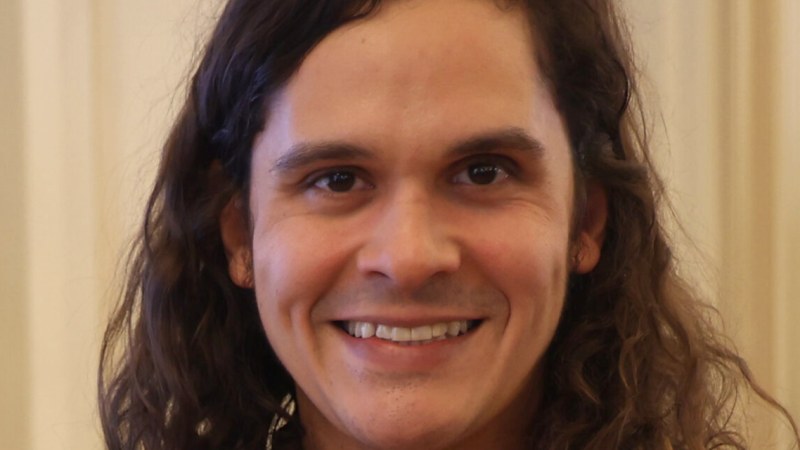
Jason Aramburu
Jason Aramburu is the cofounder and CEO of Applied Carbon, a Houston-based climate tech company building the world's first mobile, in-field biochar production machines that convert agricultural crop waste into permanent carbon storage - and improved soil - in a single pass. A Princeton-trained ecologist who first encountered biochar during field research in Panama, Aramburu has spent two decades building at the intersection of soil science, robotics, and carbon markets. Before Applied Carbon, he founded re:char (smallholder biochar in Kenya, backed by Gates Foundation) and Edyn (smart irrigation, Y Combinator W14), then invested in AI and energy startups at Baidu Ventures and Saudi Aramco Energy Ventures before returning to his original mission. Applied Carbon raised a $21.5M Series A in July 2024, backed by Microsoft Climate Innovation Fund, Congruent Ventures, and the Grantham Foundation, and won the $500,000 Wilkes Climate Launch Prize in September 2024.
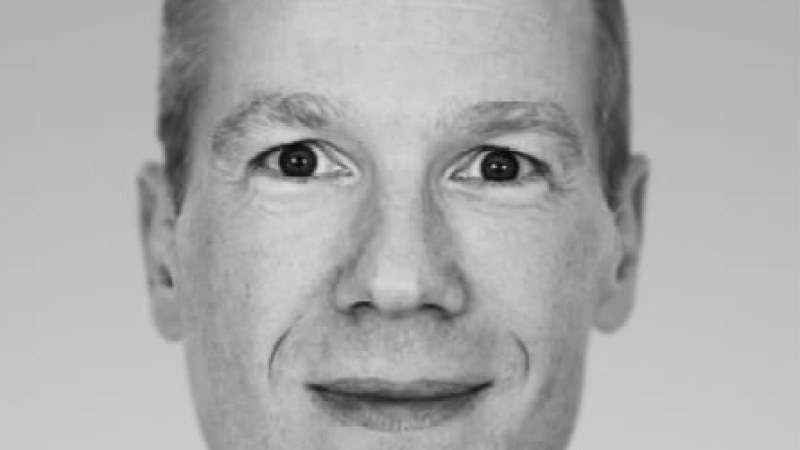
Charles Cadieu
Charles Cadieu is a serial entrepreneur and computational neuroscientist-turned-climate-tech founder. He is the Co-Founder and CEO of Spiritus, a direct air capture company aiming to slash the cost of carbon removal to $100 per ton - down from the current $600-$1,000 industry standard. Before Spiritus, Cadieu founded Caption Health (AI-guided cardiac ultrasound, acquired by GE HealthCare in 2023) and IQ Engines (AI image recognition, acquired by Yahoo!/Flickr in 2013). Holding a PhD from UC Berkeley and degrees from MIT, he bridges deep academic roots in neural networks with a track record of building and exiting companies that redefine their industries.
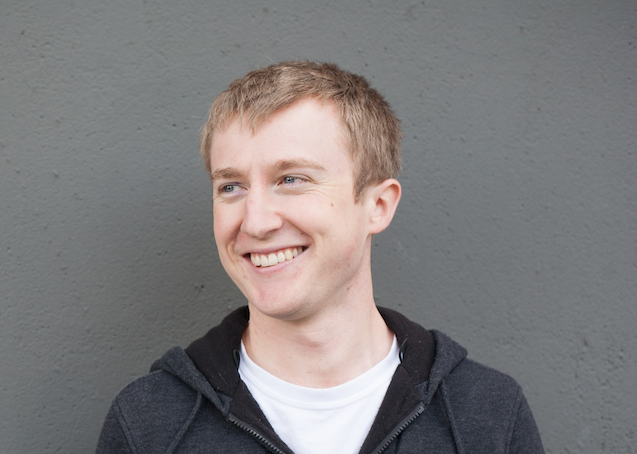
Peter Reinhardt
Peter Reinhardt is CEO and co-founder of Charm Industrial, a San Francisco-based climate tech company that converts agricultural and forest biomass residues into bio-oil and permanently sequesters it underground - effectively putting carbon back where it came from. Before pivoting to saving the planet, he co-founded Segment, the customer data infrastructure platform, and scaled it from a MIT dorm-room idea to a $3.2 billion acquisition by Twilio in 2020. Now he runs Charm with a mission to return atmospheric CO2 to pre-industrial levels of 280 ppm, counting Stripe, Microsoft, JPMorgan Chase, and Meta among customers.