HEIRLOOM CARBON CLOSES $150M SERIES B - DECEMBER 2024 AMERICA'S FIRST COMMERCIAL DAC FACILITY OPERATIONAL IN TRACY, CA $475M INVESTMENT IN TWO LOUISIANA FACILITIES - 320,000 TONS CO2/YEAR CAPACITY UNITED AIRLINES INVESTS IN HEIRLOOM - FEBRUARY 2025 CUSTOMERS INCLUDE MICROSOFT, STRIPE, SHOPIFY, META, JPMORGAN DEVELOPMENT BANK OF JAPAN AND CHIYODA CORPORATION JOIN AS INVESTORS HEIRLOOM CARBON CLOSES $150M SERIES B - DECEMBER 2024 AMERICA'S FIRST COMMERCIAL DAC FACILITY OPERATIONAL IN TRACY, CA $475M INVESTMENT IN TWO LOUISIANA FACILITIES - 320,000 TONS CO2/YEAR CAPACITY UNITED AIRLINES INVESTS IN HEIRLOOM - FEBRUARY 2025 CUSTOMERS INCLUDE MICROSOFT, STRIPE, SHOPIFY, META, JPMORGAN DEVELOPMENT BANK OF JAPAN AND CHIYODA CORPORATION JOIN AS INVESTORS
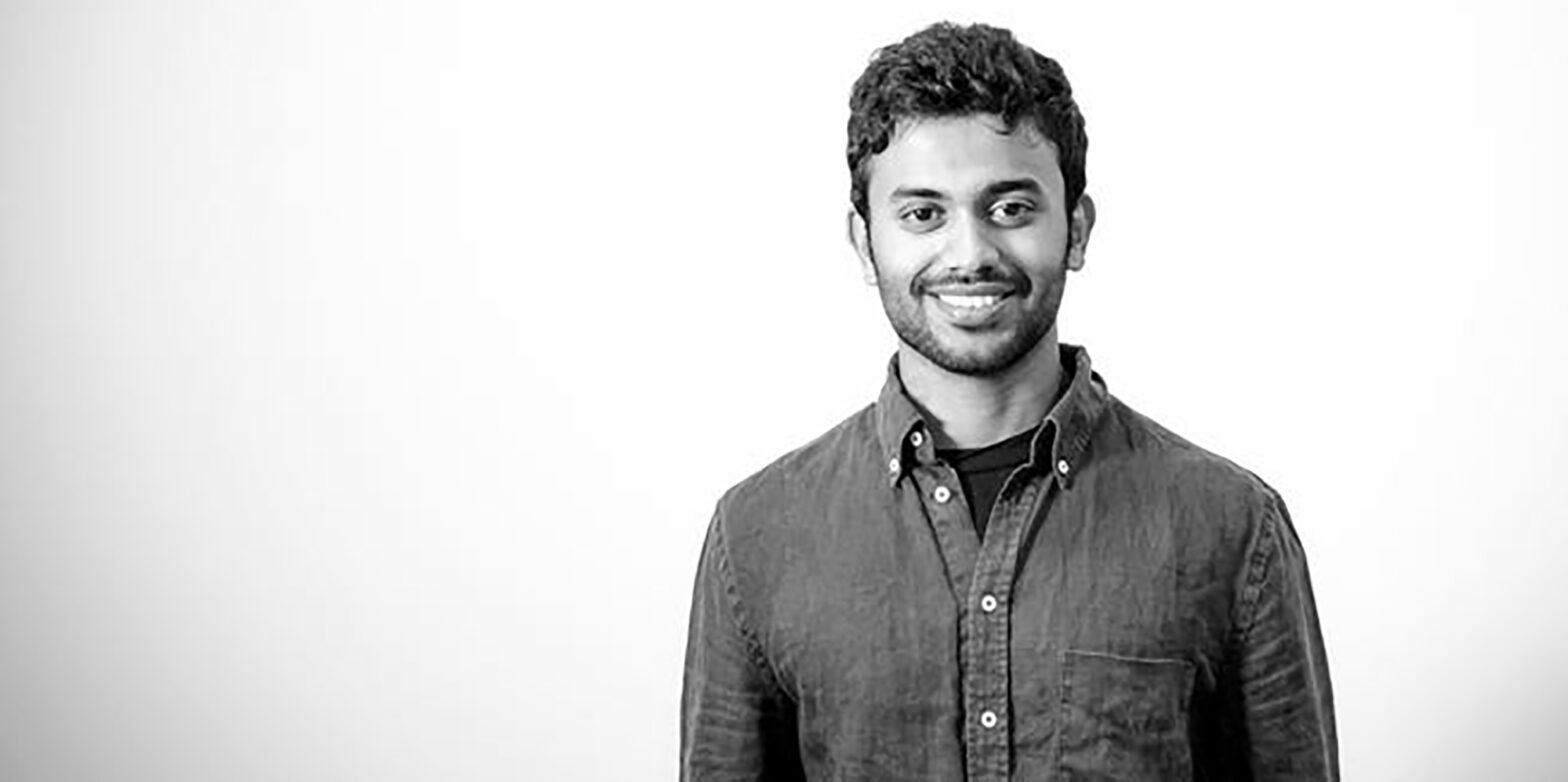
Shashank Samala, CEO and Co-Founder of Heirloom Carbon
CEO & Co-Founder, Heirloom
Climate Tech / Direct Air Capture / Serial Founder

Shashank
Samala

CEO & Co-Founder, Heirloom Carbon  ·  San Francisco, CA

"This facility is the closest thing on Earth we have to a time machine, because it can turn back the clock on climate change."

$354M Total Raised
1B Tons CO2 by 2035
210 Employees
$50 Target Cost / Ton

Limestone has been pulling carbon dioxide out of the atmosphere for millions of years. Shashank Samala just figured out how to make it do the job in days instead.

Walk into Heirloom's facility in Tracy, California and you'll find stacks of trays filled with white powder - calcium hydroxide, the mineral better known as slaked lime - quietly absorbing CO2 from the ambient air. It's unglamorous, and that's the point. Unglamorous scales.

Samala grew up in Southeast India watching cyclones and floods reshape his hometown. Climate change wasn't an abstraction - it was the neighbor's flooded house, the failed harvest, the recurring disaster. He made his way to Cornell University, then to New York City, then to the startup world. But the image of those vulnerable communities never left him.

The detour through tech wasn't wasted. At Square, he noticed something that would shape the next decade of his career: hardware iterations took months, software iterations took hours. He co-founded Tempo Automation in 2013 to close that gap - a software-driven electronics factory in San Francisco that helped engineers build circuit boards for satellites, surgical robots, reusable rockets, and eventually NASA's Mars rover. Tempo raised over $100M in venture capital.

In 2020, mid-pandemic, with Tempo running and the world halted, Samala made the pivot. He joined Carbon180 as Entrepreneur in Residence - a deliberate year of learning before committing to an approach. He called it "learning before doing," and considered it one of the most valuable periods of his professional life. When he finally committed, he chose calcium hydroxide mineralization: a geologically proven, low-cost, highly scalable process that industrial chemistry made accessible at room temperature.

In November 2023, Heirloom opened America's first commercial direct air capture facility. The team had gone from capturing CO2 in petri dishes to removing 1,000 metric tons per year - a factor of one million - in just over two years. Now two more facilities are under construction in Louisiana, with combined capacity of nearly 320,000 tons annually.

The company originally started under the name EquiOps - short for "equal opportunities," a nod to Samala's belief that climate solutions must create fair economic outcomes. An investor told him the name had bad branding. After roughly 100 brainstormed alternatives, they landed on Heirloom. It fits: what they're removing from the air is something borrowed from a better past, returned to future generations.

Category: Climate Tech / Direct Air Capture
Role: CEO & Co-Founder
Company: Heirloom Carbon
Stage: Series B ($150M, Dec 2024)
Location: San Francisco, CA
Industry: Environmental Services / NAICS 54171
1B
Tons CO2 target removal by 2035
$354M
Total funding raised to date
320k
Tons CO2/year - Louisiana facility capacity
$50
Target cost per ton of CO2 removed
"DAC can only scale effectively to combat climate change if it is affordable. We believe DAC is all about cost, cost, and cost."
- Shashank Samala, on closing the $150M Series B, December 2024

From gadgets to gigatons

Three companies. One through-line: making things move faster than the world expects.

2011-2012 / Chapter 1

Square - where hardware frustration was born

His first job out of Cornell put him inside the machine that was building the hardware reader that revolutionized small business payments. He watched software teams ship updates in hours while the hardware team moved in months. The observation lodged itself somewhere useful. He filed it away and got to work building something.

2013-2020 / Chapter 2

Tempo Automation - $100M and a Mars rover

Co-founded to solve the hardware iteration gap he'd identified at Square, Tempo became a software-driven electronics factory in San Francisco. They helped engineers build circuit boards for reusable rockets, satellites, medical devices, and NASA's Mars rover. They raised over $100M from leading VCs. Samala was Co-Founder and VP of Product for seven years. Then he left it all.

2020 / The Pivot

Carbon180 - the year of learning first

Instead of jumping straight into a new venture, Samala took a position as Entrepreneur in Residence at Carbon180, a climate policy NGO focused on carbon removal. He spent a year studying the field before committing to an approach. He collaborated with researchers like Peter Kelemen on mineralization and Jen Wilcox and Noah McQueen on techno-economic modeling. Most founders move first and learn second. He inverted it.

2020-Present / Chapter 3

Heirloom - building the CO2 vacuum at gigaton scale

Founded on the insight that abundant limestone - not exotic chemistry - was the key to affordable DAC. Opened America's first commercial direct air capture facility in 2023. Raised $354M total. Building two facilities in Louisiana. Signed customers including Microsoft, Stripe, Shopify, and Meta. Target: remove one billion tons by 2035, at $50 a ton. The timeline is aggressive by design.

The milestones that matter

2011-2012
Worked at Square in New York City, helping grow the small business customer base. Observed the velocity gap between hardware and software development cycles.
2013
Co-founded Tempo Automation, a software-driven electronics manufacturer in San Francisco serving aerospace, defense, and medical industries.
2013-2020
Led Tempo as Co-Founder and VP of Product through $100M+ in venture capital. Electronics built at Tempo appeared in reusable rockets, satellites, and NASA's Mars rover.
2020
Joined Carbon180 as Entrepreneur in Residence. Spent one year studying carbon removal science and economics before committing to an approach.
2020
Founded Heirloom (initially called EquiOps) based on limestone-enhanced carbon mineralization - a naturally occurring process accelerated from years to days.
2022-2023
Scaled from petri dishes to 1,000 metric tons per year. Raised Series A. Rebranded from EquiOps to Heirloom after brainstorming approximately 100 alternative names.
November 2023
Unveiled America's first commercial direct air capture facility in Tracy, California. The facility removes up to 1,000 tons of CO2 per year, powered entirely by renewable energy.
June 2024
Announced two new DAC facilities in Northwest Louisiana near Shreveport. Combined annual capacity of 320,000 tons CO2. $475M total investment, creating approximately 1,000 clean energy jobs.
December 2024
Closed $150M Series B led by Future Positive and Lowercarbon Capital. New investors: Japan Airlines, Mitsubishi Corporation, Mitsui, Siemens Financial Services, Quantum Innovation Fund.
2025
United Airlines invests. Development Bank of Japan and Chiyoda Corporation join as strategic investors. Louisiana construction underway. Total funding: $354M.

What he's built

Built and opened America's first commercial direct air capture facility in Tracy, California - capturing up to 1,000 tons of CO2 annually since November 2023
Scaled CO2 capture capacity from 1 kilogram to 1 million kilograms (1,000 metric tons) in just over two years - a factor of one million
Raised $354M in total funding including a $150M Series B in December 2024 co-led by Future Positive and Lowercarbon Capital
Secured carbon removal customers including Microsoft, Stripe, Shopify, Meta, JPMorgan, McKinsey, Autodesk, Workday, H&M, and Klarna
Previously co-founded Tempo Automation, raising over $100M and manufacturing mission-critical electronics used in NASA's Mars rover
Secured strategic backing from Japan Airlines, Mitsubishi Corporation, Mitsui, Siemens Financial Services, United Airlines, and the Development Bank of Japan
Announced $475M investment in Louisiana to build two DAC facilities with combined capacity of 320,000 tons/year, creating approximately 1,000 jobs
All Heirloom facilities are 100% renewable energy-powered and built with union labor, with strong labor protections and community governance models
"Pessimists are usually right, but it's the optimist who changes the world."
On the company's founding ethos
"Leadership is not doing things right - it's doing the right thing."
On the transition from Tempo to Heirloom
"I'm just building gadgets, while billions of people are affected by climate change."
The realization that prompted the pivot

Three principles that run the company

Samala built these into the DNA of Heirloom from day one. They're not wall art - they're operating procedures.

Principle 01
Radical Honesty
Challenge each other kindly in the pursuit of truth. Not brutal directness - considered, constructive challenge. The goal is accuracy, not winning arguments. Problems that don't get named don't get fixed.
Principle 02
Persistent Optimism
Grounded in calculated bets, not wishful thinking. Samala likes to quote the line: pessimists are usually right, but optimists change the world. The company's entire existence is a bet that gigaton-scale carbon removal becomes affordable before the climate window closes.
Principle 03
Maximize Learning Rate
Stay curious. Stay agile. Don't fall in love with your hypotheses - test them fast and move on. This is what allowed Heirloom to go from petri dishes to a commercial facility in under three years, and from grams to tons in 18 months.

Stories worth knowing

01
The name that almost wasn't. When Samala founded his carbon company, he called it EquiOps - short for "equal opportunities," a name that captured his belief that good climate solutions should create fair economic futures. An investor told him the branding was weak. He didn't push back - instead, he gathered his team and brainstormed roughly 100 alternative names. After all that work, they landed on Heirloom. It's the name of something precious passed down across generations - exactly what they're trying to preserve.
02
The Mars rover detour. Electronics built at Tempo Automation ended up in NASA's Mars rover. It's the kind of credential most founders would lead with. Samala mostly doesn't mention it. The point of Tempo was always to compress hardware iteration timescales - what it built along the way was incidental to the mission. He left a company making circuits for space exploration to make minerals that eat CO2. The upgrade, in his view, was obvious.
03
The year he refused to move fast. When most founders in climate tech were racing to stake out territory in 2020, Samala deliberately slowed down. He took an EIR role at Carbon180 and spent twelve months studying the science, the economics, and the policy landscape before committing to anything. He worked with geologist Peter Kelemen on mineralization, and with researchers Jen Wilcox and Noah McQueen on techno-economic modeling. The year cost him speed. It gave him conviction.
04
The iPhone Notes principle. Ask Samala about his productivity system and you'll get a disappointingly simple answer: the iPhone Notes app. No elaborate second brain, no Notion database, no elaborate tagging system. Just ideas captured the moment they appear. It mirrors his approach to everything: strip away the scaffolding that makes you feel productive and just do the thing.
05
The petri dish to commercial scale in 26 months. Two years before the Tracy facility opened, Heirloom's team was capturing CO2 in petri dishes - grams at a time. The 2023 facility captures 1,000 metric tons annually. That's a factor of one million in roughly two years. Samala used exactly that framing in the facility opening speech, because the number says something about the learning rate that no slide deck could.

Who's betting on affordable DAC

$150M Series B closed December 2024 - total funding $354M

Future Positive (Lead) Lowercarbon Capital (Lead) Breakthrough Energy Ventures Japan Airlines Mitsubishi Corporation Mitsui & Co. Siemens Financial Services Quantum Innovation Fund Ahren Innovation Capital Carbon Direct Capital MCJ Collective Development Bank of Japan Chiyoda Corporation United Airlines MOL Switch LLC

Who's buying the tons

Corporate buyers have committed to purchasing carbon removal credits from Heirloom - turning climate commitments into direct atmospheric action.

Microsoft Stripe Shopify Meta JPMorgan McKinsey Autodesk Workday H&M Klarna

Shashank on camera

The CEO of Heirloom's Personal Mission to Tackle Climate Change
YouTube / 2024
Virtual Distinguished Lecture: Shashank Samala
YouTube / University Lecture Series