direct-air-capture
(16)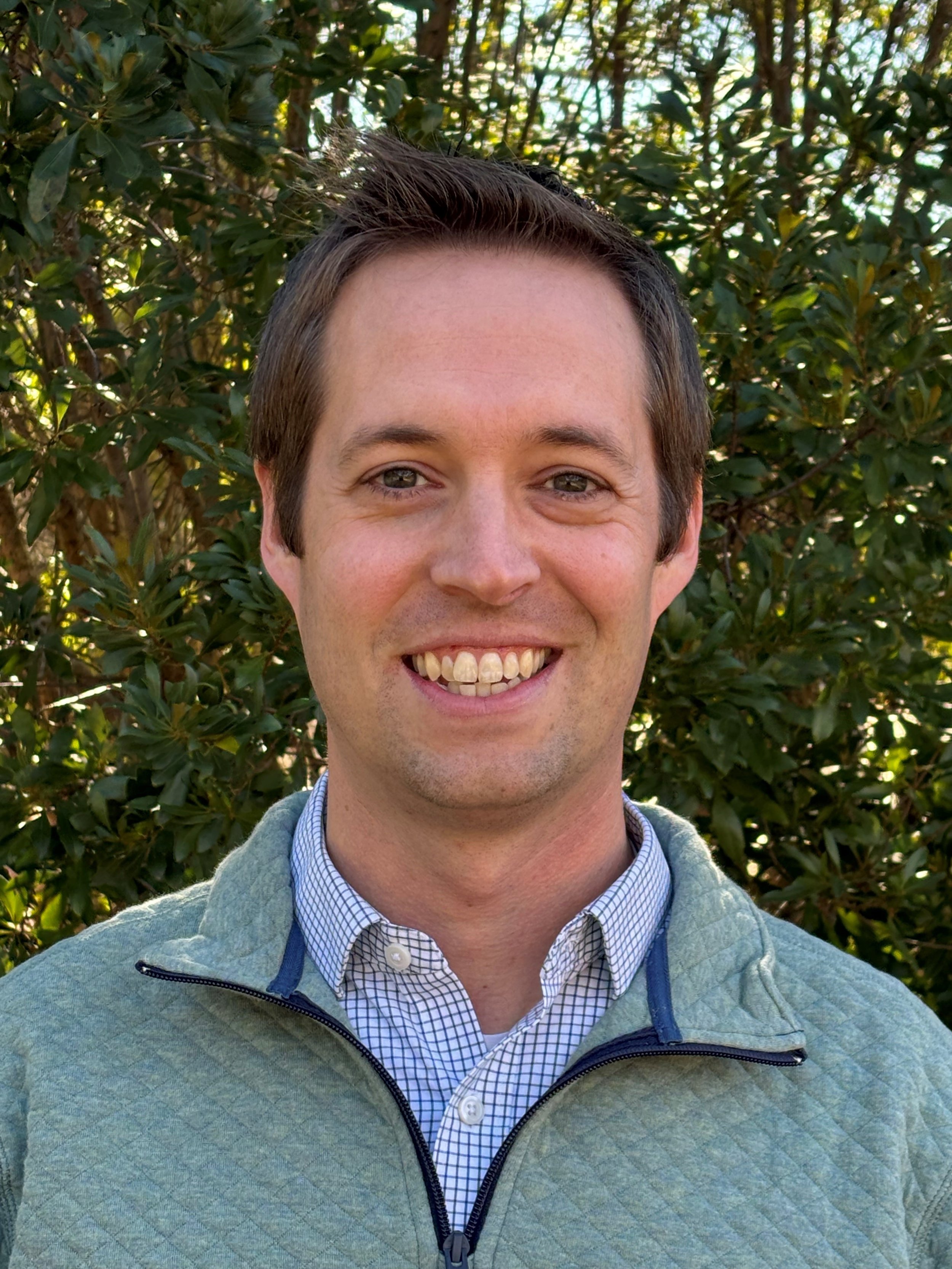
Cory Sanderson Is Trying to Make Carbon Removal Boring Enough to Scale
After years inside industrial gas systems, the Sustaera co-founder rebuilt direct air capture around a stubborn idea: climate hardware wins when the complicated parts disappear.
Sustaera Scrapped Years of Work to Build a Cheaper Carbon-Capture Machine
Direct air capture has a brutal math problem: too much machinery chasing too little CO2. The North Carolina startup’s answer was to kill its first product, shrink the team and redesign the machine around electricity, ceramics and a cost target the market might actually buy.
Damian Fagan Kept Redesigning the Brewery
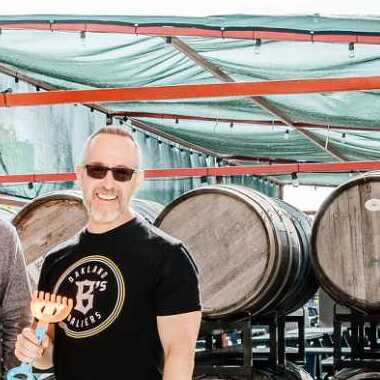
A graphic designer’s homebrew labels became Almanac’s first calling card. Fifteen years later, Damian Fagan is still changing the brief - from farm-to-barrel beer to sandboxes, slushies, and neighborhood gathering places.
280 Earth
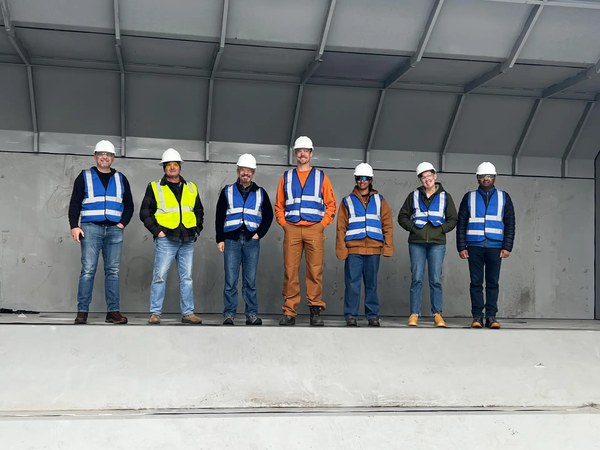
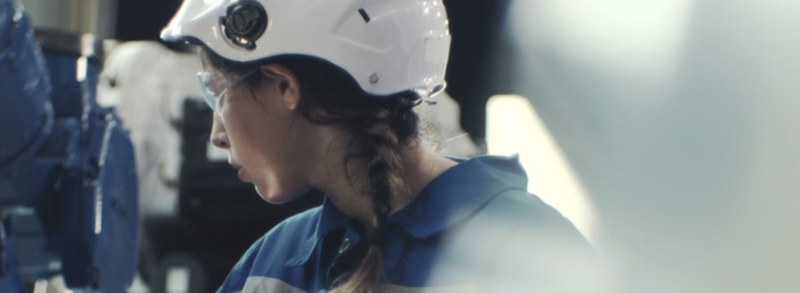
280 Earth is a climate-tech company that removes carbon dioxide permanently from the ambient air using a modular Direct Air Capture (DAC) system spun out of Alphabet's X, The Moonshot Factory. Its continuous-flow process uses a proprietary sorbent, off-the-shelf industrial equipment and low-grade waste heat or clean electricity to pull CO2 - and fresh water - out of the atmosphere at low energy cost. Its first plant in The Dalles, Oregon began operating in May 2024 and is designed to scale from hundreds to more than 20,000 tons of CO2 removed per year. The company's name references 280 parts per million, the pre-industrial atmospheric CO2 concentration it aims to help restore.
AirMyne
AirMyne is a Berkeley, California climate-tech company building liquid-based direct air capture (DAC) systems that pull carbon dioxide out of the atmosphere at industrial scale. Founded in 2022 by chemical-industry veterans Sudip Mukhopadhyay and Mark Cyffka, the company designs a low-temperature, energy-flexible capture process - regenerating its solvent at roughly 100-130 C so it can run on waste heat, geothermal energy, or electricity rather than the high-temperature furnaces most DAC rivals require. Backed by Y Combinator and, more recently, a strategic investment from Japanese energy giant ENEOS, AirMyne is moving from kilogram-per-day prototypes toward a commercial pilot and demonstration plant.
Capture6
Capture6 is a climate-tech company that turns the salty waste brine left over from desalination and water treatment into two things the world needs: fresh water and permanently removed atmospheric CO2. Its integrated platform converts brine into a CO2-absorbing solvent in a single step, eliminating costly brine disposal while producing freshwater, green chemicals, and durable carbon removal. Founded in 2021 and based in the San Francisco Bay Area with operations in New Zealand, the public benefit corporation works with water utilities, industry, and governments across California, Western Australia, New Zealand, and South Korea.
Andrew Jones
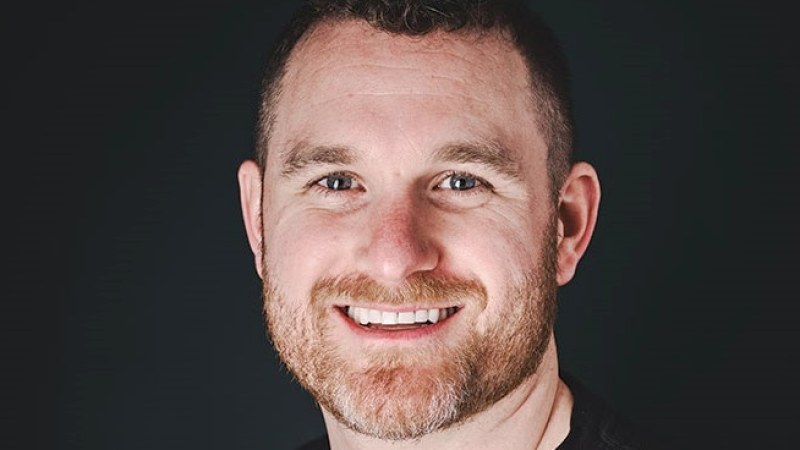
Andrew Jones is the co-founder and CEO of Carba, a Minneapolis-based carbon-removal startup that turns waste biomass into a durable, charcoal-like biocarbon and buries it to lock away CO2 for more than 1,000 years. A chemical engineer with a PhD from UC Berkeley, Jones invented Carba's patented low-energy pyrolysis and storage process and describes the work as 'reversing the coal mining process.' He previously founded and exited Activated Research Company, and has steered Carba from a 2021 lab idea to a working molten-salt reactor at a Burnsville landfill, a multi-year carbon-credit deal with Microsoft, and a goal of removing a gigaton of CO2 a year.
Sudip Mukhopadhyay
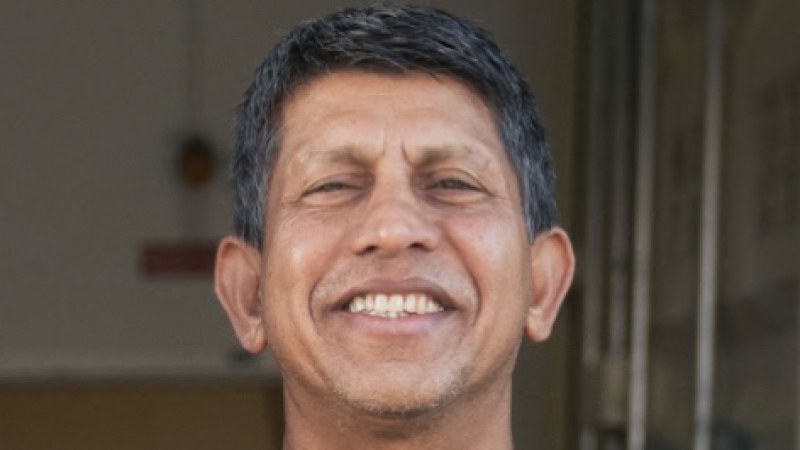
Sudip Mukhopadhyay is the CEO and co-founder of AirMyne, a Berkeley-based climate-tech company building liquid-solvent Direct Air Capture (DAC) machines that pull carbon dioxide straight out of the sky. A chemist and engineer with more than two decades in industrial R&D, he co-invented the low-global-warming car refrigerant 1234yf during a 16-year run at Honeywell, where he rose from engineer to corporate fellow and director of innovation. He launched AirMyne in 2022 with co-founder Mark Cyffka through Y Combinator, raising $6.9M in seed funding and a strategic investment from Japanese energy giant ENEOS, with the bet that cheap low-temperature heat (including geothermal) can make carbon removal affordable at industrial scale.
Joshuah Stolaroff
Joshuah Stolaroff is the co-founder and CEO of Mote, a Los Angeles clean energy company turning woody waste into renewable hydrogen while permanently burying the carbon. A Carnegie Mellon-trained engineer who built one of the first working prototypes for pulling CO2 straight out of the air, he spent eleven years running the carbon capture program at Lawrence Livermore National Laboratory before co-authoring 'Getting to Neutral,' the report that launched the Biomass Carbon Removal and Storage (BiCRS) approach now at the heart of Mote. His aim is blunt: reduce and remove a billion tons of carbon by 2035.

Heirloom Carbon
Heirloom Carbon Technologies is a San Francisco-based direct air capture company that uses limestone's natural CO2-absorbing properties to pull carbon dioxide permanently out of the atmosphere. Their process accelerates a geological phenomenon that normally takes thousands of years into a 3-day cycle: calcium oxide powder absorbs CO2 from ambient air, becomes limestone, gets heated in a renewable-energy-powered electric kiln to release the captured CO2, and repeats. The captured CO2 is then stored permanently underground or embedded in concrete. Founded in 2020, Heirloom opened America's first commercial DAC facility in Tracy, California in November 2023 and has raised over $354 million to expand capacity toward their goal of removing 1 billion tons of CO2 by 2035.

Shashank Samala
Shashank Samala is the CEO and Co-Founder of Heirloom, the company operating America's first commercial direct air capture facility. A serial entrepreneur who previously co-founded Tempo Automation (raising $100M+ for aerospace-grade electronics manufacturing), he pivoted to carbon removal after a stint as Entrepreneur in Residence at Carbon180. At Heirloom, he's building limestone-based DAC technology to remove one billion tons of CO2 from the atmosphere by 2035, targeting a cost of $50 per ton. The company has raised $354M total, including a $150M Series B in December 2024, and is building two new DAC facilities in Louisiana with combined annual capacity of nearly 320,000 tons.
Zack Bloom
Zack Bloom is a co-founder of Heirloom Carbon Technologies, the company behind America's first commercial direct air capture facility in Tracy, California. A software engineer turned climate entrepreneur, Bloom previously co-founded Eager - a cloud app marketplace acquired by Cloudflare in 2016 - and served as Director of Product at Cloudflare overseeing Workers, Storage, and Tunnel. In 2020, he pivoted from internet infrastructure to atmospheric infrastructure, co-founding Heirloom alongside Shashank Samala and Noah McQueen. The company has since raised over $354M in total funding, opened its first facility, and secured contracts with Microsoft, Stripe, Shopify, Meta, and JPMorgan.
Spiritus
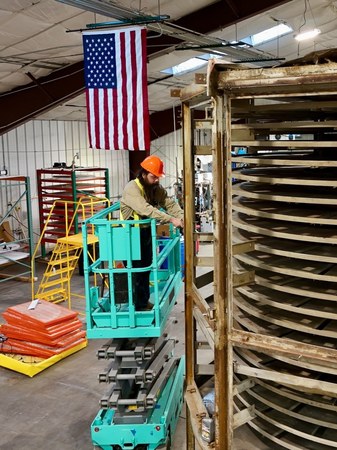
Spiritus is a climate-tech company building passive Direct Air Capture (DAC) systems - stacked trays of sorbent pellets arranged in modular 'Carbon Orchards' - that aim to pull CO2 out of the atmosphere for under $100 per ton, roughly a tenfold cost reduction over conventional DAC.

Darren Bonnstetter
Darren Bonnstetter is the CEO of Conexiom, a Vancouver-based AI-native platform automating sales order processing for manufacturers and distributors. Appointed in August 2025, he brings a rare blend of mechanical engineering rigor (Iowa State, Stanford MS, Harvard MBA), turnaround consulting at AlixPartners, and climate-tech entrepreneurship - having co-founded and led 280 Earth, a Google X spinout that raised $50M to capture carbon using industrial waste heat. At Conexiom, he leads a 210-person company serving 16 of the top 20 distributors globally, with $170M in total funding backed by Warburg Pincus, Luminate Capital Partners, and ICONIQ Capital.
Ethan Cohen-Cole
Ethan Cohen-Cole is the CEO and Co-Founder of Capture6, a Berkeley-based climate technology Public Benefit Corporation that has cracked one of cleantech's most stubborn puzzles: making carbon removal pay for itself. By integrating direct air capture with desalination brine management, Capture6 turns the costly waste stream of water treatment into a revenue engine - producing fresh water, green chemicals, and permanent CO2 sequestration simultaneously. Before pivoting to climate tech, Cohen-Cole spent 25+ years as a PhD economist, Federal Reserve bank regulator, and finance professor, giving him an unusually rigorous lens on the economics of decarbonization. Capture6 raised a $27.5M Series A in March 2025, backed by Hyundai's ZER01NE Ventures and Tetrad Corporation, bringing total funding to nearly $49M.
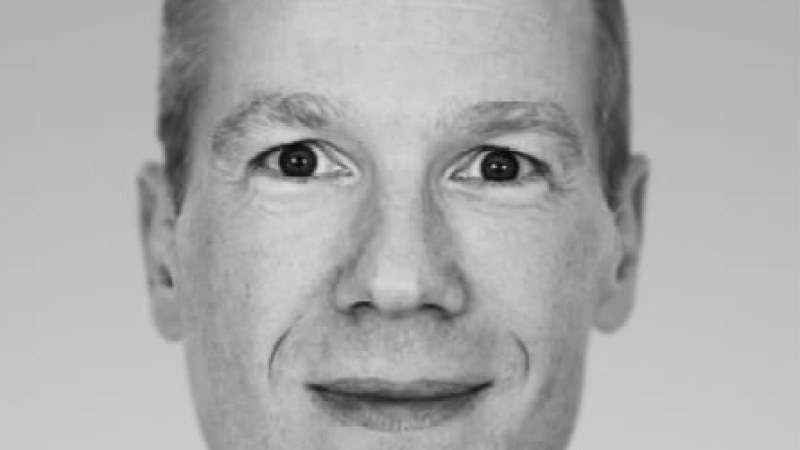
Charles Cadieu
Charles Cadieu is a serial entrepreneur and computational neuroscientist-turned-climate-tech founder. He is the Co-Founder and CEO of Spiritus, a direct air capture company aiming to slash the cost of carbon removal to $100 per ton - down from the current $600-$1,000 industry standard. Before Spiritus, Cadieu founded Caption Health (AI-guided cardiac ultrasound, acquired by GE HealthCare in 2023) and IQ Engines (AI image recognition, acquired by Yahoo!/Flickr in 2013). Holding a PhD from UC Berkeley and degrees from MIT, he bridges deep academic roots in neural networks with a track record of building and exiting companies that redefine their industries.