california
(130)
The price of an ordinary glass of water
California Water Service Group spent $517 million on infrastructure in 2025. A project connecting 27 customers with dry wells shows why delivering water takes more than pipes.
Banc of California bets on the boring stuff.
A $400 million capital raise helped remake Banc of California. Its next bet is on the unglamorous work that keeps businesses moving: deposits, payments and bankers who know the industry.

Edison International and the weight of a wire
California wants more of life to run on electricity. Edison International has to make the wires ready - and reckon with the consequences when the system falls short.

Health Net and the space between appointments.
The California insurer is paying for housing and the paperwork behind community care. Its own payment disputes show how much the machinery matters.
Propel Fuels Made the Future a Pit Stop
A cleaner fuel is only useful if somebody can buy it. Propel built a business around that small inconvenience - and discovered how much knowledge can hide inside a gas station.

Connected Cannabis Co. bets on the flower
Biscotti made its name. Repeating that quality in another state is the harder trick. Inside the Sacramento cannabis company turning a grower’s judgment into a national business.

FortiFi put the upgrade on the tax bill
A new roof. A stronger window. A bill that arrives with the property taxes. FortiFi built its business around that connection - and its obligations outlast the sale.

Gemini Legal found a business in the paperwork everyone hates
A California records-retrieval company kept building tools to make its own work easier. Now it sells the software, supplies the people, and makes a surprisingly persuasive case for doing both.

Sublime turned a sticky problem into Fuzzies
An Oakland cannabis maker found a product hiding inside a packaging nuisance. Its next chapter shows why a popular brand and the factory behind it can end up on different paths.
Petit Pot and the Million-Dollar Question in a Little Glass Jar
A French pastry chef brought pot de crème to American grocery shelves. The harder trick was learning which parts of the French experience to keep - and which could cost a dollar less.

The Dermatologist in the Camera Roll
A photograph can cross a county faster than a dermatologist. DirectDerm built a practice around that simple advantage, then learned that some answers still need a room, a biopsy and a doctor nearby.

The Buildings That Bring People Back
For 67 years, a Fresno architecture firm has practiced a quiet trick: design for the people who stay, then train the people who might return.
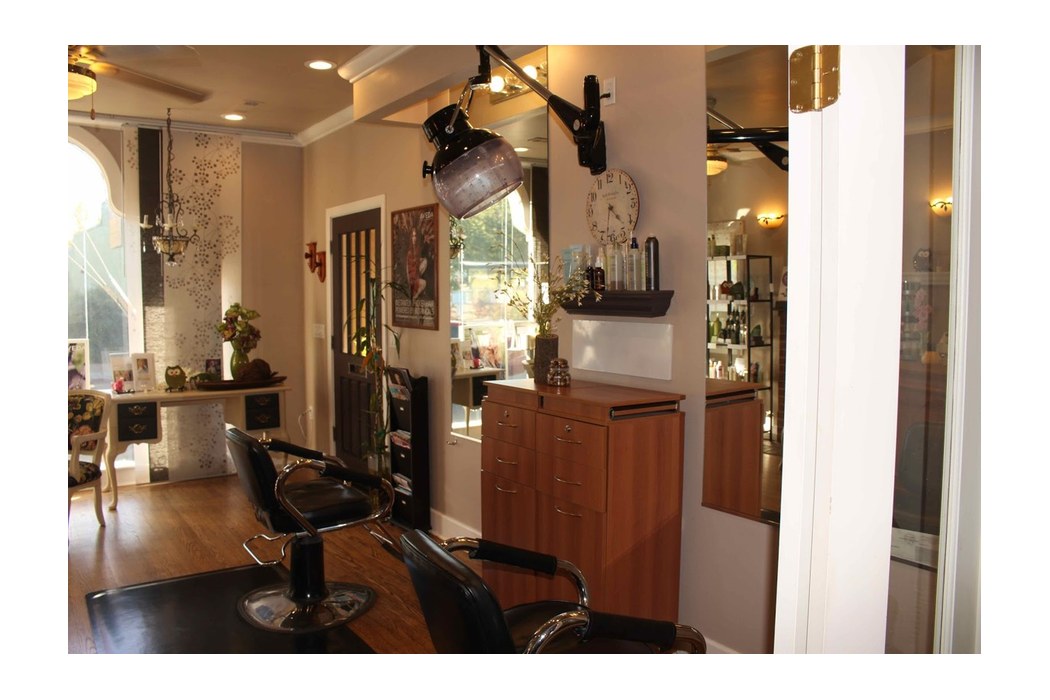
The Two-Chair Salon That Has Outlasted Three Decades of Hair Trends
Panache has survived since 1993 by keeping the room small, the consultations long and the promise legible: understand the person before changing the hair.

Providence Sells the Part of a Project Engineers Cannot Build
A Bakersfield firm built a business around the awkward gap between a project being legal, engineered and funded - and the public deciding it should exist.

CV Strategies Built an Outsourced Newsroom for Public Agencies
A former television news director turned the overlooked work of rate notices, board meetings and water reports into a durable communications business - one small, consequential detail at a time.

The Small Firm That Makes Bureaucracy Legible
Cities do not merely need money. They need someone who can find it, win it, account for it, and explain to residents what happens next. Global Urban Strategies built one small firm around that entire chain.
The Ballot Comes Last
TeamCivX helps public agencies decide whether a funding measure deserves a place on the ballot - and has the rare discipline to stop when the voters say no.
The Little PR Firm That Learned to Move More Than Headlines
Brown·Miller sells communications. Its more interesting product is the moment a wary voter, landlord or parent decides to do something differently.
California built a network of trust. Then the office closed.
OCPSC put public money behind familiar local voices, carrying state information into communities in 56 languages. Its four-year run offers a practical lesson in outreach - and in the limits of a temporary budget.
CALSTAR and the art of getting there in time
The helicopter gets the attention. CALSTAR’s more interesting story is about the decisions around it: where to fly, who gets a say, and how to keep the service alive.
NINICO knows who needs to hear the story
A county briefing, a construction-site tour, a conversation with an editor: NINICO’s work reveals how much public relations happens before the headline.

BMWL knows who has to say yes
A tax campaign, a hospital fight, and a bigger Sacramento alliance reveal how BMWL turns complicated policy into something people can act on.
Street Level Strategy knows the hard part comes after hello
A Pasadena public affairs firm brings campaign organizers to census calls, airbag recalls and kitchen-table paperwork. Its most useful lesson: getting someone’s attention is only the beginning.

Lighthouse Public Affairs and the business of getting to yes
A flower market, a driverless car, and a city contract have something in common: somebody else gets a vote. Lighthouse Public Affairs makes a business of understanding who, and what it will take to move forward.

SGA Marketing and the fish that stayed off the dinner table
A former environmental engineer built a communications firm around the stubborn distance between knowing better and doing differently. Its work takes marketing out to the pier, into the classroom, and down to the recycling bin.
Capitol Impact and the business of getting people unstuck
A hospital needs builders. A student needs work boots. Capitol Impact makes a business of connecting the institutions that can help them both.

Axiom Advisors and the business of getting California to say yes
Axiom Advisors is putting lobbyists, campaigners and communicators under one roof. Its wager: a company’s toughest California problem rarely stays inside the Capitol.
Cerrell knows a good proposal still needs a yes
For six decades, Cerrell has worked where California business meets public decision-making. Its history explains why a press release is sometimes the smallest part of the job.
Princess Monterey sells a wild encounter with a warm place to sit
Whales set the agenda. Princess Monterey Whale Watching handles the boats, the biology lesson, and the surprisingly important business of keeping people comfortable while they wait.

Randle Communications knows when Sacramento leaves town
A California public affairs firm built a housing campaign around legislative recess. Its larger business is knowing who needs to hear a message, where they will hear it, and what they can do next.