Consider the peculiar ambition of a cannabis strain called Biscotti. It is a plant, certainly. But for Connected Cannabis Co., it is also an introduction: a recognizable name that can arrive at a dispensary before its founders do. The interesting question comes afterward. When someone buys the next jar, in a different city, will the reputation still make sense?
- Connected builds premium cannabis around breeding and indoor cultivation.
- Its business joins branded wholesale, California shops and production partners.
- Expansion tests whether a familiar standard can survive a new grow room.
That question explains more about Connected than the usual vocabulary of cannabis branding. The Sacramento business breeds, grows, manufactures and sells cannabis. Its catalog includes flower, pre-rolls and resin-based vapes. Its particular claim is that judgment at the cultivation stage can create something customers recognize later. A label helps. The harvest must do the convincing.
The shop came before the strain
Connected traces its beginnings to Fruitridge Health & Wellness, the dispensary Caleb Counts started in Sacramento in 2009. The company’s own history separates those roots from the Connected brand’s launch in 2018. That distinction matters. This was a retail business learning what people wanted before it became a platform for proprietary genetics.
The early version did not proceed smoothly. A 2024 founder profile recounts federal authorities shutting the dispensary and Counts taking other work, including a stint in bail bonds. By 2013, he was building again with Luke Coleman. The first thing to fail was the operating foothold itself. Product enthusiasm offered little protection against a locked door.
Counts described the partnership simply: “He really developed the foundation, and then I built the structure.” Coleman and Counts became known for Biscotti, with an early Cookies relationship helping establish their reputation. Their skills met at a useful junction: growers needed customers, and customers needed a reason to distinguish one grower from another.

A family tree you can smell
Take Gelonade. Connected lists its parents as Lemon Tree and Gelato #41, and identifies limonene, caryophyllene and linalool among its prominent terpenes. The description is unusually useful as a statement of intent. Here is a product being organized around ancestry and aroma, rather than an interchangeable bag of cannabis.
The strain won first place in the 2021 Emerald Cup indoor flower category, according to Connected’s financing announcement that April. Awards can provide an introduction. They cannot inspect the next batch. The continuing business rests on selecting plants, growing them carefully and delivering a product that deserves its place beside the earlier one.
The company’s strain collection gives older names such as Biscotti, Gushers and Gelato 41 a place alongside newer offerings. Think of the tension that creates. Regular customers may want the strain they remember. Enthusiasts may want the next discovery. A breeder with a retail presence has to make room for both appetites.

The price of another grow room
Connected’s expansion came with substantial financing. It disclosed a $25 million Series A in July 2019, followed by $30 million in debt and equity in April 2021. Navy Capital and One Tower Group led the later round, joined by Emerald Park Capital and Presidio View Capital. Those sums describe financing, not the cost of a particular harvest or facility.
The company had entered Arizona in November 2020. Florida followed through Trulieve, which announced an exclusive arrangement in December 2022. Connected’s opening Florida lineup included El Jefe, Gelonade and Nightshade. For a medical patient there, the route to the brand ran through an existing local provider, rather than a new Connected storefront.
New York supplied the next concrete test. In August 2025, FLUENT announced an exclusive Connected partnership at its new indoor cultivation facility in Buffalo, measuring more than 68,000 square feet. The agreement covered Connected Cannabis, AlienLabs and Smoken Promises, with distribution through FLUENT stores and its ENTOURAGE wholesale network.
The announcement anticipated products reaching buyers in late 2025. FLUENT’s subsequent results placed initial packaging and shipments of Connected and Alien Labs in the first quarter of 2026. That small difference is instructive: announcing a partnership and putting finished inventory into circulation are separate milestones. A brand expansion becomes tangible when the jars leave the building.
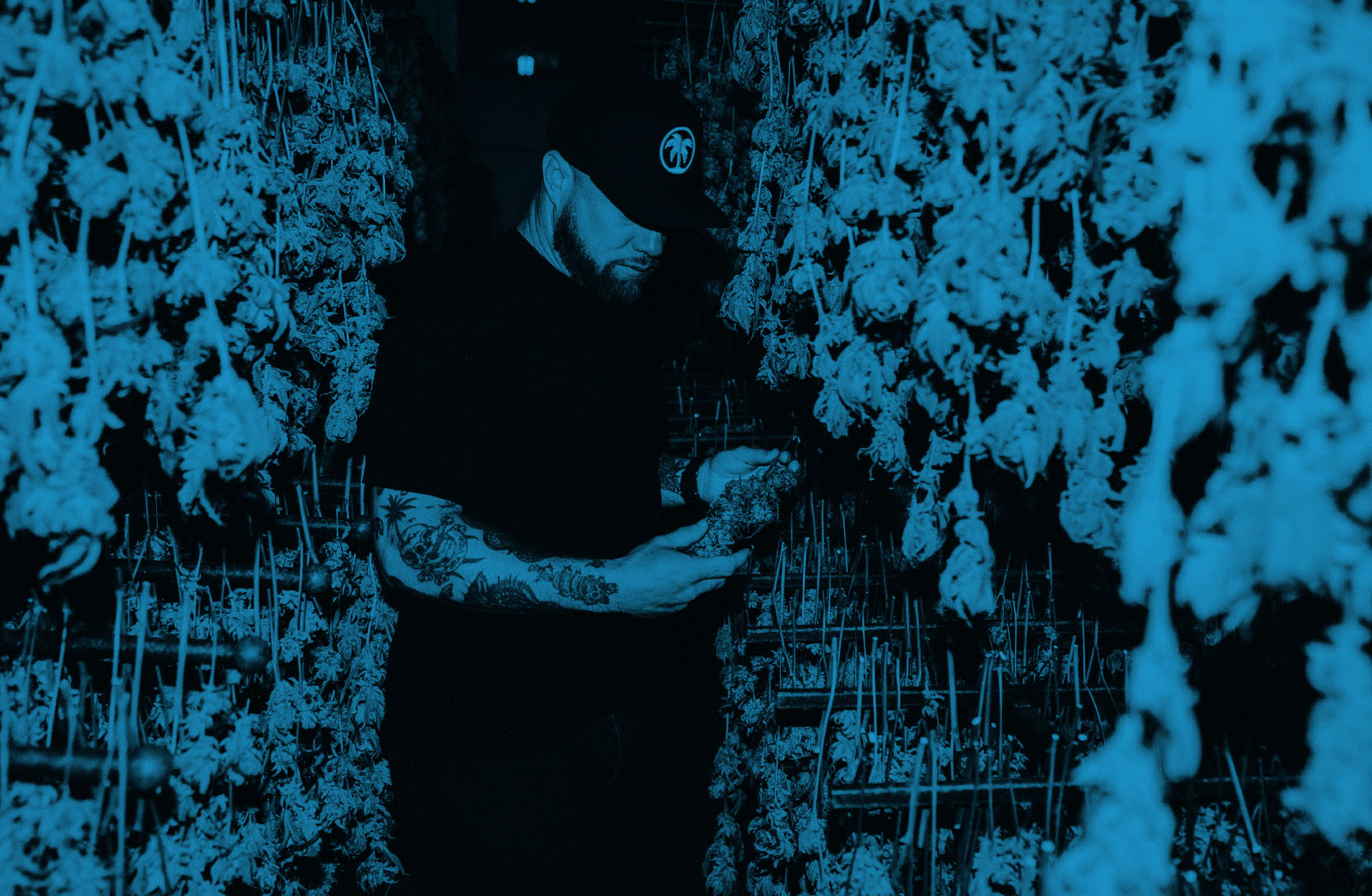
What travels with the name?
The operating model combines several routes to market. Connected sells through its California dispensaries and supplies branded products through other licensed channels. Partners provide another way into a state. For retailers, the proposition is recognizable premium inventory. For consumers, it is a narrower search: strains and formats with a known producer behind them.
A familiar name earns attention. A repeatable harvest has to earn the next purchase.The business behind the jar
Its own shops also carry outside brands, including CBX and STIIIZY. Connected therefore participates in the same comparison it asks customers to make: flower against flower, format against format, price against remembered experience. Its position is in the premium end of that choice. It needs buyers who care enough about the difference to return.
The business lesson is portable. Put customer feedback close to product development. Identify which production decisions create the difference people actually value. Then give those decisions enough attention when expanding. Connected describes consumer input and testing as part of refining its strains; that is a more useful practice to copy than a strain name or package design.
There are limits to the lesson. A premium strategy needs customers willing to pay for its distinctions and partners able to reproduce them. Where price dominates, or execution varies enough to undermine recognition, the argument weakens. Connected’s next jar has to answer the same question as its first: what, exactly, will someone come back for?