In the Central Valley of California, distance can be counted in weeks. A family notices a troubling patch of skin. The nearest dermatologist has a long waitlist. The primary care doctor can see the problem today, but would like a specialist's eye on it. The ordinary solution is an appointment that lives somewhere in next month's calendar. DirectDerm's answer is to send the image first.
- Patients or clinicians upload a skin history and photographs; a board-certified dermatologist reviews the case.
- DirectDerm says a report and treatment plan usually arrive within 24 to 48 hours.
- A published Medicaid study found larger gains in access at practices using teledermatology.
- Six California clinics and local referrals handle the work a photograph cannot.
This is a useful reversal of the usual medical trip. Rather than making every person travel to a specialist so the specialist can see their skin, the skin travels to the specialist. Dermatology is unusually suited to the exchange: a good image and a good history can give a physician a great deal to work with. The qualification matters. DirectDerm sells a consultation with a dermatologist, not an automated verdict from a camera.
The waiting room was the first problem
David J. Wong, a Stanford dermatologist with a PhD in molecular genetics, co-founded DirectDerm in 2010. The company began as a practical response to a capacity problem. There were more people who needed dermatology advice than there were convenient specialist appointments, especially in communities with fewer dermatologists. A phone camera and an internet connection could move the first evaluation forward, even where a specialist's office was far away.

The original service used what clinicians call store-and-forward care. A patient, or a referring primary care team, submits photographs and medical history through a secure platform. A board-certified dermatologist reviews the material later and returns a diagnosis, treatment advice and, where appropriate, a prescription sent to a local pharmacy. If the image is poor, the doctor may ask for another. If the question requires hands-on examination, the path turns toward a local appointment.
The company serves two sides of the same queue. Individuals can seek care directly for rashes, acne, eczema, hair or nail problems and suspicious spots. Referring clinicians can ask for a specialist's judgment while keeping the patient in their own care. Health plans and hospital systems can use that network to extend dermatology coverage without placing a specialist in every building. The business earns revenue through covered consultations and partner contracts, plus self-pay visits. Its published self-pay price for someone without accepted insurance is $120 per consultation; coverage depends on the plan.
The number that made the argument harder to dismiss
An access story ought to be measured in access, not app downloads. In 2012, Health Plan of San Joaquin began covering teledermatology for Medicaid members. Independent researchers later examined claims from a population of 382,801 plan members. At primary care practices that used teledermatology, the fraction of patients who reached dermatology care rose 64 percent. At other practices, it rose 21 percent. The study counted 7,287 teledermatology visits by 4,515 patients between April 2012 and December 2014.
Increase in patients reaching dermatology care at participating practices
Increase at other practices in the same health plan
2016 JAMA Dermatology claims study, Health Plan of San Joaquin. These are relative increases, not treatment-success rates.
The result is narrower, and more interesting, than a claim that every online visit replaces a clinic. The study describes who got to a dermatologist. It also found that teledermatology reached more children, men and nonwhite patients than in-person dermatology visits in that population. For a specialty unevenly distributed across geography, changing who gets through the door is a substantial thing.
The early economics had an unusual patron. California Health Care Foundation put $240,000 into the company in November 2011 and another $500,000 in December 2012, explicitly to help expand access to teledermatology. That $740,000 is documented foundation backing, not a reliable figure for all of DirectDerm's lifetime capital. The money supported a service that could work in a rural clinic with a digital camera, computer and internet connection - equipment considerably easier to distribute than dermatologists.
The photograph has a border
A photograph is good at travel and bad at touch. It cannot take a biopsy. It may conceal texture, depth or a detail outside the frame. DirectDerm's own patient guidance says a doctor may request better images or arrange an in-person visit; a potentially serious finding can prompt expedited local care. That boundary is the reason its current shape is more interesting than its original pitch.
DirectDerm now lists clinics in Manteca, Sacramento, Fresno, Salinas, Los Banos and Merced. At those sites, clinicians can perform full skin exams, screenings, biopsies and other procedures. Telehealth can begin an evaluation; a room can finish what an image leaves unresolved. The company also says it can help find local dermatology follow-up for a patient far from one of its six sites. Its online service covers most of the United States, with Arkansas, Delaware, Kansas, Mississippi and West Virginia listed as exceptions on its locations page.
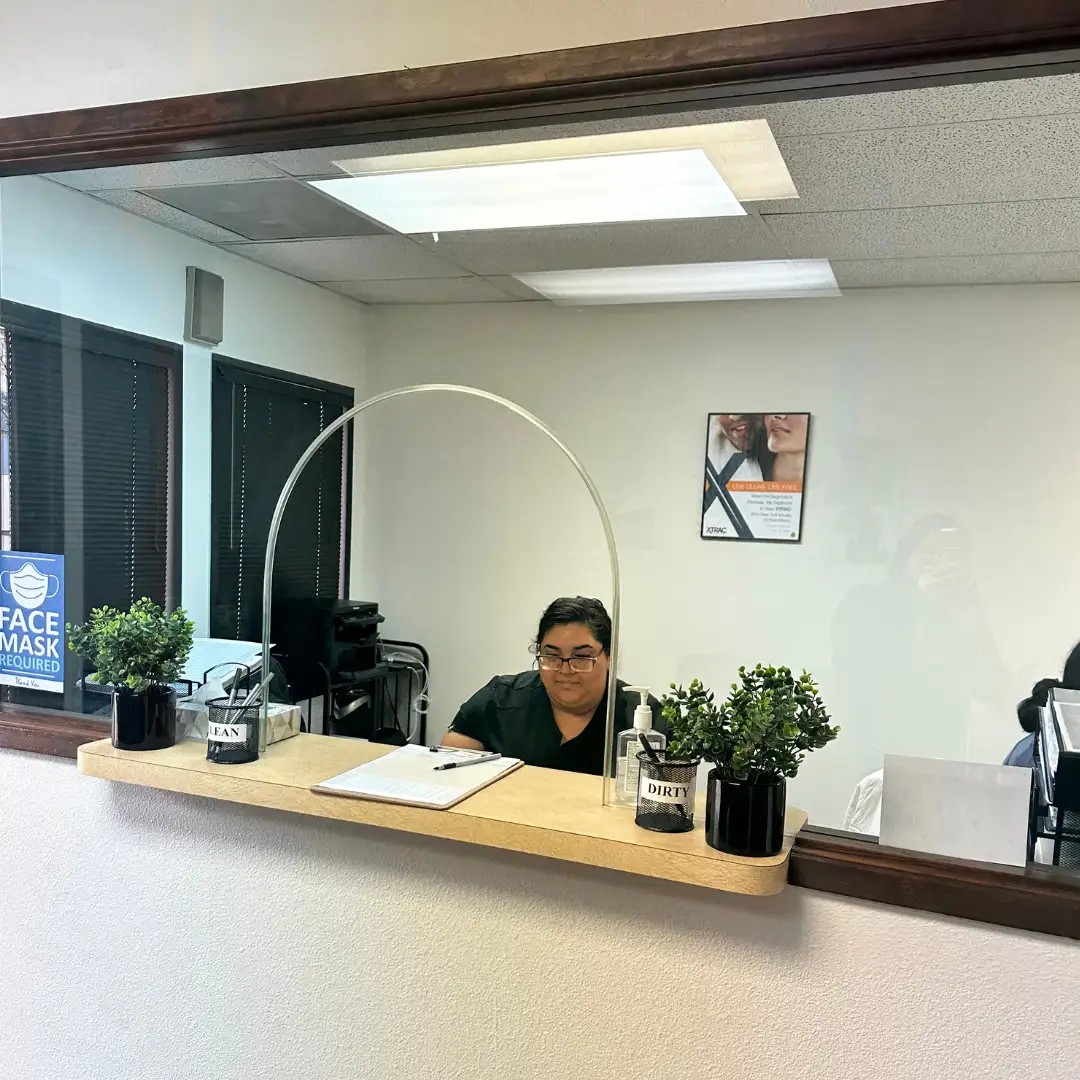
This leaves DirectDerm in a particular corner of the health market. A conventional dermatology office can provide the exam and procedure but may have an inconvenient wait. A general video-doctor service can provide convenience but does not necessarily supply a board-certified skin specialist. DirectDerm's wager is that specialist judgment can move quickly through an asynchronous system, while its clinic and referral network handles the physical part. It is less a replacement for a dermatologist's office than a way to decide who needs that office next.
What the model asks of everyone
The patient must take useful pictures and describe the problem well enough for remote review. The physician must be willing to ask for better evidence or send someone for a procedure. The payer must cover the encounter if the service is to reach beyond people who can spend $120 out of pocket. DirectDerm's history suggests a sequence others can copy: begin with a visual specialty, put a qualified clinician behind the screen, work with the organizations that already hold the patient relationship, measure whether access actually improves, and build the handoff to in-person care before a difficult case demands it.
That last step is the least fashionable and perhaps the most useful. The best outcome of a skin photograph is sometimes a prescription. Sometimes it is an appointment, moved forward because a doctor saw the image in time. The camera does not cure the shortage. It can make the wait less arbitrary.