biomanufacturing
(20)
Insa Mohr Is Turning Scrappy Food Tech Into Serious Manufacturing
A German farm-family vegetarian walked away from a linear corporate career and into a Baltimore factory. Her bet is practical: food technology earns its place when texture, cost and manufacturing all work together.
Brian Finrow’s Second Draft of Biotech Starts With Spirulina
A corporate lawyer walked into a spirulina lab and stayed. At Lumen Bioscience, Brian Finrow is testing whether cheaper manufacturing can change not only how biologic drugs are made, but which problems the industry chooses to solve.
Lishan Zhao Is Building Biotech for the Awkward Trip From Flask to Factory
After helping Amyris move engineered biology toward commercial products, the chemist founded Cataya around a stubborn lesson: a molecule matters only when the factory can make it reliably.
Paul Orlady Is Teaching Tiny Factories to Think Bigger
The economics graduate behind Khona Scientific is making a business case for microscopic order: line up the enzymes, simplify the supply chain, and let ordinary yeast attempt unusually complicated work.
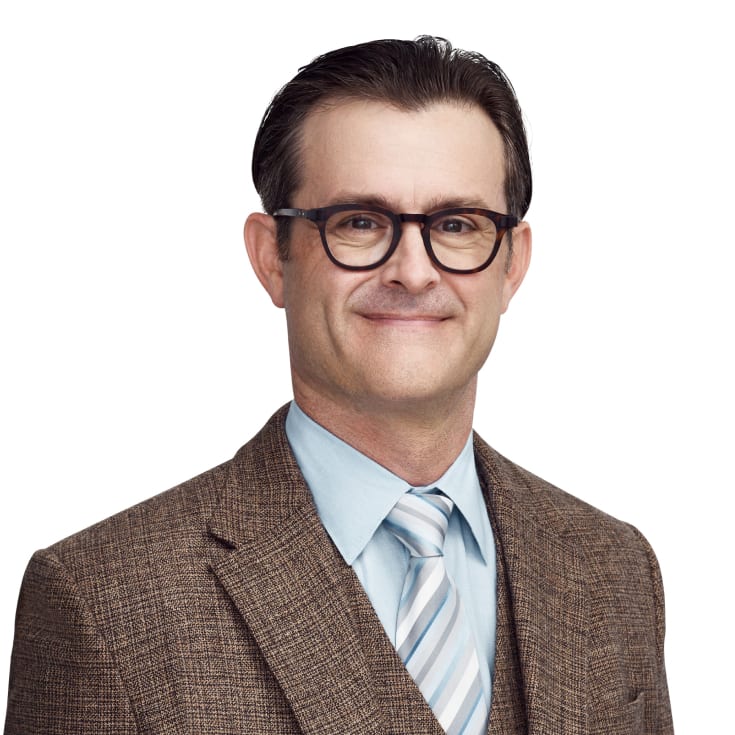
Brian Taylor Is Turning the Lab Into a Flexible Operating System
After a career scaling antibody production and biomanufacturing systems, the SmartLabs CEO is betting that the next research breakthrough may depend on something less glamorous: a laboratory that can change as quickly as the science.
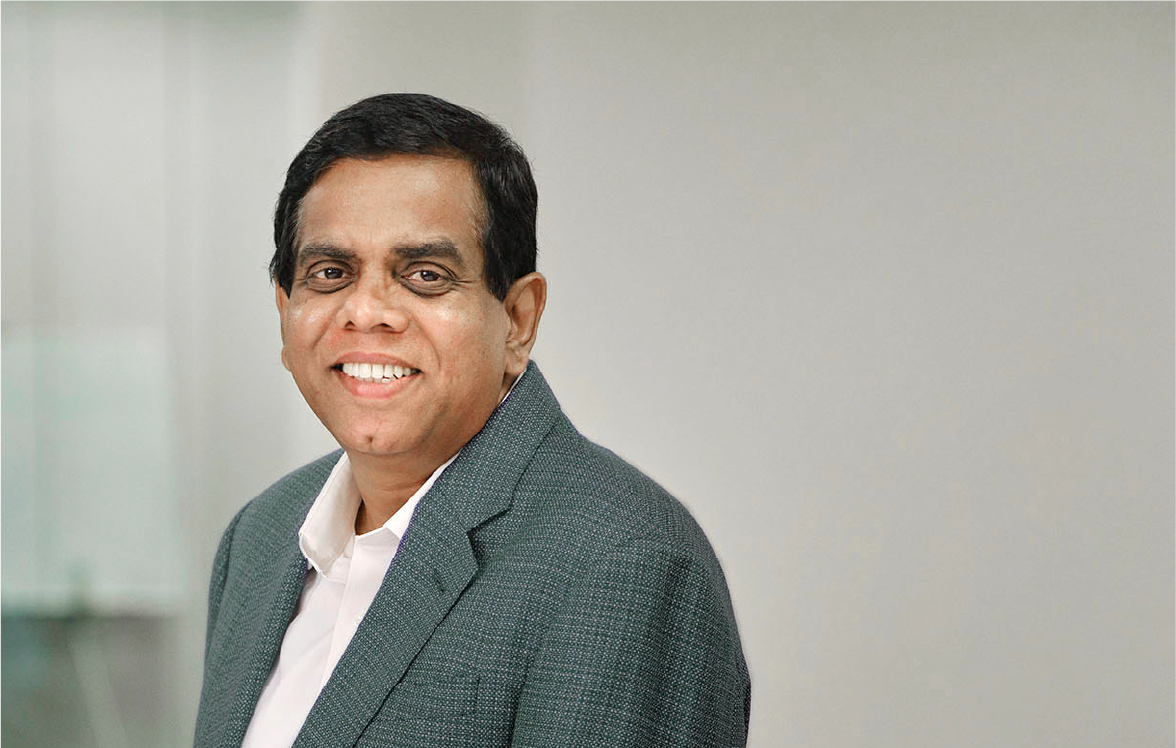
Ajikumar Parayil
He spent years teaching bacteria to build molecules that used to take entire fields of plants. Then he bet a company on getting those microbes out of the lab and into million-liter tanks.
Phillip Maderia
Phillip Maderia is the Chief Executive Officer of PranaX, a Houston-based regenerative-medicine biotech developing stem cell-derived exosome products at the Levit Green campus in the Texas Medical Center. He joined in March 2025 after four years running Lonza's exosome manufacturing site in Lexington, Massachusetts - the facility Lonza bought from Codiak BioSciences in 2021, where Maderia had previously served as VP of Manufacturing Operations. He is a career biomanufacturing operator with roots at Sanofi Genzyme and LFB-USA and roughly three decades of scale-up experience.
Syed T. Husain
Syed T. Husain is the Chairman and CEO of Made Scientific, a Princeton, New Jersey cell therapy contract development and manufacturing organization (CDMO) that he relaunched in 2025 out of the former BioCentriq. Backed by GC Corporation, the company runs a 60,000-square-foot GMP facility built to move autologous and allogeneic cell therapies from clinical batches to commercial supply. A chemical engineer by training who started on the manufacturing floor at Wyeth and Pfizer, Husain spent more than two decades in CDMO leadership at Lonza, Alcami, Emergent BioSolutions, and Resilience before taking the top job. He named the rebranded company MADE for Manufacturing and Development Excellence.
Michael Chiu
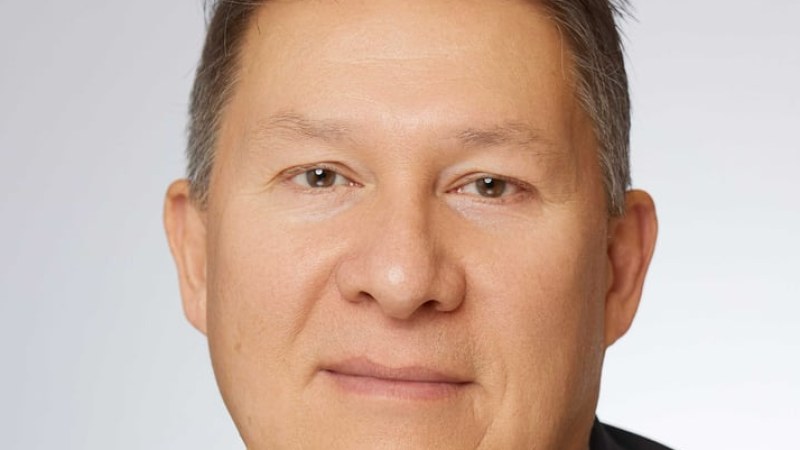
Michael Chiu is the CEO of Kytopen, a Cambridge, Massachusetts biotech spun out of an MIT lab that builds the Flowfect platform - a non-viral, continuous-flow way to shuttle DNA, mRNA and CRISPR payloads into living cells at manufacturing scale. A mechanical engineer with a PhD and MBA from MIT, Chiu has spent his career turning laboratory hardware into shipped products, founding and selling companies in energy harvesting, healthcare, and bioprocessing before taking Kytopen's helm in August 2023 to push cell therapy manufacturing out of the bottleneck.
Jeffrey Dietrich
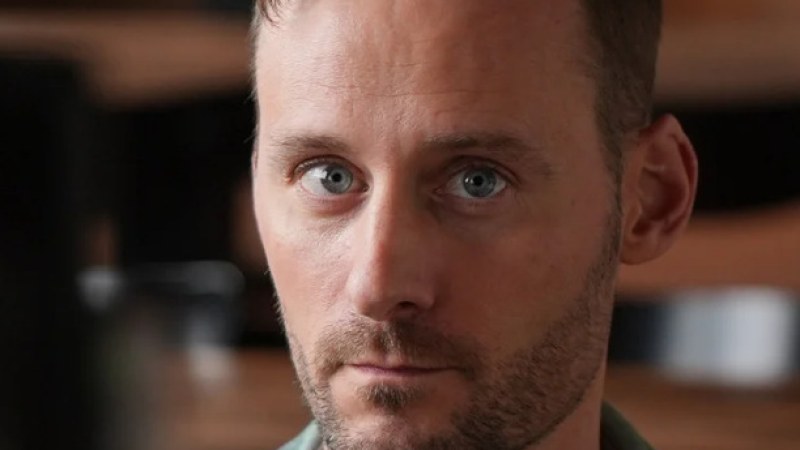
Jeffrey Dietrich is a bioengineer-turned-coffee-founder who built Rarebird around paraxanthine, the molecule your body actually makes when it metabolizes caffeine. After a PhD at UC Berkeley in Jay Keasling's lab and nearly a decade co-founding and running R&D at the industrial biotech company Lygos, Dietrich turned his own dwindling caffeine tolerance into a company. Rarebird sells decaffeinated specialty coffee infused with lab-grade paraxanthine, promising the lift of coffee without the jitters, crash, or ruined sleep. Backed by Y Combinator, AgFunder, and two NSF grants, the company holds U.S. patents on the process and won the Specialty Coffee Association's Best New Product award.
Ashley Beckwith
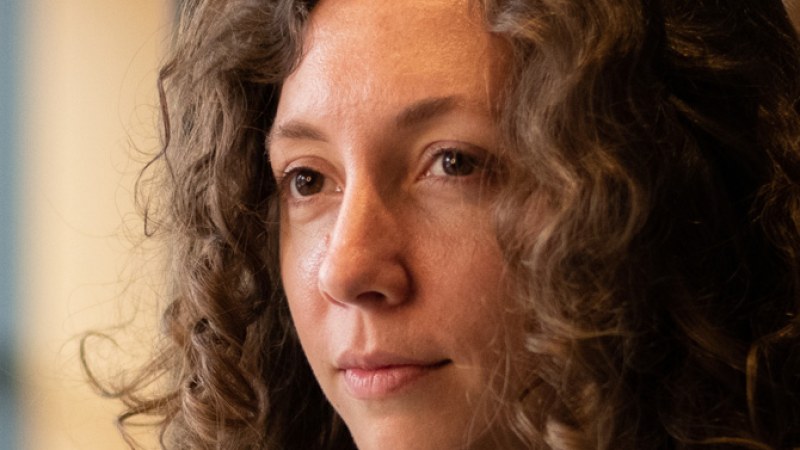
Ashley Beckwith is the founder and CEO of Foray Bioscience, a Cambridge, Massachusetts biotech growing wood, plant materials, molecules, and seeds from single plant cells - no forests required. Out of her PhD in mechanical engineering at MIT, where she grew wood-like tissue in the lab from a zinnia leaf, she built a company that pairs in-vitro plant cell culture with an AI platform called Pando, billed as an operating system for plant science. The goal: shorten plant development from decades to months and bring biomanufacturing's precision to forestry and conservation.
Noah Helman
Noah Helman is the co-founder and CEO of Industrial Microbes (iMicrobes), an Alameda, California synthetic biology company that engineers the central metabolism of microbes so they can eat cheap, renewable feedstocks - ethanol and methane - and spit out the chemicals normally pumped from petroleum. A Stanford applied-physics PhD who spent roughly a decade in physics labs before crossing into biology, Helman co-founded the company in 2014 with two fellow alumni of the biofuels startup LS9. iMicrobes targets drop-in, cost-competitive, net-zero versions of acrylic acid (for paints and adhesives) and acrylonitrile (for carbon fiber). The company went through Y Combinator's W15 batch, holds more than 20 patents, raised a $10M+ seed round in late 2024, and in 2025 announced it had scaled production of 100% bio-based, high-purity acrylic acid.
Eric Abbate
Eric Abbate is a synthetic-biology scientist turned CEO who led Solar Biotech, a Virginia-based startup building solar-powered, water-neutral fermentation plants to make biodesigned cosmetics, food ingredients and bioelectronic components. A UC Berkeley-trained molecular and cell biologist, he ran high-throughput genome-engineering and analytical biochemistry teams at Inscripta and was corresponding author on a widely cited paper on optimizing strain engineering for industrial-scale production. He steered Solar Biotech from lab science toward a modular 'BioNodes' manufacturing model before the company entered Chapter 11 in 2024 with plans to sell its assets and reboot.
Alec Nielsen
Alec Nielsen is the co-founder and CEO of Asimov, a Boston synthetic biology company building computer-aided design tools for living cells. His MIT PhD work in the Voigt Lab produced Cello, a programming language that compiles plain-text logic instructions into thousands of DNA letters. Asimov turned that academic breakthrough into a commercial platform for designing and manufacturing biologics, cell therapies, and gene therapies, backed by Andreessen Horowitz, DARPA, and a $175M Series B led by CPP Investments.
Yuyo Llamazares Vegh
Yuyo Llamazares Vegh is the CEO and Co-Founder of Stämm, a San Francisco-based biotech company reinventing biomanufacturing through miniaturized 3D-printed microfluidic bioreactors. A native of Argentina with a background in agricultural engineering and bioprocesses from the University of Buenos Aires, Yuyo co-founded Stämm in 2016 alongside his cousin Federico D'Alvia Vegh after spotting a fundamental gap between biology's potential and the outdated tools available to harness it. Stämm's platform - desktop-sized, modular, and scalable - is designed to make the production of biologics, cell therapies, and gene therapies accessible and repeatable at any scale. The company has raised over $17 million including a Series A led by Varana Capital with participation from Draper Associates and SOSV's IndieBio, and has attracted former Merck KGaA CEO Stefan Oschmann to its board. Yuyo was selected as an Endeavor Entrepreneur in 2023.
Mohan Iyer
Mohan Iyer is a General Partner at SOSV's IndieBio SF, the world's leading biotech accelerator. With 25+ years operating life science startups across Genentech, Tethys Bioscience, Second Genome, and Pendulum Therapeutics, he brings rare bench-to-boardroom experience to pre-seed biotech founders. Trained as a chemical and biomedical engineer before earning his MBA from Yale, Iyer has spent his career translating disruptive biology into products the world actually needs — and now bets on founders doing the same.
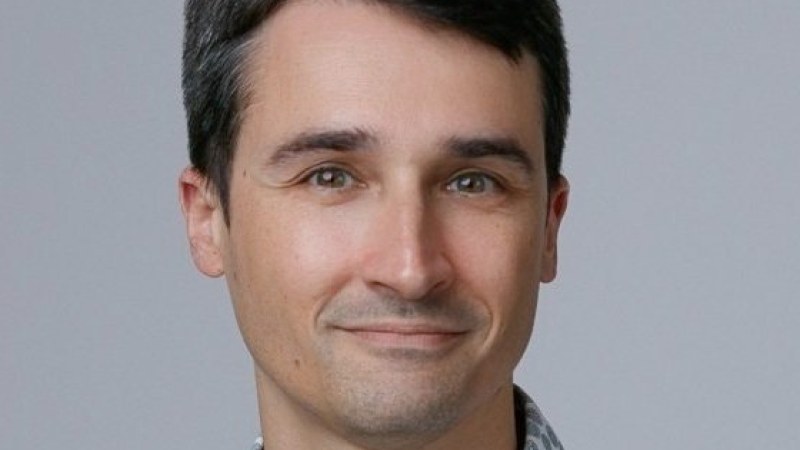
Douglas Friedman
Douglas Friedman is CEO of BioMADE, the U.S. Department of Defense-funded Manufacturing Innovation Institute dedicated to growing the domestic industrial biomanufacturing ecosystem. With a Ph.D. in Chemistry from Northwestern and a career spanning the National Academies, the White House OSTP, and the founding of the Engineering Biology Research Consortium, Friedman is one of the foremost architects of America's bioeconomy strategy — arguing that biology, not silicon, may define the next great manufacturing revolution.
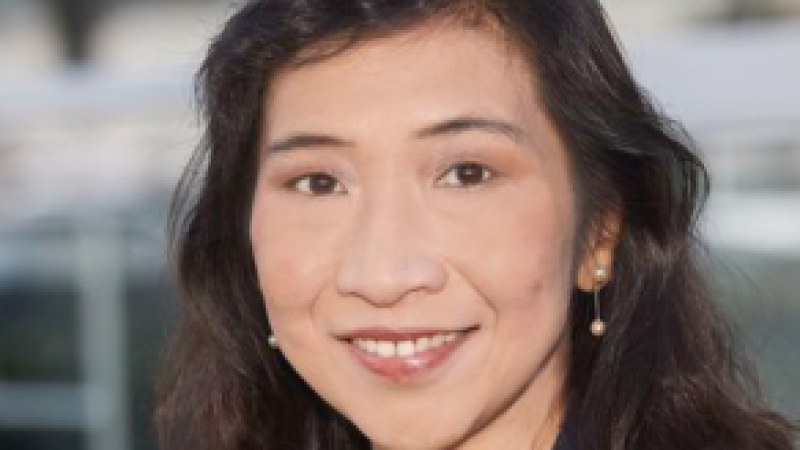
Judy Chou
Dr. Judy Chou is the President, CEO, and Board Member of AltruBio Inc., a clinical-stage biotech company in San Francisco pioneering a first-in-class immune checkpoint enhancer platform targeting PSGL-1/CD162 to treat autoimmune diseases. With over 25 years of experience spanning Bayer Pharmaceuticals, Pfizer, Genentech, and Wyeth, she led AltruBio through a landmark $225M Series B financing in 2024 and is advancing lead candidate ALTB-268 through Phase 2 trials for ulcerative colitis. Recognized as one of Endpoints News' Top 20 Women in Biopharma (2025) and a Most Influential Women in Business honoree (San Francisco Business Times, 2018), she holds a Ph.D. from Yale University and conducted post-doctoral training at the Max-Planck Institute in Germany.
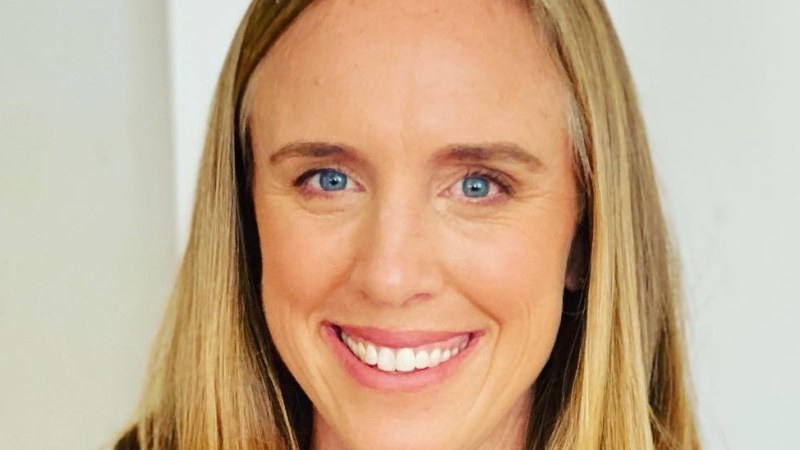
Molly Morse
Dr. Molly Morse is the CEO and co-founder of Mango Materials, a Vacaville, California-based startup that turns waste methane into biodegradable PHA biopolymers. Founding the company in 2010 on the back of her Stanford PhD research, Morse has spent over a decade building a circular bioeconomy solution that converts a potent greenhouse gas into a commercially viable plastic replacement — branded as YOPP pellets. She has won the Postcode Lottery Green Challenge (2012), the C3E Entrepreneurship Award (2018), and was selected as an Unreasonable Fellow in 2022.
Fred Parietti
Fred Parietti (Federico) is the Co-Founder and CEO of Multiply Labs, a San Francisco-based robotics company building automated biomanufacturing infrastructure for next-generation pharmaceuticals. Armed with a PhD in robotics from MIT and a childhood passion for Legos, he bet his career on a contrarian thesis: that the highest-value application for advanced robotics wasn't pizza delivery or self-driving cars, but cell therapy manufacturing — where a single batch is worth $400K to $2 million and still made by hand. Multiply Labs has raised over $25 million and announced an $85 million partnership with Retro Biosciences, positioning itself to slash cell therapy costs by 70% and bring life-saving treatments to millions instead of thousands.