b2b-software
(54)
Amir Ben-Assa Has Spent 30 Years Teaching Factories to See
Before factories could talk about AI agents, Ben-Assa was helping them locate glass carts, mine equipment and missing minutes. His career is a study in making invisible industrial problems legible - and then useful.

Aviram Hinenzon Spent 28 Years Learning Why the Calendar Is Never Just a Calendar
The electrical engineer turned go-to-market chief has spent his career translating complex software into useful moments. At OnceHub, that now means teaching AI when to schedule, when to listen, and when to bring in a human.

Troy Thibodeau Has Spent a Career Making Complicated Software Easier to Buy
Before he marketed software for dealerships, Troy Thibodeau learned to read a balance sheet, navigate tax rules, and translate complexity into a reason to act. His career offers a practical lesson: good marketing often begins far from the marketing department.
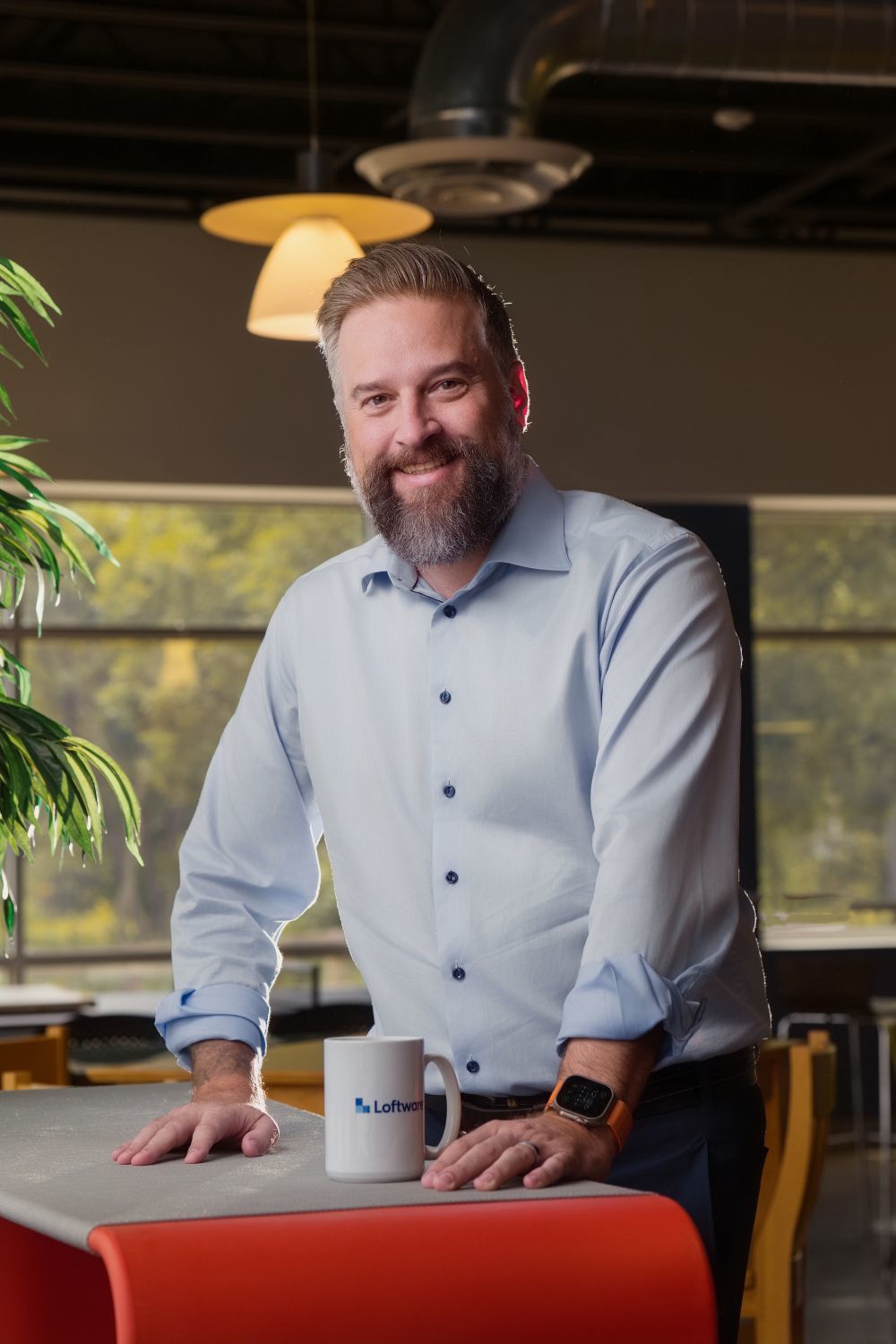
Justin Anovick Wants Product and Marketing to Read the Same Label
After 25-plus years moving from pre-sales to product chief to CMO, Justin Anovick has built a career around a deceptively practical idea: the best strategy begins where customers, products and promises meet.

Leon Leong Has Spent Two Decades Building the Business Between People
Before workplace software became his brief, Leon Leong was building online communities from a 90-square-foot university incubator. Two exits and one Y Combinator batch later, his durable product is a way of turning trust into infrastructure.

Ishaan Makkar Is Running Straight at the Factory Back Office
A physics graduate and national-level distance runner found his next race inside old ERPs, crowded inboxes and the quiet administrative work that keeps industry moving.

Anne-Sybille Pradelles Is Making Money Keep Its Receipts
The Formance co-founder learned how companies grow at cybersecurity startup Alsid. Now she is applying the lesson to a quieter problem: making every dollar in motion explain itself.

Austin Esecson Bet on the Car Wash Subscription - Then Built the Missing Software
The former finance executive chose a gloriously specific market: helping car washes turn one-time drivers into long-term members. Rinsed's growth shows what happens when software follows the customer all the way from the driveway to the renewal notice.

Jared Vishney Found a Business in the Waiting
For a decade, attorneys kept asking Jared Vishney the same question. His eventual answer turned a slow administrative chore into a focused software business - and revealed the value of listening to the request that will not go away.

Eric Krueger Found a Freight Problem Nobody Wanted to Own
A failed software search gave the Minneapolis founder his opening. Now he is trying to make freight's paperwork move as quickly as the freight itself.
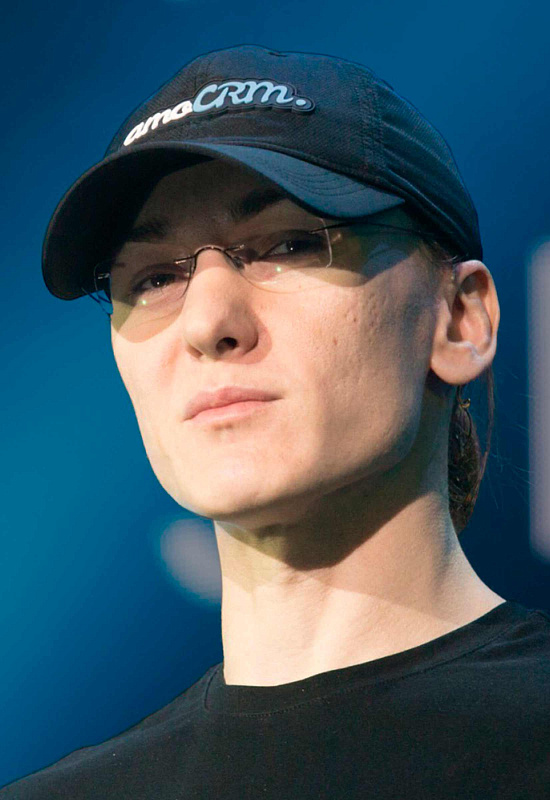
Mikhail Tokovinin Built a CRM by Learning the Unfashionable Art of Selling
Before Kommo became a global messaging CRM, its co-founder had to learn a less glamorous system: pick up the phone, hear no, and keep listening. Mikhail Tokovinin turned that education into software, spectacle, and a blunt philosophy of business.

Pam Mugford Makes the Fine Print Worth Reading
The Messagepoint CMO has spent more than two decades marketing complex software. Her recurring idea is disarmingly simple: every letter, disclosure and digital message is part of the product.

Cameron Page Built a Company Around Construction’s Messiest Paper Trail
A carpenter turned project manager spent a decade watching change orders disappear into email, spreadsheets, and carbon-copy tickets. Clearstory is his attempt to give every company on a job the same live account of what changed, what it costs, and who needs to act.

Ari Bleemer Found a Business in the Cracks Between a Spreadsheet and a Paving Crew
The former Bain consultant chose an industry most software founders barely notice. By listening before selling, Ari Bleemer turned paving's paper trail into OneCrew's product map.

Sylvanus Mahe
Sylvanus Mahe is the co-founder and CEO of Flott HQ (YC X25), an AI-native operating system for vehicle fleet management. A former McKinsey and Datadog operator and AI engineer, he teamed up with high school friend Kanvaly Fadiga after running a car rental side business in Cote d'Ivoire exposed them to the fragmented, spreadsheet-and-WhatsApp reality of running fleets. Flott unifies planning, live GPS and fuel tracking, invoicing, and payments into one control center run by AI agents. The company reached $200k ARR growing 45% month over month, almost entirely through word of mouth.

Sam Blond
Sam Blond is a go-to-market operator turned founder who built his reputation scaling startup sales teams. He was VP of Sales at Zenefits and Chief Revenue Officer at Brex, where he helped drive revenue from near zero to roughly $400M ARR. After an 18-month run as a partner at Founders Fund, he decided investing was not his fit and went back to operating. In 2026 he co-founded and now leads Monaco, an AI-native sales platform for startups, alongside his brother Brian Blond.

Tim Regnier
Tim Regnier is the CEO and co-founder of Smart Access, a frontline performance management software company he started in Edmonton, Alberta in 2015 and now runs from San Francisco. After nearly a decade running retail-tech ventures, Regnier built Smart Access to solve the visibility gap for managers on warehouse, manufacturing, and store floors, turning static SOPs into living documents and pairing them with AI-driven observations, coaching, and analytics. His guiding belief that 'all truth is found on the floor' has shaped a platform used by top retail and logistics enterprises, and the company raised a $12M Series A in 2026.

Tony Sumpster
Tony Sumpster is the CEO of Provar, the Salesforce-focused test automation company, a role he took on in December 2024. A veteran enterprise-software leader with roughly 25 years across corporate, private equity, and venture-backed companies, he previously ran Worksoft and Data Intensity as CEO and led Hewlett Packard Enterprise's largest software business unit as SVP and GM. He is known for turning around and scaling technology organizations and for building teams around diversity, passion, ability, and belief.

Cyril Daloz
Cyril Daloz is the founder and CEO of iObeya, a French enterprise software company that digitizes the Japanese lean concept of the Obeya, a visual war room, so distributed teams can run their planning, brainstorming and problem-solving rituals on shared virtual boards. After two decades in enterprise IT and a first company, KAP IT, Daloz spotted the idea in 2011 while helping PSA Peugeot Citroen digitize its physical visual-management rooms. He has since grown iObeya into a platform used by large manufacturers, banks and aerospace and defense organizations, raising $17 million in Series A funding and opening offices across Europe, Asia and the United States.

Daniel Chait
Daniel Chait is the co-founder and CEO of Greenhouse Software, the New York-based recruiting platform he started with Jon Stross in 2012 to help companies make hiring a competitive advantage. A University of Michigan computer engineer who spent more than a decade as a software consultant and previously co-founded the investment-banking tech firm Lab49, Chait built Greenhouse around the idea of 'structured hiring.' He is co-author of the book Talent Makers, a frequent conference speaker, and a vocal commentator on how AI is reshaping recruiting - including his warning about an 'AI doom loop' flooding both job seekers and employers.

Ed Stevens
Ed Stevens is the founder and CEO of Scoot, a Dallas-based platform that positions itself as an AI sales environment where buyers, sellers, and live AI agents meet in real time. A serial entrepreneur with more than 25 years in retail and software, he previously founded and led the ecommerce fulfillment company Shopatron (acquired by Vista Equity Partners in 2015) and served as COO of Kibo Commerce. Scoot began life as Preciate, an appreciation and relationship platform, before rebranding and raising a $12M Series A in early 2023. Stevens is also an author, board member, and investor.

Gabriel Pinchev
Gabriel Pinchev is the founder and CEO of FieldPulse, a Dallas-based field service management software company he started in 2015 to help HVAC, plumbing, electrical, and other trade contractors run their businesses from a single app. An outsider to the trades who studied at SMU's Cox School of Business, he built FieldPulse into a platform used by thousands of service businesses, raising roughly $79 million across Series A through C, including a $50 million Series C in August 2025 led by Fulcrum Equity Partners. He is known for staying close to customers, talking with contractors daily, and pushing the company into AI-powered tools like Operator AI and Chat AI.

Manlio Carrelli
Manlio Carrelli is the Chief Executive Officer of Stensul, the New York based marketing creation platform that helps enterprise teams build governed email and landing page campaigns at scale. Appointed in May 2026, he arrived from CB Insights, where he led the AI predictive intelligence company and launched one of the industry's first AI agent workforces. With roughly two decades leading consumer and enterprise software companies - including revenue leadership at LivePerson and product and marketing roles at Intermedia - Carrelli has built a career at the intersection of AI, growth, and go-to-market. At Stensul he is focused on a single idea: as AI floods the enterprise with content, governance and compliance are no longer optional.

Michael Speranza
Michael Speranza is the CEO of Kantata, the professional services automation software company formed in 2022 from the merger of Mavenlink and Kimble Applications. A Rensselaer-trained electrical engineer who began his career at NASA's Jet Propulsion Laboratory before pivoting to Deloitte Consulting and then a two-decade run inside private equity backed software companies, Speranza has specialized in scaling mid-market B2B software firms from roughly $100 million toward $1 billion in revenue.
Reed Overfelt
Reed Overfelt is the Chief Executive Officer of Black Tiger, an AI-powered master data management and governance platform. He is a career enterprise-software operator with roots at Microsoft, later leading growth at Aurea Software, running Redwood Software as Group CEO, and steering ventures including FEV Tutor and GAN Integrity. He argues, publicly and often, that master data is the foundation of enterprise AI.

Sal Sferlazza
Sal Sferlazza is the co-founder and CEO of NinjaOne, the Austin-based IT and endpoint management platform valued at $12.3 billion in June 2026. A serial entrepreneur, he built and sold four previous companies (Realm Interactive, Lasso Logic, PacketTrap, Anchor) before launching what was originally NinjaRMM in 2013 with his childhood-camp friend Chris Matarese. NinjaOne is profitable, debt-free, and still majority-controlled by its founders.
Thibaut Machet
Thibaut Machet is the CEO and co-founder of PlayPlay, a video creation platform that lets marketing, HR and communications teams turn text and raw clips into polished branded videos without editing skills. He started it in 2017 after six years running social media at Eurosport, grew it to roughly 240 employees across Paris, New York and Berlin, and raised a $55M Series B in 2022 led by Insight Partners. He now runs the company from New York, where he moved to build out the US business.

Vinay Patankar
Vinay Patankar is the co-founder and CEO of Process Street, an AI-powered workflow and compliance operations platform used by thousands of companies to run recurring checklists, onboarding, and standard operating procedures. A three-time founder and Y Combinator alum (W15), he was the youngest Cisco engineer in Australia at 16, left Sydney at 24 with a copy of The 4-Hour Workweek, and spent roughly a decade as a digital nomad building remote-first businesses before Process Street. The company has raised about $15M from Accel, Salesforce Ventures, and Atlassian and has been remote since day one.
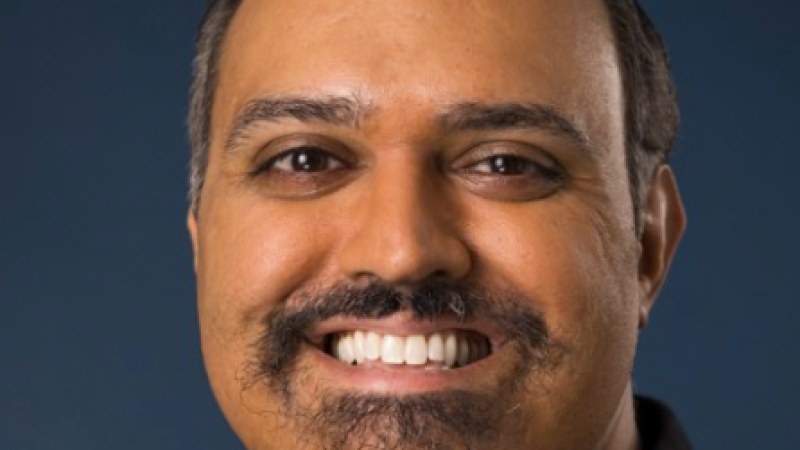
Vishal Sunak
Vishal Sunak is a Boston software founder best known for co-founding LinkSquares in 2015 and running it as CEO for a decade, building an AI-powered contract-management platform for in-house legal and finance teams that raised roughly $161 million and grew to around 450 employees. Born in Brazil to Indian parents and raised in Rhode Island, he trained as an engineer, worked on military RF electronics, and cut his teeth in Boston B2B software at Backupify and InsightSquared before starting LinkSquares. He stepped back from the CEO role in early 2025, stayed on as a founding board member and advisor, and is now building a new, largely stealth venture called Joyride (joyride.ai).

Eric Holmen
Eric Holmen is the CEO of Revenue Grid, an AI-powered revenue intelligence and sales engagement platform. Over a nearly 30-year run in marketing technology, he has served as CEO, CRO and CMO for fast-growing SaaS companies including Splash, Silverpop, Airship, SmartReply and Ortto. He is known for scaling go-to-market teams, doubling Splash's business through the pandemic, and advising startups and private equity and venture investors on operational execution. A self-taught childhood programmer turned operator, he holds three marketing patents and blends design, data and empathy in how he builds teams.