angel-investing
(93)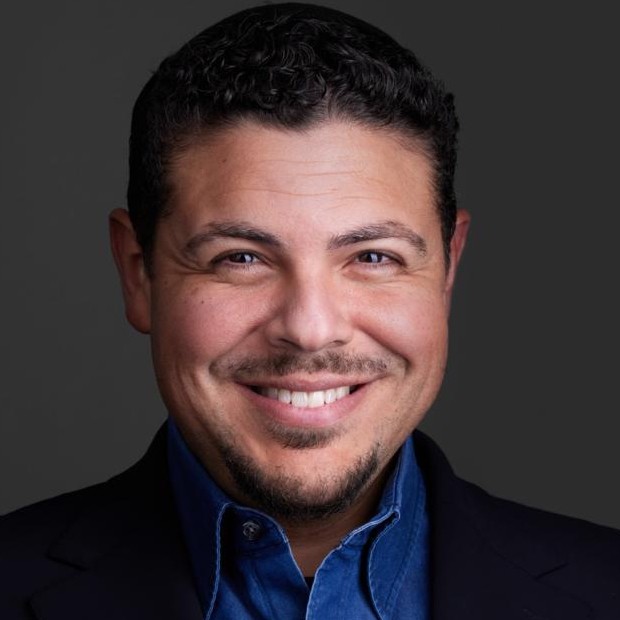
Clark Valberg and the art of the unfinished idea
Before InVision reached millions of users, Clark Valberg wanted a better conversation with his clients. His career keeps returning to the same question: how do you give an idea room to change?
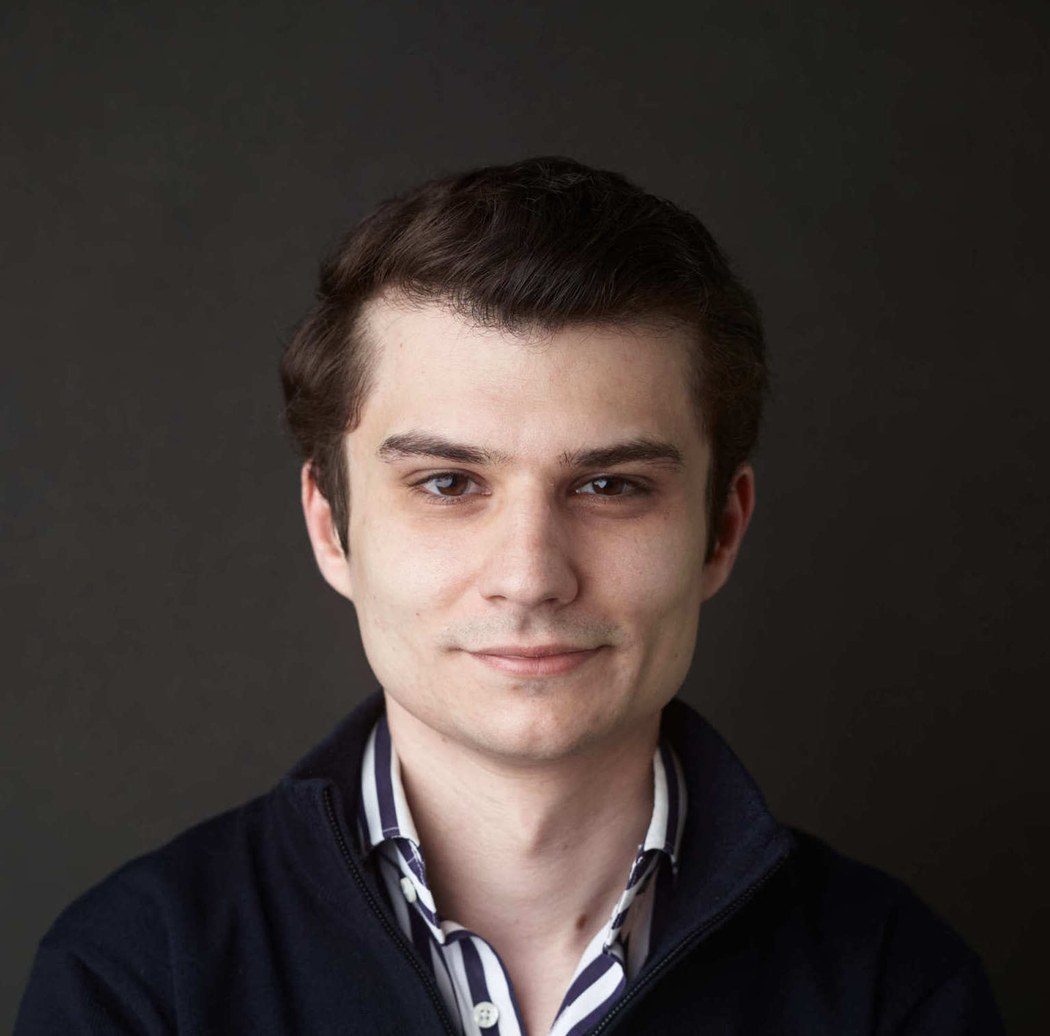
Alex Craciun and the business of coming back
Before co-founding Prive, Alex Craciun delivered groceries and worked on subscriptions at Uber. After selling the company to Recurly, he returned to building merchant software at DoorDash.

Allison Byers and the meeting before the money
A failed fundraising round sent Allison Byers looking for answers. Now the Scroobious founder is building a place where overlooked entrepreneurs can meet their supporters before anyone asks for a check.

Genna Keller and the importance of the small stuff
A department-store gift wrapper became an agency founder, then helped build a new route to funding for women entrepreneurs. Genna Keller’s career keeps returning to the details that make a business relationship work.
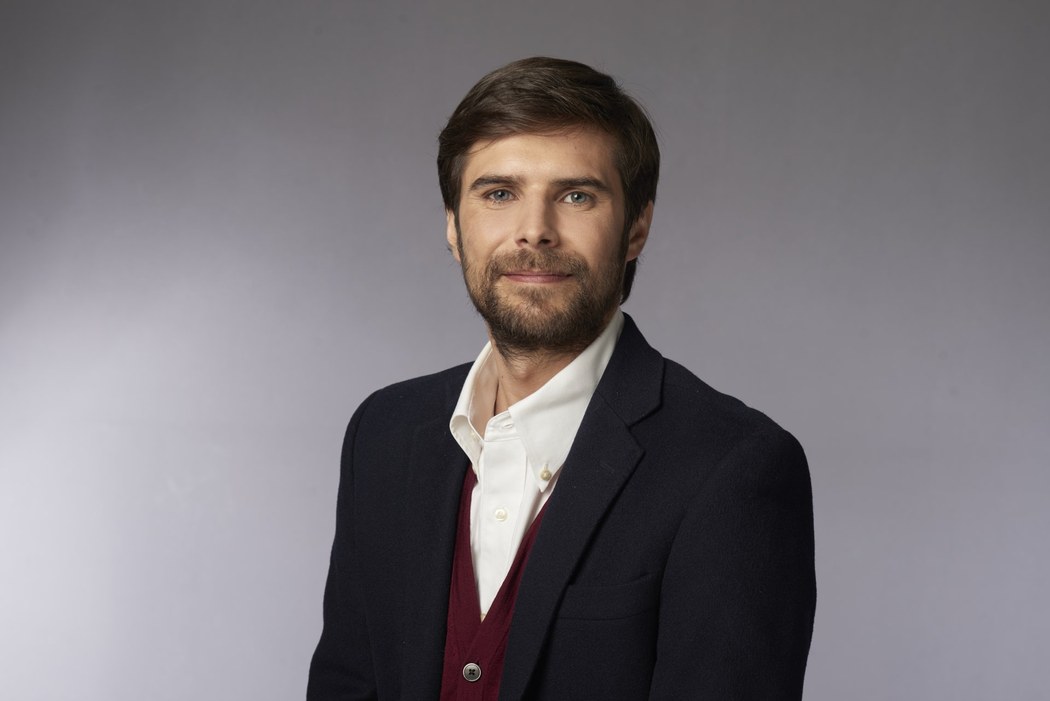
Andrés Lawson and the work behind the click
Before Osana, Andrés Lawson helped sell fashion online and build the machinery that let other brands follow. His career keeps returning to a deceptively ordinary question: what has to happen for a promise to reach a customer?
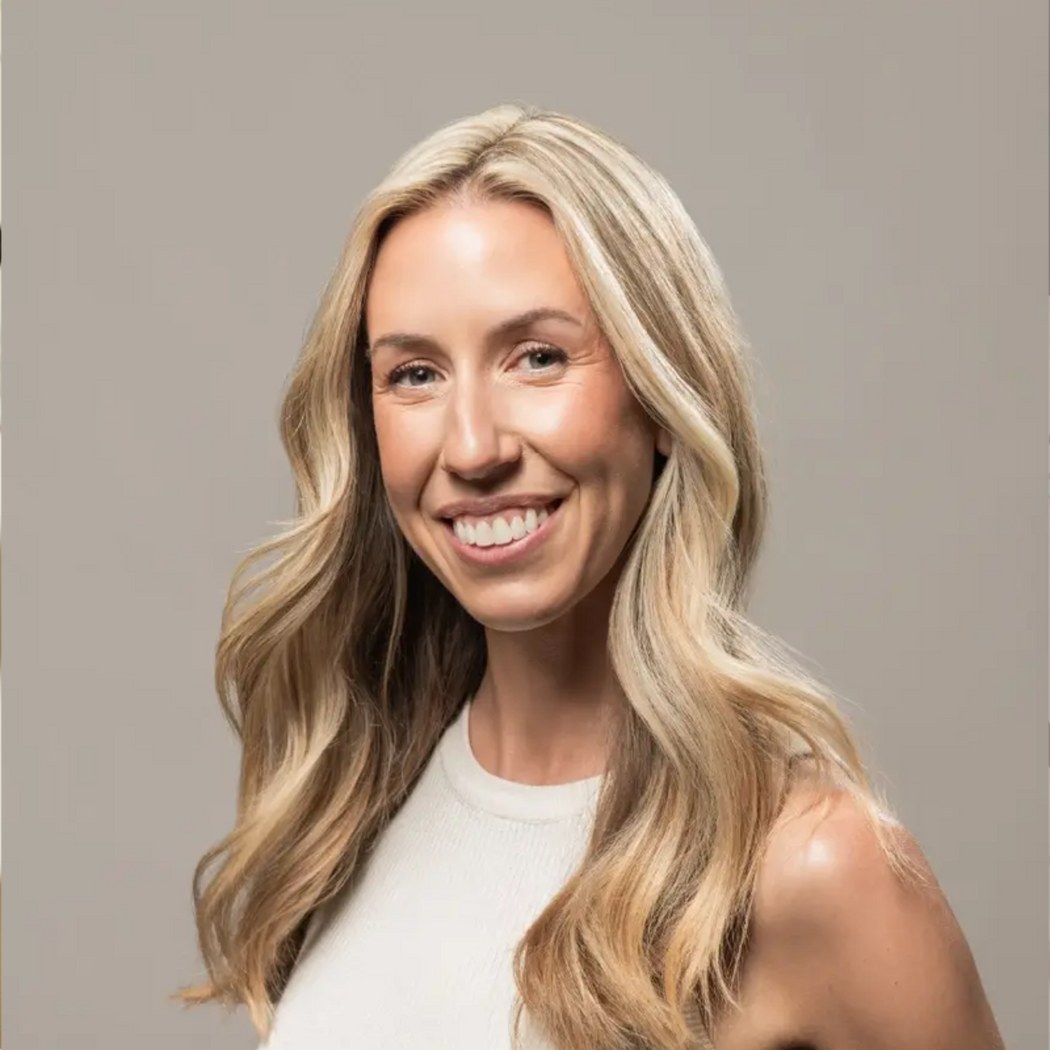
Lindsay Nahmiache and the business that brought her back
A job search that went nowhere led Lindsay Nahmiache to build Jive PR + Digital. Selling the agency gave her an exit; buying it back gave her a different idea of what she wanted from it.
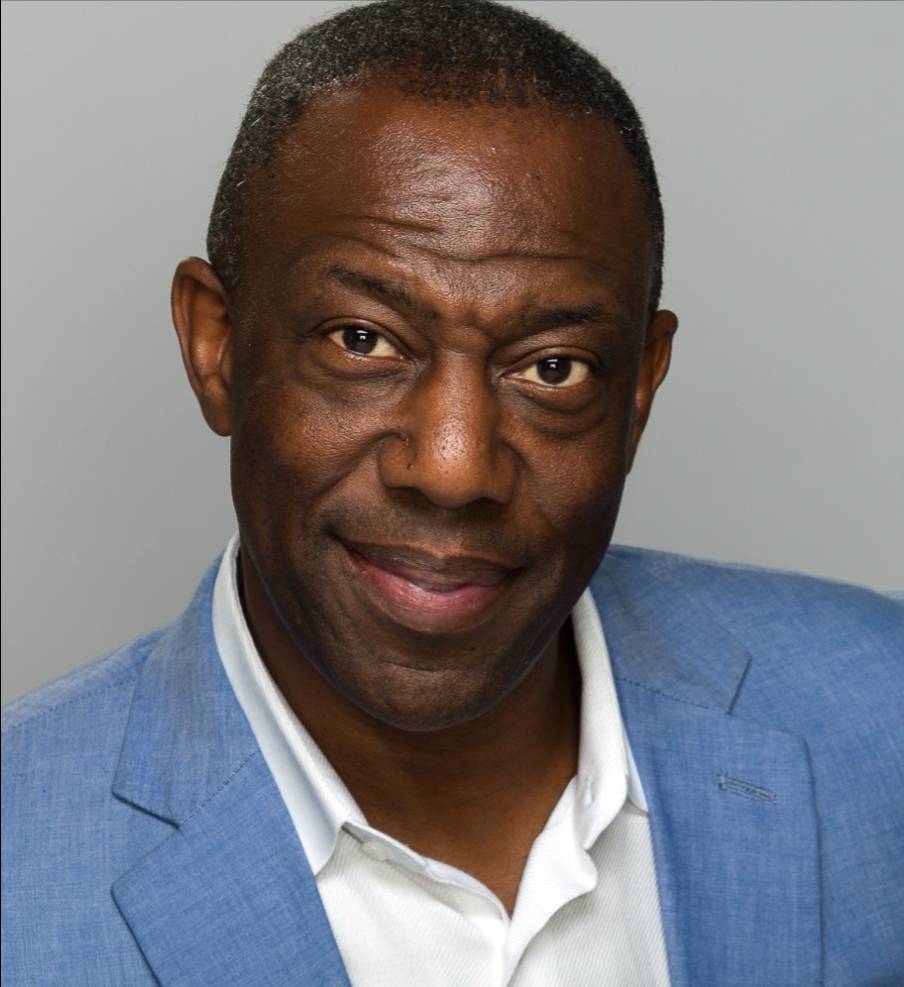
Preston James and the room with a hundred mentors
After two decades at Dell, Preston L. James II found himself asking why so few people in Austin’s startup rooms looked like him. DivInc grew from that question. His next chapter is about who gets to own what comes next.

Larry Rosenfeld and the Call That Gets Returned
For nearly five decades, Larry Rosenfeld helped technology companies explain themselves. The Sage Communications co-founder built his career around a deceptively demanding skill: understanding the people on the other end.

Dan Morgan and the business of making things add up
A Christmas-lunch spreadsheet offers a clue to Dan Morgan’s working life. From consulting and an Oxford agency to Concep’s buyout and sale, his career follows the practical work of turning information into decisions.
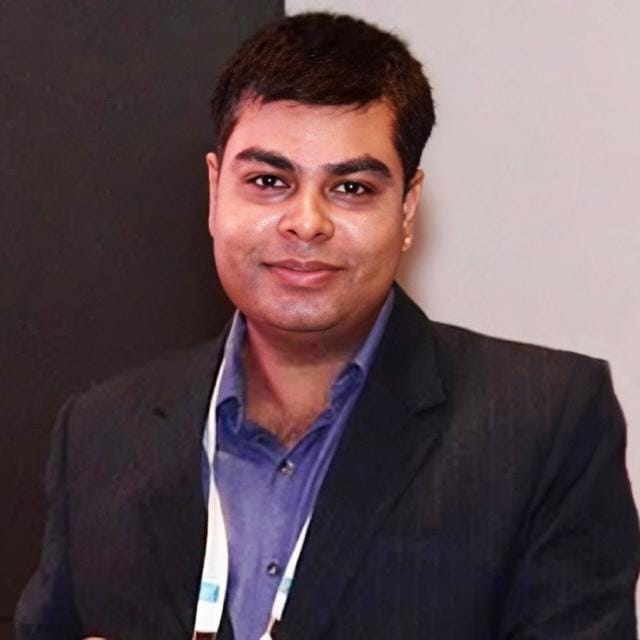
Shishir Gupta and the business of getting started
Before StartupLanes, Shishir Gupta had three ventures that failed in a single year. His next enduring idea was to help other founders find the guidance, connections and capital he had once needed.

Halle Tecco and the power of keeping score
She turned Shark Tank into a spreadsheet and a rejected job search into Rock Health. Halle Tecco keeps finding ways to make the rules easier for the next person to read.
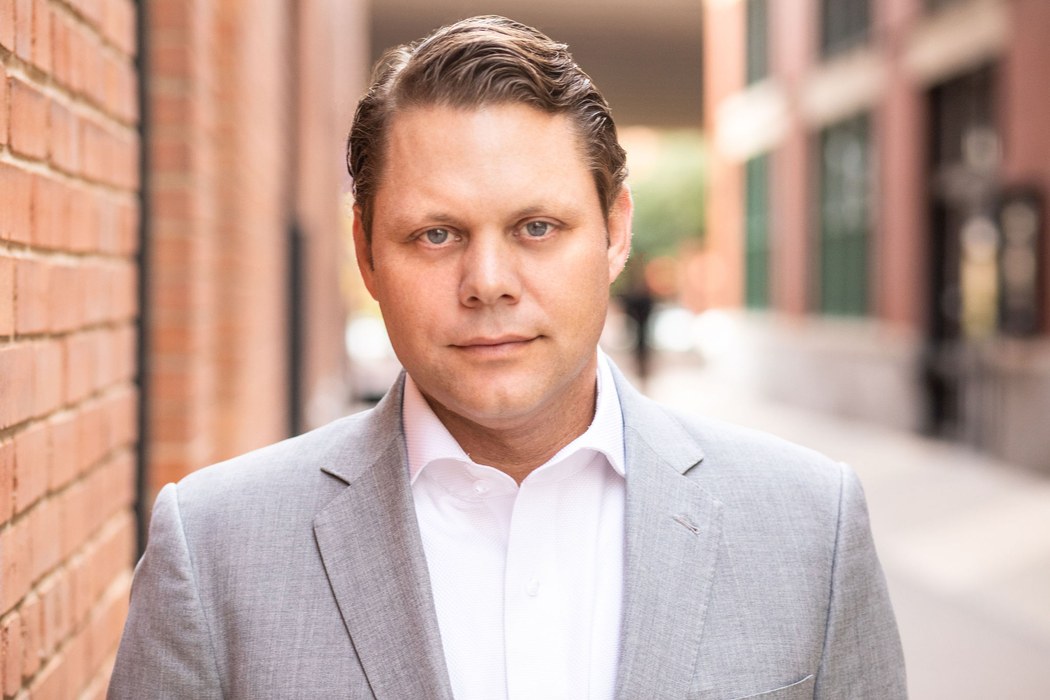
Trey Bowles and the business of showing up
He helped give Dallas entrepreneurs a place to gather. Now The DEC Network’s co-founder is testing how much further a founder can go with someone else at the table.
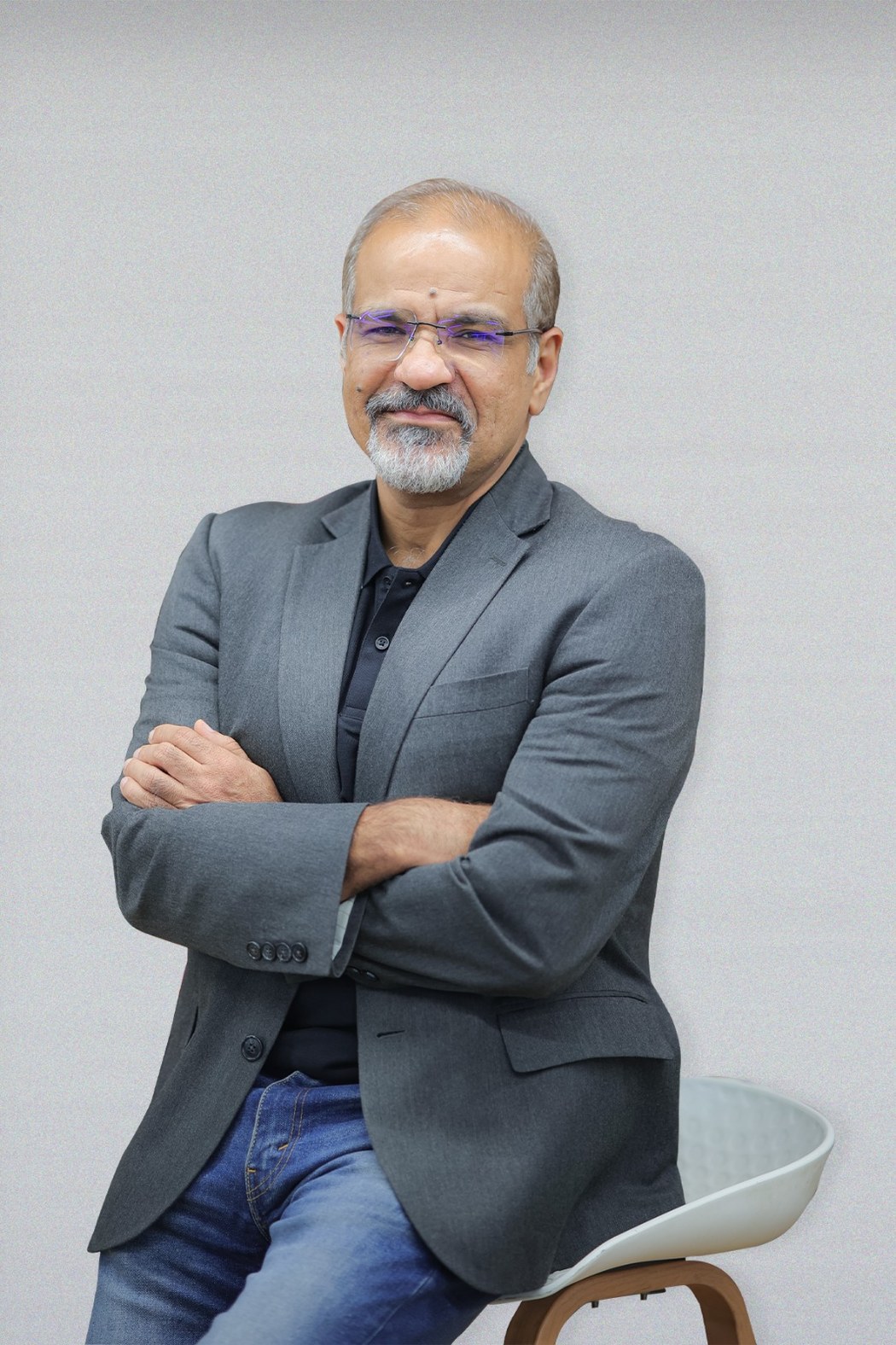
Ashish Bhatia and the business of learning the hard way
After a career in corporate technology, Ashish Bhatia discovered how much he still had to learn about startups. India Accelerator grew out of that uncomfortable education.
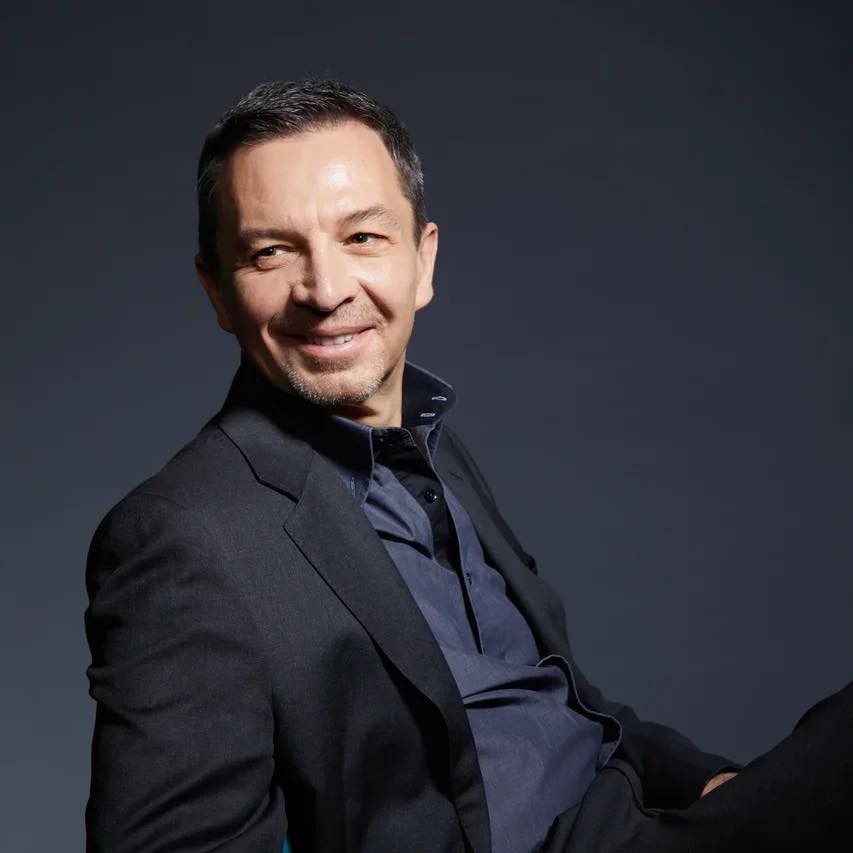
Oleg Tumanov and the price of pressing play
He left banking to build Ivi in a market accustomed to free films. The harder part was learning what would make people pay - and when to start composing something else.

Tom Walker and the value of the backyard
Tom Walker built Rev1 Ventures around a practical idea: a region's next companies need the customers, expertise, and capital already close at hand. Now at R1 Capital, he is carrying that approach into a new chapter.
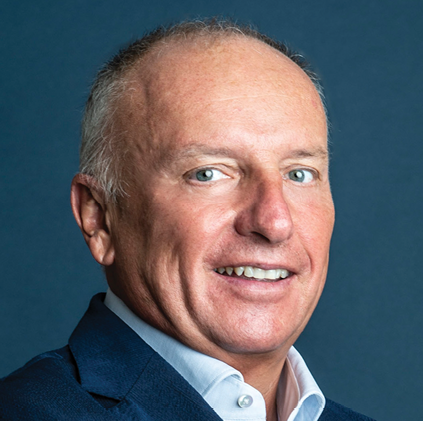
Giampiero Rinaudo and the distance between a stopwatch and a screen
He wanted to time ski races. Instead, Giampiero Rinaudo spent 35 years helping Deltatre carry sport from the field to the screen. His next chapter starts with listening.
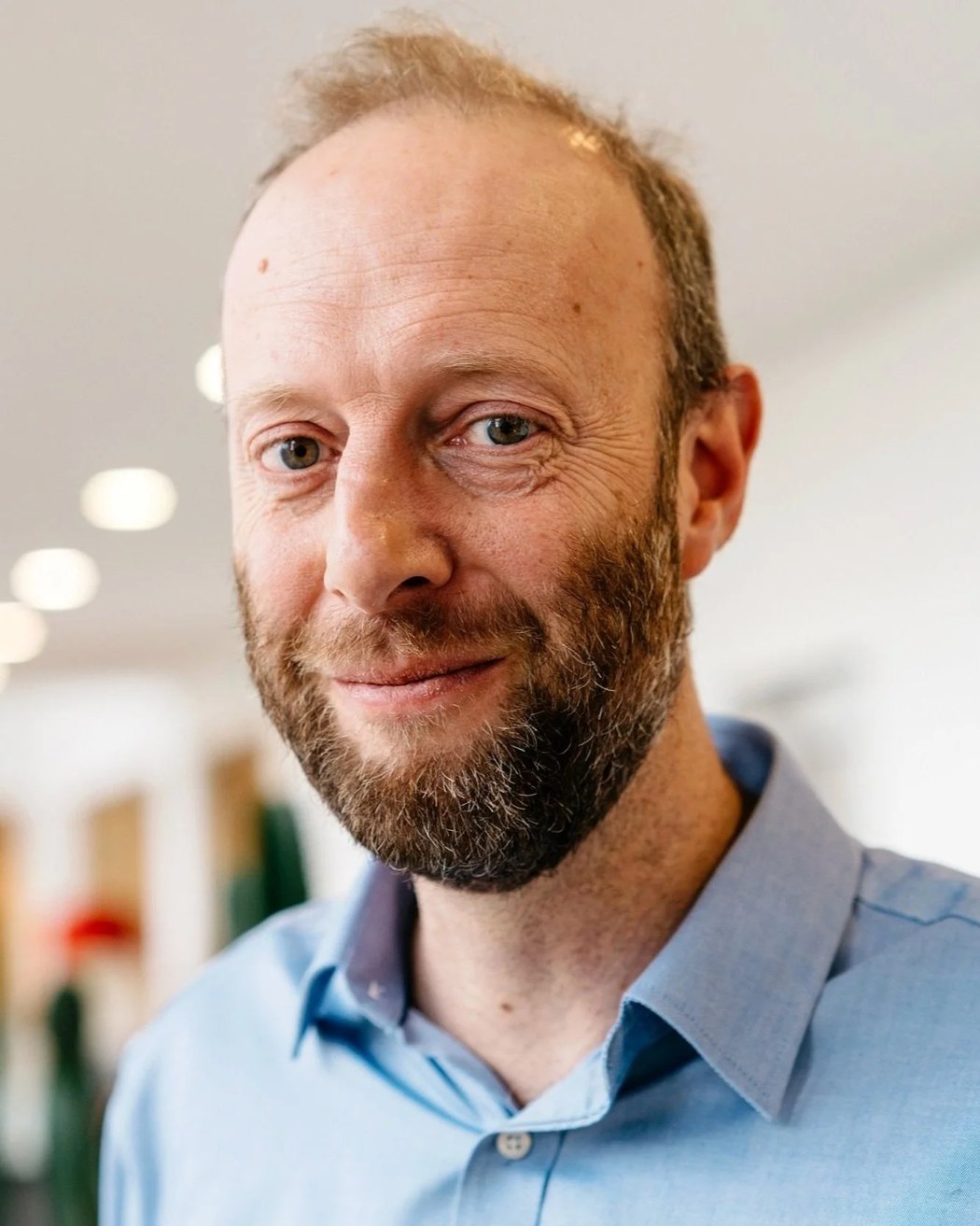
Simon Galbraith and the fine art of being wrong
A failed brainstorm helped Simon Galbraith find Redgate’s direction. Across two decades of database software, his recurring task was learning when somebody else had the better answer.
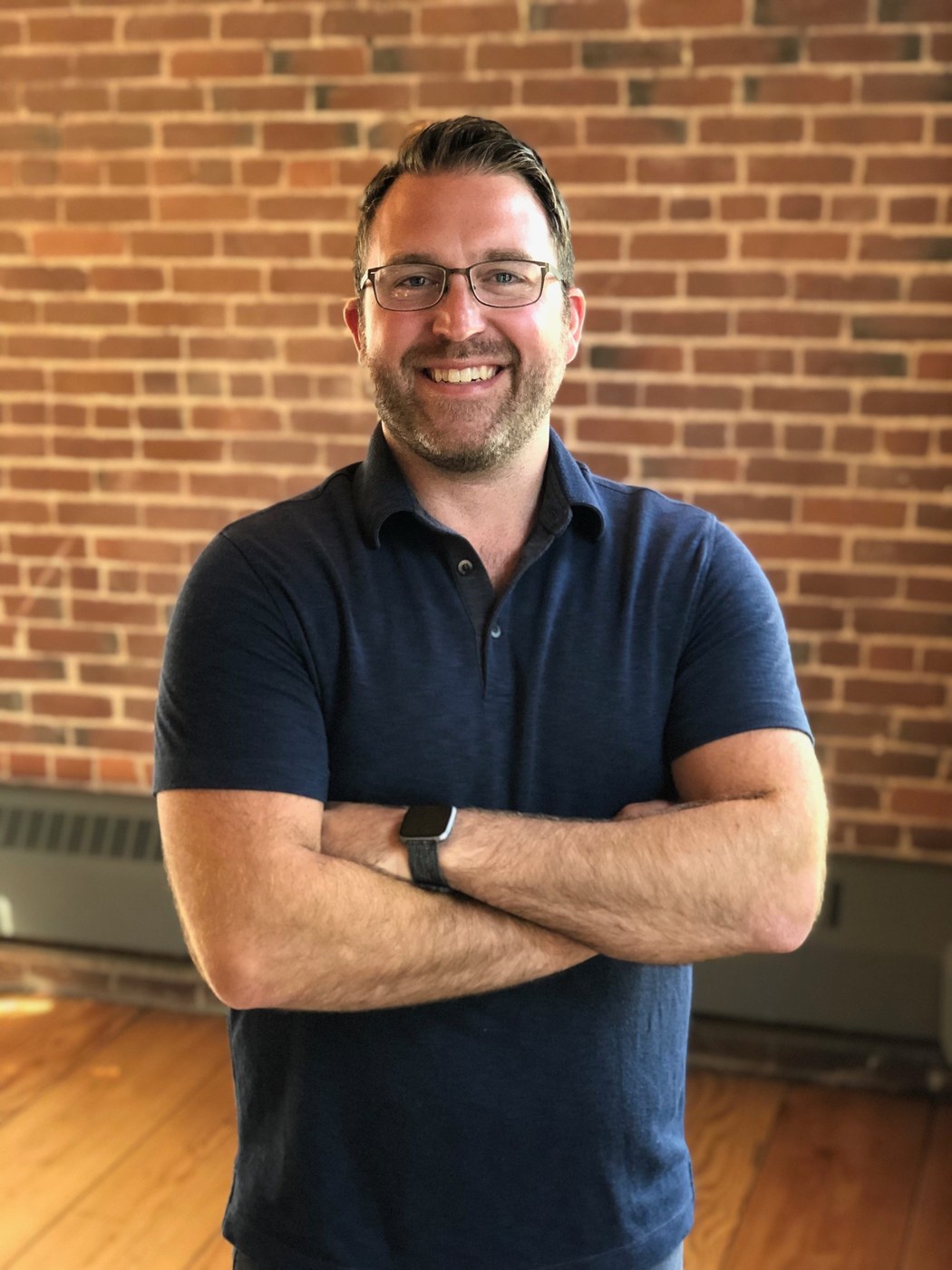
Kyle York and the business hidden inside the sporting-goods store
Before Kyle York helped grow Dyn to $100 million in annual recurring revenue, he learned business in his parents’ Manchester shop. At York IE, those lessons still shape how he backs founders, builds teams and thinks about who gets to keep the upside.

Steve Millaway and the Art of Staying Put
He left Panama City to design chips in Arizona. After coming home, Steve Millaway began building the workshops, funding connections and gathering places that might let the next generation of engineers stay.

Wendy Chen and the half-life of a good decision
Wendy Chen went from quantitative trading to angel investing to building Omnistream. Her next calculation concerns something closer to home: what belongs on the shelf of your local shop.
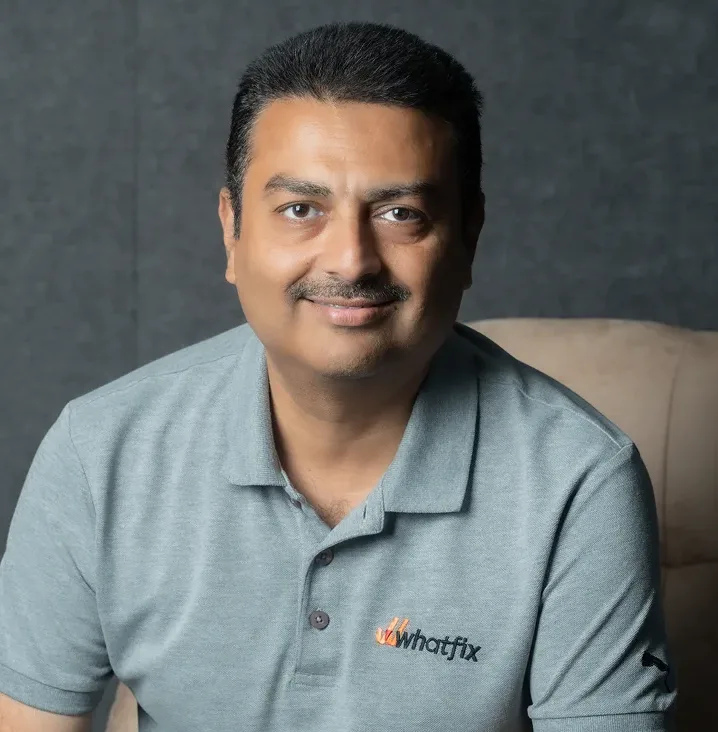
Khadim Batti and the button that outgrew the business
He set out to help small businesses get found online. The feature customers actually wanted sent Khadim Batti and Vara Kumar in another direction: helping people find their way through software.
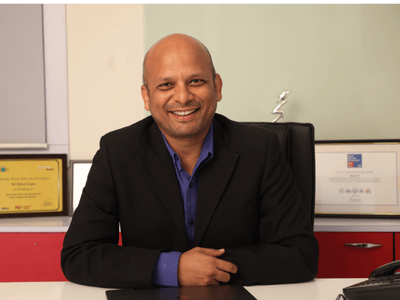
Vishal Gupta and the trouble with letting go
He built Seclore around a stubborn question: what happens to your information after you give it away? His own journey led from an IIT Bombay thesis to global enterprise software, then to handing over the CEO chair.
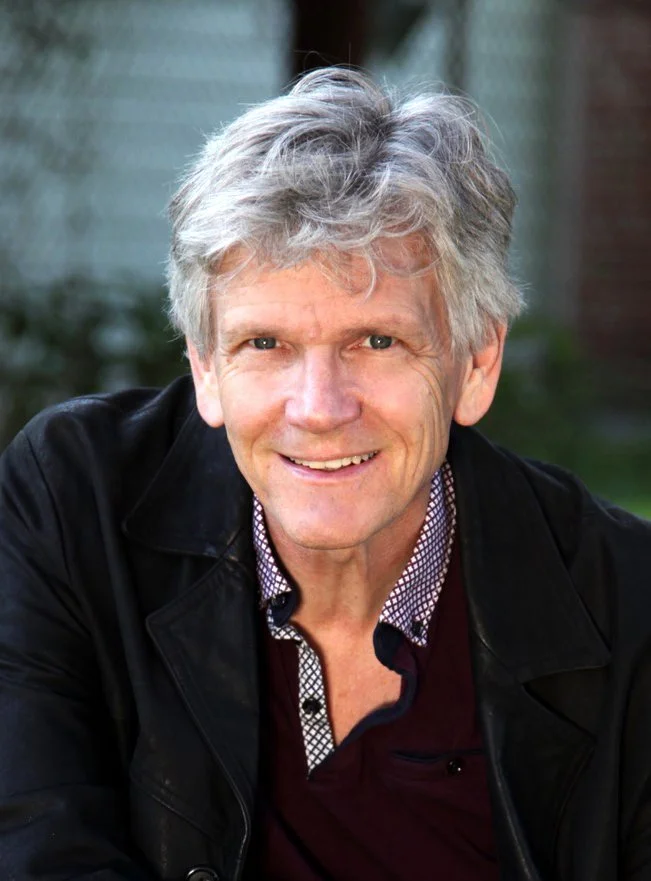
Christopher Seiwald and the art of staying put
He built Perforce to help programmers work together. After selling the company, Christopher Seiwald kept building in Alameda - this time with a chef, artists, and a waterfront stage.

Ziad Moukheiber and the case for pressing record
After selling his IT business, Ziad Moukheiber turned to backing founders. A forgotten recording, a classroom conversation in French, and an appetite for difficult questions help explain how he approaches the job.

Sandi Gilbert and the business of second acts
Calgary has founders looking for help and business veterans with experience to spare. Sandi Gilbert has spent years working on the introductions - and on the machinery that lets private capital follow.
Randy Williams and the value of a second opinion
He had made his money in real estate. To invest beyond it, Randy Williams built Keiretsu Forum around a practical admission: other people knew things he did not.
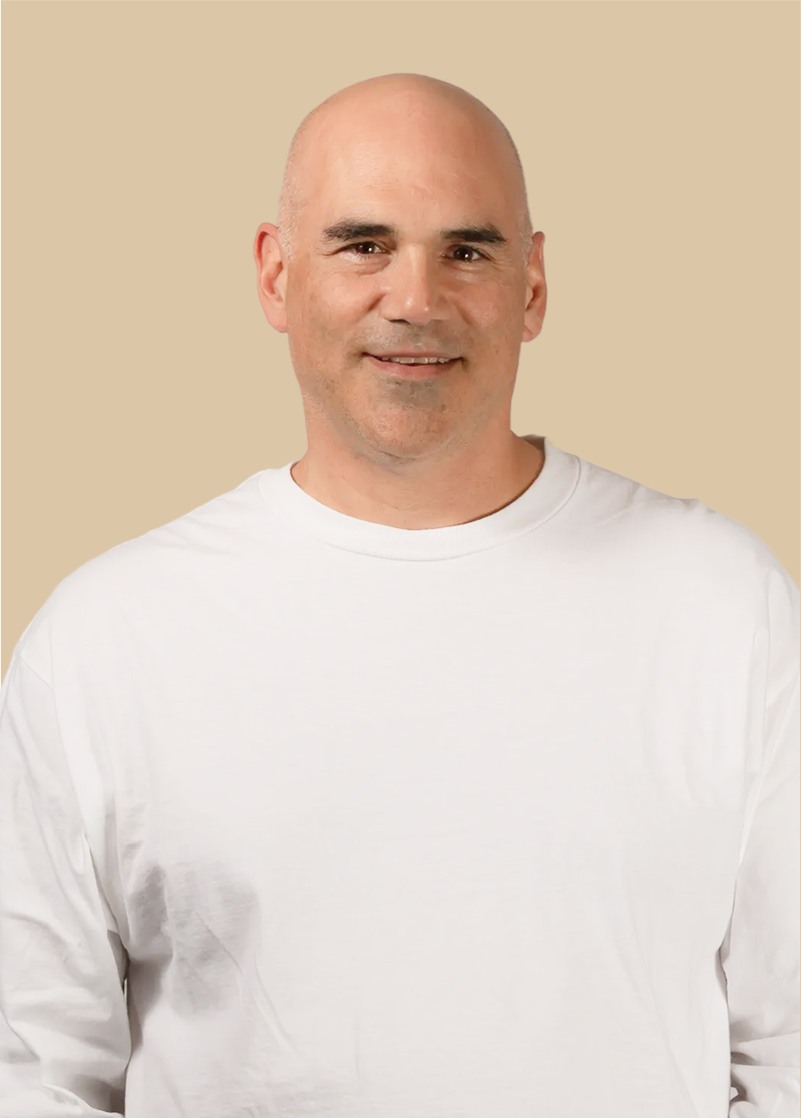
Marc-Antoine Cantin and the business of showing up
He bought a stove company with his brother in 1999. Now, at Anges Québec, Marc-Antoine Cantin is putting decades of operating experience behind a different kind of investment: time spent with entrepreneurs.

Pat Gouhin and the education of an angel
An aerospace engineer found his next assignment among startup investors. At the Angel Capital Association, Pat Gouhin is helping a profession built on experience decide what it can teach the next person through the door.

Brian Raney and the permission to try
A college textbook venture led Brian Raney into software. The harder problem was finding other founders in Lexington - so he and his friends started building the places where they could meet.
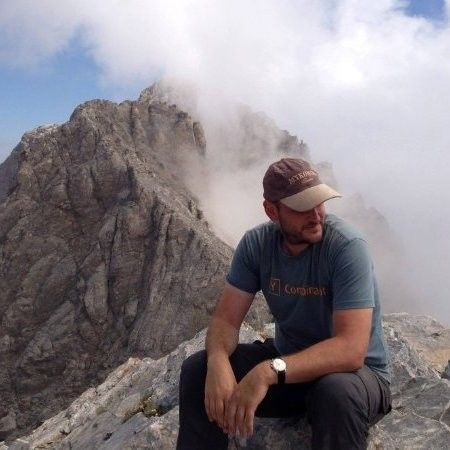
Nicholas Tommarello and the four-year wait for a $100 idea
He wanted to invest in his friends. Building Wefunder meant changing the rules, waiting for them to arrive, and learning how much a small check can carry.