talent-acquisition
(47)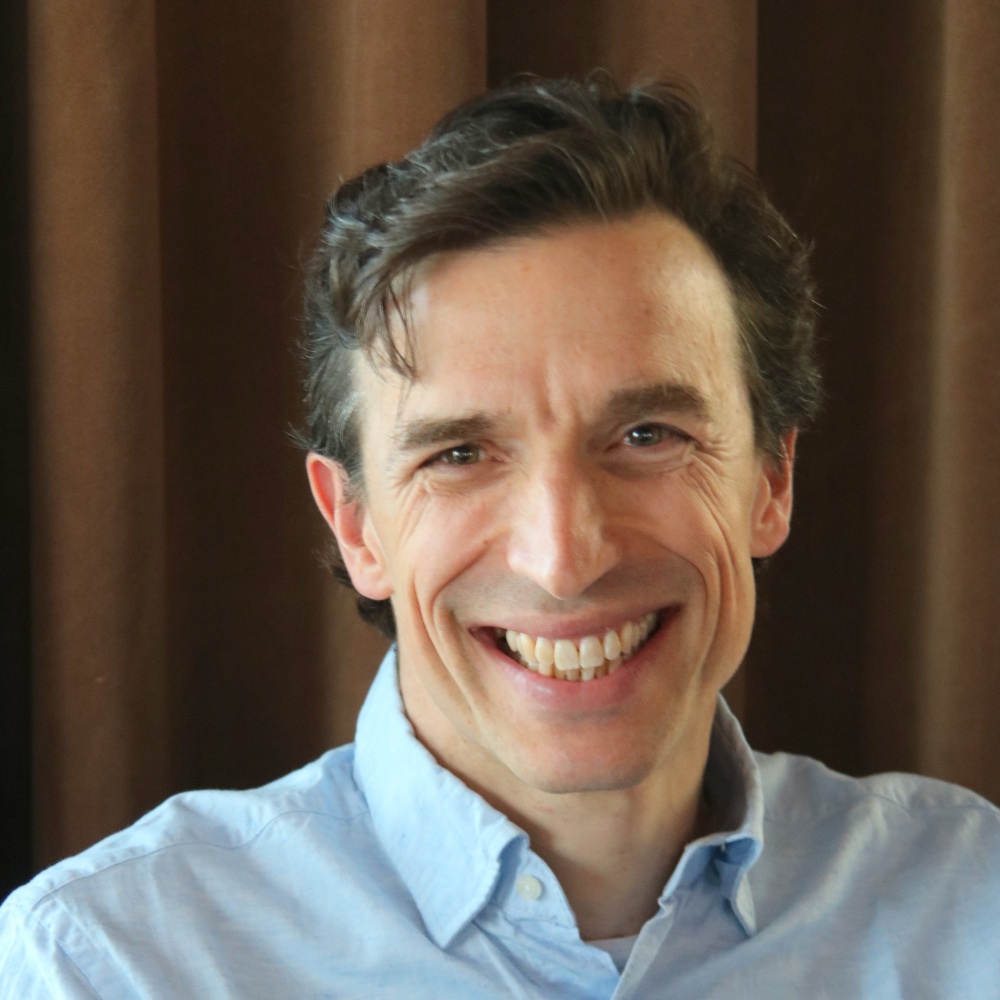
Charles Hipps and the problem of the perfect CV
Charles Hipps started building recruitment software in 1995. Three decades later, the Oleeo founder is asking what happens when every application looks impressive - and who should make the decision that follows.
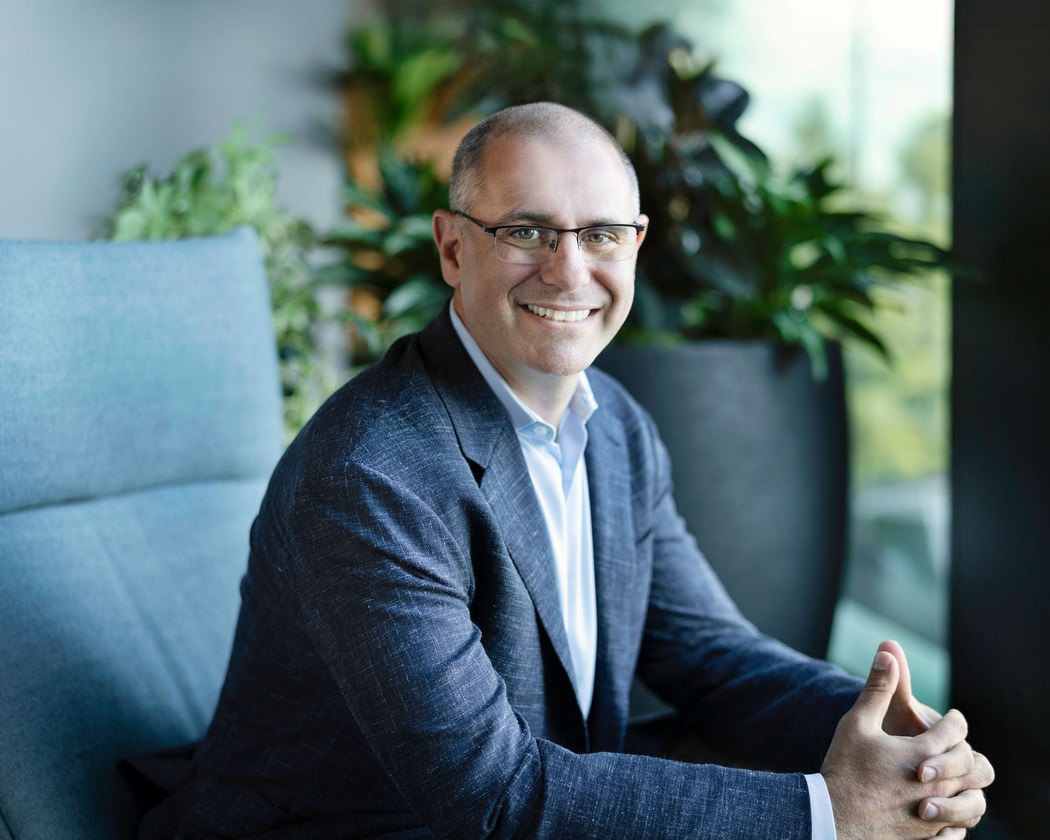
Daniel Shapero and the advantage of starting over
Before he became LinkedIn’s CEO, Daniel Shapero traded a sales leadership job for a beginner’s place in product. His career makes a case for taking your ambition seriously enough to change direction.
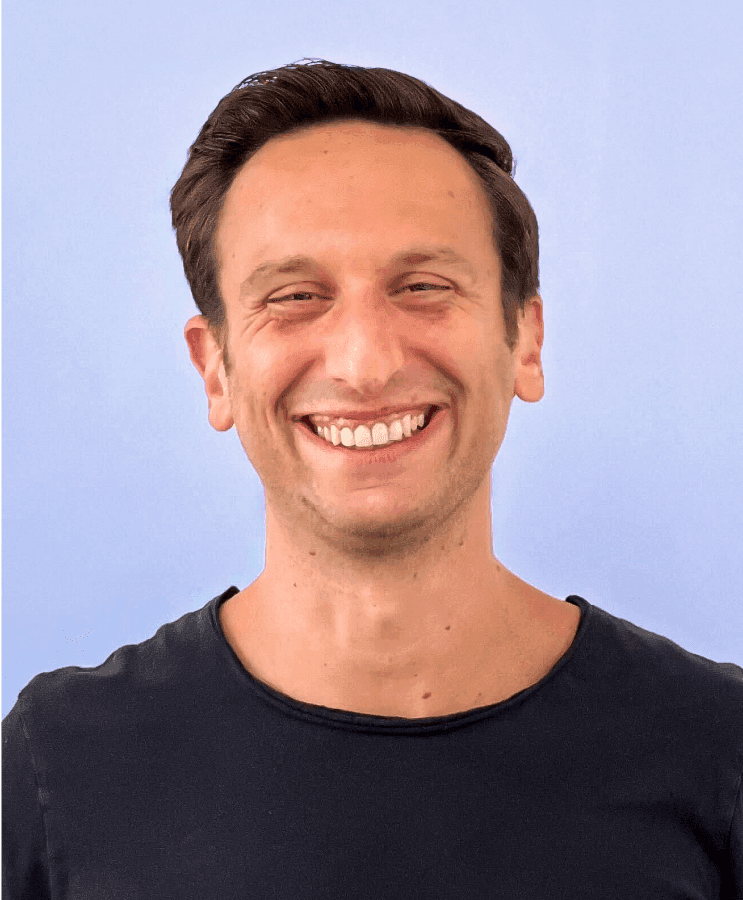
Andres Blank and the trouble with finding people
Before he built Fetcher, Andres Blank sold lumber in Venezuela and helped turn scattered photographs into Pixable. Hiring for his own companies gave him the problem he would spend the next decade trying to solve.

Greer Stevenson and the conversation that became a career move
A grand jury term brought Greer Stevenson and a future Figma colleague together. Now Clay’s Founding Sourcer is building a sourcing engine after four years of recruiting at Figma.
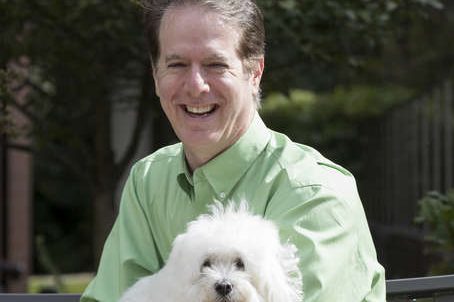
Rich Milgram Sold the Name and Kept the Company
The Nexxt founder made an entrepreneurial trade worthy of a parable: he gave up Beyond.com, the name he had once stretched to afford, so the company and its people could remain his responsibility.
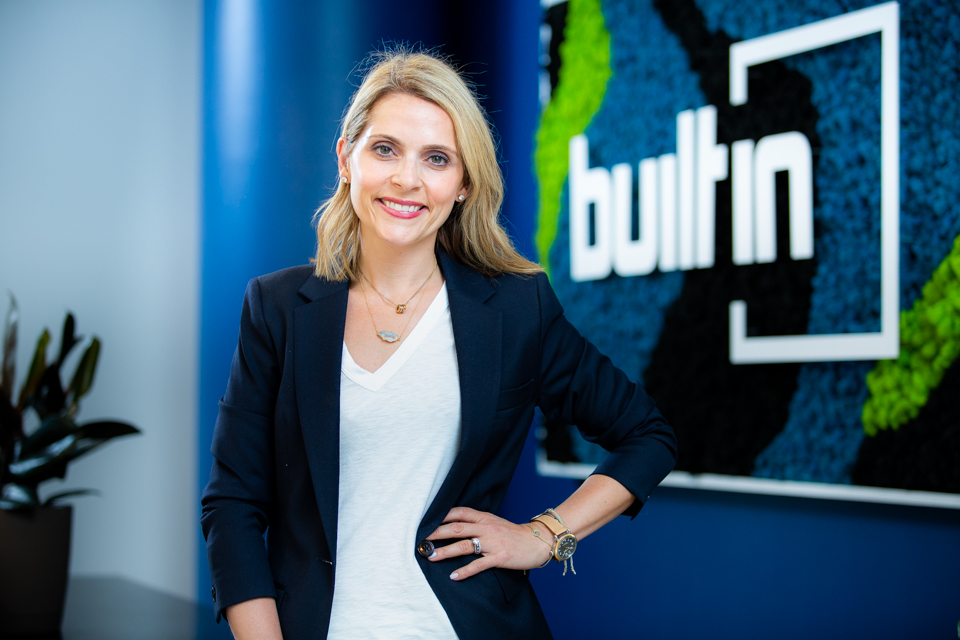
Maria Katris Learned the Future of Work Behind a Pharmacy Counter
Before Built In connected millions of people with tech companies, Katris learned business at her parents' neighborhood pharmacy: know the community, mind the details, and build something worth caring about.

Mark Chaffey and the Applicant Who Never Applied
He spent a decade persuading companies to approach overlooked technical talent. Now the hackajob co-founder is betting that an AI agent can repair a hiring market in which applications are plentiful, attention is scarce, and trust has become the rarest qualification.
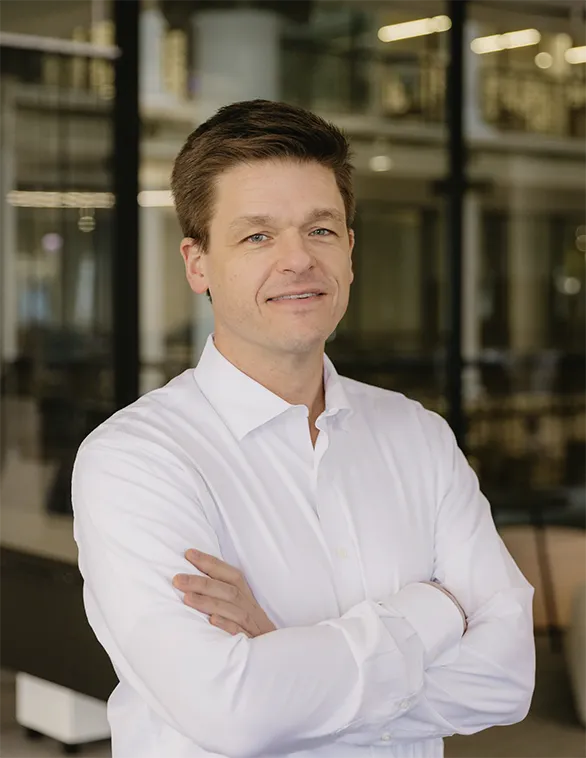
Adam Robinson Put the Job Interview on Trial
For more than two decades, the Hireology co-founder has argued that hiring should be a discipline rather than a hunch. The wager has carried him from a classroom business plan to a national recruiting platform - and into a new argument about what AI should leave to humans.

Jacob Miller Left the Job He Wanted - Then Discovered He Had Already Found It
Ashby's first go-to-market hire left in pursuit of another zero-to-one adventure. His return reveals a quieter truth about ambition: sometimes the next frontier is waiting inside the place you already know.
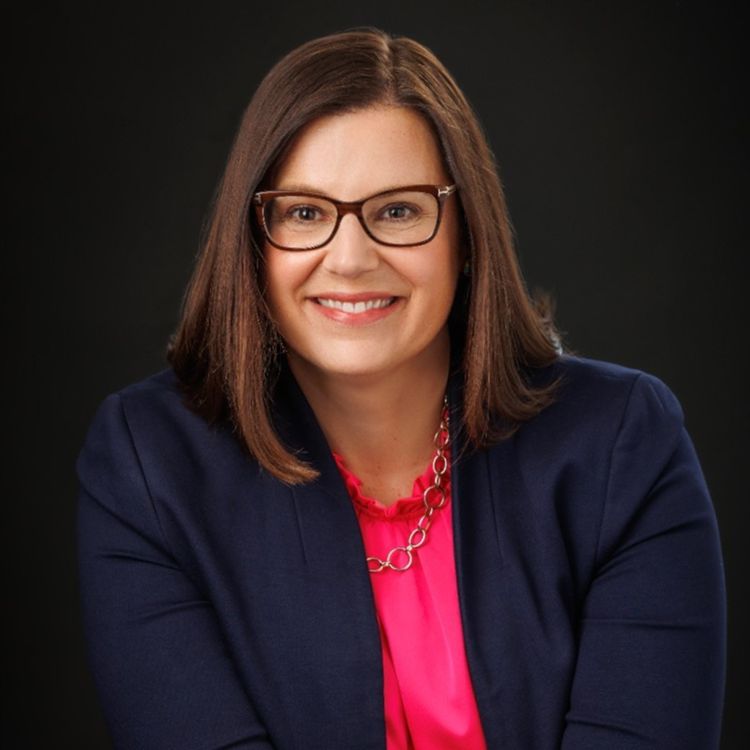
Amanda Hahn Spent Her Career Removing the Friction From Hiring
She started recruiting in her teens, learned the machinery from inside, then spent years making hiring technology legible. Amanda Hahn’s career is a study in what happens when the marketer has actually done the work.
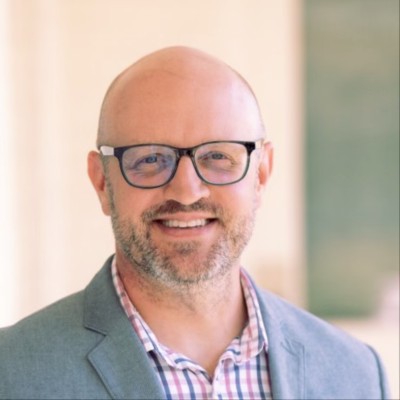
Ryan Medine Took the Side Door Into Marketing - Then Learned to Open It for Brands
Before he marketed AI-assisted hiring, Ryan Medine balanced budgets, mixed records and sold toys. The unlikely route became his advantage: he learned to make complicated products feel clear, useful and human.

Celia Bozsum Is Making the Hiring Machine Speak Human
After two decades in enterprise software, a 10,000-mile leap to Australia and a steady climb through growth marketing, Celia Bozsum has arrived at Radancy with a deceptively difficult brief: make complex hiring technology matter to humans.

Shehzad Karkhanawala Wants Marketing to Keep Its Spark - and Show Its Work
At Joveo, Shehzad Karkhanawala is turning a marketer's oldest argument - instinct or evidence? - into a practical operating system for AI-era recruiting.

Mikhil Raja Is Fixing the 12 Seconds That Make Job Seekers Quit
The SonicJobs founder went from junior tennis courts to investment banking, then bet a decade on one stubborn idea: applying for work should feel less like paperwork and more like progress.

Diane Smith Kept the Coach’s Whistle - Then Built the Recruiting Software She Wanted
Before Diane Smith built two recruiting-software companies with the same co-founder, she learned how to lose a roster spot, return, and make the team. Her career is a study in what happens when a coach’s eye meets a recruiter’s frustration.
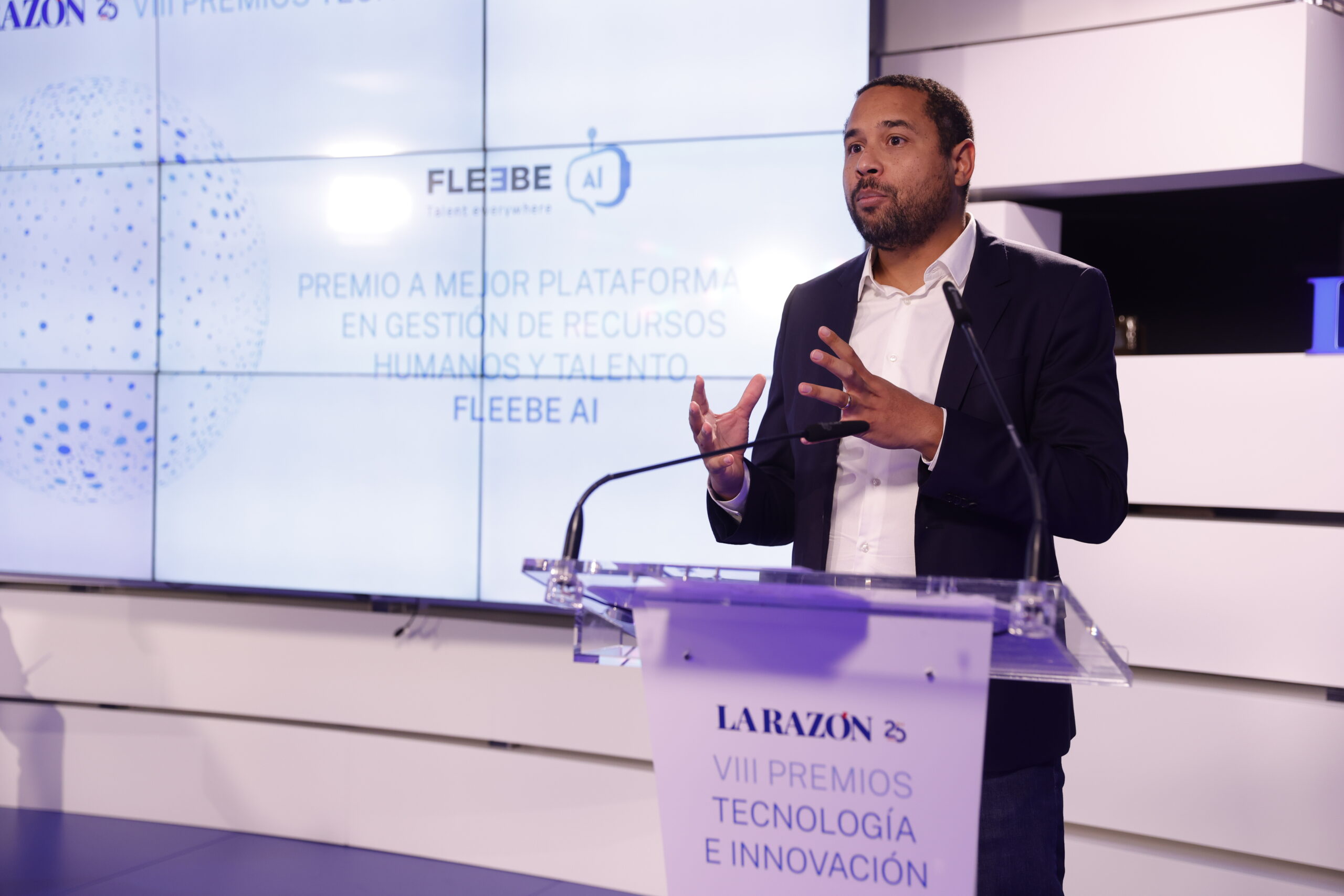
Yann Roche Built a Recruitment Firm Across Borders. Then He Put AI to Work on Talent.
The IFIT Solutions founder spent a decade learning how talent moves between countries. A $4.6 million deal gave him a new brief: turn that operating knowledge into an AI-enabled HR business.
Satish Kumar Is Rebuilding Hiring Around Proof
From borrowed physics notes in rural India to a 2026 deal with Findem, the Glider AI co-founder has spent his career turning one stubborn belief into software: opportunity should follow demonstrated ability, not pedigree.

Caroline Sabetti Has Spent a Career Making Work Visible
Before Caroline Sabetti became TrueBlue's chief storyteller, she learned the staffing business from the inside. Her route from operations and sales to the executive team explains why her marketing begins with work itself.
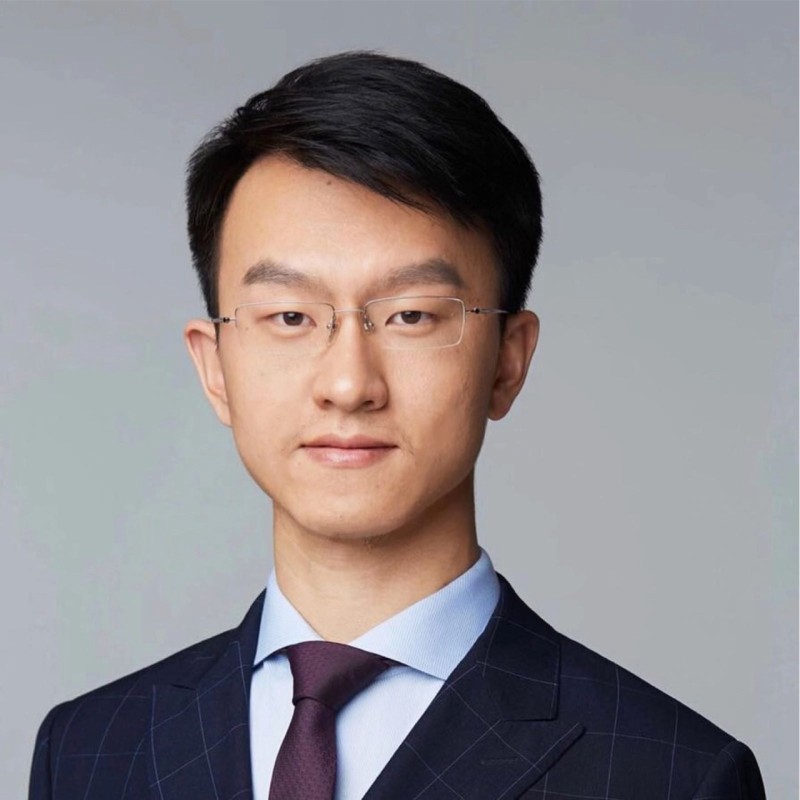
Walter Wu
Walter Wu is the founder and CEO of Hirey, a Palo Alto based recruiting technology company he started in 2021. A Tsinghua University graduate who cut his teeth on the chat-based hiring app Hirect, Wu built Hirey into a platform that pairs recruiters with vetted candidates and, more recently, uses AI to compress time-to-hire in high-volume sectors like home care and healthcare staffing. Backed by roughly $14M in disclosed funding, Hirey has since leaned into AI-native recruiting and an agent-mediated introduction network for founders, early hires, and collaborators.
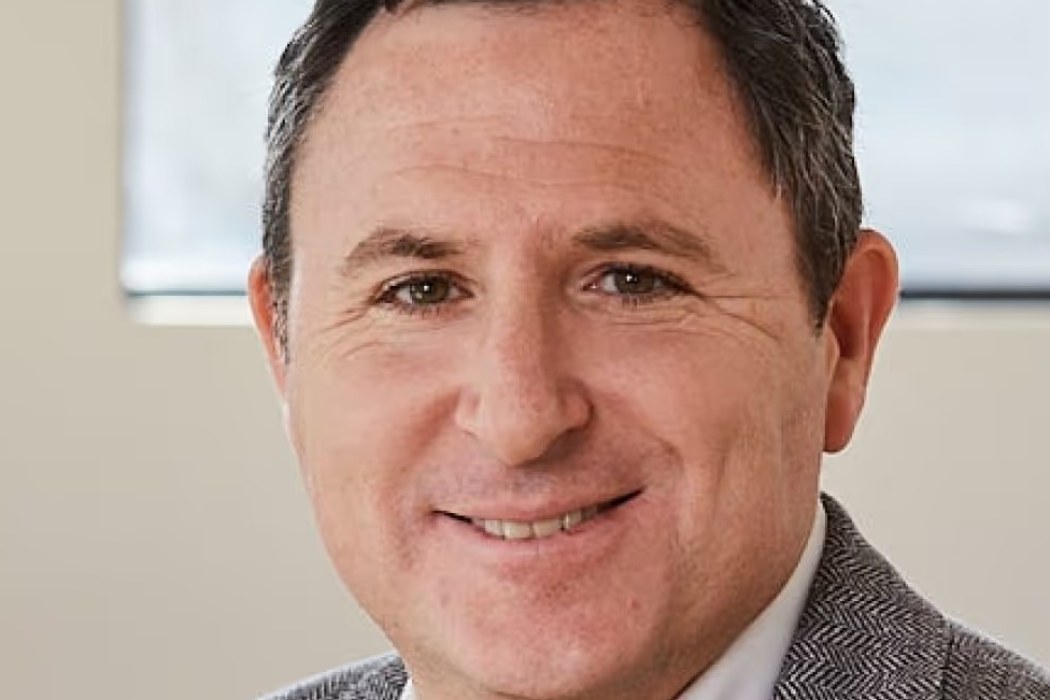
Daniel Chait
Daniel Chait is the co-founder and CEO of Greenhouse Software, the New York-based recruiting platform he started with Jon Stross in 2012 to help companies make hiring a competitive advantage. A University of Michigan computer engineer who spent more than a decade as a software consultant and previously co-founded the investment-banking tech firm Lab49, Chait built Greenhouse around the idea of 'structured hiring.' He is co-author of the book Talent Makers, a frequent conference speaker, and a vocal commentator on how AI is reshaping recruiting - including his warning about an 'AI doom loop' flooding both job seekers and employers.
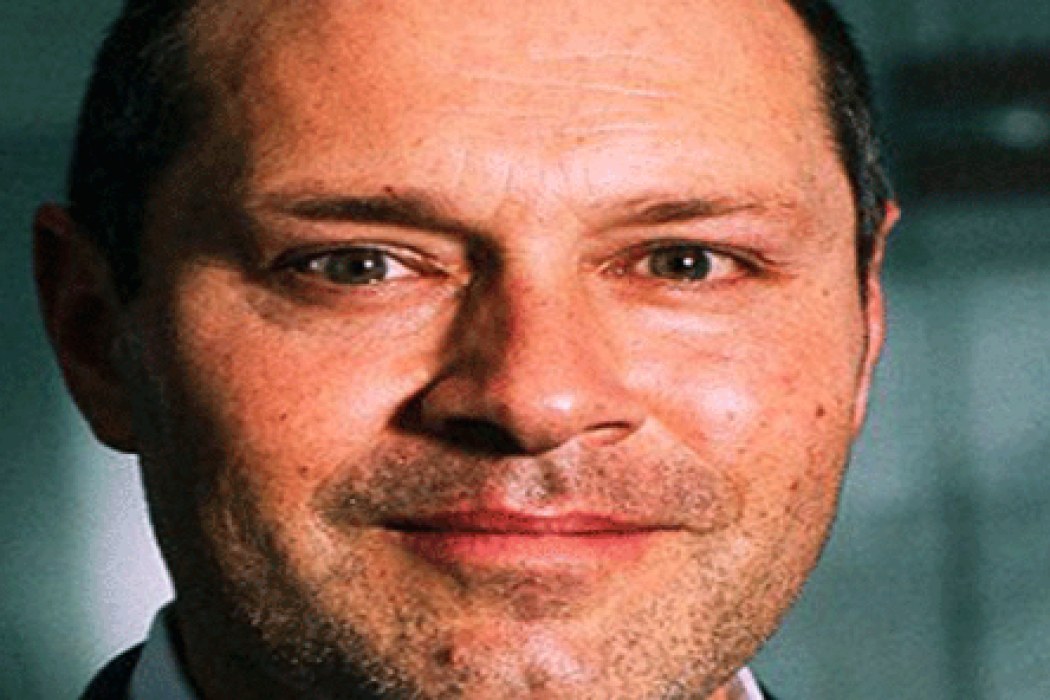
Luke Fryer
Luke Fryer is the founder and CEO of Harri, a New York-based workforce management and human capital management platform built for the hospitality industry and other service-driven businesses. A former restaurateur who opened Australia's first Burger King franchise and later held the Australian rights to wagamama, Fryer moved to New York in 2007 and co-founded Harri in December 2011 to fix the fragmented, low-tech process of finding, hiring, scheduling and retaining frontline workers. Today Harri serves over 500 enterprise customers across 35,000+ restaurant and hotel locations and roughly four million hospitality employees, and in 2023 it raised $43 million in growth equity to expand its AI capabilities and move into retail and healthcare.
Sam Fitzroy
Sam Fitzroy is the co-founder and CEO of Dalia, a Boston-based candidate conversion platform that re-engages job seekers who visit career sites but don't apply. A former Indeed early employee and later VP at The Muse and partnerships lead at Jobcase, he started Dalia in 2019 and raised a $5M Series A in January 2023. His pitch, delivered in interviews with a kind of exhausted evangelism, is that 75% of applicants drop off at the account-creation step, and someone should probably do something about that.
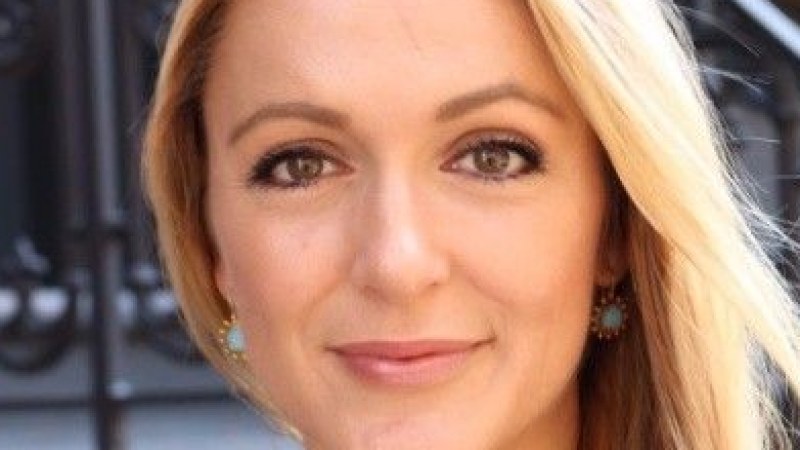
Claire McTaggart
Claire McTaggart is the founder and CEO of SquarePeg, an AI-powered recruiting platform that acts as an intelligence layer on top of applicant tracking systems - screening, sourcing, enriching and scoring candidates beyond the resume. A former Monitor Deloitte strategy consultant who ran campus recruiting, she left a partner-track career to attack a problem she had lived: the resume is a terrible predictor of fit. Starting with psychometric matching and evolving into an AI evaluation engine integrated with 95+ ATS platforms, SquarePeg raised a $3.5M seed round in February 2025 led by Next Frontier Capital, bringing total funding to roughly $6.4M.
Fahad Jalal
Fahad Jalal is the founder and CEO of QLU.ai, a San Francisco AI platform that lets executive recruiters describe an ideal hire in plain English and surface qualified candidates in seconds rather than months. A Stanford computer scientist with a Wharton MBA, he scaled a business unit at Mentor Graphics from zero to $100M ARR in two years and has exited multiple startups to Fortune 100 companies. At QLU.ai he is building tools that automate prospect research and outreach while insisting human judgment stays at the center of hiring.

Omar Khateeb
Omar Khateeb is the co-founder and CEO of JobPixel, a San Francisco video platform that drops TikTok-style, interactive video into the hiring process so candidates and employers can 'virtually shake hands' before a single interview. He started the company in 2020 as a remote-first, deliberately lean operation and grew it past $2.7M in revenue with a team that has hovered around 14 people. A UC Davis grad who once ran events for Instagram and sold for Cisco, Omar is a vocal believer that hiring lost its humanity to the 10-second resume scan, and he is on a mission to put faces and voices back into it.
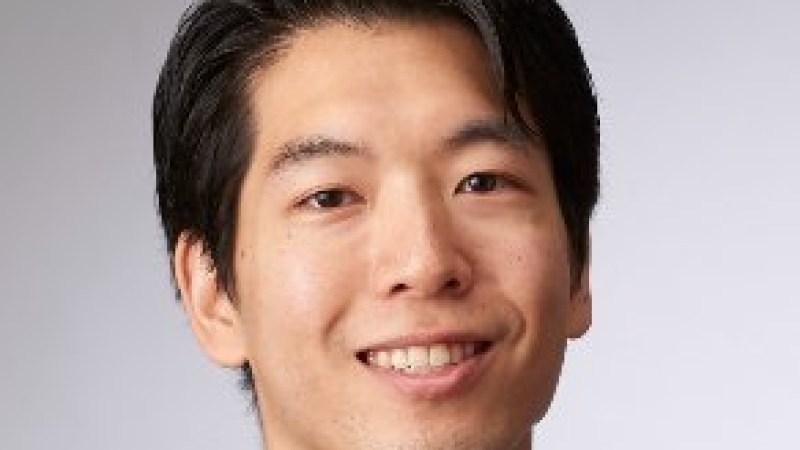
Tom Nakata
Tom Nakata (Tomofumi Nakata) is the co-founder and CEO of Qlay, a San Francisco AI startup he built after stints at McKinsey, J.P. Morgan, and Disney and a Harvard statistics degree. Qlay began as a generative-AI consumer-sentiment engine and pivoted into AI-powered interview proctoring - eye-gaze tracking, speech-cadence analysis, and multi-camera monitoring that catches AI-assisted cheating in remote technical interviews. Raised across Singapore, Tokyo, and California, Nakata describes his team as 'a shark that never stops,' chasing authenticity and measurable impact while sourcing engineering talent across Africa, Vietnam, and beyond.
Vivian Wang
Vivian Wang is the founder and CEO of LANDED, a generative-AI hiring platform built for the people who never had software built for them: the line cooks, cashiers, baristas and shift managers behind America's restaurants, hospitality groups and retailers. Launched in late 2019, LANDED automates sourcing, screening, vetting and interview scheduling for high-volume hourly roles, and by 2025 had grown to 500+ business customers, a database of 3.2 million-plus candidates and 6.3 million-plus job matches. A Princeton graduate and Forbes 30 Under 30 honoree in Enterprise Technology, Wang has raised roughly $8.7M from investors including Javelin Venture Partners and Blockchain Capital, and frames her mission around the 2.7 billion hourly workers worldwide.
Aaron Wang
Aaron Wang is the co-founder and CEO of Alex (formerly Apriora), a San Francisco AI company whose autonomous recruiter, also named Alex, runs thousands of phone and video interviews a day for Fortune 100s, Big Four accounting firms, and staffing agencies. A Brown triple major who went from a quant trading desk and Facebook AI Research to a Y Combinator startup, Wang bet that a 10-minute conversation reveals more than any LinkedIn profile, then bought the alex.com domain for more than $500K to prove it. The company raised a $17M Series A led by Peak XV Partners in September 2025.
The CEO who spent $500,000 on a first name
Aaron Wang is the co-founder and CEO of Alex (alex.com), the AI recruiter that runs autonomous phone screens and video interviews at scale. He started the company as Apriora in 2023 with John Rytel, then paid more than half a million dollars for the alex.com domain and renamed both the product and the company after its AI agent. A Brown University graduate in computer science, applied math, and economics, Wang previously worked at Facebook AI Research and as a quantitative analyst at a hedge fund. Alex conducts thousands of interviews a day for Fortune 100 firms, banks, restaurant chains, and Big 4 accounting firms, and has raised roughly $20 million, including a $17 million Series A led by Peak XV Partners.
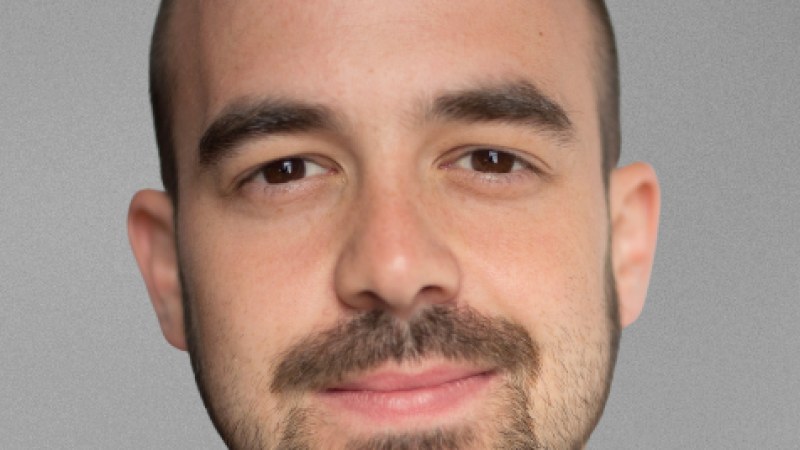
Benjamin Encz
Benjamin Encz is the CEO and Co-Founder of Ashby, a San Francisco-based AI-native recruiting platform used by companies like OpenAI, Shopify, and Snowflake. A German-born software engineer turned recruiting-infrastructure builder, he spent 80% of his time on recruiting operations as Director of Engineering at PlanGrid before co-founding Ashby in 2018. Under his leadership, Ashby has grown to 2,700+ customers, 380 employees, and $142.5M in total funding including a $50M Series D in 2025.