supply-chain-ai
(28)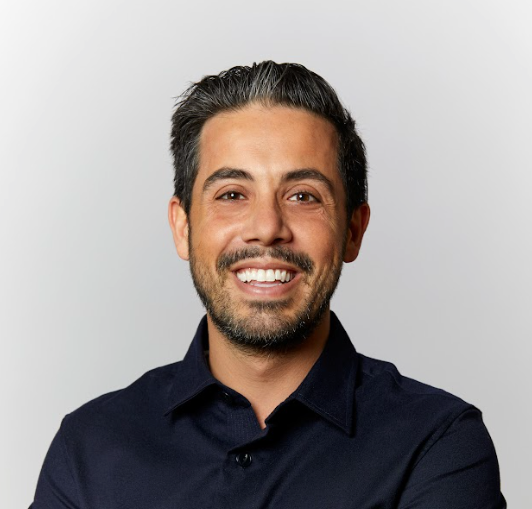
Raphael Tehranian and the Business of Seeing What the World Cannot
Before global trade became a daily argument, Raphael Tehranian was studying the systems beneath it. At Altana, the former energy analyst and banker has turned that habit of looking below the surface into an operating discipline.

Marshall Leung Plays the Point in Front of Him
The former Amherst tennis captain now works on the founding go-to-market effort for Neo at Traba. His route from baseline rallies to warehouse software is really a story about making the next decision legible.
The Company That Hired the Missing Middle
BackOps found a lucrative place to put AI: the awkward stretch between spotting a supply-chain problem and actually fixing it. Its agents do not merely point at the fire - they gather the paperwork, cross the portals, ask for approval, and close the loop.

Pallet Wants Your AI to Know Your Freight—and Nobody Else’s
In logistics, the same words can trigger entirely different moves. Pallet’s answer is a private model for every customer—paired with an inspectable Memory layer, portable model choices and security built to keep operating knowledge in its owner’s hands.
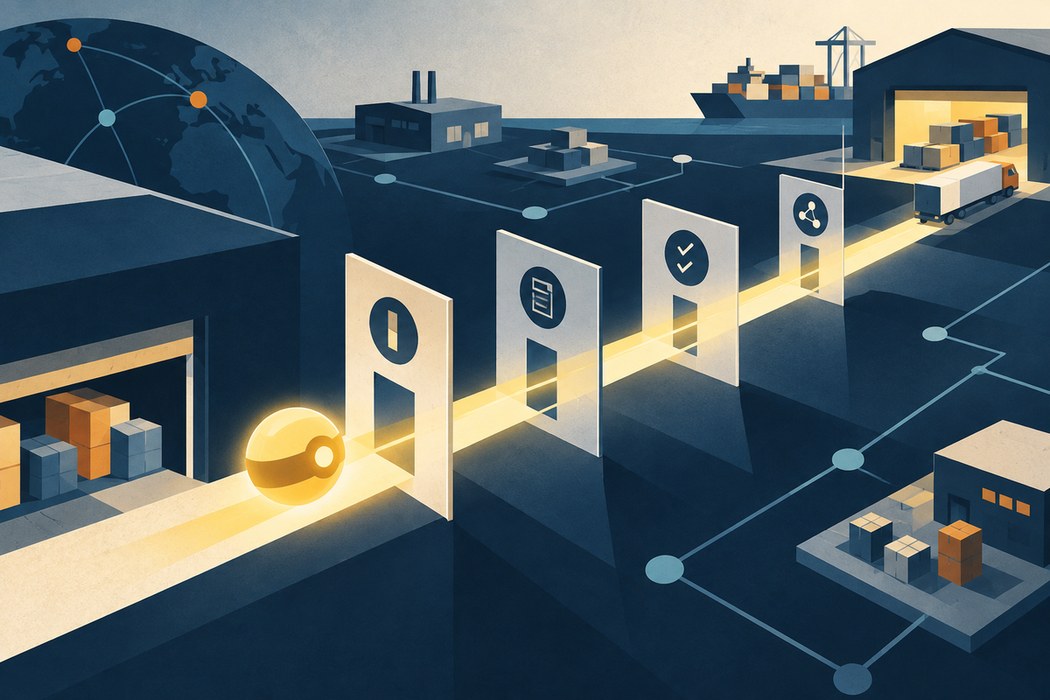
Pallet’s Five Rules for Letting AI Agents Take the Wheel
AI agents can move freight work faster, but autonomy without boundaries is just a faster way to make expensive mistakes. Pallet’s governance playbook shows how to give software real authority without giving up control.

SourceDay Built a Control Room for the 52% of Purchase Orders That Refuse to Sit Still
A purchase order looks final right up until a supplier changes the date, quantity or price. SourceDay built its business in that unruly gap between the ERP's plan and the factory floor - then started teaching software to resolve the safest changes on its own.

Blue Ridge Wants to Fire the Spreadsheet - Not the Planner
The Atlanta supply-chain company spent nearly two decades turning forecasts into buying decisions. Now its biggest bet is that software should handle the routine 80 to 95 percent - and show its work when humans step in.
C3 AI Spent $3 Billion Building the Enterprise AI Future. Now It Has to Sell It.
C3 AI built for the unglamorous places where a bad prediction can ground an aircraft or stop a refinery. After a bruising fiscal year, founder Tom Siebel is back in the CEO chair to prove that deep technology can become a durable business.
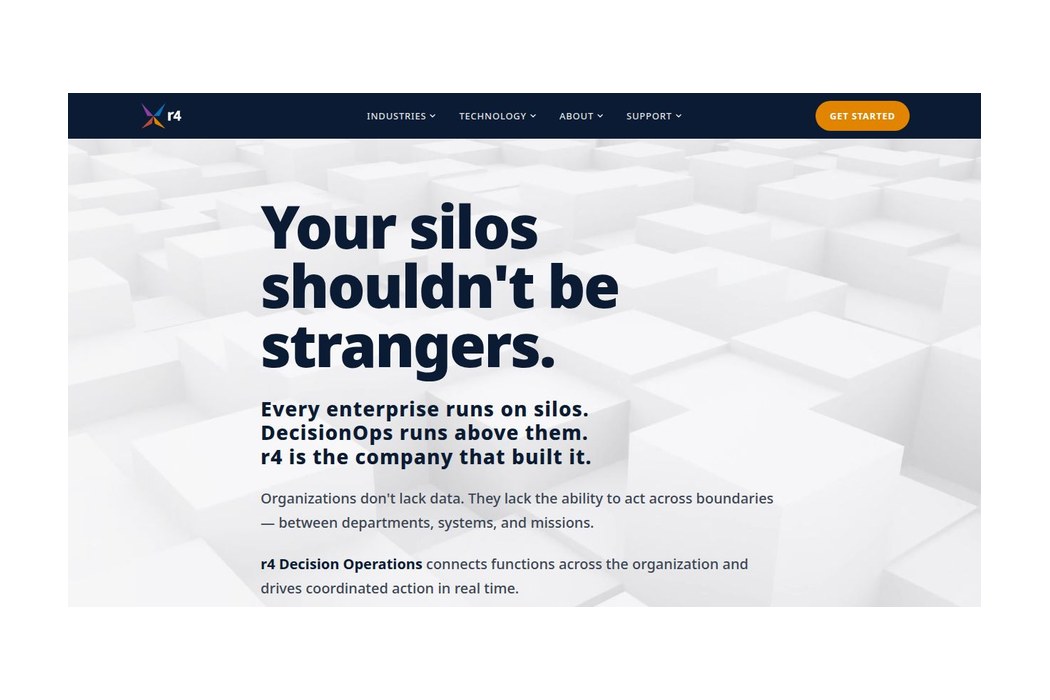
r4 Technologies Wants to Fix the Most Expensive Part of AI: Nobody Acts Together
Most enterprise AI predicts inside one department. r4's XEM is built for the awkward moment after the prediction - when inventory, pricing, logistics and people all have to move together.
Calfus Bet Its Consulting Shop on AI Agents. Now It Has to Make Enterprise Software Finish the Job
The Pleasanton firm grew up fixing ERP, data and software problems. Its next act is Aetherion - a governed AI-agent platform designed to turn impressive demos into finished enterprise work.
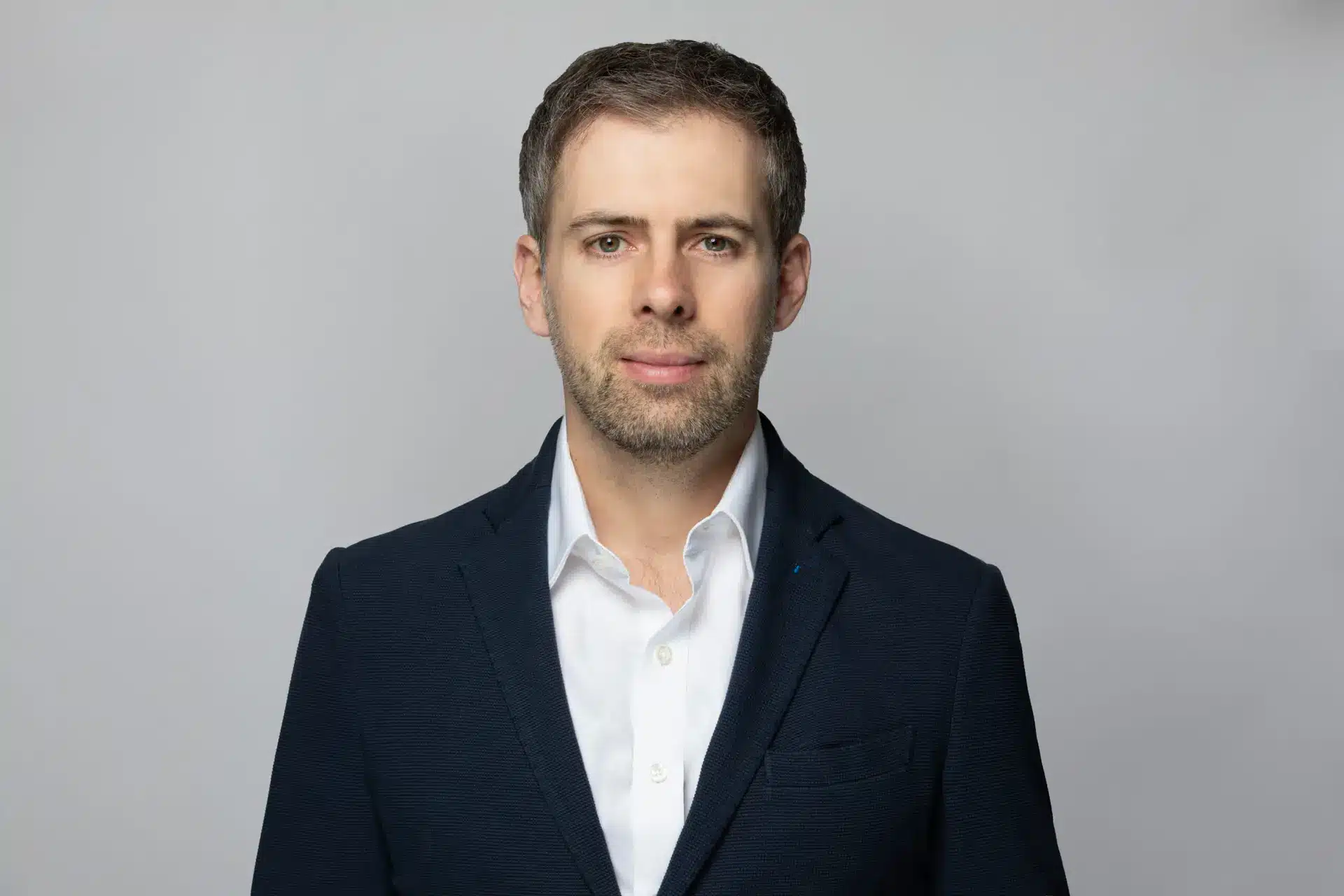
Oisin Hanrahan Keeps Finding the Industries the Internet Forgot
He made booking a cleaner feel like ordering a cab. Now the Irish founder is mapping the factories behind the grocery aisle - and betting that better data matters more than louder AI.
The $61 Billion Warehouse Brain Hiding in Alpharetta
Deposco’s software handled 1.2 percent of U.S. ecommerce during the 2024 holidays. Its quieter trick is making the warehouse, the storefront and the forecast behave like one system.
ArchLynk
ArchLynk has built a global business around the unglamorous systems that decide whether a shipment moves, a warehouse flows and a product clears customs. Its bet is that deep SAP supply-chain specialization can beat the sprawling generalist integrator.

Two Robots Walk Into a Freight Brokerage
A head-to-head look at two AI companies serving freight brokers and 3PLs: Parade, whose CoDriver agent answers inbound carrier calls and whose platform has helped move $40B in transacted freight, and Pallet, which automates the back office end-to-end from quote to cash across email, voice, API and remote desktop. The comparison finds the two overlap less than the marketing suggests: Parade owns the front-of-house carrier relationship and capacity discovery, while Pallet owns the document-heavy operational workflows that turn a booked load into collected cash.

Shail Khiyara
Shail Khiyara is the CEO of SWARM Engineering, an agentic AI platform that helps industrial operators in food, agriculture and logistics turn messy data into decisions. He built his name as the marketing and customer chief behind three of the biggest names in robotic process automation - Automation Anywhere, Blue Prism and UiPath - before founding VOCAL, a think tank of 90+ Fortune 500 brands. A civil engineer by training who once worked on dams and pipelines at Bechtel, he is a two-time LinkedIn Top Voice in AI and co-author of books on intelligent and agentic automation.
Intelmatix
Intelmatix is a deep-tech enterprise AI company founded by MIT-trained technologists that builds EDIX, an Enterprise Decision Intelligence Platform designed to act as a 'digital brain' for organizations. Using context-aware AI agents, knowledge graphs and generative AI, EDIX lets companies sense, learn, decide and act across functions like demand forecasting, inventory, workforce planning and site selection - without needing an in-house data science team. Headquartered in Riyadh with offices in London and Boston, Intelmatix focuses on the MENA region, training on local context data that global platforms overlook. It raised a $20M Series A in 2024 - the region's largest AI Series A of its kind - and in 2025 became the first Saudi and MENA AI company named a World Economic Forum Technology Pioneer.
Articul8 AI
Articul8 AI is a Santa Clara-based enterprise generative AI company, spun out of Intel in January 2024, that builds domain-specific GenAI systems for regulated and mission-critical industries such as energy, manufacturing, semiconductors, aerospace, and financial services. Its flagship ModelMesh platform acts as an autonomous 'agent of agents' that orchestrates specialized models on a customer's own data with full auditability and security. The company reached a valuation above $500 million within two years of launch and serves customers including Hitachi Energy, Franklin Templeton, AWS, and Intel.
DeepVu
DeepVu (legal entity Vufind Inc.) is a San Ramon, California startup building AI planning agents for supply chain teams. Its platform pairs a supply-chain knowledge graph (VuGraph) enriched with macroeconomic and trade signals, a digital-twin simulator (VuSim), and reinforcement-learning decision agents (VuDecide) to make demand planning, inventory, procurement, production and logistics decisions more resilient to shocks - while trimming cost and carbon. Founded in 2016 by Moataz Rashad and Prof. Walid Aref, the company pivoted from computer-vision roots to focus on autonomous, shock-resilient supply chain planning for manufacturers and retailers.
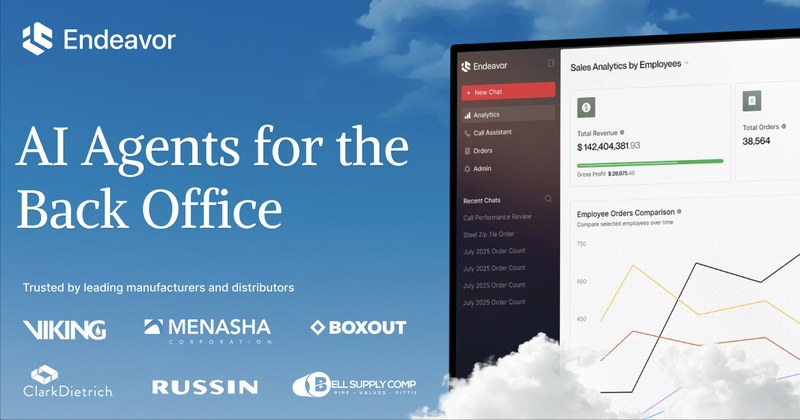
Endeavor
Endeavor is a San Francisco AI company building agentic software for the back office of American manufacturers and distributors. Its AI agents read the messy inputs these businesses actually run on - emails, PDFs, spreadsheets, phone calls - and turn them into automated order entry, quoting, accounts payable, and supply chain work inside existing ERP systems. Founded in 2023 by Wharton graduate Sahitya (Sami) Senapathy and backed by a $7M seed led by Craft Ventures, Endeavor counts industrial names like ClarkDietrich, Menasha, Viking, and Bridgestone Americas among its customers.

ThroughPut.ai
ThroughPut.ai is a Silicon Valley-based supply chain decision intelligence company that turns time-stamped operational data into fast, profit-focused decisions. Its AI platform - anchored by an engine named ELI - detects bottlenecks, senses demand, rebalances inventory, and optimizes capacity and logistics so manufacturers, distributors, and industrial operators can free up cash from operations they already run. Founded in 2017 by operators and serial industrial-tech entrepreneurs, the company works backward from real customer demand to match it with actual capacity.
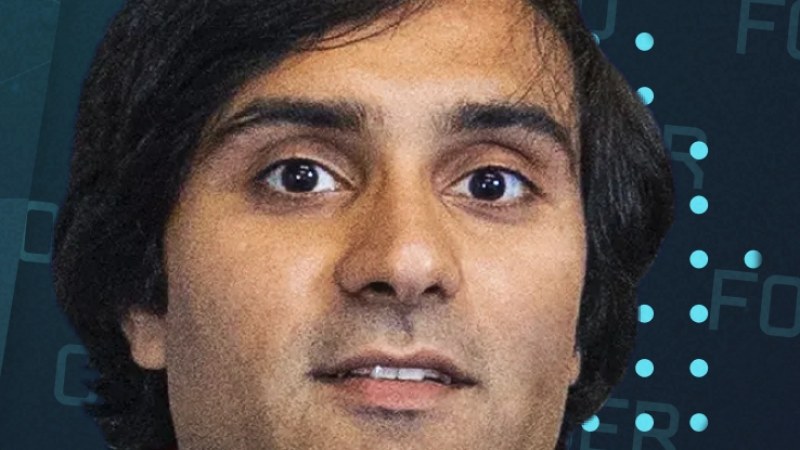
Ali Raza
Ali Raza is the founder and CEO of ThroughPut.ai, a Palo Alto supply chain decision-intelligence company that uses AI to detect, prioritize, and clear operational bottlenecks across factories and logistics networks. A University of Pennsylvania chemical engineer turned field-operations manager, he ran manufacturing and oilfield logistics in eight countries - including a stint as geomarket manager in Yemen during the 2015 Houthi takeover - before building software around the Theory of Constraints idea that every system is limited by one bottleneck at a time.

Moataz Rashad
Moataz Rashad is the founder and CEO of DeepVu, a San Ramon, California startup building autonomous, shock-resilient supply chain planning. He pioneers a category he calls autonomous resilient planning: generative AI planning agents trained on digital twins that simulate disruptions from commodity spikes to river droughts. A Stanford-trained engineer and PhD dropout, Moataz spent two decades architecting software at Samsung, Conexant, Mindspeed and Sony Mobile before founding the computer-vision ecommerce startup Vufind, which evolved into DeepVu. He describes himself as an AI and computer-vision hacker, a Mediterranean wisdom-seeker, a space enthusiast, and a keeper of diamond doves and finches.
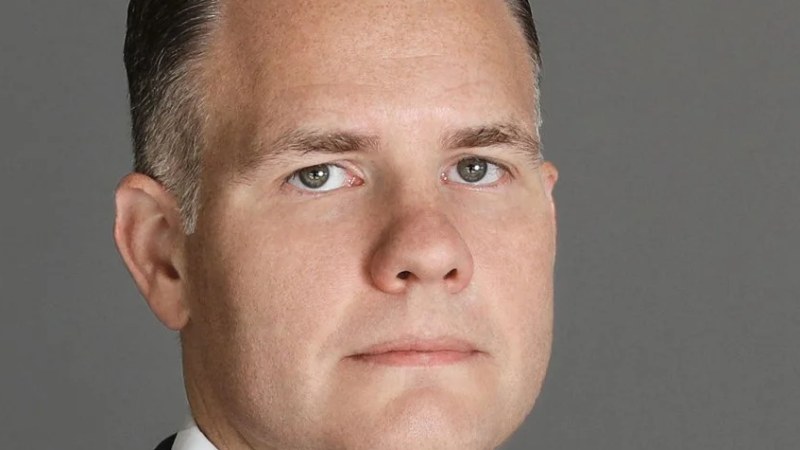
David Tuttle
David Tuttle is the cofounder and CEO of Rune Technologies, an Arlington-based defense software company building TyrOS, an edge-first, AI-enabled predictive logistics platform for military and contested environments. A former U.S. Army field artillery officer who deployed to Afghanistan, he later worked in aerospace and defense investment banking, led software teams within the JSOC enterprise at Fort Bragg, and ran command-and-control hardware work at Anduril before co-founding Rune in 2024 with Peter Goldsborough. He still serves in the National Guard. Rune raised a $24M Series A in July 2025 (over $30M total), and TyrOS has been deployed with U.S. Army and Marine Corps units.

Lyric
Lyric is a Sunnyvale-based AI platform built for the people who actually run supply chains. Its Lyric Studio harmonizes data, algorithms, configurable workflows, and accelerated compute so that planners, engineers, and data scientists can model, test, and deploy decision intelligence apps - from demand forecasting and inventory to network design and transportation. Fortune 500 customers use it to compress months-long modeling cycles into days.
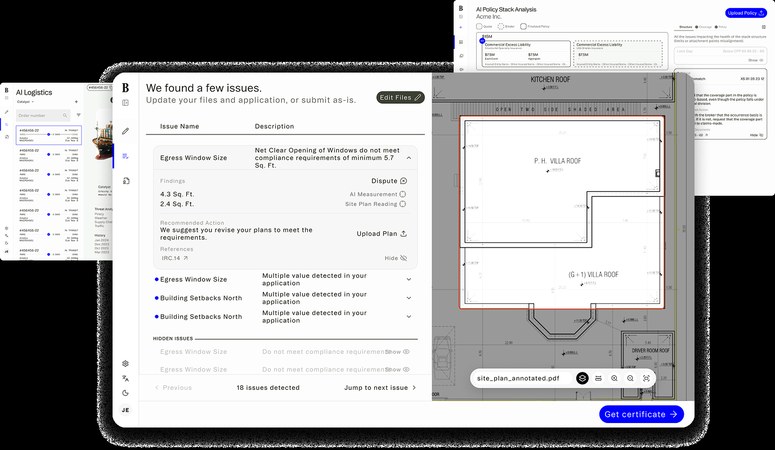
Brain Co.
Brain Co. is a San Francisco-based enterprise AI company that deploys production-ready AI applications for the world's most complex, regulated industries - from government and healthcare to hospitality, energy, and supply chain. Founded by a constellation of Silicon Valley heavyweights including Elad Gil and Dan Ashton, and backed by an elite roster of investors including Patrick Collison, Reid Hoffman, and Andrej Karpathy, Brain Co. raised a $30M Series A in September 2025. Its core technology converts dense regulatory documents into executable rules engines that make AI decisions auditable and compliant - so that governments can permit faster, hospitals can care better, and supply chains can run leaner.
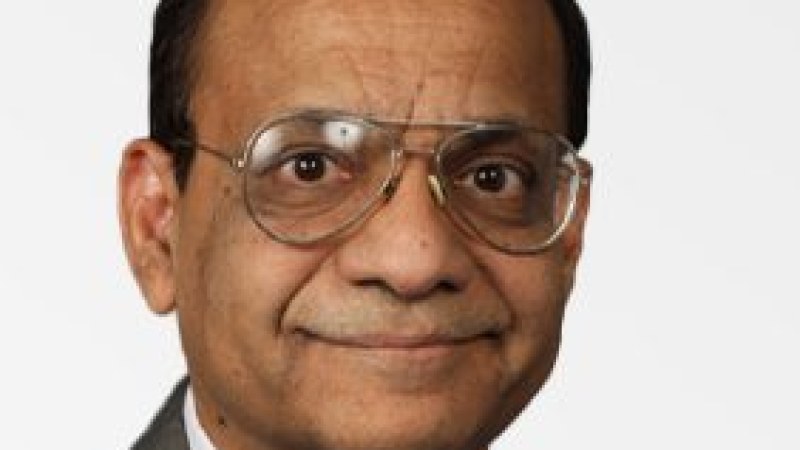
Alok Aggarwal
Dr. Alok Aggarwal is the CEO and Chief Data Scientist of Scry AI, a San Jose-based enterprise AI company he founded in 2014. A Johns Hopkins PhD with deep roots at IBM Research and as co-founder of Evalueserve - where he coined the term 'Knowledge Process Outsourcing' - Aggarwal has spent four decades building AI systems that actually work in regulated industries. His 2023 book 'The Fourth Industrial Revolution & 100 Years of AI (1950-2050)' topped Amazon bestseller charts in multiple categories. Scry AI serves banking, insurance, manufacturing, and government clients with explainable, audit-ready AI deployed on 60+ proprietary models.
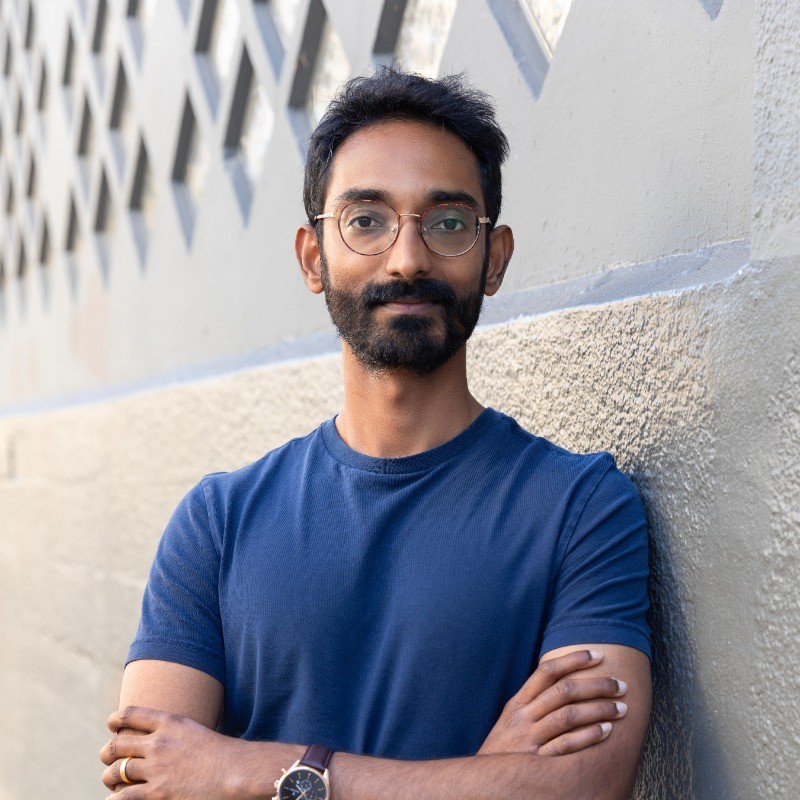
Arjun Prakash
Arjun Prakash is the Co-Founder and CEO of Distyl AI, a San Francisco-based enterprise AI company valued at $1.8 billion after raising $175M in a September 2025 Series B led by Lightspeed and Khosla Ventures. Drawing on nearly a decade at Palantir Technologies where he built and led a 30+ person team of Forward Deployed strategists and engineers, Prakash co-founded Distyl to help Fortune 500 companies become genuinely AI-native - not by layering AI onto existing processes, but by rearchitecting how enterprises operate. Distyl claims a 100% production success rate against an industry norm of 95% failure, serves clients across healthcare, manufacturing, telecom, and financial services, and reached profitability in Q3 2024.
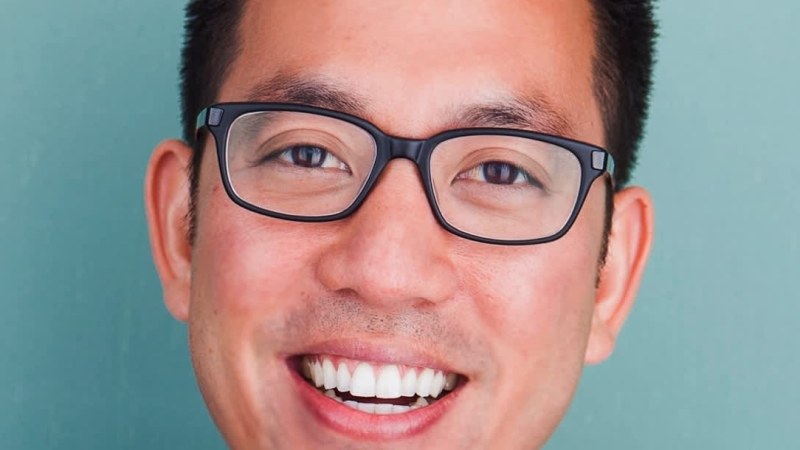
Dan Ashton
Dan Ashton is the CEO and Co-Founder of Brain Co., a San Francisco-based AI company that builds applied intelligence platforms for the world's most complex institutions - from government permit offices to hospital systems. He brought his AI startup Serene AI into Brain Co.'s orbit and now leads a company backed by $30M in Series A funding from Elad Gil, Affinity Partners, Patrick Collison, Reid Hoffman, and Andrej Karpathy. Before Brain Co., he was an early operator at three unicorns - Opendoor, Faire, and Clubhouse - and a McKinsey consultant before that. Brain Co. has already deployed AI that unlocks $375M annually in permitting value and mitigated $100M+ in supply chain losses.