research-commercialisation
(16)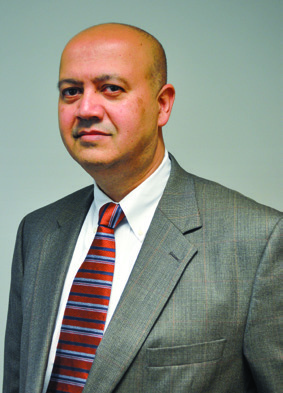
Anurag Singh and the art of the second act
After building and selling Education Management Solutions with Sharada Singh, Anurag Singh returned to the startup world from the other side of the table. At IIT Kanpur, his next project pairs research with capital and people who have run a business.
SIIC makes room for the hard part
A ventilator built in 90 days reveals what IIT Kanpur’s incubator really supplies: the people, tools and patient support between an invention and a customer.
StartupWA wants to open the first door
A working product is only the beginning. Western Australia’s volunteer startup advocate is taking on the rules, habits and blind spots that keep young companies outside.
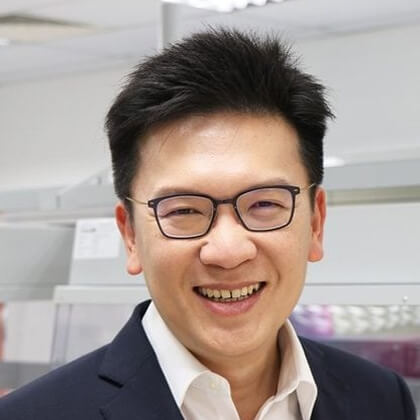
Min-Han Tan’s second education
He knew how to run a research laboratory. Building Lucence meant learning what happens after an invention works - and who you need beside you to take it into the world.
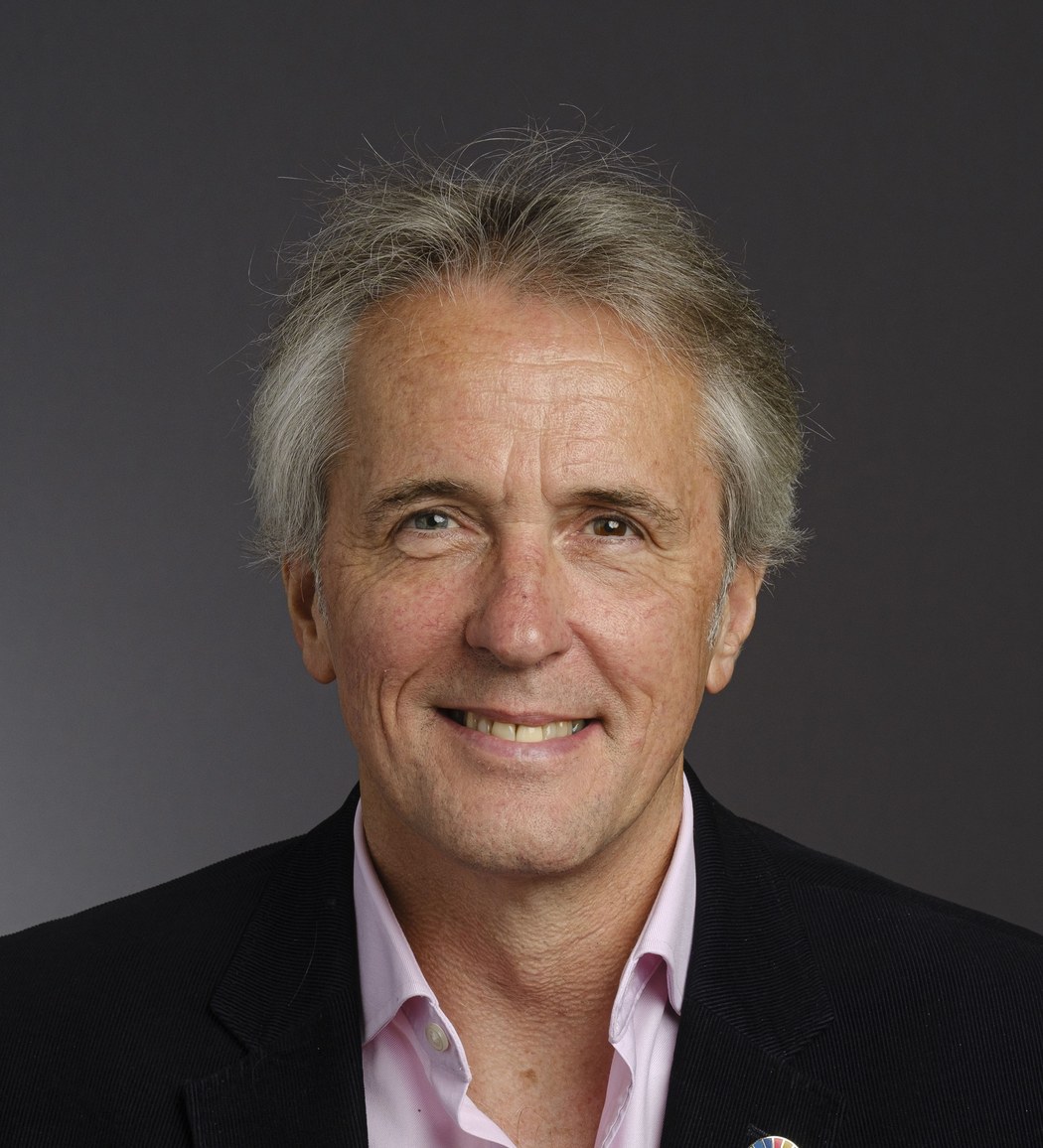
David Lane and the trouble with a perfect demonstration
Before he co-founded SeeByte, David Lane worked as a North Sea diver. His career in underwater robots, company building and public research has kept returning to one awkward question: what happens when a clever machine meets the real world?

Gurpreet Singh and the company a laboratory could not hold
An electrical engineer with an MIT fellowship and an SMU MBA, Gurpreet Singh took Respiree out of Singapore’s research ecosystem and into international business. His story is full of people who made the next step possible.
Kindling Ventures wants your first customer before your first company
A research idea can be useful long before it becomes a spinout. Kindling Ventures gives universities a way to test that proposition with customers, pilots and actual invoices.
UNSW Founders makes the first startup mistake cheaper
A university can teach you to build something. UNSW Founders adds the awkward questions, the prototype tools and the people who might help you turn it into a business.
SETsquared Partnership: the value of a second opinion
Six UK universities share a business-building network that helps founders test markets, untangle research deals and meet investors. Sometimes its most useful contribution is persuading a company to chase a different customer.

AI NATION buys founders time to find a customer
Germany’s AI researchers can build a prototype. AI NATION gives them six months, equity-free support and a more awkward assignment: proving someone wants it.
Converge: the business school for ideas without a business
Scotland’s university founders can know everything about an invention and very little about selling it. Converge gives them a place to learn, test and find their first commercial footing - without surrendering equity.
Oxford Science Enterprises turns lab discoveries into businesses that can leave the lab
A quantum company’s billion-dollar sale is the eye-catching result. Oxford Science Enterprises’ more revealing work happens earlier: finding founders, financing experiments and making room for the science.
CERI’s bet: Western Australia can export more than minerals
Mining money helped build CERI. Now the Perth nonprofit teaches researchers to build businesses, with subsidised classes, patient mentoring and a fund designed to back the next batch of founders.
SA Innovation Week wants the deal after the demo
South Africa’s new national innovation platform puts founders, funders and buyers in the same room. Its real test begins when the exhibition stands come down.
iAccelerate Wants Founders to Go Global. And Stay in Wollongong.
A university-backed incubator is giving regional entrepreneurs somewhere to learn, build and find capital. Its most revealing lessons involve an A$990 course, a shared coffee stop and who gets invited into the room.
Helsinki Think Company makes room for the first bad idea
Free workshops, campus workspaces and small grants give academic ideas somewhere to grow. Helsinki Think Company’s real product is the chance to try entrepreneurship before betting a livelihood on it.