The idea arrived on holiday in Barbados. A resort had a spa, golf, fitness classes and excursions, but arranging them required queues, calls and conversations with different staff. Stay Planner’s founders saw a software problem: put the amenities in one digital concierge. Building it was manageable. Selling it was where the plot became interesting.
- Six universities share mentoring, research connections and commercialisation support.
- Membership prices vary; Bath and Bristol publish options starting at £125 a month plus VAT.
- The network helps companies prepare for investment. An introduction still has to become a deal.
A splendid product can have an awkward customer
Stay Planner’s team already ran a digital agency. They knew how to make websites and apps. What frustrated them was reaching hotel-chain decision makers through lengthy sales cycles. The first obstacle in the published account was access to buyers, rather than a shortage of technical skill.
In 2017, the founders attended SETsquared’s two-day Entrepreneurship Programme in Woking. Examining their addressable market brought a change of mind: luxury villa rentals were giving them more traction. They decided to concentrate there in the short term. The product’s original inspiration survived; the preferred customer changed.
“You’ll see your business through another set of eyes”Stay Planner founder, 2017 case study
That is a useful place to begin understanding SETsquared. A founder can spend months improving a product while preserving the assumption that makes selling it difficult. An outside adviser earns their keep when they make that assumption discussable. Sometimes the practical breakthrough is a less glamorous customer with a shorter path to saying yes.
Four universities learned to share
Bath, Bristol, Southampton and Surrey established SETsquared in 2002 with Higher Education Innovation Fund support. Exeter joined in 2011; Cardiff became the sixth partner in 2021, following earlier collaboration. The network grew by adding institutions to an existing arrangement, rather than asking every university to invent a separate answer.
Its customers include academic researchers, students, technology founders and growing businesses. They need different things: a researcher may be deciding whether to license an invention, while a founder needs sales advice or an introduction to an investor. The partnership connects these stages through university-based centres and wider programmes.
Southampton · Surrey
The distinction from a standalone incubator is the shared university network behind the support. Laboratories, specialist knowledge, emerging researchers and commercialisation teams sit within the same partnership. For deep-tech ventures, access to the right academic collaborator can matter as much as access to a meeting room.

The desk is optional. The homework is harder.
Business Acceleration combines mentoring, training, business planning, investment preparation and workspace. Virtual membership also exists. Bath explicitly says applicants need no previous connection to its university or the other partners. A university network need not mean a university-only guest list.
Prices make the proposition concrete. Bath’s virtual membership lists £1,500 annually for pre-revenue businesses or students, £2,250 for post-revenue businesses and £3,750 after a raise, plus VAT. Payment can be monthly or annually in advance, with a minimum twelve-month term and acceptance required.
Bristol’s Quest lists £125 per month for training videos, network access, events and PR. Its £172.50 full package adds bespoke business support in person. Both exclude VAT and office space. These are specific centre offers, rather than a universal SETsquared tariff. A founder should compare the support, contract and workspace separately.
Bath pre-revenue virtual membership equivalent; 12-month minimum.
Bristol Quest Full; office space excluded.
The model combines membership fees with university backing, publicly supported programmes and event sponsorship. Its expertise lies in business development and research commercialisation. It does not manufacture a single product; it helps other people determine how theirs could become a business.
Even the paperwork gets a product
The free Deal Readiness Toolkit tackles another bottleneck: the negotiations between research and a commercial deal. Funded by Research England, it offers playbooks, lawyer-reviewed templates and checklists for licensing, spin-outs and investment. Its intended users include academics, technology-transfer professionals, lawyers and investors across the UK.
The distinction between licensing and spinning out matters. Licensing lets an existing company use an invention under agreed terms. A spin-out creates a new company that licenses university-generated intellectual property. Clearer routes and shared documents aim to reduce unnecessary negotiation. The humble checklist has an advantage over the inspirational speech: somebody can actually use it on Tuesday.
RAISE applies comparable discipline to fundraising. Its modules cover Research, Assessment, Investors, Strategy and Execution. Collaborative R&D support also helps companies locate suitable university expertise and develop funding bids. The 2023 Scale-Up impact report counted 111 successful university-related projects from 311 by June, a 35.7% success rate. Preparation still leaves room for rejection.
Count the money carefully
Raised by supported companies since 2002, according to SETsquared’s current reporting. A member fundraising total.
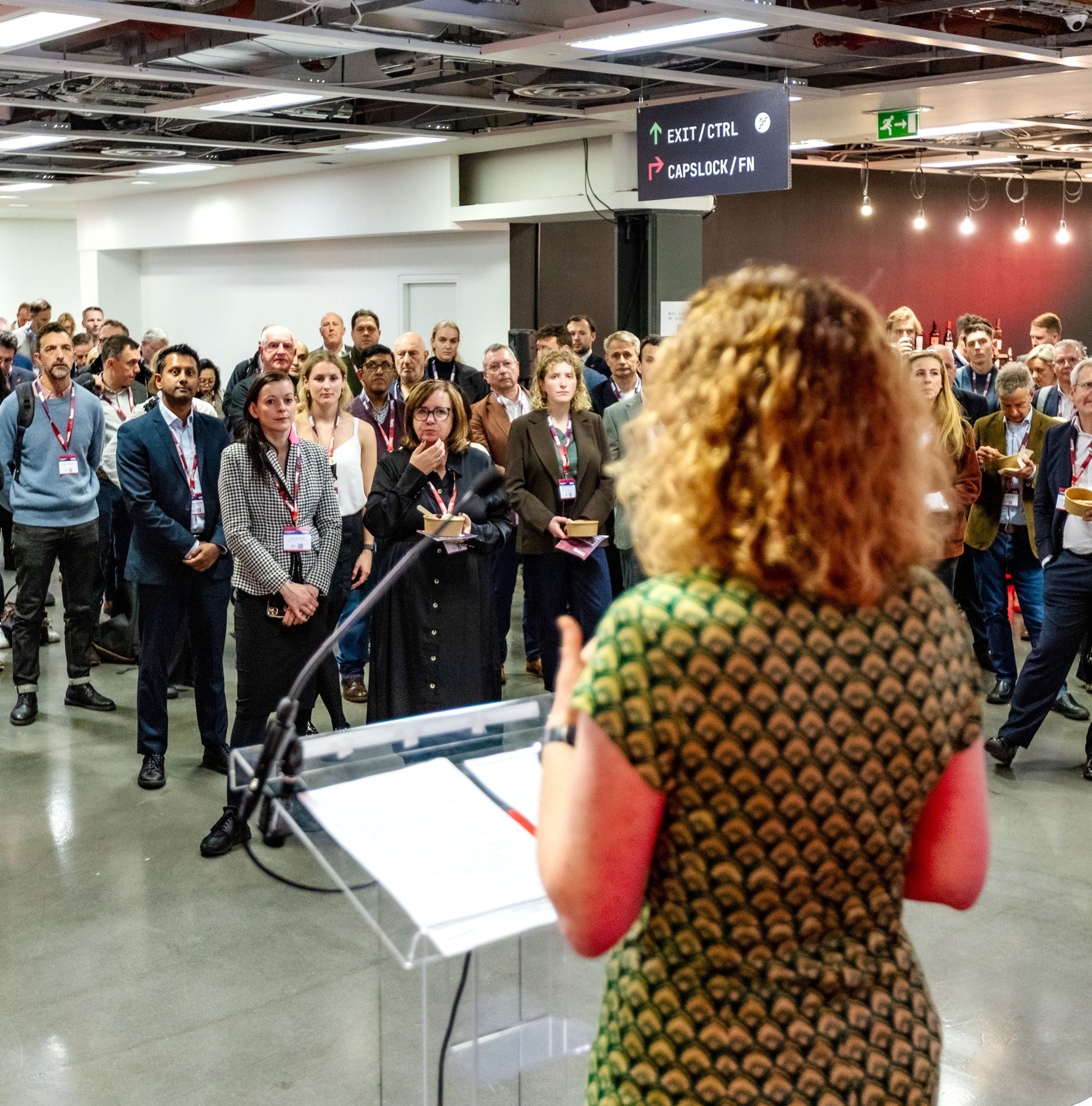
Investment Futures makes the investor connection visible. Its November 2026 showcase at CodeNode in London is scheduled to feature up to twenty selected companies raising £250,000 to £5 million. Eligible members can participate without fees or equity; referrals, pitch materials and external investor review precede selection.
The larger financing question is geographical. In October 2024, the universities and QantX announced plans for a £300 million spin-out investment vehicle. Their stated concern was a shortage of early-stage patient capital in the region. The announcement describes an intended vehicle; it should not be mistaken for £300 million already invested.
Borrow the question before buying the membership
The lesson a reader can copy is precise: separate evidence that a product works from evidence that a particular customer will buy it. Compare actual traction, the route to the decision maker and the time required to close. Stay Planner’s experience gives that exercise a concrete shape.
Support is most relevant when a venture needs commercial judgement, research collaboration or preparation for external funding. It is less useful if the founder needs immediate cash, refuses to reconsider the market, or expects admission to replace customer demand. Mentors can challenge the plan. Buyers still get the final vote.
Website · Deal Readiness Toolkit · News and insights · Investment Futures applications