regenerative-agriculture
(54)
Ubees puts the bee on the balance sheet
A connected hive can tell a farmer when a colony needs attention. Ubees goes further: it connects pollination, honey sales, and the brands that need those farms to keep producing.

The Israeli Innovation Hub That Starts With Fish Ponds, Olive Pits and Factory Floors
InnoValley is betting that the best place to build the next agricultural technology is beside the farms, factories and fish ponds that will have to use it. Its currency is not hype but access - to grants, operators, researchers and a region willing to test what comes next.
IMPAQTO opened a coworking space. Then it started writing checks.
The Ecuadorian company built a business around the things impact entrepreneurs kept missing: a place to work, practical help and capital that fits. Its most revealing move was becoming a lender itself.
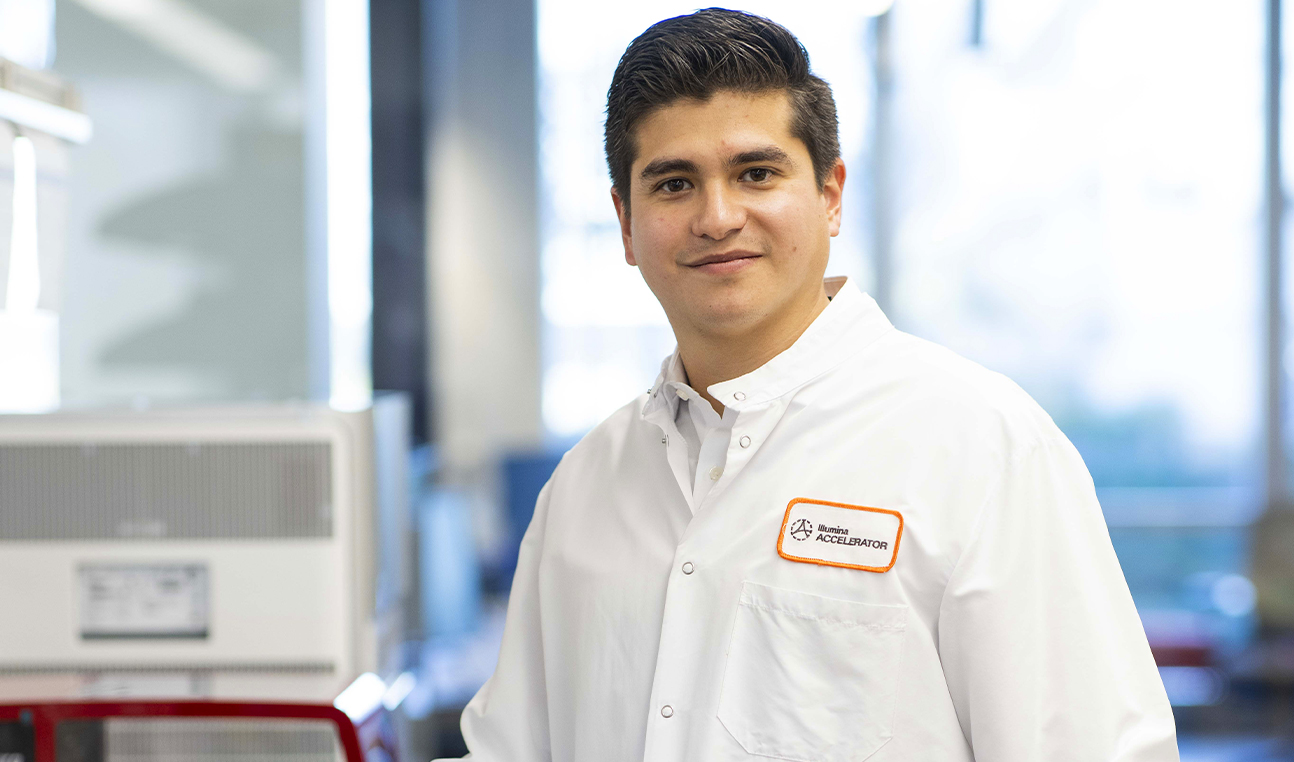
Irving Rivera Is Teaching Agriculture to Read the Soil's Hidden Signals
The Solena co-founder began with a student biofertilizer project. A decade later, he is turning billions of DNA sequences into decisions farmers can use.

Patrick Mateer Put the Farmers Market in the Freezer
A 6:30 a.m. farmers-market shift showed him the absurdity hiding in plain sight: beloved local fruit, a brutally short selling season, and good harvests with nowhere to go. His answer was a regional cold chain built to make summer last all year.

Chris Tolles Is Building a Tape Measure for the Dirt
The furniture designer turned climate founder is betting that better soil data can make carbon claims more credible - and regenerative agriculture more useful to the people who actually work the land.
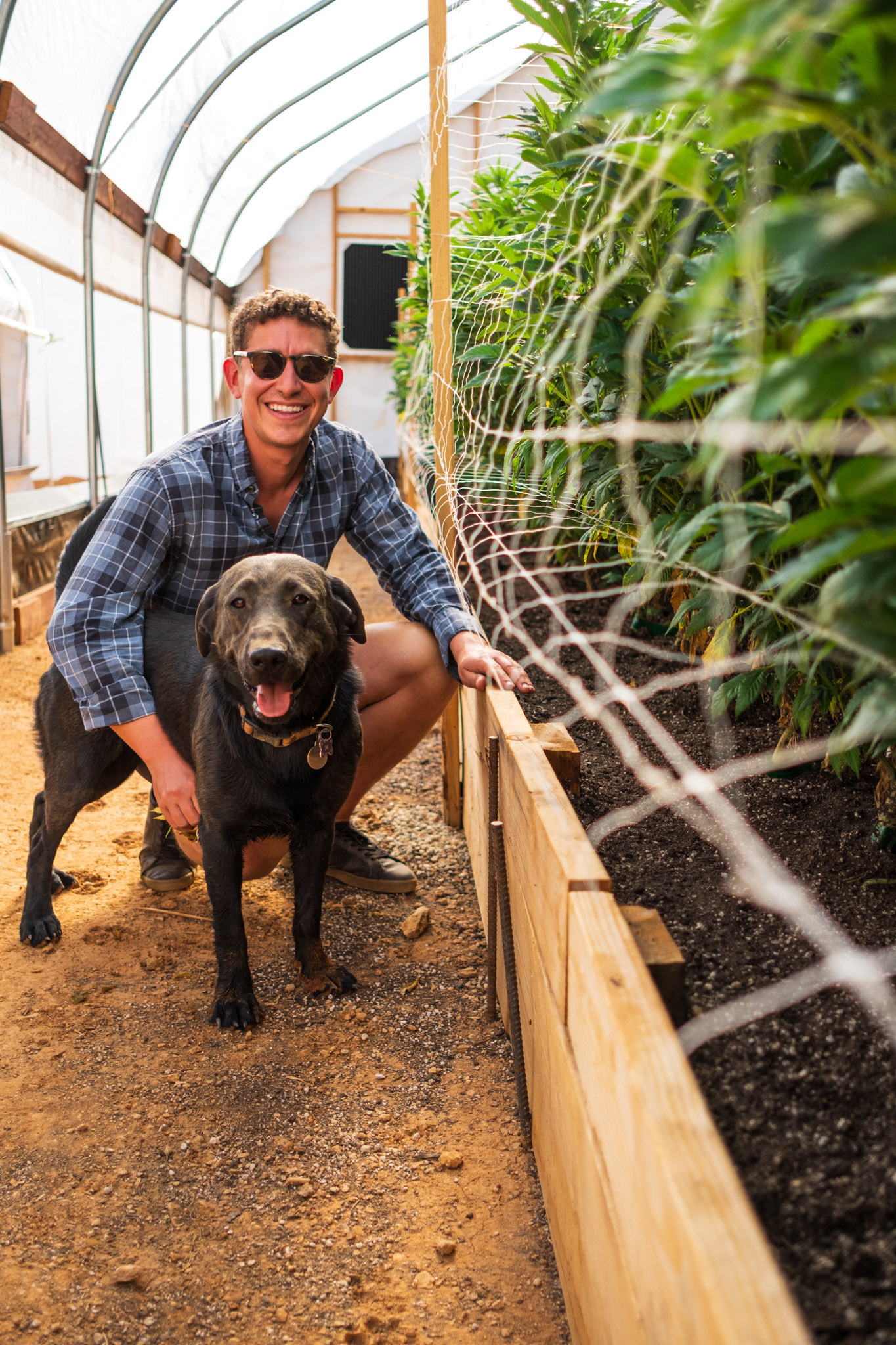
Lex Corwin Built a Cannabis Brand on One Scrappy Rule: Make the Farm the Marketing
Stone Road began with a teenage grow on a Connecticut lane and matured into a lean, design-forward company rooted on 57 off-grid acres. Corwin’s wager is simple: careful cultivation, frank branding and a small team can still matter in a brutally consolidated market.
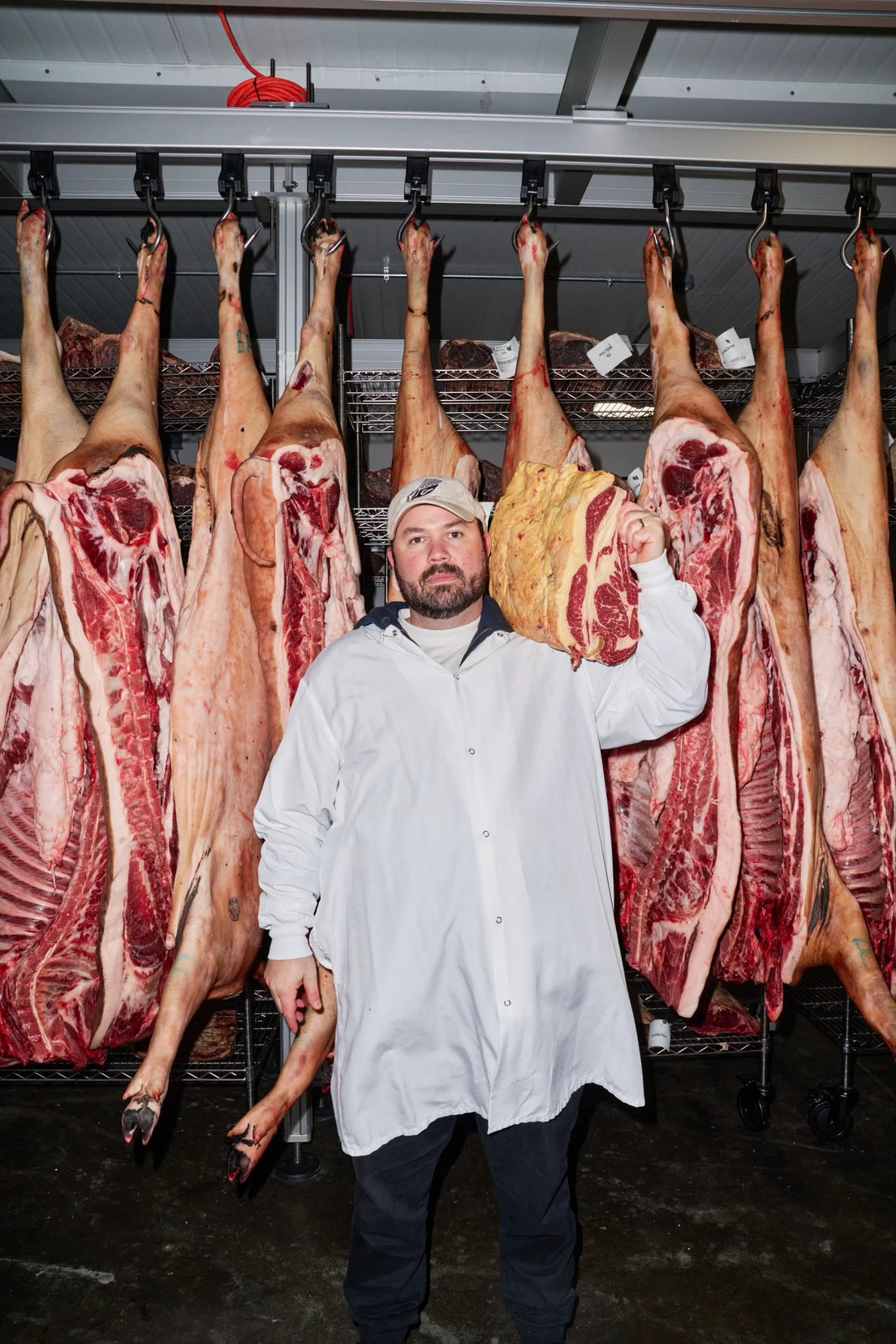
Cliff Pollard Put the Missing Middle on the Menu
He started with ten cattle, borrowed coolers and a promise to pay. A decade later, the Oakland founder is still betting that the difficult part of better meat is the part worth owning.

BioFiltro Put Earthworms on the Wastewater Payroll - Now a $35 Million Bet Is Testing Whether Nature Can Beat the Tank
The Davis company turns manure and process water into a four-hour biology lesson. The memorable part is the worms; the consequential part is a business model built around cleaner water, lower methane, and infrastructure customers do not always have to own.
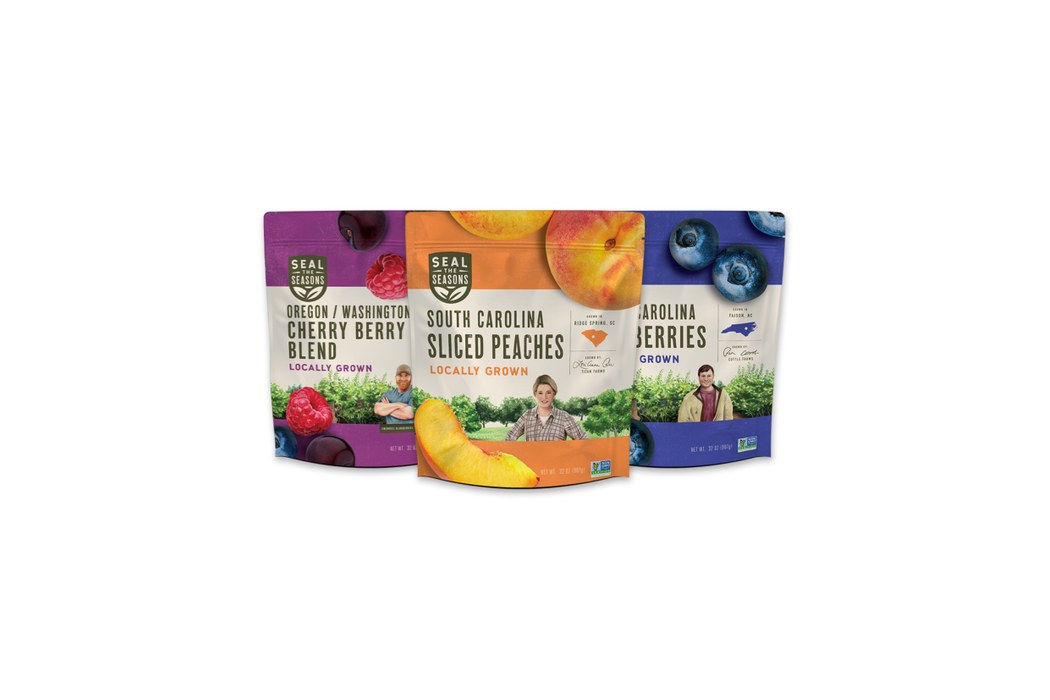
Seal the Seasons Put the Farmers Market in the Freezer - Then Had to Reinvent Its Own Factory
The North Carolina startup began with an $80,000 prize purse and its own freezing line. Its bigger idea arrived when it stopped trying to own the factory and turned spare capacity on family farms into a regional frozen-food network.

Stone Road Built a Beautiful Cannabis Brand. Then the Bills Got Ugly.
Lex Corwin paired an off-grid California farm with packaging made for the design shelf. The harder trick was learning when to outsource, when to shrink, and when a sale was not worth chasing.
The Dirt Is Cheap. Proving It Is Not: Yard Stick's Bet on Better Soil Carbon Data
Soil can store carbon, but the proof has been slow, costly and easy to distrust. Yard Stick is building the measurement layer that tells carbon-project developers and food companies whether the dirt is actually doing what the spreadsheet promised.

The Chemical Engineer Who Roasted Her Way From a Kitchen in Rural Virginia to a National First
Candy Schibli left engineering and international development to build Southeastern Roastery - now the first Black-woman-owned certified organic coffee co-packer in the country. The method is part chemistry, part conservation.
GreenPoint Is Turning the Forgotten Corners of Infrastructure Into Operating Systems
The New York investment firm has raised more than $1 billion to combine land, operators and software - from truck terminals and fleet-charging hubs to farms and housing.
The Yellow Can Is Now Yerba Madre - and the Name Change Is the Least Interesting Part
After nearly three decades as Guayakí, America's dominant yerba mate brand changed the label, kept the yellow can and made its real product easier to see: a market for the forest left standing.
The Flour Company That Turned Free Advice Into a Business Moat
King Arthur Baking sells flour, but its real edge is the confidence wrapped around the bag: tested recipes, patient teachers and a hotline for cakes in distress. After more than two centuries, the employee-owned company is still finding new ways to make bakers come back.
The egg company that put a farm's name on every carton
How a 20-hen Texas farm turned radical transparency and 108 square feet of pasture per bird into a $759 million business - one carton at a time.
Frontier Co-op
A two-person spice operation that began in an Iowa river cabin now links tens of thousands of member-owners to growers around the world. Its real product is not only what sits in the jar - it is a supply chain designed to keep quality, livelihoods and accountability in the same conversation.
General Mills
It began as one flour mill on the Mississippi in 1866. A century and a half later, General Mills fills roughly nine in ten American pantries - and is betting its next chapter on cereal, snacks and, increasingly, the dog bowl.
Nature's Path Foods
Forty years ago a berry-farmer's son turned his father's one-line advice into a cereal company. Nature's Path is still family-run, still refuses to sell, and still puts organic breakfast on tables in more than 40 countries.
ButcherBox
How a founder who once lost investors' money built a half-billion-dollar meat company on a Kickstarter, a trash bag of grass-fed beef, and a refusal to take venture capital.
Bel Group
How a Jura cheesemaker became a 120-country snacking machine - and why a 160-year-old family business is now spending it on regenerative farms and lab-made dairy.
Bayer
Bayer is trying to make one science company work at three speeds: the long clock of drug discovery, the seasonal rhythm of farming and the everyday urgency of self-care. Its turnaround will depend on whether that range becomes an advantage rather than a burden.
ADM
The company you have never heard of is inside almost everything you eat. Here is how a linseed-crushing shop from 1902 became the invisible spine of the global food supply.
Nicks Ericsson
Nicks Ericsson is the Chief Marketing Officer of KEEN Footwear, the Portland-based outdoor shoe company, a role he took on in 2024. A Swedish-trained brand marketer with more than 20 years across fashion, sport, and footwear, he spent over a decade at UGG, where he built the brand's first circular-economy program and pushed its regenerative-agriculture pledge across a million acres of farmland. Earlier he helped scale premium labels including J.Lindeberg and Justin Timberlake's William Rast, and he co-founded The AND Agency to advise companies on responsible brand and sustainability strategy. His stated aim at KEEN is to make it 'the most trusted brand in the world' through consistency and transparency rather than moonshot promises.

BioLumic
BioLumic is a New Zealand-founded agricultural biotechnology company that uses precisely tuned ultraviolet light treatments to program desirable traits into seeds and seedlings without genetic modification. Applied in seconds, its patented 'light recipes' switch on plants' natural genetic expression to deliver double-digit yield gains, stronger disease resistance and stress tolerance across crops including corn, soybean, rice and ryegrass. The company partners with seed producers to commercialize non-GMO, climate-smart traits at scale.
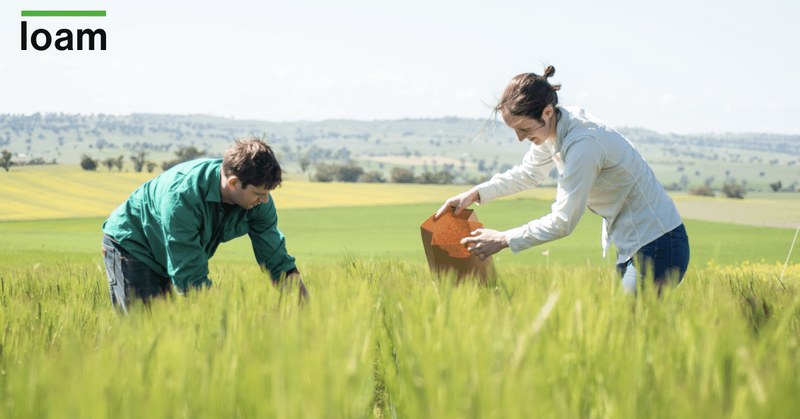
Loam Bio
Loam Bio is an Australian agricultural biotechnology company using naturally occurring microbial fungi to help crops store more stable, long-lasting carbon in soil. Founded in 2019 by a group of farmers and climate scientists, it coats seeds with its CarbonBuilder inoculum so plants pull atmospheric CO2 into recalcitrant, mineral-bound soil carbon, and pairs the biology with its SecondCrop program that helps growers measure, verify and sell soil carbon credits. Backed by more than US$119M from investors including Lowercarbon Capital, Wollemi Capital and Marc Benioff's Time Ventures, Loam is scaling from its Orange, NSW base into the United States.

Solena
Solena is an agricultural biotechnology company that reads the microbiome of farm soil the way a doctor reads a blood panel. Farmers mail in a soil sample; Solena sequences the DNA of the microbes living in it, scores the soil's biological health with its MISS index, and its Prometheus platform turns that data into AI-driven prescriptions for what to apply, when, and how much. The goal is fewer synthetic inputs, healthier soil, better yields, and eligibility for carbon and regenerative-agriculture incentives.
Verdant Robotics
Verdant Robotics is a Hayward, California agtech company building AI-driven precision farming robots. Its flagship SharpShooter is a tractor-pulled implement that uses computer vision and a bank of aiming nozzles to treat individual plants - weeding, thinning, fertilizing and spraying with millimeter accuracy - instead of blanketing whole fields. The pitch to growers of high-value specialty crops like carrots, lettuce and onions: cut chemical inputs by more than 96%, reduce hand-weeding costs, and collect plant-level data along the way. Founded in 2018 and led by roboticist Gabe Sibley, the company raised a $46.5M Series A in 2022 and commercially launched the SharpShooter in 2024.

Steve Sibulkin
Steve Sibulkin is the CEO and board member of BioLumic, a New Zealand-and-US agtech company that uses precise UV light signals to switch on genetic traits in seeds without genetic modification. A repeat CEO with a background bridging advertising strategy and agriculture, he earlier co-founded and led Agronomic Technology Corp, maker of the Adapt-N nitrogen tool, which was acquired by fertilizer giant Yara International. He now leads BioLumic's push to commercialize xTraits, light-programmed seed traits it says can cut years and up to 90% of the cost out of traditional trait development across corn, soybean, rice and forage.