materials-science
(45)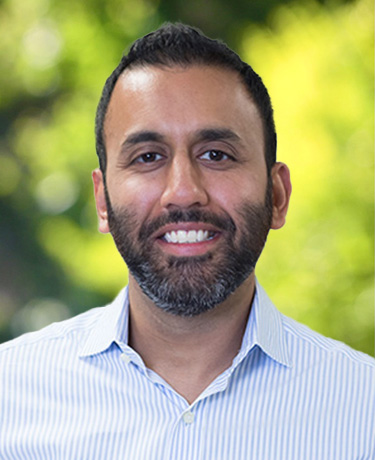
Vikram Joshi and the Business of Knowing What to Spare
A materials engineer learned to value experiments that fail. Two decades later, that habit sits at the commercial edge of a cell-therapy platform built to make an exquisitely difficult distinction: tumor from normal tissue.

Billy McCall Is Teaching Polyester How to Leave
A lifelong surfer and polymer scientist built Kintra Fibers around one unfashionable question: what if a high-performance synthetic could do its job, then make a graceful exit?

Michael Markesbery Put Space-Age Insulation in a Foam Roll
A freezing climb gave him the problem. An astronaut scholarship gave him the material. A decade later, the jacket company has become a bet on better insulation almost everywhere.

Mark Granahan Retired. Then He Found a Better Way to Use Silicon.
A retired chip executive went back to the journals, rented time in a university nanofab, and spent seven years proving that ordinary silicon still had another act.
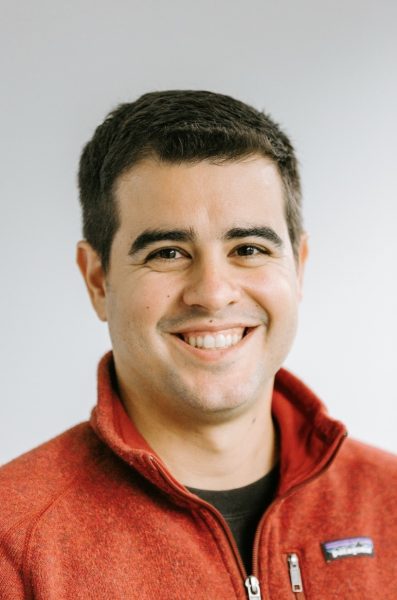
Gabriel Rodríguez-Calero Bet on the Unfashionable Molecule
A Puerto Rico-born chemist found a stubborn industrial problem hiding inside a membrane. A decade later, his company is trying to make green hydrogen ordinary enough to buy.

Dillon Baxter Bet on a Fork That Could Disappear
A college golfer sold straws door to door, quit banking after one month, lost an $8 million commitment, and kept building. Now PlantSwitch is trying to make the useful life of plastic match the life of the thing it serves.
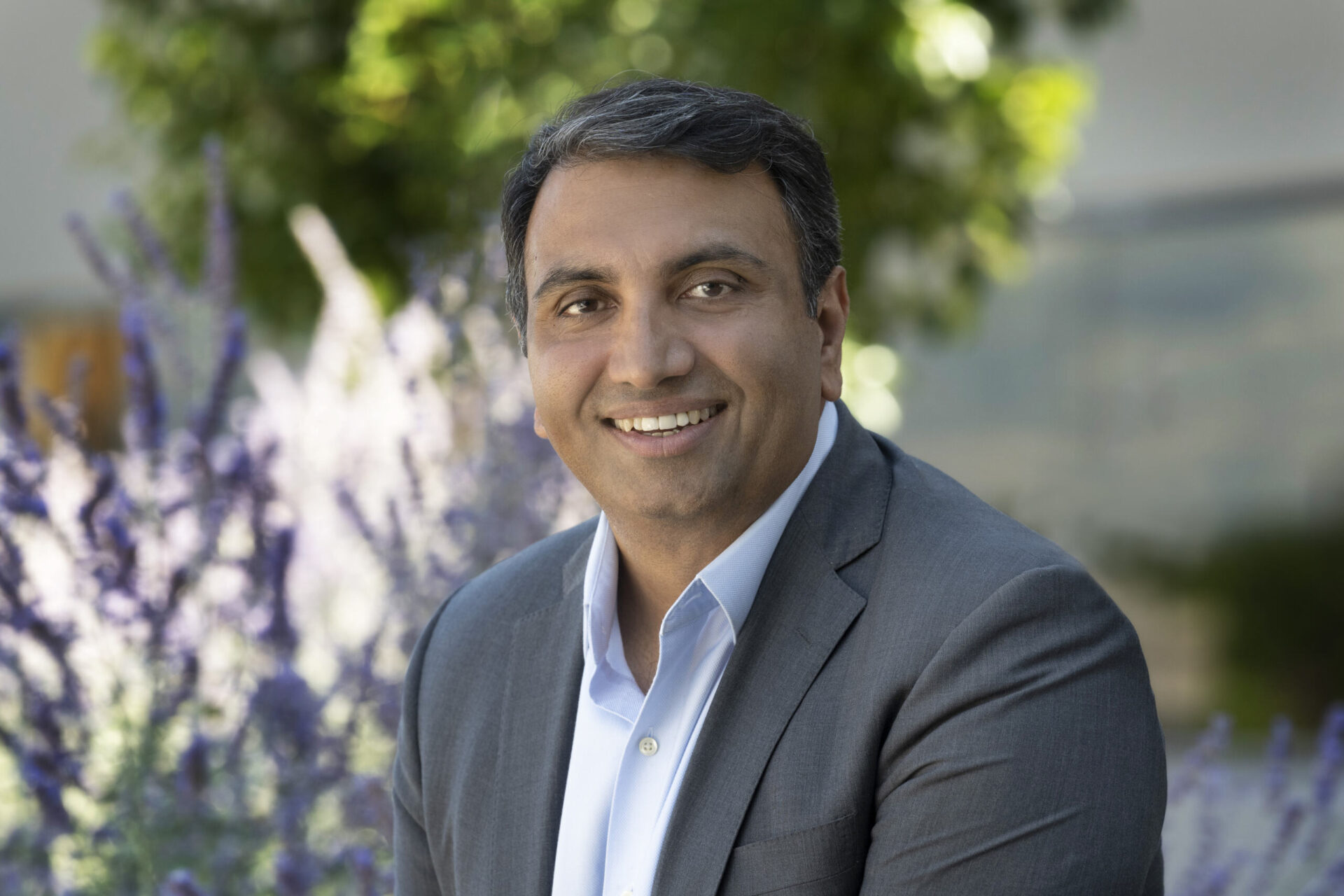
Sandeep Nijhawan Is Teaching Iron to Take a Cold Bath
At Electra, a former semiconductor operator is replacing the blast furnace's inferno with a 60°C electrochemical process - and betting that cleaner iron must compete without a green premium.

Sam Dai
Sam Dai is the co-founder and CEO of Enpower Greentech, a battery cell maker building semi-solid-state, lithium-metal, and silicon-rich cells. Trained as a physicist at Tsinghua and a materials scientist at UT Austin under Nobel laureate John B. Goodenough, he started the company in 2012 with fellow post-doc Che Yong. The company has shipped over 3 million solid-state cells, holds more than 100 patents, and runs facilities across the US, China, Japan, and Germany. Dai was selected for Unreasonable Impact Asia Pacific 2024.
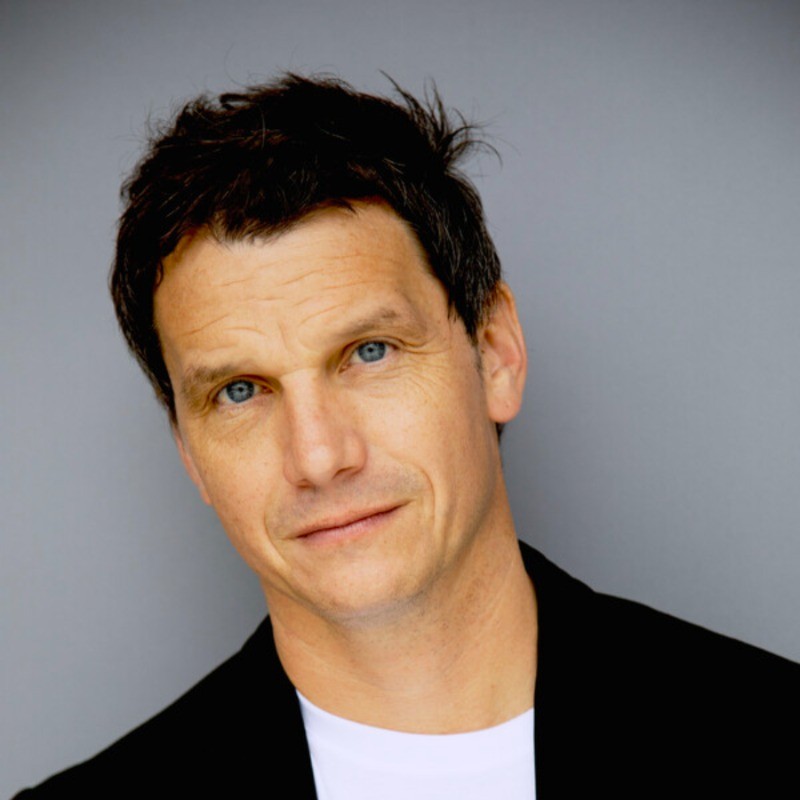
Stefan Pastine
Stefan Pastine is an American chemist, inventor and deep-tech founder who builds materials most people never think about but every device depends on. After earning a PhD in organic chemistry from Columbia and doing postdoctoral work at UC Berkeley, he founded Connora Technologies to make recyclable epoxy resins, which was acquired by Aditya Birla Chemicals in 2019. That same year he founded Thintronics, a Bay Area startup developing next-generation dielectric insulator films for printed circuit boards and semiconductor packaging. His pitch is deceptively simple: the insulator, long ignored while engineers obsessed over transistors, is the overlooked bottleneck for faster, cooler AI data centers - and Thintronics wants to unseat a Japanese giant that has held 90% of the market for three decades.

Sujeet Kumar
Sujeet Kumar is the co-founder and CEO of Ionblox, a Fremont, California battery company building pre-lithiated silicon-anode lithium-ion cells for electric vehicles and electric aviation. A materials scientist with a Ph.D. from the University of Rochester and more than 60 patents to his name, he previously served as CTO of Envia Systems, where his team developed one of the first 400 Wh/kg lithium-ion cells with a silicon anode. Ionblox, formerly Zenlabs Energy, has raised roughly $32 million in Series B funding from backers including Lilium, Applied Ventures, Temasek and Catalus Capital, and markets cells that promise higher energy density, up to five times more power, and 10-minute fast charging.
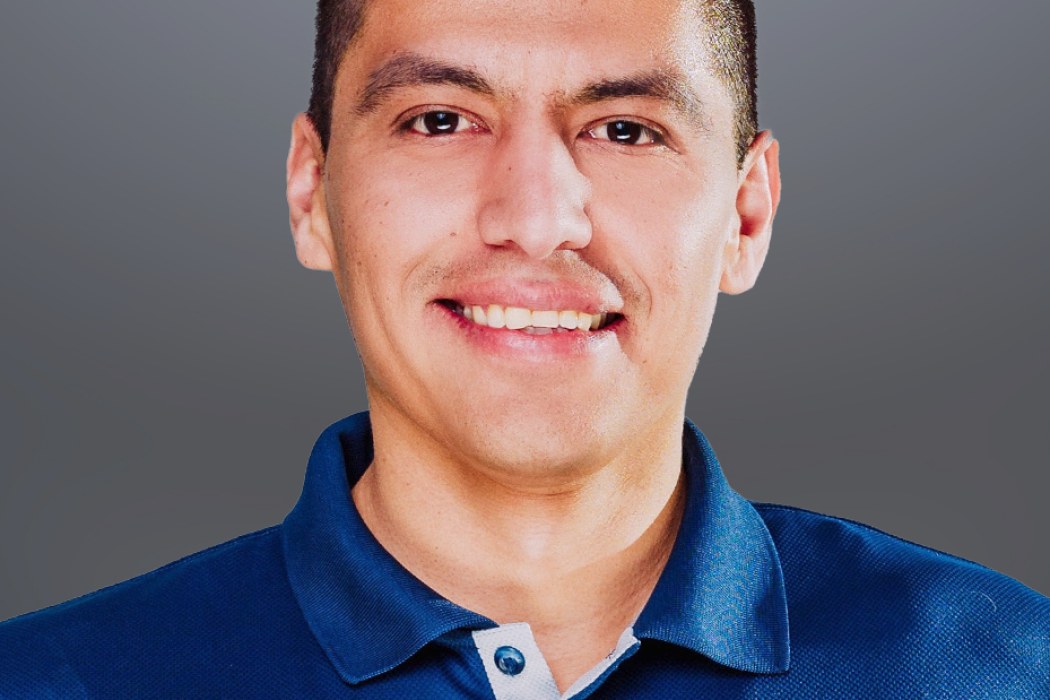
David Arreaga
David Arreaga is the co-founder and CEO of Ares Materials, a Plano, Texas deep-tech company building AI-designed optical polymers for flexible and foldable electronics. A materials scientist with a Ph.D. from UT Dallas, he turned doctoral research on polymer substrates into a company whose Pylux cover-window and adhesive materials target the next generation of foldable displays. Ares pairs high-throughput experimentation with machine learning to shorten materials development from decades to years, and closed the first trench of a $12M Series B round in 2025.
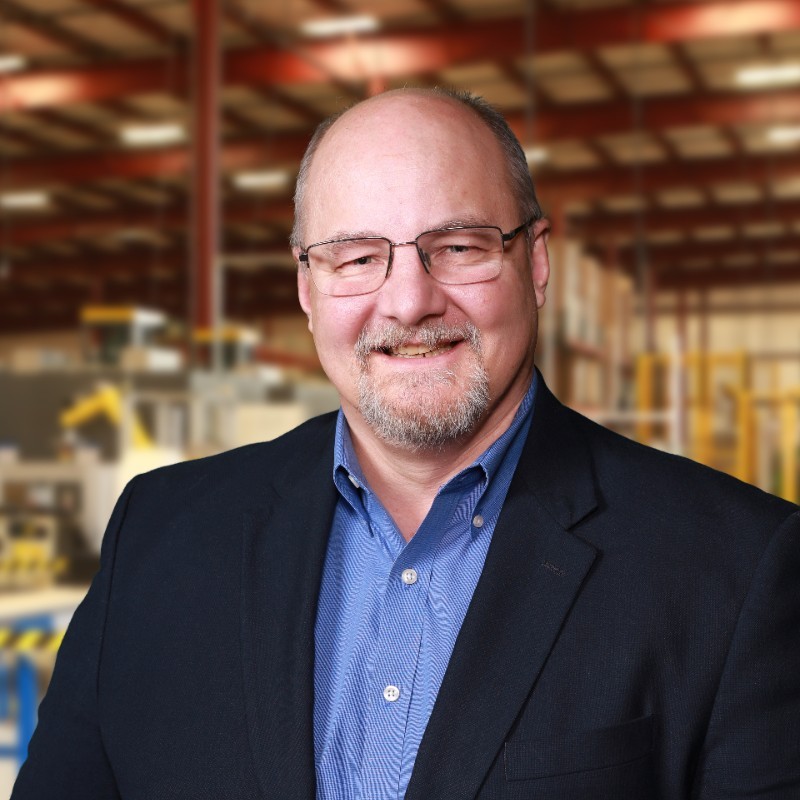
Edward Shaffer
Dr. Edward O. Shaffer II is the CEO and founder of Advanced Battery Concepts, a Clare, Michigan company he started in 2009 to reinvent the 160-year-old lead-acid battery instead of chasing lithium. His patented GreenSeal bipolar architecture strips cost, lead and weight out of large-format storage while keeping the batteries fully recyclable, and it has been licensed to battery makers around the world including Crown, Clarios, EnerSys, Exide, Trojan and Monbat. An MIT-trained materials scientist and former Dow Chemical R&D manager, Shaffer argues that energy storage only scales when it is economically, socially and environmentally responsible - all three at once.

Jack Milwid
Jack Milwid is a scientist-turned-company-builder who sits in the Office of the CEO at Lila Sciences, the Flagship Pioneering venture chasing 'scientific superintelligence' through autonomous AI-run laboratories. A materials engineer with a Harvard-MIT PhD, he has spent his career founding biotech companies from scratch - among them Sana Biotechnology, Neon Therapeutics, Cobalt Biomedicine and Kaleido Biosciences - and co-founded the investment firm Related Sciences. His trademark is turning early science into operating companies.

Kazuhiko Nishioka
Kazuhiko Nishioka is the co-founder and CEO of Sun Metalon, a Japan-origin, Chicago-area climate-tech company decarbonizing the metal industry. A former Nippon Steel engineer with a materials science background from Northwestern University, he built a patented, near zero-emission heating technology that turns metal scrap, sludge and swarf into clean, reusable metal pucks on-site. Founded in 2021, Sun Metalon has raised roughly $42M in total funding, partnered with Toyota on aluminum recycling, and drawn Nippon Steel's first venture investment in its 100-plus-year history.
Jin Lim
Jin-Myoung Lim is the co-founder, CEO, and CTO of ACT-ion Battery Technologies, a Dallas-based deep-tech startup reinventing how cathode active materials (CAM) are made for lithium-ion batteries. A PhD mechanical engineer from Seoul National University with 2,272+ research citations and an h-index of 27, Lim spun ACT-ion out of Hunt Energy Enterprises in 2019 with a bold thesis: that the biggest bottleneck in the battery supply chain isn't the chemistry - it's the manufacturing process. His Hydro4Crystal platform produces coated single-crystal CAMs continuously, with lower energy, cost, and emissions than any incumbent method, and it works across chemistries from LFP to NMC. In 2024, the technology won an R&D 100 Award. By late 2025, ACT-ion had raised $11.5 million from BASF Venture Capital, LG Technology Ventures, Mirae Asset Capital, and Korean institutional investors, and was breaking ground on a pilot plant in Carrollton, Texas.
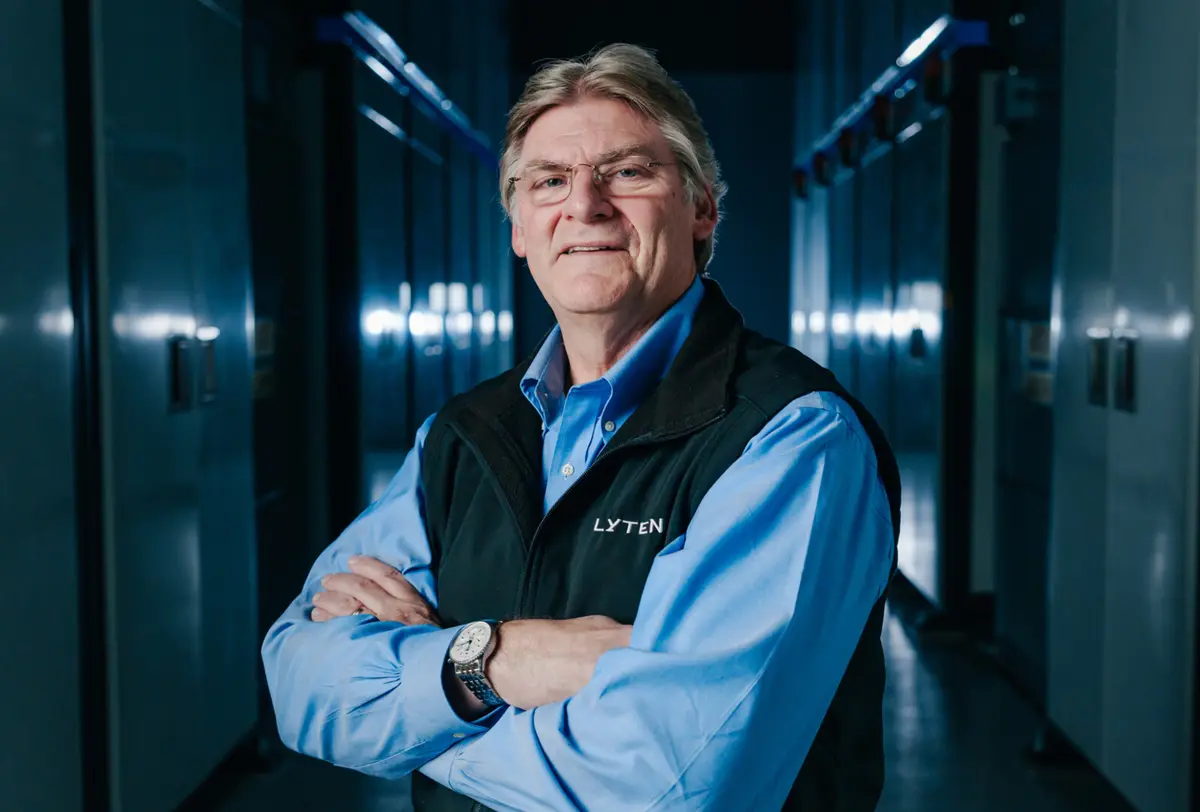
Dan Cook
Dan Cook is the CEO, Co-founder, and Investor at Lyten Inc, a San Jose-based deep-tech company pioneering 3D Graphene supermaterial and next-generation lithium-sulfur batteries. With over three decades spanning General Motors, NeXT Computer (under Steve Jobs), Bay Networks/Nortel, and private equity at Cerberus Capital, Cook pivoted to found Lyten in 2015 around a serendipitous discovery: trying to turn methane into clean hydrogen, the team accidentally created a revolutionary 3D graphene material. Under his leadership, Lyten has raised over $1.2 billion, shipped lithium-sulfur A-samples to automotive and military customers, announced the world's first lithium-sulfur gigafactory in Reno, Nevada, and in 2025-2026 acquired significant Northvolt assets across Europe to become one of the largest battery manufacturers on the continent.

Adam Slavney
Adam Slavney is the co-founder and CEO of Pascal, a Cambridge, Massachusetts startup commercializing solid-state refrigerants to replace the planet-warming gases inside air conditioners, heat pumps, refrigerators and data centers. A Stanford-trained chemist who studied perovskite solar cells before a Harvard postdoc in clean-energy economics, Slavney spun Pascal out of Harvard in 2023 around a class of barocaloric materials that respond to pressure two orders of magnitude more strongly than other solids. The company raised an $8M seed round in 2024 led by Engine Ventures, with Khosla Ventures participating, and later added a Series A to scale prototypes. Slavney's pitch is blunt: heating and cooling burn nearly 40% of the world's energy and the refrigerants doing it cause about 2% of global warming, and he wants to keep the cooling while deleting the climate cost.

Arno Merkle
Arno Merkle is the co-founder and CEO of Crystal Sonic, a Phoenix deep tech startup whose patented Sonic Lift-Off technology uses sound waves as an 'acoustic scalpel' to split thin device layers off semiconductor wafers so the costly substrate can be reused. A materials scientist with a Ph.D. from Northwestern and more than 75 technical papers to his name, Merkle spent two decades building and exiting X-ray and electron microscopy companies (Xradia, acquired by Carl Zeiss in 2013; XRE, acquired by Tescan in 2018) before turning his attention to one of chipmaking's quietest scandals: that conventional wafering throws away 90% or more of pristine, expensive crystal. With Crystal Sonic he is trying to make next-generation chips cheaper and far less wasteful, one sound wave at a time.
Brendan Smith
Brendan Smith is the co-founder and CEO of SiTration, an MIT spinout commercializing a tunable silicon membrane that recovers critical metals like copper, cobalt, nickel and lithium from mining waste and spent batteries without the mountains of chemicals the old way demands. A materials scientist who came to MIT from Canada in 2013, he turned a desalination-lab discovery into a venture-backed company that has raised roughly $14.4 million and partnered with mining giant Rio Tinto. He runs the company from a 11,000-square-foot pilot facility in Watertown, Massachusetts.
Daniel Sobek
Daniel Sobek is the co-founder and CEO of 1s1 Energy, a Portola Valley startup turning a chunk of boron chemistry into cheaper, cleaner green hydrogen. An MIT-trained engineer with three degrees from the institute and a habit of starting companies, he spent years in microfluidics and cancer-imaging hardware before betting on electrolyzers. His company's boron-based membranes claim to cut the energy needed to make hydrogen by about 30 percent, and he says they already hit a U.S. Department of Energy efficiency target set for 2031.

Malur Narayan
Malur Narayan is the CEO and co-founder of XTRIUM, an Austin-based B2B AI startup building an intelligence layer for materials that matches materials to real-world applications, surfaces sourcing risk, and turns supply chains from fragile to resilient. A computer engineer who was running machine-learning research and self-managed software teams in the early 1990s, he spent three decades scaling technology businesses across five continents at Nortel and Tata Consultancy Services before co-founding two AI startups. He frames XTRIUM around a single idea: making the search for a new application for any material as fast and easy as an internet search, compressing what used to take a year into days.

Murari Ramkumar
Murari Ramkumar is the founder and CEO of Vimano, a deeptech materials startup building PFAS-free, ion-conductive membranes for flow batteries, green-hydrogen electrolyzers and fuel cells. A materials scientist trained at NITK Surathkal and the University of Pennsylvania, he co-founded the company in 2019 with Dr. Nagesh Kini and is chasing an audacious goal: to put a Vimano membrane inside one of every two large-scale energy storage devices, electrolyzers and fuel cells on the planet. In 2025 Vimano raised roughly $2.9 million in seed funding led by Ankur Capital.
Nick Benavides
Nick Benavides is the cofounder and CEO of Everywhere Apparel, a Los Angeles materials-science company that turns cotton waste into 100% recycled, GRS-certified blank apparel through its CirCot process - no water, no dyes, no microplastics. A Stanford religious-studies grad who went from Bain to helping start the trading app Robinhood, he pivoted from finance to fashion after he and two co-founders, frustrated by the lack of genuinely sustainable band merch for their indie record label, decided to build the supply chain themselves. Everywhere now produces recycled garments for artists like Chappell Roan, Paramore, Wilco and Dead & Co., and was named Counselor's 2025 Sustainability Advocate of the Year.

Ryan Swoboda
Ryan Swoboda is the co-founder and CEO of NAVAN Technologies, a San Carlos, California biotech commercializing NanoStraw, a non-viral platform that pokes microscopic hollow tubes into living cells to deliver DNA, mRNA, and proteins without killing them. He spun the technology out of Stanford's Melosh Group in 2017 while finishing his graduate research, holds inventor status on early NanoStraw patents, and ran the company's NSF STTR Phase II grant before becoming CEO in 2019. A first-generation college graduate, he splits his energy between scaling a deep-tech delivery platform for cell and gene therapy and running science demos for low-income kids.
Tyler Hernandez
Tyler Hernandez is the CEO and co-founder of Tynt Technologies, a Boulder, Colorado deep-tech company commercializing Reversible Metal Electrodeposition (RME) - a patented platform that lets glass and plastic surfaces tint from crystal clear to full blackout in seconds, without continuous power. A co-inventor of the technology, he earned a chemistry PhD at Stanford under Professor Mike McGehee and was named to Forbes' 30 Under 30 in 2023. Tynt began chasing energy-saving smart windows, then pivoted in 2024 to lenses for AI-powered eyewear, drawing interest from Google, Meta, Apple and Samsung. Hernandez took the CEO seat in 2026 and is raising to deliver an AI-eyewear-ready lens.
Filip Auksztol
Filip Auksztol is the CEO and founder of Quantum Boost, a London-based deep-tech startup that uses machine learning to help chemists formulate better products faster. A trained quantum physicist who earned a PhD at Singapore's Centre for Quantum Technologies and studied materials science at Oxford, he turned the math of atomtronic devices toward a more stubborn problem: the slow, trial-and-error grind of laboratory formulation. Quantum Boost's platform applies Bayesian optimization to experimental data, promising to cut formulation development time by 50 to 80 percent across inks, paints, pharmaceuticals and specialty chemicals.

Kai Jiang
Kai Jiang is the CEO of Nuovo Film Inc., a Silicon Valley materials company that turns silver nanowires into the transparent conductive film behind touchscreens, foldable displays, and large-area interactive panels. Under his watch the company has shipped more than 2.3 million square meters of conductive film, holds 180+ patents worldwide, and claims roughly 60% of the global silver-nanowire market. A Stanford-educated operator with a McKinsey and semiconductor background, Jiang runs a business that is invisible by design: its product is the layer you touch but never see.

Kathryn Cook
Kathryn Cook is the CEO and co-founder of NuCicer, a Davis, California agtech and food-tech company breeding chickpeas with up to 75% more protein than ordinary varieties. A former Boeing materials engineer and Facebook technical program manager, she left big tech to commercialize 35 years of her father's chickpea genetics research at UC Davis, applying machine learning and data analytics to plant breeding. NuCicer has raised roughly $23 million in total funding, planted across multiple US states, and aims to cut the cost of plant protein in half.

Kemal Levi
Kemal Levi is the founder and CEO of Relimetrics, an industrial AI company splitting its headquarters between Sunnyvale and Berlin. A Stanford-trained materials scientist who once measured how skin behaves under stress for the cosmetics industry, he now builds ReliVision, a no-code, GenAI-powered platform that lets factories teach machines to spot their own defects. He has spent more than fifteen years turning non-destructive testing and computer vision into shop-floor software, and counts NVIDIA's Inception program among Relimetrics' backers.
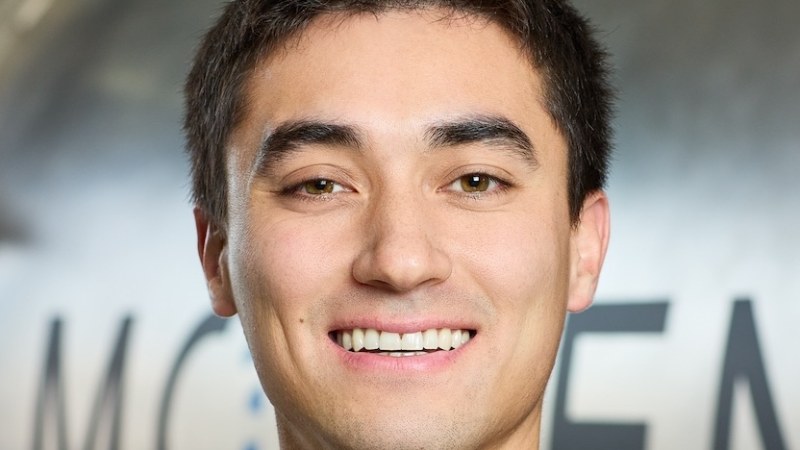
Kevin Bush
Kevin Bush is the co-founder and CEO of Molten Industries, an Oakland-based deep tech company using methane pyrolysis to crack natural gas into clean hydrogen and battery-grade synthetic graphite. A Stanford-trained materials scientist who set perovskite solar efficiency records before co-founding Swift Solar, Bush is a Breakthrough Energy Fellow and Forbes 30 Under 30 honoree. He started Molten in a Stanford garage in 2021 and raised a $25M Series A in 2024 to build its first modular commercial reactor.