marketing-ai
(29)
The AI news is endless. Your attention isn’t.
The Artificial Intelligence Show turned two colleagues’ reading habit into a weekly guide to AI at work. Its most useful lesson is how to make time to think before buying another tool.
Persado sells the words that make customers act
A home-equity ad helped expose the limits of marketing intuition. Persado has spent the years since turning that lesson into a system for producing, testing and checking the messages regulated brands send.

The Advertising Agency That Went for a Walk
A 1957 agency changed owners, changed its name, and picked a fight with advertising's oldest false choice: build the brand or make the sale.
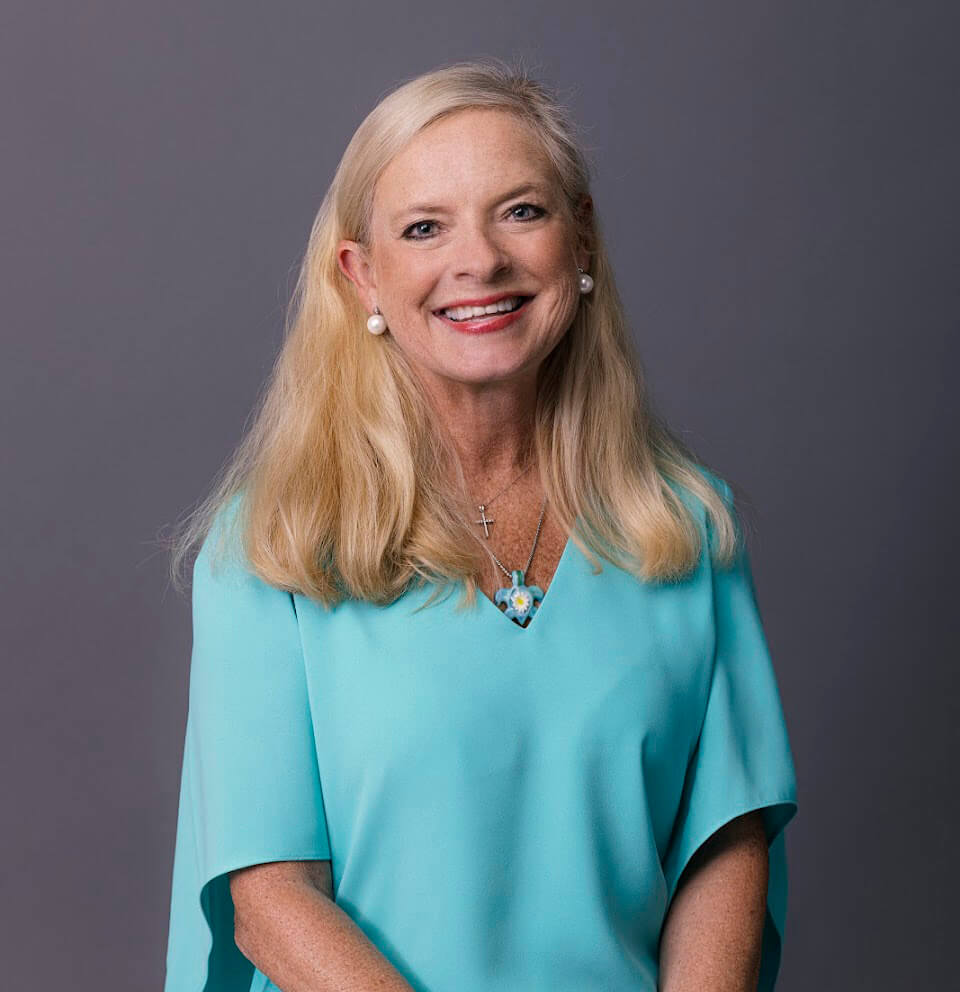
Ellen Faulkner Took the Long Way to the Top - Then Made Room for Others
She accepted half her salary to learn the agency business. Three decades later, Lewis chose its first woman CEO - a determined operator who believes the real work of leadership is knowing when to let go.
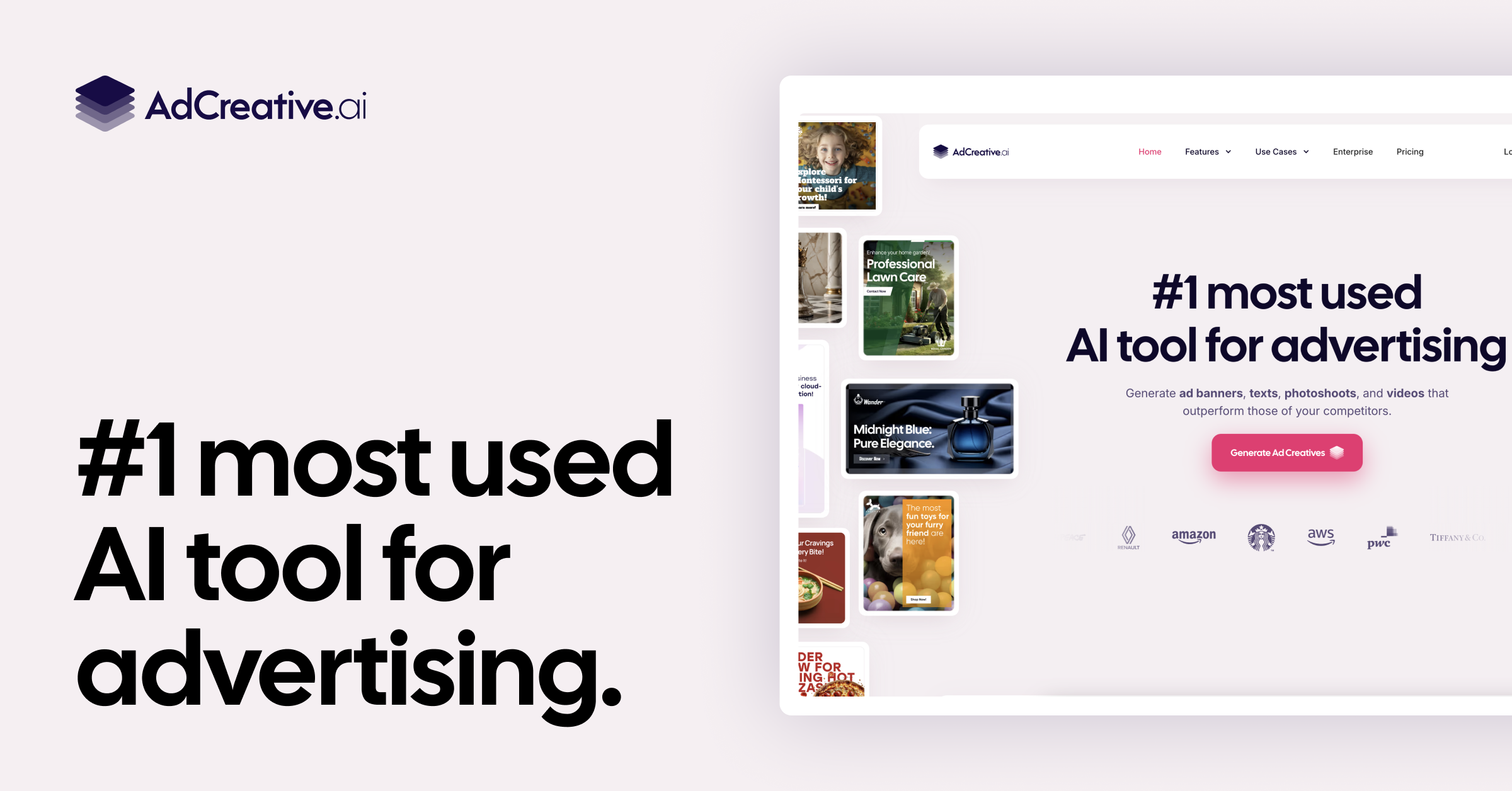
AdCreative.ai Wants to Make Your Next Ad Before You Finish the Brief
For marketers drowning in sizes, variants and last-minute briefs, AdCreative.ai offers a tireless production line with a taste for performance data. The speed is real; so is the need to read the subscription terms before the seven-day trial clock starts.

Optimizely Grew Up. Your Testing Stack Might Have To.
The A/B-testing pioneer now wants to run the whole digital experience, from the first content brief to the last conversion report. For teams with enterprise complexity, that sprawl can feel less like bloat and more like relief.

VidMob Wants Receipts for Every Creative Hunch
The enterprise ad platform reads the logo, face, color, copy and timing inside every asset, then asks the question most dashboards dodge: what, exactly, made the creative work?

Karen Wood Spent 15 Years Teaching Machines to See Customers. Then AI Changed the Assignment.
The Treasure AI CMO began with creative writing, built a career translating complicated software, and arrived at a useful answer to the AI frenzy: keep learning, keep testing, and distrust anyone who claims the map is finished.

Eric Damassa Built a Career on Knowing When to Say No
Anomaly’s Global Partner and CMO has spent 15 years making restraint look like a growth strategy. Now he is helping redesign the agency model for an era when hours matter less and intelligence matters more.

Acoustic Inherited IBM’s Marketing Cloud. Now It Wants Marketers to Escape the Legacy Stack.
Born from an IBM carve-out, Acoustic is rebuilding a collection of veteran marketing tools around one sharp idea: the system that spots customer intent should also be able to act on it. The hard part is proving that a legacy inheritance can become the cure for legacy martech.

Kate Colacelli Built a Marketing Career From Two Chairs and a Table
Before AI assistants and data platforms, there was a startup office with two chairs and a table. Kate Colacelli's career shows what automotive marketing looks like when the message is built around the work people actually need done.

Zappi Put Market Research on Fast-Forward. Then It Learned Speed Wasn’t the Product.
The Boston-based insights company began by making surveys faster and cheaper. Its bigger bet is that every test should make the next decision smarter - a useful playbook for any team drowning in one-off data.

Partnerize Wants to Turn the Messiest Marketing Channel Into a Profit Center
The affiliate business used to ask brands to hand over the keys and wait for a report. Partnerize built the control room - then bet that AI can finally give credit to the people who influence a sale before the last click.

George Popstefanov Built an Agency With $960. Now He Is Selling a Better Operating System for Growth
A Commodore 64, a German manual and a teenage leap from Macedonia to Wisconsin shaped a founder who treats change as raw material. Fifteen years after starting PMG with $960, George Popstefanov is trying to turn marketing intelligence into action - without losing the culture that made the company work.
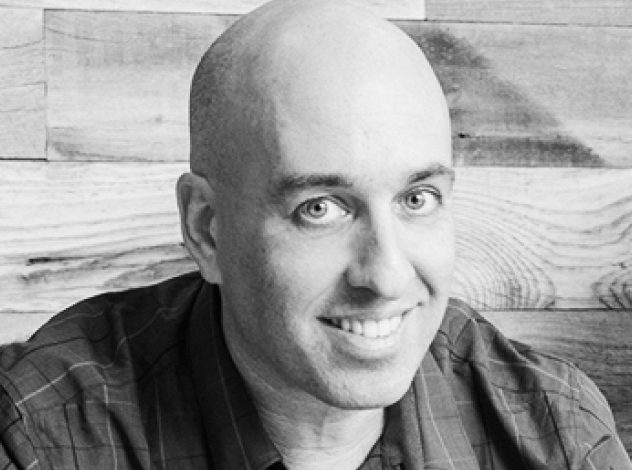
Etai Beck Is Building for the Buyer Who Never Knocks
He left a comfortable corporate climb to fix a problem hiding in plain sight: B2B buyers were being tracked everywhere and understood almost nowhere. A decade later, AI has made that argument urgent.

Matt Hixson Has Spent 15 Years Teaching AI to Read the Room
The former CPA behind Tellagence made a career out of a deceptively human question: what does online conversation actually mean? Fifteen years in, context is finally having its moment.

Hootsuite Built the Social-Media Control Room. Now It Has to Prove the Dashboard Can Think.
The Vancouver company made one dashboard the sensible answer to social sprawl. Eighteen years, one painful reset, and a major listening acquisition later, it is betting that live social intelligence - not another caption generator - can make the old control room matter again.
Tellagence Spent 15 Years Teaching AI the Difference Between Outrage and Sold Out
Most social-listening tools count the noise. This Portland company wants to explain it - and its 15-year path from Twitter influence maps to research-validated contextual intelligence is a useful playbook for founders building in a market that keeps changing names.

Icon
Icon is a New York startup that launched in 2024 as 'the world's first AI Admaker' - software pitched as ChatGPT plus CapCut for churning out short-form video ads in minutes. Founded by serial entrepreneur Kennan Davison (aka Kennan Frost) and backed by a $9.2M seed round led by Peter Thiel's Founders Fund, Icon paid a reported $12M for the icon.com domain and drew backing from OpenAI, Cognition and Pika executives plus celebrity angels. After users complained the fully-automated product fell short, the company pivoted toward human-filmed UGC ads (six ads for $999) branded 'The Human Admaker,' before reports in early 2026 said it had gone quiet.

Hakuhodo Spent 130 Years Learning to See the Whole Person. Now It Is Teaching AI.
The Tokyo agency built its identity around a stubborn idea: a shopper is a person before they are a target. Its next act is turning that idea into AI personas, commerce infrastructure, fandom strategy, and business design.

Treasure AI
Treasure Data spent 15 years teaching enterprises to recognize a customer across a maze of systems. Now, under a new name, it wants governed AI agents to turn that memory into action - without asking marketers to babysit another dashboard.

Shonodeep Modak
A chemical engineer learned to sell the value behind the machinery. Now Shonodeep Modak is applying the same customer-first discipline to AI, energy management and the changing architecture of a global marketing team.

Shubham Mishra
Shubham Mishra is the co-founder and Global CEO of Pixis, a Burlingame, California company building codeless AI infrastructure that lets marketers deploy AI models without writing code. He dropped out of BITS Pilani to build a virtual reality headset with the startup Absentia, then pivoted into AI-driven marketing and grew Pixis from an early bet on AI to roughly $85M in ARR, raising $209M across its funding rounds. His pitch is consistent: strip the friction out of AI so any team can use it in minutes, not months.

Pixis
Pixis is a codeless AI infrastructure company for marketing, giving advertising teams a suite of plug-and-play AI models that plan, target, optimize, and create ad campaigns without writing code. Founded in 2018 by three BITS Pilani classmates and headquartered in Burlingame, California, the company has built 200+ proprietary AI models and serves more than 1,000 customers, including 18 Fortune 2000 brands. It raised $209M across Series A through C1, backed by SoftBank Vision Fund 2, General Atlantic, Touring Capital, and others.
Typeface
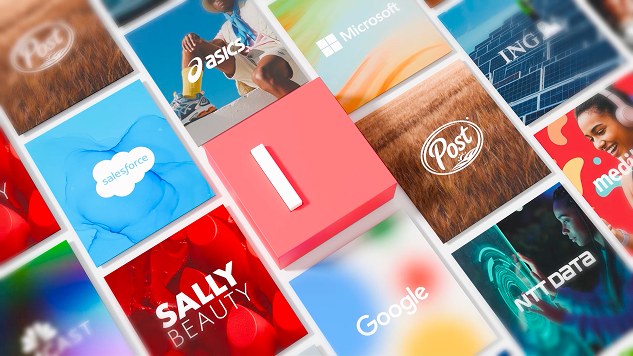
Typeface is an enterprise generative-AI platform that helps marketing teams plan, create, personalize, and launch on-brand content and campaigns at scale. Founded in 2022 by former Adobe CTO Abhay Parasnis, it grounds AI in a company's brand guidelines, layouts, and audience data so output stays consistent and safe. Its flagship product, Typeface Arc, combines specialized marketing agents, a brand-aware knowledge graph, and collaborative workspaces to run the full content lifecycle. The company reached a $1 billion valuation in 2023 and counts brands like Asics, Johnson Controls, Sally Beauty, and Microsoft among its users.
NewForm
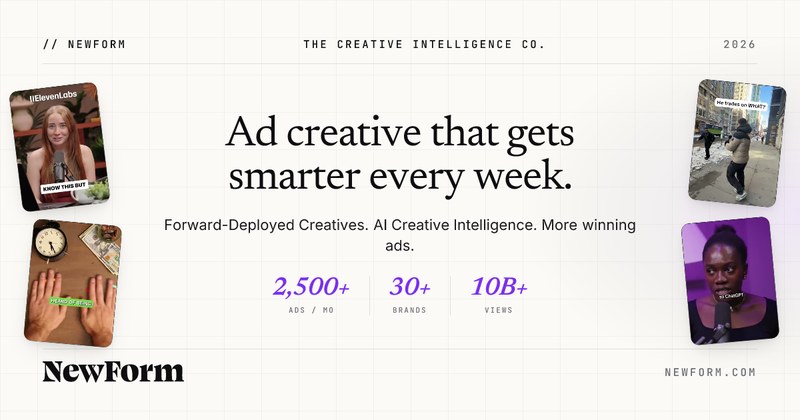
NewForm is a New York-based creative intelligence company that pairs an in-house creative studio with proprietary software called Framework. It makes paid social ads at scale - roughly 2,500 assets a month written, shot, and edited by people - runs them in market, and turns every result into a living map of what works for a brand. Founded by Hamza Alsamraee, Andrew Presser, and Alec Velikanov, NewForm puts strategists, producers, and engineers under one roof to close the gap between creative and media for performance teams.
Quinton Pham
Quinton Pham is a founder at Jasper, the enterprise AI content platform that has raised over $130 million and serves marketing teams at major brands worldwide. Based in Coffeyville, Kansas, Pham is part of the founding team of a company generating roughly $88M in annual revenue with 300 employees. Jasper's platform gives marketing teams AI-powered tools for content creation, brand voice management, multi-channel campaigns, and workflow automation - serving clients including Boeing, L'Oreal, Wayfair, Adidas, and Cox Automotive.
Chris Hull
Chris Hull is Co-Founder of Jasper, the enterprise AI platform for marketing teams that went from zero to $90M ARR in under three years. A serial entrepreneur from Austin, Texas, Hull co-built three companies with the same two partners - Dave Rogenmoser and JP Morgan - cycling through a digital marketing agency, a Y Combinator-backed social proof tool called Proof, and finally Jasper, which became one of the fastest-growing SaaS companies of the AI era, raising $130M and hitting unicorn status in roughly 18 months.
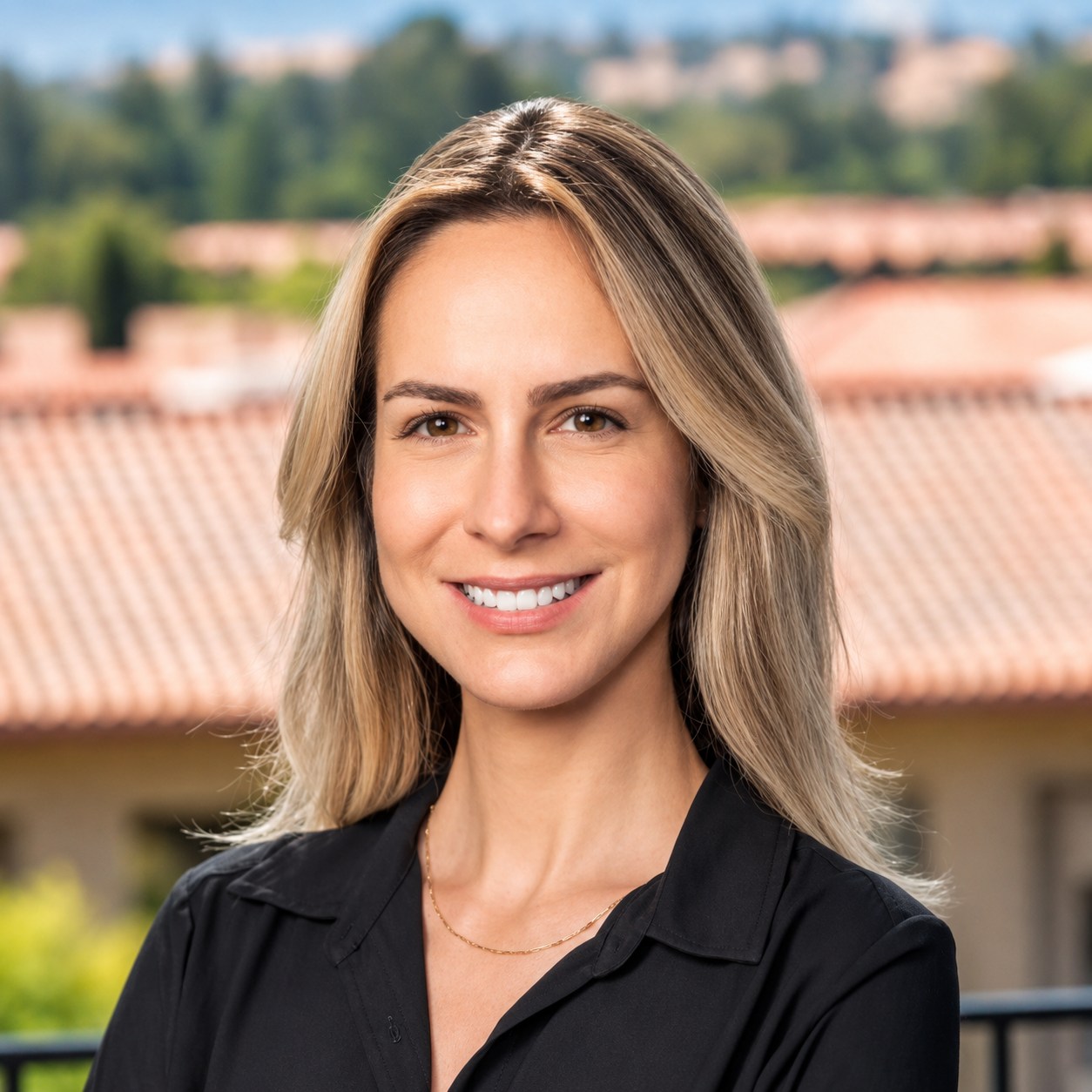
Julia Vasconcelos
Julia Vasconcelos is Sr. Director of Strategy & Operations and Chief of Staff to the CEO at Typeface, the enterprise generative AI platform backed by Lightspeed, GV, and Salesforce Ventures. A Brazilian attorney-turned-operator who pivoted from M&A law to fintech at Stone (where she helped drive the company's Nasdaq IPO), then earned an MS at Stanford GSB before landing at one of AI's hottest unicorns. She co-led Brazil at Silicon Valley, built a community of 200k in two months, and now sits at the intersection of AI strategy and executive operations in Palo Alto.