VidMob is for the meeting where a creative director says the cut has more energy, a media buyer says version B has cheaper clicks, and the brand manager quietly wonders why the logo is missing until second eight. The platform gives all three people evidence from inside the ad. It uses machine learning to label details such as faces, objects, color, copy, expressions and logo timing, then connects those details to campaign outcomes. The useful result is not another leaderboard of winning ads. It is an explanation of the small creative choices that keep winning, or losing, across many ads.
That makes VidMob a particular kind of purchase. A solo marketer running twelve Meta ads probably does not need an enterprise system to discover that the opening hook matters. A multinational brand running thousands of assets across markets, agencies and platforms has a different problem. Its expensive mistakes repeat. Its best lessons get trapped in decks. Its brand book says what must appear, but not which compliant choices produce a response. VidMob is built for that mess: large media budgets, crowded content supply chains and enough creative volume for patterns to mean something.
Company-reported scale. The “T” really does mean trillion.
Why this exists
VidMob began somewhere more tactile. Incorporated in 2014, it first built a marketplace that connected businesses with specialist video creators. Workflow software followed, covering briefs, drafts, approvals and distribution. When integrations with advertising platforms began feeding performance data back into that production system around 2017, founder Alex Collmer saw the loose thread: media teams could optimize audiences and bids all day, while the thing a person actually watched remained a blob called “creative.”
The company started unpacking that blob. A video could become a sequence of detectable decisions: a person appears in the opening seconds; the product fills a certain share of the frame; a call to action lands before the final card; the brand is visible before viewers disappear. Compare those labels against impressions, clicks, conversions or view-through rates, and the creative conversation becomes less mystical. VidMob now calls the resulting asset “creative data.” The phrase sounds like a conference lanyard until you see the practical purpose: a way for a brand to remember what its ads have taught it.
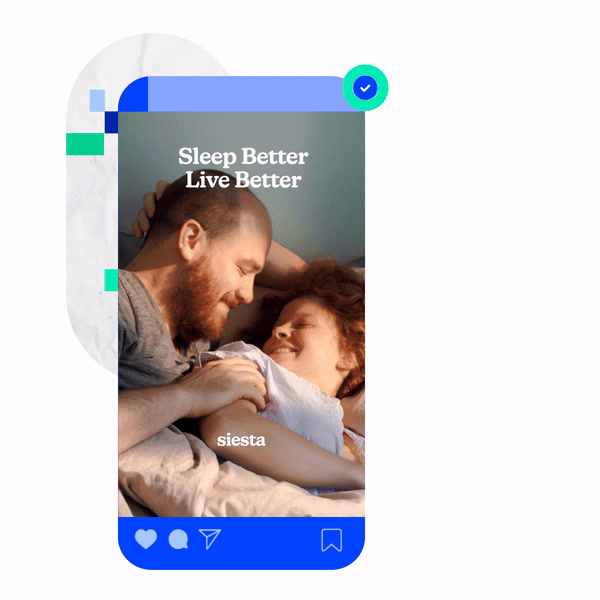
“We look frame by frame in the creative across social platforms to really understand the nuances.”Laurie Keith, Ad Council, in a public VidMob post
What the machinery does
Creative Analytics is the detective. Connect ad accounts, choose the business measure that matters, and the platform looks for relationships between creative attributes and results. A team can compare ads by audience, objective, placement or format, inspect fatigue, and build brand-specific guidance from its own history. Benchmarks provide context, but the more interesting promise is custom learning: not “people like faces,” but which kind of opening, framing or message repeatedly accompanies your outcome.
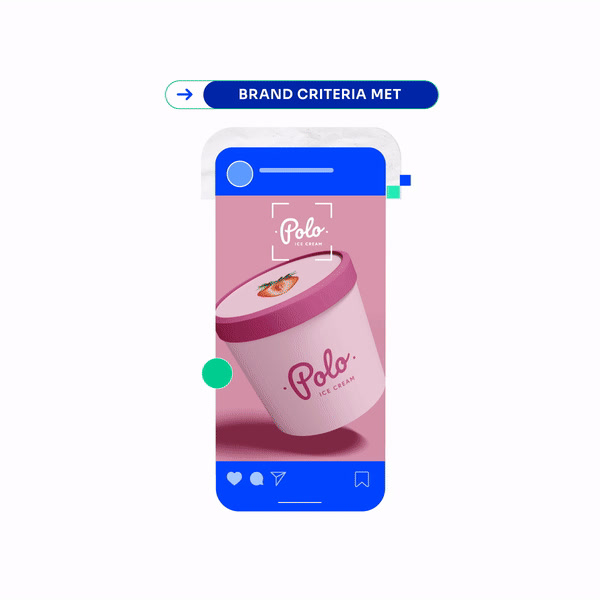
Creative Scoring is the bouncer. It checks historic, live and pre-flight assets against platform practices, brand rules and mandatory elements. Brand Governance expands that job across portfolios and partners. It is particularly legible when generative tools can produce hundreds of variations before lunch. More output means more chances for an outdated disclaimer, misplaced mark or handsome but useless final frame to slip through.
Then there are the reports that turn abstractions into office politics. Asset Investment Report shows whether media dollars are supporting high, medium or low-scoring creative. Branded Impressions asks whether viewers encountered branding before scrolling away. Influencer Intelligence, released in 2026 as a video-focused add-on, compares creators and creative patterns, then generates a brief from uploaded performance data. DV360 Floodlight support brings advertiser-defined conversion and revenue outcomes into performance reports, though VidMob notes that some granular figures are estimated from line-item totals.
The new Vidmob360 move
The most consequential update arrived in June 2026. Vidmob360 is an attempt to stop making customers visit VidMob to use VidMob. Its first phase exposes analysis, data retrieval and cross-platform queries through an MCP server and REST API, with premium connectors planned. Later phases describe a recommendation engine, agents coordinated by the Maddie copilot, and services that extend creative judgment into media decisions.
This matters because the dashboard is becoming the least interesting place for data to live. A creative score is more useful inside the digital asset manager before approval, inside a reporting tool during budget review, or inside an AI production workflow while a variation is still being assembled. VidMob already offers Creative Tags and Creative Scoring APIs authenticated by organization keys. Vidmob360 turns that capability into the product direction: creative intelligence as plumbing.
The public technical picture is unusually concrete. An AWS account of a VidMob generative-AI prototype names Amazon Rekognition, Bedrock, Lambda, DynamoDB, S3 and Streamlit. That does not reveal the entire production stack, but it shows how the company combines computer vision, cloud infrastructure and language models around a proprietary creative data set. The current site claims more than 40 proprietary AI models and 18 million analyzed assets from over 300,000 ad accounts.
Where it earns the invoice
VidMob’s sweet spot is not simply “a company that buys ads.” It is a company where creative decisions repeat across regions, agencies and channels. Brand teams can turn rules into measurable checks. Creative teams can see whether recurring choices help or hinder. Media teams can identify assets worth funding. Agencies can bring evidence into a pitch and use shared definitions across clients. The value rises when those groups currently argue from different documents.
| If your main problem is... | Start with... | Watch for... |
|---|---|---|
| Inconsistent brand execution | Creative Scoring and Brand Governance | Rules that reward compliance without measuring outcomes |
| Knowing why live ads differ | Creative Analytics | Correlation being presented as creative law |
| Moving insight into internal tools | APIs, exports and Vidmob360 | Integration ownership and data definitions |
| Learning from creator content | Influencer Intelligence add-on | Video-only launch scope and CSV input quality |
| Making new work from findings | Creative Studio and Network | Whether you need managed production or only analysis |
Public customer stories include Kellanova, Corona, Neon, Marriott and L’Oréal. LinkedIn’s partner directory says marketers using VidMob creative have, on average, seen lifts in engagement and conversion on its platform. Treat such figures as vendor and partner evidence, not a guarantee. Results depend on the baseline, the metric and whether a team can turn an observation into a better asset quickly enough to matter.
The buying question: Do you have enough recurring creative decisions to build a useful memory? If assets are few and media spend is modest, disciplined naming, platform reports and regular tests may cover much of the ground. If hundreds of ads keep crossing teams and markets, manual analysis becomes its own expensive product. That is VidMob territory.
The honest drawbacks
First, pricing is opaque. There is no public self-serve tier or list price. VidMob sells subscriptions through demos and order forms, and its terms allow usage bands based on asset scores or impressions analyzed. Influencer Intelligence is explicitly an add-on. Buyers should ask for the full annual shape: platform fee, processing limits, integrations, services, onboarding and the cost of extra brands or markets.
Second, the independent review sample is comically small. G2 displays one review, rated four out of five, with the headline “Great solutions for creative.” That reviewer praised value and output but noted that work could take extra time. One review is an anecdote wearing a score badge. The better diligence is a reference call with a customer whose channels, asset volume and approval structure resemble yours.
Third, interpretation still matters. A skeptical PPC discussion on Reddit worried that creative tools can repeat platform best practices or focus on surface elements while missing larger variables such as the script. That criticism is worth keeping on the wall. Machine tagging can show that a visible product correlates with an outcome; it cannot prove the product caused it, and it cannot rescue a weak proposition. Use the platform to generate testable guidance, not commandments.

How to run the demo
Bring three things: a recurring creative argument, a KPI everyone accepts, and a sample of assets large enough to expose a pattern. Ask VidMob to walk from raw creative through tagging, analysis and an action your team would actually take. Request examples where the platform contradicted a platform best practice or a senior stakeholder. A system that only confirms the obvious will not survive budget season.
Then test the plumbing. Which ad platforms connect at the level you need? How quickly does data arrive? What does the API return? Can scores enter your DAM, briefing tool or business-intelligence layer without a weekly export ritual? Ask how human review affects model output, how brand-specific models are trained, and how access is separated across agencies and markets. For Vidmob360, clarify what is live, what is beta, and what sits on the roadmap.
Finally, define the decision before the report. “Understand creative” is not an operating plan. “Pause low-scoring assets with sufficient impressions,” “rewrite creator briefs monthly,” or “reject ads missing early branding before trafficking” can be measured. VidMob’s best idea is that creative deserves instrumentation. The customer’s job is to make sure instrumentation ends in a decision, not a handsome chart forwarded to seventeen people.
The verdict
VidMob is an enterprise answer to a stubborn imbalance: advertising systems measure delivery with exquisite care and treat the ad itself as a filename. Its advantage is the connective tissue between computer vision, platform performance, brand rules and production. Its risk is the familiar enterprise fate of producing more insight than an organization can absorb.
For a global brand with serious paid media, fragmented partners and an appetite for governed AI production, it deserves a properly designed pilot. For a small performance team seeking a quick ROAS dashboard, Motion, platform-native reporting or a lighter creative-analytics tool may fit better. For teams mainly scaling templated production, Celtra or Smartly may be the more direct comparison. VidMob earns attention when the central question is not only which ad won, but which creative choices should become reusable company knowledge.