intellectual-property
(25)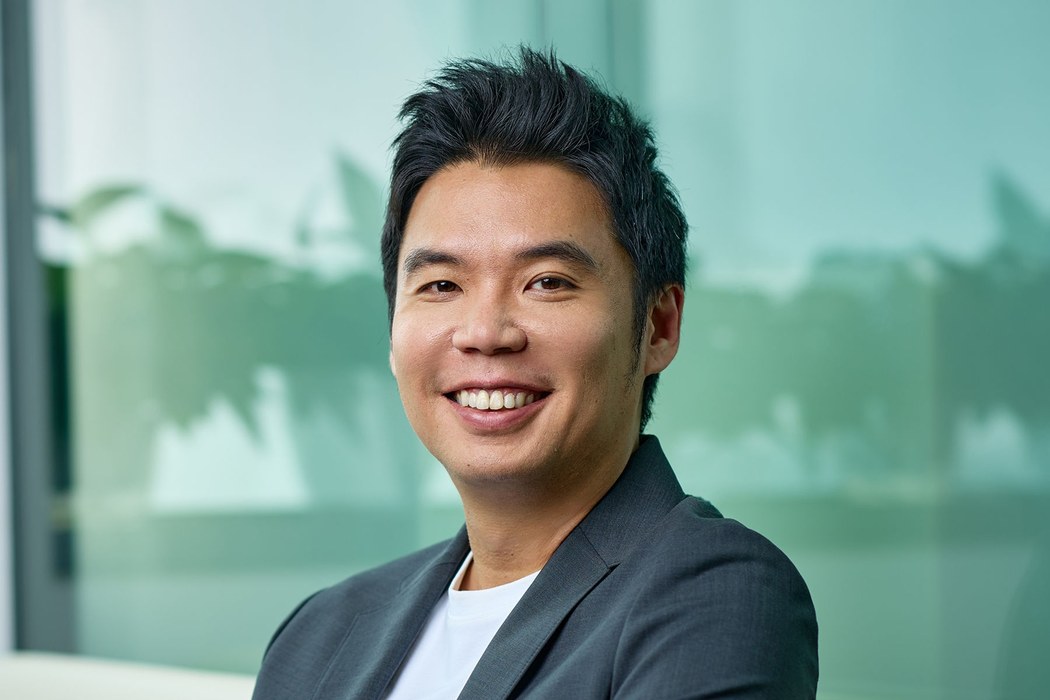
Jeffrey Tiong and the value of a difficult question
A tedious patent-search assignment gave Jeffrey Tiong the idea for Patsnap. Learning to lead the people building it proved a more demanding invention.
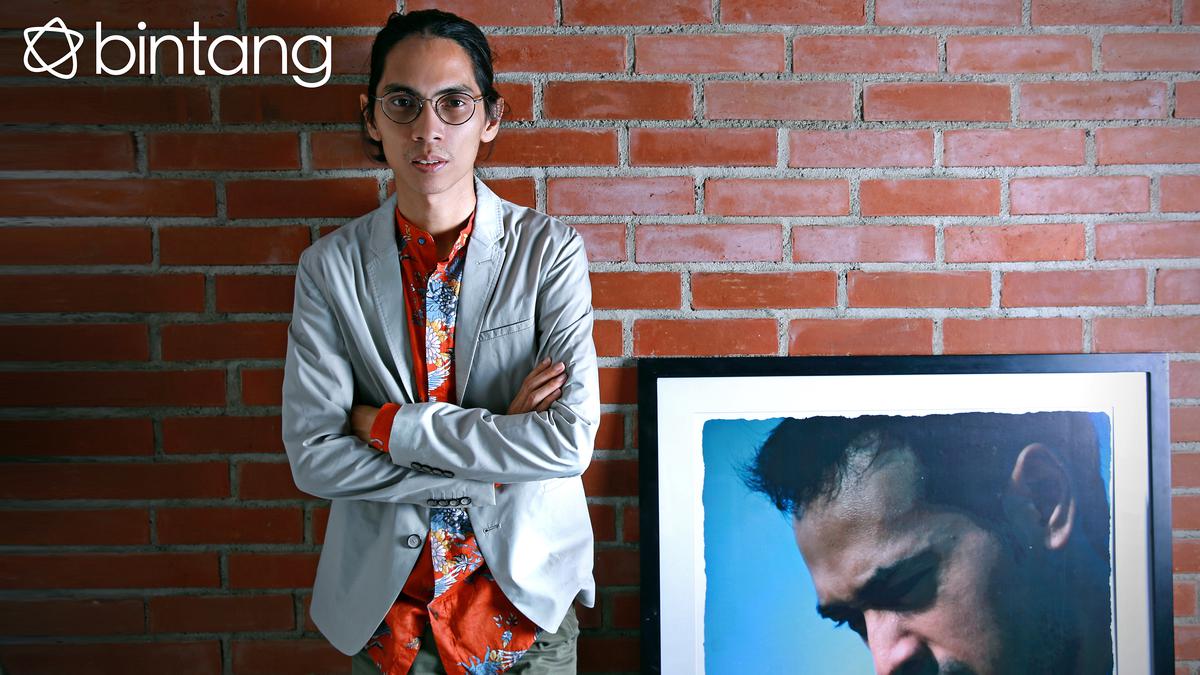
Angga Dwimas Sasongko and the story that stayed open
A coffee-shop set became a real café. For Angga Dwimas Sasongko, it was an early clue that a film could have a life beyond the cinema - and that Visinema could grow beyond its founder.
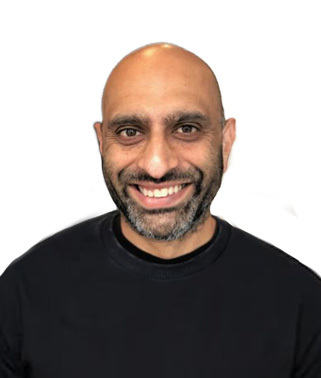
Viresh Chana and the business of keeping promises
From EY to Connor and Ruvixx, Viresh Chana has built a career around the distance between an agreement and what actually happens. His other preoccupation is the company people keep along the way.
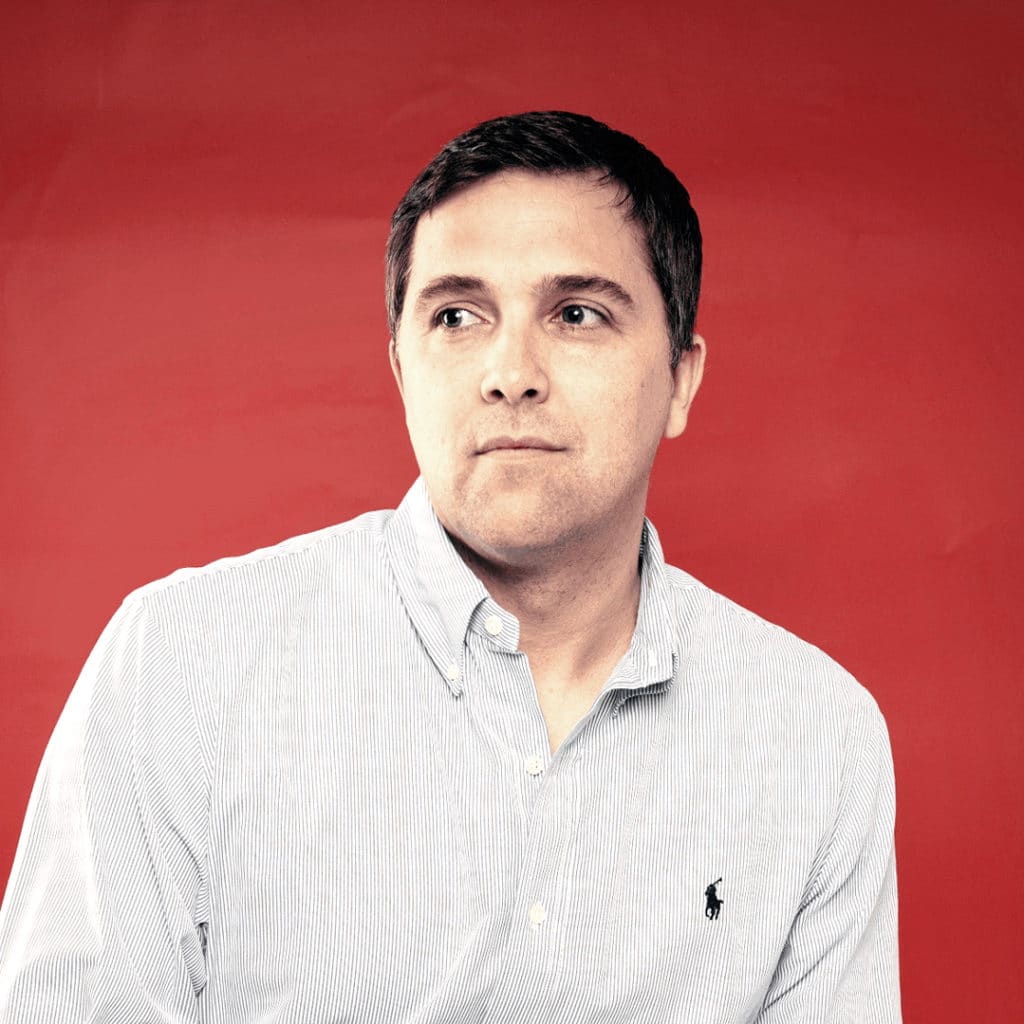
Dan McKinnon and the trouble with a convincing N
At New Balance, Dan McKinnon defended a single letter across borders. At Proof Authentication, he is working to give buyers a way to check the product behind the logo.
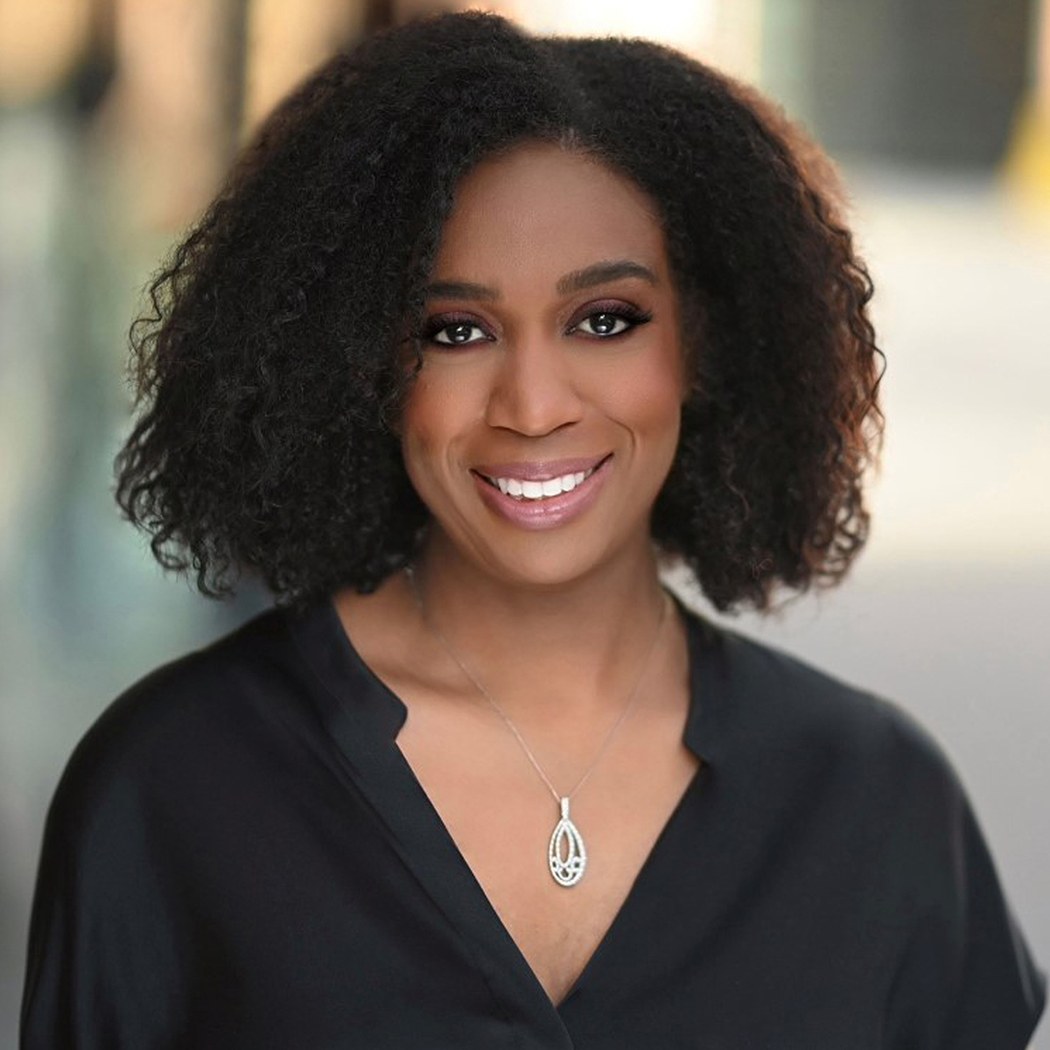
Sherrese Clarke and the songs that refuse to retire
A childhood spent learning deals at the kitchen table became a career investing in culture. At HarbourView, Sherrese Clarke is asking how long a good song - and a good story - can keep working.
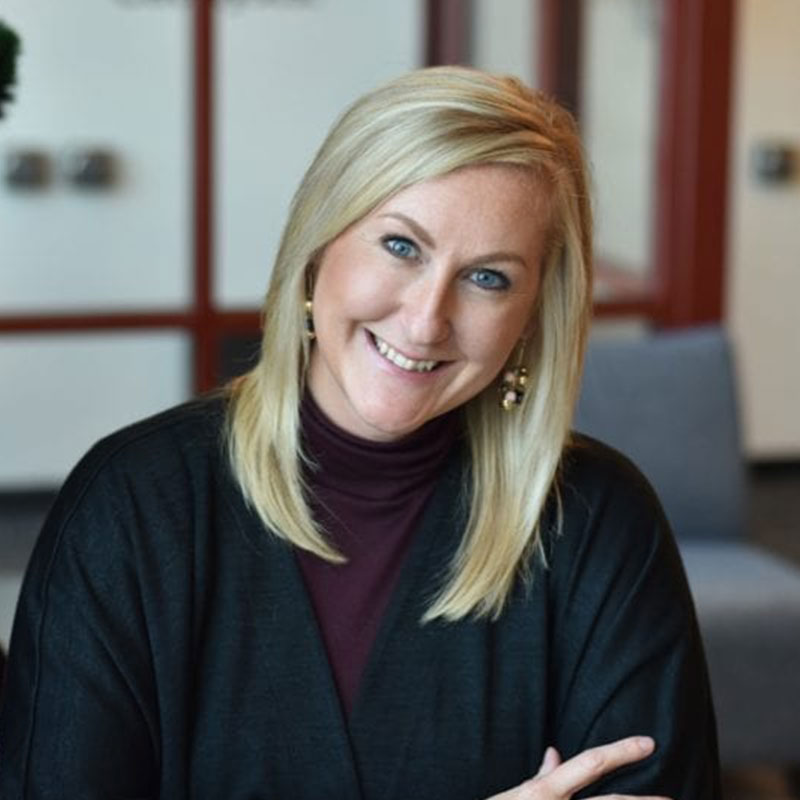
Jessica Sublett and the business of making room
Before Jessica Sublett became CEO of Bounce Innovation Hub, she helped build the machinery that kept it running. In Akron, her next chapter turns on a practical question: what does a good idea need around it to become a business?
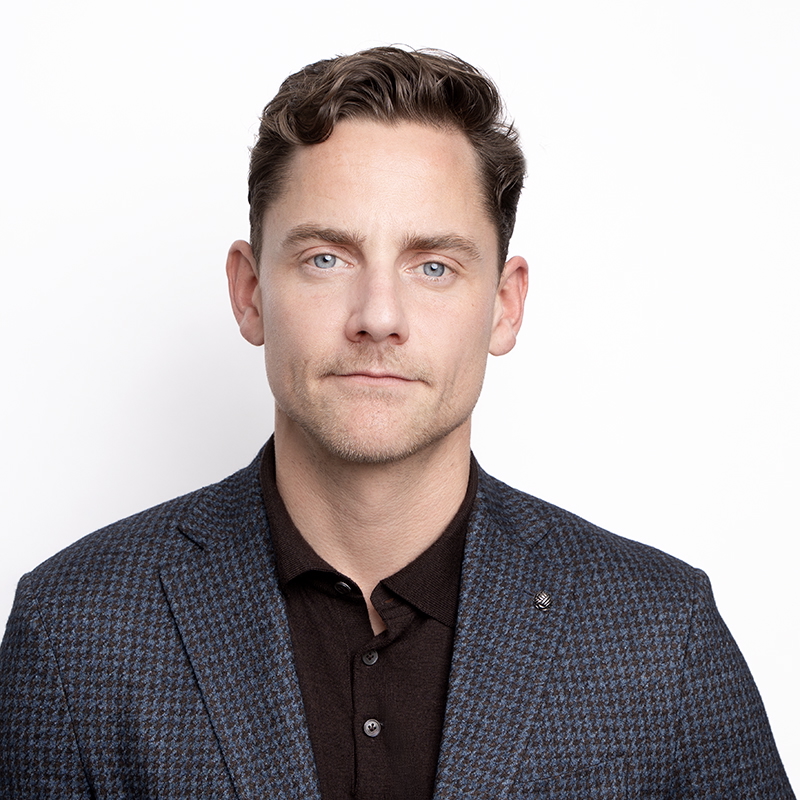
Benjamin Bergen and the business of keeping Canada in the picture
He spent a decade helping Canadian technology companies find a voice in Ottawa. Now, as CVCA’s CEO, Benjamin Bergen is working on the next question: who will finance their growth?
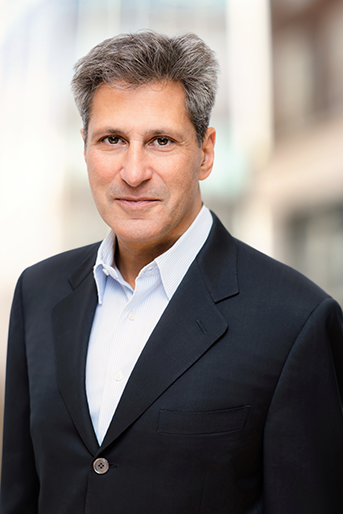
Michael Friedman and the price of an idea
A marine-engineering graduate became a lawyer, an investor and a founder in patent finance. Michael Friedman’s career follows the difficult passage from knowing how something works to knowing what it is worth.

Mark Tratos and the Fine Print Behind the Las Vegas Spectacle
For nearly half a century, the entertainment lawyer has worked where illusion meets ownership - protecting a silent magic act, a casino skyline and the fragile value of a famous name.
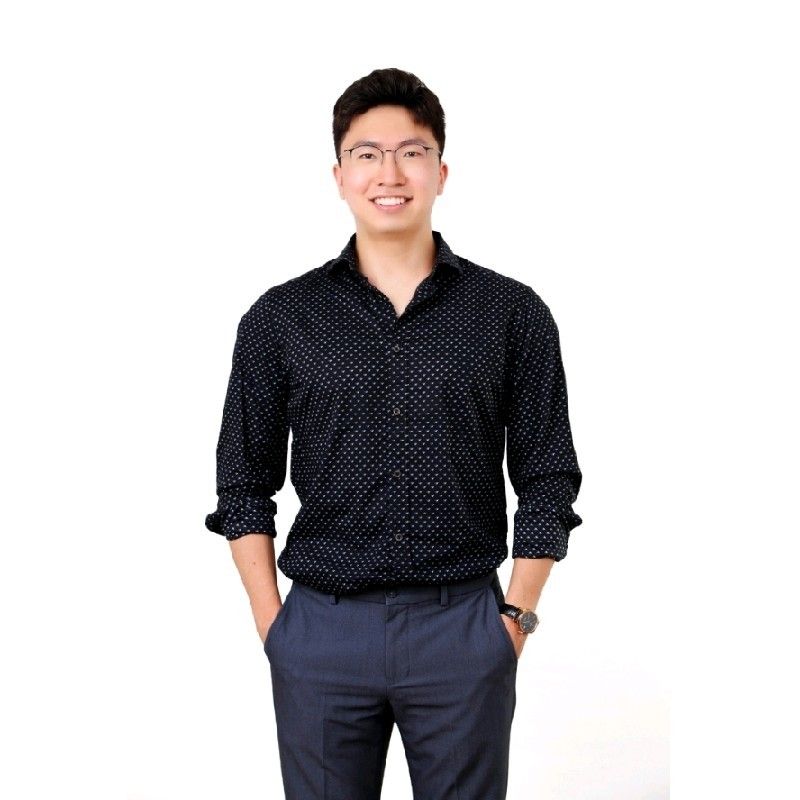
Joon Kim and the Code Behind the Counterfeit Chase
He once made code visible through mixed reality. Now the MarqVision founding engineer builds systems that make online infringement visible - and actionable - across a borderless internet.
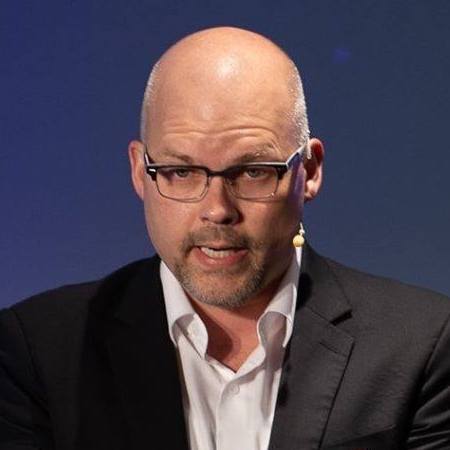
Christopher Irick Spent 22 Years Making Machines Legible. Now He Does It for Ideas.
The IP.com chief marketing officer built his career at the awkward, useful border between engineering and explanation - from Xerox print workflows to AI-assisted patent intelligence.
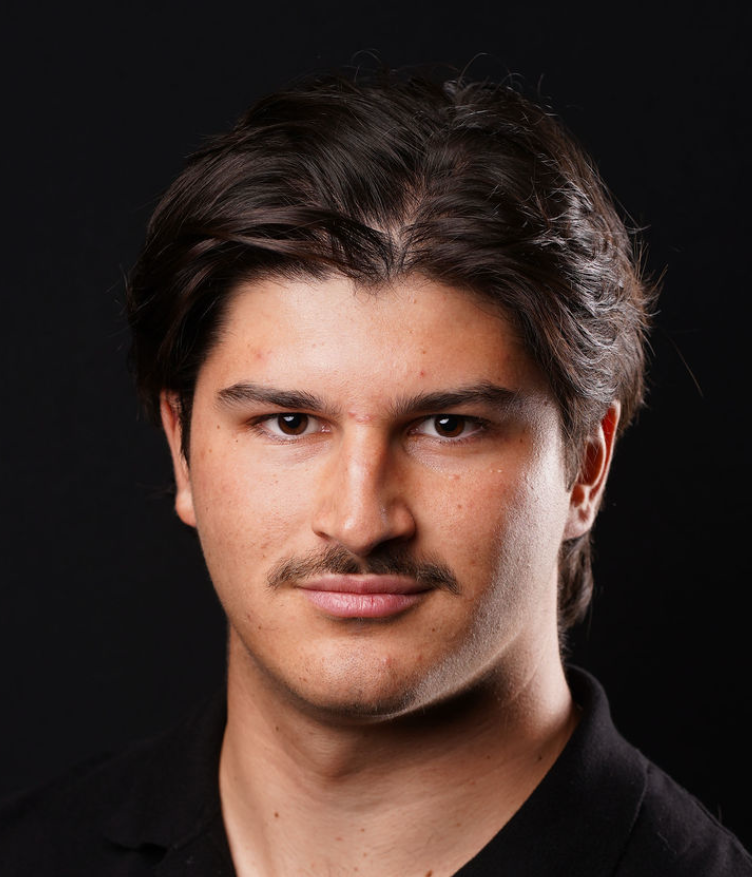
Alex Stroe Wants to Put 50,000 Patents Back to Work
A defense-industry operator and his inventor brother found a valuable corporate asset gathering dust. Their answer is an AI workflow that turns patent research from a scavenger hunt into a system.

Adam Kinsey Built His Career in the Space Between the Lab and the Ledger
The Ventrix co-founder trained as an engineer, learned the grammar of patents and then spent more than a decade turning an academic biomaterial into a company built for the long haul.
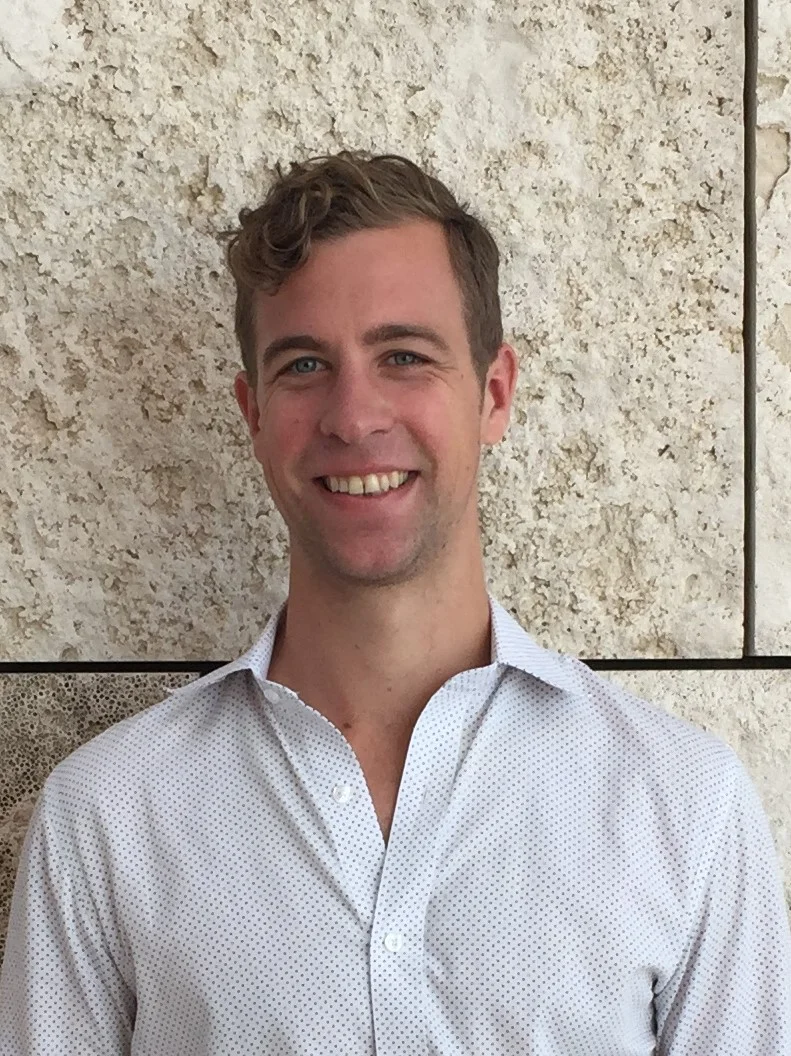
Alec Sorensen Is Rewriting the Economics of a Patent
The Tradespace co-founder spent years watching valuable ideas stall inside corporate portfolios. Now he is building an AI-native operating model that moves patent work in-house and puts strategy ahead of paperwork.
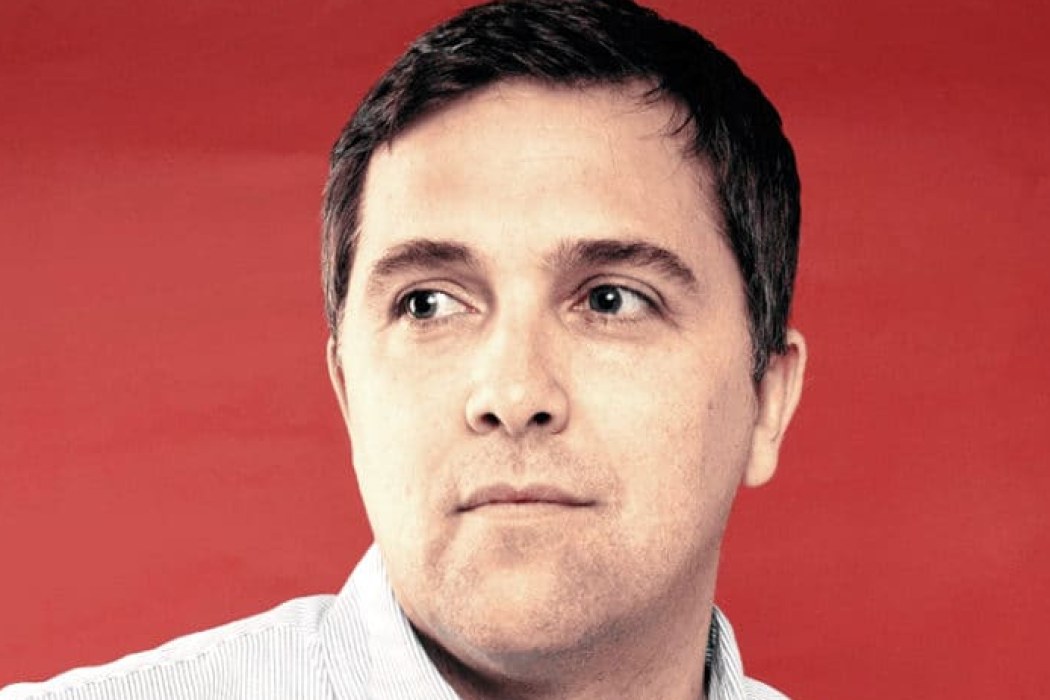
Daniel McKinnon
Daniel McKinnon is the CEO of Proof Authentication, a Boston-based anti-counterfeiting technology company whose non-duplicatable printed marks and smartphone verification app are used by Fortune 500 brands. Before taking the top job in 2021 alongside the company's Series A round, he spent nearly a decade as Senior Counsel for Intellectual Property and Global Brand Protection at New Balance, where he led the sportswear maker's aggressive legal campaign against copycat brands in China. He is best known for helping secure a landmark $1.5 million damages award against the counterfeiter New Boom, at the time the largest such award granted to a foreign company by a Chinese court.
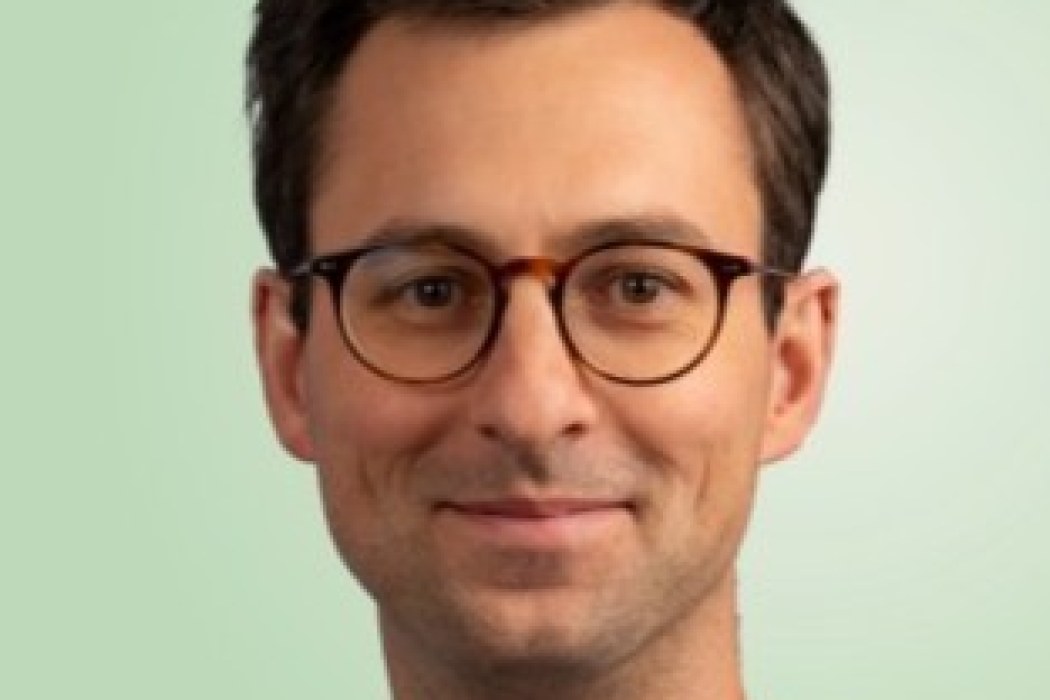
FX Leduc
François-Xavier (FX) Leduc is a French serial entrepreneur and CEO who builds AI companies that turn technical breakthroughs into products for large enterprises. He is currently co-founder and CEO of DeepIP, a New York-based AI patent assistant used by law firms and in-house IP teams, which he started in 2024 with longtime partner Edouard d'Archimbaud. The two previously built Kili Technology, a data-labeling platform for enterprise AI that raised over $30M and served customers like Airbus, SAP and Louis Vuitton. Across ventures, Leduc pairs a commercial, go-to-market instinct with a conviction that AI should augment expert professionals rather than replace them.
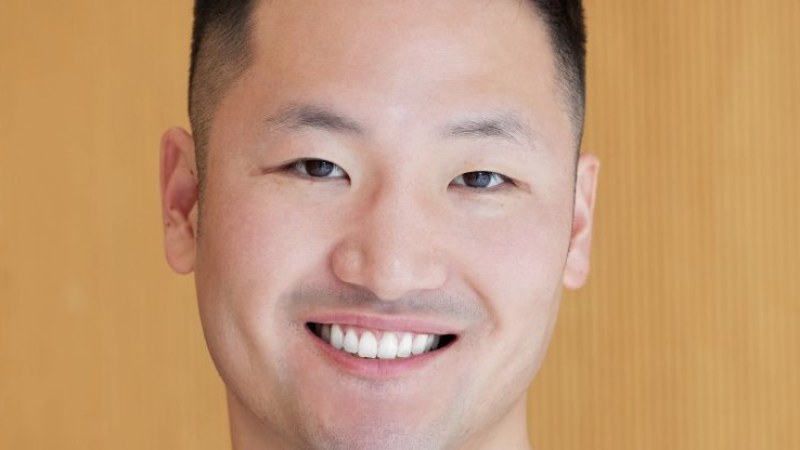
Paul Lee
Paul Lee is the CEO and co-founder of Patlytics, an AI-native platform for patent workflows used by law firms and corporate IP teams. He previously spent a decade in venture capital as a partner at Tribe Capital and Global Founders Capital, and started his career under Peter Thiel at Mithril Capital. In April 2026, Patlytics closed a $40M Series B, and Lee was named to the IAM Strategy 300 Global Leaders list.
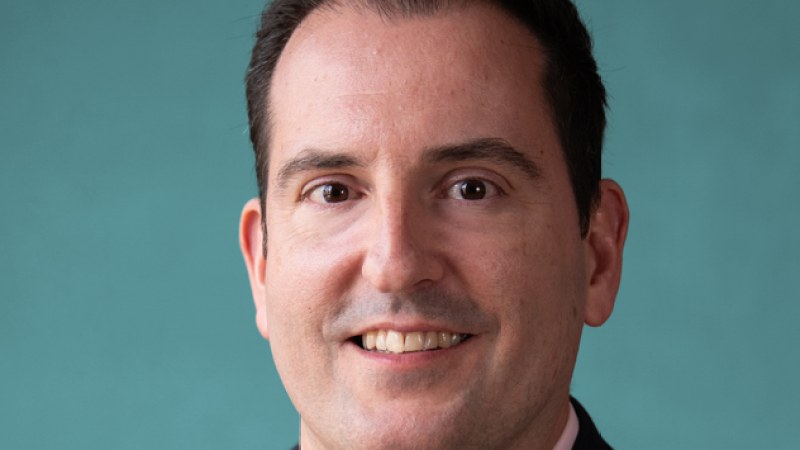
Ramon Salsas Escat
Ramon Salsas Escat is the Chief Business Officer of GEMMA Biotherapeutics (GemmaBio), the Philadelphia gene-therapy company spun out of Jim Wilson's lab to widen global access to AAV therapies for rare inherited diseases. A chemist by training who earned a PhD in computational and systems biology at MIT and an MBA at IESE, Salsas has led or co-led more than 20 transactions across AAV gene therapies, CNS disorders, oncology and manufacturing platforms, with cumulative deal value north of $4 billion in upfront payments and milestones. He helped build the business engine at Penn's Gene Therapy Program, served as SVP of Business Development at G2 Bio, and now runs business development, alliance management, legal and IP at GemmaBio, where he played a pivotal role in the company's founding and its $34 million seed round.
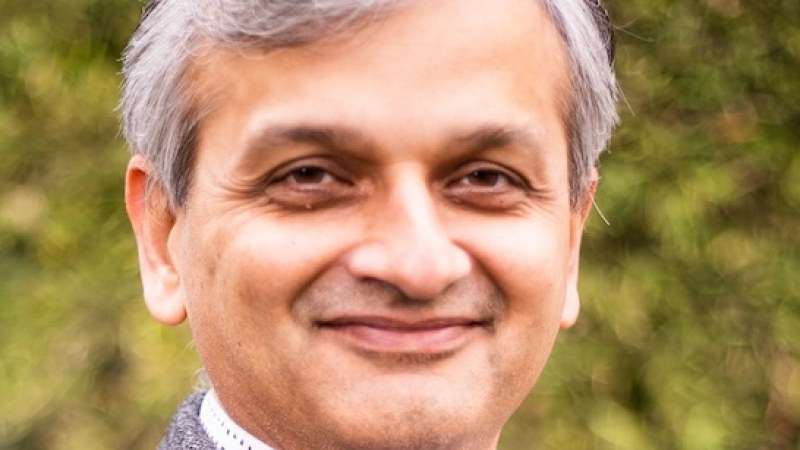
Samir Raiyani
Samir Raiyani is the CEO and founder of IP Author, a Fremont, California legal-technology company using generative AI and large language models to automate patent drafting, office-action responses, prior-art search and evidence-of-use analysis for patent attorneys and corporate IP teams. A Stanford-trained computer scientist and serial entrepreneur, he previously founded and ran Dolcera, one of the world's largest patent-analytics firms, was a Director at SAP Research in Palo Alto, and founded the healthcare startup MediSpark. With more than a dozen patent applications to his name, Raiyani has spent two decades at the intersection of intellectual property and software, and now positions IP Author as a human-centered AI co-pilot that cuts patent drafting time by 40-60% while keeping the attorney in control.
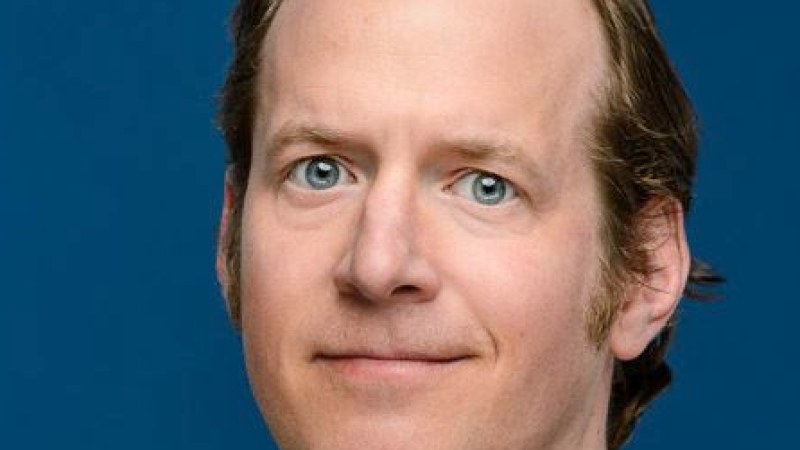
Andrew Chadeayne
Andrew Chadeayne is the founder and CEO of CaaMTech, an Issaquah, Washington psychedelic pharmaceutical company building safer, patentable psychedelic-inspired medicines. A chemist (PhD, Cornell) and patent attorney (JD, George Washington) who began his career proving sugar is addictive through opioid pathways, he has filed more than 100 patent applications mapping the chemistry of psilocybin, tryptamines and other psychedelics. His strategy is to expand 'the universe of available compounds' rather than bet on a single molecule, giving researchers a toolbox of characterized psychedelics for mental health treatment.
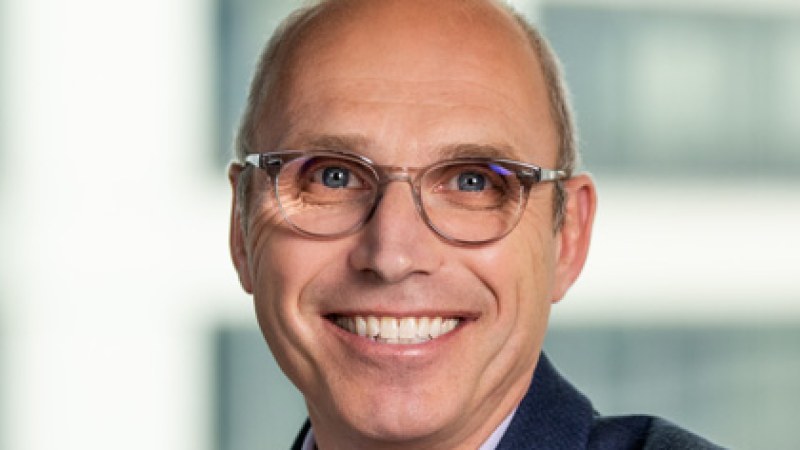
David Earp
David J. Earp is the President and CEO of Circle Pharma, a South San Francisco clinical-stage biopharmaceutical company building orally available macrocycle drugs aimed at cancer targets long deemed undruggable. A biochemist turned patent lawyer turned chief executive, Earp holds a PhD in biochemistry from Cambridge and a JD from Lewis & Clark, and has led Circle since 2013, steering it through a $90M Series D, a $607M collaboration with Boehringer Ingelheim, and the first human dosing of its lead cyclin A/B inhibitor CID-078.
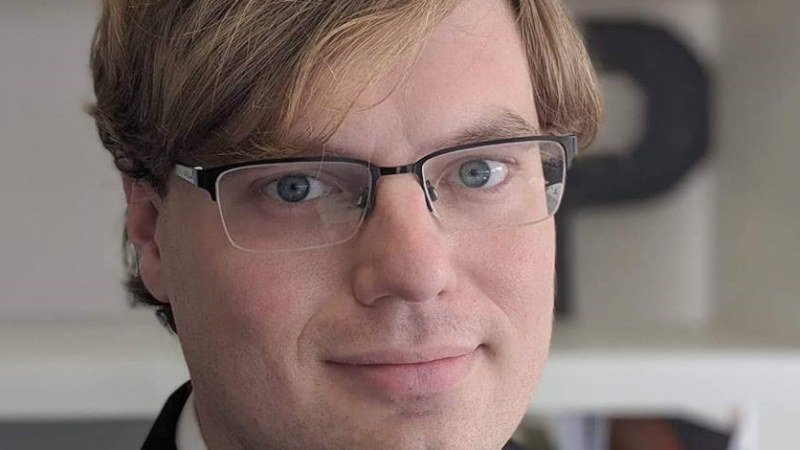
Paul Powers
Paul Powers is the co-founder and CEO of Physna, the Ohio startup teaching computers to understand the physical world by turning 3D geometry into searchable 'Physical DNA.' A homeschooled kid who entered Harvard at 16 and later passed the German bar exam in a foreign language, he turned an intellectual-property obsession into a geometric-search company backed by Sequoia, Tiger Global, and Drive Capital. Physna also runs Thangs, a community platform of tens of millions of 3D models that he describes as the GitHub for hardware. A Forbes 30 Under 30 honoree, Powers is one of the most prominent founders building deep-tech outside Silicon Valley.
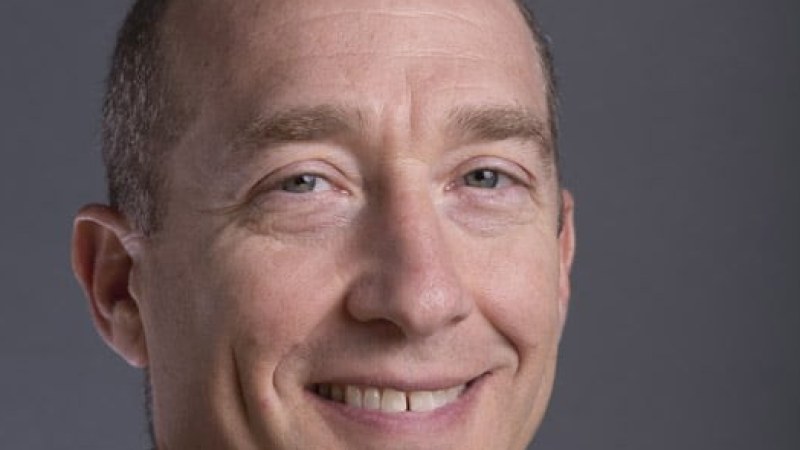
Tim Bernstein
Tim Bernstein is the CEO of yet2, an open innovation and technology scouting firm founded in 1999 with backing from DuPont, Procter & Gamble, Honeywell and Siemens. He joined the company in 2001, rose from operator to chief executive, and now spends his days matching corporate R&D needs with technologies and partners pulled from a database of more than five million solution providers. A Yale economist with a Stanford MBA and a Harvard Kennedy School policy degree, he turned an academic thesis on university licensing into a career spent brokering deals others could not find.
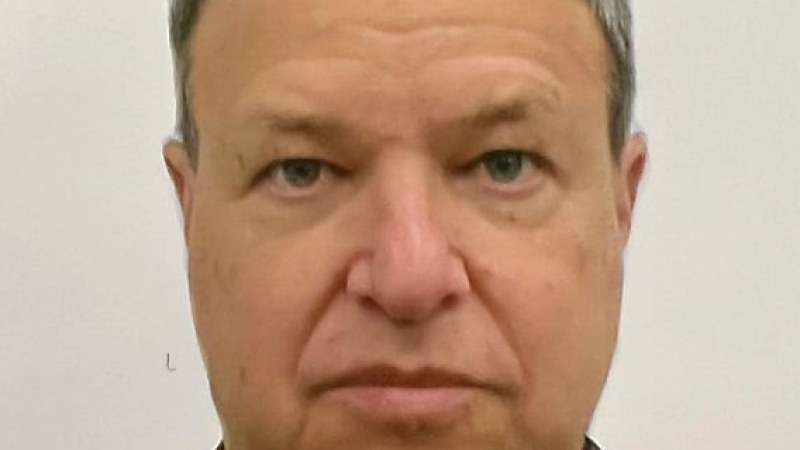
Eran Steinberg
Eran Steinberg is a serial entrepreneur, prolific inventor, and IP strategist who co-founded FotoNation in 1997 - selling it, buying it back, and doing it again a third time. Best known for pioneering the automatic red-eye removal technology now standard in virtually every digital camera and smartphone on earth, he holds 300+ patents across imaging, medical devices, and drug development. A licensed USPTO patent agent with four graduate and undergraduate degrees - including both a B.F.A. in Fine Art Photography and an M.S. in Imaging Science - he bridges the worlds of deep technology and creative vision. Currently CEO and Chairman of Vaica Medical and Chairman of FotoNation following a third management buyout, he also lectures at Johns Hopkins University.
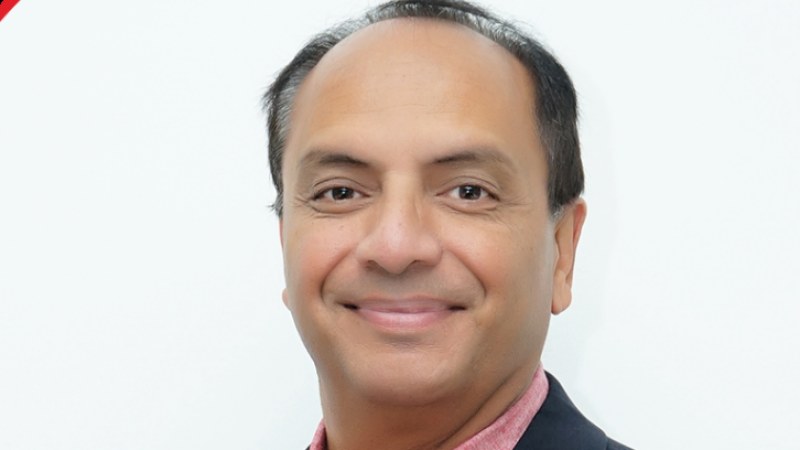
From Federal Tech Transfer to Patent AI, Sandeep Agarwal Keeps Moving the Deal Forward
The XLSCOUT CEO learned intellectual property from the transaction side - engineering, technology transfer, licensing and acquisition. Now he is betting that patent-trained AI can make difficult work faster without pretending the domain is simple.