BREAKING  Tim Bernstein runs a 5-million-strong matchmaking service for technology that doesn't exist yet +++ yet2 celebrates its 250th deal under his watch +++ NASA picked his firm for a five-year exclusive scouting contract +++ Funded by DuPont, P&G, Honeywell and Siemens - rivals who agreed on one thing +++ Yale economics · Stanford MBA · Harvard policy BREAKING  Tim Bernstein runs a 5-million-strong matchmaking service for technology that doesn't exist yet +++ yet2 celebrates its 250th deal under his watch +++ NASA picked his firm for a five-year exclusive scouting contract +++ Funded by DuPont, P&G, Honeywell and Siemens - rivals who agreed on one thing +++ Yale economics · Stanford MBA · Harvard policy
Open Innovation · The Broker

Tim Bernstein

He doesn't invent the technology. He finds it, weighs it, and closes the deal - somewhere between a corporate R&D dead end and a stranger's breakthrough.

CEO, yet2Tech ScoutingIP & LicensingSince 2001
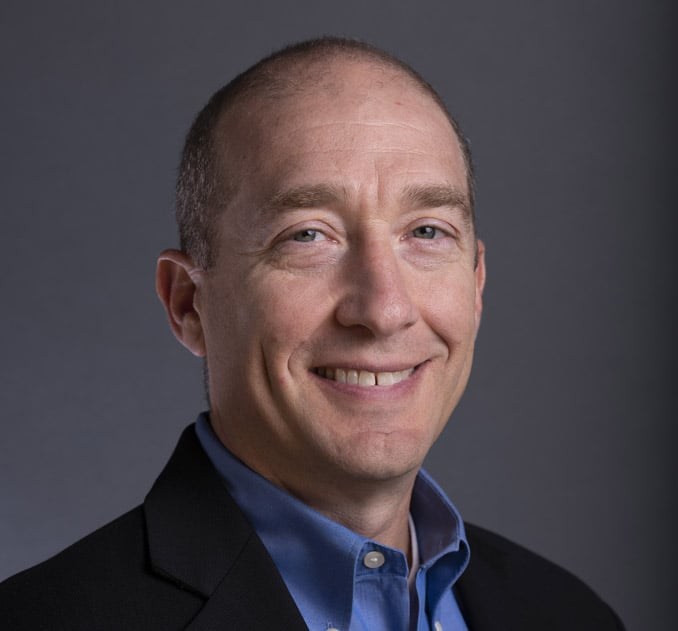
Tim Bernstein, CEO of yet2
Tim Bernstein — the man who knows who already solved your problem
The Job Nobody Has Heard Of

Finding the answer before you've finished the question

Somewhere right now a chemical company has a problem it cannot name, and somewhere else a lab has the fix it cannot sell. Tim Bernstein's entire career is the distance between those two facts.

As CEO of yet2, Bernstein spends his days running what amounts to a global switchboard for invention. A consumer-goods giant wants a coating that does not exist on its shelves; a university lab three time zones away has filed the patent and forgotten about it. yet2's job is to make the call neither side knew to place. Bernstein's database reaches more than five million solution providers, and his methodology has a deceptively plain rhythm to it: define the need, scout the field, filter the noise, engage the match.

He is not the inventor in this story. He is the one who knows the inventor exists. That distinction is the whole business. Most companies assume innovation means building something new from scratch. Bernstein has spent two decades on the quieter, harder premise that the thing you need has often already been made - by someone who has no idea you are looking.

The work spans technology scouting, open innovation consulting, intellectual property analysis, and the unglamorous mechanics of deal execution: portfolio analysis, technology-need evaluations, deal assessment, the actual paperwork of technology transfer. It is part detective work, part diplomacy, part patent law. And it travels - yet2 runs offices in Boston, Houston, Liverpool, Nottingham and Tokyo, because the answer to a Cincinnati problem is just as likely to be sitting in a Japanese research park.

He came up through the company the long way. Bernstein joined in 2001, two years after yet2 was founded, and worked the operating side before taking the chief executive's chair - first as part of the leadership team, then steering it. That tenure matters in a field where most people pass through. Open innovation has had its fashionable years and its quiet ones, and Bernstein has been at the same firm through all of them, which gives him a memory of what actually works that few competitors can claim.
“Innovation isn't always invention. Sometimes it's knowing who already solved your problem.” The yet2 premise, in one line
5M+
Solution providers in network
250
Deals closed (2024)
5
Global offices, 3 continents
2001
Year he joined yet2
The Method

Four words that move a technology across the world

yet2's process is almost stubbornly simple. The hard part isn't the framework - it's having a network big enough that the framework actually finds something. A recurring theme in Bernstein's public talks and webinars is the choice baked into step two: when does a problem call for quietly scouting the handful of experts who already know the answer, and when is it better thrown open to a crowd? He has used NASA's Technology Readiness Levels as a way to settle that question - the riper the technology needs to be, the more a targeted scout beats a broad challenge.

01
Define
Pin down what the client actually needs - not what they think they need.
02
Scout
Comb a five-million-strong network across industries and borders.
03
Filter
Cut the field to the handful of candidates worth a real conversation.
04
Engage
Broker the introduction, evaluate the fit, and close the deal.
The Long Game

A career, not a stopover

Pre-2001Designs and launches products for high-tech startups in Boston and Silicon Valley - learning, early, how hard it is to get a good idea to market.
2001Joins yet2 as a leadership team and board member, two years after the firm was founded.
2017yet2 wins a five-year exclusive technology scouting contract with NASA.
2023yet2 launches an Open Innovation Training course, packaging two decades of practice into a curriculum.
2024The firm marks its 250th successful deal under his leadership.
NowServes as CEO, still personally delivering open-innovation and IP consulting to an international client base.
The Paper Trail

The thesis that became the job

At the Harvard Kennedy School, Bernstein wrote a master's thesis arguing for better licensing strategies for technology coming out of universities. Read it now and it looks less like an academic exercise and more like a business plan he would spend the next twenty years executing. The gap he identified on paper - good science trapped inside institutions that could not commercialize it - is exactly the gap yet2 exists to close.

The credentials are the kind that usually point toward finance or consulting marquee names: a Yale BA in economics and political science, a Stanford MBA with a focus on entrepreneurial studies, the Harvard policy degree. He pointed all of it at a niche most people have never heard of, and stayed.

Before any of yet2, there were the startups - product design and launches for high-tech companies in Boston and out in Silicon Valley. That early stretch taught him the part of the equation he now sells against: building from scratch is slow, expensive, and frequently redundant. Somewhere out there, more often than founders want to admit, the thing already exists. The economist in him reads that as a market failure - good technology and the people who need it failing to find each other - and yet2 is, in effect, his correction to it.

Yale
BA, Economics & Political Science
Stanford
MBA, Entrepreneurial Studies
Harvard Kennedy
Master's, Public Policy
Worth Knowing

Quirks & footnotes

Strange bedfellows

Founded by rivals

yet2 was seeded by DuPont, Procter & Gamble, Honeywell and Siemens - competitors who agreed on exactly one thing: they all needed a neutral outsider to scout technology beyond their own walls.

Three letters, three campuses

The triple crown

Yale, Stanford and Harvard - degrees from three of the most selective institutions in the country, aimed at a business most MBAs have never heard of.

The Toolkit

What a day actually involves

Scouting

Technology hunting

Mapping a client's need against a global field of patents, labs, startups and suppliers - then narrowing thousands of possibilities to a short list that matters.

IP

Portfolio analysis

Reading patent portfolios for what they are really worth, where they overlap, and which assets are quietly sitting unused.

Deals

Transfer & licensing

Structuring and closing the actual technology-transfer deals - acquisition, licensing, out-licensing - that turn a match into a contract.

Strategy

Innovation system advising

Helping corporate R&D teams build the habits and pipelines to keep finding outside technology long after the engagement ends.

Choice

Scout vs. crowdsource

A recurring theme of his public talks: when a problem calls for quietly scouting known experts, and when it calls for throwing it open to a crowd.

Reach

Cross-border collaboration

Running the Boston-to-Tokyo network that lets an American manufacturer license a solution built halfway around the world.

The Scoreboard

Proof, not promises

The milestones under his watch read like a quiet argument that open innovation works. In 2017 yet2 won a five-year exclusive scouting contract with NASA - the kind of client that does not hand its technology search to a firm it does not trust. In 2023 the company turned its accumulated playbook into an Open Innovation Training course, the move of an operation confident enough in its method to teach it. And in 2024 it logged its 250th successful deal, a number that only means something when you remember each one is a separate negotiation between a need and a solution that had never met.

What Bernstein is building toward is less a single product than a habit - making the outside search a normal first move for corporate R&D rather than a last resort. The aspiration is plain: a faster, more reliable path for breakthrough technology to reach the market, across borders and industries, brokered by people whose only stake is the match itself.

Every one of those 250 deals is a separate negotiation between a need and a solution that had never met. yet2, by the numbers
Loose Threads

Things that stick

Rivals, unitedThe four corporate giants who funded yet2 would never share a lab - but they shared a scout.
3 continentsBoston, Houston, Liverpool, Nottingham, Tokyo. The answer is rarely in the same time zone as the question.
25 yearsyet2 has been pushing open innovation since 1999 - before the phrase was a buzzword.