healthcare-operator
(31)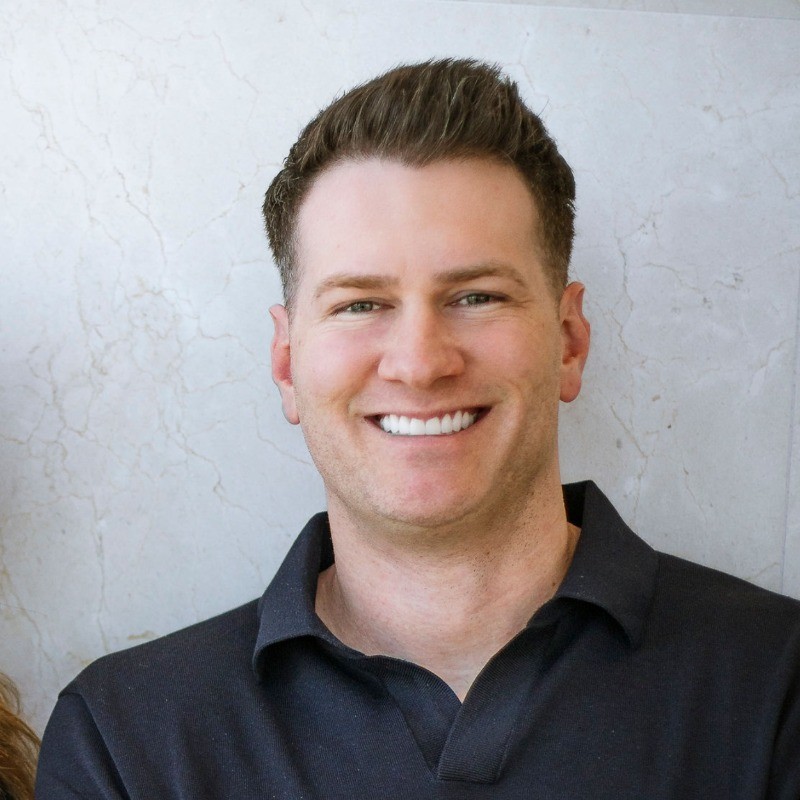
Robert Krayn Put the Spreadsheet in Service of the Waiting Room
The former credit analyst chose the least fashionable part of digital health - the machinery of insurance, clinical employment, and measurement - and turned it into Talkiatry's operating argument.
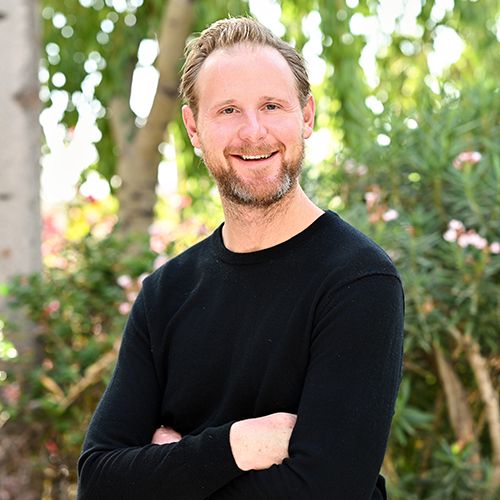
Matt Wills and the Business of What Happens Next
A religion graduate became a banker, a pharmacy builder and then the operator behind Lumata Health. His career keeps returning to the same unglamorous question: what happens after the plan meets real life?
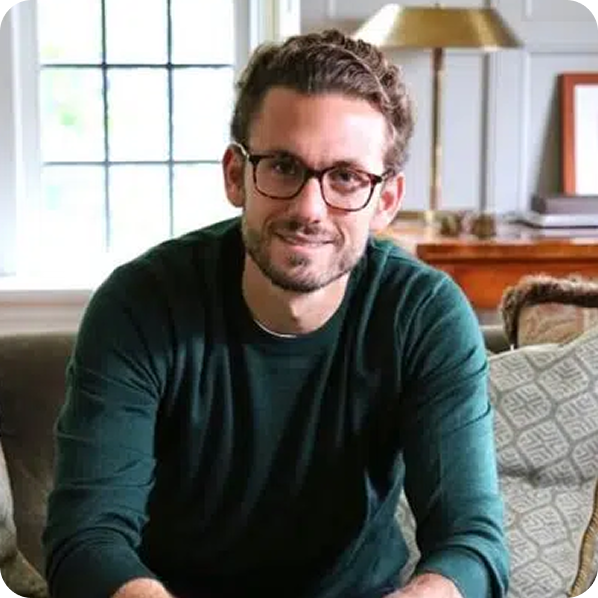
Cooper Zelnick Keeps Two Kinds of Time
The CEO of Groups Recover Together also redesigns vintage watches. In both worlds, his instinct is the same: respect the machinery, question the inherited design, and make the system work for the person using it.
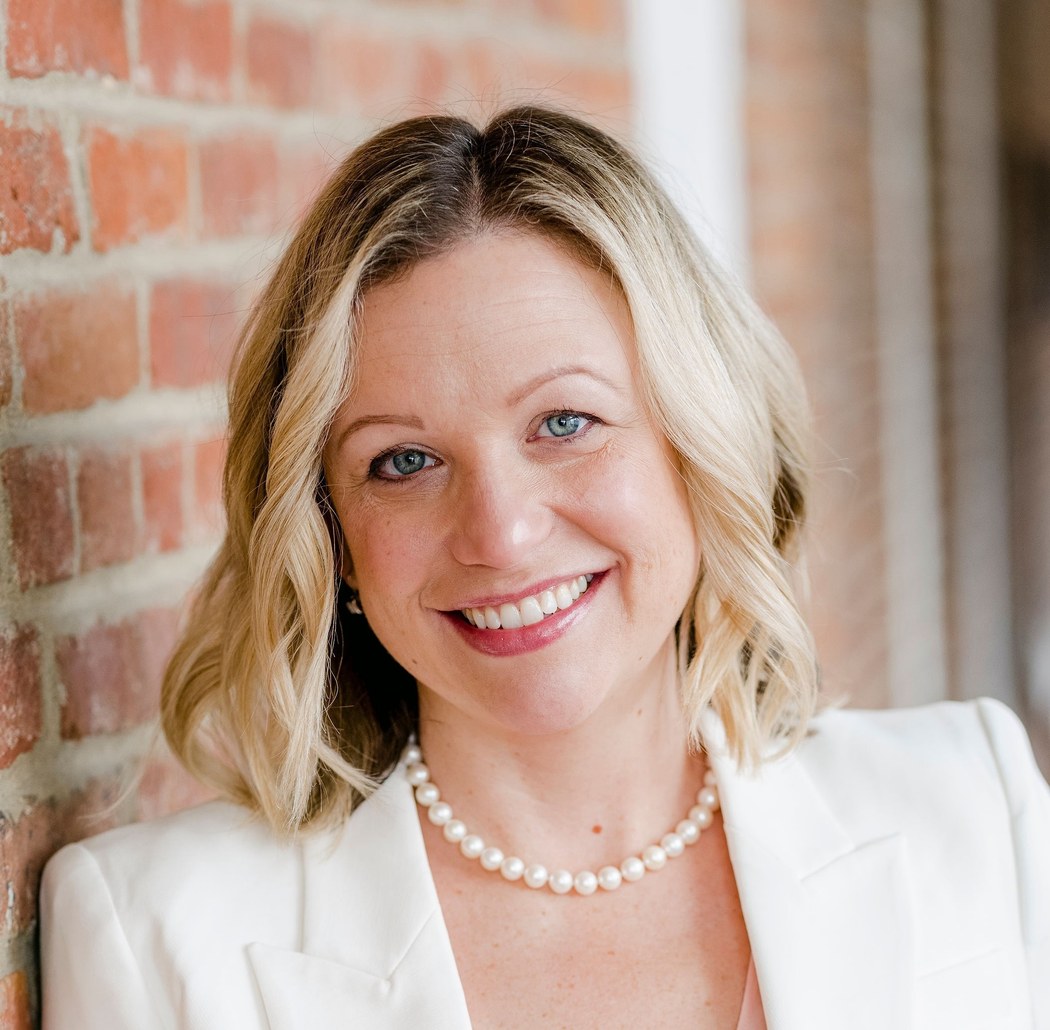
Kari O'Rourke Keeps One Sentence in the Room: Patients Are Waiting
The nurse practitioner turned CEO has spent two decades learning how care breaks apart. At Brightline, she is trying to put the family, the clinician and the business model back in the same room.
Brad Diephuis and the Discipline of Staying Close
The physician-engineer taking Thyme Care into its next chapter has built a career by moving between code, clinics, policy and company-building - while insisting that scale should never become an excuse for distance.
Kevin Cross Built a Career Out of the Space Between Five Clinics and a Network
The Nashville founder keeps returning to one stubborn business problem: how to give local healthcare the reach of a network without sanding away what makes it local.
Aqil Chishty Is Building for the Days Between the Appointments
The TimeDoc Health chief executive has spent his career turning complicated care models into repeatable operations. His current thesis is disarmingly simple: the consequential work often happens after the appointment ends.
Justin Chickles Is Building a Biotech on the Art of Removing Friction
After more than 25 years moving between large healthcare companies and lean startups, the Glycyx CEO has learned that biotech progress often depends on a less glamorous skill: turning a complicated premise into the next clear, fundable step.
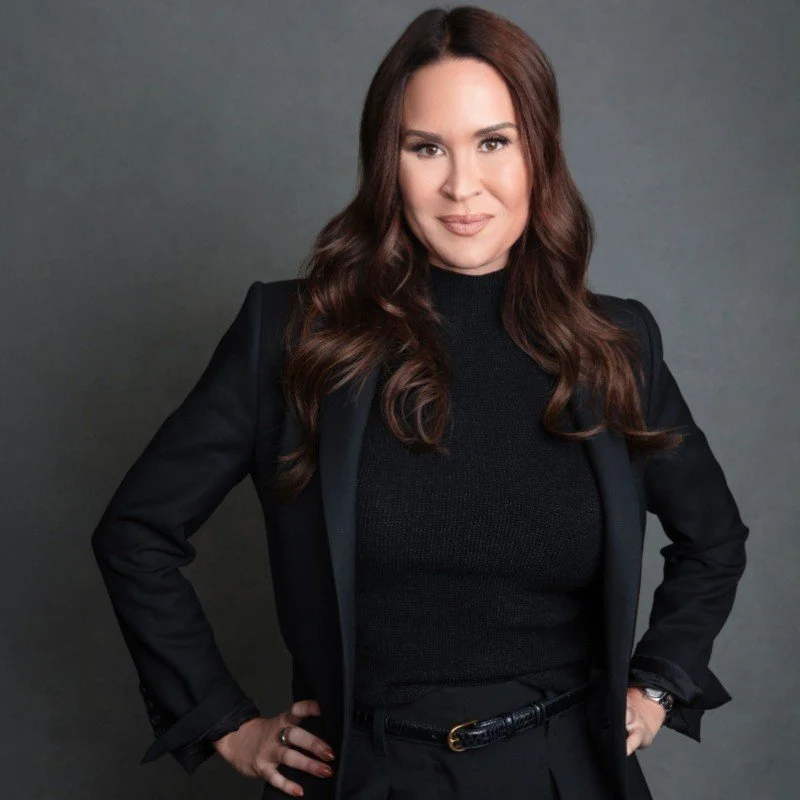
Noel Pugh Built a Career in the Gaps - Then She Built Lōvu
Before Lōvu was a company, it was a pattern Noel Pugh had spent two decades noticing: the consequential work of care often happens in the blank spaces between institutions, appointments and people.
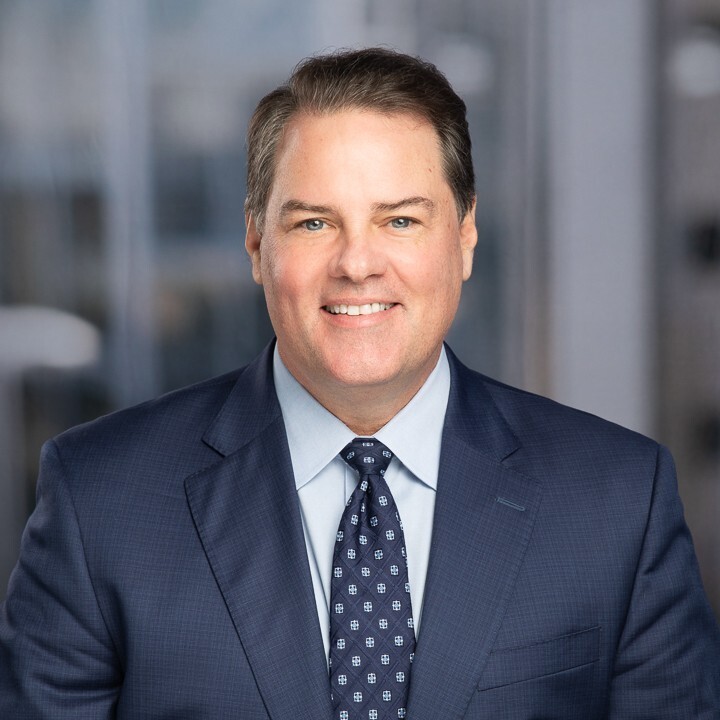
Andrew Flanagan Is Making Telehealth Disappear
The Iris Telehealth CEO has spent a career turning technology into ordinary infrastructure. The idea at its center is simple: virtual care wins when nobody has to call it virtual anymore.
Bill Stapleton Kept the Founder’s Nerve - Then Chose a Second Act
After building HealthPlanOne for 16 years, Bill Stapleton did something many founders postpone forever: he let the company outgrow his title, then carried the operating lessons into a new CEO chapter.
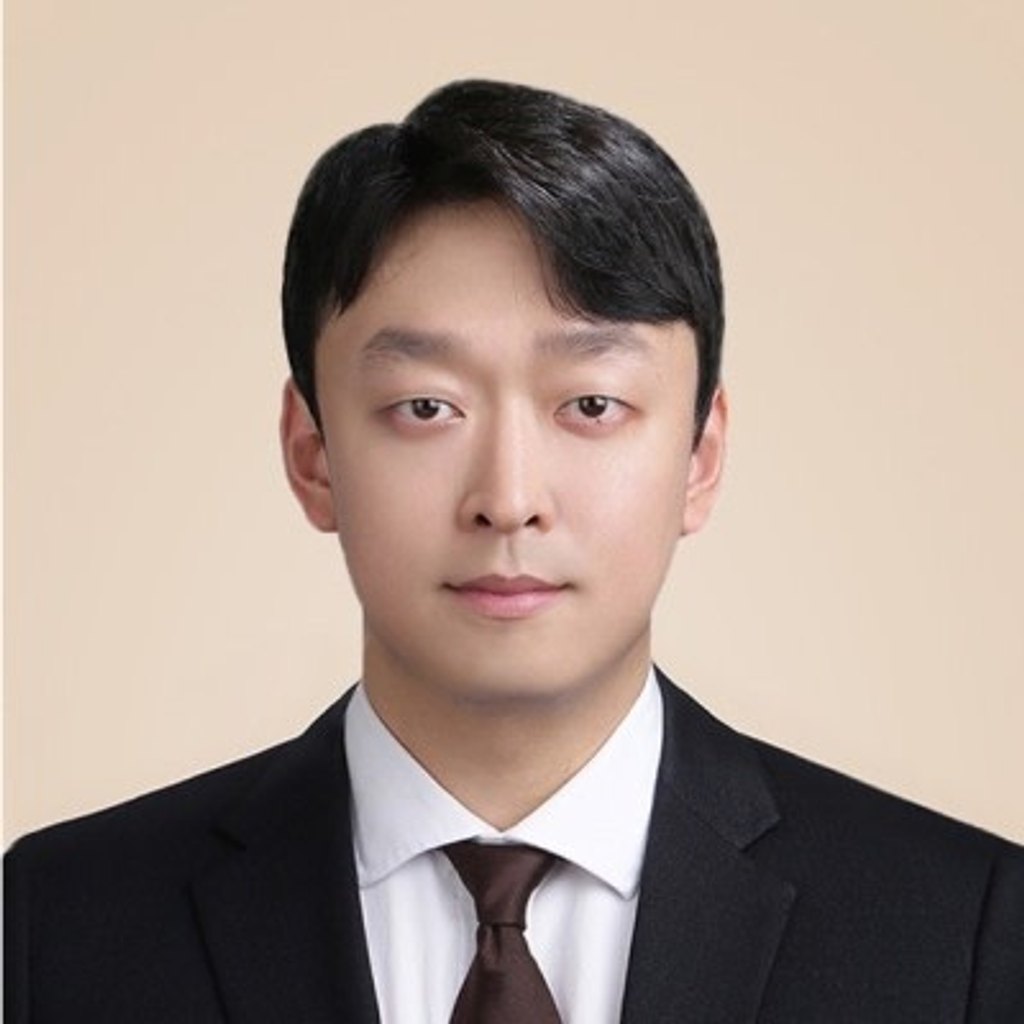
Kihwan Kim Is Turning a Video-Call Startup Into a Clinic Company
The former semiconductor marketer began with doctor discovery, moved into remote appointments, and ended up opening doors in five states. His useful lesson is simple: when software meets reality, follow the patient journey - even if it leads back to a room.

Roohi Jeelani Is Building the Clinic She Wishes the System Had Designed
The physician-scientist spent years studying the gaps between research, clinics and patients. At Onto Health, she is turning those observations into an operating model - one deliberate fix at a time.
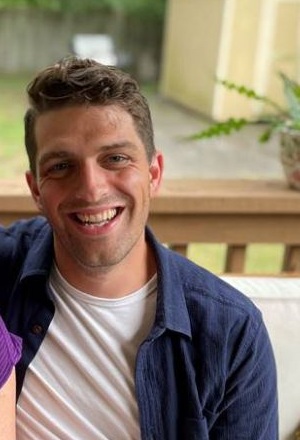
Nicholas Barbara Is Building for the Other 167 Hours
A product operator and a speech therapist built Expressable around a stubborn idea: progress depends on what happens between appointments. Nicholas Barbara's job has been turning that insight into a company that can travel.
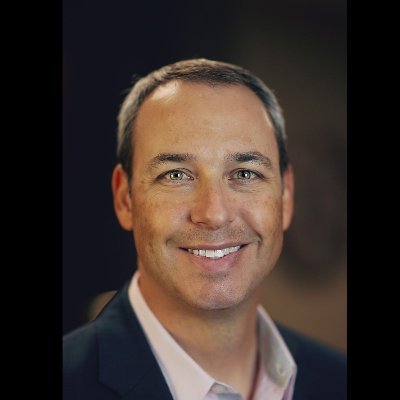
Mark Frank Keeps Choosing the Mud
He left the 30,000-foot view for contracts, claims and customer calls. A decade into SonderMind, Mark Frank's operating philosophy still begins with getting close enough to the work to see what is actually broken.
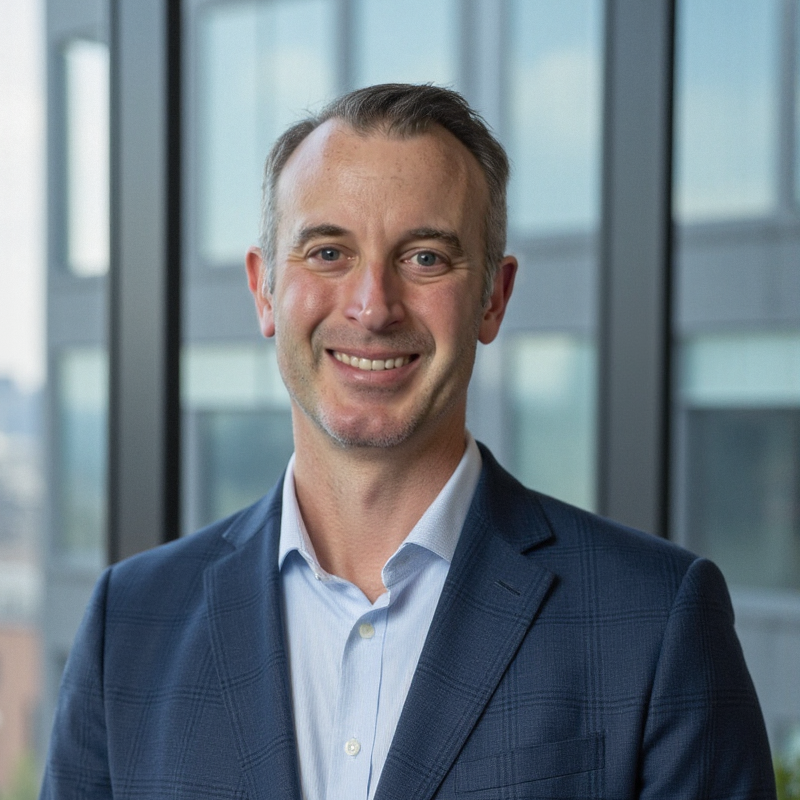
Brad Younggren’s Career Is a Map of Where Care Is Going Next
From a Stryker unit in Iraq to smartphone diagnostics, text-first primary care and a newly acquired Seattle startup, Younggren has spent two decades asking the same practical question: how much closer can the system move to the person who needs it?
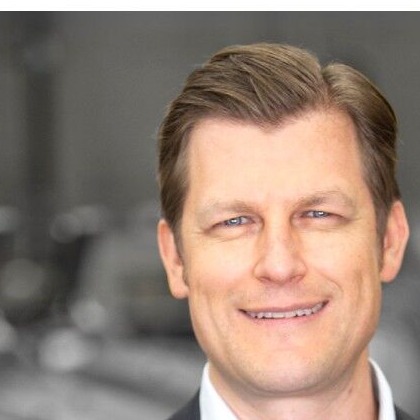
Peter Arn Learned to Make Growth Wait
The ROMTech co-founder built his playbook around unglamorous things: listening closely, testing early, raising patiently and knowing when more revenue is the wrong answer.
Dale Wollschleger Put the Pharmacy in the Patient’s Corner
A pharmacist with a taste for building saw that a bag of bottles was not the same thing as care. His answer began with hand-filled packets in the back of a Cleveland pharmacy and grew into ExactCare.
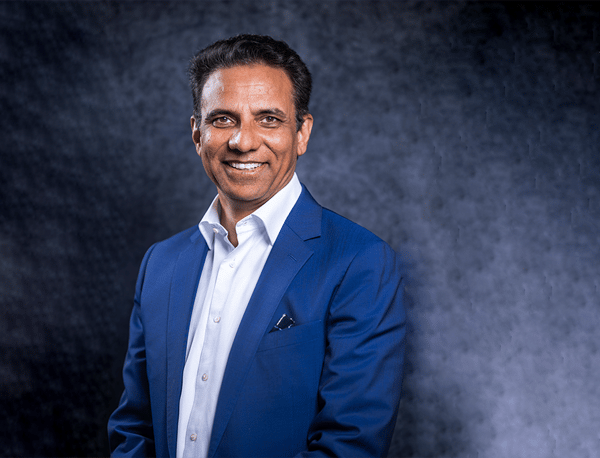
Sanjiv Lakhanpal Saw a Blind Spot. Then He Built 130 Clinics Around It.
A surgeon trained in India and the United States turned an overlooked corner of medicine into a national outpatient network. His playbook is equal parts specialization, repetition, physician leadership, and an insistence that the patient remains the core stakeholder.
Sachin Patel Built a Dental Network by Making the Back Office the Main Event
One Dade City office became 60 Florida practices. The revealing part of Sachin Patel’s story is not the scale, but the operating system built to support it.
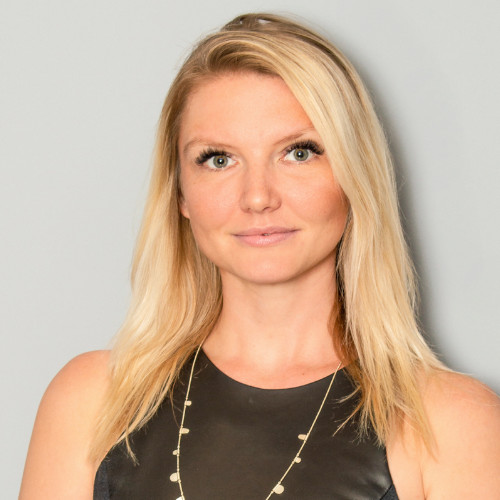
Anna Lindow Built for the Patients the Startup Playbook Forgot
She took lessons from media, education and one stubborn Miami launch, then built a national company around an unfashionable question: who gets left out when convenience becomes the product?
Nick Luekenga Built a Company Around the Signal Nobody in the Operating Room Could Afford to Miss
A surgeon's discomfort became an operator's question: what if the nervous system could speak more clearly during surgery? Two decades later, Luekenga is still building around that answer.
Eric Schweiger Built a 160-Office Practice by Fixing the Waiting Room
A New York dermatologist turned one small office and a consumer’s eye for friction into a multi-state practice. His useful idea was simple: access, administration and culture belong in the product.
Joel Schaedler Is Building Scale for People Who Want to Stay Independent
A former college closer turned specialty-pharma operator, Joel Schaedler has spent his career making a stubborn idea practical: small practices can gain the advantages of scale without giving up their independence.
Ikenna Okezie Built the Care Company His Industry Was Missing
A physician with an economist’s eye left a billion-dollar operating role to redesign care before the crisis. Ten years later, the original thesis is still visible - only the scale has changed.
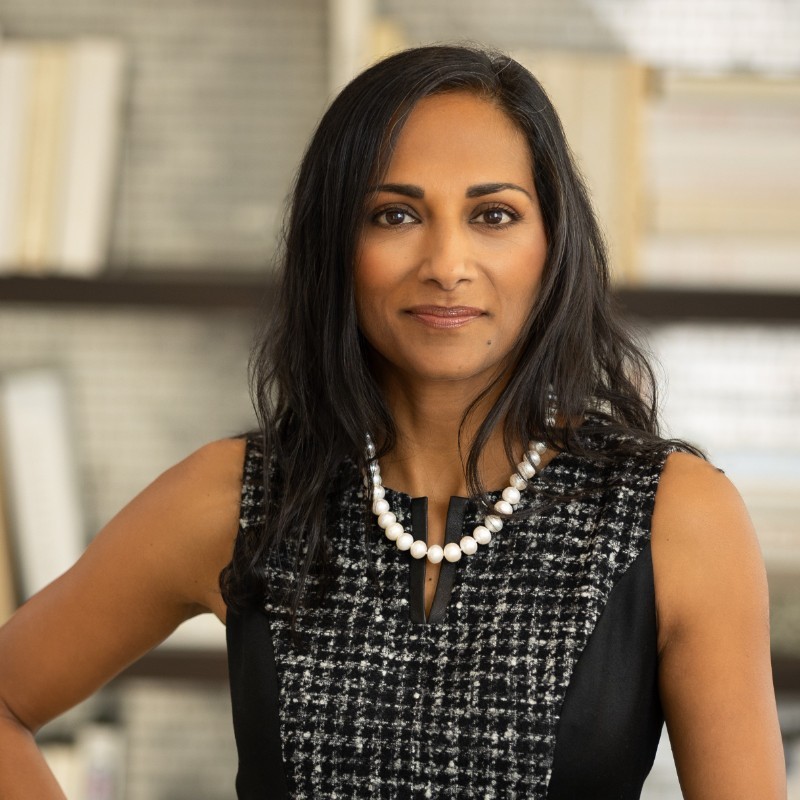
Meera Garcia Is Learning to Read the Signals Between Medicine and Business
After two decades inside clinical systems, Meera Garcia stepped into the founder's seat. Her route from operating rooms to operating plans shows what happens when domain expertise meets the humility to become a beginner again.
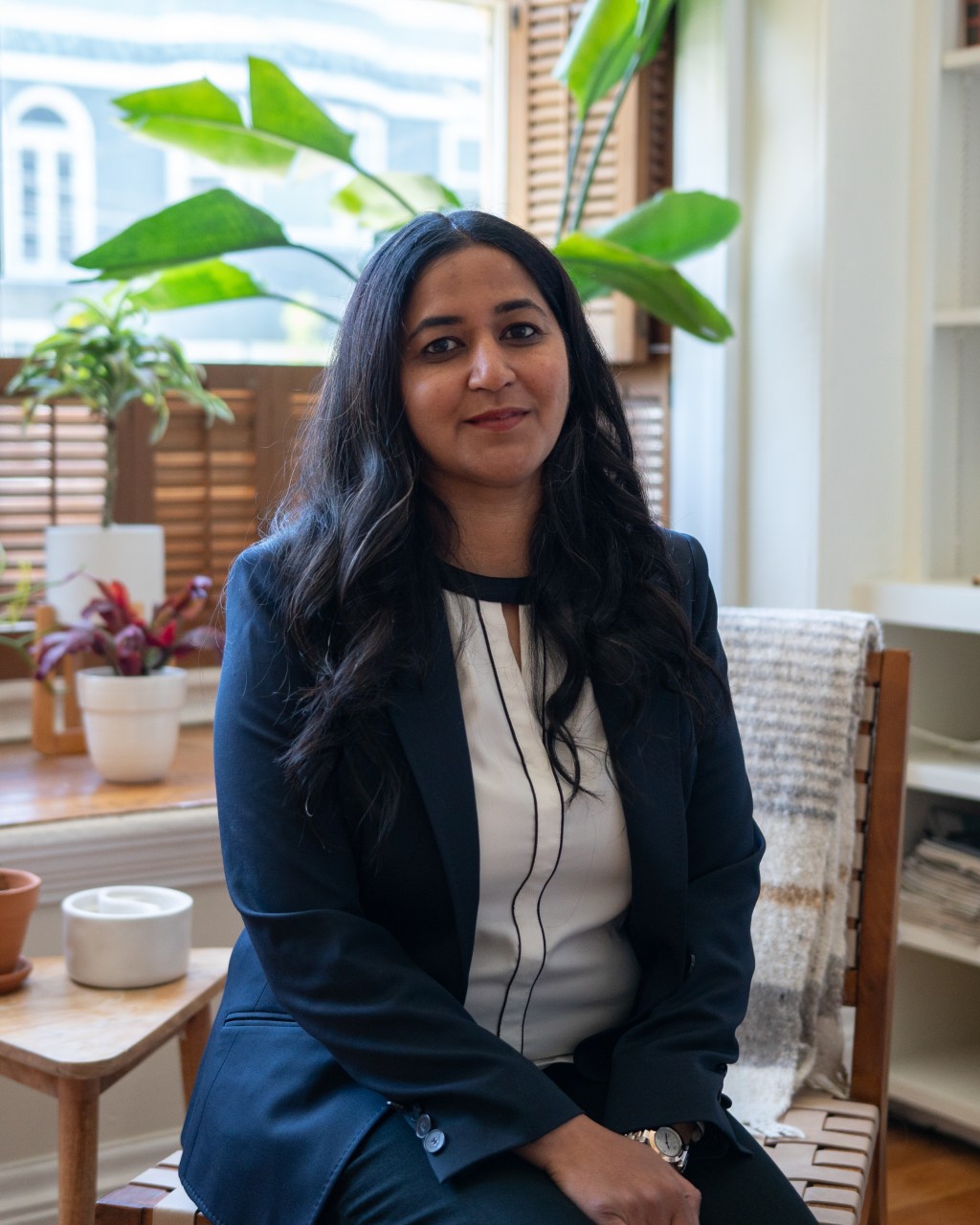
Anu Sharma Is Building the Care Company the System Forgot to Design
She spent two decades learning why healthcare resists change. With Millie, Anu Sharma is turning that education into clinics, software and partnerships that can move together.
Kate Condliffe
Kate Condliffe is the co-founder and CEO of Diana Health, a network of women's health practices that partners with hospitals to rebuild their maternity and OB/GYN programs around holistic, team-based care. She launched the company in 2020 out of AlleyCorp's healthcare incubator after two decades scaling high-value care models, including roles as COO of the Clinton Health Access Initiative and COO of the birth-center network Baby+Co. Under her leadership, Diana Health has grown to nine locations across Tennessee, Florida, and Texas, cares for more than 80,000 women annually, and has raised roughly $101 million to date, including a $55 million Series C in 2025.
Warren Olsen
Warren Olsen is the Chairman and Chief Executive Officer of Gallus Medical Detox Centers (Gallus Detox and Recovery Services), a Colorado-based behavioral-health company headquartered in the Denver area. He leads a roughly 44-person organization built around a clinician-founded care model, steering its growth, brand, and multi-site operations after the company raised seed capital in 2022.
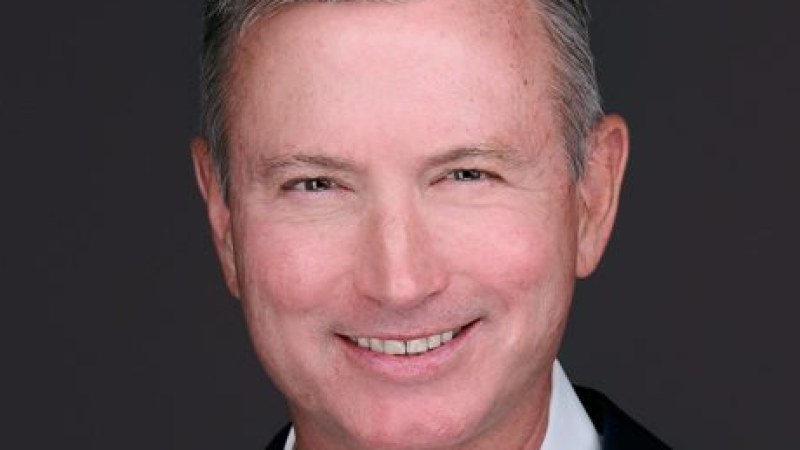
Chuck Kruger
Chuck Kruger is the President and CEO of Foresight Mental Health, a Berkeley-based outpatient behavioral health provider he took over in April 2025 with a mandate to make the company self-sustaining and profitable. A Stanford-trained operator with more than 25 years building private-equity-backed healthcare services companies, he previously ran Akeso Occupational Health, launched and scaled Dignity Health GoHealth Urgent Care into San Francisco's largest urgent care network, and integrated more than 125 outpatient clinics over a decade at Physical Rehabilitation Network. His brand of leadership is unglamorous on purpose: run the basics well, deliver care from the first visit to the last, and make the math work.