hardware-founder
(17)
Philipp Herget and the Fine Art of Drawing the Future on Concrete
He began by controlling lasers within nanometers. Now his robots print buildings at full scale. Philipp Herget's career is a study in precision, practical pivots and knowing when the floor is trying to tell you something.
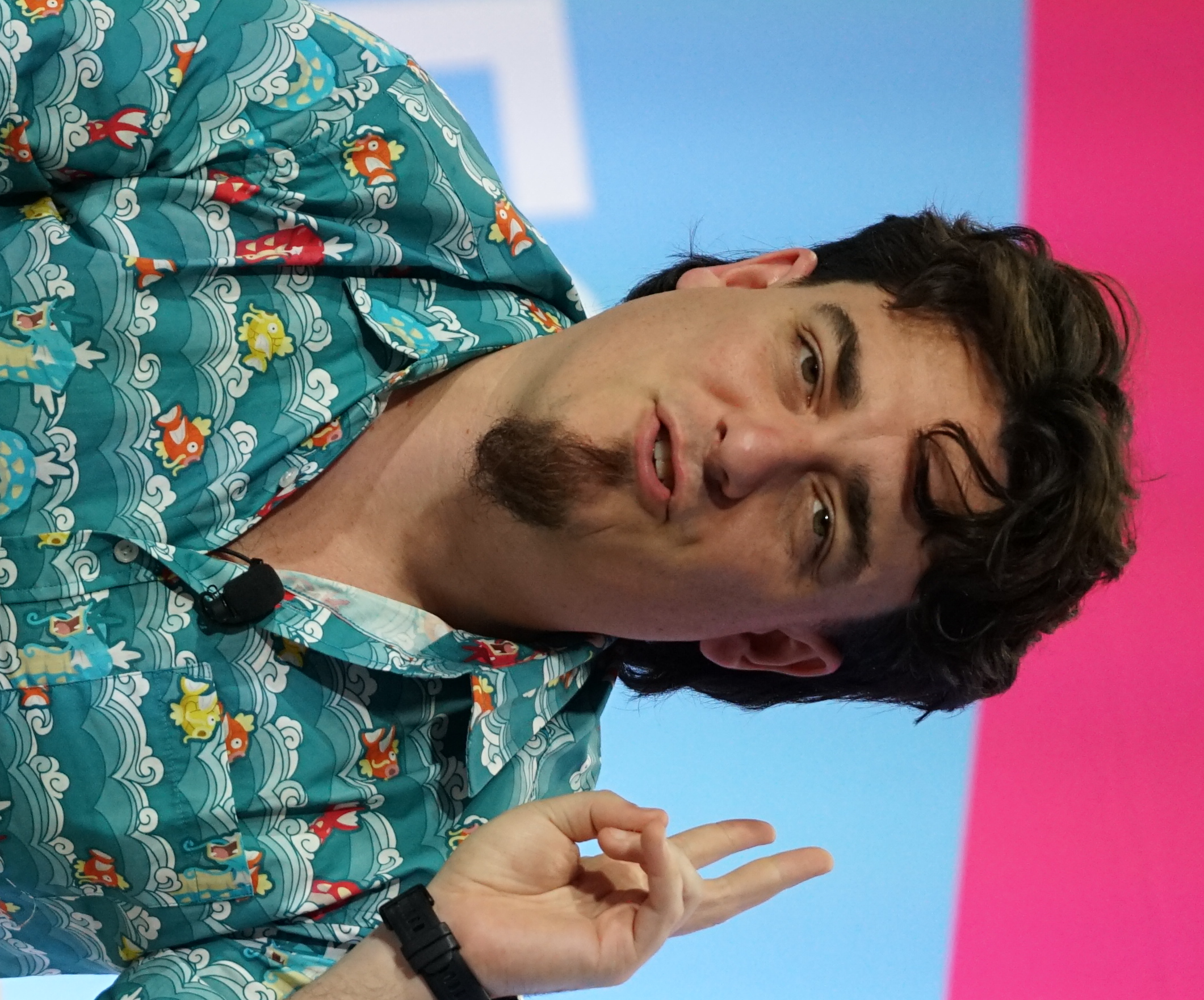
Palmer Luckey and the Second Life of the Garage Inventor
He built a headset in a trailer, sold the future to Facebook, then returned with drones, submarines and a Tolkien sword. Across two very different industries, Palmer Luckey has kept making the same wager: working hardware can change what institutions believe is possible.

Mickey Du Is Teaching the Office Coffee Machine Some Taste
A chance cup in a Hayes Valley alley gave Mickey Du a lifelong standard for coffee. Two decades later, BrewBird is his attempt to encode that feeling into a 60-second workplace ritual.

Joseph Jiang Put a Loudspeaker on Silicon - Then Asked What Else Could Move
A mosquito-sized buzz, a bottle of champagne and thirty stubborn months in the fab: how a veteran semiconductor operator built a company around the idea that sound - and now airflow - could be etched into silicon.

Grégoire Chomette Looked Up at Asteroids. Then He Took the Hard Problem Underwater
After MIT research and NASA asteroid-risk work, Grégoire Chomette built an energy company with paying customers - then chose to start over beneath the surface. His wager at AICE is that Europe’s next layer of maritime defense will be modular, autonomous and built in the water, not on a slide.
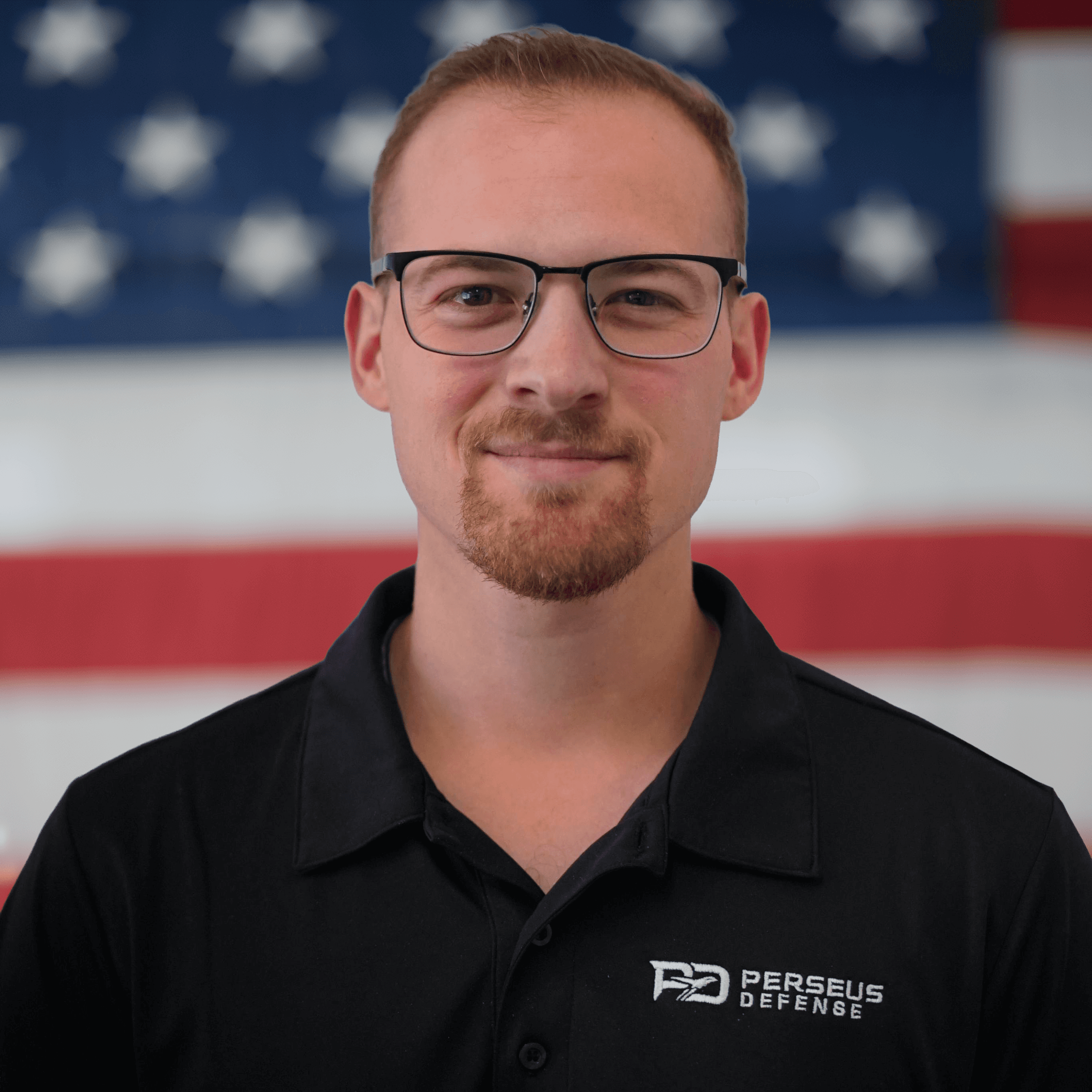
Jason Cornelius Left Space Helicopters for a Two-Foot Answer to Drone Warfare
After helping design a rotorcraft for Titan, the Penn State engineer traded interplanetary patience for two-week build-test cycles. His new problem is brutally terrestrial: making drone defense cheap enough to use at scale.

Noah Levy Put the RF Test Bench on Notice
After years building radios and test systems at SpaceX, Noah Levy decided the laboratory gear around them deserved a modern interface. Nine Fives is his compact, hardware-first answer.

Derek Richardson Spent Six Weekends Rewiring His House. Then He Rewired the Business of Light
A fiddly home project gave an electrical engineer a useful obsession: make the light switch easier to install, easier to upgrade and almost boring to use. Eleven years later, Derek Richardson is still chasing the same elegant click.
Todd McCann Is Teaching Cameras to Read the Jobsite
A mechanical engineer spent years learning how buildings come together. Now he is turning rugged cameras into patient observers of the work - one frame, one upload and one useful signal at a time.

Hassane Slaibi Tuned a Tiny Annoyance Into a Hardware Company
A flute player with absolute pitch helped build a machine for everyone who does not have it. Four generations, several crowdfunding campaigns and one delightfully stubborn hardware journey later, Hassane Slaibi is still removing friction between musicians and the moment they begin to play.
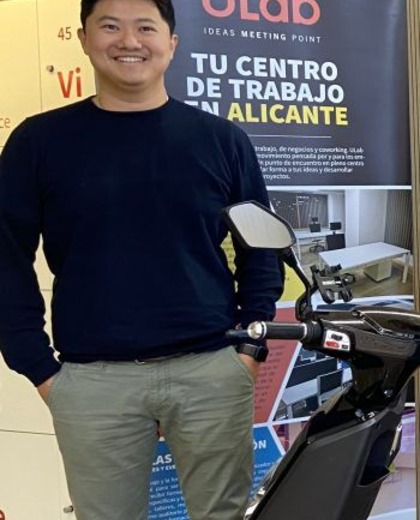
The Five-Minute Meeting That Built a Motorcycle Company
Xulei Xu walked into a university meeting as a suspected idea thief and left with his future co-founders. His career since has been an argument for complementary teams, affordable electric mobility, and the occasional strategic U-turn.
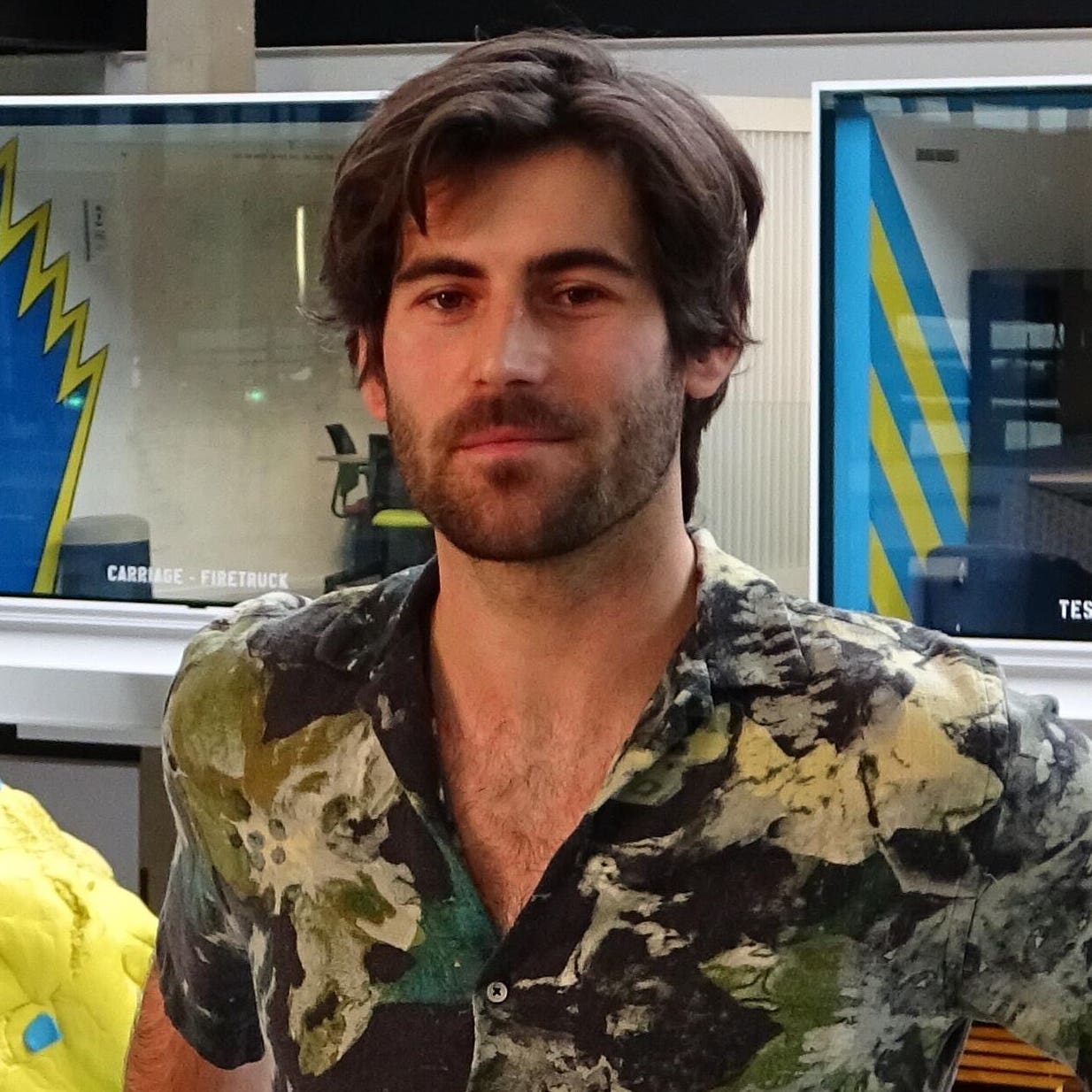
Evan Kervella Is Taking MRI Out of the Basement
A failed first startup taught Evan Kervella to rebuild his circumstances. Now he is pairing quantum sensors, software and patient hardware in a long campaign to make MRI easier to place where people already receive care.

Adam Warmoth Is Rewiring the Battlefield From the Power Up
After electric aircraft and counter-drone systems, Adam Warmoth found his company in a less glamorous bottleneck: the electricity every modern military system quietly needs.
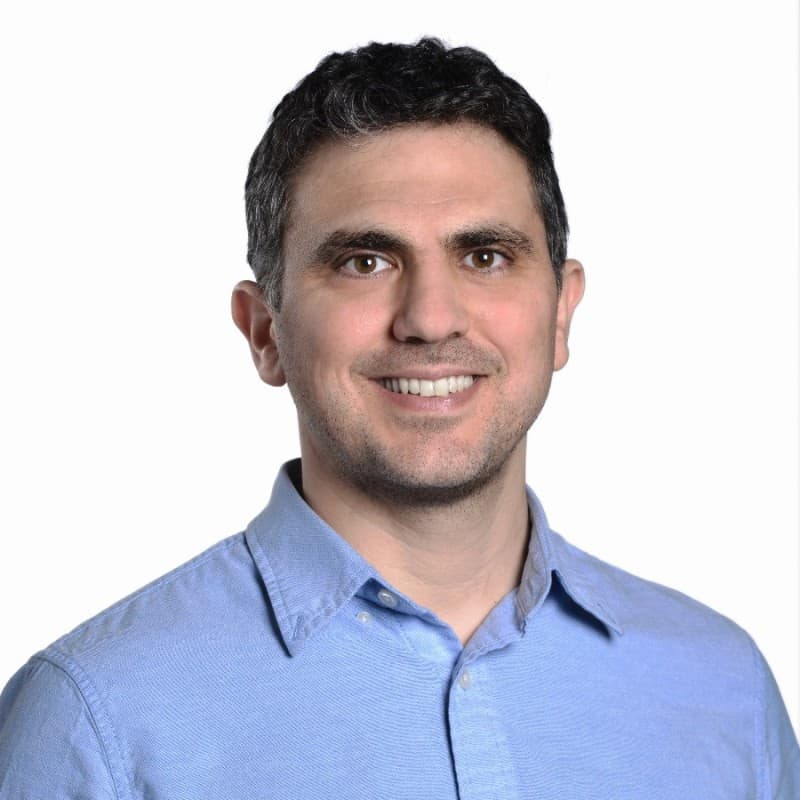
Amir Reuveny
The Wesper founder spent years making electronics bend. Then he built a company around a harder discipline: making complex technology disappear into an ordinary routine.

Nathan Monroe
Nathan Monroe is the co-founder and CEO of Cambridge Terahertz, an MIT spinout building compact, affordable concealed-weapons detection. A PhD electrical engineer who demonstrated one of the largest terahertz phased antenna arrays ever built on standard CMOS, he shrank refrigerator-sized scanner physics into a device smaller than a toaster. After a school shooting marked his teenage years in Florida, he spent more than a decade at MIT turning terahertz sensing into a real product. Cambridge Terahertz uses safe, non-ionizing radio waves and AI to see weapons through clothing and packaging, and raised a $12M seed round backed by Amazon and Felicis.
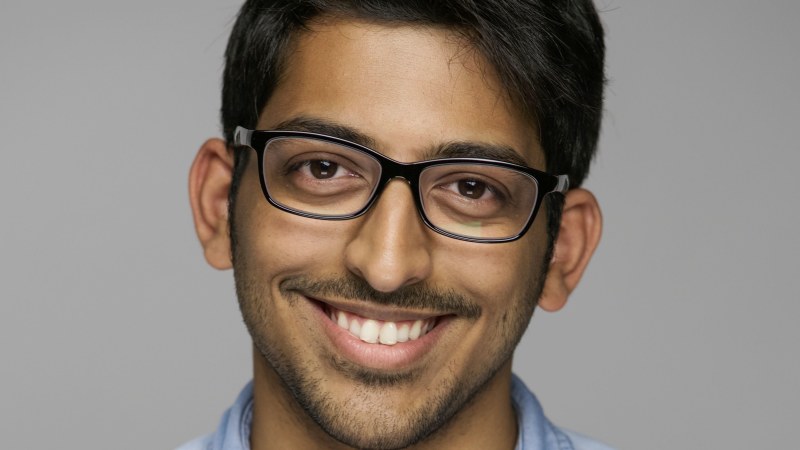
Sujay Suresh Kumar
Sujay Suresh Kumar is the cofounder and co-CEO of Lilu, a New York women's health hardware company building smart wearable tech for new mothers. An electrical engineer trained at the University of Pennsylvania, he designed circuits for CERN's ATLAS experiment, helped launch 4G in India at Reliance Jio, and spent two years on factory floors in Shenzhen turning a robotics-class side project into shipping products. He was named to Forbes 30 Under 30 in 2022.
James DeMuth
James DeMuth is the co-founder and CEO of Seurat Technologies, a Wilmington, Massachusetts metal additive manufacturing company chasing a single audacious goal: printing metal parts fast and cheap enough to compete with mass production, then planting factories next to the customers who need them. He co-invented Seurat's Area Printing technology while working on laser fusion research at Lawrence Livermore National Laboratory, holds a hand in roughly 145 patents, and has raised more than $181 million to reshore manufacturing and cut carbon out of how metal gets made.