foodservice
(39)
Prime Roots bets the future of meat on the deli counter
Its founders made a salmon burger. Their customers wanted bacon. Now Prime Roots is growing fungi into deli meats - and betting that a familiar sandwich can sell an unfamiliar ingredient.
The Cans Exploded. Then Bawi Found Its Market.
A Mexican family recipe became a farmers market experiment, then a lesson in food science. Bawi's better-for-you agua fresca found momentum when its founders looked beyond the grocery shelf.

The Snack Giant Hiding Behind Canada’s Aisles
Johnvince started with one roasting pot and a family bet on bulk food. Fifty years later, its real product is not peanuts - it is the industrial system that gets almost any snack from idea to aisle.
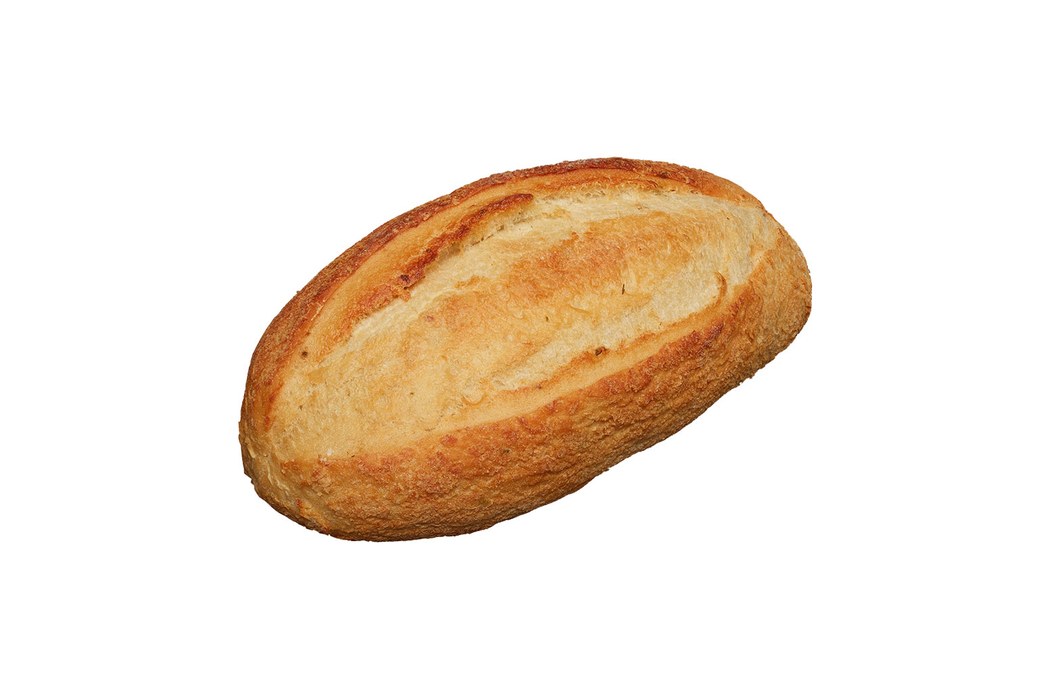
The Bread Company That Froze Time - and Sold Craft at Industrial Scale
Bäckerhaus Veit turned a lopsided delivery week into a continental bakery business. Its useful trick was not a secret recipe - it was giving restaurants and grocers the smell of a bake shop without asking them to run one.
The Bakery Roll-Up That Refused to Taste Like One: How Dessert Holdings Turned Seven Local Legends Into a National Dessert Machine
Restaurants and grocers want desserts that look handmade, arrive reliably and require almost no labor. Dessert Holdings built a seven-brand answer - then bet that scale would not flatten the recipes people actually crave.
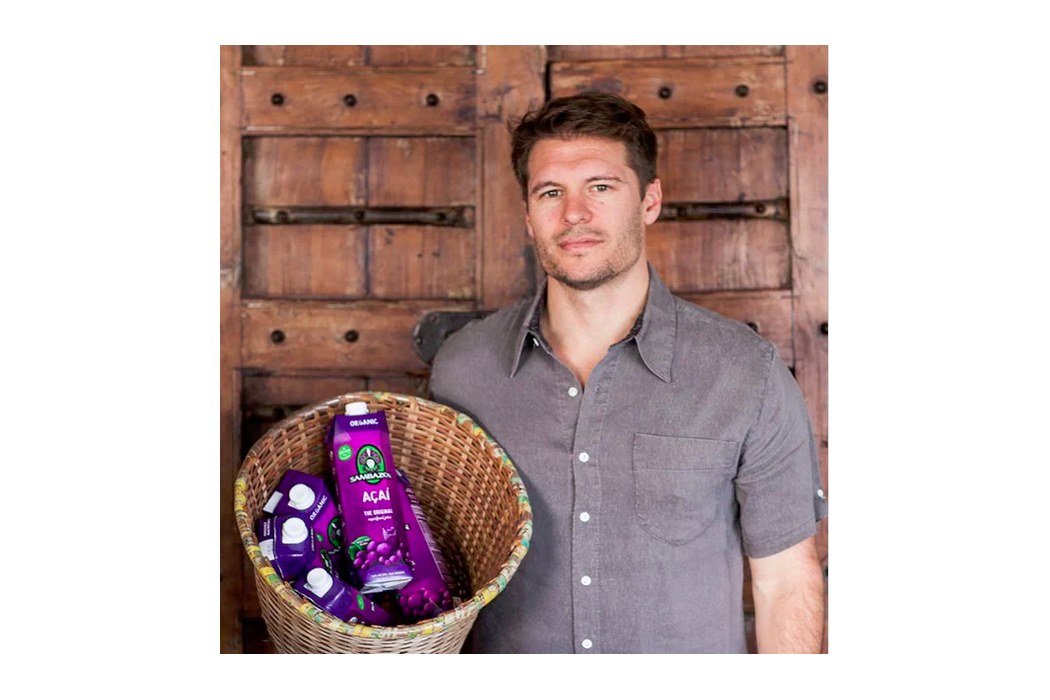
SAMBAZON Bet $50,000 on a Berry America Couldn't Pronounce - Then Built the Category Around It
The frozen pulp was perishable, the name was unfamiliar, and the first bottled drinks stumbled. SAMBAZON survived by making açaí useful before trying to make it famous - and by turning supply-chain control into the brand.

The Company That Turned a Kitchen Trash Can Into a Spreadsheet
For 20 years, Leanpath has bet that you cannot fix what you refuse to weigh. The payoff: kitchens that cut food waste in half, one logged banana peel at a time.
The Company Behind the Shelf Is Building Retail's Operating System
Most shoppers never see Acosta Group. They see the shelf it reset, the sample it served, the product page it repaired and the promotion its data helped price.
Abuela's Carnitas, Ready in Five Minutes
Del Real Foods took the slow-cooked meats of a Michoacan kitchen, refused to add preservatives, and figured out how to sell them in the Costco cold case. In 2024 a Guatemalan food giant bought a controlling piece.
Hormel Built a $12 Billion Business Out of the Middle of the Grocery Store
The maker of SPAM now reaches 81 percent of U.S. households with a portfolio that runs from peanuts to pepperoni. Its real product is a system for putting familiar food almost everywhere people eat.
The Coffee Company You’ve Probably Drunk Without Knowing It
Massimo Zanetti Beverage USA sells famous coffee brands, but its more revealing product is the system behind them - a farm-to-shelf operation built for supermarkets, restaurants, offices and the people who never notice the name on the roasting plant.
The Little Orange Tray That Turned Sweet Bread Into a National Ritual
King's Hawaiian did not win the bread aisle by behaving like ordinary bread. It turned a soft, sweet roll into a social object - one orange tray built for passing, pulling apart and showing up wherever people gather.
The Snack Empire You've Eaten From and Never Heard Of
How a bankrupt pretzel maker bought for $72,100 in 1971 became the quiet $1.58 billion supplier behind the ICEE at the ballpark, the Dippin' Dots at the fair and the pretzel in the freezer aisle.
The Famous Name Hiding Behind America’s Bakery Counter
Sara Lee Frozen Bakery turned a household dessert name into an industrial answer to a modern problem: how to put bakery-style food on shelves and menus when time, labor and consistency are all in short supply.
Kraft Heinz Has a $25 Billion Pantry. Now It Has to Make It Hungry Again.
The merger built a pantry few rivals can match. A decade later, Kraft Heinz is spending more, reorganizing faster and asking whether famous brands can become growth brands again.
Yesway Bought a Burrito Cult - Then Built a $2.7 Billion Retail Machine Around It
A real-estate-minded roll-up found its sharpest advantage in a 50-year-old deep-fried burrito. Now Yesway is testing whether local devotion, modern stores and disciplined data can travel together.
Inspire Brands
Inspire Brands keeps six familiar restaurant chains visibly different while quietly wiring them to the same machinery. The result is a franchise empire built less like a food court than a hospitality operating system.
What Chefs Want!
A one-van produce hustle in Louisville turned into a 16,000-restaurant food-distribution machine by doing the one thing the national giants would not: picking up the phone and asking the chef.
Harvest Hill Beverage Company
Harvest Hill assembled a billion-dollar beverage business from brands many Americans first met in a lunchbox. Now, under a new owner, the company must prove that nostalgia can travel across aisles, formats and generations.

Habit Burger & Grill
It started as a burger stand under the Santa Barbara sun in 1969. Fifty-five years and one ampersand later, Habit Burger & Grill is Yum! Brands' bet that a chargrilled patty can scale without losing the char.
Imperial Trading
For more than a century, a New Orleans wholesaler has quietly kept America's corner stores stocked. Now Imperial Trading is betting that the future of the convenience store isn't the shelf - it's the kitchen.
Peet's Coffee
The Berkeley roaster taught America to expect more from a cup. Sixty years later, its harder trick is carrying that craft from a hand-roasted batch to grocery aisles, subscriptions and airplane trays without turning it into mere nostalgia.
Bimbo Bakeries USA
Bimbo Bakeries USA is the company hiding in plain sight across the bread aisle. Its advantage is not one famous loaf, but a portfolio of old brands tied to a daily system for baking, forecasting and delivering freshness at national scale.
SugarCreek
SugarCreek spent six decades turning a bacon plant into the backstage kitchen for food brands, retailers and restaurant chains. Its real product is not a label on the shelf - it is repeatability at industrial scale.

Smithfield Foods
Smithfield Foods is betting that the future of pork belongs to the company that can control the animal, the factory, the brand and the refrigerated truck - then make all four work as one.
McCormick & Company
The red-capped spice jar is only half the business. Behind it sits a global flavor laboratory that helps supermarkets, food factories and restaurant kitchens decide what the next bite should taste like.
McDonald's
The Golden Arches sell burgers, but the durable product is a system - franchise economics, high-traffic real estate, supply-chain discipline and a loyalty app now used by nearly 210 million active customers.
Restaurant Brands International
Behind four familiar counters sits a less familiar machine: a mostly franchised platform turning coffee, burgers, chicken and subs into royalties, data and global restaurant growth.
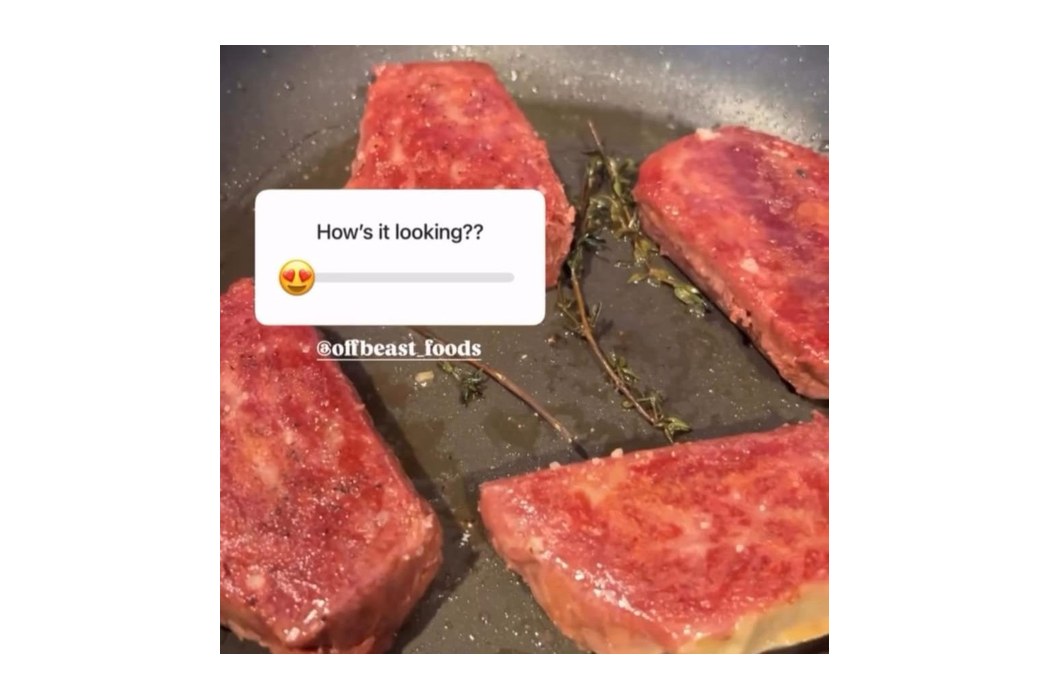
Offbeast
Offbeast is a Baltimore food-tech company making plant-based whole-cut steaks - filet mignon, ribeye and steak bites - that mimic the muscle-fiber texture of real beef. Its proprietary Cross-Fiber Assembly platform bundles plant fibers into steak-like cuts through continuous manufacturing, avoiding the expensive equipment and biological processes rivals rely on. Founded in 2022 (as Mooji Meats) and backed by Y Combinator, the company sells to East Coast restaurants and direct to consumers.

PoloTab
PoloTab is a Mexico City-based company building an all-in-one point-of-sale platform for cafes and restaurants. It bundles sales, inventory, invoicing, kitchen displays, delivery-app integration and multi-branch management into software that installs in about 15 minutes and keeps working without internet. More than 800 venues across 70+ Mexican cities run on it.