enterprise-technology
(52)
Evan McPhee and the Office That Had to Fit in a Shipping Crate
He arrived at NavVis with no reality-capture network and a scanner too large for checked baggage. Ten years later, Evan McPhee is still selling a simple proposition: reality is useful only when people can reach it.

Jeff Denworth Spent Twenty Years Learning How to Sell the Invisible
Before VAST Data became a $30 billion company, its lone go-to-market founder spent three years asking hundreds of customers to imagine a machine he could not yet show them. Jeff Denworth’s real product has always been the bridge between difficult architecture and a reason to care.

Samra Anees Learned to Read Technology. Now She Helps Shape How Carta Tells Its Story.
A cognitive science graduate became a technology analyst, found her footing in marketing at Cisco, then chose the useful discomfort of a new market at Carta. Her career is a study in curiosity made operational.

Raj Kanaya Has Spent a Career Making Machines Talk
Before cars became software, Raj Kanaya was already wrestling with the pipes beneath the cloud. His route from data-center switches to connected vehicles reveals a career built around one stubborn question: how do you make complicated infrastructure useful?
Jai Shankar Has Spent a Career Finding the Moment When Markets Move
From Dubai retail floors to Chennai's digital-commerce corridors, Jai Shankar's career has followed one durable question: when technology changes, how do you bring the market with you?

Michael Letschin Learned Marketing From the Server Room
Before he shaped campaigns, Michael Letschin designed data-center systems. That technical apprenticeship still defines his work as a fractional CMO: get close to the product, listen to the customer, and make the complicated useful.

Howard Kirkland Has Spent a Career Making Technology Answer to the Warehouse Floor
From hospital offices to Caterpillar dealerships and modern warehouse systems, the Knoxville executive has kept one stubborn idea: technology earns its place only when it helps real work move.

Sara Hale Has Spent 25 Years Making Difficult Technology Legible
The Hashgraph CMO built her career translating complicated financial technology for people who cannot afford to misunderstand it. Now she is betting that tokenization can bring two stubborn worlds to the same table.

Ben Gibson Built a Marketing Career One Human Connection at a Time
After three decades marketing the machinery of enterprise technology, Securonix CMO Ben Gibson still measures a career by the people who shaped it. The same discipline follows him from the campaign room to the swimming pool.
Marcus Bode Built for the Long Game - Then Changed Positions
After two decades building SpearMC around Oracle, PeopleSoft and customer trust, Marcus Bode sold the company and stepped into a new assignment at Mythics. His other field of play is quite literal.

Brad Rinklin Learned Marketing by Selling What the Internet Could Do
Before Brad Rinklin sold cloud security, he taught office workers how to use a PC. Three decades later, the Infoblox CMO still begins in the same place: with the person trying to make sense of the machine.

Before Miranda Harper Named a Software Future, She Learned to Fill an Opera House
A former professional opera singer moved from champagne, hotels and Audi into cybersecurity and supply-chain software. Her career makes a persuasive case that brand work begins with listening for the note everyone else has missed.

Eliot Johnson Built the Campaign. Now He’s Rewiring the Marketing Machine.
After years inside global companies, a founder’s detour and a fast-moving startup, Eliot Johnson has arrived at DataCore with a sharp thesis: AI may command the spotlight, but data infrastructure decides what actually works.

Perrine Didrich Markets the Software You Never See - Until It Matters
From mobile security in Paris to physical AI at the intelligent edge, Perrine Didrich has spent more than two decades turning invisible infrastructure into a story customers can act on.

Kristi Brown Has Spent 20 Years Making Invisible Technology Impossible to Ignore
From cloud phones to construction finance and AIoT, the Nashville marketing executive has built a career translating complicated infrastructure into reasons to care.
Mo Katibeh’s Quiet Operating System for the Loud Business of Connection
He has built networks, products and marketing engines at telecom scale. His quieter advantage is an executive habit anyone can borrow: listen closely, think alone, then translate technology into a problem someone actually needs solved.

Brian Jochum Still Believes a Brand Should Make Something Clear
From hair care and household appliances to enterprise AI, Virtusa's global marketing chief has spent a career translating complicated products into useful promises. His current argument is simple: speed matters, but clarity is the work.

Teresa Poggenpohl Has Spent a Career Making Old Companies Sound New
She helped turn Andersen Consulting into Accenture in 147 days. Now the Unisys CMO is applying the same discipline to a 150-year-old technology company - with intent data, client stories and a stubborn preference for proof.
Nidhi Alexander Still Thinks Like a Reporter. Now the Story Has a Revenue Target.
She began by chasing television stories and asking the question behind the question. At Hexaware, Nidhi Alexander applies the same instinct to a harder brief: make enterprise marketing earn belief, trust and measurable business.

Arya Barirani Sells the Software You Can’t See - and the Infrastructure You Can’t Ignore
After years naming invisible categories for Silicon Valley, Hitachi’s CMO has a harder brief: make AI matter where trains move, grids hum and factories cannot afford a bad day.
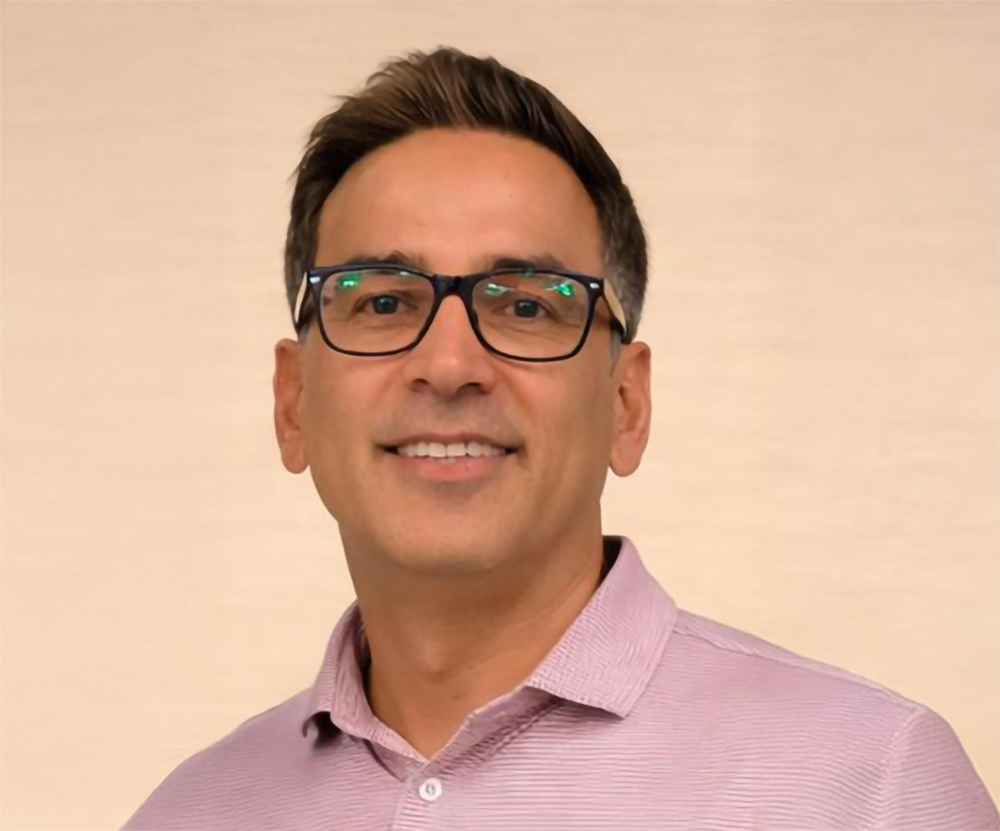
Amit Bhardwaj’s Bet: Make Healthcare AI Feel Like Infrastructure
With 27 years across IT and operations, the Elevance Systems CEO is pursuing a practical idea: technology earns its place when it fits the workflow, secures the foundation, and helps people get on with the job.
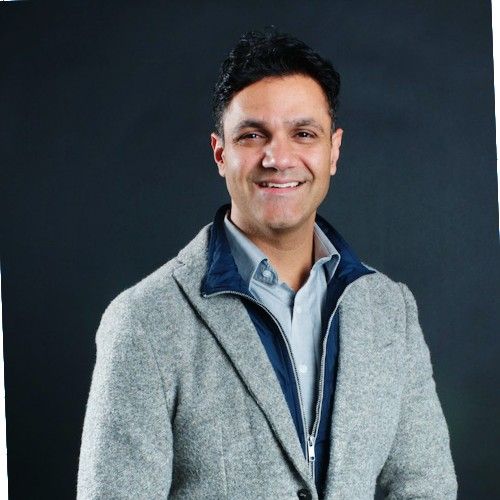
Ashish Kataria Wants You to Watch the Work Before You Buy the Software
At Epik Solutions, the founder and CEO starts transformation with a stubbornly analog move: watch how people actually work. His playbook favors workflow maps, measured adoption and patient growth over fashionable software decisions.
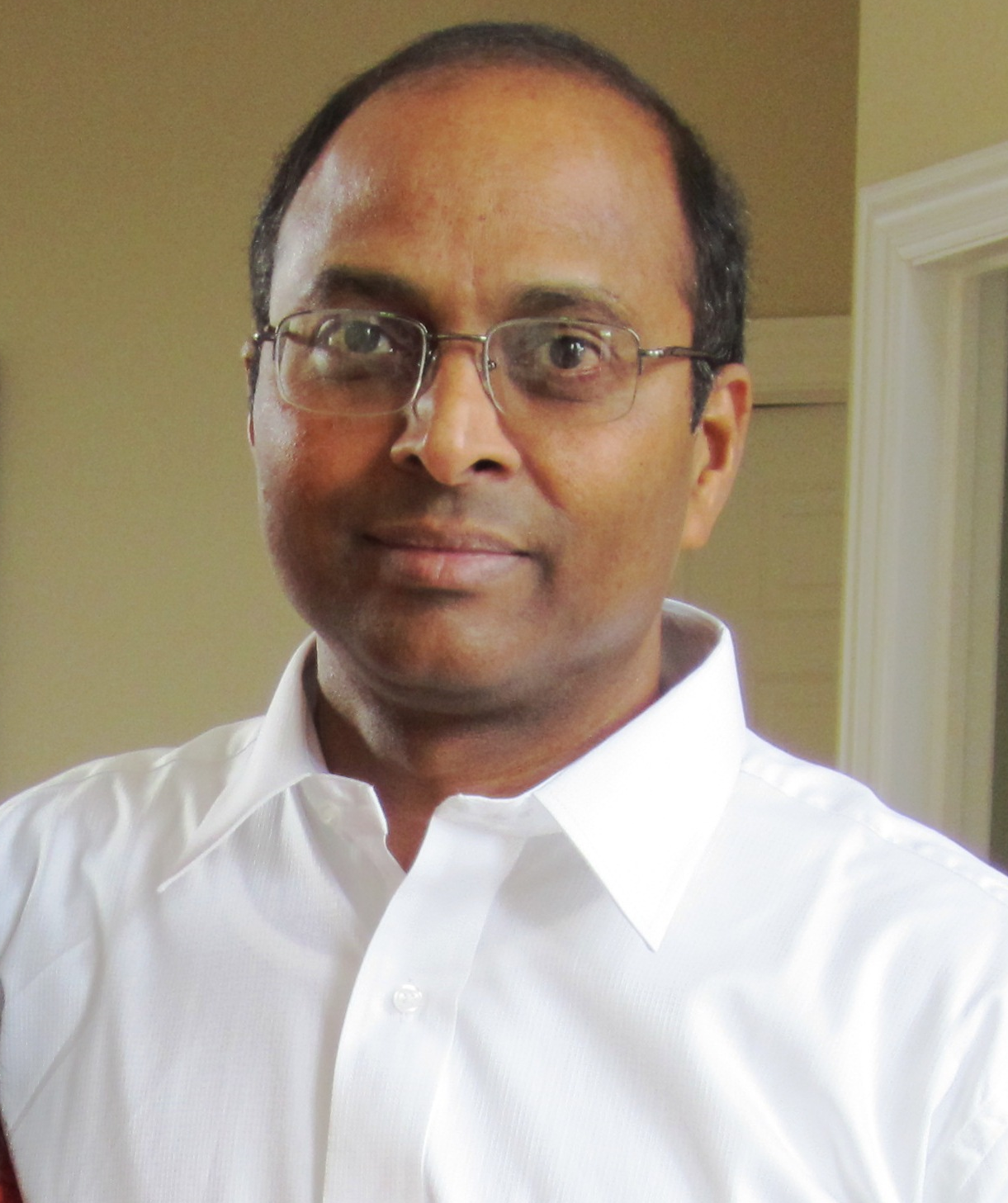
Prasad Rao Built a Career by Finding Better Words for Hard Problems
Before the awards, public listings and decades in enterprise technology, a Telugu-medium engineering student solved a vocabulary problem with three improvised words. That instinct - work with what you have, then make the system better - still explains Prasad Rao's career.

Raghavendra Watada Built CALTEK for the Work Between Systems and Stakes
A micro-sensor project, a Fremont company and a portfolio spanning data, telecom and regulated operations reveal an executive drawn to the unglamorous work that keeps complex systems moving.
Rajiv Pendyala Built a Career in the Work Between the Software and the Sale
For three decades, Rajiv Pendyala has worked the seam where technical projects meet commercial trust. His long tenure at Infotech Spectrum offers a practical study in the quiet machinery of IT services.
Bharath Ram Has Spent 35 Years Making New Technology Make Business Sense
From opening a two-person encryption office in Tokyo to shaping enterprise data strategy in the AI era, Bharath Ram's career is a study in translating hard technology into partnerships, markets and durable value.

Raj Velagapudi Keeps Building for the Moment After the Pitch
Across three decades, Raj Velagapudi has returned to the same operating idea: make technology answer to outcomes, then build the team that can carry the promise across borders.

Ralph Cavallaro Has Been Debugging the Music Business Since the Car-Wash Era
Before dashboards, agents and audit trails, Ralph Cavallaro learned systems thinking by producing a teenage punk band, washing cars to fund its record and calling college stations until they listened. Three decades later, the medium has changed; his habit of making unruly machinery usable has not.

Alejandro Planas Bet on the Cloud Before Latin America Had a Forecast
A slow server order gave an electronic engineer a fast idea. Seventeen years later, Alejandro Planas has turned that operational irritation into a cloud company built across Latin America - and into the kind of specialist a global buyer wanted to keep running.

Douglas Monsour Built a Computer Company for the Rooms Ordinary PCs Cannot Handle
Since 1989, the Tangent co-founder has followed one durable idea: build computers around the room they must survive, not the spec sheet they happen to carry.