direct-mail
(52)
LSC Communications and the journey after the page
Printing is only one stop between an idea and a reader. LSC Communications built a business around the whole trip, then had to rebuild the business itself.
Consolidated Solutions makes the handoffs work
A damaged shipment. A late insurance mailing. A sales team using yesterday’s brochure. This Cleveland company builds the machinery between a good idea and a useful delivery.
A little card. A big business decision.
Hallmark Business Connections puts a familiar greeting card inside an unfamiliar machine: corporate customer care. The interesting part is what happens before anyone opens the envelope.
TFC saw the future in a shrinking print run
When marketing collateral volumes started falling, TFC put $2 million into software and retraining. Its reinvention, later named VeraCentra, connected customer data to the surprisingly physical business of getting a message out.
Cenveo and the art of getting opened
An envelope looks simple until you have to make billions of them. Cenveo’s story runs through glue lines, scented paper and a costly retreat from the printing conglomerate.
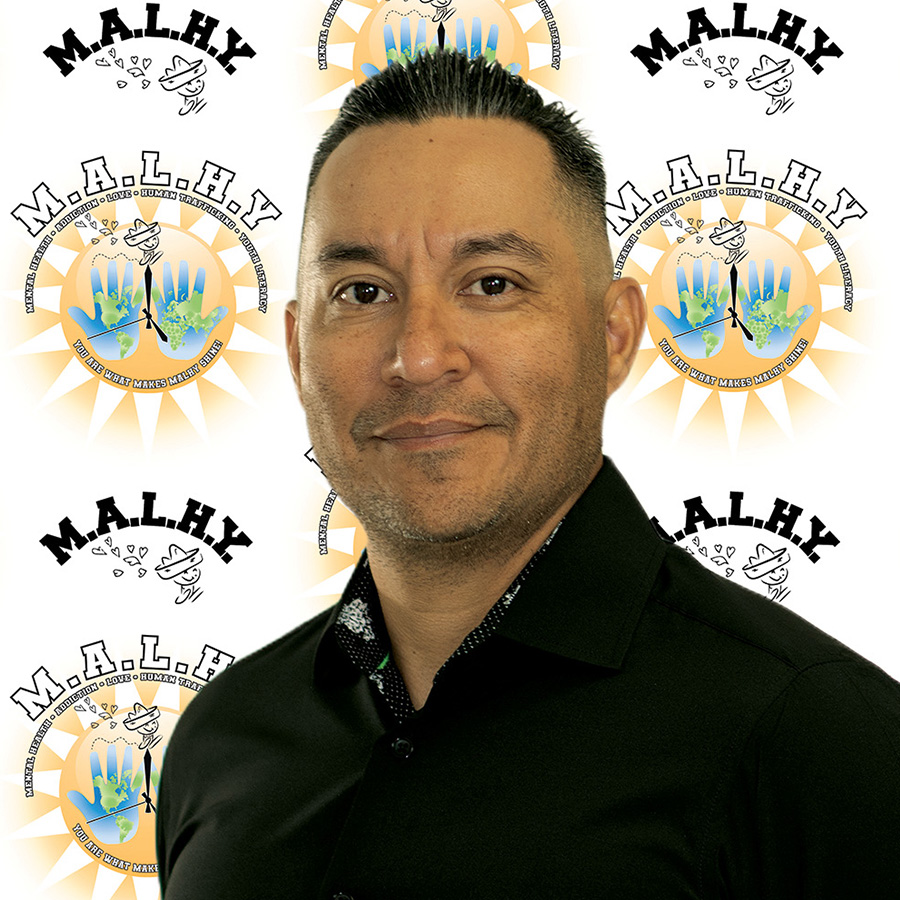
Jimmy Caudillo and the business of staying in business
The Think Creative co-founder has worked across automotive retail, marketing and software. His most revealing advice begins with a less glamorous ambition: keep the business alive, then make the next useful move.
Fry Communications prints the magazine. Then comes the hard part.
Ink is only the beginning. Inside the family-owned Pennsylvania printer that treats the journey to your mailbox as part of the product.
sg360° knows who gets the envelope.
A printer learned to read the customer before printing the message. Inside sg360°’s business of turning audience data into mail people might actually act on.

American Litho makes the mailbox a machine
A letter is the last thing you see. American Litho builds the data, production and postal machinery that gets it there - and makes it worth sending.
The secret is in the sorting
Japs-Olson makes billions of pieces of direct mail. Its more interesting product is the coordination that gets a personalized message from a database to a doorstep.

Leore Avidar and the things software cannot touch
He co-founded Lob to make physical mail programmable. With Alt, Leore Avidar is asking a related question: what happens when the things people treasure acquire the machinery of a market?
PFL.com knows the most expensive mail is the mail that comes back
A Montana printer made physical mail behave more like software. Its customers reveal why the clever part is often the address, the timing and the work nobody wants to do.

Marquis knows why 33 replies can beat 15,000 impressions
A bank’s best marketing asset may already be sitting in its account records. Marquis turns those records into targeted campaigns, customer journeys and compliance analysis - with people on hand to make the machinery useful.
Noosh and the Invisible Factory Behind a Campaign
A campaign may look like one idea. Noosh built software for the hundreds of specifications, bids, approvals and invoices required to make that idea real.
The Print Shop That Cost $3,500 to Get Back
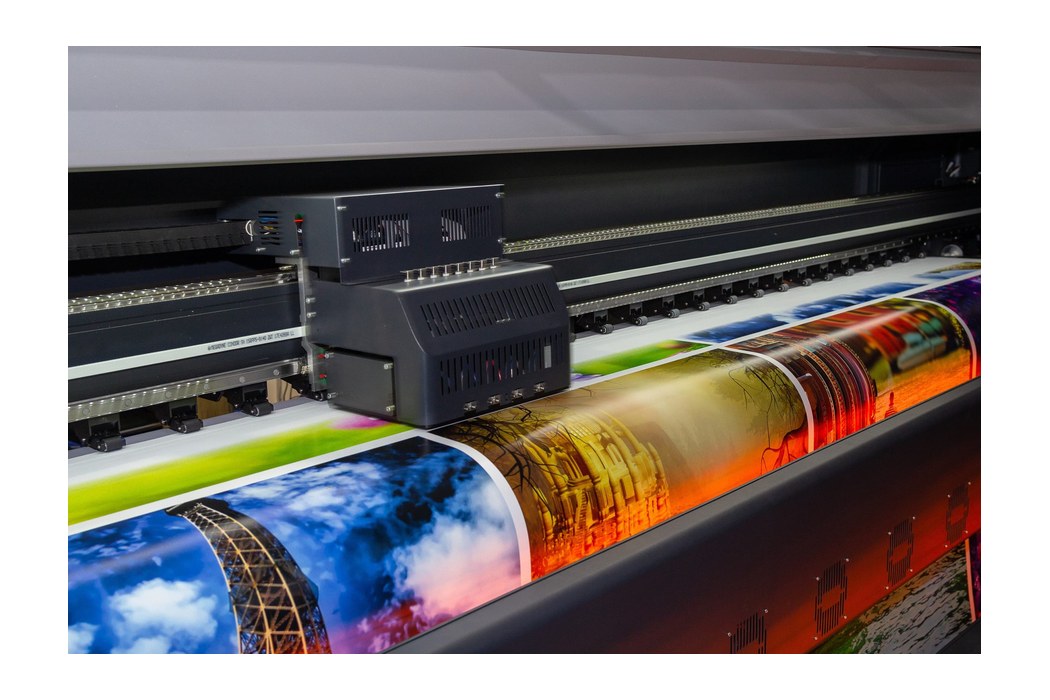
Pete Petroff sold his Alabama print shop when illness demanded his attention. Two years later, he bought the diminished business back for $3,500 - and discovered what, exactly, the founder had been doing all along.

The Marketing Agency With a Loading Dock
Integrated Marketing Services built an agency around the least glamorous part of branding: making sure the idea survives contact with ink, vinyl, deadlines and the loading dock.
The Campaign That Begins Before the Campaign
818 Political sells mail, media and campaign strategy. Its more revealing product is confidence - built by watching a candidate work before deciding what voters should hear.
The Campaign Weapon That Still Arrives by Mail
Creative Direct turned an old political instrument into a fast, data-led system - one that moves from a Richmond strategy table to printers, phones and screens across the country.
The Bank Merger Happens in the Fine Print
MKP built a business around the least glamorous moment in banking: telling millions of customers exactly what is about to change, before confusion becomes an exit.
The Fundraiser Who Asks Before It Tells
For nearly four decades, O'Brien Garrett has made a business of listening to donors before asking them for money. The method is old-fashioned, measurable, and unusually suited to moments when the public mood moves faster than a campaign calendar.
The Detective, the Mailroom, and the Bet Before the Clients Arrived
A retired detective bought a tiny direct-mail shop with no computer, then used a recession to make the expensive move nobody recommends: hiring the agency before the agency had clients.
Boone Graphics Does Its Best Work Where a Printing Error Becomes Someone Else’s Emergency
The Goleta company still puts ink on paper. Its sharper business is removing the dangerous handoffs between a customer’s database and a stranger’s mailbox.
MCSA Knows What a District Means Before the Mail Lands
A small Sacramento consultancy sits at the useful intersection of maps, messages, and turnout. Its public record shows how political expertise becomes campaign machinery - one district, mail piece, and coalition at a time.

The Company That Lived Between the Idea and the Deadline
Graphic Industries built its business in the awkward, essential space between a campaign concept and everything the public actually sees. Its product was not merely ink or pixels - it was fewer handoffs when the clock was loud.
Ascent Strategic and the work behind the campaign
Four Republican consultants built a firm that brings campaign strategy, design, mail, and voter contact together. One of its most revealing hires arrived with no political experience at all.
Reliance Marketing and the art of the $12.95 sign
Inside London Properties’ marketing operation, a small yard-sign add-on connects the street to the screen. Reliance Marketing makes a business out of the details agents need again and again.
USA Printing & Graphics makes the small business visible
A Visalia print shop puts business ideas onto cards, banners, blueprints and even a tablecloth. Its most revealing gesture began with a student selling water bottles.
API-Marketing gave Prince Perfect his retirement papers
An Auburn printer spent decades adding services, then had to teach customers what it had become. The lesson involves a retired mascot, personalized postcards, and a surprisingly useful lunch fund.

G2 Graphic Service knows what happens after the ink dries
A makeup guide that sticks to a mirror. A custom box filled with homemade fudge. This family printer makes its case in the things people actually touch.

Marketing Designs sells the house. And the agent’s next listing.
A Bay Area agency turns property details into brochures, websites and neighborhood reports. Its real specialty is keeping the agent in the picture after the house is sold.