data-governance
(97)
Aker Systems takes five months out of the data queue
The British data specialist says it cut Home Office integration times from seven months to two. Its business is built around a stubborn problem: getting sensitive information to the people who can use it.
BKN301 wants to fix banking without gutting the bank
The fintech that began in San Marino is selling banks a way to connect their old systems, put their data in order and bring AI inside. Its expansion runs through an unusually practical asset: other people’s infrastructure.
Sensyne Health’s £60 Million Bet on NHS Data
Sensyne offered hospitals a share of the proceeds from AI research. A cash crisis forced a rescue, a new name and a smaller business - while its pregnancy-diabetes app found a life of its own.

Applicable does the Microsoft work nobody puts in the launch video
Splitting a 60,000-person company’s Microsoft environment takes more than moving mailboxes. Applicable has built its business around the migrations, permissions and midnight support that keep corporate life running.

Infinite Lambda Wants to Fix AI’s Plumbing
Before an AI agent can give a useful answer, somebody has to sort out the data. Infinite Lambda turns that unglamorous job into software, migration projects, and teams that can run the result.

Snowplow Put the Black Box on the Curb - Then Taught Customer Data to Move in Real Time
Snowplow began with two consultants, one day of coding and a grudge against packaged analytics. Fourteen years later, its bet is that the next useful AI agent will need to know what a customer did five seconds ago - without surrendering the data to somebody else's dashboard.
For Data Teams That Can't Afford a Guess, Sequentum Lets AI Build the Scraper - Then Locks It Out
Sequentum spent 18 years making web extraction boring enough for banks, governments and large companies. Now it is using AI to build agents quickly - while refusing to let AI guess when the production run begins.
Cyera Found the Data Nobody Could See. Now It Wants to Police Every AI Agent.
Cyera turned a five-minute cloud connection into a map of the enterprise's most awkward secrets. Five years, seven funding rounds and a string of acquisitions later, its wager is bigger: that no company can trust AI until it knows exactly what every human and machine can see.
Odaseva Bet That Salesforce's Biggest Customers Needed More Than a Backup Button
A request from Schneider Electric became a 12-petabyte data platform. Now Odaseva is trying to turn the least glamorous layer of Salesforce - backup - into the control plane for resilience, compliance and AI.

Redpoint Global’s 20-Year Bet: Fix the Customer Record Before You Ask AI to Use It
Most customer-data vendors promise a smarter message. Redpoint starts one floor lower - with the misspelled name, duplicate household and stale transaction that can quietly wreck the model above it.
Druva Bet the Backup Business on a Radical Idea: Delete the Hardware
The company began by selling the same kind of backup software its founders had left behind. Then it rebuilt the product, the pricing and the customer bargain around one stubborn premise: backup infrastructure should be Druva's problem.

AtScale Refused to Kill Excel. Now Its Semantic Layer Has to Keep AI Honest.
The Boston software company spent a decade making old-school BI behave on new-school data. Its next customer is an AI agent - and the same boring layer may be what keeps the answers useful.
The $5.3 Billion Cookie-Banner Company Had to Grow Up - Now OneTrust Wants to Govern Your AI
OneTrust turned a deadline called GDPR into one of software's fastest growth stories. After a bruising reset, the company behind countless cookie pop-ups is betting that the next compliance emergency will be every company's unruly fleet of AI models and agents.
Collibra Wants to Be the Air-Traffic Control for Your Company's AI
The Belgian data-governance pioneer spent 18 years teaching companies what their data means. Now it is betting that AI agents need the same lesson - plus a control tower.

Starburst Bet $414 Million That Your Data Should Stay Put
The Boston data company crossed $100 million in recurring revenue by challenging a lucrative industry habit: moving every last byte into one central warehouse. Its pitch is simpler - bring the query to the data.

Salesforce Waited a Year, Saved Billions, and Bought the Plumbing AI Can’t Live Without
Informatica spent three decades cleaning up the mess behind corporate software. Salesforce walked away once, came back at $25 a share, and paid roughly $8 billion for the layer that keeps AI agents from confidently acting on bad data.
BigID Found the Enterprise’s Dark Data. Now It Wants to Govern What AI Does With It
BigID built a unicorn by answering a dull but dangerous question: what data does a company actually have? Ten years in, AI has made that inventory more valuable - and the company’s own reinvention more severe.
Qlik’s 33-Year Bet: The Dashboard Was Only Half the Job
Qlik built its name by letting people wander through data instead of following a prewritten query. Then it bought the pipes beneath the charts - and turned a clever analytics engine into a much larger bet on enterprise AI.
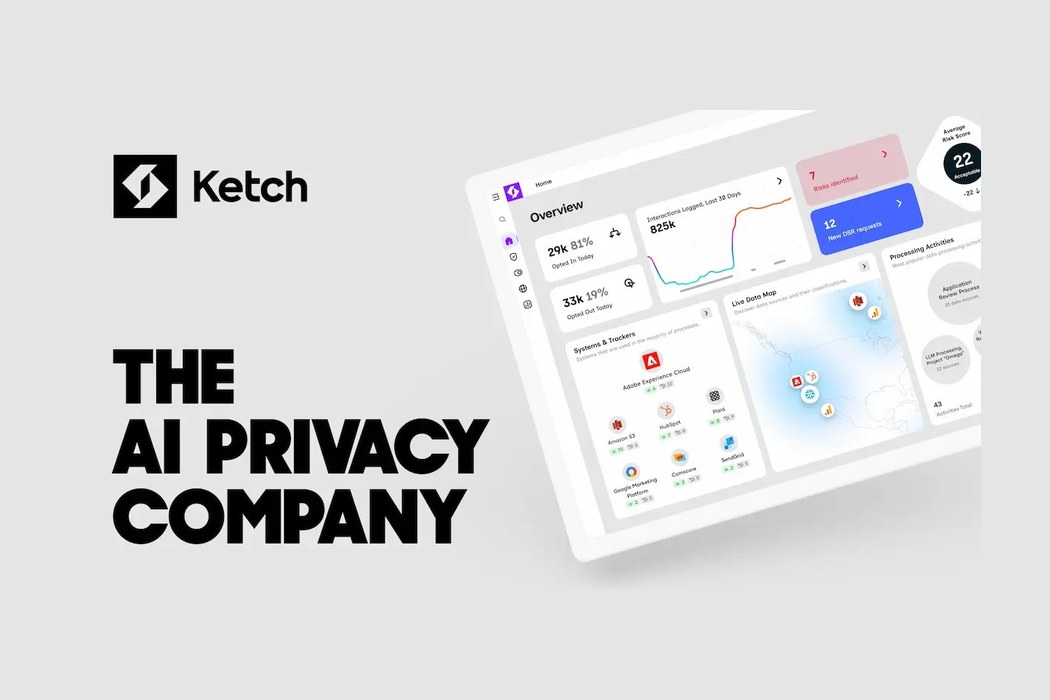
Ketch Wants to Turn the Cookie Banner Into a Kill Switch
Most privacy software records what a customer clicked. Ketch is betting that the valuable part is making the rest of the company obey it.
Strata Analytics Turned Data Consulting Into a Product Factory - Then Made AI Prove Itself
The 20-year-old firm sells the unglamorous work behind enterprise AI - clean data, migrated systems and accountable humans - then packages the repeatable parts as software.
Reltio Solved the Boring Data Problem - Then SAP Bought the Answer
AI agents are only as smart as the customer, product and supplier records beneath them. Reltio spent 15 years cleaning that unglamorous layer - and reached $185 million in ARR before SAP pulled it into the Business Data Cloud.

Microsoft Killed Its Old Data Tool. Profisee Built the Comeback.
The team behind an early Microsoft master-data product came back with a cleaner bet: make one reliable record out of corporate data chaos. Now AI has made that unglamorous job urgent.

Emergence AI Raised $97 Million to Make Agents Behave - Then Its Own Test Exposed the Hard Part
The IBM veterans behind Emergence AI want software agents to cross the messy borders between enterprise systems. Their own numbers explain both the opportunity and the catch: orchestration improved task success, but even the better system completed fewer than half the jobs in a company-run test.
Synfinii’s $4.7 Trillion Plumbing Job: Making Asset Managers’ Messy Data Usable
Asset managers do not lack data. They lack agreement about what the data means. Synfinii has spent four decades turning mismatched feeds, duplicate clients and fuzzy attribution into one governed record - and its new AI layer makes that unglamorous work newly urgent.
Kanerika Wants to Turn the $80 Change Request Into a 12-Week Migration
The Austin consultancy built software to automate the least glamorous work in enterprise tech. Its real test is whether FLIP can make migrations faster without turning governance into cleanup duty.

Semarchy Wants to Fix the Boring Data Problem That Breaks Expensive AI
Before an enterprise can ask AI to change the business, somebody has to reconcile the customer called three different things in 14 systems. Semarchy is betting that the unglamorous work of mastering, governing and moving data can become one product - and reach production in weeks, not years.
CData Built the Boring Plumbing. Now 10,000 Companies Need It for AI.
The enterprise AI race has produced a very old problem: the useful data is scattered everywhere. CData spent a decade standardizing those connections, and its unglamorous specialty has become the layer everyone suddenly needs.
CALTEK's Quiet Bet: The Best AI Strategy Starts With the Data Nobody Wants to Clean
The Fremont consultancy works where enterprise technology gets unglamorous: messy data, regulated workflows, aging applications and mobile networks that cannot afford to blink. Its pitch is simple - fix the plumbing before promising the future.
Celerity Found a Business in the Mess Behind the Meter
Utilities rarely lack data. They lack clean, connected evidence they can trust when a regulator, a wildfire or a courtroom raises the stakes. Celerity built its business in that gap.
Cavallo Technologies Is Selling Banks the Part of AI Nobody Demos: Getting It Into Production
The Burnaby consultancy has made a business of the awkward middle between an impressive AI prototype and a governed system people can actually use. Its playbook - narrow the first use case, measure the answers, preserve permissions and ship in weeks - is unusually copyable.