customer-data
(22)
The Advertising Agency That Went for a Walk
A 1957 agency changed owners, changed its name, and picked a fight with advertising's oldest false choice: build the brand or make the sale.
Think Creative’s digital pitch comes with postage
The California agency puts customer data, digital campaigns and a mailroom under one roof. Its automotive work shows why the unglamorous parts of marketing can be the most revealing.

Arbolus wants the answers before the expert call
An expert network built a business around finding people to interview. Now Arbolus is turning their knowledge into a customer library - and making the live call earn its place.

Dotdigital wants the customer, not just the click
The British email-marketing veteran is buying its way into more of the shopping journey. Its pitch to stretched marketing teams: connect the data, make the message useful, and give customers a reason to return.
The AI That Watches the Moment - Not the Person
Intent HQ sells large companies a sharper sense of when customers are ready to act. Its wager is that relevance can improve without turning privacy into collateral damage.

The Dashboard That Learned to Pull the Levers
Triple Whale began as a cleaner view of the ecommerce mess. Now its AI operator can investigate the numbers, draft the work, and queue changes - useful power for a scaled brand, expensive curiosity for a simple shop.

Geoff Smith Makes Messy Marketing Systems Legible
Across loyalty, email, employee engagement and B2B data, Geoff Smith has kept returning to the same difficult job: turning a crowded system into something people can understand and use.

Greg Brown Has Spent 20 Years Making Bad Data Everyone's Business
At Melissa, an English graduate with a law degree turned addresses, duplicates and returned mail into a durable marketing brief: make the invisible cost of bad information impossible to ignore.

Beth Pfefferle Wins in the Last Thirty Meters
Before Beth Pfefferle sold software, she sold organic produce. Before that, she erased a 30-meter deficit for Harvard. Her career is a study in resourcefulness, timing and the stubborn art of making complicated things useful.

Patrick Reynolds Built a Career by Watching What Customers Actually Do
From a blunt campaign for DISH to the quiet mechanics of customer data, Patrick Reynolds has spent his career helping challengers earn more attention than their size suggests. His method begins in an unfashionable place: watching people closely.

SugarCRM Put AI in Its Name. Now It Has to Make Salespeople Love CRM.
The 22-year-old CRM company has renamed itself around a bet: sales software should stop asking reps for updates and start telling them where the money is hiding.

Airship Bet on Push Notifications. The Real Business Was Everything After the Tap.
The company that helped invent commercial push nearly broke its early data stack. Seventeen years later, Airship sells a broader lesson: the notification is only useful if the experience after it earns the tap.

Chris Koehler Is Rewriting the CMO Job for an Audience of Humans and Agents
Twilio's marketing chief built his career by refusing to stay in marketing's lane. Now he is betting that curiosity, customer empathy, and a generalist's range will matter even more when software starts choosing on our behalf.
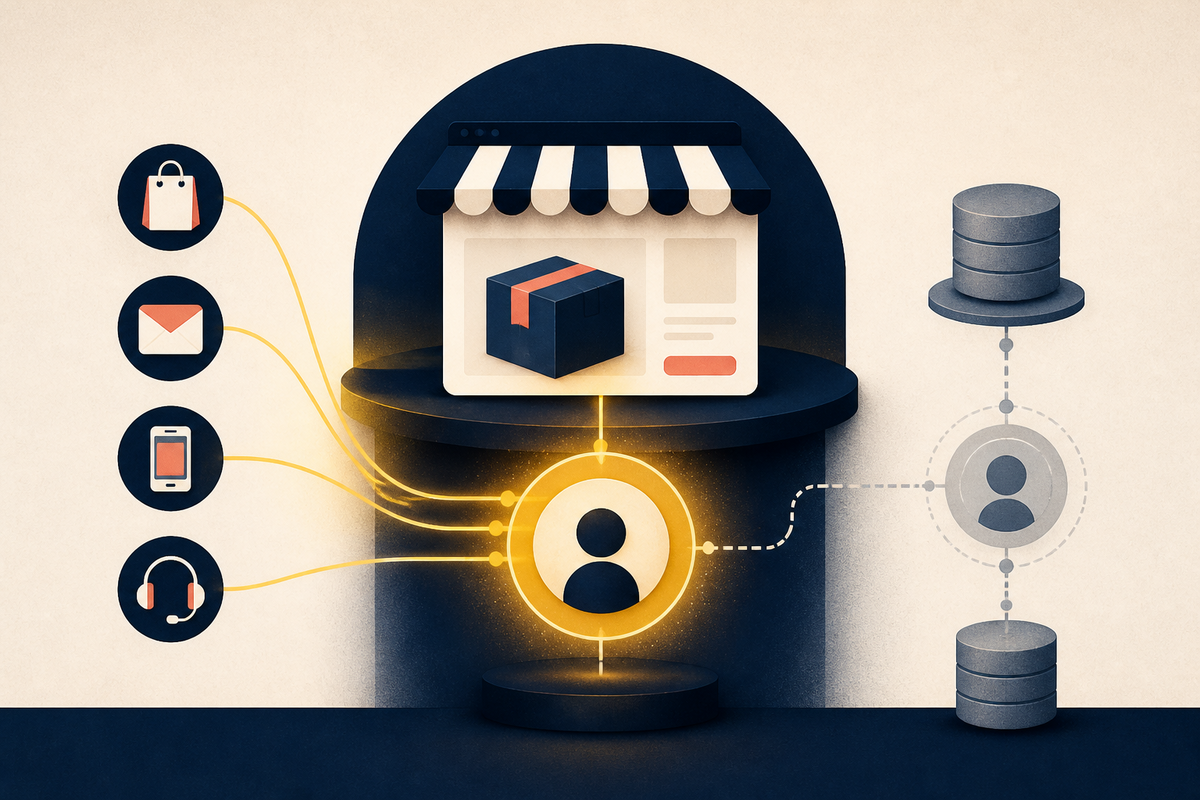
Your Ecommerce Brand Probably Doesn’t Need a Separate CDP
Klaviyo now handles much of the customer-data work that once justified a standalone platform. For ecommerce teams, Segment should solve a specific data problem - not satisfy a vague fear of missing infrastructure.
Klaviyo’s Price Problem Is Also Its Moat
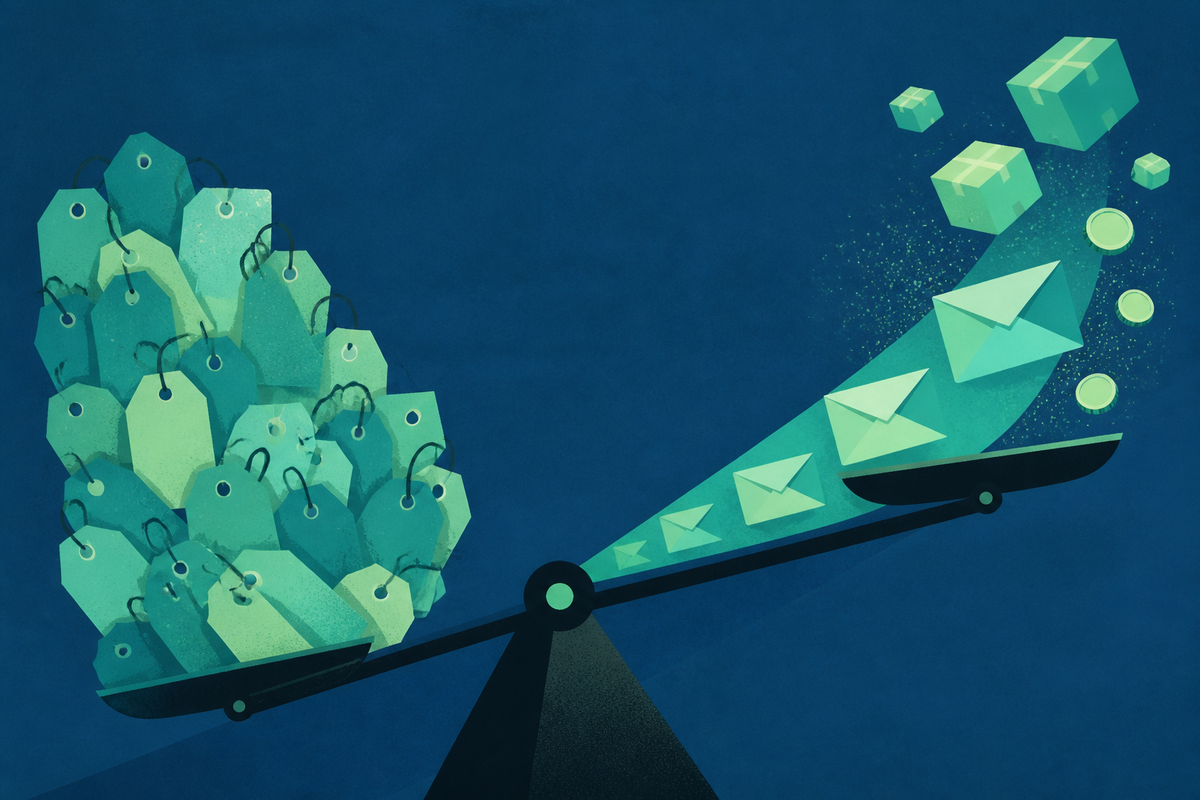
Reviewers call Klaviyo expensive far more often than Mailchimp. Ecommerce teams keep paying because the real contest is not software cost - it is what each subscriber is worth.
The Email Platform That Earns Its Premium
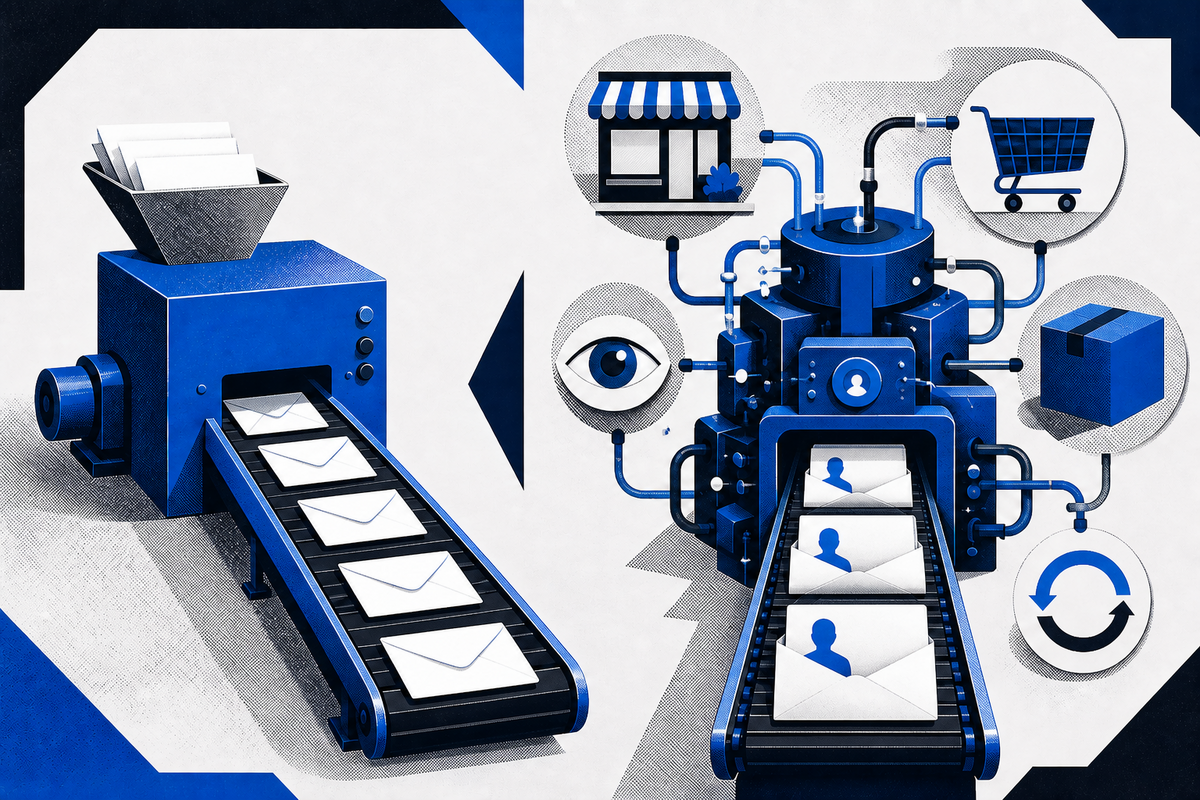
Mailchimp is the cheaper, friendlier default. Klaviyo makes its higher bill defensible when a store can turn live shopping behavior into timely, profitable messages.

The Ad Giant That Wants to Be the Operating System for Growth
Publicis spent a century learning how to make people notice brands. Now it is stitching media, identity data, consulting and AI into one system designed to prove what that attention is worth.
The 57-Year-Old Data Company Quietly Sitting Under Modern Marketing
Acxiom began with mailing lists and one computer in Arkansas. Today, its identity layer helps global brands decide when scattered signals belong to the same person - and how to act on that knowledge without losing control of the data.
Rachael Donnelly
Rachael Donnelly did not plan on a career in marketing. A nonprofit modernization project, an unpaid ad-tech internship and years spent translating complex products taught her how to make data useful - and how to lead without pretending change will stop.
First Data Company
First Data Company is a Dubai-based marketing technology firm that turns anonymized transaction data into precise advertising audiences. Its machine-learning models aggregate purchase signals from retailers, mobile operators and online cash registers to predict what a customer is likely to buy next, then place relevant ads across Google, Facebook and programmatic inventory. Positioned for a cookieless world under the tagline "We know your customer," the company blends brand-building ("brandformance") with performance marketing and CRM personalization to lift sales for its clients.
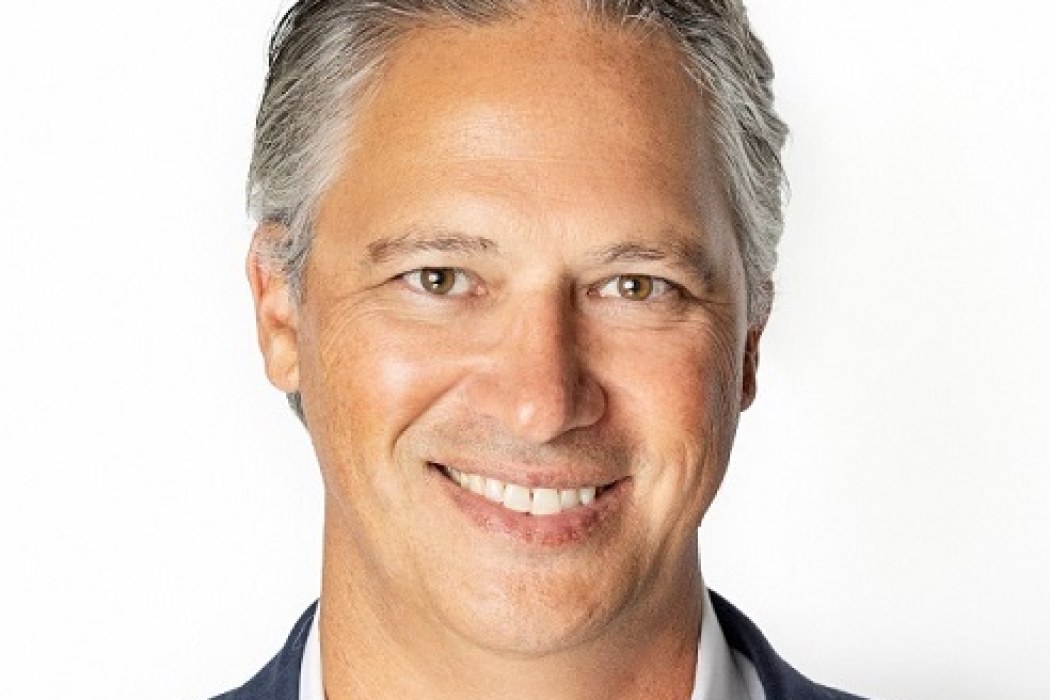
Tony Owens
Tony Alika Owens is the Chief Executive Officer of Amperity, the AI-powered lakehouse customer data platform, a role he took in November 2024. A veteran enterprise software operator with more than 20 years of experience, he spent a decade at Salesforce running field operations in the Americas as the company grew from $1.4 billion to well over $20 billion in revenue, held a group vice president role at Oracle, and served as president of worldwide field operations at LivePerson. He also sits on several boards and is known for a relentless focus on customer value.

Klaviyo
Klaviyo is a Boston-based AI-first B2C CRM platform that unifies email marketing, SMS, push notifications, and customer service into a single data-driven system. Founded in 2012 by Andrew Bialecki and Ed Hallen, it went public on the NYSE in September 2023 and crossed $1.2B in annual revenue in 2025, serving 193,000+ brands in 100 countries. Klaviyo's core edge is its built-in Customer Data Platform that manages 7.3 billion customer profiles and processes 2.5 billion events daily, enabling hyper-personalized marketing at scale for direct-to-consumer brands.