Two people, 21 venues, and an email system that sometimes stopped passing along customer information without telling anyone. Arena Racing Company’s predicament makes a useful introduction to Dotdigital. Before the clever recommendations and AI-written subject lines, somebody has to make sure the plumbing works.
In Dotdigital’s account of the migration, the racing operator’s CRM team describes unreliable syncing, awkward reporting and abandoned-cart emails that barely said more than “come back.” After switching from Salesforce Marketing Cloud, it rebuilt the reminders around the actual events customers had considered. First-year CRM revenue rose 79%, the operator reports. That is a customer case study, not a controlled experiment, but the problem it describes is wonderfully concrete.
Dotdigital sells software for turning those scattered clues into useful communication. What did someone browse? Have they bought already? Which message should follow? Its expansion suggests an ambition to handle more of those decisions, from the first website visit through the next purchase and the referral afterward.
The inbox was only the beginning
The business began in 1999 as Ellipsis Media, a web design agency. An early email solution was developed for a division of the BBC. The product that became known as dotmailer eventually gave the business a route beyond bespoke website projects: software that many customers could use repeatedly. These origins appear in the group’s early public-market disclosures.
Among its co-founders are Simon Bird and Ian “Tink” Taylor, both identified as such in historical annual reports. The company reached PLUS through a reverse takeover in 2009 and began trading on AIM in 2011. Today, the Dotdigital operating brand sits within Dotdigital Group plc. This is a business with public accounts and a long product history, rather than a newly financed experiment.
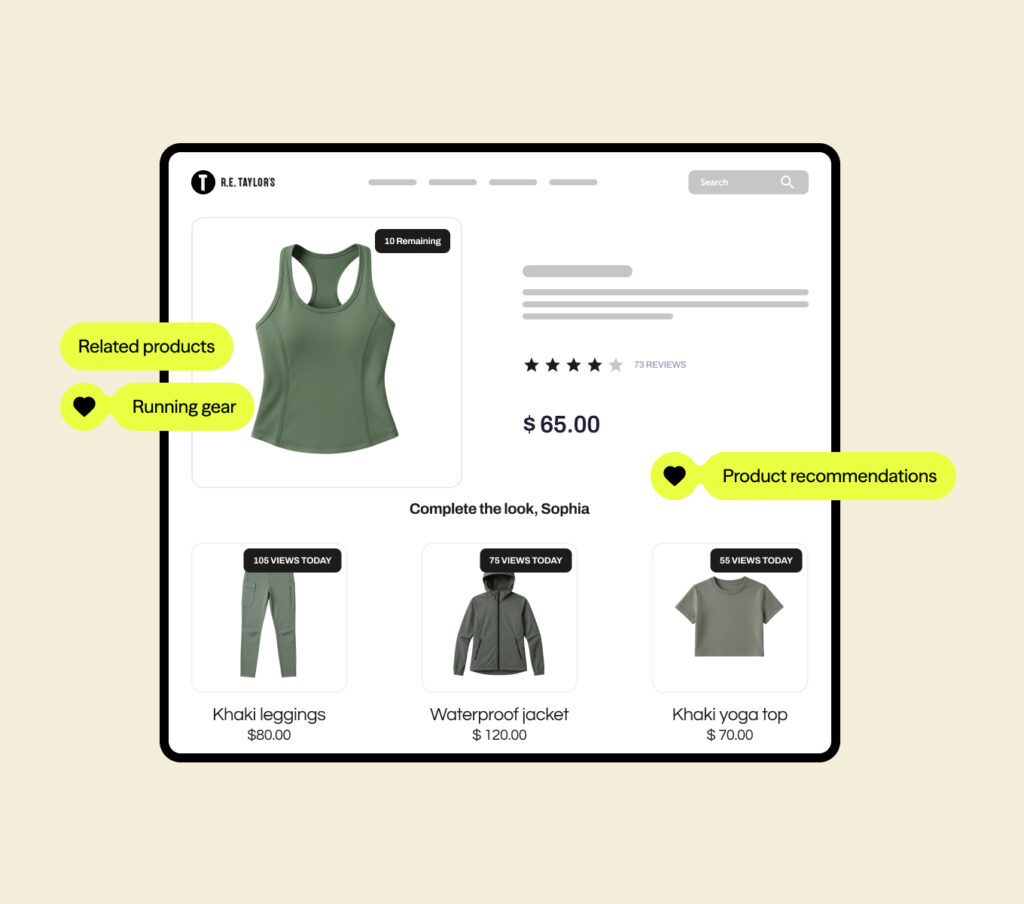
The platform’s center of gravity remains marketing execution. Teams connect customer records, create segments, build emails and automate sequences across channels including SMS, WhatsApp and mobile push. Website personalization adds recommendations and changing content. Reporting brings results back into the same working environment. The company calls the combination a Customer Experience and Data Platform, or CXDP. The acronym is less interesting than the promise: fewer handoffs between knowing something and doing something with it.
Buying the rest of the journey
Three acquisitions explain the change better than a product slogan. In September 2023, Dotdigital bought Fresh Relevance, a personalization specialist it had already partnered with for years. The deal was worth £25 million. Website recommendations, behavioral triggers and dynamic content strengthened what Dotdigital could do after an email delivered someone to a shop.
Then came Social Snowball in June 2025. Its software helps brands run influencer, affiliate and referral programs, assigning trackable links or codes and rewarding resulting purchases. Dotdigital agreed to $20 million upfront, with up to $15 million more tied to performance. At announcement, Social Snowball had more than 1,500 subscription customers on Shopify.
In March 2026, the group acquired Alia, which turns website visitors into email and SMS contacts through popups and interactive experiences. The price was $30 million upfront, potentially reaching $60 million. Alia served more than 2,700 customers at the time. Those payments were acquisition consideration paid by Dotdigital, not venture funding raised by it.
The strategic reading is straightforward: capture an audience, communicate with it, personalize the shopping experience and encourage advocacy. CEO Milan Patel’s explanation of the Alia deal points to less predictable paid channels and the importance of customer data a brand collects directly. Owning more of that process also gives Dotdigital more products to sell to each account.
- 01CaptureAlia
- 02EngageMarketing
- 03PersonalizePersonalization
- 04RewardLoyalty
- 05ReferSocial Snowball
Product roles, not a promise that every module is included in one contract.
A mattress is a considered purchase
For bed retailer Dreams, the attraction was bringing website personalization and email closer together. It moved its marketing automation to Dotdigital in 2024, following the Fresh Relevance acquisition. The team then made recommendations more specific: a message about mattresses should recommend mattresses, and single-bed shoppers should not automatically receive king-size suggestions.
Dreams tested AI-driven recommendations against popularity-based selections such as frequently browsed products. It reported roughly twice the revenue from the AI selections with similar click-through rates. That distinction matters: more clicks are not the only way to make a campaign more productive. The retailer also imports store purchases daily, helping it recognize people who have already bought. These results and practices are described in its Dotdigital customer story.
“Buying a bed isn’t impulse, it’s considered.”
Lucy Gaughran, Campaign Marketing Manager, Dreams
There is a lesson here about restraint. Personalization is partly knowing what to leave out. A purchase record can be as useful for suppressing an ill-timed promotion as for generating the next recommendation. Buying more software will not improve that decision if the transaction never reaches the customer profile.
A similar idea appears in Wolverhampton Wanderers’ ecommerce setup. Recommendations for returning visitors use categories they have shown interest in and exclude products already purchased. New visitors can see kit launches instead. The club reports that recovered carts had an average value 27.9% above its store-wide average order value. That comparison describes the orders recovered, rather than proving the emails increased what every shopper spent.
Small teams, actual humans
Firestar Toys provides another angle. The specialist retailer had website personalization working before its email setup caught up. According to its published case study, the earlier email provider offered limited functionality and support, while poorly handled opt-ins filled the database with disengaged contacts. A 15-person business without a dedicated marketing function had useful behavioral information but too little ability to act on it.
Its subsequent setup includes a three-stage abandonment sequence with a 10% discount, plus stock and price alerts. Firestar reports attributed revenue equal to 16 times the annual cost of Dotdigital Personalization. That is a revenue-to-platform-cost multiple; it should not be read as incremental profit after merchandise, discounts, staffing and every other expense.
Service is a substantial part of Dotdigital’s pitch. It offers onboarding, Academy training, creative help, strategy, deliverability expertise and technical assistance, alongside 24/7 support. For buyers comparing it with their existing email provider or Salesforce setup, the useful question is whether the team can reliably operate the campaigns it needs with the help available.
Dotdigital’s own working culture gives this people-heavy proposition some context. Its published values are Collaborate, Open, Diverse and Enjoy. It describes flexible working, employee feedback and diversity reporting. Those are stated policies rather than proof of every employee’s experience, but they establish what the company says it expects of itself.

The price of keeping customers
Dotdigital’s core pricing is tailored around marketable contacts and planned message volume. SMS costs also depend on region and features. The buying decision therefore needs a real workload: database size, sends, channels and service requirements. A demo without those numbers can show an attractive interface while leaving the economics unresolved.
Integration deserves the same specificity. Shopify, Adobe Commerce, BigCommerce and Microsoft Dynamics appear in Dotdigital’s ecosystem. A smaller example is Swym’s integration, which can turn wishlist and stock signals into emails but requires a Swym Enterprise plan. A connector logo is the beginning of due diligence: the useful detail is which events move, under which subscription, and who maintains the connection.
The economics for Dotdigital are clearer. In its audited FY25 results, group revenue was £83.9 million and statutory profit before tax was £15.1 million. Recurring and repeating revenue accounted for 94% of the total. The distinction matters: contracted recurring revenue alone represented 80%, with repeating usage adding another stream.
*FY26 unaudited trading update. Years end June 30. Bars begin at zero.
The July 2026 trading update put full-year revenue at £90.9 million, up 8%, using unaudited management information. Forward-looking contracted ARR for core CXDP reached £85.4 million, up 18%, or 8% organically. Acquisitions help explain why those growth rates differ. Cash stood at £17.1 million after the initial Alia outlay. Expansion has a visible price tag.
More products now sit around that subscription engine. Dotdigital Loyalty connects points, tiers and rewards to marketing, but its current native offering is specifically for Shopify. The broader platform connects with other commerce and CRM systems. Buyers should distinguish the reach of the platform from the availability of an individual product.
Start with one useful reminder
Dotdigital’s newer Segment and Content Agents let marketers describe an audience in ordinary language and work on campaign copy inside the editor. The company says humans review and approve the output before it goes live. These tools can reduce preparation work; they still need someone to decide whether the audience, offer and timing make commercial sense.
The most transferable practice in the customer stories is modest: choose a behavior, connect the relevant data, send a useful response and measure what happens. A browse reminder needs a known contact and an appropriate product. A post-purchase sequence needs the purchase. A stock alert needs accurate availability. Start with the missing connection that has a business consequence.
Conditions matter. Dotdigital’s own abandonment guidance distinguishes quick fashion purchases from longer-considered travel bookings, and warns that over-contacting can shrink a list. Copying the timing or discount from another retailer may be less useful than copying its testing discipline. Disconnected records and an audience with little intent will limit even an elaborate campaign.
There is one more distinctive buying consideration. Dotdigital reports ISO 14001 certification, renewable-powered platform infrastructure and a carbon-neutral approach that uses offsets, with net zero targeted for 2030. Its environmental commitments are relevant to supplier selection, while the future target remains a target. For the marketer at the keyboard, the immediate test is simpler: can this system recognize a customer accurately enough to say something worth receiving?