cryptocurrency
(34)
Peter Smith’s two-year Bitcoin detour is still going.
He expected Bitcoin to hold his attention for a couple of years. More than a decade as Blockchain.com’s CEO has turned that early curiosity into a longer education in money, people and staying in business.

Sam Bankman-Fried and the price of being believed
He set out to earn a fortune and give it away. The story of FTX turns on a more immediate question: whose money was it?
Pablo González wanted Bitcoin to feel ordinary
Before co-founding Bitso, Pablo González made films and videogame advertising. His route through cryptocurrency and back to storytelling reveals a designer interested in what people can actually do with an idea.

Jonathan Levin and the trouble with invisible money
An Oxford pub conversation sent Jonathan Levin into Bitcoin. A decade of following the money made the Chainalysis co-founder a translator between crypto, banks and the people with badges.
Michael Gronager and the Trouble with Invisible Money
He helped build Kraken, then co-founded Chainalysis to follow the money everyone could see but few could explain. Now Michael Gronager is building Gry AI and advising on quantum security.
Kris Marszalek and the price of a name
He turned Monaco into Crypto.com, put the address on a Los Angeles arena, then bought AI.com. Kris Marszalek keeps betting that a memorable name can bring unfamiliar technology to the crowd. The harder work begins when people arrive.

Jesse Powell and the price of admission
Before Kraken, Jesse Powell sold virtual swords and gave artists free studio space. His career keeps returning to the same question: who gets to participate, and who holds the keys?
Daniel Vogel and the last mile of money
A failed remittance startup taught Daniel Vogel where digital money gets stuck. At Bitso, the Mexican engineer has spent the years since building the connections that let it move.

Jihan Wu and the Long Road from a White Paper to Silicon
He began by translating an idea. Fifteen years later, Jihan Wu is building the chips, power networks and data centers meant to prove that computing infrastructure can outlast crypto's arguments.
Jed McCaleb Keeps Rebuilding the Map
Files, money, and now people in orbit: the programmer behind eDonkey, Mt. Gox, Ripple, Stellar, and Vast has spent a quarter-century asking the same dangerous question - why must the system work this way?

Christopher King
Christopher King is the founder and CEO of Eaglebrook, a crypto investment platform that gives registered investment advisors (RIAs) direct access to bitcoin and digital assets through tax-optimized separately managed accounts (SMAs). A Penn State finance graduate who began investing in digital assets in 2014, King started his career in crypto-focused venture capital at Morgan Creek Capital Management before launching Eaglebrook in 2019. The New York and Miami-based company has grown into one of the largest crypto SMA platforms serving wealth managers, backed by investors including Castle Island Ventures, Brewer Lane Ventures, and Franklin Templeton.
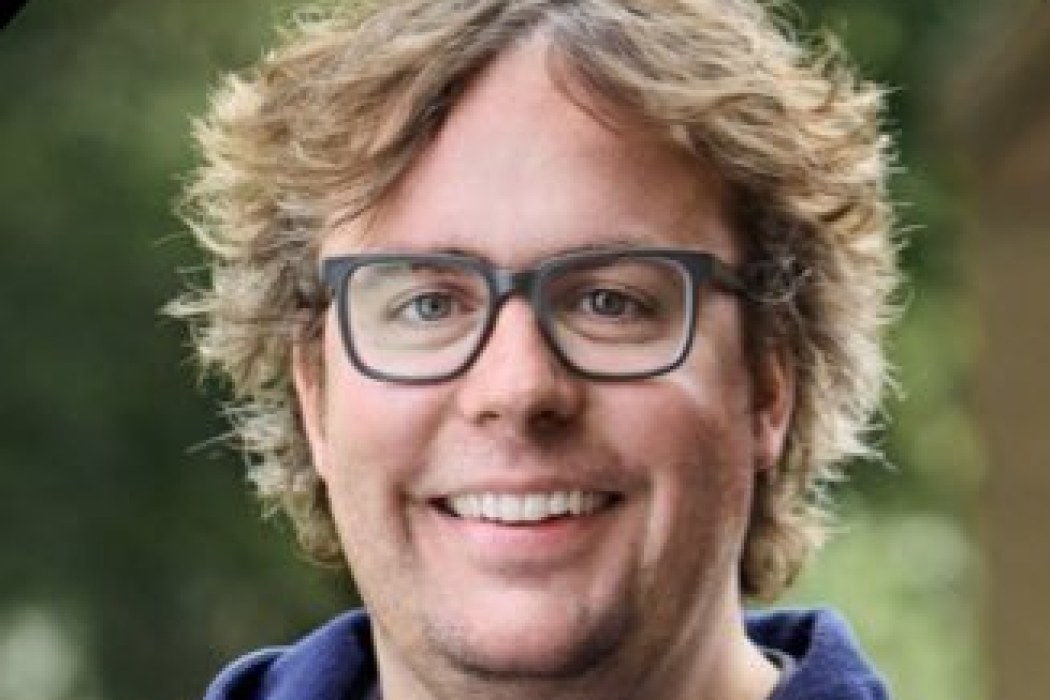
Jonathan Cornelissen
Jonathan Cornelissen is a Belgian entrepreneur, PhD in financial econometrics, and the co-founder and founding CEO of DataCamp, the online data science education platform he started in 2013. Frustrated while teaching himself R during his doctorate, he built DataCamp to make data skills accessible through interactive, browser-based courses. Over six years as CEO he grew it to more than 10 million learners, 200,000 paying subscribers, 2,500 enterprise customers and over $50 million in annual recurring revenue. He authored an introductory R course completed by over a million learners. Since stepping back from the CEO role he has focused on angel investing across education, AI and crypto, and writes about company building, hiring and startup equity.
Mriganka Pattnaik
Mriganka Pattnaik is the co-founder and CEO of Merkle Science, a blockchain transaction monitoring and forensics company he started in 2018 after seeing, from inside crypto exchange Luno, how badly banks and regulators wanted a way to track illicit crypto flows. Under his lead, Merkle Science has raised over $24 million in Series A funding from investors including Kraken Ventures, Digital Currency Group, BECO Capital, and Susquehanna's Darrow Holdings, and now sells its 'Know Your Transaction' tools to VASPs, financial institutions, and law enforcement.

Paul Snow
Paul Snow is the inventor of the Factom protocol and the architect of the Accumulate blockchain, currently building tokenization and digital-identity infrastructure at DeFi Devs and IDD Labs. He co-founded the Texas Bitcoin Conference, testified before the U.S. Congress on blockchain, and is listed as inventor on more than 40 patents that now underpin Accumulate.
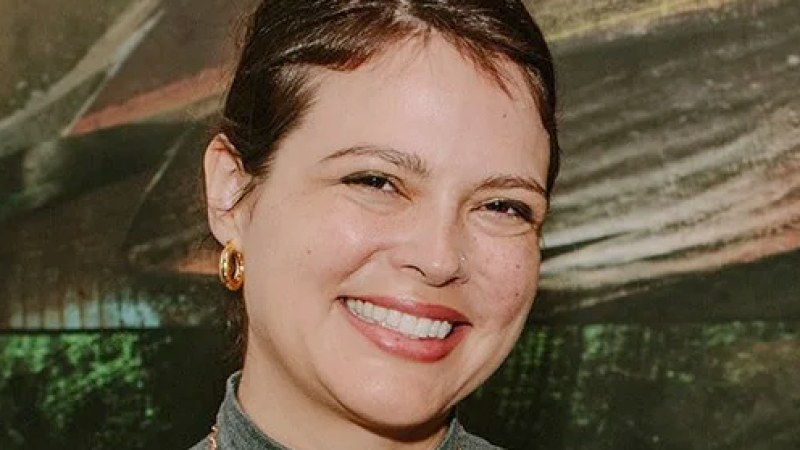
Sara Drakeley
Sara Drakeley is the CEO of Sentz (formerly MobileCoin), a privacy-focused stablecoin and global payments company based in Sacramento, California. An MIT-trained mathematician and computer scientist, she built animation pipelines at Walt Disney Animation Studios - the trees in Frozen, the water in Moana, the fur in Zootopia - then wrote trading infrastructure on Wall Street and joined SpaceX's simulation team before becoming the third engineering hire at MobileCoin in 2018. She rose from principal engineer to CTO to CEO, and now leads the company's push to make instant, low-cost, private cross-border payments accessible worldwide.
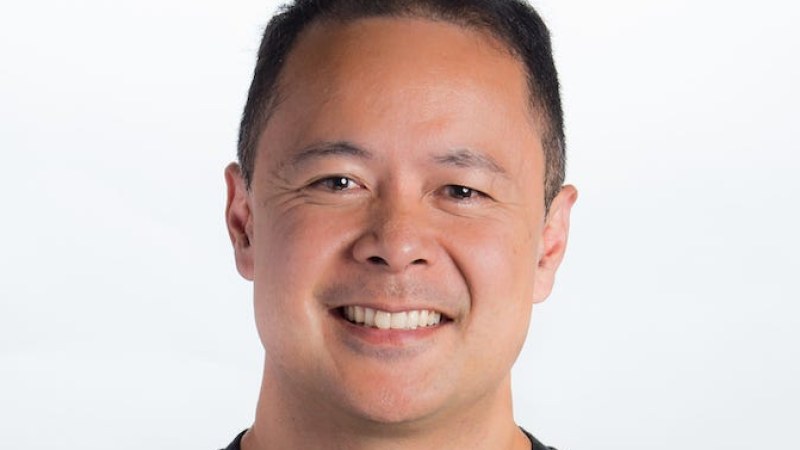
Paul Puey
Paul Puey is the CEO and co-founder of Edge, a San Diego-based self-custody crypto wallet and security platform. A UC Berkeley electrical engineering and computer science graduate who once shipped 3D graphics at Nvidia, he caught the Bitcoin bug in 2013 and launched Airbitz in 2014, rebranding it to Edge in 2017 as crypto moved beyond Bitcoin. His pitch is stubbornly simple: if you do not hold your keys, you do not own your coins, and security belongs on the edges of the network, in your hands, not on someone else's server.
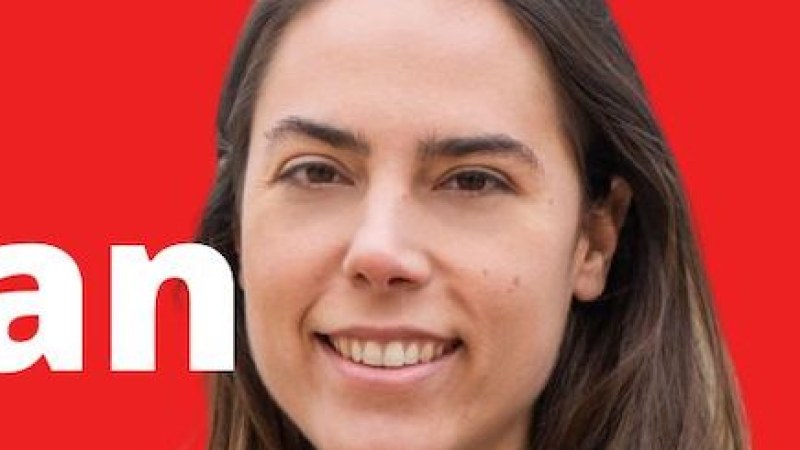
Ambre Soubiran
Ambre Soubiran is the CEO and chairman of Kaiko, the independent provider of institutional-grade, regulatory-compliant cryptocurrency market data and indices. After a decade structuring equity derivatives at HSBC in London and Paris, she walked away from traditional finance in 2016 to buy control of Kaiko - then a bright idea with no revenue and no staff - and built it into a global data business with roughly 130 people across New York, London, Paris and Singapore. She has raised over $80M and positions Kaiko as the trusted, neutral source of truth for crypto markets used by exchanges, asset managers and regulators.

David Ripley
David 'Dave' Ripley is Co-CEO of Kraken, one of the world's largest and longest-running cryptocurrency exchanges. He joined via Kraken's 2016 acquisition of Glidera, a bitcoin wallet service he co-founded, and rose from COO to CEO to Co-CEO as Kraken expanded aggressively — completing $1.5B acquisitions, raising $800M in 2025, and filing confidentially for a U.S. IPO. A former BCG principal and electrical engineer turned crypto operator, Ripley has shepherded Kraken from a 50-person startup to a 2,600+ employee global exchange while navigating major SEC enforcement actions and a shifting regulatory landscape.
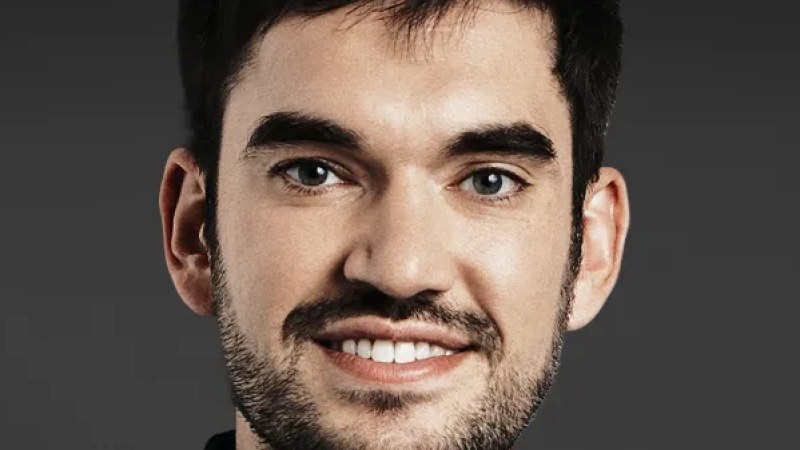
Alexander Leishman
Alexander Leishman is the Founder, CEO, and CTO of River, a Bitcoin-only financial institution built to provide brokerage, custody, and mining services to individuals and institutions. With a background spanning aerospace engineering at the University of Maryland, computer science at Stanford, and security engineering at Airbnb, Leishman co-founded River in 2019 after stints at MaiCoin, Deloitte, and Polychain Capital. River has raised over $17.7 million in venture funding and became the first Bitcoin-only exchange to publicly release its financial statements in April 2025. Leishman also serves on the board of Brink, a Bitcoin research and development nonprofit.

Hitoshi Harada
Hitoshi Harada is the Co-Founder, CTO, and CPO of Alpaca Markets - the fintech unicorn building what he calls the 'Global Financial OS.' A Keio University-trained computer scientist who rewrote parts of PostgreSQL (Window Functions, PL/v8), Harada spent years building distributed databases at Greenplum before co-founding Alpaca in 2015 with Yoshi Yokokawa. The company, named after an alpaca they spotted on a Silicon Valley billionaire's estate, has grown to command 94% of the global tokenized US equities market, serve 300+ financial institutions across 40+ countries, and reach unicorn status at $1.15B valuation with a $150M Series D in January 2026.

Luis Cuello
Luis Cuello is the Founder and CEO of Minted Protocol (MintedAssociates Corp), building mUSD - the first exclusive Canton-native institutional stable settlement token. With a background spanning BNP Paribas fund administration and M&A at Johnson & Johnson, Cuello brings traditional finance credibility to one of DeFi's most ambitious institutional plays: a GENIUS Act-aligned stablecoin backed 1:1 by HQLA-equivalent reserves on the Canton Network, the blockchain infrastructure processing $6T+ in monthly settlements for the world's largest financial institutions.
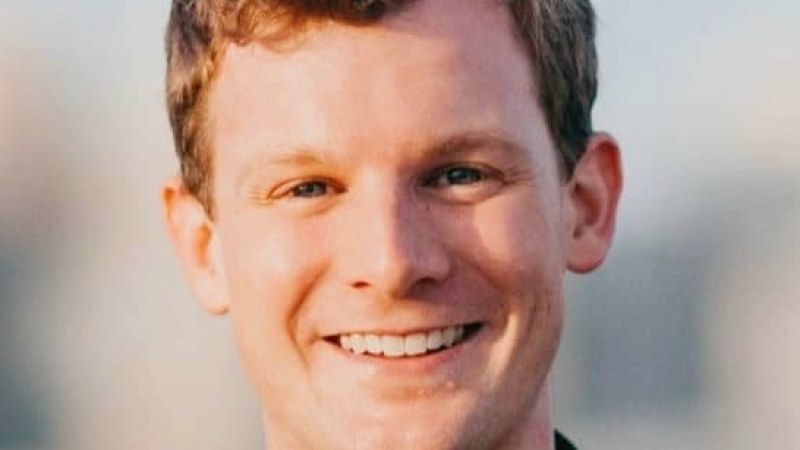
Marshall Hayner
Marshall Hayner is the Founder and CEO of Metallicus, a San Francisco-based blockchain infrastructure company building compliant, regulation-forward digital banking tools for credit unions and financial institutions. A Bitcoin miner since 2009, Hayner pioneered social crypto payments with QuickCoin (the first Facebook-integrated Bitcoin wallet) in 2014, then spent a decade building Metallicus into the only blockchain company certified as a service provider for the Federal Reserve's FedNow instant payment rail. His company's flagship products - Metal Pay, Metal Blockchain, and the Digital Banking Network - sit at the intersection of traditional finance and decentralized infrastructure.

Varun Deshpande
Varun Deshpande is the co-founder and CEO of Juno, a San Francisco-based crypto-native digital banking platform that bridges traditional finance and decentralized finance for the US market. A serial entrepreneur from BITS Pilani, he previously co-founded BeeWise (acquired by Aditya Birla Money), Nuo Network (a DeFi lending protocol), and TopTalent.in. With Juno, he has raised $24M across seed and Series A rounds from top-tier investors including Sequoia Surge, Polychain, ParaFi Capital, and Jump Crypto, building a platform that lets users earn, spend, and manage crypto alongside traditional banking.
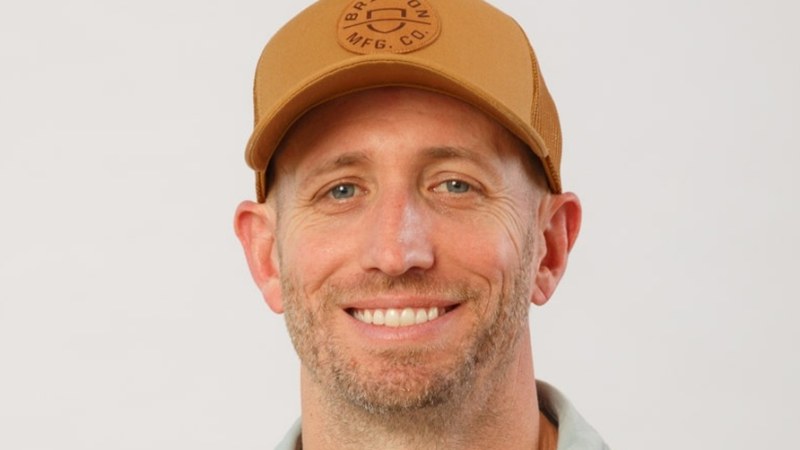
Spencer Bogart
Spencer Bogart is a General Partner at Blockchain Capital, one of the oldest and most active venture firms in the crypto industry. A CFA charter holder who started his crypto career writing Wall Street's first blockchain research report at Needham & Company, Bogart now leads research across Blockchain Capital's five funds and 85+ investments. Known on Twitter as @CremeDeLaCrypto, he made early bets on DeFi before the term existed and has been a consistent voice for Bitcoin fundamentals and crypto infrastructure since 2014.
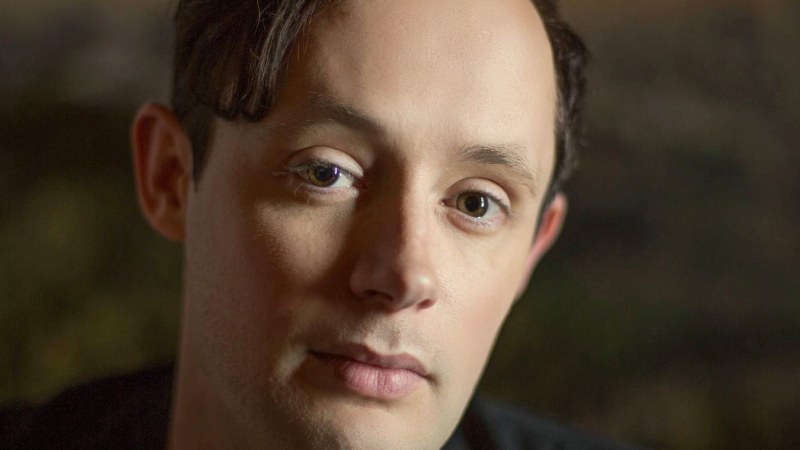
Richard Craib
Richard Craib is the South African-born founder and CEO of Numerai, the world's first AI-powered crowdsourced hedge fund. By encrypting financial data and opening it to thousands of anonymous data scientists globally - who stake NMR cryptocurrency on their models - Craib built a machine learning meta-model that now manages hundreds of millions in assets. In 2017 he pioneered the concept of a hedge fund issuing its own cryptocurrency. Backed by Paul Tudor Jones, Naval Ravikant, and JPMorgan, Numerai raised a $30M Series C at a $500M valuation in late 2025 and achieved a 25.45% net return in 2024.
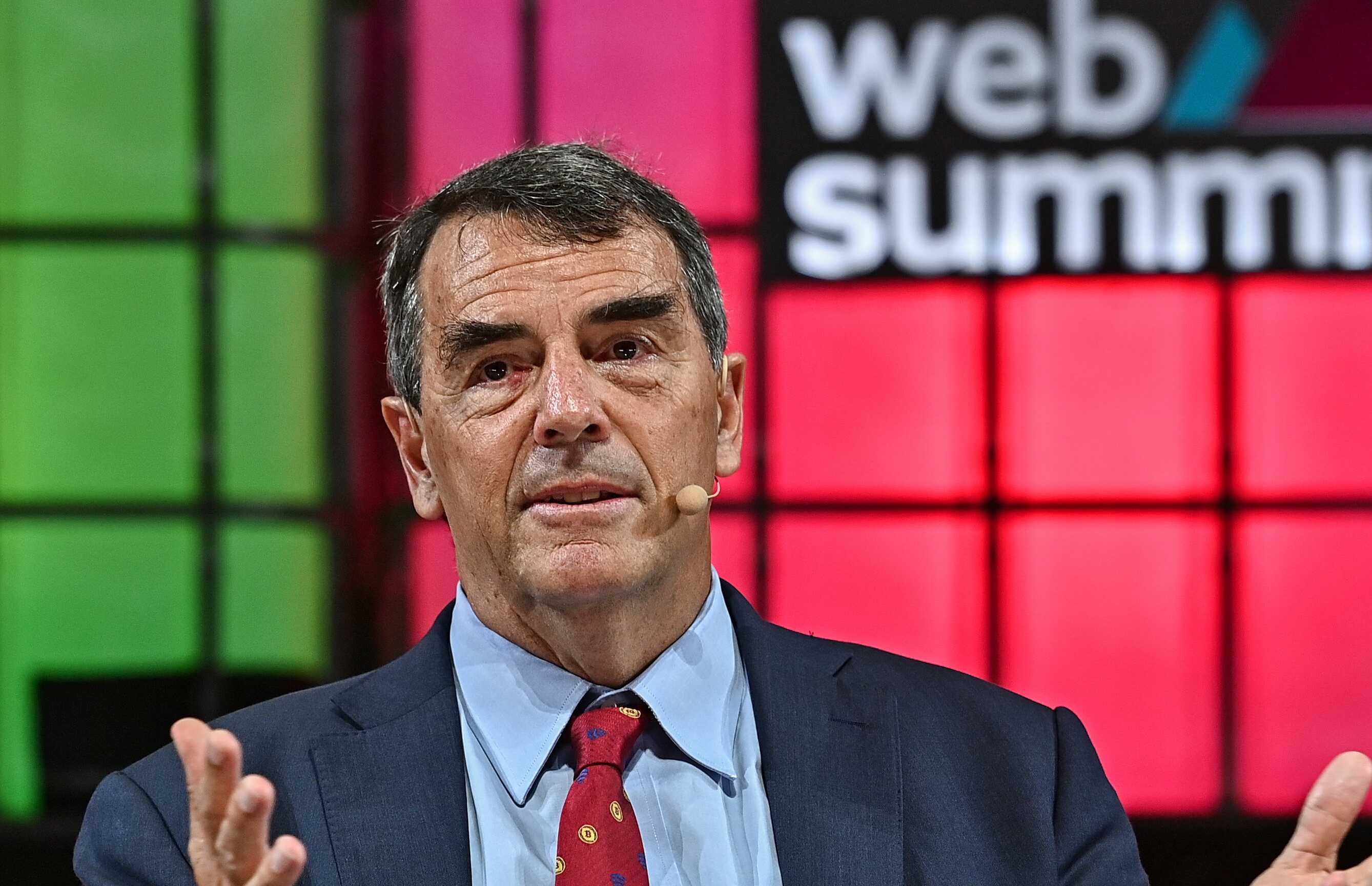
Tim Draper
Tim Draper is a third-generation venture capitalist and founder of Draper Associates, the firm behind early bets on Hotmail, Baidu, Skype, Tesla, Coinbase, and Robinhood. He pioneered viral marketing with Hotmail's email footer tagline, bought 30,000 bitcoins at a U.S. Marshals auction in 2014 for $19 million, and has never sold. The founder of Draper University of Heroes in San Mateo, he frames entrepreneurship as a heroic calling - handing students superhero capes on day one. Twice tried to split California into multiple states. Consistently predicts Bitcoin will hit $250,000. Sings his own original songs at startup conferences. Backed 60+ unicorns from seed stage across four decades.

Chris Burniske
Chris Burniske is a partner and co-founder of Placeholder, a venture capital firm that has invested in over 75 blockchain companies and networks since 2017. He co-authored the influential book 'Cryptoassets: The Innovative Investor's Guide to Bitcoin and Beyond' and led ARK Invest to become the first public fund manager to offer bitcoin exposure in 2015. Known for his unconventional approach - famously rolling up barefoot on a skateboard to pitch Cathie Wood - Burniske combines deep technical knowledge with a surfer's mentality toward finding uncrowded opportunities in crypto markets.

Charles Hoskinson
Charles Hoskinson is the founder of Cardano and CEO of Input Output (IOHK), one of the five original co-founders of Ethereum, and a polarizing figure in cryptocurrency who left Ethereum over a for-profit vs. nonprofit dispute. He now runs a peer-reviewed blockchain platform, owns an 11,000-acre buffalo ranch in Wyoming, funds alien-hunting expeditions, donated $20 million to Carnegie Mellon for formal mathematics research, and is pioneering anti-aging medicine while building political influence through his Wyoming Integrity PAC.

Troy Kanji
Troy Kanji is an analyst at Boost VC, a pre-seed venture capital firm in San Mateo focused on deep tech investments. With a background in molecular biology from Brown University—where he researched ALS using Drosophila genetics—he bridges the worlds of science and finance. Before Boost VC, he cut his teeth at Trinity Life Sciences, F-Prime Capital (genomics), and Castle Island Ventures (crypto), building a unique cross-disciplinary lens. He's also co-founder and board member of Revalia Bio, a Yale spinout revolutionizing drug development with human data trials using donated organs.
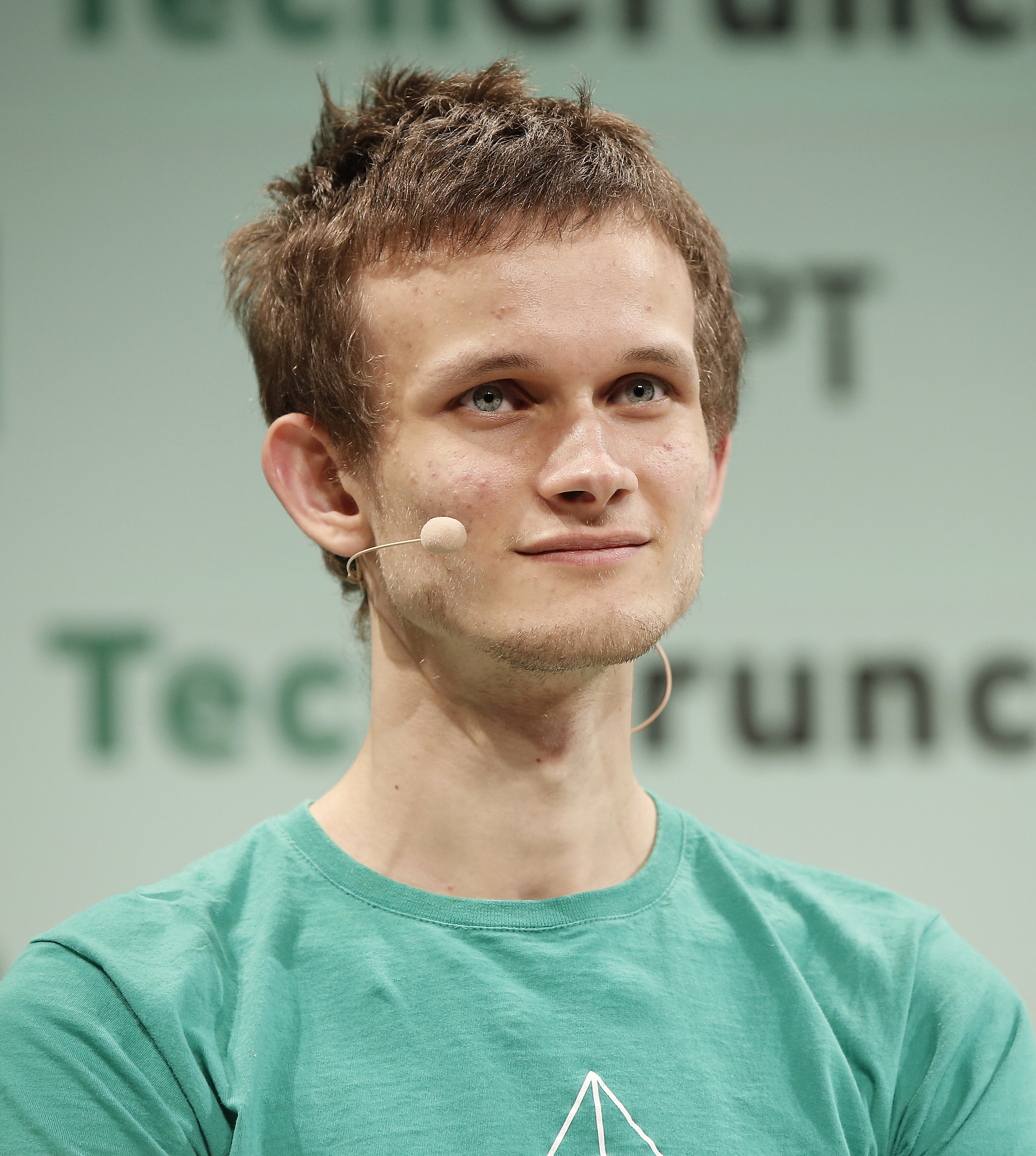
Vitalik Buterin
Vitalik Buterin is the Russian-Canadian programmer who, at age 19, wrote the Ethereum whitepaper and changed what a blockchain could be. He turned a programmable ledger into an idea engine - smart contracts, DeFi, NFTs, DAOs - and then spent years fighting to keep it decentralized. He travels with a single suitcase, posts thousand-word blog essays at 2am, and once cried over a World of Warcraft nerf that indirectly launched a $200B ecosystem.