creative-leadership
(33)
Grace Lee Chen and the six-dress education
Six turns as a bridesmaid taught Grace Lee Chen what wedding shopping got wrong. She built Birdy Grey with her best friend, then handed over the CEO job to return to the creative work that started it all.
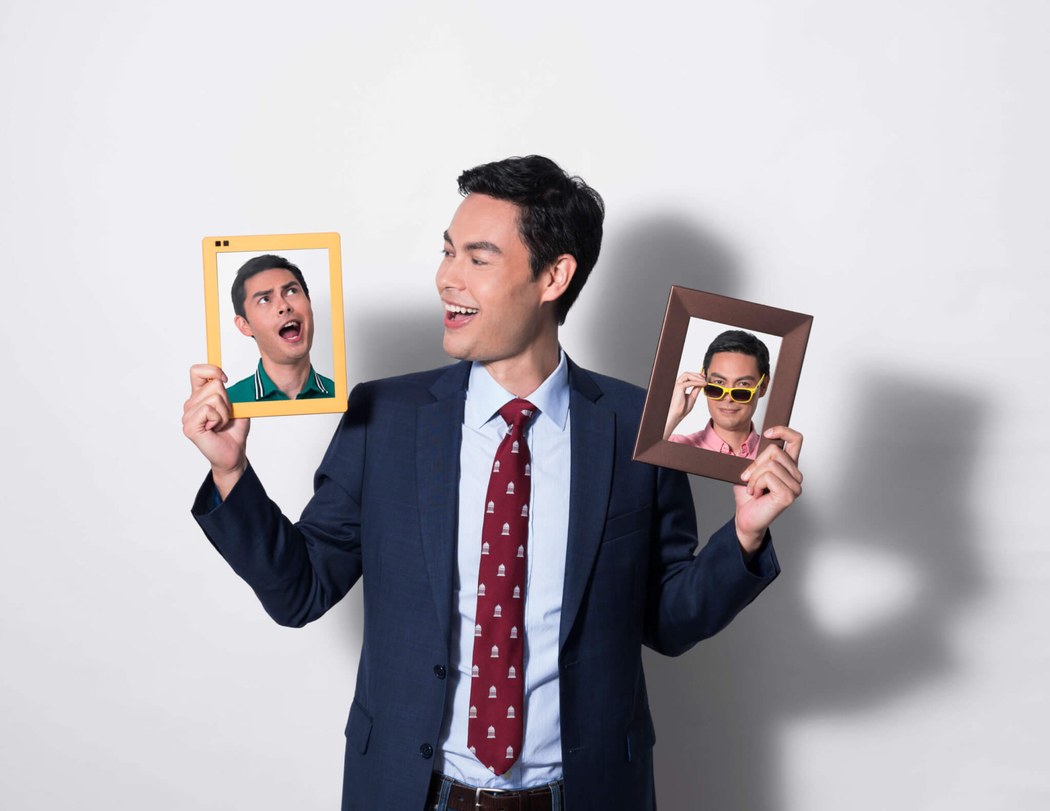
Mark Palfreeman and the distance inside a picture frame
A film-industry past, a family spread across countries, and a picture frame with an internet connection. Mark Palfreeman built Nixplay around the small act of showing up in someone else’s living room.
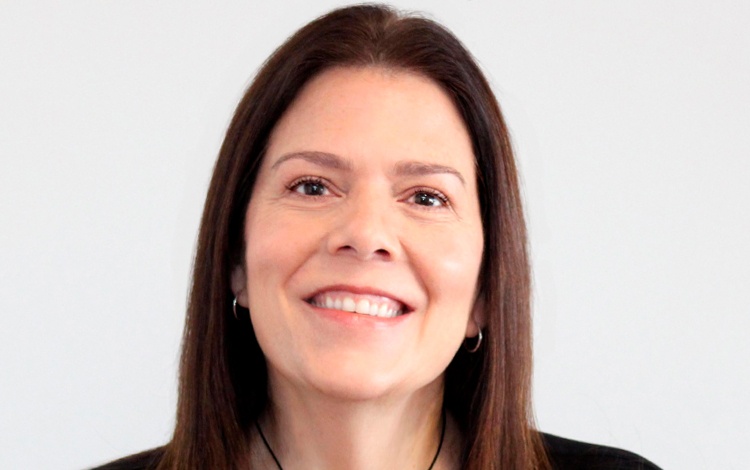
Andrea Diquez and the business of a good laugh
A theatre-loving Venezuelan found her way into advertising and stayed for the people. Now GUT’s global CEO, Andrea Diquez is taking a familiar conviction into a much larger network: creative work needs room to be brave, and a reason to exist.

Gail Heimann and the business of being interesting
A chocolate Statue of Liberty. A Colonel Sanders visible by satellite. Gail Heimann built a career on ideas people could talk about - then took that sensibility into the chief executive’s office at Weber Shandwick.
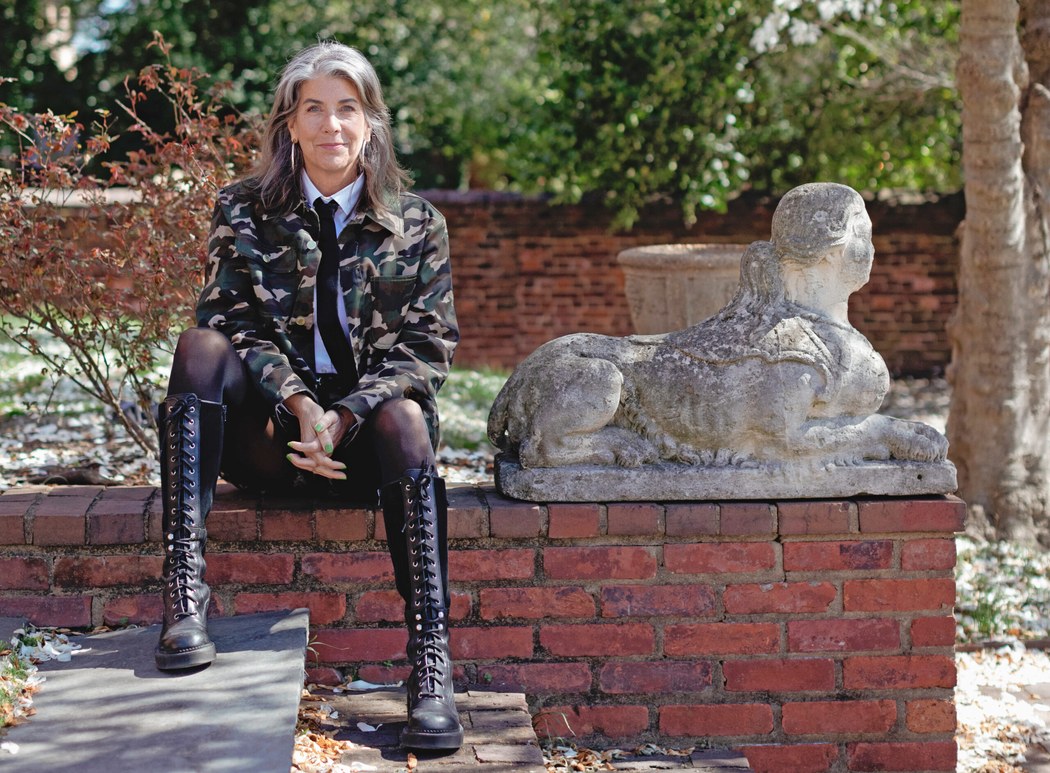
Kristen Cavallo and the art of coming back
She left advertising, walked the Camino and took charge of a design museum. Now Kristen Cavallo is back at MARTIN*, carrying the same question into a different room: who gets to be seen?
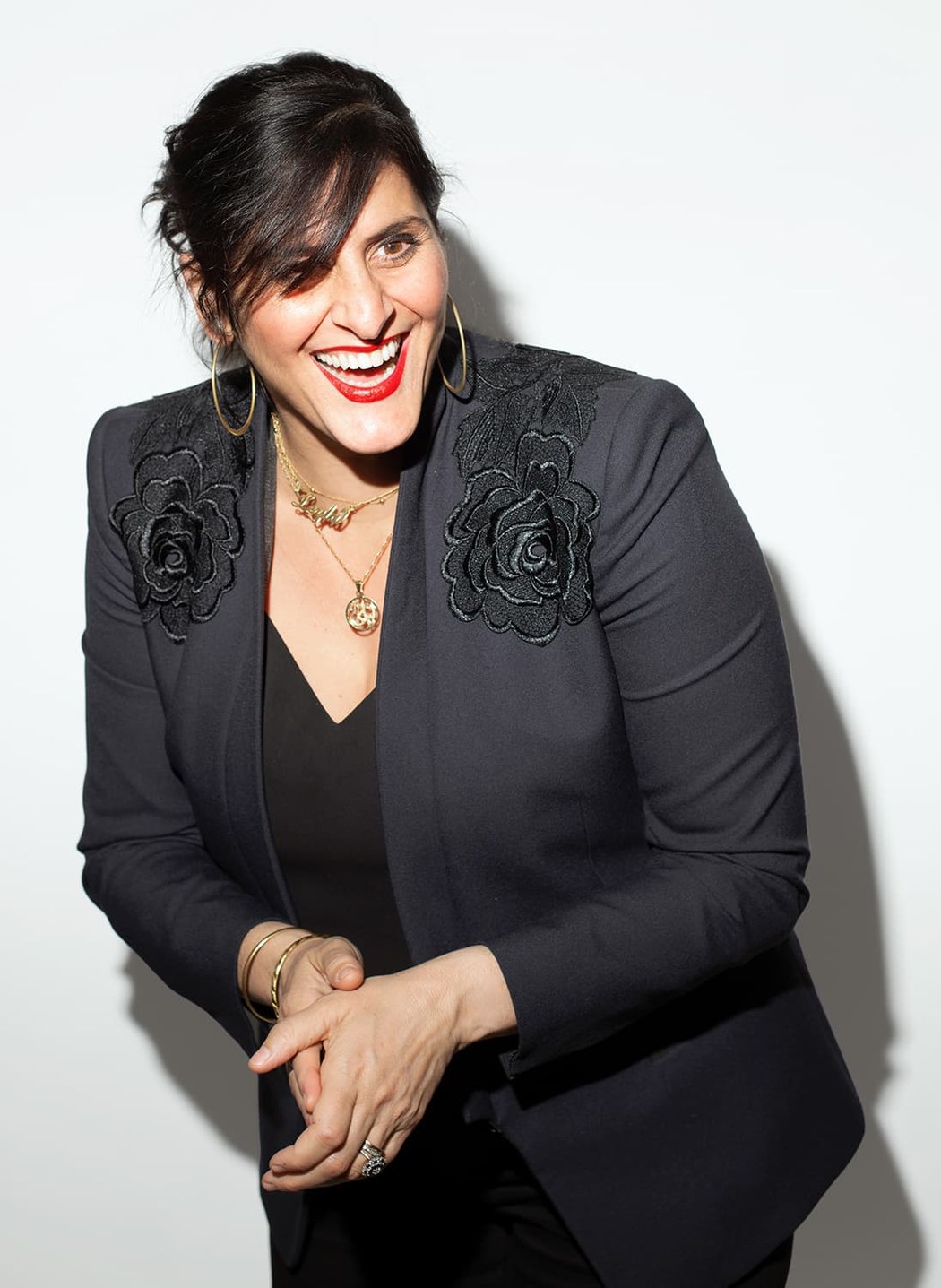
Leyla Dailey and the Art of Making Room
At Doe-Anderson, Leyla Touma Dailey has a disarming rule for building a creative team: hire people whose work makes you jealous. Her career shows what can happen when a leader gives talent somewhere to grow.
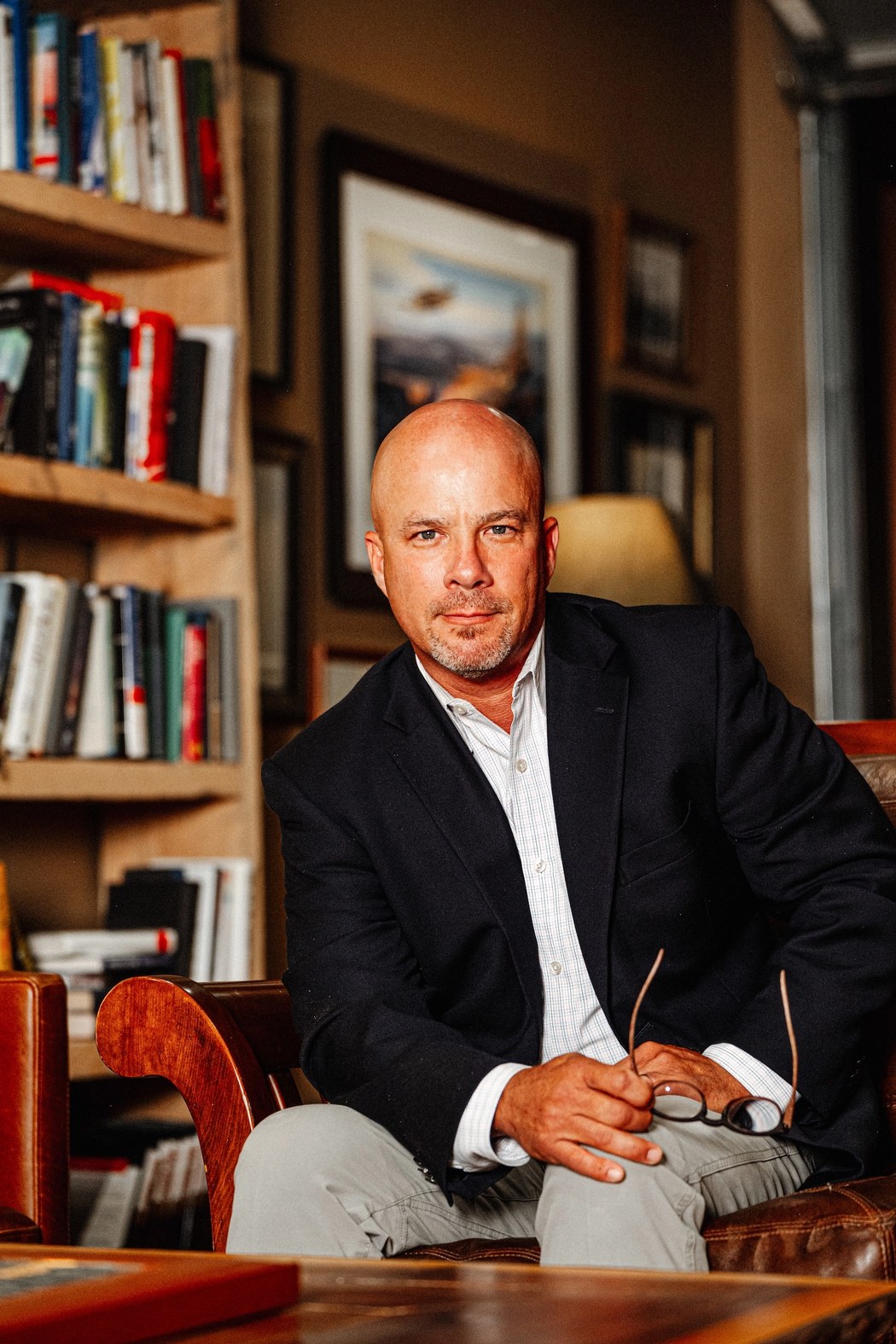
Jeff Tolle and the value of getting your boots dirty
At Idea Ranch, Jeff Tolle’s move from chief creative officer to CEO puts a hunter, angler and longtime agency colleague in charge. His working philosophy begins with knowing the people on both sides of the brief.

Eduardo Maruri and the Art of Starting Again
He built an agency with his father, took a detour through politics and football, and led Grey across two continents. Back in family ownership, Eduardo Maruri is finding fresh stories in a grain of rice, a Galápagos tortoise and a cup of coffee.

Tom Coyne and the company he wouldn’t sell
He started Coyne PR at 22, without an agency job behind him. Thirty-five years later, his argument for staying independent still begins with the people who come to work.

Jean Scofield Knows What a Brand Sounds Like
She grew up hearing music as both art and livelihood. Now the Mophonics partner turns that fluency into songs, scores, and the overlooked emotional architecture of advertising.

Tina VonderHaar Bought the Client - Then Rebuilt the Agency
A computer-science graduate walked into Brighton as a consultant, stayed to run it, and eventually bought the place. Her career is a study in calculated nerve, operational discipline and the useful art of leaving the office door open.

John January Built an Advertising Career by Following the Strange Signal
The Signal Theory co-CEO has spent three decades turning curiosity into an operating system - from farm-country solitude and homemade films to behavioral science, food brands and one enduring rule: make the thing.
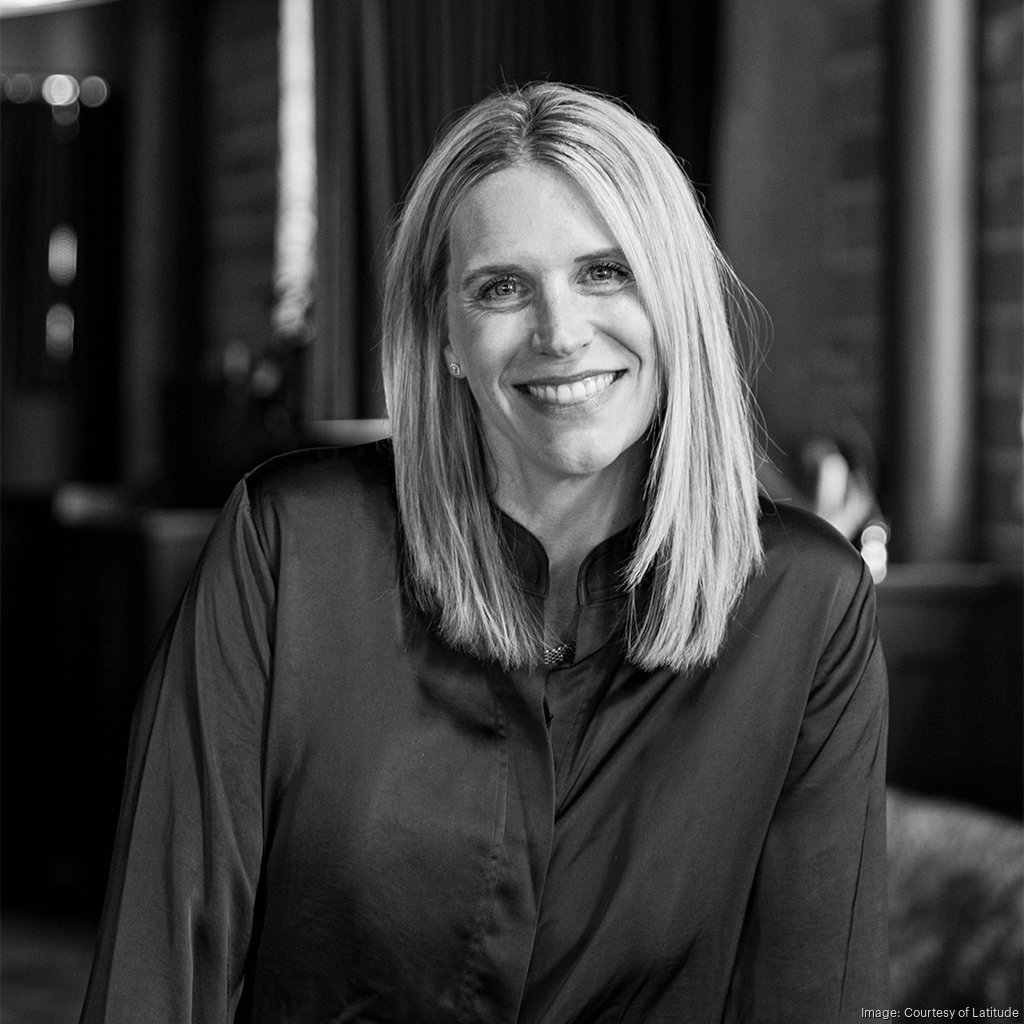
Allison Checco Has One Year to Make Latitude Twice as Big - Without Making It Ordinary
The Minneapolis agency chief is pursuing a rare double act: nearly doubling the team while protecting the independent culture and profit-sharing mission that made Latitude worth leading.
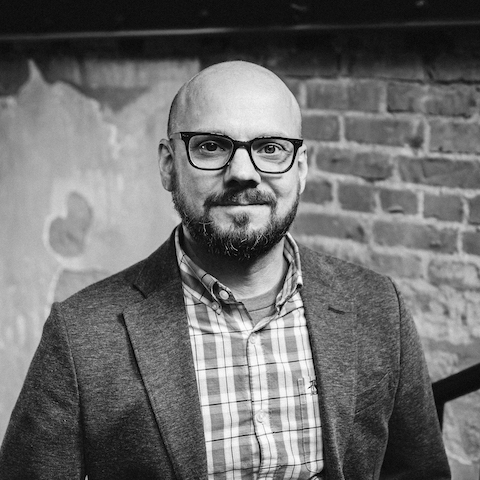
Ross Wuetherich Made a Career of Making the Complicated Look Simple
From a Kansas City graphic-design desk to the creative leadership of a growing independent agency, Wuetherich has spent more than two decades proving that clarity is not the absence of ambition. It is what ambition looks like after the clutter is gone.

David Gorodetski Learned to Make Complexity Behave
He meant to paint. Instead, the Haifa-born founder built a communications career by stripping hard ideas to their essential line - and learned that a well-reasoned no can be more valuable than an easy yes.
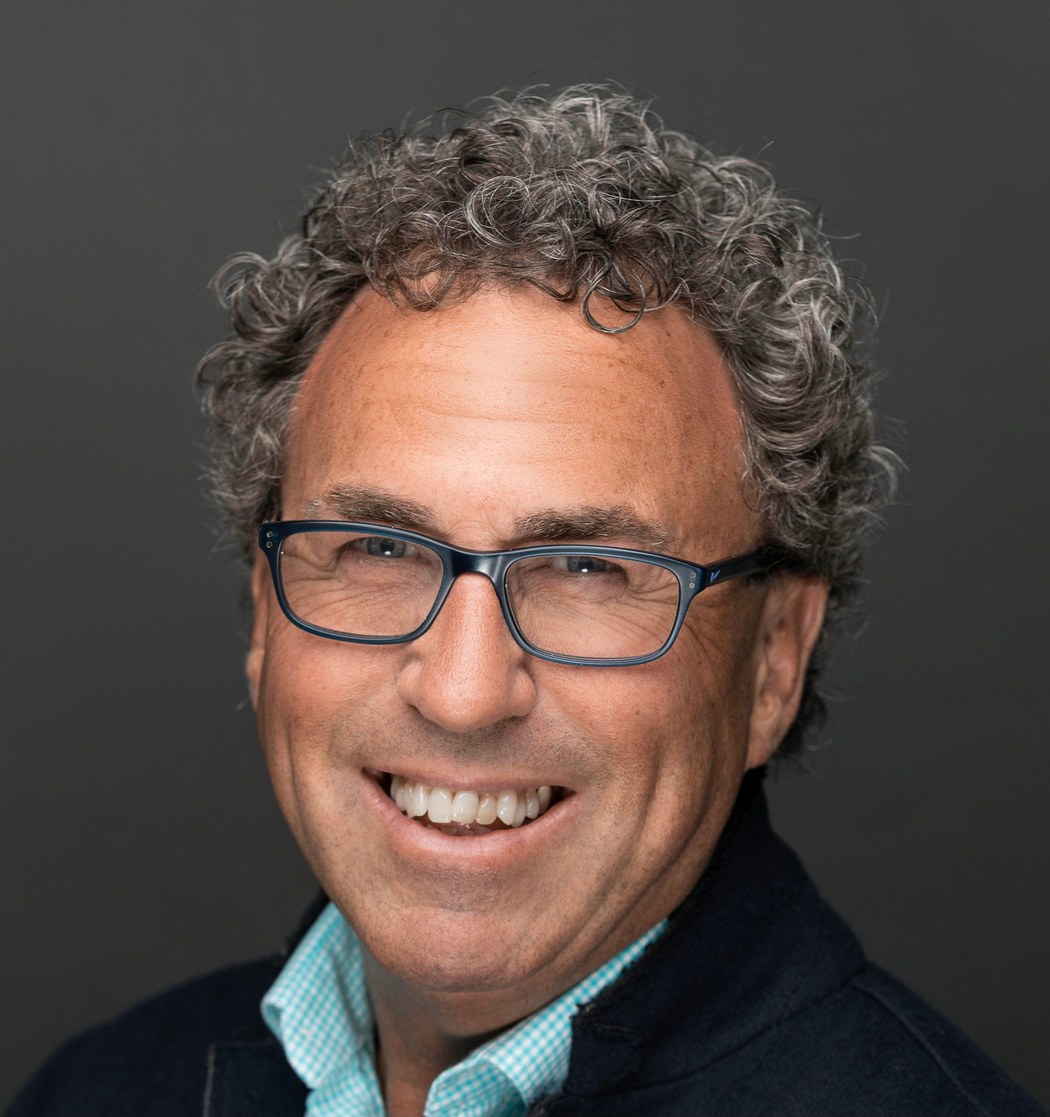
Glen McDermott Learned Branding at Bicycle Speed
From Canberra retail floors to roads across 38 countries, the Red Rock founder built a creative practice around a patient idea: see people clearly, choose a point of view, and make the work matter.
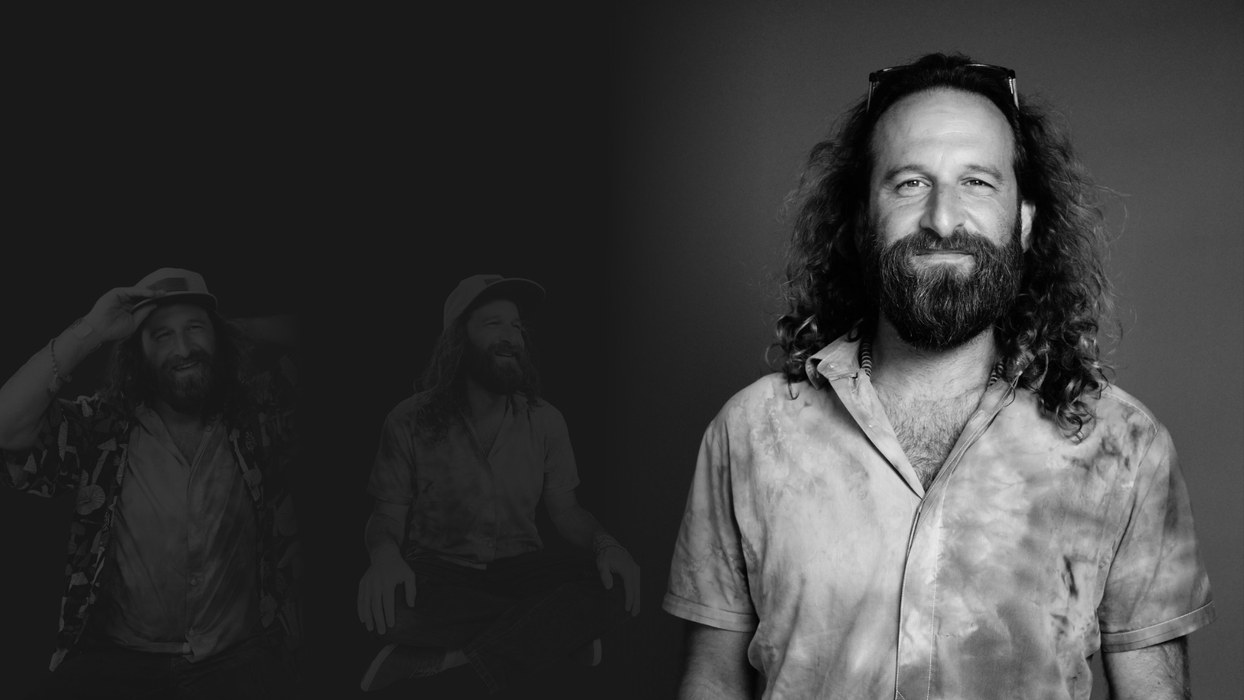
Gagan Levy Wants Advertising to Find Its Conscience - and Its Courage
The Guru founder has spent two decades asking brands to stand for something. Now his field guide turns the same question on the people who lead them.

Tom Furr Quit School at 16. Then He Stopped Apologizing for Being a Brand Marketer.
The DISCO CMO built a career by making complicated technology easier to notice. His more useful trick was learning that a specialist point of view could open doors once he quit trying to disguise it.

Emily Cosnotti Makes Taste Operational
From photo prints and subscription boxes to an owl loose in Roblox, Emily Cosnotti has built a career out of giving ambitious ideas a workable shape. Her other laboratory is a 1929 Pittsburgh house, where taste must survive budgets, tools and the occasional uncooperative ceiling.

Kelly Maiden Wants Marketing to Give You Goosebumps
The Aspect CMO has a simple test for creative work: it should make somebody feel something. Her route from a teenage auditorium to a global technology rebrand explains why she still steps away from the laptop to find the idea.
Bill Miller Has Spent 30 Years Making Fashion Feel Like Something
Before he was a CMO, Bill Miller learned retail from the window inward. Now he is helping three familiar brands find new reasons to matter, one customer moment at a time.
Johnny Le Knows Brands Behave Like Teams
Before he became Nelnet Business Services' chief marketing officer, Johnny Le learned leadership in design studios, youth soccer, bowling lanes and the referee's lonely patch of grass. His useful idea is simple: give people room to play, and give difficult moments a little grace.
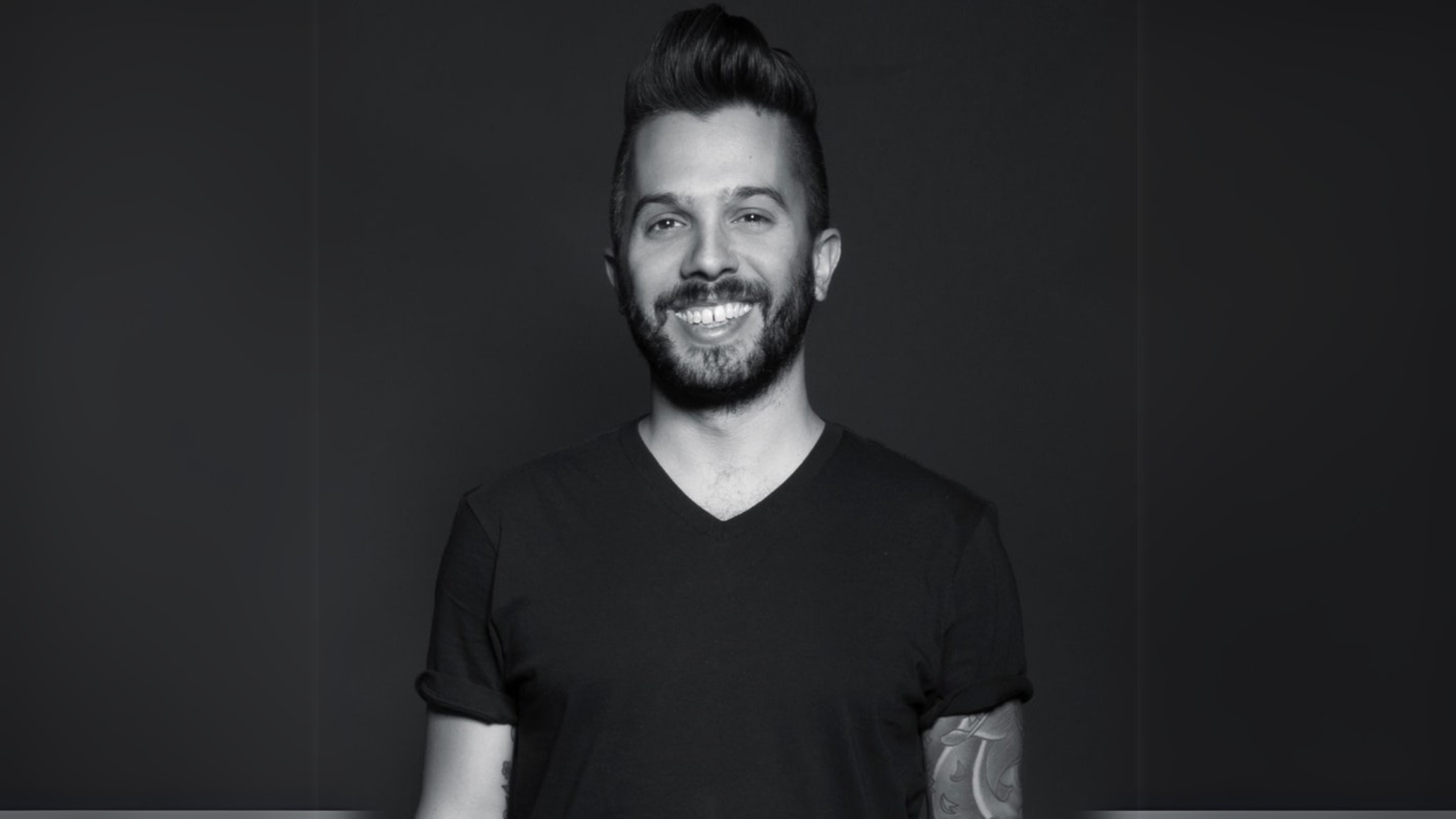
John Sampogna Built an Agency by Treating Change Like a Feature
Wondersauce began with a Manhattan walk, a borrowed apartment and a list of people to call. Fifteen years later, John Sampogna is still betting on curiosity, clear systems and the useful art of changing before the market makes you.
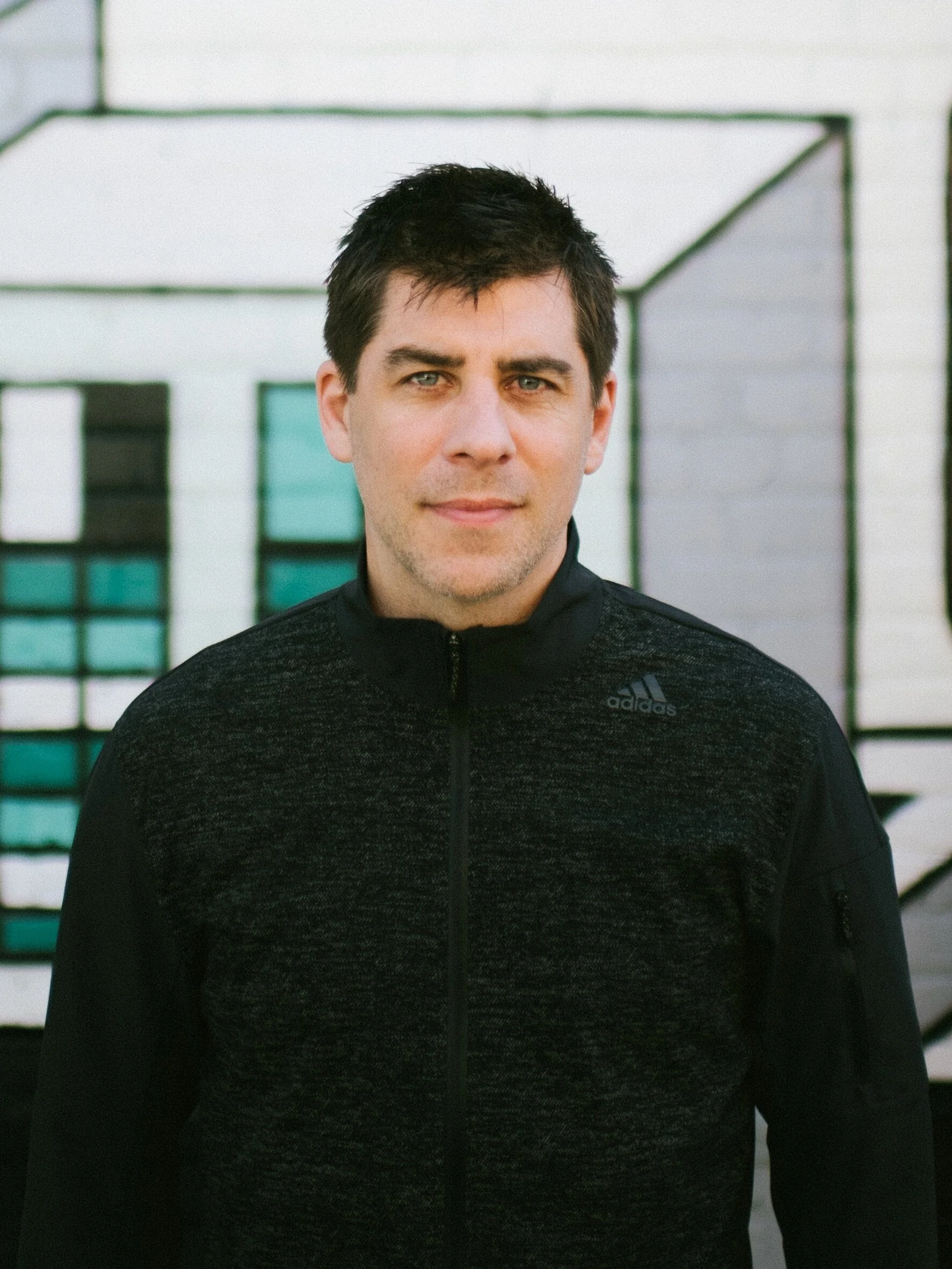
Clint Runge Built an Agency That Refuses to Grow Old
He started with architecture, a $500 car-wash idea and the nerve to learn in public. Nearly three decades later, Archrival is joining Havas Play without surrendering the Midwestern character that made it useful.

Tyler Wall Learned to Make Ideas Move - Then He Took That Skill to Trucking
Before Tyler Wall marketed heavy-haul freight, he built simulations, drew colouring books and helped instructors turn physical lessons into digital experiences. His career is a study in one durable skill: making complicated things easier to see.
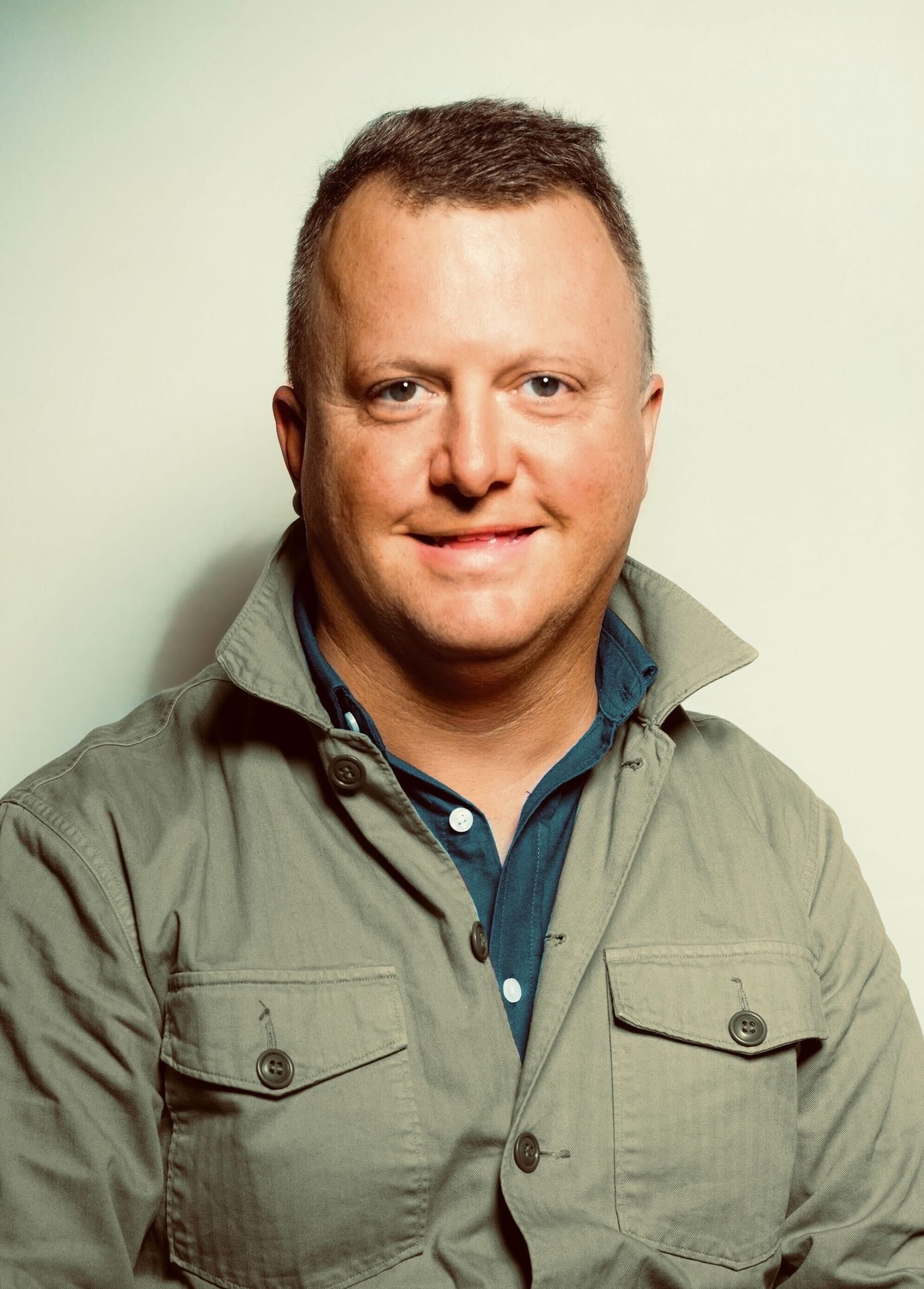
Daniel Shearer Bet His Career on Creativity - Then Took It Beyond Advertising
After two decades inside Canadian advertising, Daniel Shearer crossed to the client side with a stubborn idea intact: creativity is an operating system, not a department.
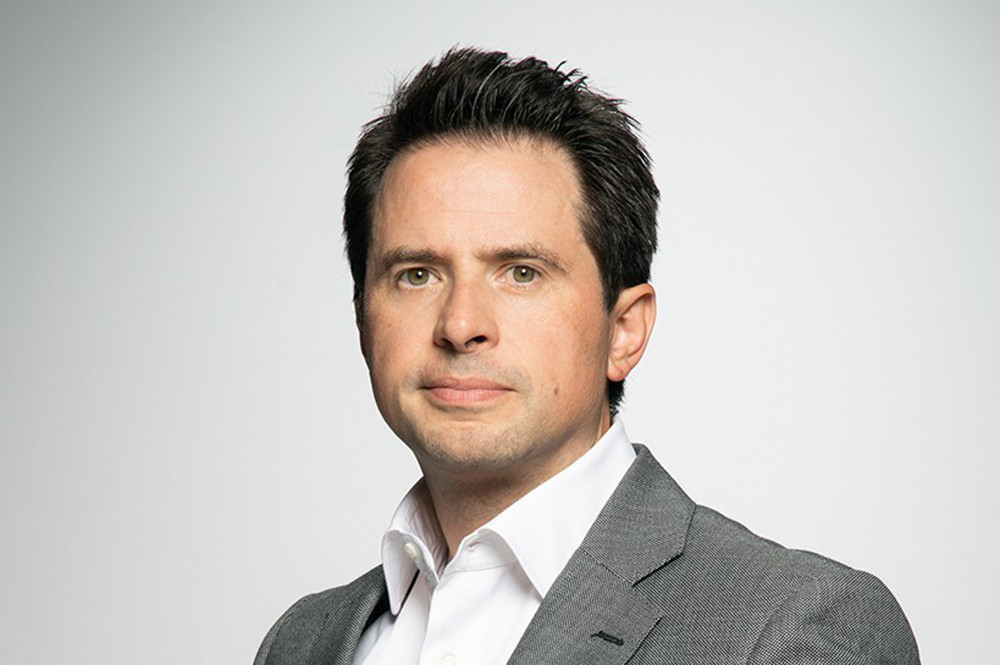
Clayton Ruebensaal’s One-Page Theory of the Modern Brand
After shaping brands at The Ritz-Carlton, American Express and Comcast, Clayton Ruebensaal has taken on a harder brief at TransUnion: make a global data company feel legible, useful and trusted.

Samantha Avivi
After three decades moving between agencies, consumer brands, consulting and the automotive aisle, Samantha Avivi has arrived at Bayer's global CMO seat with a durable operating idea: trust is built by listening closely, making boldly and giving teams room to grow.

Stephen Nesle
A creative-writing graduate became the marketing operator behind Bob's national expansion by treating attention as something a retailer has to earn - one useful joke, clear price and watchable story at a time.

Jill Kramer
Jill Kramer learned to make weather maps by hand, found her footing on Madison Avenue and rebuilt a global consultancy's brand. Now she is asking what Mastercard's next chapter should feel like in an age of AI, agentic commerce and fragile trust.