consumer-software
(18)
Scorp and the art of outgrowing your first idea
A Turkish social app gave people fifteen seconds to speak. The company behind it went on to build a much broader business around what people do with their phones.

invi Labs and the trouble with inviting everyone
A messaging startup wanted to put the internet inside a text conversation. Its most revealing move was letting people talk to friends who had never installed it.

The Second Life of a One-Tap Wonder
Prisma Labs made a filter app famous enough to break its own servers. Six years later, a paid portrait feature made the company viral again - and showed the price of making AI feel effortless.

Mikayel Vardanyan Built a Creative Empire by Learning How to Learn
Before creative AI could turn a sentence into an image, an engineer from Yerevan learned to turn constraints into companies. His lasting subject is not software. It is who gets the confidence to make something.
Kape bought the VPNs. Then it bought the comparison sites.
ExpressVPN, CyberGhost and Private Internet Access share a parent with a VPN review publisher. Inside Kape Technologies, where the business of privacy meets the business of being chosen.

Yonatan Pesses Learned the Rules - Then Built a Career Rewriting the Playbook
A law graduate became a dealmaker, then a marketer. At Tailor Brands, Yonatan Pesses now works where brand, regulation and artificial intelligence meet - and where a failed script can become a better operating system.
The Mac Cleaner That Wants to Become Your Mac's Operating Layer
CleanMyMac made digital housekeeping into a global business. Now MacPaw is spending that trust on a harder bet: security, software distribution and an AI assistant that can actually do things on your Mac.

Peter Kuhar Still Makes the Thing Himself
Long after co-founding a mobile software company, Peter Kuhar is still soldering, printing, coding and packing. His career is a case study in what happens when an engineer never outsources curiosity.

Alex Ruber Kept Pivoting Until a Tiny Daily Ritual Caught Fire
After NASA, Apple, a music app, an AI shopping engine, and months in “pivot hell,” the Candle co-founder found his signal in one-minute acts of attention.
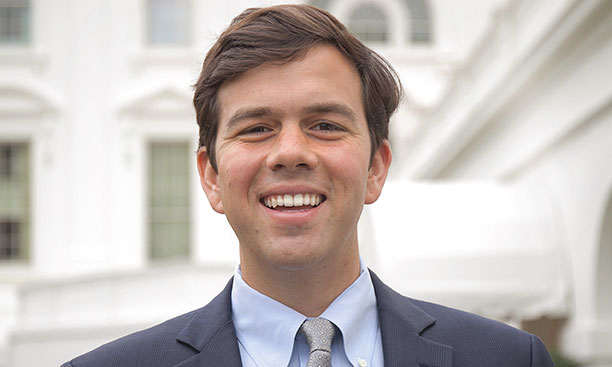
Josh Miller Keeps Rebuilding the Places Where We Meet
From a high-school documentary to the White House, Arc and Dia, Miller's career keeps returning to one question: can a familiar interface help people do more together?

Tekin Tatar Built a Photo Editor for People Who Had Better Things to Do
From a cartoonizer built in Istanbul to a creative suite used around the world, Tatar’s long game has been remarkably consistent: remove the intimidating bits and let ordinary people make something good.
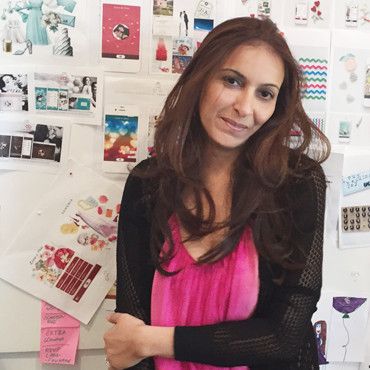
Sharmeen Mitha-Sehgal Put the Wedding Invitation in Everyone's Pocket
An art director watched wedding logistics spill across Facebook and saw a design problem. Her answer became a private, coordinated home for the invitation, the itinerary and every guest with a phone.

Nanea Reeves Has Spent a Career Betting on the Screen After the Screen
Before most people wanted games on a phone, Nanea Reeves helped build them. Now the TRIPP co-founder is asking a stranger question: what if the next interface could change not merely what you see, but how you arrive?

Raoul Scherwitzl Learned to Build at the Speed of Proof
A physicist left the laboratory to build a consumer company where every launch has to survive scrutiny. His edge is not speed alone, but the patience to make evidence compound.
The Photo Editor That Refused to Chase Photoshop - and Outlasted Almost Everyone
Two founders bootstrapped a photo editor for 16 months on family money, turned down the growth-at-all-costs playbook, and built a quietly profitable creative tool used by tens of millions - one Cartoonizer click at a time.

Wilson Spearman
Wilson Spearman is the co-founder and CEO of CreativeMode (YC S24), an AI-powered, no-code platform that lets anyone build Minecraft mods without writing code. An MIT computer science graduate who worked on AI cloud infrastructure at Crusoe and procurement tools at Settle, he now leads a small San Francisco team that has helped players create hundreds of thousands of mods - by the company's account, more Minecraft mods in nine months than in the game's previous seventeen years combined. When he is not shipping software, he is an aspiring ski mountaineer chasing alpine glacier routes.

Kurt Beidler
Kurt Beidler is the Chief Executive Officer of Quizlet, the AI-powered learning platform used by hundreds of millions of students worldwide. Appointed in July 2024, he brings 17 years of Amazon experience scaling subscription businesses - most notably growing Amazon Kids+ into the world's largest youth-focused subscription service and launching Kindle into China. Under his leadership, Quizlet has grown revenue to $139M annually while aggressively integrating AI tools including a native ChatGPT app integration, lecture recording features, and an OpenAI partnership aimed at keeping students' entire study workflow on one platform.
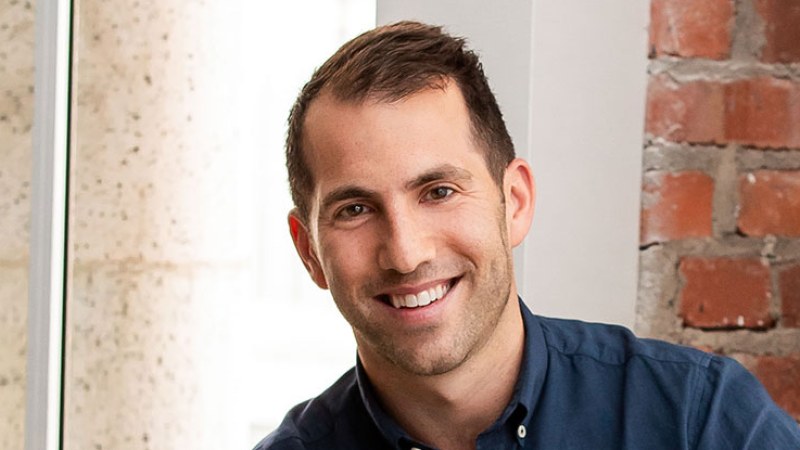
Seth Rosenberg
Seth Rosenberg is a General Partner at Greylock Partners, where he leads investments in fintech and AI from the firm's New York office. Before venture capital, he spent three years at Facebook as a product manager on Messenger - helping scale it from 200 million to over one billion monthly active users and launching its AI bot platform. Before that, he worked in tech and media investment banking at Goldman Sachs. At Greylock, he has championed an influential 'Product-Led AI' investing framework and backed companies including Ramp, Tome (now Lightfield), Wisetack, PayJoy, and Roblox.