carbon-sequestration
(25)
Sustaera Scrapped Years of Work to Build a Cheaper Carbon-Capture Machine
Direct air capture has a brutal math problem: too much machinery chasing too little CO2. The North Carolina startup’s answer was to kill its first product, shrink the team and redesign the machine around electricity, ceramics and a cost target the market might actually buy.

Revalue
Revalue (Revalue Nature) is a London-based climate-tech company that develops high-integrity, nature-based carbon credits and builds the analytics platform behind them. Combining forest science, AI, remote sensing (satellite, drone and LiDAR), dynamic baselines and biodiversity monitoring, it partners with on-the-ground project operators and capital providers to design credits that avoid, remove and durably store CO2. Founded in 2022 and led by CEO Stuart Rowland, the company raised a $10M Series A in 2023 co-led by Ecosystem Integrity Fund and SJF Ventures.
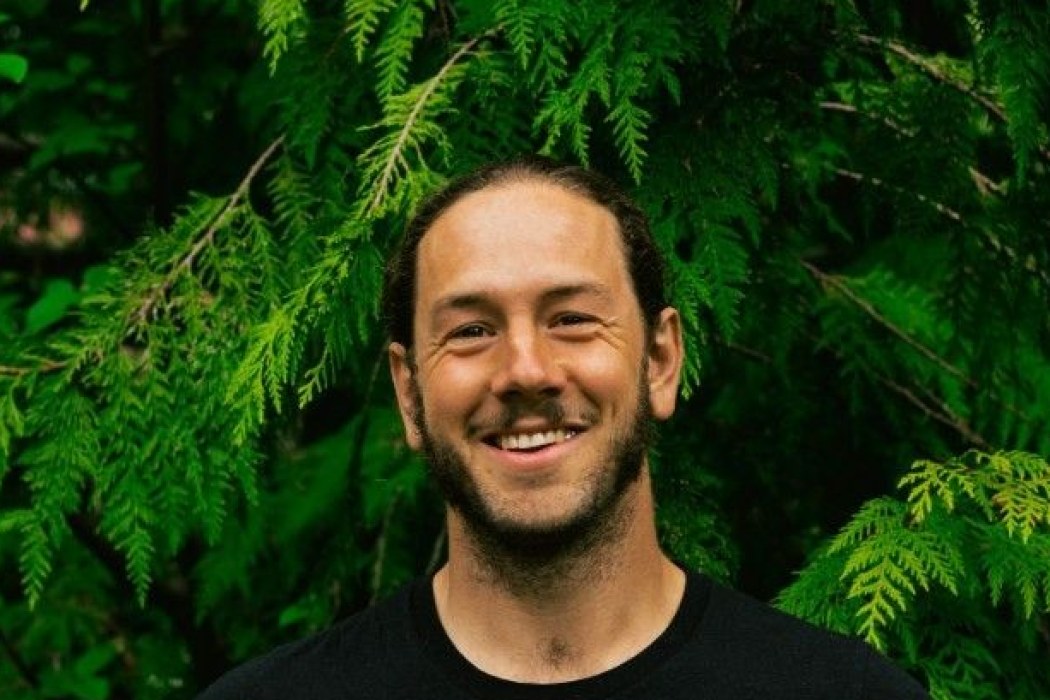
Bryce Jones
Bryce Jones is the CEO and co-founder of Flash Forest, a Toronto-based cleantech startup that uses autonomous drones, AI, GIS mapping and biodegradable seed pods to replant forests faster and more cheaply than traditional hand-planting. A former tree planter and biology graduate from British Columbia, Jones launched Flash Forest in 2019 after seeing how far reforestation methods lagged behind industrial logging technology. The company's stated goal is to plant one billion trees by 2028, with a focus on land that is unsafe or uneconomical for human crews, including post-wildfire terrain.

Flash Forest
Flash Forest is a Toronto-based reforestation company that uses drones, proprietary biological seed pods, aerial mapping, and machine learning to replant forests faster and cheaper than traditional hand-planting. Founded in 2019, it deploys aerial and ground-based systems to restore land degraded by wildfire and logging, and pairs planting with a forestry intelligence service that surveys and monitors forests. The company has planted more than 3 million trees and aims to reach one billion by 2028.
Loam Bio
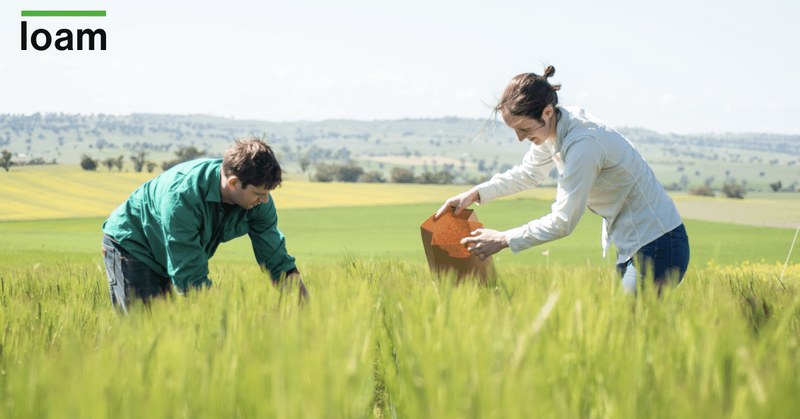
Loam Bio is an Australian agricultural biotechnology company using naturally occurring microbial fungi to help crops store more stable, long-lasting carbon in soil. Founded in 2019 by a group of farmers and climate scientists, it coats seeds with its CarbonBuilder inoculum so plants pull atmospheric CO2 into recalcitrant, mineral-bound soil carbon, and pairs the biology with its SecondCrop program that helps growers measure, verify and sell soil carbon credits. Backed by more than US$119M from investors including Lowercarbon Capital, Wollemi Capital and Marc Benioff's Time Ventures, Loam is scaling from its Orange, NSW base into the United States.
Carba
Carba is a Minneapolis-area climate-tech company that turns low-value waste biomass - dead trees, yard waste, and other biogenic scraps - into a stable, charcoal-like material called biocarbon (biochar). Using a patent-pending autothermal pyrolysis reactor and an anoxic (oxygen-starved) burial method, Carba locks carbon away for a certified 1,000+ years, most notably inside existing landfills where the material can also filter pollutants. The company sells the resulting permanent carbon-removal credits - including a five-year, 44,000-tonne deal with Microsoft - and aims to remove a billion tons of CO2 by 2035.

Terraton
Terraton is a San Francisco climate-tech company that turns agricultural waste into biochar - a stable, carbon-rich material that locks away CO2 for centuries. It packages financing, hardware, and software into a 'biochar business in a box' so agribusinesses in emerging markets can launch carbon-removal facilities, while corporate buyers get verified, high-durability carbon credits delivered at scale. Backed by an $11.5M seed round co-led by Lowercarbon Capital and Gigascale Capital, Terraton already runs facilities in Ghana and Kenya.
Jess Adkins
Jess Adkins is a Caltech chemical oceanographer turned founder-CEO of Calcarea, a climate-tech startup that bolts a limestone-and-seawater reactor onto cargo ships to scrub up to half their CO2 and lock it away as ocean bicarbonate. After two decades studying how the deep ocean naturally buffers carbon, he spun his lab science out of the garage during COVID to attack shipping's gigatonne-a-year emissions problem at a fraction of the cost of atmospheric capture.

Applied Carbon
Applied Carbon (formerly Climate Robotics) builds tractor-pulled machines that turn crop residue into biochar in a single pass across the field. The Houston-based startup converts post-harvest plant waste into a stable form of carbon that improves soil health and locks CO2 underground for centuries, selling carbon removal credits to buyers including Microsoft.
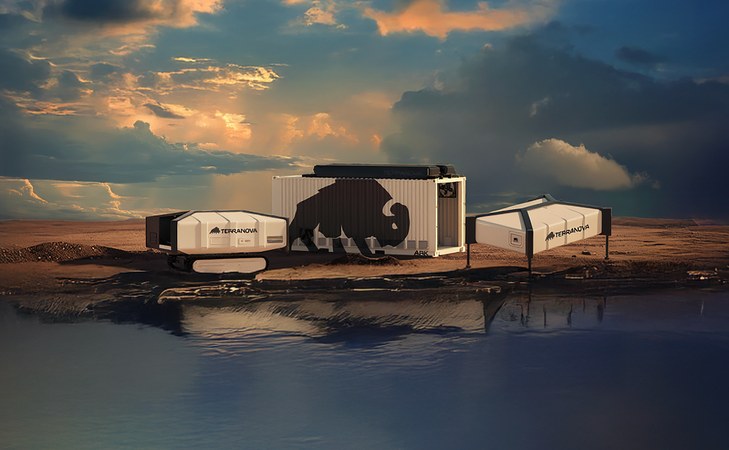
Terranova
Terranova is a Berkeley-born climate-tech and robotics startup building car-sized autonomous robots that inject a wood-waste slurry deep underground to lift flood-prone land out of harm's way - no seawalls, no surface disruption. A single 'mothership' coordinating three injection rovers can raise about one acre by one foot per day, while the buried biomass becomes a durable carbon sink that can be sold as carbon credits. Founded by UC Berkeley mechanical engineer Laurence Allen to save his hometown of San Rafael, California, the company raised a $7M seed round in November 2025 and plans its first San Rafael pilots in 2026.
Andrew Jones
Andrew Jones is the co-founder and CEO of Carba, a Minneapolis-based carbon-removal startup that turns waste biomass into a durable, charcoal-like biocarbon and buries it to lock away CO2 for more than 1,000 years. A chemical engineer with a PhD from UC Berkeley, Jones invented Carba's patented low-energy pyrolysis and storage process and describes the work as 'reversing the coal mining process.' He previously founded and exited Activated Research Company, and has steered Carba from a 2021 lab idea to a working molten-salt reactor at a Burnsville landfill, a multi-year carbon-credit deal with Microsoft, and a goal of removing a gigaton of CO2 a year.
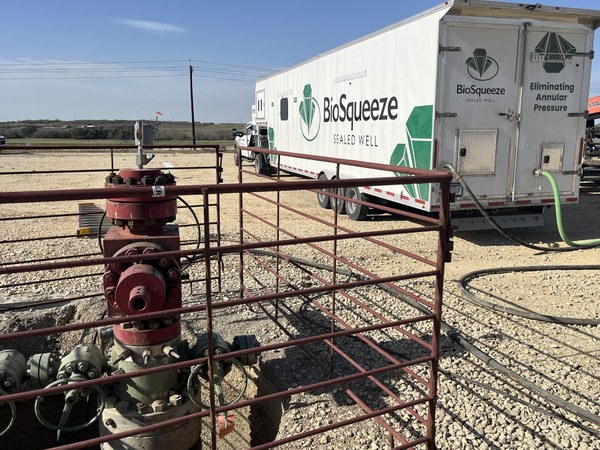
BioSqueeze Inc.
BioSqueeze Inc. is a Butte, Montana company and the self-described world leader in commercial biomineralization. Its core technology pumps low-viscosity, self-diverting fluids carrying naturally occurring soil bacteria into oil and gas wells, where the microbes precipitate crystalline calcium carbonate (limestone) to permanently seal leakage pathways as small as one micron. The result is a gas-tight barrier that eliminates sustained casing pressure and stops fugitive methane emissions, helping operators meet well-integrity and environmental obligations across producing, plugged, and storage wells.
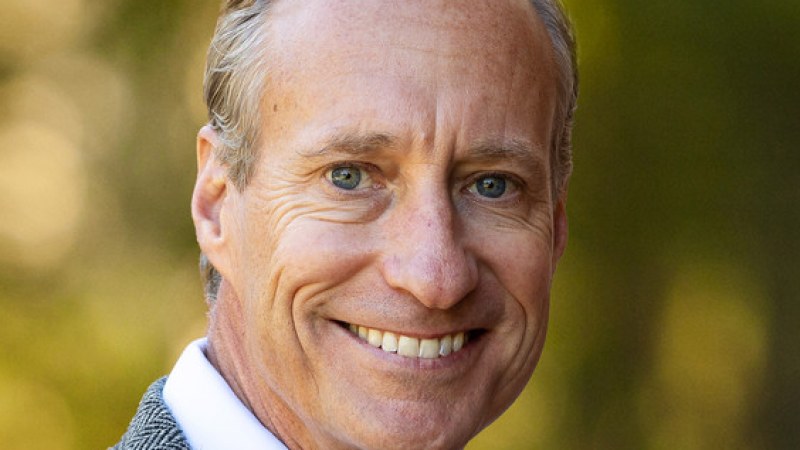
Barclay Rogers
Barclay Rogers is the co-founder and CEO of Graphyte, a carbon removal company that turns waste biomass into dense, dehydrated carbon blocks and buries them to keep CO2 out of the atmosphere for over a thousand years. A former environmental lawyer and mechanical engineer turned multi-time agtech and climate founder, he built Graphyte's 'Carbon Casting' process to deliver durable carbon removal at under $100 a ton, an order of magnitude cheaper than direct air capture. The company is backed by Bill Gates' Breakthrough Energy Ventures and runs its first commercial plant in Pine Bluff, Arkansas. Rogers also teaches a climate change solutions course as an adjunct professor of law at Tulane University.

Varaha
Varaha is an India-based climate-tech company that builds high-integrity carbon removal projects in the Global South. Working with roughly 170,000 smallholder farmers across about 1.7 million acres, it generates verified carbon credits through four pathways - regenerative agriculture, agroforestry, biochar, and enhanced rock weathering - and quantifies the results with a measurement, reporting and verification (MRV) platform powered by remote sensing, machine learning and field science. Its credits are bought by buyers like Google, Microsoft, Lufthansa and Swiss Re.

Vaulted Deep
Vaulted Deep is a Houston-based climate tech company that turns sludgy organic waste - biosolids, manure, food and agricultural waste, paper sludge - into permanent carbon removal by injecting it thousands of feet underground using patented slurry sequestration technology. Spun out of injection-well specialist Advantek in 2023, the company offers durable, low-cost, gigaton-scalable carbon dioxide removal while diverting hard-to-handle waste from landfills, oceans and fields. Its credits have been bought by Microsoft, Frontier Climate and others, and it won $8M in the Musk-backed XPRIZE Carbon Removal competition.

Andes
Andes is a climate-tech and agricultural biotechnology company using beneficial soil microbes - applied as a seed coating on corn, soybean, canola and wheat - to convert atmospheric CO2 into stable soil inorganic carbon. Founded in 2016 by Gonzalo Fuenzalida and Tania Timmermann and headquartered in Alameda, California, Andes pairs microbial biology with field-scale measurement to deliver permanent, low-cost carbon removal across millions of acres of working farmland.

Heirloom Carbon
Heirloom Carbon Technologies is a San Francisco-based direct air capture company that uses limestone's natural CO2-absorbing properties to pull carbon dioxide permanently out of the atmosphere. Their process accelerates a geological phenomenon that normally takes thousands of years into a 3-day cycle: calcium oxide powder absorbs CO2 from ambient air, becomes limestone, gets heated in a renewable-energy-powered electric kiln to release the captured CO2, and repeats. The captured CO2 is then stored permanently underground or embedded in concrete. Founded in 2020, Heirloom opened America's first commercial DAC facility in Tracy, California in November 2023 and has raised over $354 million to expand capacity toward their goal of removing 1 billion tons of CO2 by 2035.
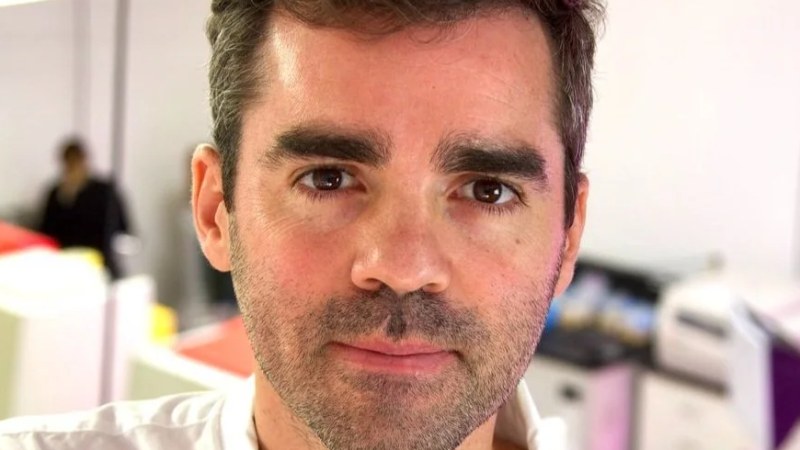
Gonzalo Fuenzalida-Meriz
Gonzalo Fuenzalida-Meriz is a Chilean-born entrepreneur and CEO & Co-Founder of Andes, a California-based climate tech company that deploys beneficial soil microbes via seed coatings to permanently lock atmospheric CO2 into soil minerals. A former investment banker turned biotech founder, he led development of the world's first Microbial Carbon Mineralization (MCM) Methodology — validated under ISO 14064 — and has raised $41M+ to scale a platform that simultaneously improves farm yields and generates durable carbon credits.

Zack Bloom
Zack Bloom is a co-founder of Heirloom Carbon Technologies, the company behind America's first commercial direct air capture facility in Tracy, California. A software engineer turned climate entrepreneur, Bloom previously co-founded Eager - a cloud app marketplace acquired by Cloudflare in 2016 - and served as Director of Product at Cloudflare overseeing Workers, Storage, and Tunnel. In 2020, he pivoted from internet infrastructure to atmospheric infrastructure, co-founding Heirloom alongside Shashank Samala and Noah McQueen. The company has since raised over $354M in total funding, opened its first facility, and secured contracts with Microsoft, Stripe, Shopify, Meta, and JPMorgan.

Charm Industrial
Charm Industrial is a San Francisco-based climate company that converts agricultural residues into bio-oil through fast pyrolysis and injects it deep underground for permanent carbon removal. Founded in 2018 by Peter Reinhardt, Kevin Meissner, Shaun Meehan and Kelly Hering, Charm is one of the fastest-growing carbon dioxide removal companies and counts Frontier, Stripe, Microsoft, JPMorgan Chase, Meta and Shopify as customers.
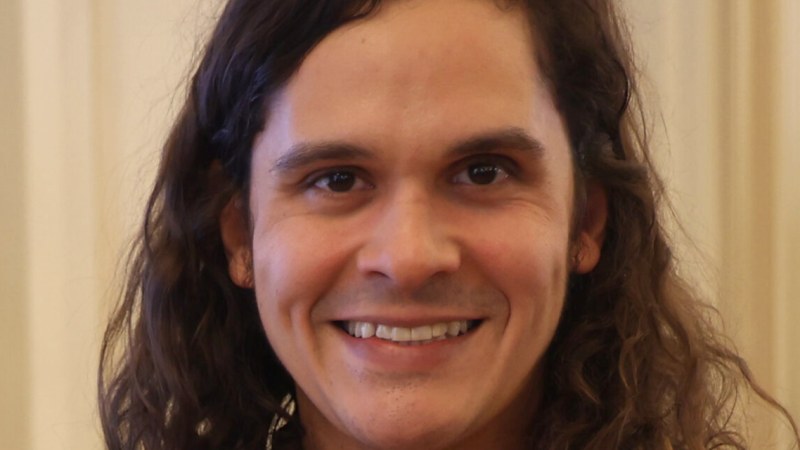
Jason Aramburu
Jason Aramburu is the cofounder and CEO of Applied Carbon, a Houston-based climate tech company building the world's first mobile, in-field biochar production machines that convert agricultural crop waste into permanent carbon storage - and improved soil - in a single pass. A Princeton-trained ecologist who first encountered biochar during field research in Panama, Aramburu has spent two decades building at the intersection of soil science, robotics, and carbon markets. Before Applied Carbon, he founded re:char (smallholder biochar in Kenya, backed by Gates Foundation) and Edyn (smart irrigation, Y Combinator W14), then invested in AI and energy startups at Baidu Ventures and Saudi Aramco Energy Ventures before returning to his original mission. Applied Carbon raised a $21.5M Series A in July 2024, backed by Microsoft Climate Innovation Fund, Congruent Ventures, and the Grantham Foundation, and won the $500,000 Wilkes Climate Launch Prize in September 2024.
Charles Cadieu
Charles Cadieu is a serial entrepreneur and computational neuroscientist-turned-climate-tech founder. He is the Co-Founder and CEO of Spiritus, a direct air capture company aiming to slash the cost of carbon removal to $100 per ton - down from the current $600-$1,000 industry standard. Before Spiritus, Cadieu founded Caption Health (AI-guided cardiac ultrasound, acquired by GE HealthCare in 2023) and IQ Engines (AI image recognition, acquired by Yahoo!/Flickr in 2013). Holding a PhD from UC Berkeley and degrees from MIT, he bridges deep academic roots in neural networks with a track record of building and exiting companies that redefine their industries.

Peter Reinhardt
Peter Reinhardt is CEO and co-founder of Charm Industrial, a San Francisco-based climate tech company that converts agricultural and forest biomass residues into bio-oil and permanently sequesters it underground - effectively putting carbon back where it came from. Before pivoting to saving the planet, he co-founded Segment, the customer data infrastructure platform, and scaled it from a MIT dorm-room idea to a $3.2 billion acquisition by Twilio in 2020. Now he runs Charm with a mission to return atmospheric CO2 to pre-industrial levels of 280 ppm, counting Stripe, Microsoft, JPMorgan Chase, and Meta among customers.
Laurence Allen
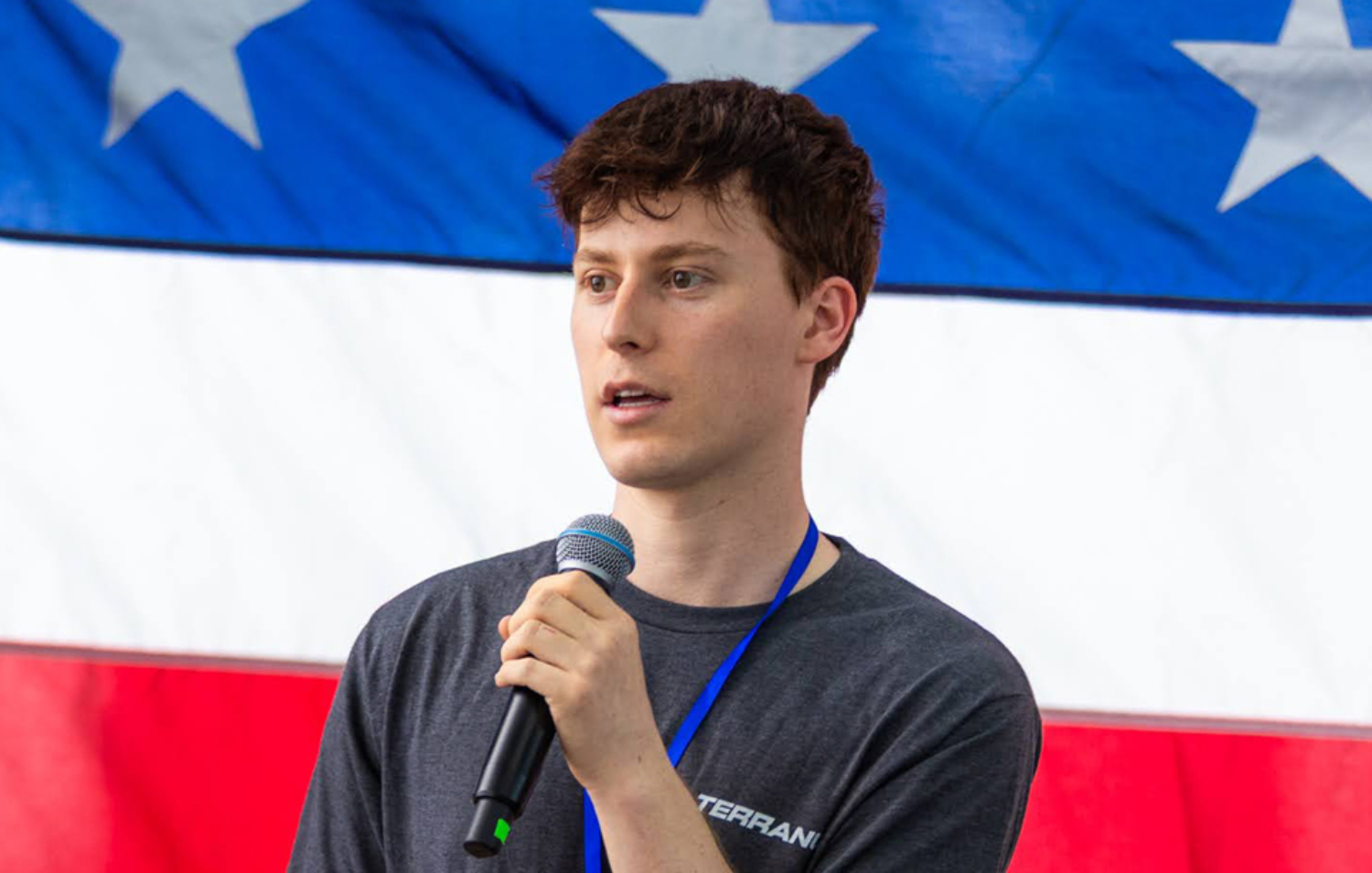
Laurence Allen is the co-founder and CEO of Terranova, a Berkeley-based startup building autonomous terraforming robots that lift flood-prone land out of harm's way by injecting wood waste slurry deep underground. A UC Berkeley Mechanical Engineering graduate (2024) who conceived the idea during a 2021 SpaceX internship, Allen launched the company — originally called Levitree — to save his own hometown of San Rafael, California, which floods to waist depth several times a decade. Terranova closed a $7M seed round in late 2025 at a $25.1M valuation led by Congruent Ventures and Outlander, and can lift one acre of land by one foot per day at a fraction of the cost of traditional seawalls. Allen was named to the 2026 Forbes 30 Under 30 list in Energy & Green Tech, took a leave from his Stanford master's program to scale Terranova full-time, and entered 2026 actively pursuing commercial elevation projects across the Bay Area for flood prevention, development, and wetland restoration.
Troy Carter
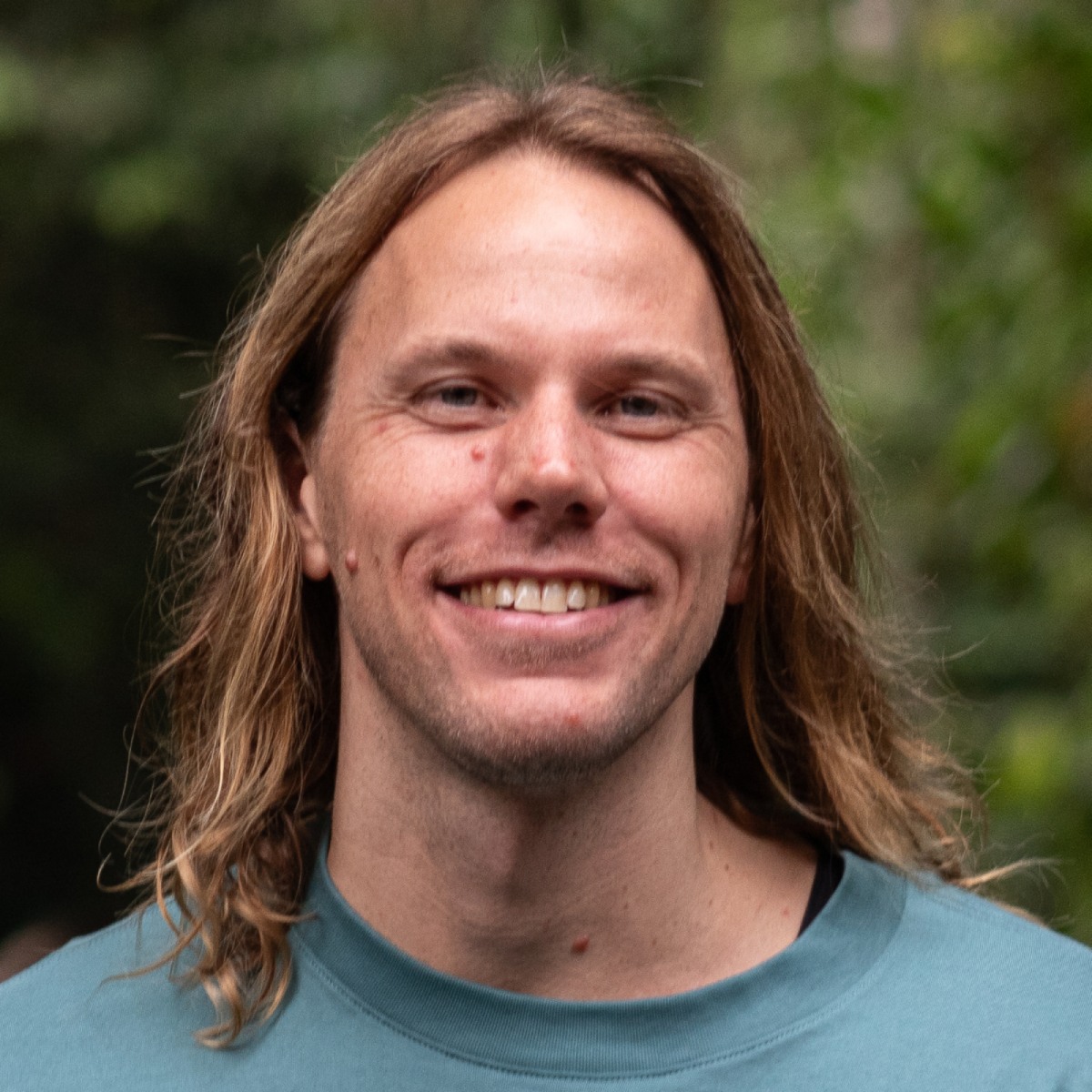
Troy Carter is the CEO and Co-Founder of Earthshot Labs, a Sebastopol, California-based climate tech company that uses AI-driven ecological modeling, satellite data, and geospatial analysis to develop, finance, and verify nature-based carbon projects at planetary scale. Before founding Earthshot in 2020, Carter co-founded RIZOME, a bamboo building materials company, and was an early employee at Airbnb. Raised on St. Croix in the U.S. Virgin Islands and educated at Stanford, he brings a rare combination of entrepreneurial grit and ecological urgency to the carbon markets, with Earthshot managing 50+ client projects across more than one million hectares and directing $55M+ in project financing.