carbon-sequestration
(11)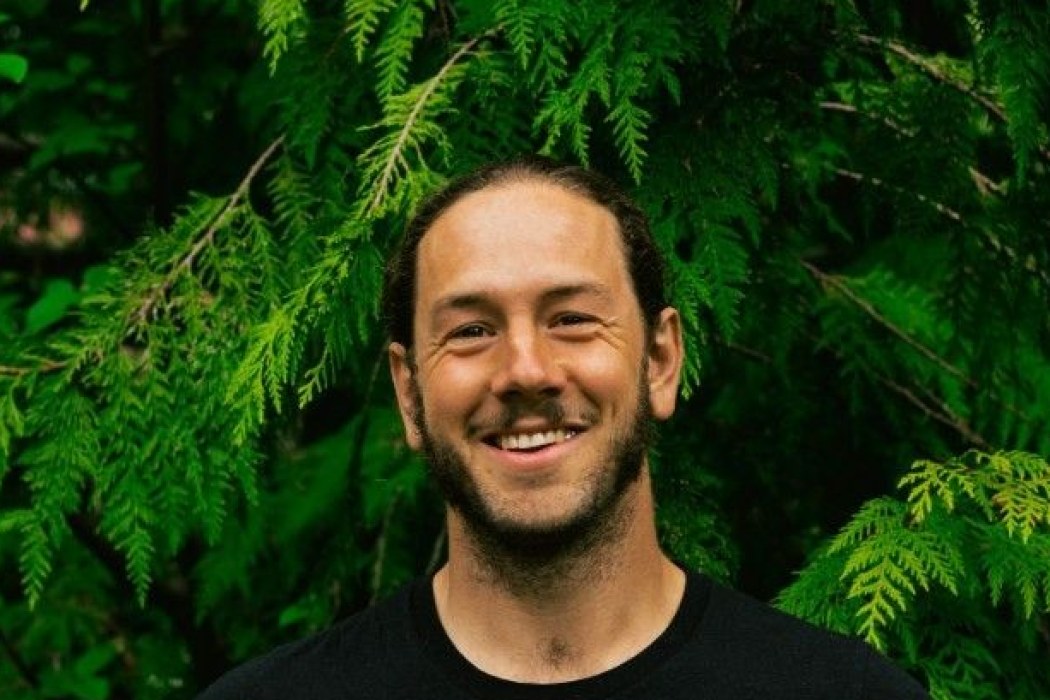
Bryce Jones
Bryce Jones is the CEO and co-founder of Flash Forest, a Toronto-based cleantech startup that uses autonomous drones, AI, GIS mapping and biodegradable seed pods to replant forests faster and more cheaply than traditional hand-planting. A former tree planter and biology graduate from British Columbia, Jones launched Flash Forest in 2019 after seeing how far reforestation methods lagged behind industrial logging technology. The company's stated goal is to plant one billion trees by 2028, with a focus on land that is unsafe or uneconomical for human crews, including post-wildfire terrain.
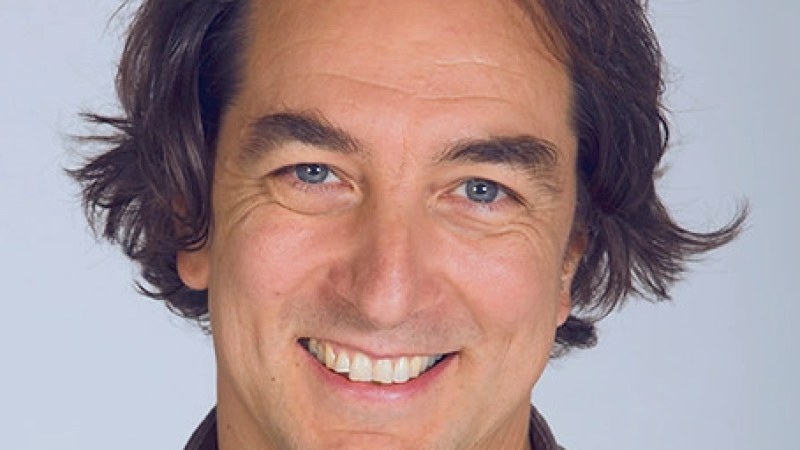
Jess Adkins
Jess Adkins is a Caltech chemical oceanographer turned founder-CEO of Calcarea, a climate-tech startup that bolts a limestone-and-seawater reactor onto cargo ships to scrub up to half their CO2 and lock it away as ocean bicarbonate. After two decades studying how the deep ocean naturally buffers carbon, he spun his lab science out of the garage during COVID to attack shipping's gigatonne-a-year emissions problem at a fraction of the cost of atmospheric capture.
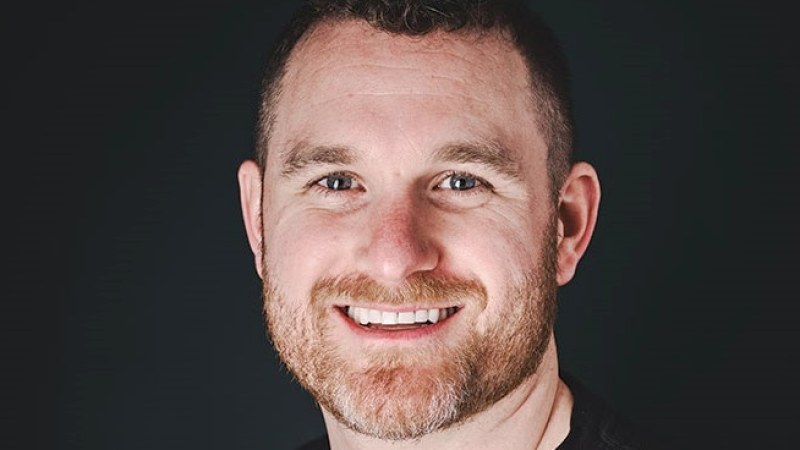
Andrew Jones
Andrew Jones is the co-founder and CEO of Carba, a Minneapolis-based carbon-removal startup that turns waste biomass into a durable, charcoal-like biocarbon and buries it to lock away CO2 for more than 1,000 years. A chemical engineer with a PhD from UC Berkeley, Jones invented Carba's patented low-energy pyrolysis and storage process and describes the work as 'reversing the coal mining process.' He previously founded and exited Activated Research Company, and has steered Carba from a 2021 lab idea to a working molten-salt reactor at a Burnsville landfill, a multi-year carbon-credit deal with Microsoft, and a goal of removing a gigaton of CO2 a year.
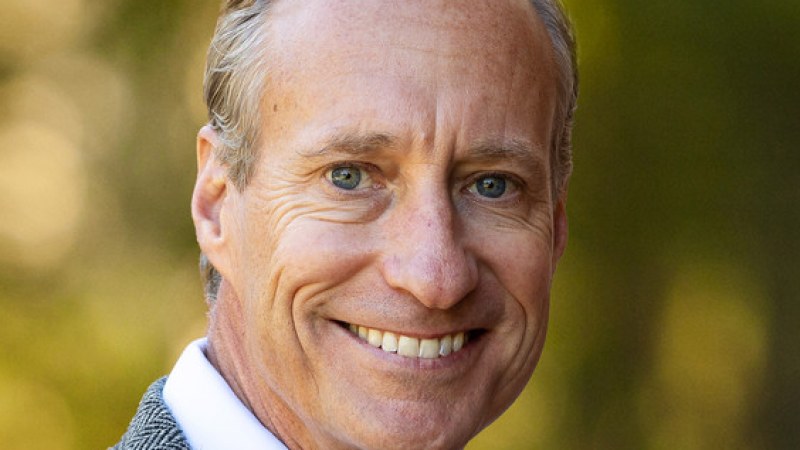
Barclay Rogers
Barclay Rogers is the co-founder and CEO of Graphyte, a carbon removal company that turns waste biomass into dense, dehydrated carbon blocks and buries them to keep CO2 out of the atmosphere for over a thousand years. A former environmental lawyer and mechanical engineer turned multi-time agtech and climate founder, he built Graphyte's 'Carbon Casting' process to deliver durable carbon removal at under $100 a ton, an order of magnitude cheaper than direct air capture. The company is backed by Bill Gates' Breakthrough Energy Ventures and runs its first commercial plant in Pine Bluff, Arkansas. Rogers also teaches a climate change solutions course as an adjunct professor of law at Tulane University.
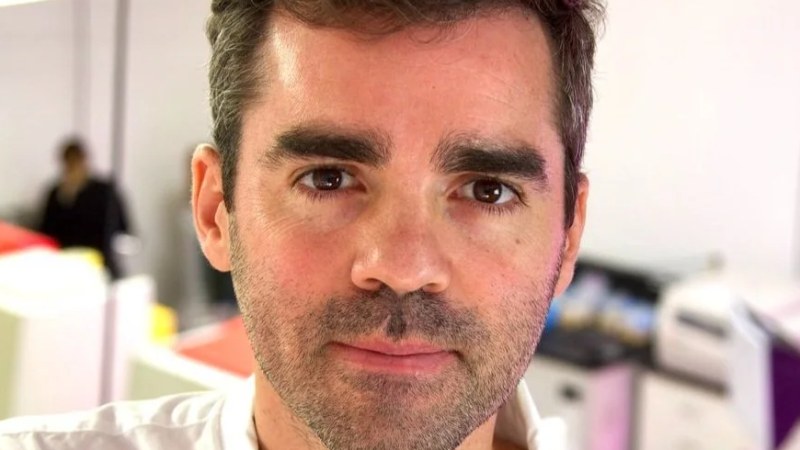
Gonzalo Fuenzalida-Meriz
Gonzalo Fuenzalida-Meriz is a Chilean-born entrepreneur and CEO & Co-Founder of Andes, a California-based climate tech company that deploys beneficial soil microbes via seed coatings to permanently lock atmospheric CO2 into soil minerals. A former investment banker turned biotech founder, he led development of the world's first Microbial Carbon Mineralization (MCM) Methodology — validated under ISO 14064 — and has raised $41M+ to scale a platform that simultaneously improves farm yields and generates durable carbon credits.

Zack Bloom
Zack Bloom is a co-founder of Heirloom Carbon Technologies, the company behind America's first commercial direct air capture facility in Tracy, California. A software engineer turned climate entrepreneur, Bloom previously co-founded Eager - a cloud app marketplace acquired by Cloudflare in 2016 - and served as Director of Product at Cloudflare overseeing Workers, Storage, and Tunnel. In 2020, he pivoted from internet infrastructure to atmospheric infrastructure, co-founding Heirloom alongside Shashank Samala and Noah McQueen. The company has since raised over $354M in total funding, opened its first facility, and secured contracts with Microsoft, Stripe, Shopify, Meta, and JPMorgan.
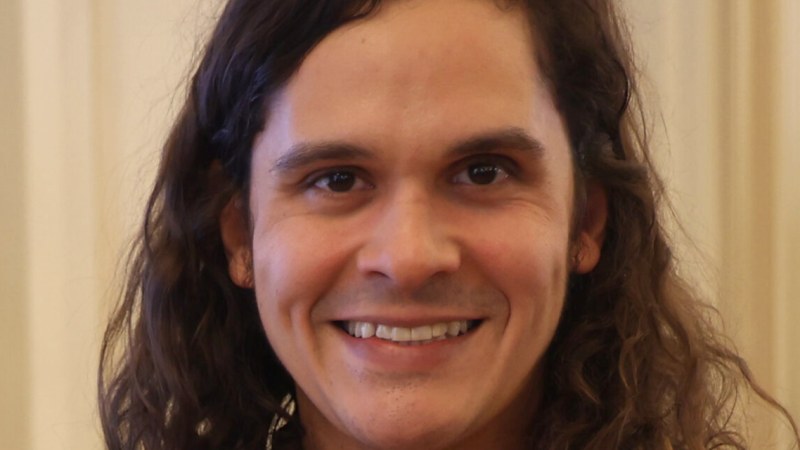
Jason Aramburu
Jason Aramburu is the cofounder and CEO of Applied Carbon, a Houston-based climate tech company building the world's first mobile, in-field biochar production machines that convert agricultural crop waste into permanent carbon storage - and improved soil - in a single pass. A Princeton-trained ecologist who first encountered biochar during field research in Panama, Aramburu has spent two decades building at the intersection of soil science, robotics, and carbon markets. Before Applied Carbon, he founded re:char (smallholder biochar in Kenya, backed by Gates Foundation) and Edyn (smart irrigation, Y Combinator W14), then invested in AI and energy startups at Baidu Ventures and Saudi Aramco Energy Ventures before returning to his original mission. Applied Carbon raised a $21.5M Series A in July 2024, backed by Microsoft Climate Innovation Fund, Congruent Ventures, and the Grantham Foundation, and won the $500,000 Wilkes Climate Launch Prize in September 2024.
Charles Cadieu
Charles Cadieu is a serial entrepreneur and computational neuroscientist-turned-climate-tech founder. He is the Co-Founder and CEO of Spiritus, a direct air capture company aiming to slash the cost of carbon removal to $100 per ton - down from the current $600-$1,000 industry standard. Before Spiritus, Cadieu founded Caption Health (AI-guided cardiac ultrasound, acquired by GE HealthCare in 2023) and IQ Engines (AI image recognition, acquired by Yahoo!/Flickr in 2013). Holding a PhD from UC Berkeley and degrees from MIT, he bridges deep academic roots in neural networks with a track record of building and exiting companies that redefine their industries.
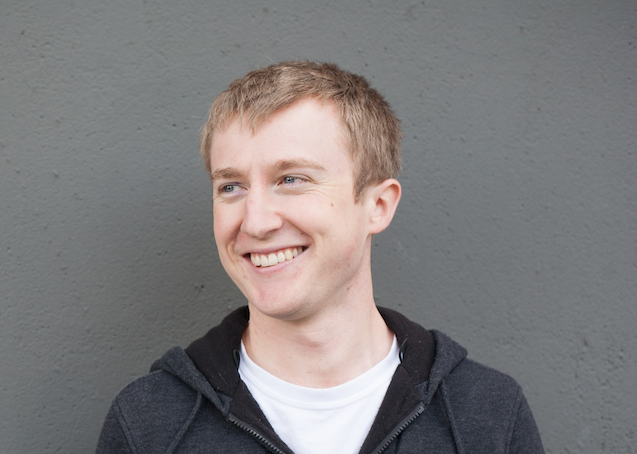
Peter Reinhardt
Peter Reinhardt is CEO and co-founder of Charm Industrial, a San Francisco-based climate tech company that converts agricultural and forest biomass residues into bio-oil and permanently sequesters it underground - effectively putting carbon back where it came from. Before pivoting to saving the planet, he co-founded Segment, the customer data infrastructure platform, and scaled it from a MIT dorm-room idea to a $3.2 billion acquisition by Twilio in 2020. Now he runs Charm with a mission to return atmospheric CO2 to pre-industrial levels of 280 ppm, counting Stripe, Microsoft, JPMorgan Chase, and Meta among customers.
Laurence Allen
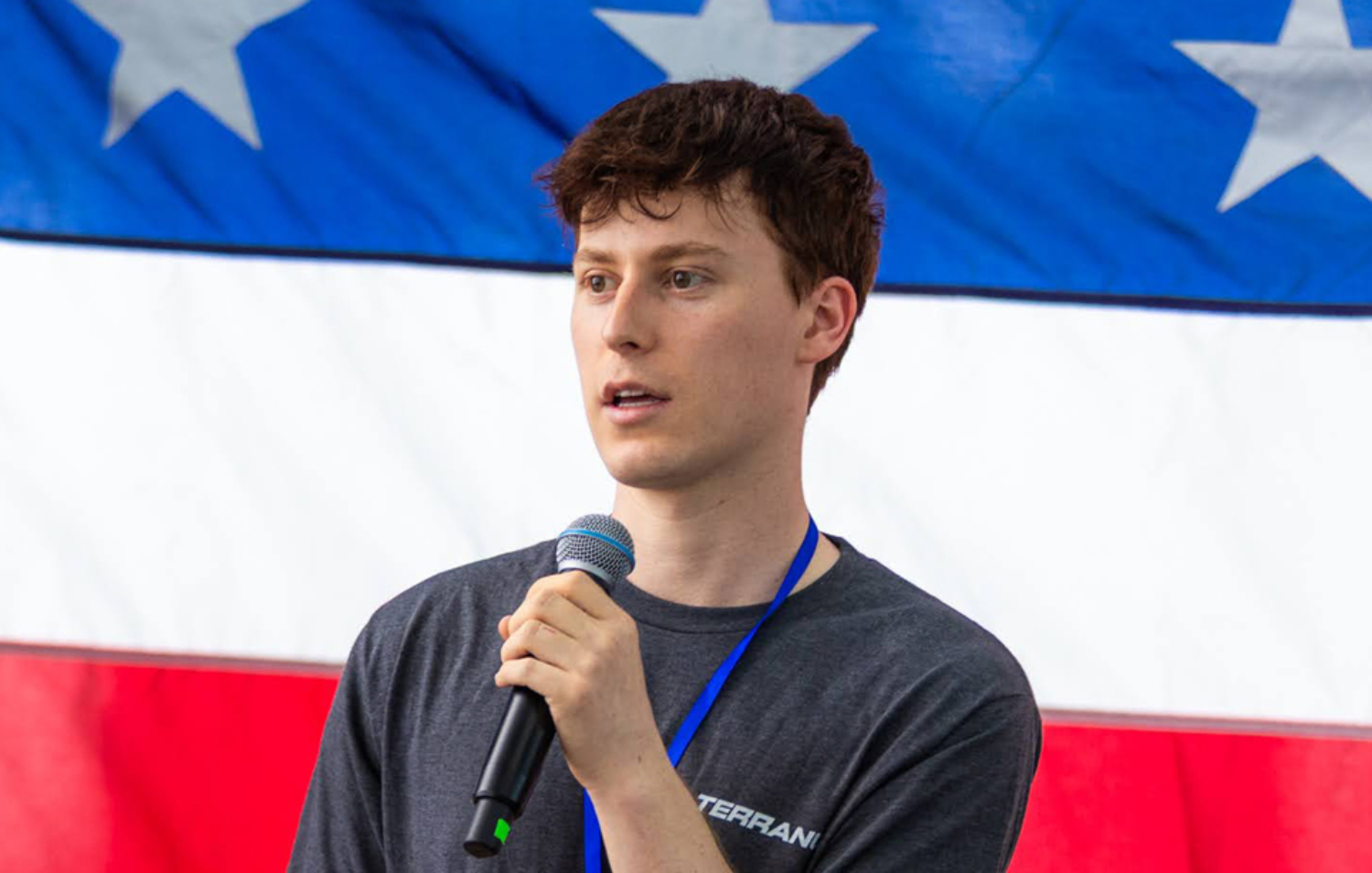
Laurence Allen is the co-founder and CEO of Terranova, a Berkeley-based startup building autonomous terraforming robots that lift flood-prone land out of harm's way by injecting wood waste slurry deep underground. A UC Berkeley Mechanical Engineering graduate (2024) who conceived the idea during a 2021 SpaceX internship, Allen launched the company — originally called Levitree — to save his own hometown of San Rafael, California, which floods to waist depth several times a decade. Terranova closed a $7M seed round in late 2025 at a $25.1M valuation led by Congruent Ventures and Outlander, and can lift one acre of land by one foot per day at a fraction of the cost of traditional seawalls. Allen was named to the 2026 Forbes 30 Under 30 list in Energy & Green Tech, took a leave from his Stanford master's program to scale Terranova full-time, and entered 2026 actively pursuing commercial elevation projects across the Bay Area for flood prevention, development, and wetland restoration.
Troy Carter
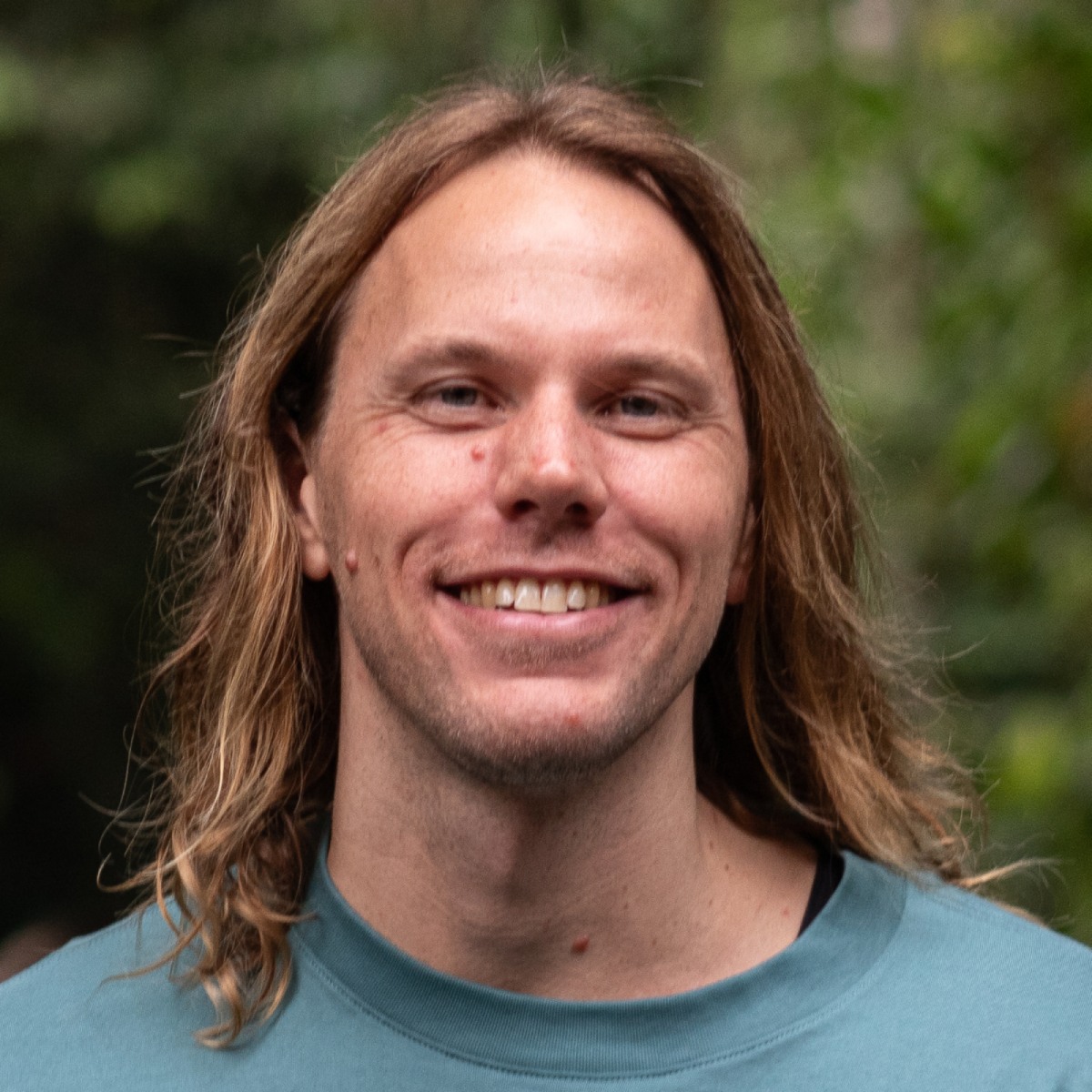
Troy Carter is the CEO and Co-Founder of Earthshot Labs, a Sebastopol, California-based climate tech company that uses AI-driven ecological modeling, satellite data, and geospatial analysis to develop, finance, and verify nature-based carbon projects at planetary scale. Before founding Earthshot in 2020, Carter co-founded RIZOME, a bamboo building materials company, and was an early employee at Airbnb. Raised on St. Croix in the U.S. Virgin Islands and educated at Stanford, he brings a rare combination of entrepreneurial grit and ecological urgency to the carbon markets, with Earthshot managing 50+ client projects across more than one million hectares and directing $55M+ in project financing.