biotech-ceo
(71)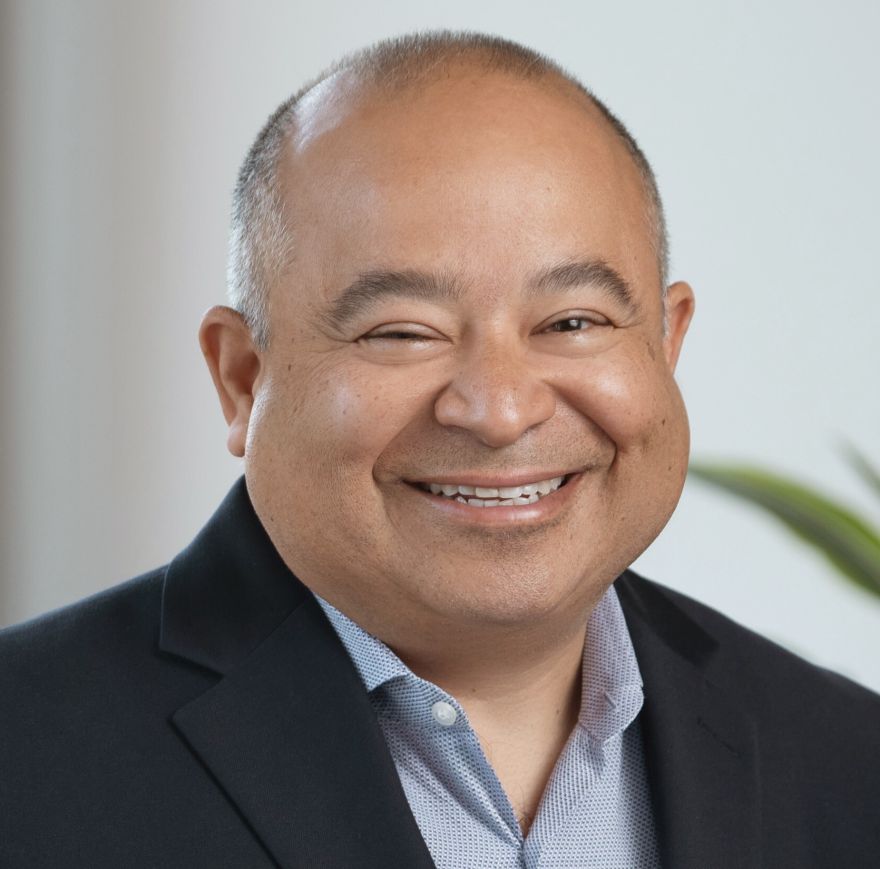
The Chemist Who Wants to Build a Kinder Cancer Drug
He spent 25 years learning how cancer drugs fail. Now he is running a company built on the idea that the next generation can be safer, steadier, and easier to live with.
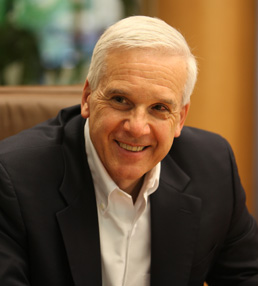
Albert Luderer
He spent thirty years turning lab science into products doctors actually use. Now he is betting that a synthetic peptide can beat the antibody at its own game.
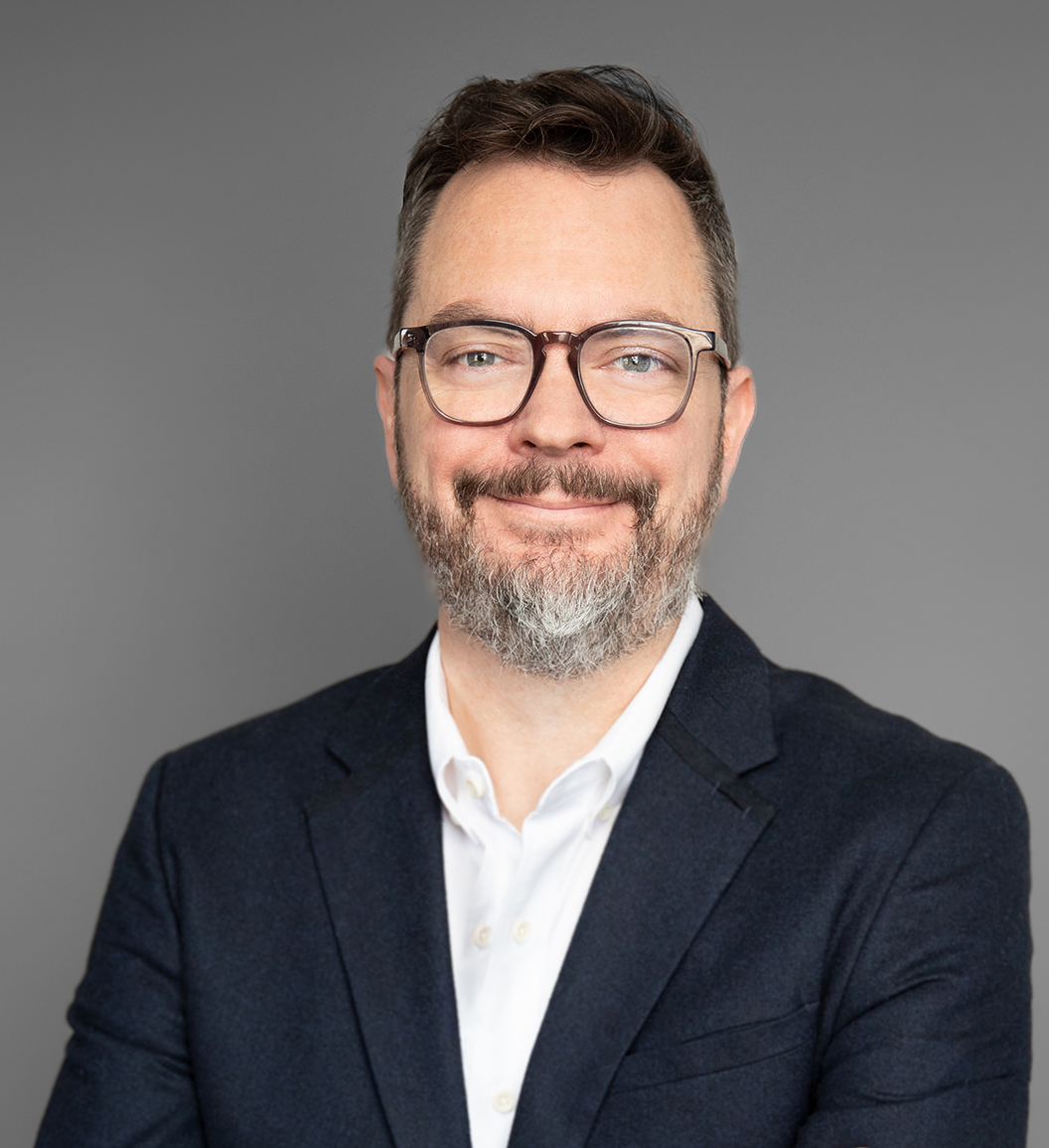
Adam Townsend
He spent two decades launching other people's medicines. Now he is running a biotech built to delete the antibodies that make patients sick - and taking the top job for the first time.
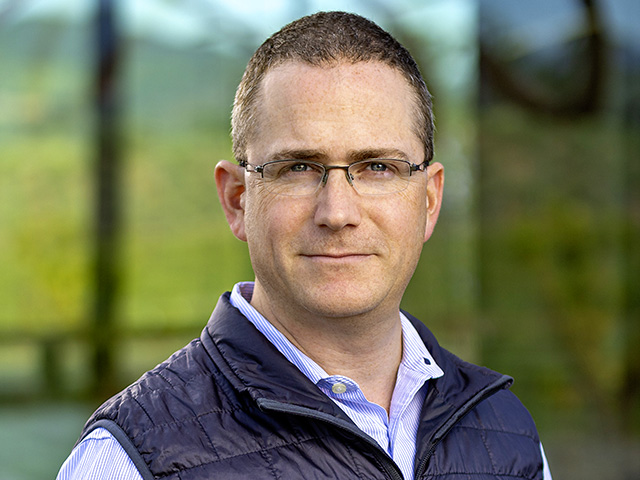
Adam Friedman
He took the name from the brightest star in the Scorpius constellation. Now Adam Friedman is betting a Boston biotech, and up to $1.9 billion in deals, on drugging the targets everyone else called impossible.
Suchul Jang
He spent a decade engineering tiny vesicles to smuggle drugs where they were needed. Now he is running the American arm of a Korean biotech that wants the brain to clean up after itself - quietly, without the inflammation that has shadowed Alzheimer's drugs for years.
Sabah Oney
Sabah Oney is the president and CEO of Dispatch Bio, a Philadelphia- and San Francisco-based biotech engineering a universal treatment for solid tumors using CAR-T cell therapy. Born in Cyprus and in the U.S. since age 18, he holds a genetics degree from the University of Kansas, a PhD in genetics and genomics from Duke, and an MBA from Stanford. Across nearly two decades in biotech he helped scale Ariosa Diagnostics (acquired by Roche), took Alector public as its chief business officer, co-founded Vilya, and served as a venture partner at ARCH. Dispatch launched publicly in 2025 with $216 million behind its FLARE platform and CAR-T pioneer Carl June among its founders.
Serge Messerlian
Serge Messerlian is the Chairman and CEO of Creyon Bio, a San Diego biotech using AI to design oligonucleotide medicines. A life-science operator with more than 25 years across oncology, hematology, immunology and rare disease, he has led Teon Therapeutics as CEO, run Janssen Oncology as President at Johnson & Johnson, and held senior roles at Actelion, Baxalta and Baxter International. He joined Creyon first as an investor and board member through DCVC Bio, then stepped in as Executive Chairman and Acting CEO in fall 2024 and took the full CEO title in April 2025 as the company prepares to enter the clinic in 2026.
Steven Everett
Steven Everett is a biotechnology executive and cancer scientist who founded MaveriX Oncology in Palo Alto, California, where he serves as President and CEO. With a background rooted in more than two decades of cancer research at the University of Oxford, University of Dundee and UCSF, he has built his career around a single idea: making cancer drugs that switch on only inside tumors. At MaveriX he is developing conditionally activated small-molecule therapeutics that exploit hydroxylase biology in the tumor immune microenvironment, aiming to hit cancer hard while sparing healthy tissue.
Tara Nickerson
Tara Nickerson, PhD, is President, CEO and Director of Therini Bio, a clinical-stage biopharmaceutical company developing fibrin-targeting immunotherapies for neurological and retinal diseases. A biopharma executive with more than 20 years of experience, she was a founding-team member and Chief Business Officer at both Maze Therapeutics and Prothena Corporation before taking the top job at Therini in 2024. She combines a research background from McGill University with an MBA from UC Berkeley's Haas School and a long track record of company-building, financing and dealmaking in the life sciences.
Tina Boville
Tina Boville is the co-founder and CEO of Aralez Bio, a Berkeley-based biotechnology company using directed evolution to make noncanonical amino acids - the building blocks behind a growing share of modern medicines. A biochemist trained at the University of Colorado and Caltech, where she worked in Nobel laureate Frances Arnold's lab, Boville turned an engineered enzyme platform into a company that can produce over 100 amino acids in single-step reactions, cutting manufacturing waste by up to 99%. She has been named to MIT Technology Review's Innovators Under 35, is an Activate Fellow, and in 2024 raised a $12 million Series A to scale production to tons per year.
Bryan Stuart
Bryan Stuart is the Chief Executive Officer and a director of Atavistik Bio, a Cambridge, Massachusetts biotechnology company building precision allosteric small molecule therapeutics on its Atavistik Metabolite-Protein Screening (AMPS) platform. He joined in July 2023 after more than two decades leading biopharma companies, including roles as CEO of Fulcrum Therapeutics, Yarra Therapeutics, and Kastle Therapeutics. Under his leadership Atavistik has raised a $120 million Series B in December 2025, later extended to $160 million, to advance its lead programs for hereditary hemorrhagic telangiectasia and myeloproliferative neoplasms toward the clinic.
David Weber
David Weber, PhD, is the President and CEO of Mosanna Therapeutics, a Redwood City biotech developing MOS118, a bedtime nasal spray for obstructive sleep apnea that aims to restore the body's natural airway reflex during sleep. A biotech operator with more than 30 years in drug development, capital formation, and corporate strategy, he previously led Otonomy through its IPO and multiple clinical programs, and served as CEO of MacuSight and Oculex Pharmaceuticals. He joined Mosanna in June 2025 as the company launched with an $80 million Series A.
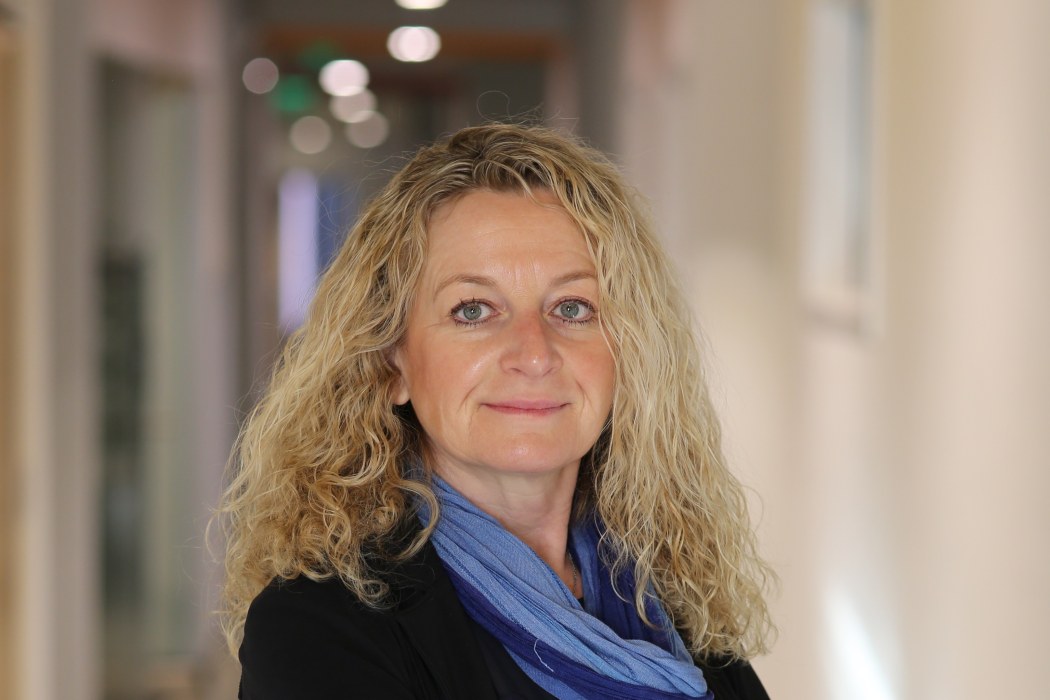
Dominique Verhelle
Dominique Verhelle is a French-born scientist and biotech entrepreneur who co-founded and leads NextRNA Therapeutics, a Boston company building small-molecule drugs that target long non-coding RNA to treat cancers and neurological disorders. With a PhD in life sciences and an MBA in entrepreneurship, she has spent more than two decades across big pharma, venture capital, and startups - including Celgene, Pfizer, Third Rock Ventures, and Takeda - and helped launch Fulcrum Therapeutics and Cedilla Therapeutics before starting NextRNA. She is also an outspoken advocate for women founders in biotech.
Eddine Saiah
Eddine Saiah, Ph.D., is the CEO and President of Stablix, a preclinical biotechnology company pioneering targeted protein stabilization (TPS) as a new class of small-molecule medicines. A medicinal chemist and drug hunter with more than 25 years of experience, he joined Stablix as Chief Scientific Officer in 2022 and moved into the chief executive role in 2025. His career spans big pharma research leadership at Pfizer and Wyeth, an entrepreneur-in-residence stint at Atlas Venture, and CSO duties at Navitor Pharmaceuticals. He is a co-inventor and author on more than 120 patents and publications, and has helped advance more than a dozen small-molecule candidates into clinical trials.
Feng Xuan
Feng Xuan is a Boston-based scientist-entrepreneur and the co-founder and CEO of Spear Bio, a biotechnology company building ultra-sensitive immunoassays for protein research and early disease diagnostics. He invented the company's core SPEAR (Successive Proximity Extension Amplification Reaction) technology as a Technology Development Fellow at Harvard's Wyss Institute, translating a decade of research in molecular and immuno-diagnostics into a platform that can measure minute quantities of protein biomarkers from sub-microliter samples. Under his leadership, Spear Bio raised an oversubscribed $45 million Series A in 2024 and earned FDA Breakthrough Device Designation for a blood-based pTau 217 test aimed at early Alzheimer's disease detection.
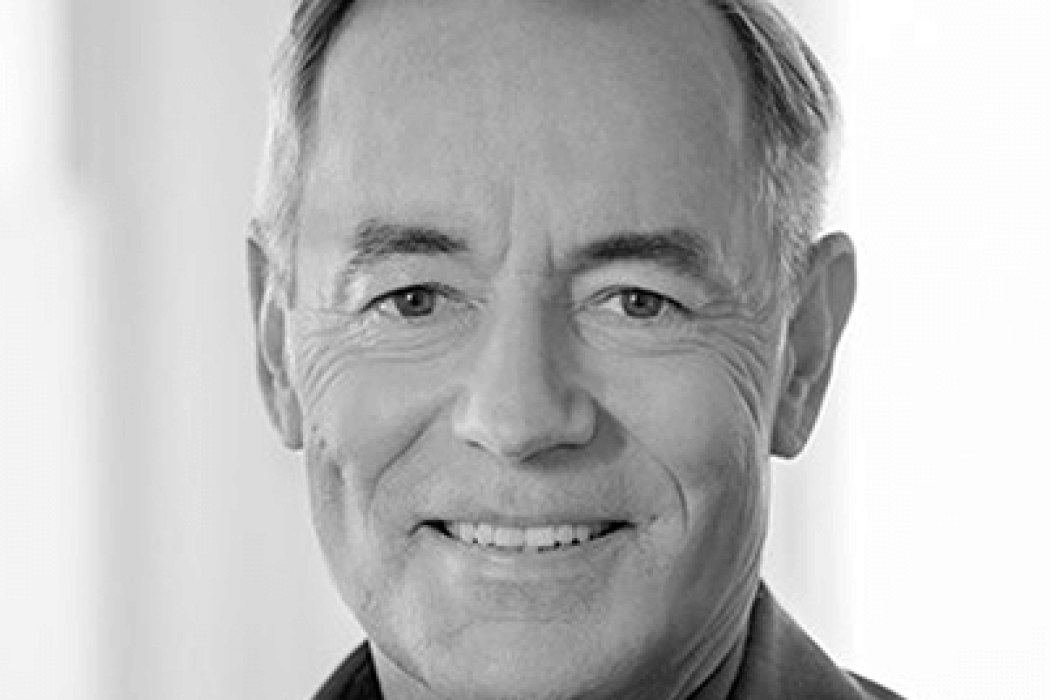
Gerhard Koenig
Gerhard Koenig is the Chief Executive Officer of Augustine Therapeutics, a Belgian-Boston biotechnology company developing highly selective, brain-penetrant HDAC6 inhibitors for neuromuscular, neurodegenerative and cardiometabolic diseases. A neurobiologist by training with more than 30 years in drug development, he has led and co-founded multiple biotechs, including Arkuda Therapeutics, whose portfolio was acquired by Johnson & Johnson, and Quartet Medicine. He stepped up from Executive Chairman to CEO of Augustine in January 2025 as the company moved to enter the clinic, then helped close a large Series A to fund a proof-of-concept trial in Charcot-Marie-Tooth disease.
Howard L. Kaufman
Howard L. Kaufman, M.D., FACS, is a surgical oncologist and cancer immunotherapy pioneer who serves as President and CEO of Ankyra Therapeutics, a Boston clinical-stage biotech developing anchored immunotherapies. He led the pivotal Phase III trial of T-VEC, the first oncolytic virus ever approved by the FDA for cancer, and has published more than 500 scientific papers over a 20-plus year research career. He now leads Ankyra's work on anchored IL-12 therapy, tolododekin alfa (ANK-101), aiming to deliver powerful immune drugs directly into tumors without the toxicity of systemic dosing.
Jack Hoppin
Jack Hoppin is the co-founder, chairman, and CEO of Ratio Therapeutics, a Boston-based biotech developing targeted radiopharmaceuticals for cancer. A mathematician by training with a PhD in applied mathematics, he previously co-founded the molecular imaging company Invicro and led Konica Minolta Precision Medicine. At Ratio he pairs with scientific co-founder John Babich to build fit-for-purpose radioligand therapies on the company's Trillium pharmacokinetic-modulation and Macropa chelation platforms, backed by investors including Bristol Myers Squibb and a partnership with Novartis.
James O'Mara
James (Jim) O'Mara is the President and CEO of Neurogastrx, a Woburn, Massachusetts specialty pharmaceutical company developing oral therapies for gastrointestinal disorders. A pharmacist by training with decades in biotech, he was one of the original members of the LINZESS team at Ironwood Pharmaceuticals, where he rose to Senior Vice President of Corporate Development and drove licensing deals across the U.S., Europe, Japan and China. At Neurogastrx he raised a $60 million Series B and is steering the company's lead candidate, NG101, through clinical studies aimed at the nausea and vomiting that lead many patients to abandon GLP-1 weight-loss and diabetes medicines.
Joanna Stanicka
Joanna Stanicka is the co-founder, president and CEO of Axonis Therapeutics, a Boston clinical-stage biotech developing first-in-class oral medicines that target the brain chloride transporter KCC2 to treat epilepsy, neuropathic pain and spinal cord injury. A Harvard-trained neuroscientist who began her career in cancer biology in Ireland, she moved from the bench to the boardroom, taking Axonis from a Boston Children's Hospital discovery to a company that raised a $115 million Series A in 2024 and pushed its lead drug, AXN-027, into first-in-human trials.
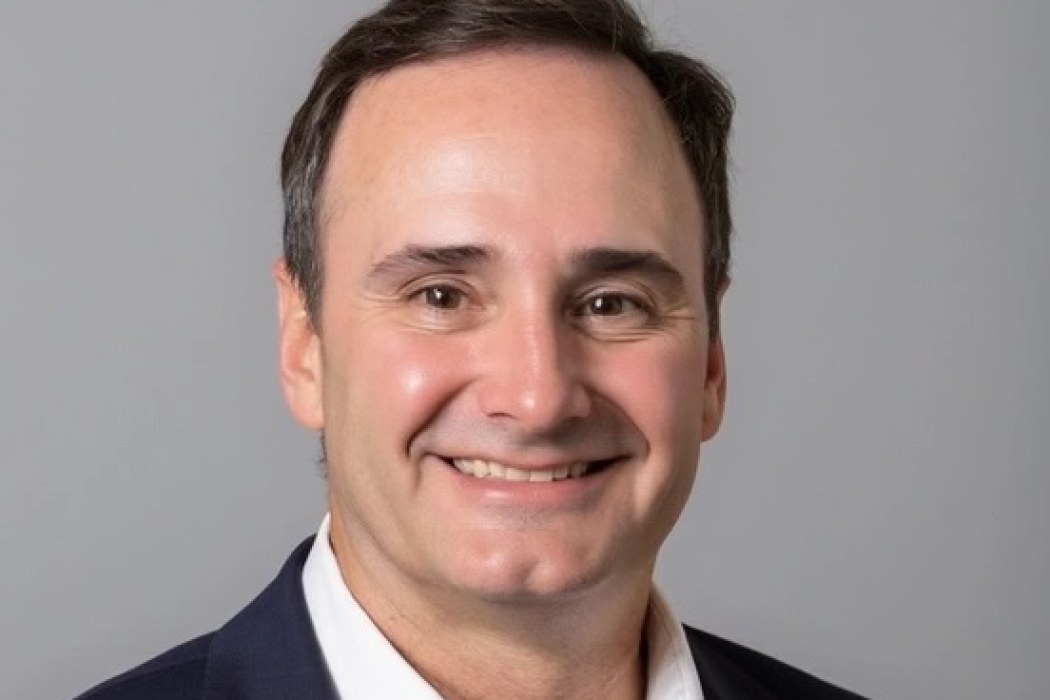
Joe Loy
Joe Loy is the President and CEO of Zetagen Therapeutics, a Syracuse, New York clinical-stage biopharmaceutical company developing small-molecule therapies to treat metastatic cancer in bone and soft tissue while regenerating healthy bone. A serial entrepreneur with several successful exits, Loy has spent his career building teams around first-to-market medical technologies at companies including US Surgical, Pfizer/Leibinger, NuVasive, and Stryker. Since taking the helm in January 2019, he has guided Zetagen through two FDA Breakthrough Device Designations, multiple financing rounds, and the launch of Phase 2a clinical trials for its lead candidate ZetaMet.
Joel Schneider
Joel Schneider is the founder, president and CEO of Carbon Biosciences, a Waltham, Massachusetts biotech building gene therapies from parvovirus-derived vectors rather than the more common adeno-associated viruses. He launched the company out of stealth in 2022 with a $38 million Series A led by Agent Capital, pairing his operating background with the science of gene therapy pioneer Robert Kotin. Trained as a stem cell biologist with a Rutgers Ph.D. and a Harvard postdoc, Schneider was the first employee at Solid Biosciences before founding Carbon to push vectors that carry larger genetic payloads, target specific tissues such as the lung, and sidestep the pre-existing immunity that limits current gene therapies. Carbon's lead program targets cystic fibrosis.
Katherine Bowdish
Katherine (Kathy) Bowdish is a molecular geneticist and biopharmaceutical leader who serves as President and CEO of PIC Therapeutics, a Natick, Massachusetts biotech developing cancer drugs that work by modulating RNA translation - targeting the eIF4E 'master switch' that tumors use to overproduce oncogene proteins. Over more than two decades she has founded and led a string of early-stage life science companies including Prolifaron (acquired by Alexion), Anaphore and Permeon Biologics, and she built and ran Sanofi Sunrise, the pharma giant's early-stage venture and partnering arm. She holds a PhD in molecular genetics from Columbia and led PIC through a $35 million Series A to push its lead program toward the clinic in drug-resistant breast cancer.
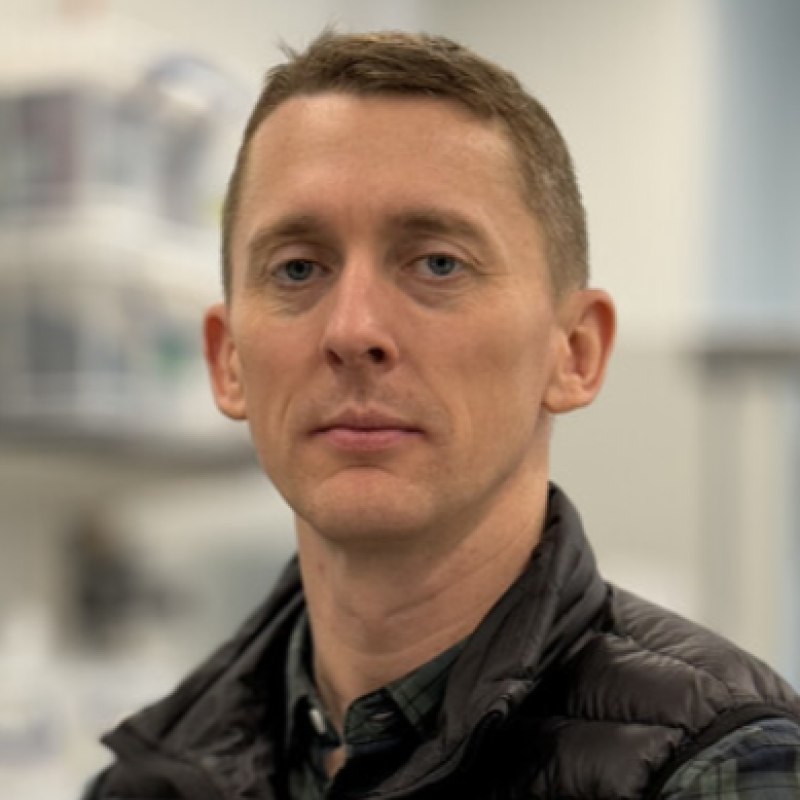
Kevin Walton
Kevin Walton is the Chief Executive Officer and Board Director of Baseimmune, a London-based biotech using AI and computational protein design to build next-generation vaccines and active immunotherapies. He joined in 2024 after a career in biotech corporate development and dealmaking at Moderna, StrideBio, Curis and G1 Therapeutics, and is steering the company beyond infectious-disease vaccines into chronic diseases, starting with a lead fibrosis program in idiopathic pulmonary fibrosis.
Lina Yao
Lina Yao is a pharmaceutical scientist and the founder of Teon Therapeutics, a Redwood City, California biotech developing first-in-class, orally administered small-molecule cancer drugs that target G-protein coupled receptors to reverse tumor-driven immune suppression. A molecular pharmacologist by training with an MD and PhD and more than two decades in drug discovery, she built her career at CV Therapeutics and Gilead Sciences before launching Teon in 2018. She led the company through an oversubscribed $30 million Series A in 2021 and into the clinic with two novel programs: TT-702, an adenosine A2B receptor antagonist, and TT-816, a cannabinoid CB2 receptor antagonist being studied in combination with Merck's KEYTRUDA.
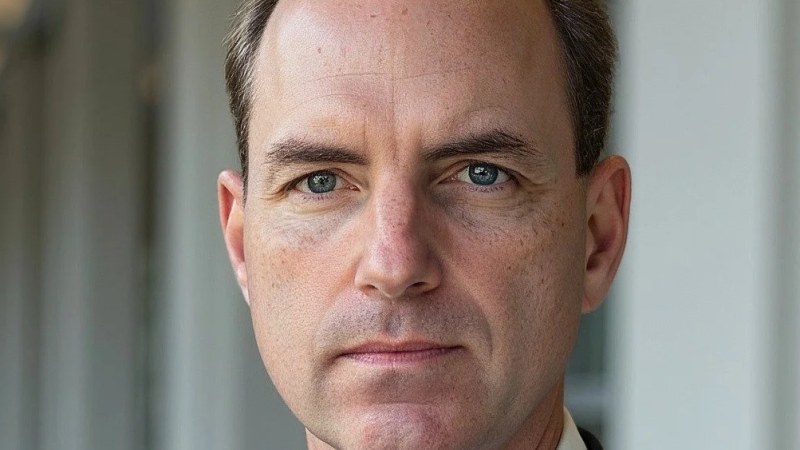
Robert Jacks
Robert Jacks is President & CEO of Sparrow Pharmaceuticals, a Boston-based clinical-stage biopharmaceutical company developing targeted therapies for disorders driven by intracellular cortisol excess. In September 2025 he closed a $95 million Series B co-led by RA Capital and Forbion to advance clofutriben, an HSD-1 inhibitor, through a Phase 2b trial in type 2 diabetes patients with elevated cortisol. A civil engineer turned biotech operator, Jacks has spent 25 years in the industry, co-founded Symbiomix Therapeutics (sold after Solosec NDA approval), previously led Indalo Therapeutics, and has raised more than $300 million across his companies.
Sean X. Hu
Sean X. Hu is the President and CEO of Rapafusyn Pharmaceuticals, a Baltimore-based biotech spun out of Johns Hopkins that is building a library of natural-product-like macrocycles it calls RapaGlues. He is a genomics PhD turned Wharton MBA turned management consultant turned operator, with prior stops at Bristol Myers Squibb, CuraGen, Illumina, AT Kearney, IMS, Bionest, BioStrat, GlobalData, and Avotres. In September 2025 he closed an oversubscribed $44M Series A led by BioTrack Capital and Yonjin Capital to push RapaGlues into difficult-to-drug targets.
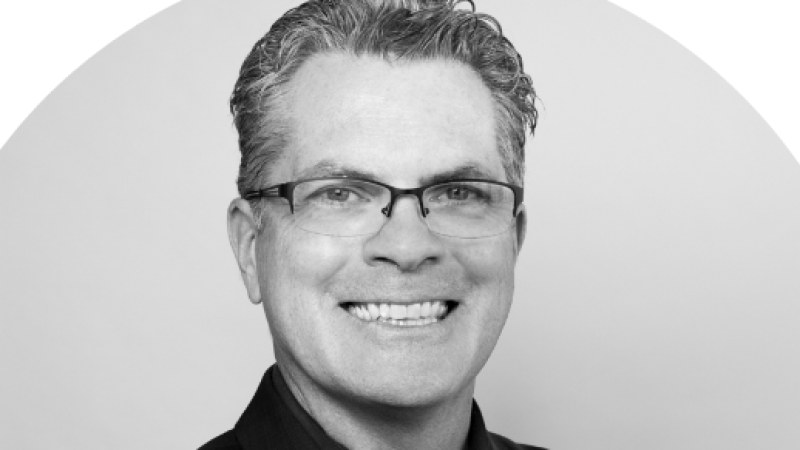
Terrence Connolly
Terrence (Terry) Connolly is a chemist-turned-dealmaker who runs K36 Therapeutics, a Cambridge, Massachusetts biotech chasing a single target: NSD2/MMSET, an epigenetic switch that drives hard-to-treat cancers. A Ph.D. organic chemist who started at the lab bench making molecules at Roche, Wyeth and Celgene, he crossed over into business development at Celgene, closed more than two dozen deals, then ran the business side at Skyhawk and Dragonfly. In 2021 he took the top job at K36, and now steers its lead compounds KTX-1001 (for t(4;14) multiple myeloma) and KTX-2001 (for treatment-resistant prostate cancer) through early clinical trials, backed by a $70 million Series B led by Nextech Invest with Bristol Myers Squibb participating.
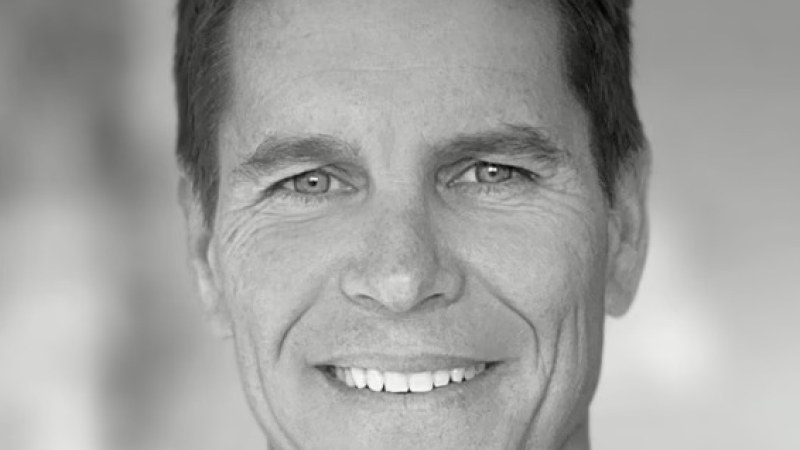
Todd Dickinson
Todd Dickinson is the CEO and a board member of Stellaromics, a Boston biotech commercializing 3D spatial biology born from Karl Deisseroth's Stanford lab and Xiao Wang's work at MIT and the Broad Institute. A Tufts-trained analytical chemist who did his PhD under David Walt, he spent more than 20 years turning genomics inventions into products: over a decade at Illumina during its rise as the DNA-sequencing leader, commercial work on Bionano Genomics' Irys nanochannel arrays, and CEO stints at Dovetail Genomics and Arc Bio, which he merged into Cantata Bio in 2022. At Stellaromics he raised $80 million in Series B (led by Catalyst4 with Stanford University Ventures) to launch Pyxa, the first commercial platform that reads gene expression inside intact tissue up to 40x thicker than conventional methods.
Tony Kingsley
Tony Kingsley is a biopharmaceutical executive who runs Stablix, Inc., a New York biotech betting that you can treat disease by protecting proteins instead of destroying them. He took the CEO seat in February 2022 after a career of running one drug company after another - Scholar Rock, TARIS Bio, The Medicines Company - and heading global commercial at Biogen, with a McKinsey partnership and a stint in medical devices before that. In July 2025 he joined the board of Indivior. He holds a Dartmouth degree and a Harvard MBA.