Breaking Sparrow Pharmaceuticals closes $95M Series B — Sept 24, 2025 Clofutriben advances to Phase 2b in Type 2 Diabetes with Elevated Cortisol RA Capital & Forbion co-lead the round OrbiMed, RiverVest, US Venture Partners participate CAPTAIN-T2D readout expected 2027 Breaking Sparrow Pharmaceuticals closes $95M Series B — Sept 24, 2025 Clofutriben advances to Phase 2b in Type 2 Diabetes with Elevated Cortisol RA Capital & Forbion co-lead the round OrbiMed, RiverVest, US Venture Partners participate CAPTAIN-T2D readout expected 2027
Profile · Biopharma · Boston

Robert
Jacks.

President & CEO · Sparrow Pharmaceuticals

A civil engineer with two engineering degrees, an MBA, and a Phase 2b trial. Sparrow just closed $95 million to prove that a hidden hormone is making treatment-resistant diabetes worse - and that a small pill can turn it down.

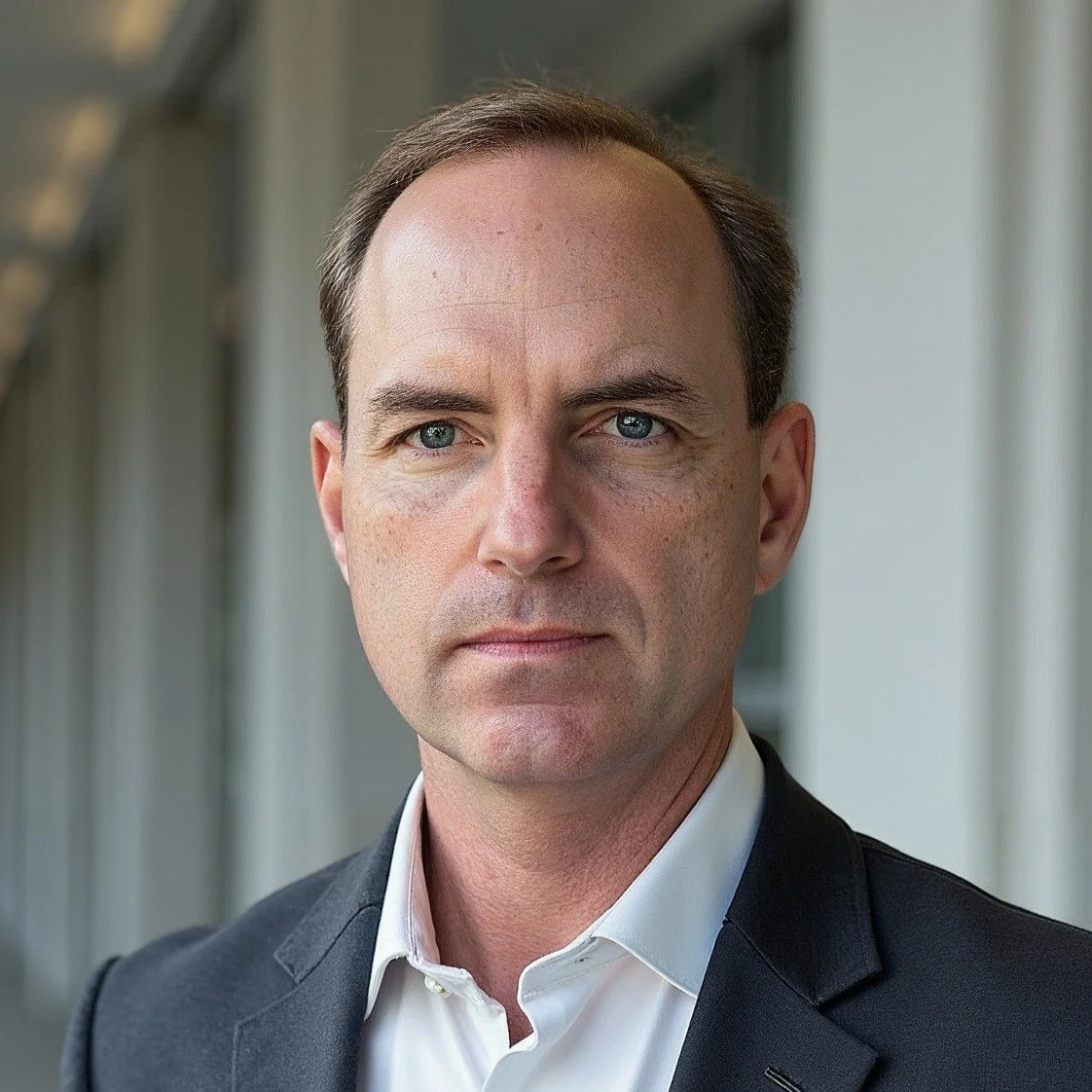
Robert Jacks, President and CEO of Sparrow Pharmaceuticals
He does not look up when the elevator dings. He is reading a slide deck about an enzyme called HSD-1.

$95M
Series B, Sept 2025
$300M+
Raised across career
3
CEO seats
25 yrs
In biopharma

An engineer chases a hormone.

Robert Jacks runs a Boston biopharma of eighteen people, headquartered at a State Street address that gives no clue what happens inside it, and in September of 2025 he closed $95 million to keep a Phase 2b trial moving. The trial is called CAPTAIN-T2D. The drug is called clofutriben. The target is an enzyme most people have never heard of, and the argument, which he makes patiently and often, is that if you turn the enzyme down, you take a hidden lever out of type 2 diabetes.

The lever, in Jacks's telling, is cortisol - not the cortisol in your bloodstream that a lab draw would catch, but the cortisol that cells generate on their own, inside themselves, by taking an inactive precursor and switching it on. The enzyme that does the switching is called 11β-HSD-1. Clofutriben, previously known as SPI-62, blocks it. Sparrow's bet is that in a subset of type 2 diabetics whose cells are quietly manufacturing too much cortisol, blocking the enzyme will do what diet and metformin and even the newer incretin drugs will not. Whether that bet works is a 2027 question. The check to answer it cleared in September.

The round was co-led by RA Capital Management and Forbion, with OrbiMed, RiverVest and US Venture Partners following on. OrbiMed matters here for a second reason: before Sparrow, before Indalo, before any of the CEO seats, Jacks was an Entrepreneur-in-Residence at OrbiMed. Biotech venture capital has this recursive quality where the firm gives you a desk, waits to see what you build, and then buys some of it. That is roughly the arc he is on.

Before Sparrow he ran Indalo Therapeutics, a clinical-stage biotech going after fibrotic disease. Before Indalo he co-founded Symbiomix Therapeutics, sat as its President and CFO, and shepherded it through NDA approval for Solosec. Symbiomix was then sold, which is the outcome founders like to describe using the word "outcome." Before Symbiomix he was SVP of Corporate Development at Tobira Therapeutics, and before Tobira he ran his own consulting shop, Daristen Health, which existed to do corporate development for other people's biotechs.

The origin story is engineering. Duke undergrad in civil engineering, Stanford for the master's, same discipline. Then a pivot: Columbia Business School for the MBA, and a first job at Pfizer, on the finance and product development side, working his way up to Director of Business Development for Oncology and Infectious Diseases. There is a version of this résumé where a person keeps signing licensing deals inside a large pharmaceutical company until they retire from a large pharmaceutical company. Jacks did not do that. He left, consulted, co-founded, and then kept co-founding.

What separates Sparrow from a lot of clinical-stage biotech is what it is not chasing. It is not chasing weight loss. It is not chasing a GLP-1 receptor. It is chasing an intracellular steroid pathway, and specifically the patient population whose diabetes will not respond to the drugs everyone else is making. The FDA has given Sparrow orphan drug designation for related indications in the past. The pipeline includes SPI-62, now clofutriben, and SPI-47. The company positions its work under a phrase - precision endocrinology - that describes the ambition better than the branding.

The Series B announcement was accompanied by the kind of quote CEOs are expected to give, which Jacks provided: he called the round a reflection of strong conviction in Sparrow's strategy and the clinical promise of clofutriben. Elsewhere, in a podcast interview, he said something more interesting. He said Sparrow had come full circle with the mechanism of its drug - "we have a drug that targets HSD-1... it's involved in intracellular cortisol regulation" - which is CEO shorthand for the fact that the science and the business plan have finally lined up on the same target.
"I feel as though Sparrow has come full circle, actually, with the mechanism of our drug. Originally, we have a drug that targets HSD-1. It's involved in intracellular cortisol regulation." — Robert Jacks, Empowered Patient Podcast

The operator's biography is easier to read than the drug's. Two engineering degrees imply someone who likes systems - inputs, outputs, load-bearing assumptions - and a career that begins in finance at Pfizer implies someone who also likes to know where the money is going. The Columbia MBA sits between those two instincts. Ask a biotech CEO what makes their company good and you will hear about the science; ask an engineer-turned-financier-turned-CEO and you may also hear about the org chart. In interviews, Jacks tends to talk about ownership, agility, and quick pivots - the three phrases operators use when they have watched things go wrong at other companies and would like to avoid the same failure modes.

Sparrow's headcount is small enough that the CEO probably knows what everyone is working on this week. The Series B was priced to buy the runway through CAPTAIN-T2D. The Phase 2b design is public. The lead investors are not tourists. The mechanism, HSD-1 inhibition, has attracted and disappointed programs at bigger companies before; Sparrow is arguing that with the right patient selection - the subset with elevated cortisol - the mechanism finally has a fair test.

What is unusual, and what makes Sparrow more interesting than the average clinical-stage story, is the theory of the case. The dominant narrative in diabetes right now is metabolic: insulin resistance, incretin biology, body weight, GLP-1. Sparrow is proposing an endocrine one: cortisol excess, quiet and cellular, driving a subset of patients past the point where the metabolic drugs will help. If Sparrow is right, clofutriben is not a competitor to a GLP-1 - it is a complement, aimed at the patients no one else can reach. That is a specific claim, with a specific 2027 date attached to it, and it is what the $95 million bought.

Outside the office, per Sparrow's leadership page, Jacks spends considerable time with his two daughters. The company photograph shows him in a shirt and no tie, looking at the camera the way people look at cameras when they would rather be doing something else. It is a good photograph of a working CEO.


The résumé, in order.

Duke
BSE, Civil Engineering.
Stanford
MSE, Civil Engineering.
Columbia
MBA, Columbia Business School.
Pfizer
Finance and product development. Ends as Director of Business Development, Oncology and Infectious Diseases.
Daristen
Founds Daristen Health, a corporate-development consultancy.
Tobira
SVP of Corporate Development at Tobira Therapeutics.
Symbiomix
Co-founder, President and CFO. Sold following Solosec NDA approval.
ACT Bio
Head of Business Development, ACT Biotech.
OrbiMed
Entrepreneur-in-Residence at OrbiMed Advisors.
Indalo
President & CEO, Indalo Therapeutics (fibrotic disease).
2021.05
Appointed President & CEO of Sparrow Pharmaceuticals.
2025.09
Closes $95M Series B co-led by RA Capital and Forbion.

Where the $95 million came from.

Series B — Sept 24, 2025
RA Capital (co-lead)Lead
Forbion (co-lead)Lead
OrbiMedFollow-on
RiverVestFollow-on
US Venture PartnersFollow-on
Bar length is illustrative — actual allocations not disclosed.
Total funding to date
Series A ($50M)Prior
Series B ($95M)Sept 2025
Other roundsHistoric
~$218M reported total funding; individual round sizes vary.

Details that stuck.

Bridges to biology

Two engineering degrees.

Duke and Stanford, both in civil engineering. He then went to Columbia for the MBA and to Pfizer for the first job, and he has been doing biotech ever since.

Third seat

Sparrow is CEO seat number three.

Indalo before this. Symbiomix before that (co-founder, sold after NDA approval for Solosec).

Pfizer origin

Started in oncology BD.

Left Pfizer as Director of Business Development for Oncology and Infectious Diseases before going the operator route.

EIR pipeline

Was an OrbiMed EIR.

Now OrbiMed is on the Sparrow cap table alongside RA Capital and Forbion.

Lean shop

Eighteen employees, $95M B.

Sparrow's public headcount is small. Most of the money will move through the CAPTAIN-T2D trial.

Two daughters

Outside the office.

Per the Sparrow leadership page, he spends considerable time with his two daughters.


Questions people actually ask.

Who is Robert Jacks?

President and CEO of Sparrow Pharmaceuticals, a Boston-based clinical-stage biopharma developing therapies for disorders of intracellular cortisol excess.

What does Sparrow Pharmaceuticals do?

Its lead candidate is clofutriben (SPI-62), an HSD-1 inhibitor now in a Phase 2b trial called CAPTAIN-T2D for type 2 diabetes with elevated cortisol. Results are expected in 2027.

How much money has Sparrow raised?

Sparrow closed a $95M Series B in September 2025 co-led by RA Capital Management and Forbion, with OrbiMed, RiverVest and US Venture Partners participating. Reported total funding is approximately $218M.

What did Robert Jacks do before Sparrow?

He was President & CEO of Indalo Therapeutics and co-founded Symbiomix Therapeutics (sold after Solosec NDA approval). He held senior roles at Tobira and ACT Biotech, was an Entrepreneur-in-Residence at OrbiMed, and started his career at Pfizer.

Where did he go to school?

MBA from Columbia Business School, MSE in Civil Engineering from Stanford, BSE in Civil Engineering from Duke.


Where to read more.

Sources: Sparrow Pharmaceuticals leadership page, September 2025 Series B press release (BioSpace, Fierce Biotech, GlobeNewswire), Empowered Patient Podcast interview transcript, ICR podcast Episode 79, LinkedIn, Crunchbase.