austin
(262)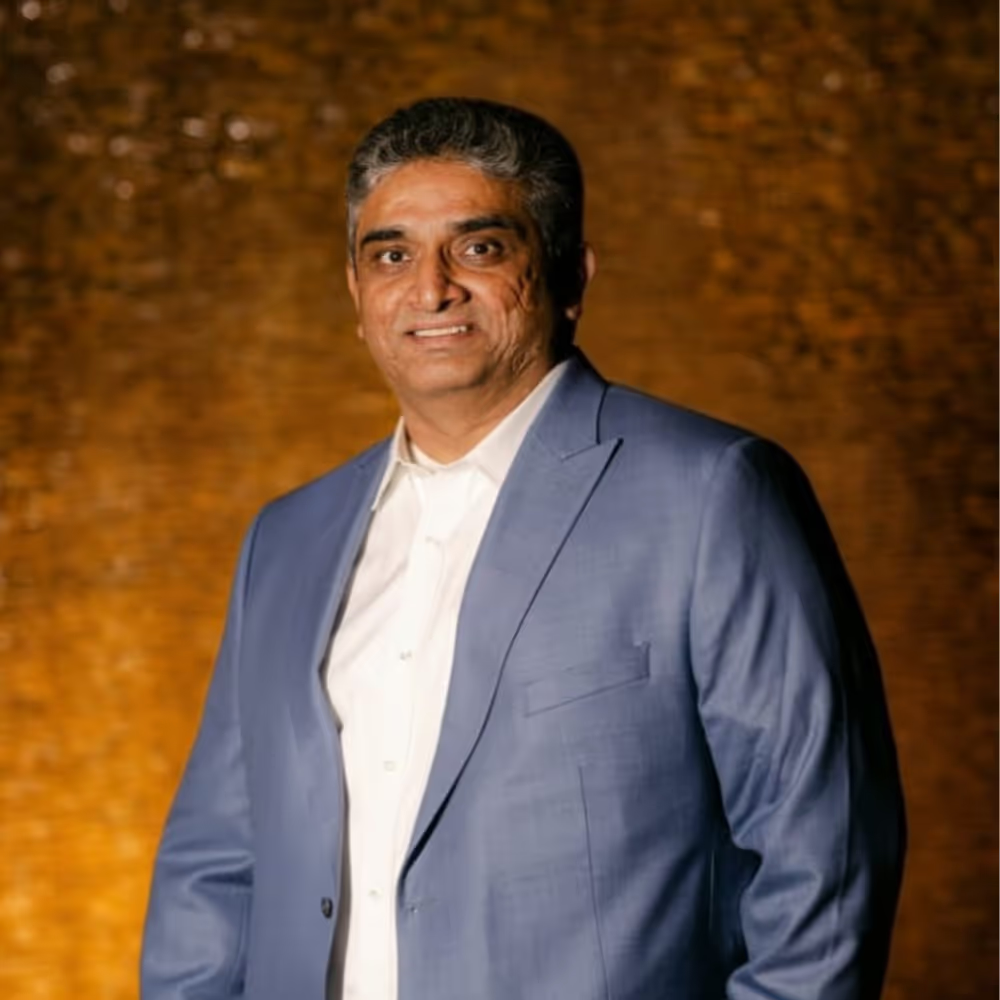
Eswar Lingam and the business of making software work
The Fission Labs co-founder has a practical answer to ambitious technology: choose the right projects, build teams that can deliver, and give customers something they can use.
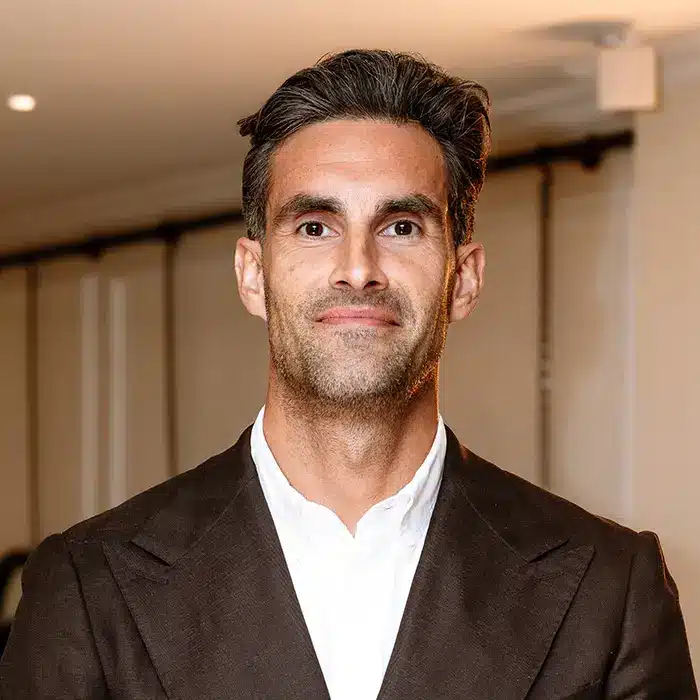
Alex Preece knows the price of starting again
An Army veteran, a failed shop, an £11 million sale. Tillo’s co-founder has brought every lesson to a business built around an unexpectedly useful object: the gift card.
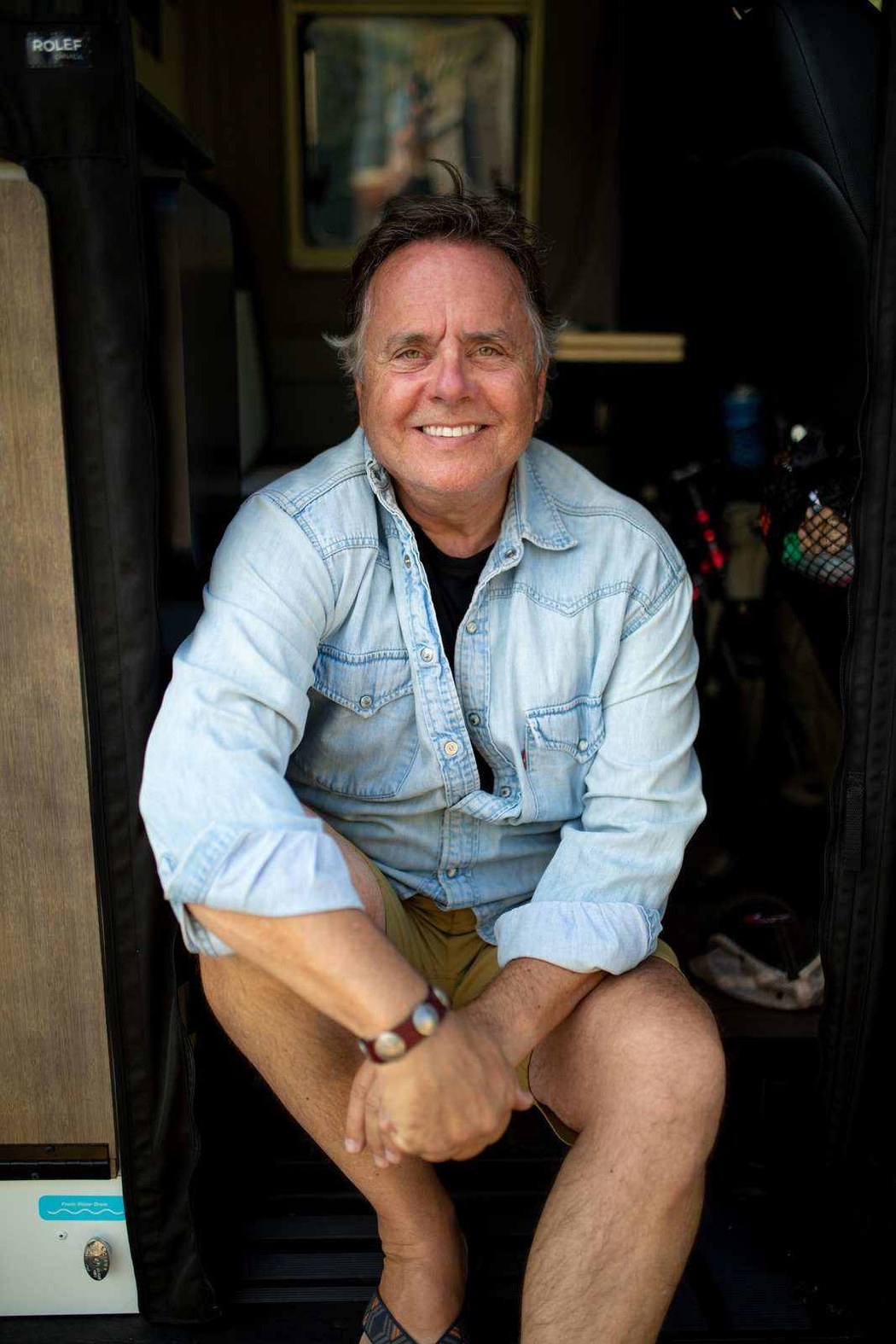
Jeff Cavins sold his house. Then he built a business around the open road.
An Airstream named Eddie took Jeff Cavins and Jen Young into the RV business. A decade later, their road trip has led to The Ride Platform, with software, insurance and a new ambition for mobility operators.
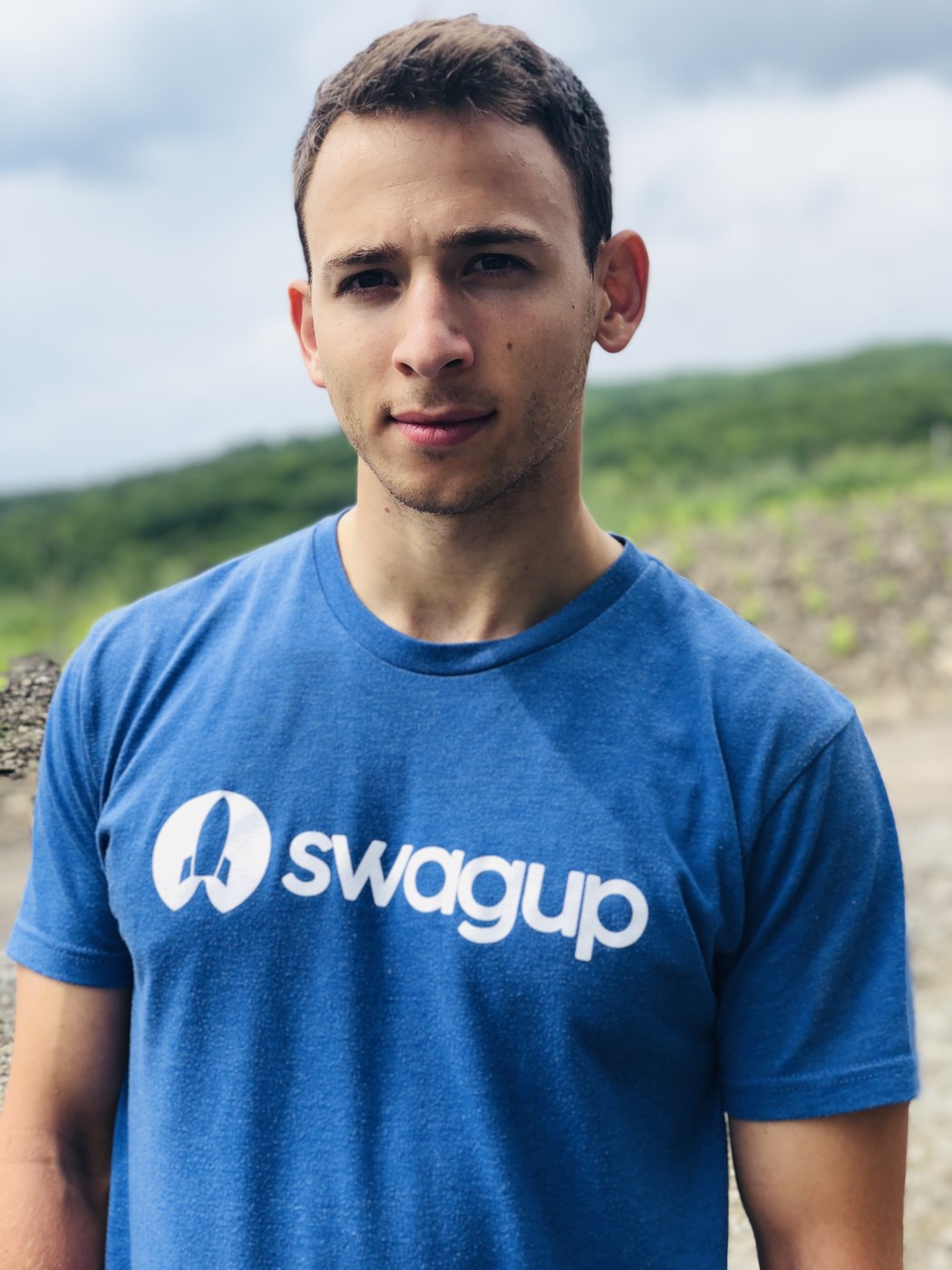
Michael Martocci built SwagUp. Now he’s taking the Backroad.
After nine years building SwagUp, Michael Martocci left in June 2026. His next venture, Backroad, brings a lifelong interest in cars to the business of understanding their market.
Krishna Poda wants your numbers to agree
From Oracle to a bootstrapped analytics business, Krishna Poda has pursued a stubborn problem: helping growing brands make decisions from numbers they can trust. Now he is bringing that same preoccupation to AI.

Brian Jones built a business on less paperwork
The Gravity Lending co-founder and CEO has spent years working on an unglamorous problem: getting a loan finished. His Austin company puts digital tools, experienced people, and fewer unnecessary steps to work on it.
Jason Black has a place for you in the game
From a spiral-bound Boundless pitch to public golf in Austin, Jason Black has built businesses by bringing people along. His next invitation is a neighbourhood course in San Antonio.

David Casem would rather own the wires
He started with phone-system installations and taught himself to build the network underneath them. Now the Telnyx co-founder is applying the same instinct to AI: own the infrastructure, shorten the journey, and make the conversation useful.

Eyal Shinar has a business proposition: stop waiting.
His mother’s staffing business had customers, growth and a shortage of cash; Eyal Shinar built Fundbox to tackle the wait for payment. At Black Ore, he is taking on the hours swallowed by tax preparation.
Sergiy Korniyenko knows what growth asks of a company
Before co-founding Agiliway, Sergiy Korniyenko worked on the machinery of a much larger software business. His next chapter brought nonprofit software, a hurried expansion into Poland, and a recurring question: how do you grow without losing the people in the process?
John Mitchell’s sixth episode began on an Austin porch
After years of working around the limits of payment systems, John Mitchell and two longtime colleagues started again. Episode Six carries their wager that banks can change their future without dismantling their past.
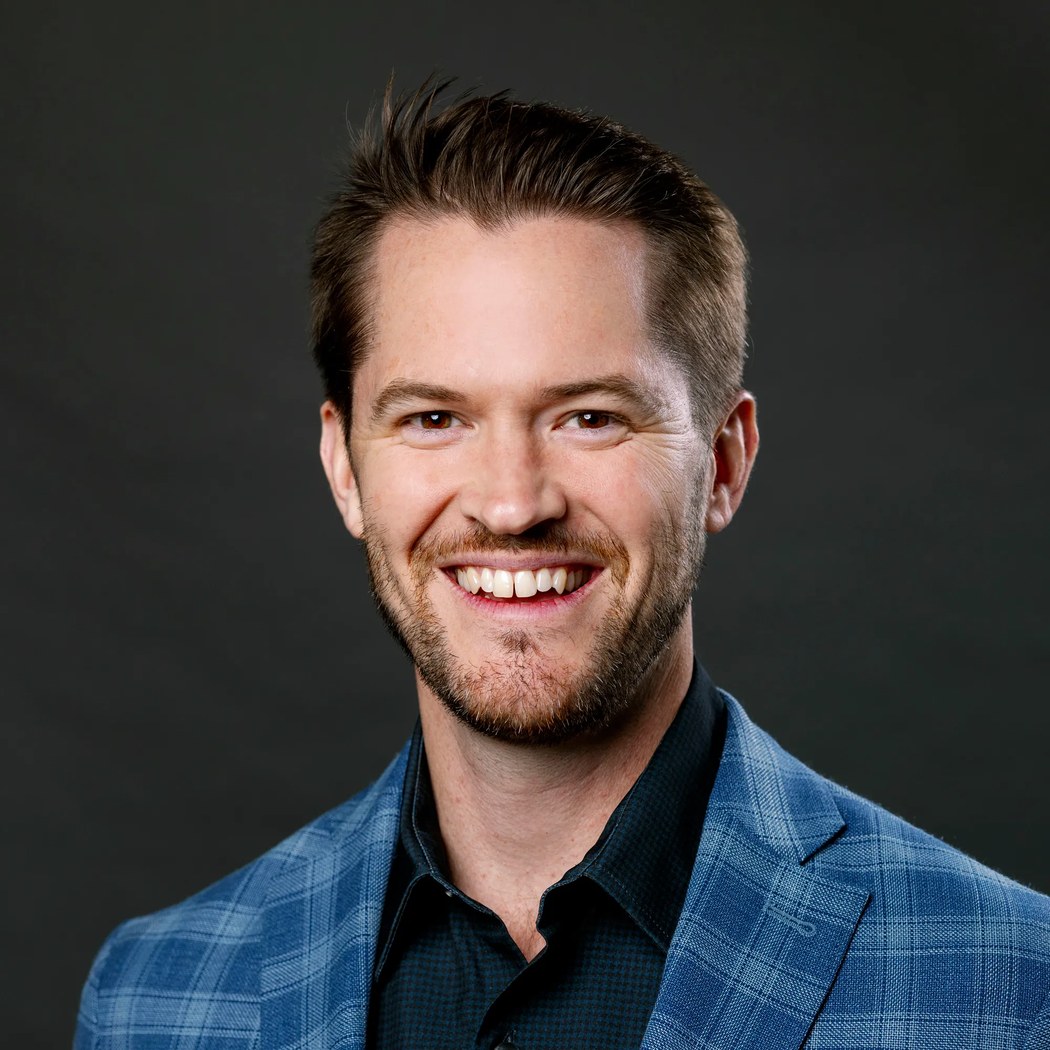
Tim Hamilton built a business at 16. Learning what to stop building took longer.
A $75 poster helped set the Praxent founder on his way. A costly turn toward financial services taught him that a company needs more than a willing programmer at its centre.
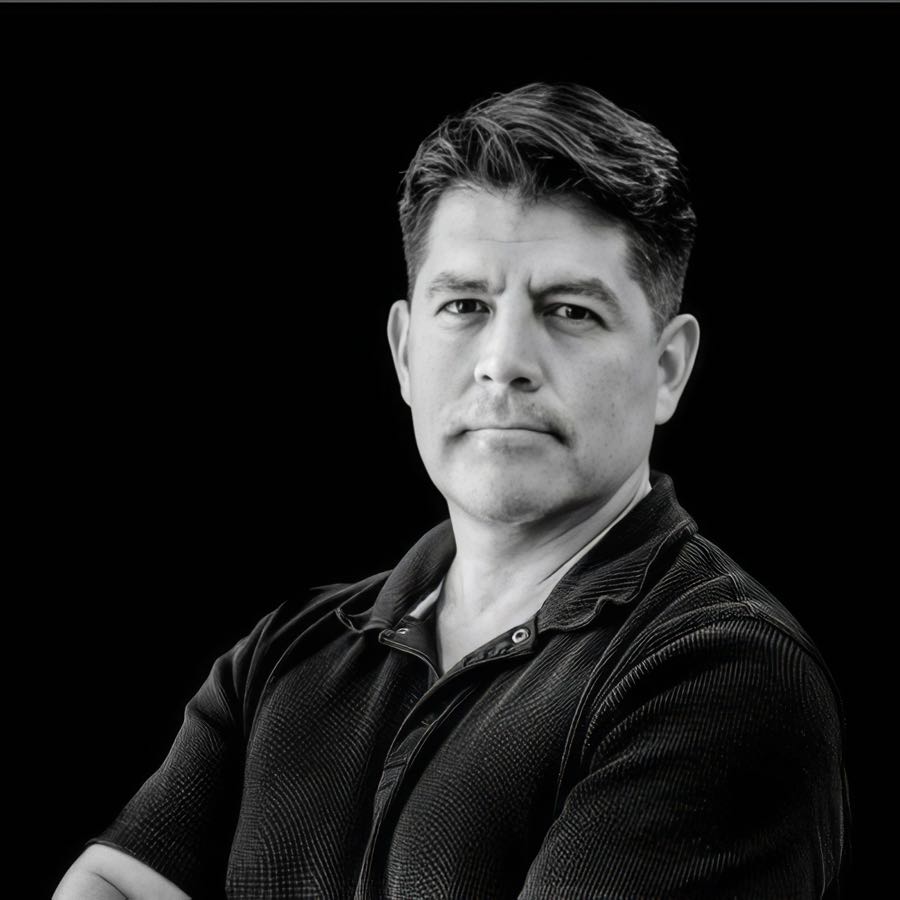
Roy Sosa started with $750. Then he came back.
He and his brother built Netspend from an Austin apartment, then helped buy its consumer business back for $1 billion. Roy Sosa’s career keeps returning to the same question: who gets to use their money?
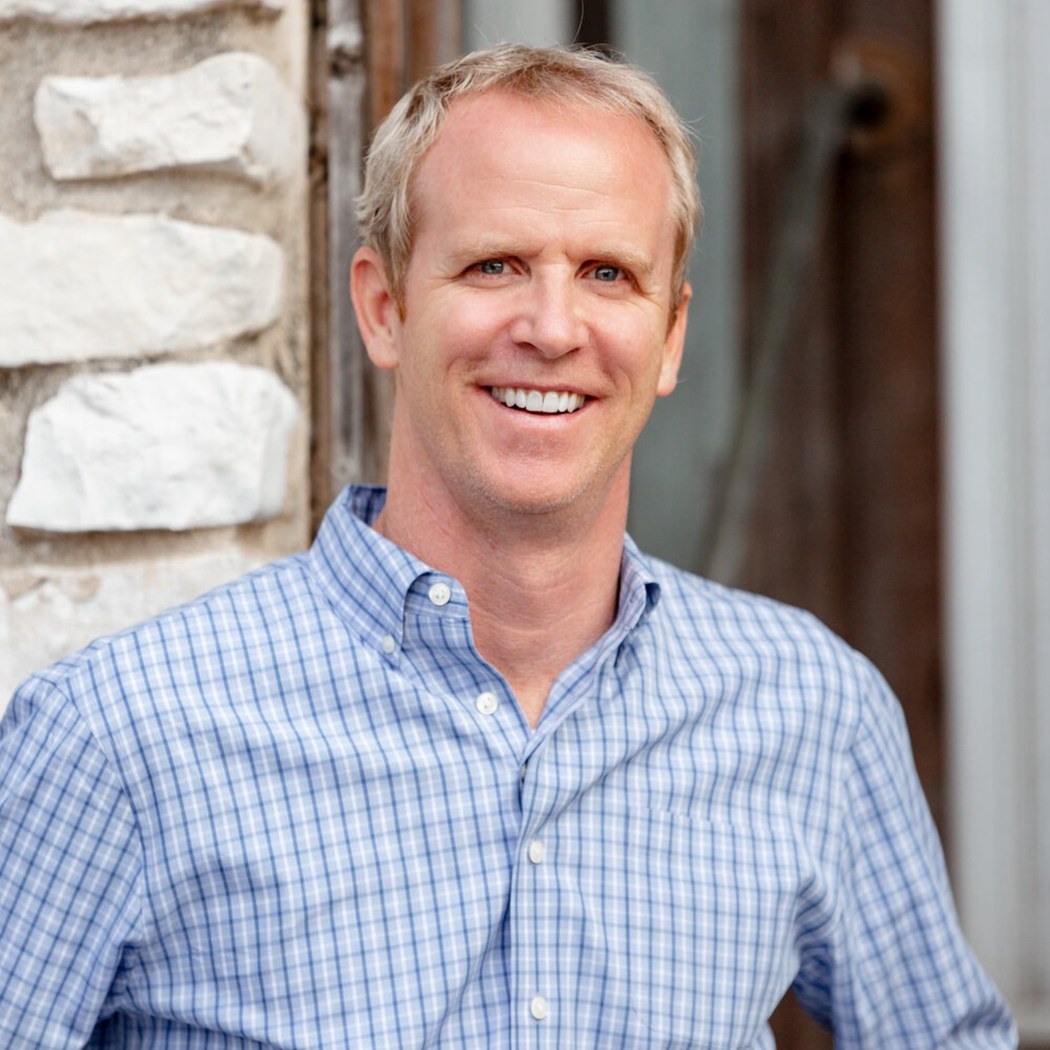
Doug Donovan wants practice to come before the pressure
An energy-auditing class gave the Interplay Learning co-founder a stubborn problem to solve. His answer now reaches from household equipment to the infrastructure behind AI.

Andy Kershner built a trading firm around the tools he wanted
A library, $5,000 and a losing summer put Andy Kershner on the road to proprietary trading. In Austin, he built a business around capital, shared knowledge and software shaped by the people using it.
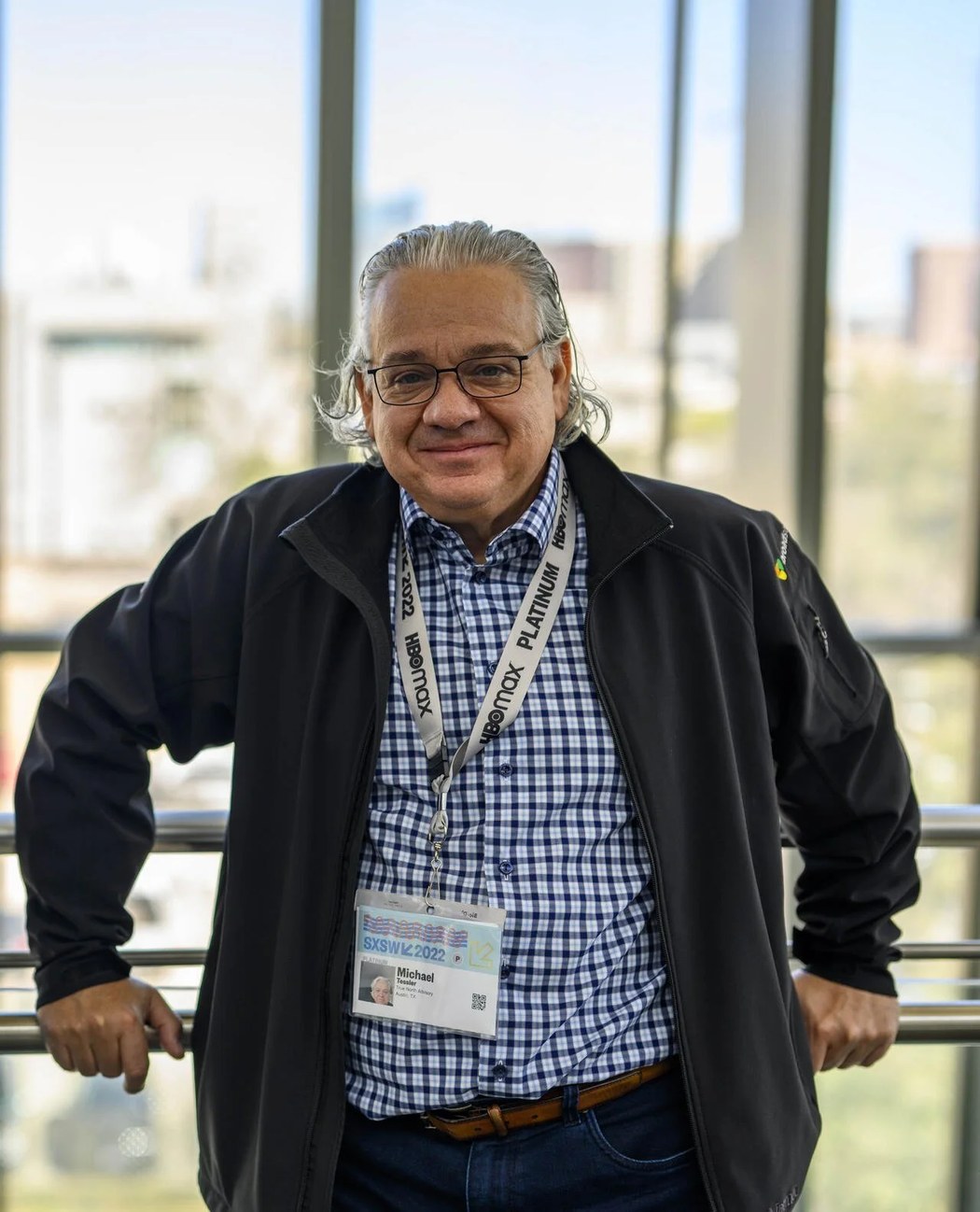
Michael Tessler built a $1.9 billion business by sharing the spotlight
BroadSoft put its software behind the phone company’s name. Its co-founder Michael Tessler brought an engineer’s patience, a partner’s instincts and a taste for the occasional good story to a two-decade journey into cloud communications.
Ritchie Tendencia knows how to hire. He also knows when to stop.
After recruiting for Meta, Houzz and Mixpanel, the CSV Now founder built a business around offshore teams. His next question is harder: are more people really what the work needs?

Anuj Pakhare wants the click to prove something
At Vereigen Media, Anuj Pakhare has built a B2B marketing business around first-party data and human verification. His recurring question is disarmingly simple: did a real person actually engage?
Chris Brown built RateGenius. Then his customers wanted the software.
After years in auto dealerships, Chris Brown founded a business around the car loan people already had. Its next opportunity came from the tools his own team needed to do the work.
Zac Brandenberg keeps finding the business behind the bottle
From a playing-card rush to performance advertising and DRINKS, Zac Brandenberg has followed the machinery of online selling. His latest bet puts wine on the websites where people already shop.
Steve Corcoran built a business by giving Saturday back
A friend’s lawn business taught the LawnStarter co-founder where the hours disappear. From shorter driving routes to free software for small crews, he keeps returning to the same question: what would make the working day easier?

James Garvey missed a payment. Then he built a way back.
A forgotten credit-card bill sent the software engineer into the machinery of American credit. Self Financial grew out of what he found there. In 2026, he returned to run it again.
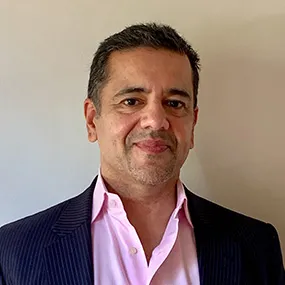
Shams Karim kept his stake. He had more to build.
When Blue Horizon took a majority interest in Nirvana in 2022, Shams Karim sold none of his own equity. His career in investment software helps explain the business he chose to keep building.

Ed Sattar and the trouble with making things simple
A real-estate training business led Ed Sattar into compliance software, IT education and investing. His recurring problem is wonderfully ordinary: how to make a complicated system useful to the person who has to live with it.
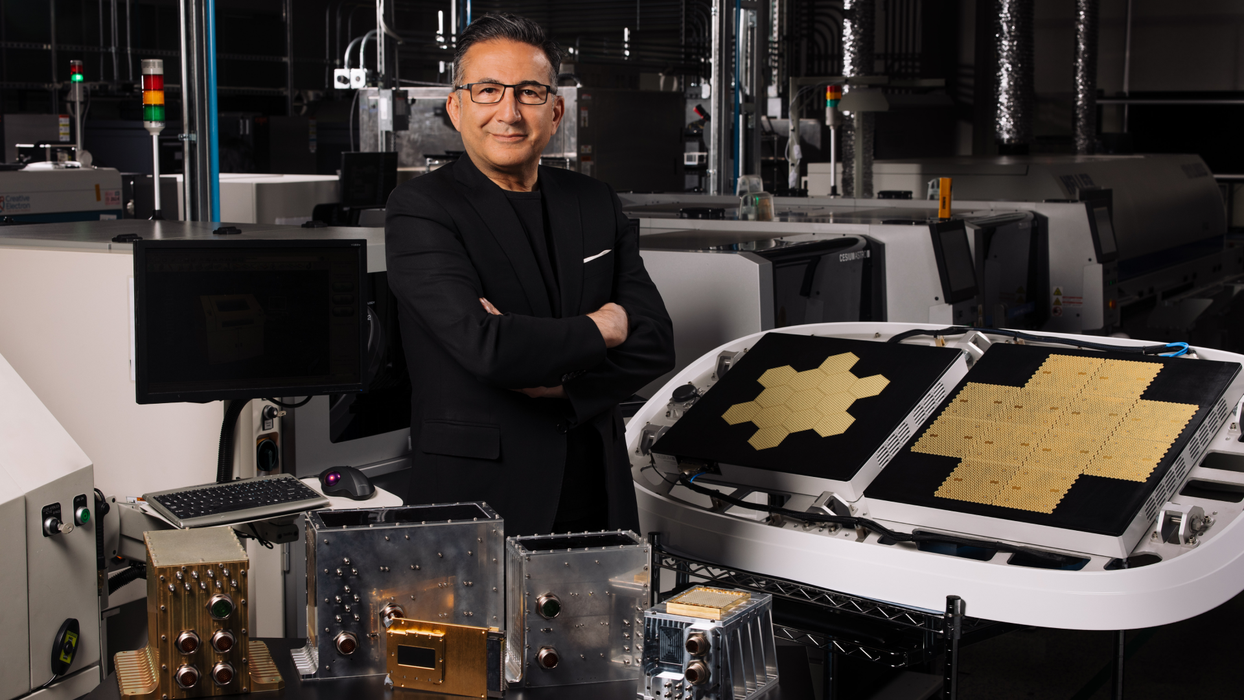
Shey Sabripour and the satellite that could change its mind
After decades designing spacecraft, Shey Sabripour built CesiumAstro around a practical question: why should a satellite keep doing the same job when the world beneath it has changed? Now his answer is taking shape in orbit and on the factory floor.

Morris Denton took the long way around
A ski racer, a technology marketer, a founder with a 300-page plan. Morris Denton built a career around finding a route through difficult terrain - and eventually put the question of success into a novel.
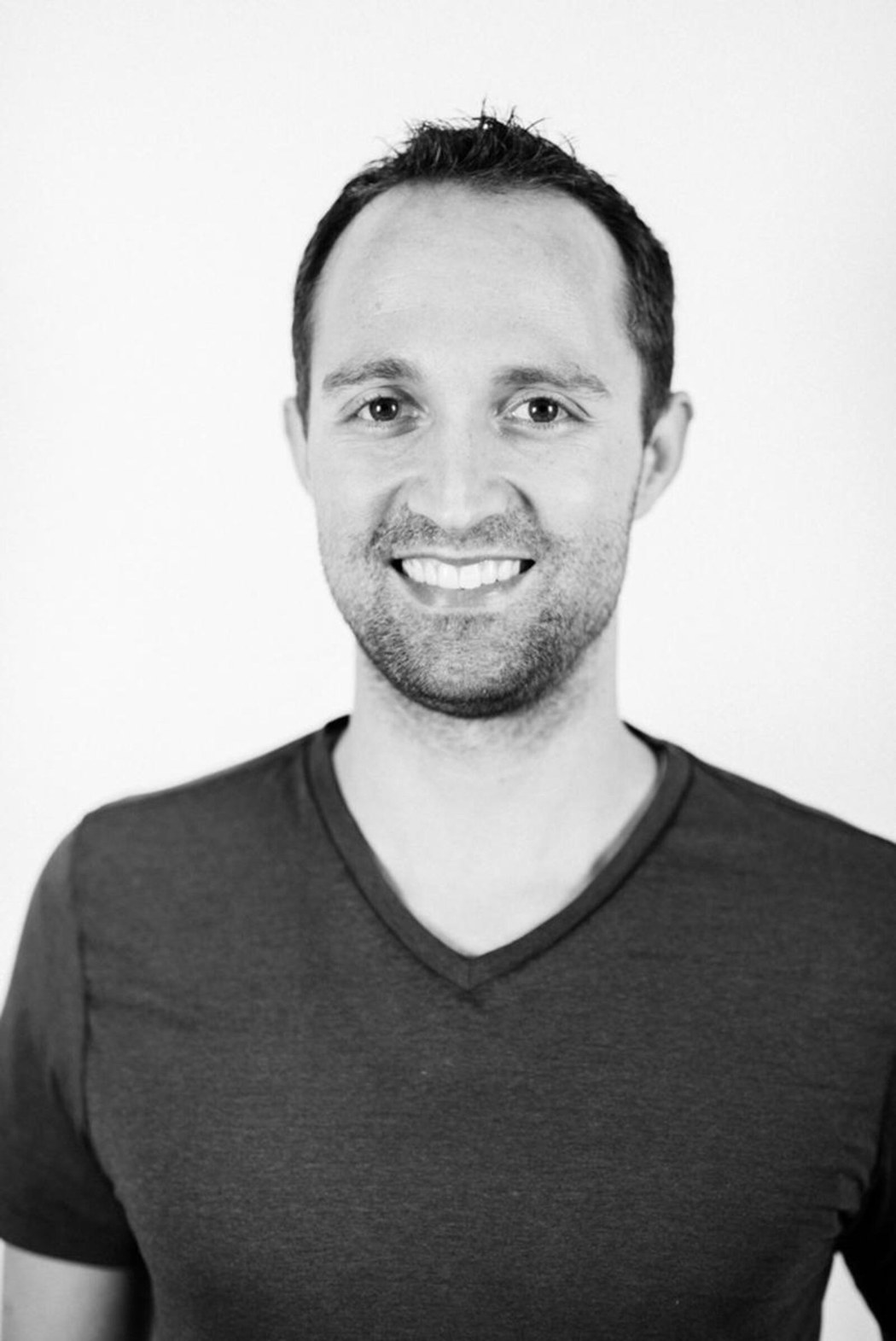
Dustin Freckleton and the trouble with making things small
A wristband, a crowdfunding promise, a ring. The Happy Health co-founder’s career turns on the distance between an elegant idea and something people will actually use.

Benjamin Smith and the education of a second act
Before Mars Men’s $27.5 million Series A, Benjamin Smith had to explain why Disco had closed. His career traces a changing understanding of customers, capital and the work of starting again.

Nikita Fedorov and the problem that followed him home
He spent his evenings building the testing tool he wanted at work. Now the founder of Qase is asking a harder question: when machines write the code, who checks that they built what we asked for?
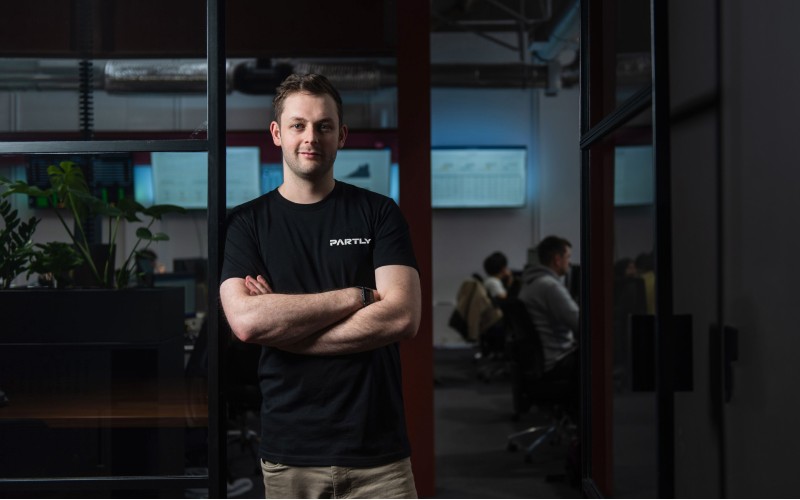
Levi Fawcett and the problem that wouldn't fit
He built his own student accommodation, helped simulate rockets, and walked away from a marketplace that was going nowhere. At Partly, Levi Fawcett is putting those lessons to work on the stubborn business of finding the right car part.