austin-founder
(25)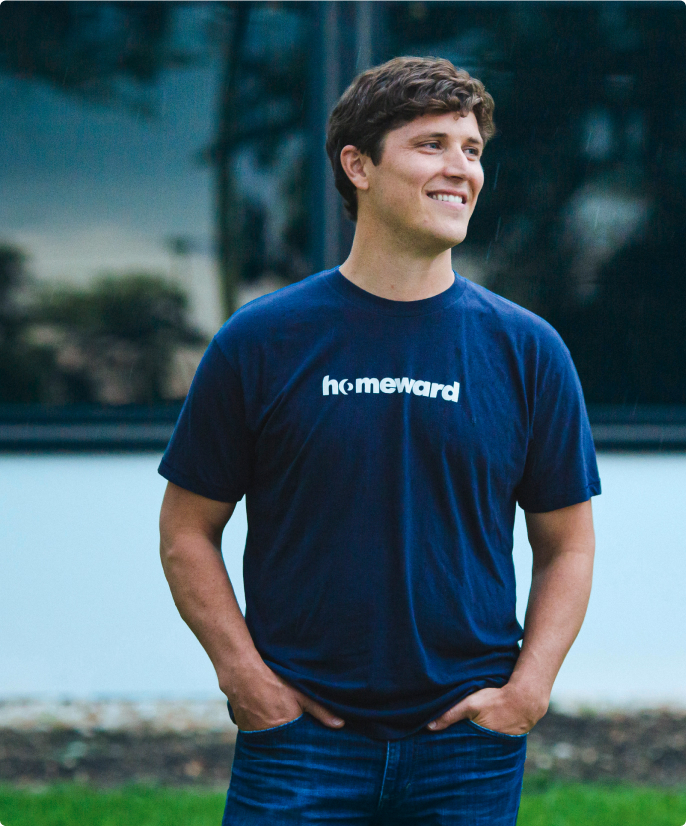
Tim Heyl and the House He Bought Twice
He began with cold calls, built a billion-dollar agent team, then put his own savings behind a stranger's move. Tim Heyl's career is a study in what happens when a salesman learns to build systems - and when those systems meet a market that refuses to sit still.
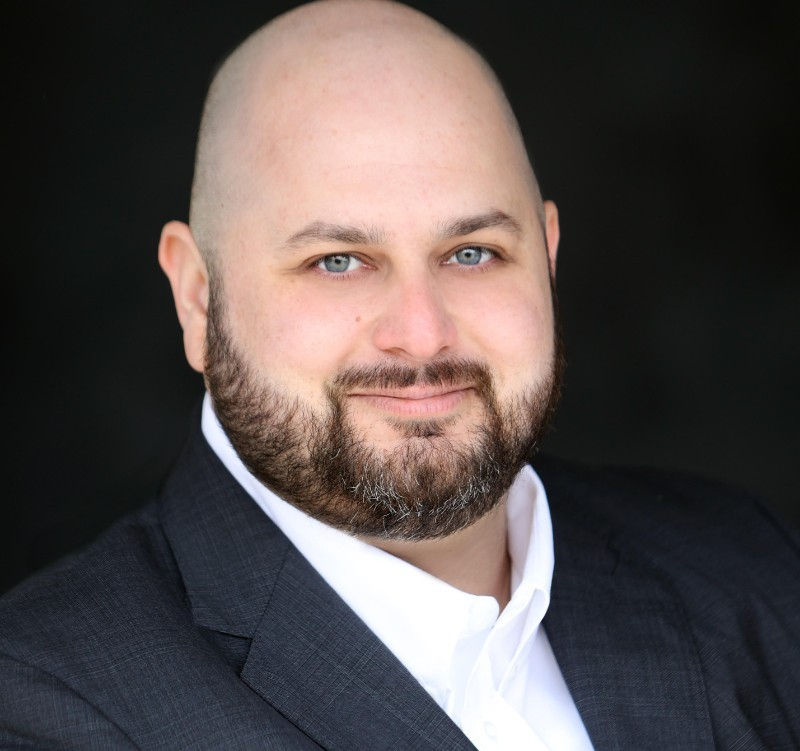
Chris Sestito Saw an AI Model Break - Then Built a Company Around the Crack
A strange attack at Cylance gave ‘Tito’ Sestito and two trusted colleagues a glimpse of cybersecurity’s next argument. HiddenLayer is what happened when they refused to leave it theoretical.
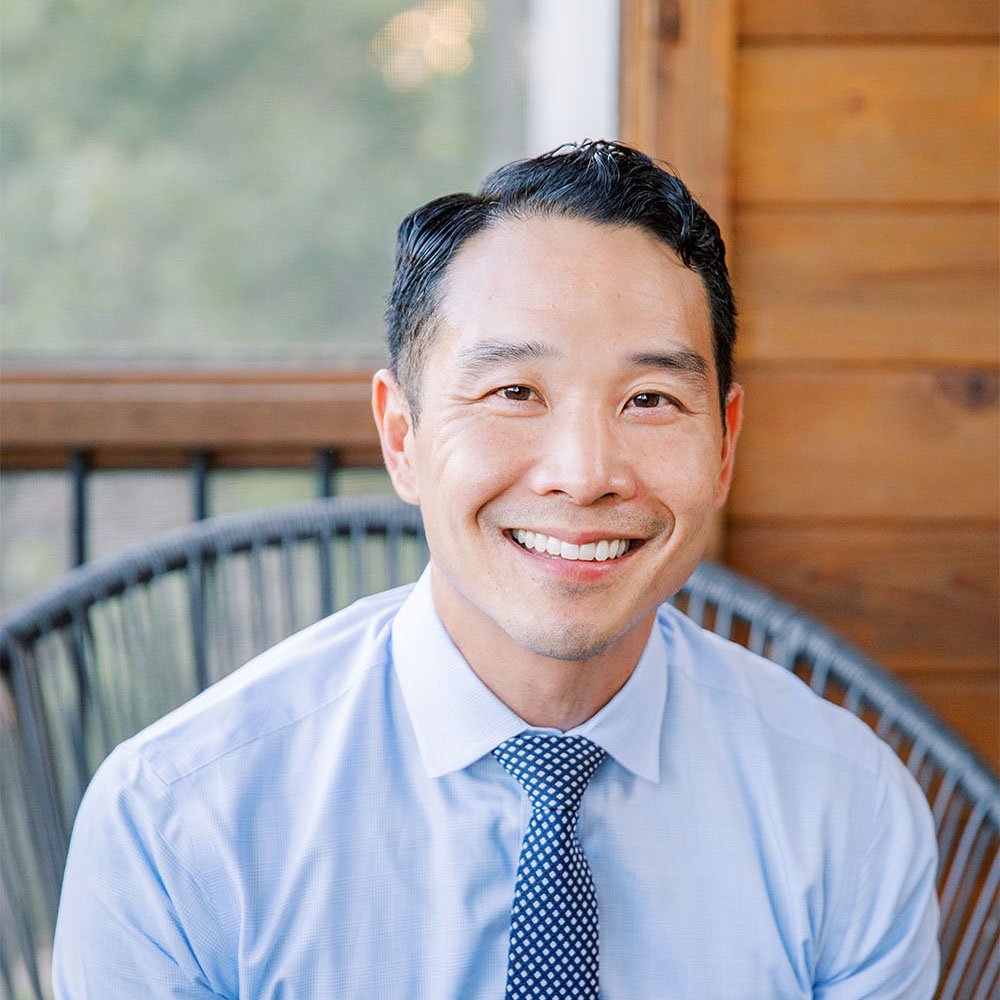
Char Hu Left the Supercomputer for the Living Room
A scientist trained to model invisible forces chose a messier problem: helping older adults remain at home. The result is a career built from mopped floors, old friendships, stubborn questions and one very large provider network.

Jacqueline Samira Saved for Ten Years. Then She Bet It All on People.
A Wall Street plan met the 2008 crash. What followed was 19 months of rejection, a hard-won education in sales, and a company built to make geography less decisive than talent.

Sofia Vyshnevska and the Follow-Up Nobody Had Time to Make
After six accelerator rejections, three pivots and one pandemic-timed launch, the Ukrainian-born Jome co-founder has a precise idea about AI: let it chase the cold leads, so people can handle the warm moments.
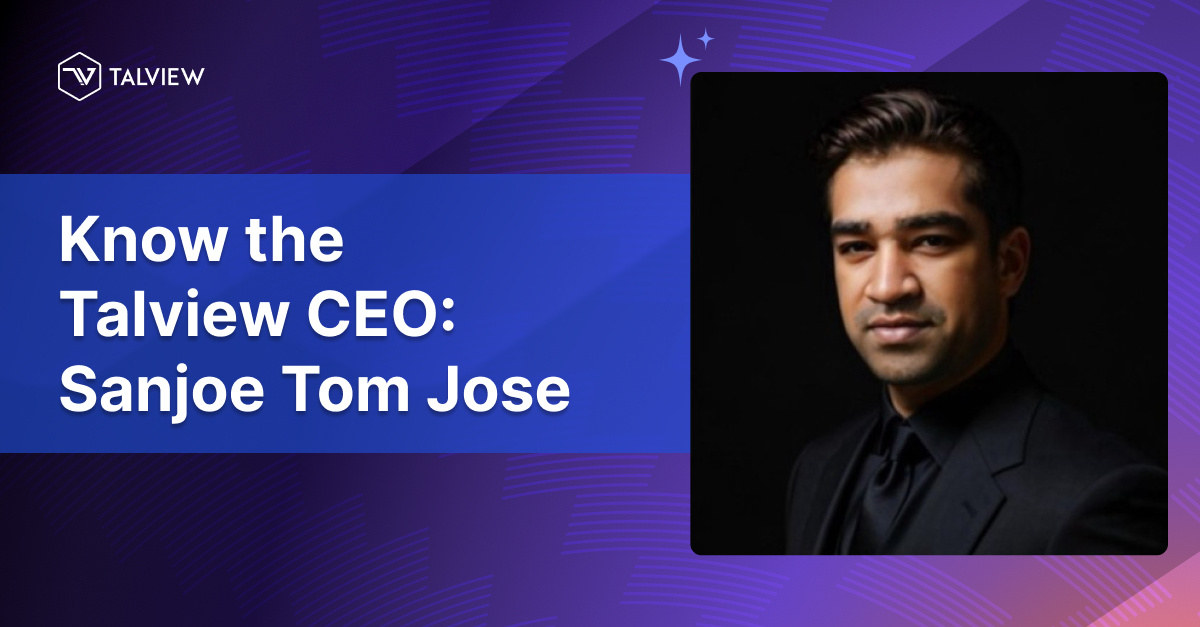
Sanjoe Jose Learned to Build by Knowing When to Begin Again
A car marketplace stalled. A video-interview business hit its ceiling. Each ending gave Sanjoe Jose a sharper question - and the company that followed now measures talent and protects exams across more than 120 countries.

Lisa Martinez and the Business of Beginning Small
She began with an Etsy shop that barely sold, then built a studio, a nonprofit, and a storytelling ministry. Lisa Martinez has made a career from the stubborn idea that small work can carry serious weight.

Avi Goren and the Restaurant That Begins Before the Door
He learned restaurant discovery from a neon sign, garlic knots and the Yellow Pages. Now the Marqii co-founder is trying to make thousands of restaurants legible to search engines, review sites and AI without misplacing the human welcome.
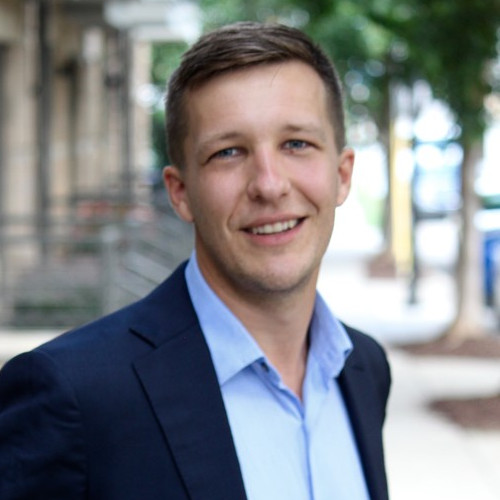
Alex Feiszli Bet His Career on the Internet's Most Boring Problem
He left IBM to make far-flung machines behave like neighbors. Five years, one YC batch, and a great many WireGuard tunnels later, Alex Feiszli is still turning network plumbing into a product people can actually operate.

Ben Schuler Bet That the Electric Motor Wasn't Finished Yet
A lesson about 30 seconds on a factory line led Ben Schuler toward a much larger question: what if the ordinary motor could do more with less material, power and waste?

Bret Boyd Is Building the Missing Switchboard for American Manufacturing
After four Iraq deployments and a career spent watching organizations wrestle with change, the Sustainment co-founder has chosen an unglamorous but consequential target: the friction keeping 250,000 American manufacturers apart.
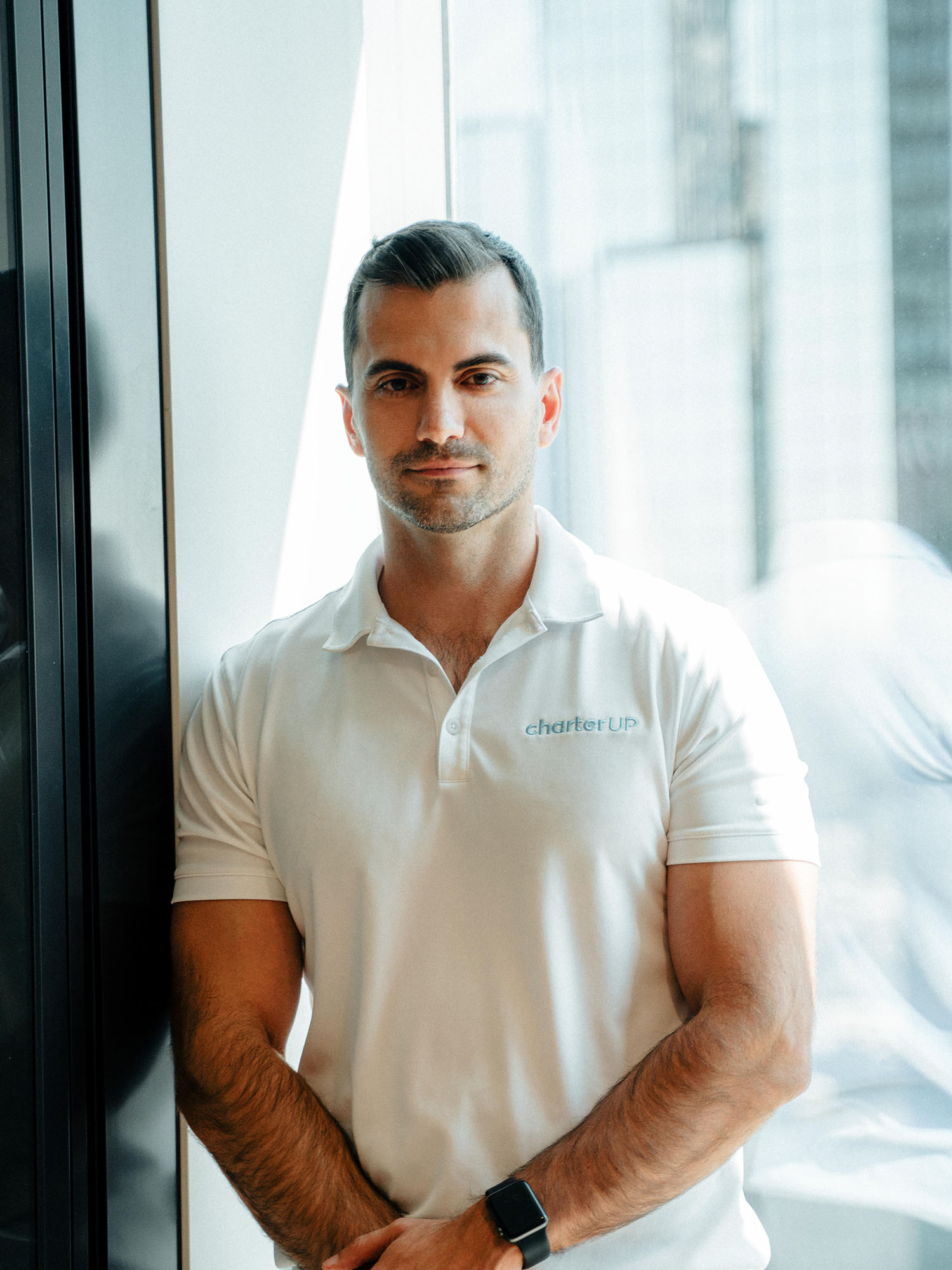
Armir Harris Is Turning the Humble Bus Into a Software Business
A frantic request for 60 buses showed Armir Harris what the industry lacked. He has spent the years since turning phone calls, paper schedules and idle vehicles into a real-time transportation network.

Branigan Mulcahy Wants the Hotel Lobby to Stop Behaving Like a Queue
A Marine turned real-estate developer turned hotel-tech founder is redesigning arrival around a simple idea: software should handle the transaction so people can handle the welcome.
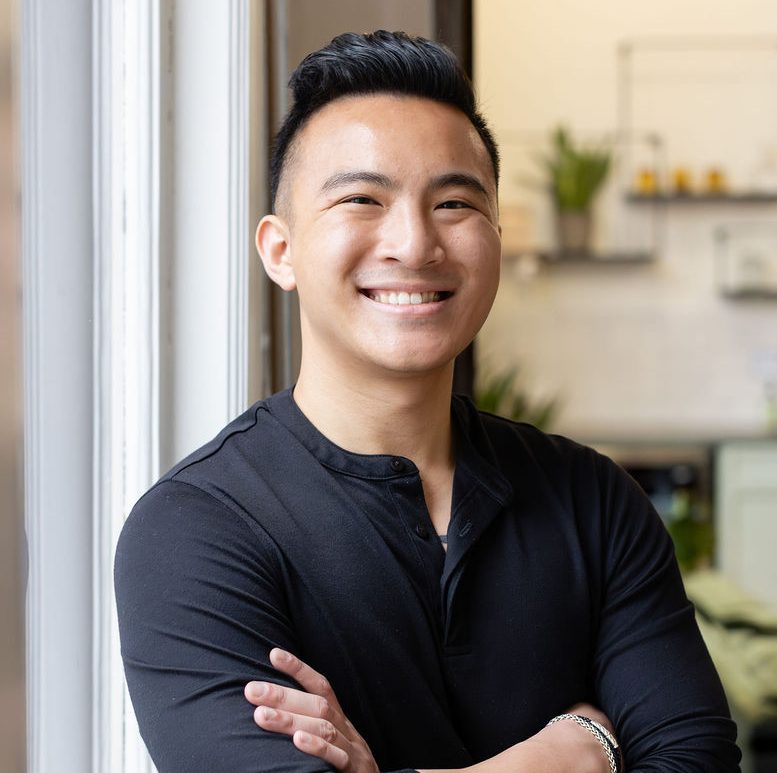
Brian Hoang Bought a Porsche. Then He Built an AI Receptionist for Car Dealers.
A first exit paid for the car that pulled a young software founder into dealership culture. His second company is turning all those missed calls, scattered logins and neglected leads into one very large systems problem.

Barry Conlon Built a Control Room for the World’s Cargo
From Irish special operations to an Austin control room, Barry Conlon has spent three decades turning freight’s faintest warning signals into action. His second act now includes buying back the business lineage he once sold - and pushing visibility toward something more useful: control.

Andy White Put a Lock on the Most Nervous Click in Real Estate
A near-miss with a stolen down payment sent a computer engineer into title offices, trade-show aisles and the plumbing of American money movement. Nine years later, Andy White is still trying to make the most anxious moment in a home purchase feel ordinary.
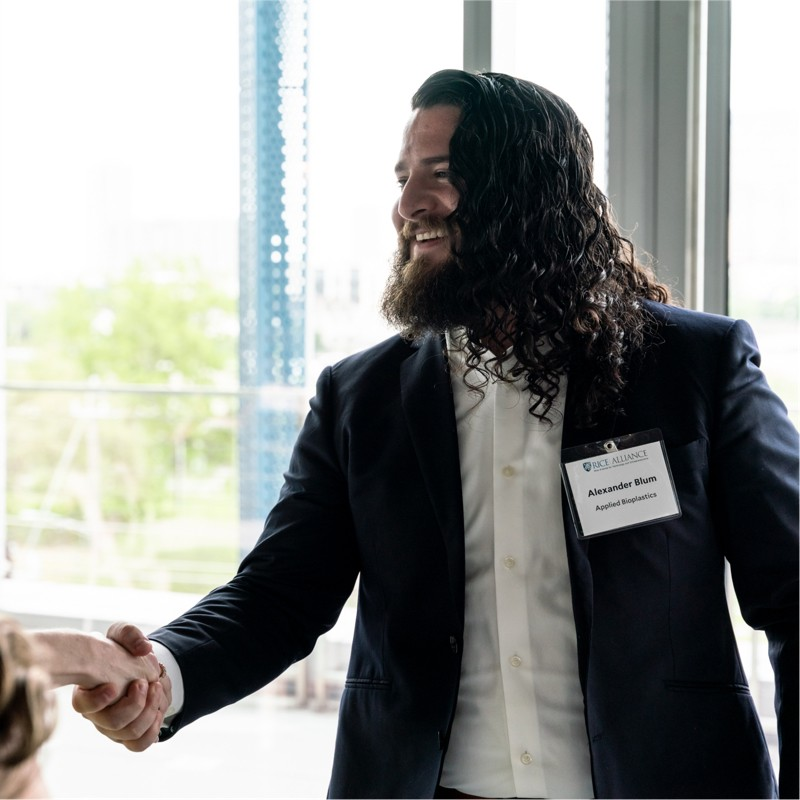
Alex Blum Took a Sales Check to Bangladesh. He Came Home With a Plastics Company.
A technology salesman went to Bangladesh hoping to help. The trip led him from a refugee-camp documentary to a stubborn, practical bet: make plant-filled plastics work on the machines factories already own.
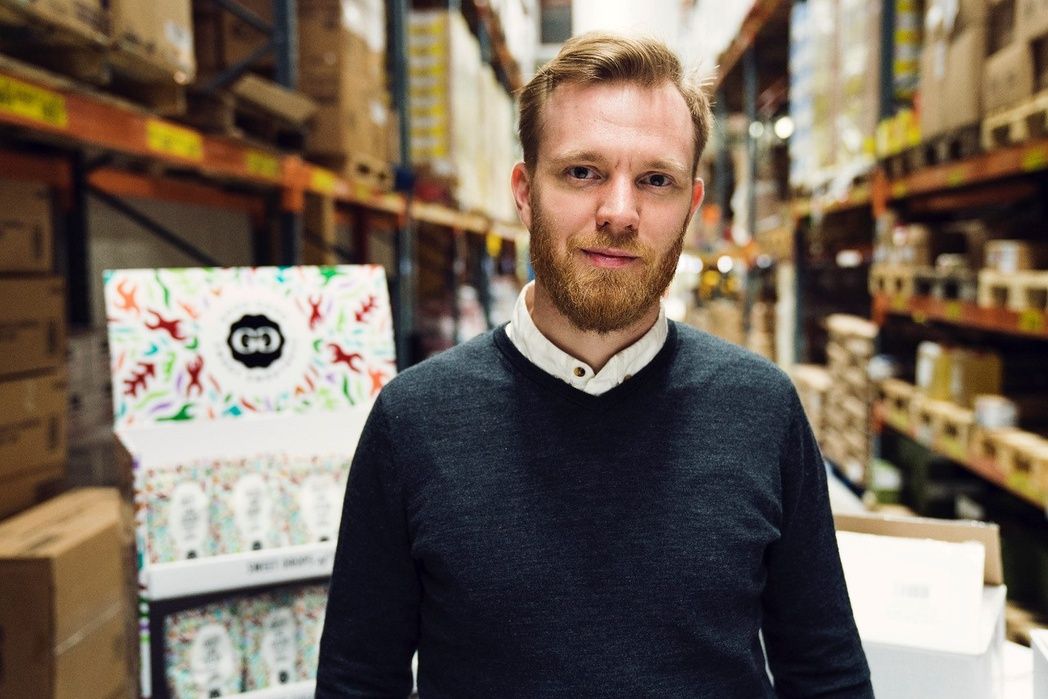
Gardar Stefansson Put Stevia in the Fine Print - and Jam on 10,000 Shelves
An expiring pile of sweetener became a kitchen experiment, then a pantry brand. The useful part of Gardar Stefansson's story is how often progress arrived after he admitted the first idea was wrong.
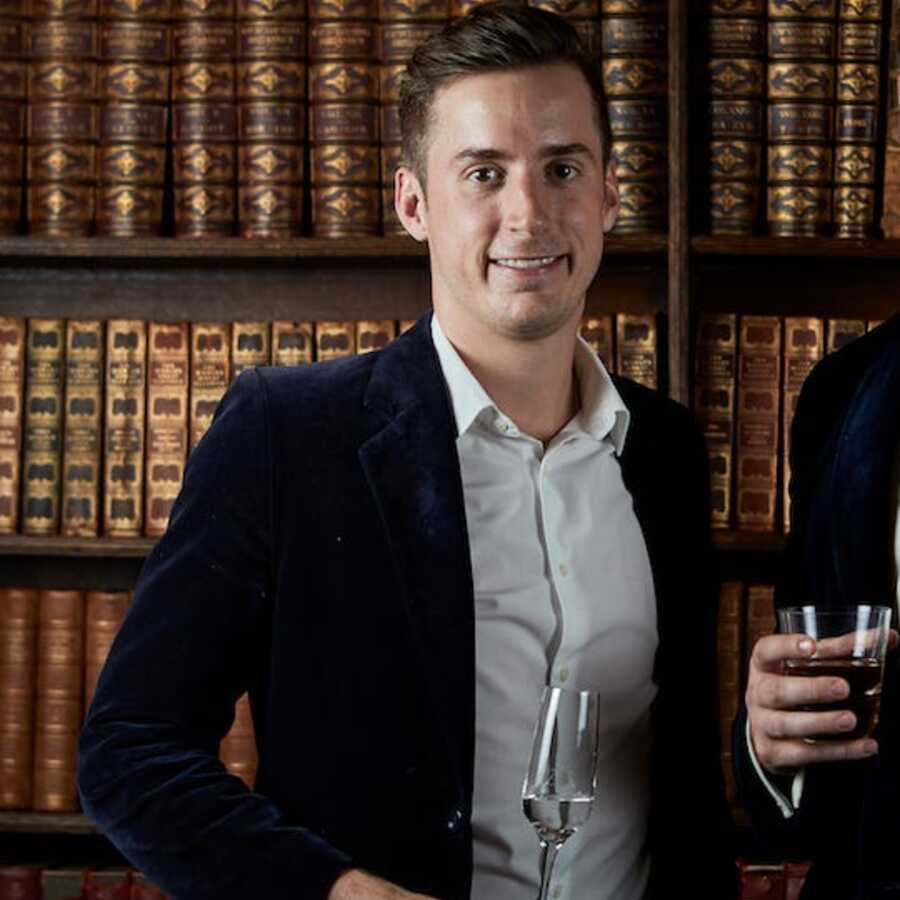
Robin Clough Bet a Tequila Could Change Its Reputation
A roadside pour in Mexico turned one MBA student's prejudice into a product brief. Robin Clough then spent four years testing, licensing and learning before Tequila Enemigo ever reached a London bar.
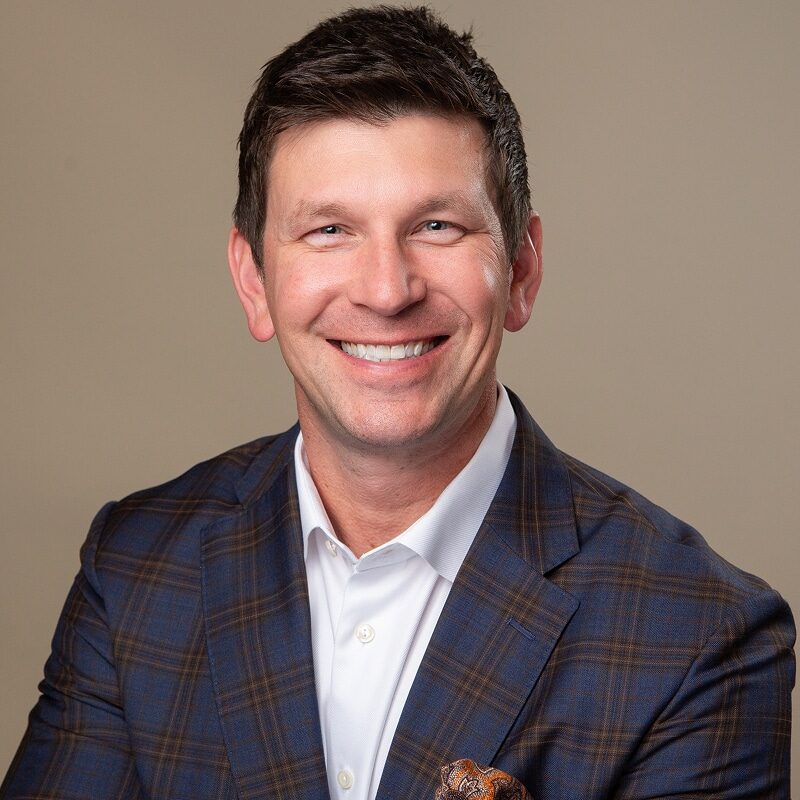
Lukas Quanstrom Is Turning Security's Messy Signals Into a Business Language
The Ontic co-founder has spent his career making scattered information useful. His larger bet is that corporate security earns influence when it can turn signals into decisions, quickly and clearly.
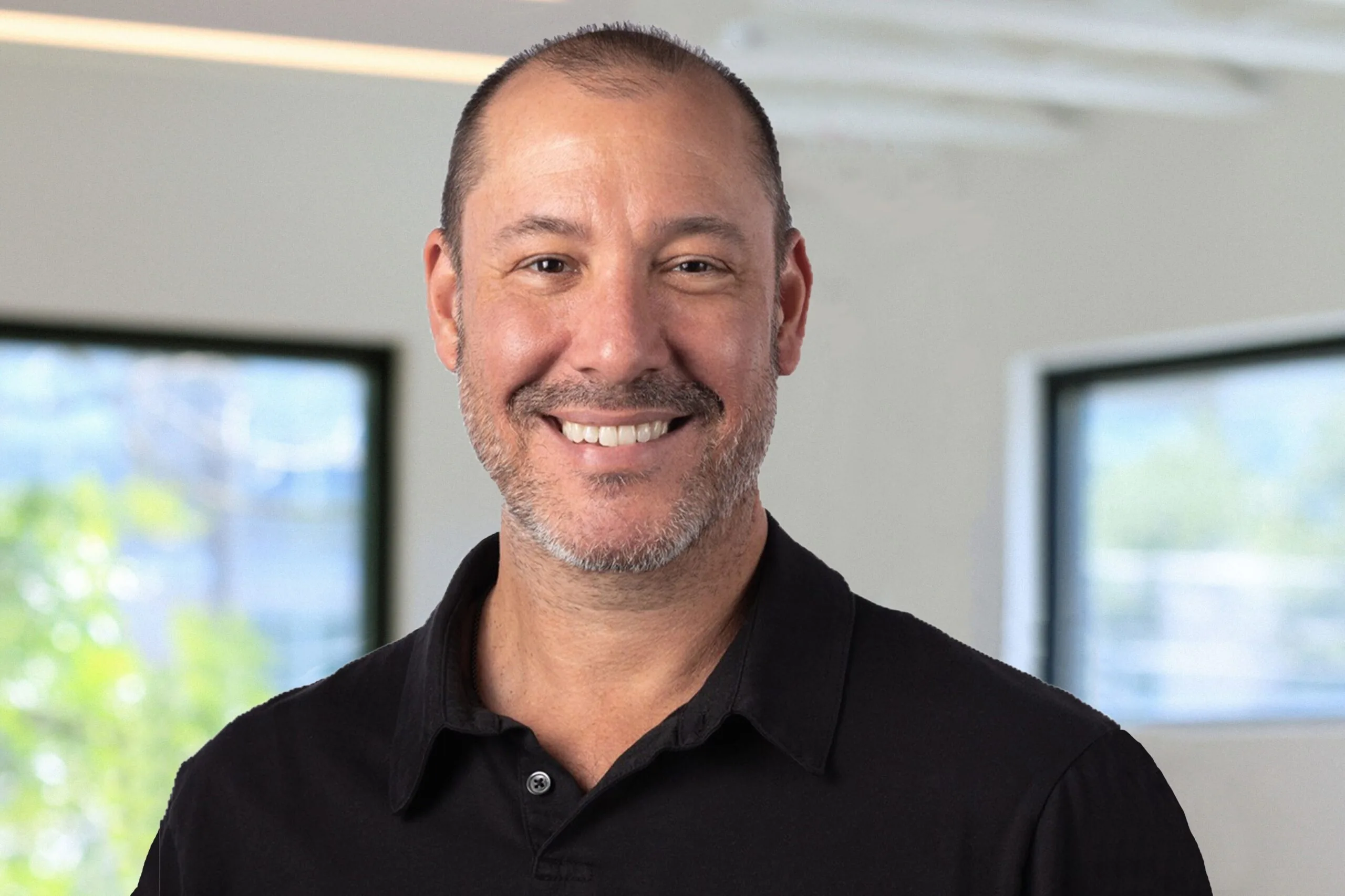
Sean Spector Keeps Building for the Last Mile
Before Sean Spector put live tracking on same-day deliveries, he helped put video games in the mail. His career is a study in spotting old systems that customers have quietly learned to tolerate - then rebuilding the experience around visibility, convenience and trust.
Randy Steinle Turned Compliance’s Paper Chase Into a Working System
A rural-hospital assignment exposed a peculiar gap: compliance help was either a lonely software form or an expensive consulting engagement. Randy Steinle built for the useful middle - expert guidance, repeatable technology, and proof that the work got done.

Michael Gulla Is Teaching Insurance to Move at the Speed of the Weather
After two decades inside insurance, the Austin founder is betting that the next useful policy will behave less like paperwork and more like an if-then statement - watching the event, verifying the trigger and moving money while it can still help.

Mason Hale Turned Swim-Meet Chaos Into Software That Outlived the Startup Playbook
A volunteer assignment, one overworked laptop and 250 young swimmers gave Mason Hale a problem worth fifteen years. His answer became SwimTopia - a patient SaaS company built around the people who keep community sports alive.

James Schmachtenberger Built a Career by Refusing the Obvious Door
He left school, bought a college at 18, organized an unruly industry and built Qualia. The useful lesson is not rebellion for its own sake - it is his habit of turning curiosity into institutions.