workplace-safety
(29)
The Safety Company That Knows Your Training Is Already Fading
Intertek Catalyst built a business around an awkward fact: the safety lesson everyone understood on Monday may be gone by Friday. Its answer is part agency, part classroom and part behavioral nudge - repeated until the right action becomes habit.

Ashley Emery Wants Marketing to Count What Matters - and Feel It, Too
The VelocityEHS CMO built her career on funnels, forecasts and revenue accountability. Now she is making the case that rigorous marketing still needs a pulse.

Allan Malcolm Is Teaching Marketing Teams to Work With AI - Without Sounding Like It
After two decades across Autodesk, Trimble and now Voxel, the Ontario-based CMO has a bracingly practical rule for AI marketing: train the system, protect the voice, and keep a human in the room from the first move.

HSI Turned the Safety Binder Into a Feedback Loop - and 22,000 Customers Bought In
The company began with emergency-care instruction. Nearly five decades and a long acquisition campaign later, it sells a connected operating system for the unglamorous, consequential work of keeping people safe.

The Safety Software Bet: VelocityEHS Wants 10 Million Workers to Report the Thing That Almost Happened
The Chicago software company spent three decades assembling the unglamorous machinery of workplace safety. Its next wager is that better reporting - plus tightly supervised AI - can spot danger before a near miss becomes a headline.
KPA Spent 40 Years Expanding. Then It Put the Whole Company Back in the Dealership.
The compliance company built a broad industrial software portfolio, then split it apart. Now KPA is betting that 150 consultants, 400-plus courses, and one dealer-specific dashboard beat a generic safety platform.
Omnigo Is Turning the Mess After an Incident Into One Searchable Record
Police reports, casino watchlists, hospital incidents and evidence lockers rarely speak the same language. Omnigo's bet is that they do not have to - as long as one configurable system can keep the record straight.
Avetta Turned Contractor Paperwork Into a Passport to Work
Avetta built a $3 billion business around an unglamorous question: is this contractor actually ready to step onto the site? Its answer combines software, audits and a network - while asking suppliers to do some of the paying and plenty of the paperwork.

Voxel Turned the Security Camera Into a Safety Coach
Warehouses already had the cameras. Voxel gave them a second job: spotting the near miss before it becomes an injury - and turning footage into a daily operating habit.
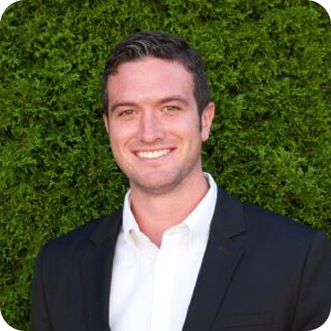
Andrew Leahy Is Turning the Safety Button Into a System
A personal loss sent the former financial analyst searching for a faster call for help. A decade later, POM Safe is moving upstream - from emergency response to the quieter work of spotting risk before a visit begins.
Daryl Hancock Spent 25 Years Making Invisible Risks Visible
Before RMEC joined a global compliance group, it began with four partners, a handful of clients and one founder working full-time. Daryl Hancock turned that unglamorous beginning into a 25-year study in making risk legible.
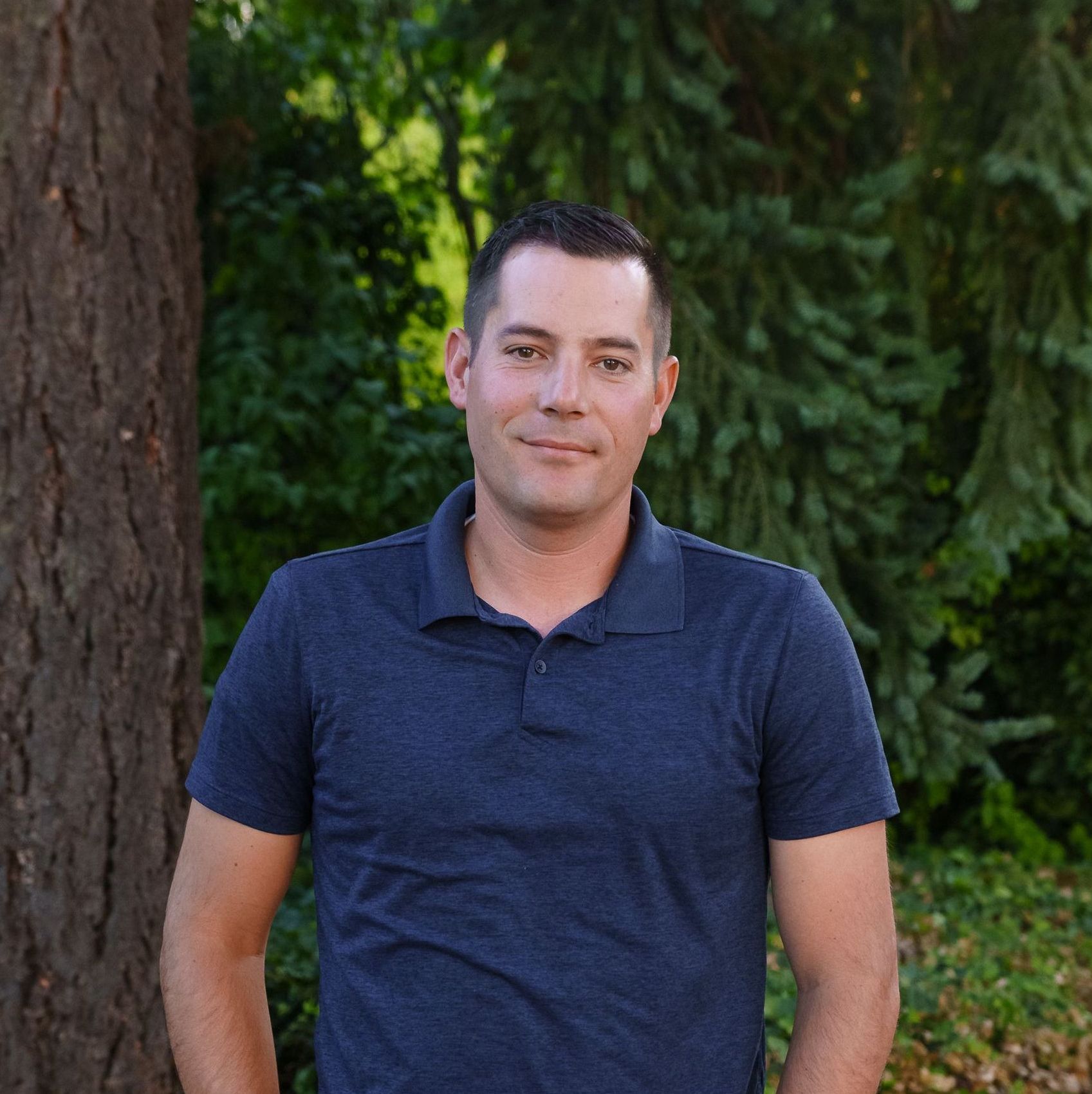
Nic Patee Built a Company Around the Moment Before Something Goes Wrong
A former college ballplayer turned physical therapist saw an expensive habit hiding in plain sight: work waited for trouble. His answer was to make prevention part of the shift.
Black Diamond Radio Built a Business for Teams That Can't Afford a Dead Radio
The Aurora manufacturer started with an earpiece and discovered the bigger product was certainty: one-button communication, a human on the phone, and a replacement when somebody runs the radio over.
SFM Built a $1 Billion Balance Sheet by Trying to Stop the Next Injury
The Midwest workers' compensation mutual sells a required product, then spends its energy trying to make that product less necessary - through safety advice, medical coordination and an unusually patient view of the customer relationship.
The Company That Puts a Label on Almost Everything You Touch at Work
For 110 years, Brady has made the humble label a serious business. Now, fresh off a $1.4 billion deal for Honeywell's barcode-and-scanner unit, the Milwaukee manufacturer is betting that whoever labels the thing should also track it.

ArcLab
ArcLab is a Singapore-based mobile learning SaaS platform built for the frontline deskless workforce - the roughly 2.7 billion workers who don't sit at desks. Organisations use its AI-powered tools to turn documents into bite-sized 'nano learning' modules, deliver them on mobile in any language, and track uptake, compliance and skills gaps. It serves construction, logistics, manufacturing, food & beverage, retail and non-profit teams across Southeast Asia.
Foresight
Foresight is a San Francisco-based commercial insurtech that ties safe work practices to insurance savings. It writes workers' compensation coverage for hard-to-place middle-market businesses in industries like construction, manufacturing, agriculture and landscaping, bundling its Safesite safety platform, virtual safety coaching and AI-informed underwriting into every policy to prevent injuries, reduce claims and lower rates.
David Fontain
David Fontain is the co-founder and CEO of Foresight, a San Francisco insurtech that pairs workers' compensation coverage with its own safety technology, Safesite. An Australian who grew up on the Gold Coast and started out in investment banking, he built Foresight after a childhood friend died in a preventable workplace accident. The company underwrites for hard-to-place middle-market businesses in industries like construction and manufacturing, using an 'engage and save' model that rewards safer companies with faster premium relief. Foresight has raised tens of millions from investors including OMERS Ventures, and its technology is credited with cutting workplace incident frequency by double digits.

Intenseye
Intenseye is a New York-based enterprise AI company that turns existing factory and warehouse cameras into a 24/7 safety monitoring system. Its computer vision platform watches for unsafe acts and conditions - missing hard hats, people in forklift paths, blocked exits, ergonomic strain - and alerts safety teams in real time to help prevent serious injuries and fatalities. Founded in 2018 by Sercan Esen and Serhat Cillidag, the company protects more than 100,000 workers across 25+ countries and has raised over $90 million, including a record $64M Series B led by Lightspeed Venture Partners in 2024.
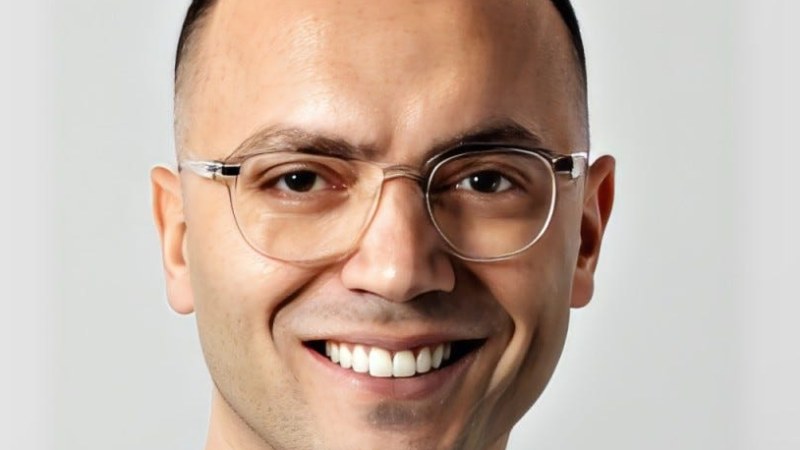
Sercan Esen
Sercan Esen is the co-founder and CEO of Intenseye, a New York-based AI company that plugs into the CCTV cameras already bolted to the walls of factories, warehouses and construction sites and watches, in real time, for the kinds of small unsafe acts that eventually kill people. A former Sony AI consultant with two degrees from Boğaziçi University, he spent the first two years of the company walking factory floors in 50-plus plants - making ice cream, assembling cars - before deciding what the software should look like. Intenseye now runs 120+ computer-vision models across facilities in 26 countries and has raised roughly $94 million, including a $64 million Series B led by Lightspeed in 2024. Esen is a 2023 World Economic Forum Technology Pioneer.
Impairment Science, Inc.
Impairment Science, Inc. is a Cambridge, Massachusetts neuroscience company behind DRUID, a smartphone app that measures cognitive and motor impairment from any cause - cannabis, alcohol, fatigue, medication, or illness - in about one to three minutes. Conceived in 2016 by longtime UMass Boston psychology professor Dr. Michael Milburn and incorporated in 2018, DRUID scores a person's reaction time, decision-making, hand-eye coordination, and balance against their own sober baseline. It is the only impairment technology with three published, peer-reviewed studies validating its accuracy, including research led by Johns Hopkins School of Medicine faculty. The company now sells DRUID Enterprise, a cloud portal that lets employers in construction, mining, EMS, and other safety-critical industries run fitness-for-duty checks without a breathalyzer or urine sample.

Teamforce AI
Teamforce AI is a San Francisco-based B2B software company that helps manufacturers, warehouses, and logistics operations surface the hazards and near misses their formal reporting systems never catch. Built on the premise that frontline workers know the real risks but rarely speak up, its anonymous capture-and-verify platform surfaces hidden hazards, confirms that fixes actually changed behavior on the floor, and quantifies the dollars avoided - positioning itself as a 'system of proof' for operational risk rather than another suggestion box.
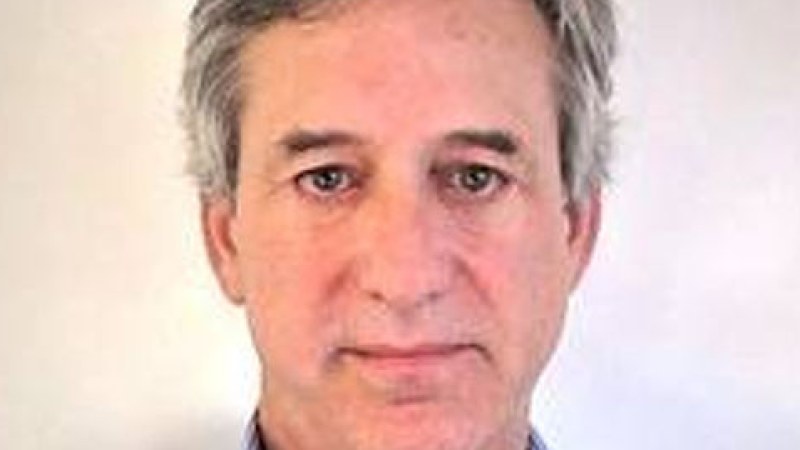
Robert Schiller
Robert Schiller is the CEO of Impairment Science, Inc., the Cambridge, Massachusetts company behind DRUID, a smartphone app that measures cognitive and motor impairment in under three minutes through four game-like tasks. A repeat startup operator who has taken two high-tech companies public, Schiller runs a business built on a simple idea: instead of testing what is in your blood, test how your brain and body are actually performing right now. Under his leadership, DRUID has grown from a viral consumer download into Druid Enterprise, a workplace-safety platform used to gauge readiness for duty across fleets, public-safety departments, and employers.
Vivek Kumar
Vivek Kumar is the CEO and co-founder of Teamforce AI, a San Francisco software company that builds what it calls a 'system of proof' for operational risk. Instead of treating safety as a paperwork exercise, his platform surfaces the hazards and near-misses that never get reported, then verifies that fixes actually change behavior on the factory floor. A Wharton graduate, FINRA-licensed finance professional turned operator, patent holder, and angel investor, he hosts the Frontline Advantage podcast and works with manufacturers like Detroit Manufacturing Systems and BASF.
CompScience
CompScience is a San Francisco-based insurtech that runs computer vision and generative AI on a company's existing security cameras to spot more than 50 workplace hazards before they become injuries. It pairs that 'Visual AI' safety analytics with an active commercial workers' compensation insurance product, rewarding employers who act on the data with better insurance economics. The company says its system gives safety leaders roughly 300 times more data than a traditional walkthrough inspection, and it has set a public goal of preventing one million workplace injuries by 2035.
Jenni Ellis
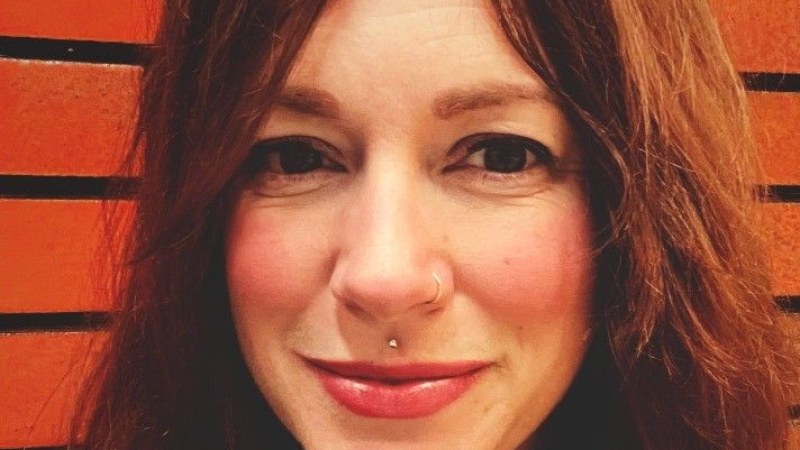
Jenni Ellis is the Executive Assistant to the CEO at CompScience, a San Francisco insurtech building AI control systems that aim to prevent one million workplace injuries by 2035. The right hand to founder Josh Butler, she runs the day-to-day machinery behind a fast-scaling, Series B startup. Before CompScience she logged operations and office-management time across some of the Bay Area's best-known tech names - Replicate, DoorDash, Instacart, and Dropbox - building a reputation as the steady operator who keeps founders and offices moving. Colleagues describe her as vivacious and enthusiastic, a natural leader who keeps tabs on the day-to-day flow of a business.
Josh Butler
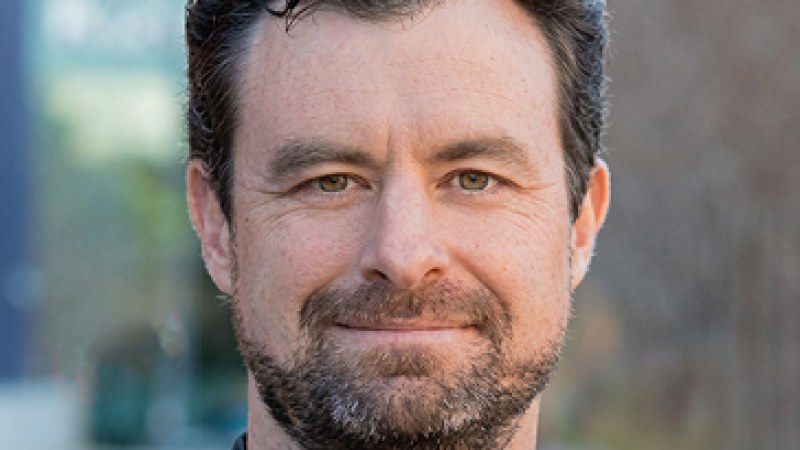
Josh Butler is the founder and CEO of CompScience, a San Francisco AI company that turns ordinary workplace cameras into a real-time safety system. He was building perception software for self-driving cars when a family member was badly hurt on a construction site, and he redirected that same computer-vision technology toward stopping workplace injuries. Today CompScience detects more than 50 behavioral and environmental hazards on camera, bundles the analytics into a workers' compensation insurance product, and counts hundreds of enterprise customers across construction, manufacturing, warehousing and food service.
Coram AI
Coram AI is a Sunnyvale-based AI video security platform that transforms existing IP camera infrastructure into an intelligent security operation. Founded in 2022 by two PhD-holding ex-Lyft autonomous driving engineers, Coram replaces outdated, hardware-locked surveillance systems with a cloud-native platform featuring natural language video search, real-time AI threat detection, access control integration, and emergency management — all without requiring customers to rip out their existing cameras. The company serves industries from healthcare and education to manufacturing and warehousing, and in January 2025 raised a $13.8M Series A led by Battery Ventures.
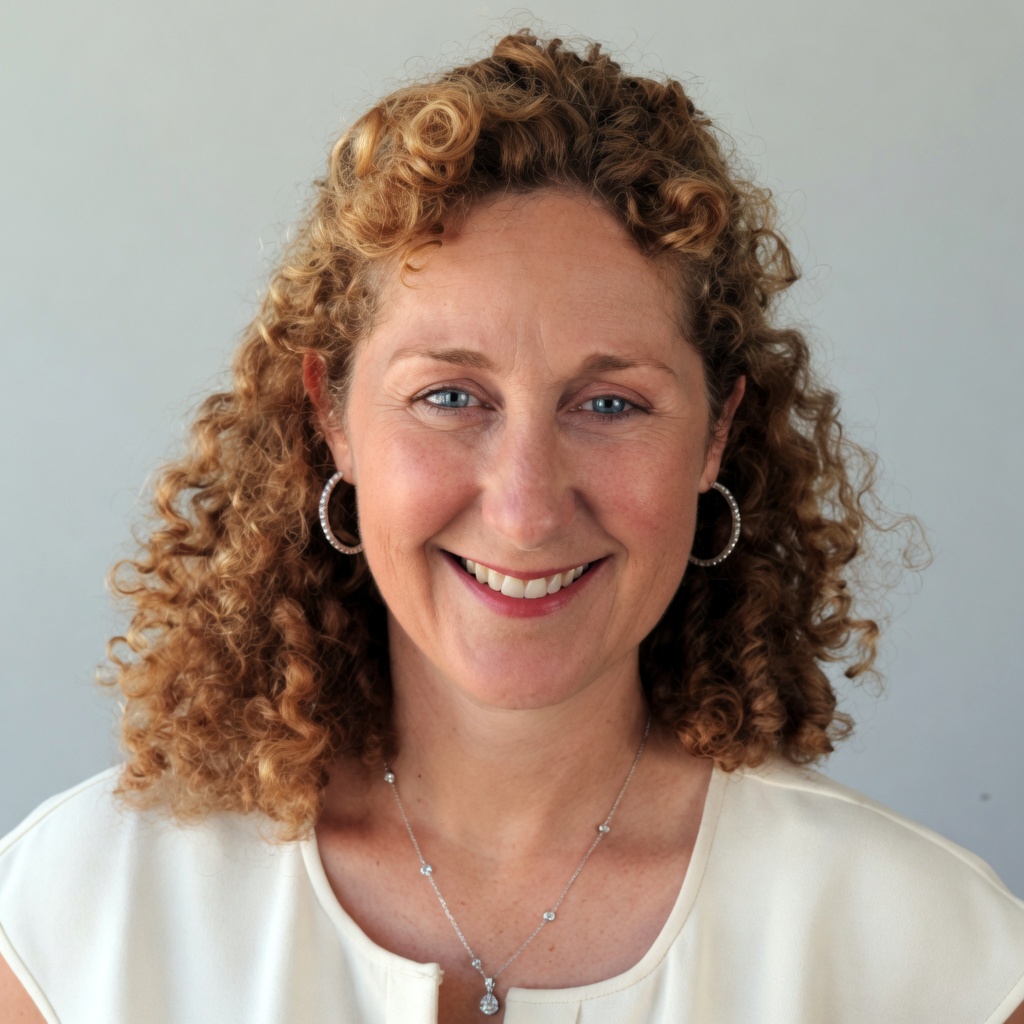
Janine Yancey
Janine Yancey is the Founder and CEO of Emtrain, a San Francisco-based AI-powered compliance training and workplace culture analytics platform she founded in 2006. A former employment lawyer and first-generation college graduate, she built Emtrain to replace lecture-style compliance check-boxes with cinematic, skills-based learning backed by behavioral data. The platform serves 800+ enterprise clients including Netflix, Yelp, and Chevron, has raised $18M in funding, and is known for its proprietary Workplace Color Spectrum and culture benchmarking engine drawing on 25 million employee sentiment data points. Yancey famously predicted the #MeToo movement in a 2016 Medium article - months before it went global.